Discover what makes the Rwenzori Mountains different from Kilimanjaro, Mount Kenya and other African treks: geology, glaciers, solitude and terrain.
Every serious mountain traveller who researches trekking in Africa runs into the same pattern. Kilimanjaro fills the search results, Mount Kenya earns quiet respect, and then, somewhere deep in a forum thread, someone mentions a wet, green, glaciated range on the Uganda–Congo border and says it was the hardest and most beautiful thing they have ever done. That range is the Rwenzori Mountains, the legendary Mountains of the Moon, and after many seasons guiding on them I can tell you that the forum thread is right.
The Rwenzori are not simply another high point on the African map. They are built differently, they behave differently, and they ask different questions of the people who walk them. Where most African mountains are single volcanic cones that you climb in a straight line to a summit, the Rwenzori are an ancient, tectonically uplifted chain of six massifs, wrapped in cloud, draped in moss, and crowned with some of the last equatorial glaciers on the continent. The Rwenzori Mountains National Park has been aUNESCO World Heritage Sitesince 1994, and once you have spent a few days inside it, the reasons become obvious.
This guide sets out, honestly and in detail, what separates the Rwenzori from Kilimanjaro, Mount Kenya, Mount Meru, Mount Elgon, the Simien Mountains, the Atlas and the Drakensberg. It is written for trekkers who are genuinely weighing their options, so it also says plainly who the Rwenzori suits and who might be happier elsewhere. If by the end you decide this is your mountain, our guides will be glad to help you plan the trek.
A Range, Not a Mountain: The Geology That Changes Everything
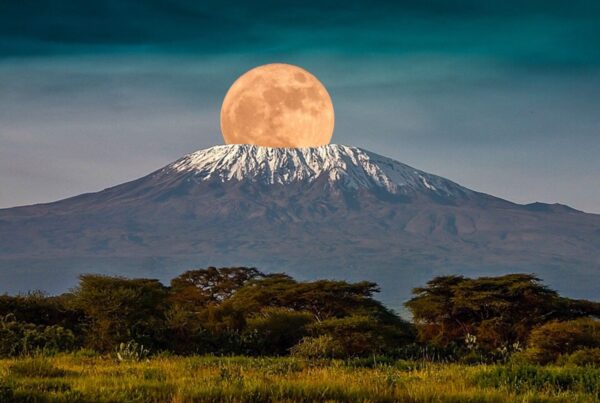
The first difference is structural, and it shapes almost everything else you will experience. Kilimanjaro is a stratovolcano, a single symmetrical cone rising alone from the plains of northern Tanzania. Mount Kenya is the deeply eroded core of an extinct volcano. Mount Meru and Mount Elgon are volcanoes too, and the Virunga peaks on the Uganda, Rwanda and Congo border are a chain of volcanic cones. The Rwenzori are none of these. They are a fault-block range of ancient Precambrian crystalline rock, heaved upward along the western branch of the East African Rift over millions of years, and stretching roughly 120 kilometres along the Uganda–Congo frontier.
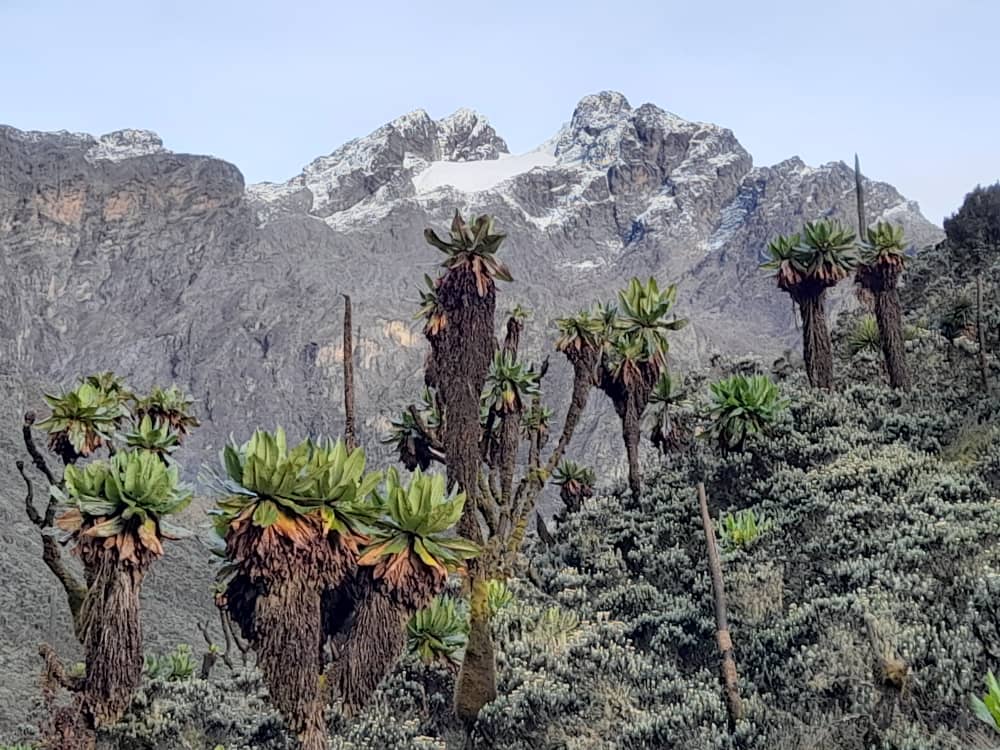
That origin gives the range a character no volcano can imitate. Instead of one summit cone, there are six major massifs, each with its own glaciers, valleys and personality: Mount Stanley at 5,109 metres, Mount Speke at 4,890, Mount Baker at 4,843, Mount Emin at 4,798, Mount Gessi at 4,715 and Mount Luigi di Savoia at 4,627. Between them lie deep glacial valleys, chains of dark lakes and ridgelines that twist in ways a volcano never would. A trekker who arrives thinking they have booked a climb of Margherita Peak soon discovers they have actually entered a whole mountain system with many possible objectives, a point we explore further in our piece on what makes the Rwenzori special.
Other African trekking regions are different again. The Simien Mountains of Ethiopia are the dramatic, eroded edge of an ancient lava plateau, walked along escarpment rims with sweeping views but a comparatively open, dry landscape. The Drakensberg is a great basalt escarpment, gentler in altitude and hiked mostly on open grassland. Morocco’s Toubkal, at 4,167 metres the high point of the Atlas, is a pleasant and accessible alpine trek. Each is worthwhile. None of them combines a tectonic range of this size, this age and this ruggedness with an equatorial climate, which is where the Rwenzori begins to stand alone.
| Destination | Highest point | Geology | Defining character |
| Rwenzori Mountains (Uganda/DRC) | 5,109 m (Margherita) | Fault-block range of six massifs | Wet, boggy, Afro-alpine, glacier crossing, very few trekkers |
| Kilimanjaro (Tanzania) | 5,895 m (Uhuru) | Stratovolcano | Africa’s highest; altitude is the main challenge; busy routes |
| Mount Kenya (Kenya) | 5,199 m (Batian) | Eroded extinct volcano | Technical rock summits; Point Lenana (4,985 m) is the trekking goal |
| Mount Meru (Tanzania) | 4,566 m | Stratovolcano | Steep crater-rim ascent with wildlife on the lower slopes |
| Mount Elgon (Uganda/Kenya) | 4,321 m (Wagagai) | Extinct shield volcano | Vast caldera, gentle gradients, caves and hot springs |
| Simien Mountains (Ethiopia) | 4,550 m (Ras Dejen) | Eroded lava plateau | Escarpment-rim walking, gelada monkeys, Walia ibex |
| Toubkal (Morocco) | 4,167 m | High Atlas range | Accessible alpine trek through Berber villages |
| Drakensberg (South Africa/Lesotho) | 3,482 m (Thabana Ntlenyana) | Basalt escarpment | Open grassland, San rock art, self-guided options |
If you want to understand how this geology plays out on the ground, the complete guide to what Rwenzori trekking involves and where it takes place is a good foundation, and the map of the range helps you picture how the massifs sit relative to each other.
The Wettest, Greenest and Most Alien Landscapes in African Trekking
Ask a trekker who has walked both Kilimanjaro and the Rwenzori what they remember most, and the answer is almost always the same: the Rwenzori was wet, and it was wonderful. This is a permanently humid equatorial range that catches rain from the Congo basin and from the Albertine Rift, and it receives precipitation in every month of the year. Kilimanjaro’s upper slopes are dry, cold and lunar. Mount Kenya’s moorland is crisp and open. On the Rwenzori you spend days inside the cloud, and the climate of the Rwenzori Mountains is the single biggest reason the range looks and feels the way it does.
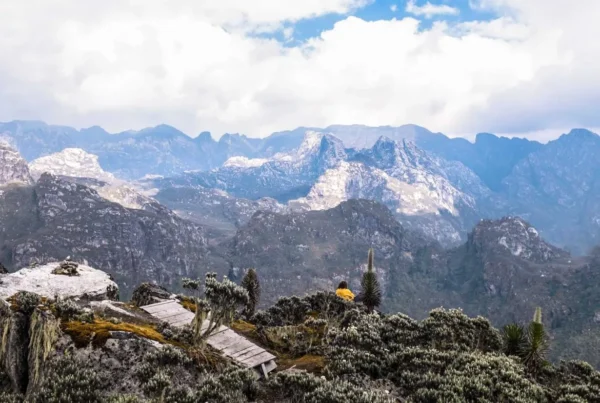
That constant moisture produces five distinct vegetation zones stacked in a compressed vertical sequence: montane forest, bamboo, the moss-laden tree heather zone, Afro-alpine moorland, and finally the bare rock and ice of the nival zone. The tree heather is the moment many people never forget. Gnarled trunks disappear beneath thick cushions of moss and hanging lichen, and the light comes down green and dim through the canopy, so that the whole forest feels like something from a fairy tale that has taken a darker turn.
Above the heather, the Afro-alpine zone opens into a landscape that even experienced mountain travellers struggle to describe. I should be honest here: giant lobelias and giant groundsels are not unique to the Rwenzori, and you will also meet relatives of them on Mount Kenya, Kilimanjaro and Mount Elgon. What sets the Rwenzori apart is the scale and lushness. In the wet, boggy valleys these plants grow densely and tall, and they stand in fields that look more like a botanical garden from another planet than a mountainside. Our guide to the giant groundsels and lobelias of the Rwenzori explains how they survive the daily cycle of thaw and frost.
The wildlife adds to the sense of being somewhere apart. The range sits within the Albertine Rift, one of Africa’s great biodiversity hotspots, and it shelters species that occur nowhere else, from the colourful Rwenzori turaco to the remarkable three-horned chameleon. The lower forest also holds primates such as L’Hoest’s monkeys and chimpanzees. You will not find big game on the high mountain, but the wildlife and biodiversity of the range reward patient, quiet trekkers far more than most people expect.
Water is everywhere, too. The trails follow, cross and sometimes wade through rivers, and pass a chain of high lakes and thundering falls. If you want a taste of it before committing to a summit route, our guides to the rivers, the waterfalls and the lakes of the Rwenzori show how central water is to the character of the range, and the Kitandara Lakes in particular are among the most photographed places on the whole Central Circuit.
Glaciers on the Equator: A Rarity Even Within Africa
Only three mountain groups in Africa still carry glacial ice: Kilimanjaro, Mount Kenya and the Rwenzori. That fact alone makes the continent’s glaciers a precious and shrinking resource, and the Rwenzori hold some of the most extensive of what remains. The glaciers of the Rwenzori have retreated dramatically over the past century, and projections suggest they could disappear within our lifetimes. Standing on the Stanley Plateau, an ice-capped high plain sitting almost exactly on the equator, is a rare experience that future trekkers may not be able to share.
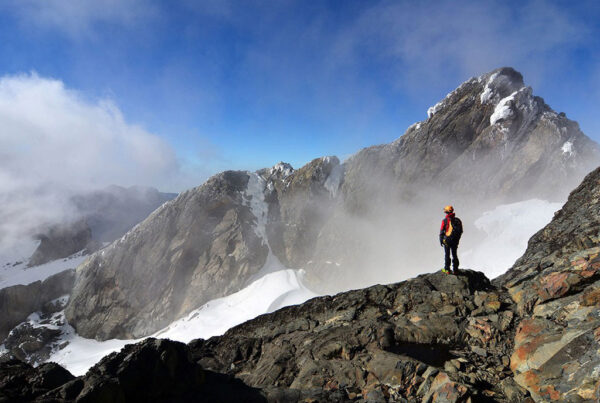
What differs from Kilimanjaro is not just the ice but how you meet it. On Kilimanjaro, the standard summit route is a long, cold, high-altitude walk, and you look at the glaciers from a distance. On the Rwenzori’s classic Margherita Peak route, you cross the ice yourself. Above Elena Hut, at about 4,541 metres, your guide fits crampons and an ice axe, you climb fixed ropes on steep rock, and you traverse the glacier toward a final snow slope. Our detailed Rwenzori glacier crossing guide and the piece on how technical the climb to Margherita Peak really is set out exactly what to expect, while the final push, minute by minute walks through summit night as it unfolds. The route is achievable for fit, well-prepared trekkers without previous climbing experience, and a proper introduction from your guide on the day, but it is undeniably mountaineering, not a walk.
The history adds another layer. The range was named the Mountains of the Moon by the ancient geographer Ptolemy, who linked its snows to the source of the Nile, and the first ascent of Margherita Peak was made by the Duke of the Abruzzi’s expedition in 1906. If you enjoy the stories behind the summits, our pages on the meaning of the name Mountains of the Moon, the history of the range and the Duke of Abruzzi’s first climb will give you the full picture.
Why the Rwenzori Is Hard in a Different Way
Most African summits are tests of altitude. Kilimanjaro is the classic case: its highest point sits at 5,895 metres, the standard routes climb quickly, and acute mountain sickness is the dominant reason people turn back. Mount Meru, at 4,566 metres, is a steeper and more scenic warm-up. Mount Kenya’s trekking summit, Point Lenana at 4,985 metres, is a high-altitude walk, while its true summits, Batian and Nelion, demand genuine rock climbing.
The Rwenzori inverts the equation. Margherita Peak is 786 metres lower than Kilimanjaro’s summit, yet the trek is usually described as harder, because the difficulty lives in the terrain rather than the elevation. The lower trails cross deep, saturated bogs where every step requires attention. The middle sections combine root-climbing, steep rock and mud of extraordinary depth. The high Afro-alpine zone can shift from bright sunshine to whiteout in twenty minutes. Our full comparison, is the Rwenzori harder than Kilimanjaro, and the detailed difficulty assessment for the Rwenzori set out the evidence, and the head-to-head Rwenzori versus Mount Kenya comparison and the three-way Kilimanjaro, Mount Kenya and Rwenzori guide cover the other two giants.
The altitude profile is different in a helpful way, however. Kilimanjaro pushes trekkers upward almost continuously, so the body has little time to adapt. On the Rwenzori the route rises and falls; you might sleep near 4,000 metres one night and lower the next, and that built-in rhythm suits the physiology of acclimatisation well. It still demands respect, and our guides to altitude sickness on the Rwenzori and to a sensible acclimatisation strategy explain why we recommend seven or eight days for a Margherita attempt, rather than the shortest possible schedule.
Footwear tells the story better than anything. On almost every other African trek the advice is sturdy waterproof hiking boots. On the Rwenzori, the answer is rubber Wellington-style boots worn over warm liners, because no conventional boot survives the bogs. The reasoning is explained fully in our Rwenzori boot guide, and the broader picture is covered in do I need special gear for Rwenzori trekking. Your guide team provides the technical glacier equipment on summit itineraries, and for anything else you can consult the gear rental page before buying anything expensive.
None of this should scare a fit, determined trekker. It should simply make you choose the mountain deliberately. If you are unsure where you stand, the guides for beginners and for older trekkers are honest about what is realistic, and our 16-week training plan builds exactly the strength and stamina the mountain tests.
Solitude: A Wilderness That Has Not Been Processed for the Crowd
Kilimanjaro is a wonderful mountain, and it is also busy. By most estimates it sees tens of thousands of trekkers every year, and on popular routes you share camps, trails and summit night with a long line of headtorches. The Rwenzori receive only around a thousand trekkers annually across all routes, which is why the mountain feels so utterly different. Our analysis of how many people hike the Rwenzori explains the numbers, and the reason is not marketing but simple consequence: the mountain asks more, and so attracts fewer.
On a typical Central Circuit trek you may go a whole day without seeing another party. The forest sounds are the only soundtrack, the huts are small and quiet, and the summit morning belongs to your team and the stars. For anyone who values silence, that is a decisive difference. It also helps explain why, when we describe the range as Africa’s last great mountain challenge, we mean the wilderness as much as the effort. Trekkers who want to test the claim can read the full argument in why the Rwenzori is worth climbing and in our piece on why it is the best mountain hike in Africa.
Solitude comes with structure, though. Trekking in the park requires a certified guide at all times, a rule set by the Uganda Wildlife Authority that reflects both the complexity of the terrain and the role tourism plays in local livelihoods. There is no wandering off with a map and a stove here. Our page on whether guides are mandatory explains the reasoning, and the permit booking process and park entrance fees show how it works in practice.
The People Who Make It Possible
One difference that guidebooks under-report is the human one. Nowhere else in African trekking will you feel so strongly that the mountain is somebody’s home. The Bakonzo people have lived on these slopes for generations, and their guides and porters know the ridgelines, weather and hidden bog crossings with a depth that no training course produces. The Bakonzo traditionally regard the range as sacred, and when you hear the stories of the mountain from a guide who grew up in its shadow, it changes how you walk through the forest. To understand more, read about the Bakonzo, indigenous guardians of the mountains, the mountain life of the Rwenzori, and the crew who carry your gear in a day in the life of a Rwenzori porter.
Our porters and guides are the heart of every expedition, and ten percent of our proceeds goes to supporting Bakonjo communities, an approach we describe in where your 10 percent goes. It matters, because tourism is one of the few sources of income that lets families stay connected to the mountain, and it is part of why the experience feels personal rather than transactional.
More Ways In: The Rwenzori’s Unmatched Range of Routes
Many African mountains offer one dominant route, or a handful of variations on the same line to the top. The Rwenzori offers genuine choice. The Central Circuit Trail is the classic loop through the heart of the range, past Nyabitaba, John Matte, Bujuku, Elena and Kitandara huts, and through the Bujuku Valley. The Kilembe Trail approaches through the Nyamwamba Valley with a different set of landscapes and camps. The Bukurungu Trail is the wilderness frontier, a quieter route through high alpine lakes where you are largely on your own with your team, and the Diamond Trail is a wildlife-first route through the lower montane forest. If you cannot decide between the two main routes, our comparison of the Central Circuit and the Kilembe Trail is a good place to start, along with the full route overview.
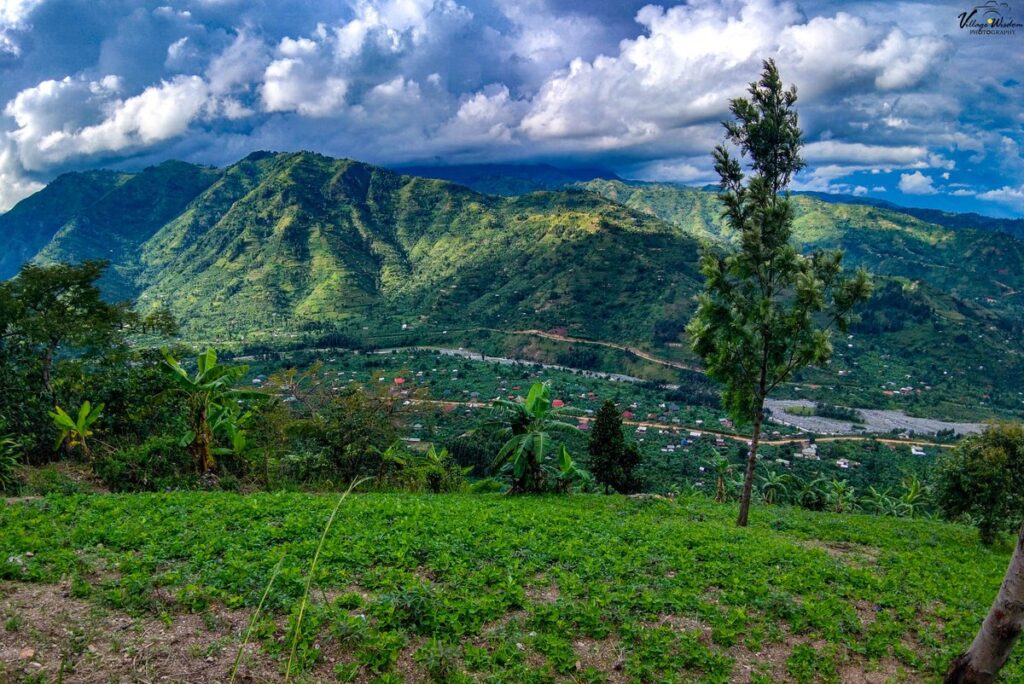
Duration is equally flexible. Someone with a single spare day can walk the one-day trek to Nyabitaba Camp from about $120. A short forest immersion might be the 2-day Lake Mahoma hike or the 2-day Sine Camp trek, and the 4-day Mutinda Lookout trek is a superb non-summit option. If you want to know whether you need to reach the top to have a worthwhile experience, the answer is in trekking the Rwenzori without a summit. For those with the summit in mind, the classic itineraries are the 7-day Central Circuit climb and the 8-day Kilembe Trail expedition, with the 6-day Central Circuit route for trekkers with less time.
And then there is depth that no other African destination offers. The 8-day three-peaks trek links Stanley, Speke and Baker. The 13-day six-peaks expedition summits every major massif, and the 18-day all-peaks expedition is the definitive completion of the range. On Kilimanjaro, you can select a route. On the Rwenzori, you can build an expedition around your ambitions.
Value: What a Rwenzori Trek Costs Compared With Its Rivals
The Rwenzori’s remoteness does not translate into a high price. Our guided treks start from around $1,300 for the fast four-day route to Margherita Peak, from about $1,400 for the seven-day Central Circuit and from about $1,750 for the eight-day Kilembe Trail expedition, with multi-peak expeditions costing proportionately more. A comparable week-long guided summit expedition on Kilimanjaro through a reputable operator commonly runs to between $2,500 and $4,000 or more, largely because of Tanzania’s park fee structure. You can find the exact breakdown in our cost to climb the Rwenzori Mountains guide, plus strategies in the budget trekking guide, and details of what is included in a booking. If you are travelling with friends, group versus private treks explains how sharing affects the price per person. Prices change, so confirm current figures with our team when you enquire.
Timing: A Mountain That Never Fully Dries Out
Because the Rwenzori get rain year-round, the usual East African advice to wait for the dry season only half applies. The two friendlier windows are December to February and June to August, when trails are more manageable and summit weather windows are more frequent. March to May and October to November bring heavier rain and reduced visibility, but also fewer people and a more atmospheric mountain, which many experienced trekkers actively prefer. The best time to visit the Rwenzoris and the month-by-month trekking guide will help you decide, and there is even a guide to the Rwenzori in winter for northern-hemisphere travellers planning around their own seasons.
One Trip, Many Uganda Adventures
The Rwenzori sit in one of the most biodiverse corners of Africa, and Uganda makes it easy to build a multi-day adventure around them. From Kasese, Queen Elizabeth National Park is close, with tree-climbing lions and the Kazinga Channel boat safari. Gorilla trekking in Bwindi is about four hours by road, and chimpanzee trekking in Kibale is another popular extension. Our Rwenzori and gorilla trekking combination shows how the pieces fit together, and the 12-day Rwenzori and gorilla trek is the most requested version. There is nothing like going from a glacier crossing one week to sitting in a forest with a gorilla family the next. For everything else Uganda offers, browse the full Uganda safari portfolio.
Uganda has other hiking to explore too, from the volcano trails of Mgahinga Gorilla National Park, where the Virunga volcano peaks rise, to Mount Elgon on the eastern border. Each is a fine day out or a multi-day walk, but neither replicates what happens above the tree line in the Rwenzori. If you want to see how the Rwenzori differs from the Virungas specifically, read Rwenzori versus the Virunga volcanoes.
Who the Rwenzori Suits, and Who Should Choose Another Mountain
I would rather you choose well than choose us, so let me be direct. The Rwenzori suits trekkers who love wilderness more than convenience, who can tolerate being wet and muddy for days on end, who are comfortable with a modest amount of glacier travel under guidance and who value silence, biodiversity and cultural depth over a famous name. It is an outstanding choice for experienced hikers ready for a step up, for mountaineers who want a serious African objective without the crowds, and for anyone who has already done Kilimanjaro and wants something more.
It is less suited to anyone who dislikes damp conditions, wants a dry and predictable trail, or is looking for the shortest route to the tallest summit on the continent. In that case, Kilimanjaro’s altitude or Mount Kenya’s rock will suit you better, and our own comparisons with Everest Base Camp and Patagonia explain how the Rwenzori sits against the world’s other great trekking destinations. Many trekkers eventually do more than one; if you are drawn to the whole set, see our guide to conquering the three peaks of East Africa. For the official side of the other two, the Tanzania National Parks Authority and the Kenya Wildlife Service are the right places to check.
Practical Steps Before You Commit
Once you are leaning toward the Rwenzori, the practical planning is straightforward. Most international visitors fly to Entebbe and continue to Kasese by road or on a domestic flight, and our guides to getting to the Rwenzori, where to land for a trek and the Kasese gateway town cover every option. You will also want to arrange travel insurance that covers high-altitude rescue, check the Uganda visa process and read up on health precautions, including the reassuring news that the high Rwenzori are effectively malaria free. For nights before and after, see the accommodation guide, and if you are curious about safety, the Rwenzori safety guide is candid about hazards and how they are managed.
If photography is part of your motivation, the mountain rewards it richly, and our Rwenzori photography guide and the piece on astrophotography on the Stanley Plateau show how to make the most of it.
Frequently Asked Questions About What Makes the Rwenzori Different
What makes the Rwenzori Mountains different from Kilimanjaro?
The Rwenzori are a fault-block range of six massifs, whereas Kilimanjaro is a single volcanic cone. Kilimanjaro is higher at 5,895 metres, but the Rwenzori are generally considered harder because of saturated bogs, steep muddy terrain, a glacier crossing on the Margherita Peak route and unpredictable weather. The Rwenzori also receive far fewer trekkers, so the experience is quieter and more remote. Read more in is the Rwenzori harder than Kilimanjaro.
Are the Rwenzori Mountains volcanic?
No. Unlike Kilimanjaro, Mount Kenya, Mount Meru and the Virunga peaks, the Rwenzori are not volcanic. They are a block-faulted range of ancient crystalline rock uplifted along the western branch of the East African Rift, which is why they form a chain of six massifs rather than a single cone. The geology of the Rwenzori is explained in detail on our site.
Is the Rwenzori more remote than other African trekking destinations?
Yes. The Rwenzori see only around a thousand trekkers per year, compared with tens of thousands on Kilimanjaro, and huts and camps are small and quiet. Quieter routes such as the Bukurungu Trail can feel almost untouched. Certified guides are mandatory throughout the national park, so the remoteness is supported by strong local knowledge rather than left to chance.
Are there glaciers on the Rwenzori Mountains?
Yes. The Rwenzori are one of only three African mountain groups that still carry glaciers, alongside Kilimanjaro and Mount Kenya. The ice has retreated sharply over the past century and continues to shrink, so trekking to the glaciers now is a rare opportunity. On the Margherita Peak route, trekkers cross the ice using crampons and an ice axe supplied and fitted by the guide team.
Why do you need rubber boots on the Rwenzori?
The lower and middle trails cross deep, saturated bogs that soak through conventional hiking boots, no matter how waterproof they are marketed to be. Rubber Wellington-style boots worn over warm liners keep your feet dry and warm, which prevents the misery and cold-related foot problems that catch many trekkers out. Our Rwenzori boot guide explains how to choose and fit them.
How many days do you need to trek the Rwenzori?
For a summit attempt on Margherita Peak, we recommend seven to eight days, which allows proper acclimatisation and gives the best chance of success. Shorter four- to six-day summit itineraries exist but leave less margin for altitude and weather. Non-summit treks range from one day to four days, and multi-peak expeditions run from eight to eighteen days. See how long it takes to climb the Rwenzori for every option.
Is the Rwenzori cheaper than Kilimanjaro?
Generally, yes. Guided Rwenzori treks to Margherita Peak start from about $1,300 to $1,750 depending on route and length, whereas a comparable guided Kilimanjaro expedition commonly costs $2,500 to $4,000 or more. Prices vary by group size, season and inclusions, so check the current cost breakdown or ask our team for a quote.
When is the best time to trek the Rwenzori Mountains?
December to February and June to August are the drier and more popular windows, with better trail conditions and summit visibility. The Rwenzori receive rain in every month, though, and the wetter months of March to May and October to November offer fewer trekkers and a moodier atmosphere for those with good waterproof gear. See our best time to visit guide.
Can beginners trek the Rwenzori Mountains?
Complete beginners with no mountain experience are not the ideal candidates for a Margherita Peak attempt, but well-prepared first-time trekkers can succeed on an appropriately long itinerary with training. Shorter forest treks such as the 2-day Lake Mahoma hike are a gentler introduction. Our beginner’s guide is honest about what is realistic.
Can I combine a Rwenzori trek with gorilla trekking?
Yes, and it is one of the most popular combinations in Uganda. Bwindi Impenetrable Forest is about four hours from Kasese by road, and our 12-day Rwenzori and gorilla trek puts both experiences into a single itinerary. Gorilla permits are limited, so plan well ahead.
Ready to Experience the Difference for Yourself?
Statistics and comparisons can only carry you so far. The Rwenzori make their case when the forest closes over you on the second morning, the last signal on your phone fades, and the mountain begins to reveal itself one dripping fern at a time. It is not the easiest mountain in Africa, and it is not the most famous. It may, however, be the most memorable.
If you are ready to see it for yourself, our guides would be delighted to help you choose the right route, the right season and the right length of trek. Request a custom quote with your dates and ambitions, browse the full range of Rwenzori treks and expeditions, or message a mountain guide directly on WhatsApp for honest advice with no sales pressure. For everything else you might want to know before you book, our FAQ section answers more than a hundred questions. The Mountains of the Moon are waiting, and the glaciers will not be there forever.