The complete Rwenzori Mountains photography guide: the best camera gear, rain protection, drone rules, top viewpoints, wildlife tips, and the light windows that define the mountain.
Nobody who has walked the Rwenzori Mountains comes back without wanting to show what they saw. The issue lies in the fact that the photographs often fail to capture the true beauty of the mountain, not due to its unphotographable nature, but rather because most trekkers lack an understanding of what makes this particular environment so visually demanding and aesthetically extraordinary. They know how to photograph landscapes. They do not yet know how to photograph an equatorial mountain that is simultaneously a rainforest, a bog, an alpine moorland, and a glaciated peak, all within eight vertical kilometers, perpetually damp, and wrapped in a quality of light that no description and no automatic camera mode were designed for.
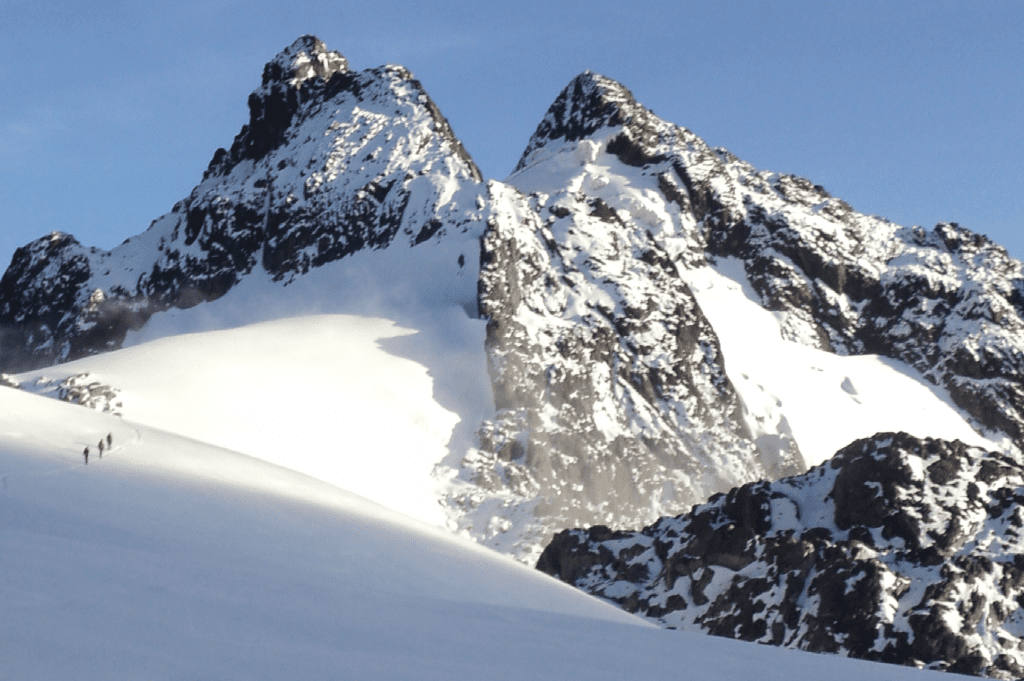
This guide is for anyone who will be carrying a camera into the Rwenzori Mountains National Park, whether that camera is a dedicated mirrorless system, a capable smartphone, or anything in between. It covers the specific challenges of photography in a wet, misty, high-altitude equatorial environment; the gear decisions that matter; equipment protection strategies; the best viewpoints on both the Kilembe Trail and the Central Circuit Trail; the light windows that the mountain opens and closes without warning; drone regulations inside the national park; and a detailed guide to photographing the Rwenzori’s extraordinary wildlife. Read it before you pack your camera bag, not after.
Why the Rwenzori Is Photographically Unlike Any Other Mountain
Before addressing the practical challenges, it is important to establish why the Rwenzori is worth the photographic effort and how it differs from photographing other mountains. The distinction matters because it changes how you approach the whole enterprise.
Most mountain photography works within a visual grammar that landscape photographers know: dramatic peaks, clean alpine light, defined ridgelines against the sky, and the graphic simplicity of altitude stripped of biological complexity. The Rwenzori subverts this grammar entirely. Here, the peaks are often hidden. The ridgelines are wrapped in mist for significant portions of the day. The visual interest is not primarily vertical and architectural; it is textural, biological, and atmospheric in a way that rewards patience and an entirely different compositional instinct than most mountain ranges demand.
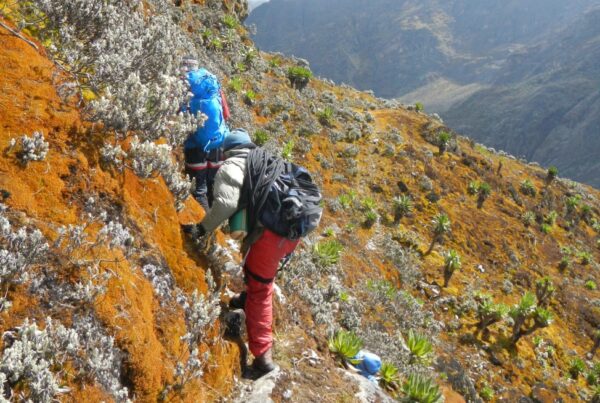
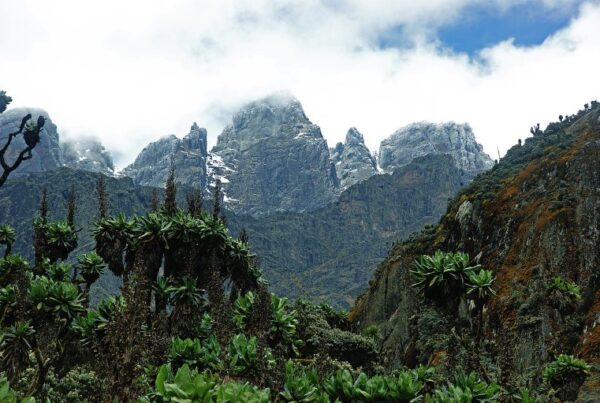
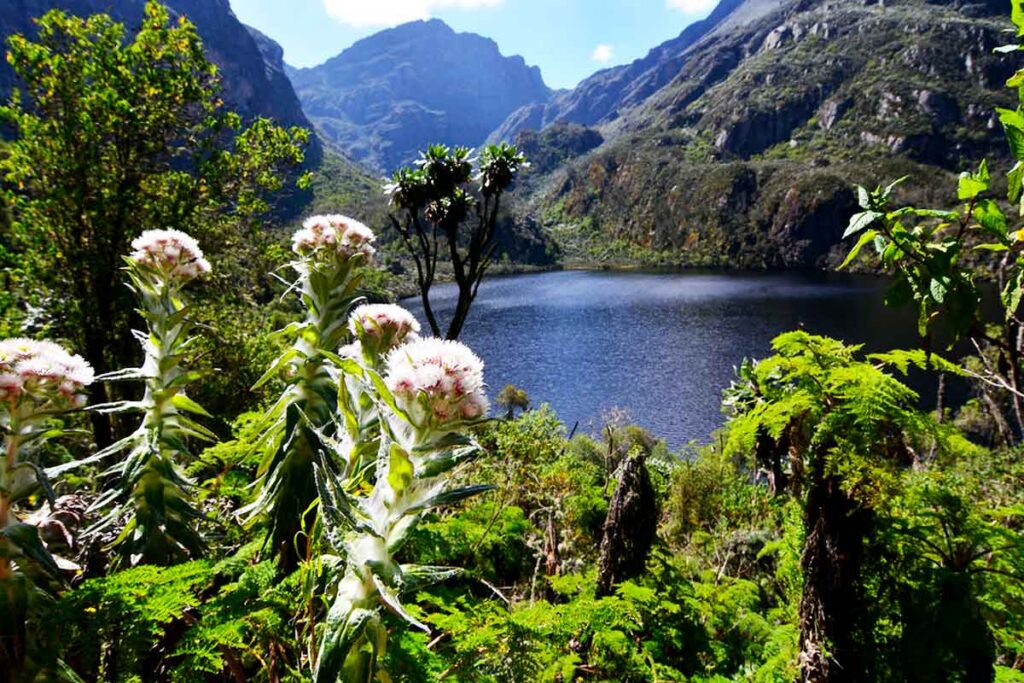
The giant lobelias that dominate the moorland above 3,500 metres have no equivalent in any other mountain ecosystem on Earth. They are photographically extraordinary: architectural forms two meters tall with spiraling leaf rosettes that collect and channel water, surrounded by mist or backlit by thin alpine sunlight in ways that make ordinary landscape photography feel mundane by comparison. The giant groundsel, Dendrosenecio species, is equally alien and photogenic. The mosses that cover every tree trunk and boulder in the heather zone have a density and greenness that saturates differently from anything in temperate mountain photography. The glaciers, small and retreating but genuinely present, exist in a visual context with the equatorial forest below, and the blue-grey mist between them is simply not available anywhere else on Earth that a camera-carrying trekker can reach. And the light: in the mornings, when the mist clears at Hunwick’s Camp or the Mutinda Lookout, the quality of alpine light over an African mountain range at four thousand meters is unlike any light in the European Alps or the Himalayas. It carries a warmth and a clarity simultaneously that no other mountain I know of provides with such reliability.
📸 Photographer’s PerspectiveThe Rwenzori is not primarily a landscape photography destination in the classical sense. It is a botanical and atmospheric photography destination that occasionally opens, without warning, into one of the finest landscape photography experiences on the continent. Come prepared for both. Do not expect exclusivity. |
Understanding the Photographic Environment: Moisture, Mist, and Mountain Weather
The first thing every photographer needs to understand about the Rwenzori is that it is the wettest mountain range in Africa. This is not marketing language; it is a meteorological fact that has direct consequences for every piece of equipment you bring and every composition decision you make. The Rwenzori receives between 1,500 and 3,000 millimeters of annual rainfall depending on elevation, and at the highest camps, water is not a weather event; it is a constant atmospheric condition. Mist, drizzle, fog, condensation, and sudden rain are not interruptions to the photography. They are the medium through which photography occurs.
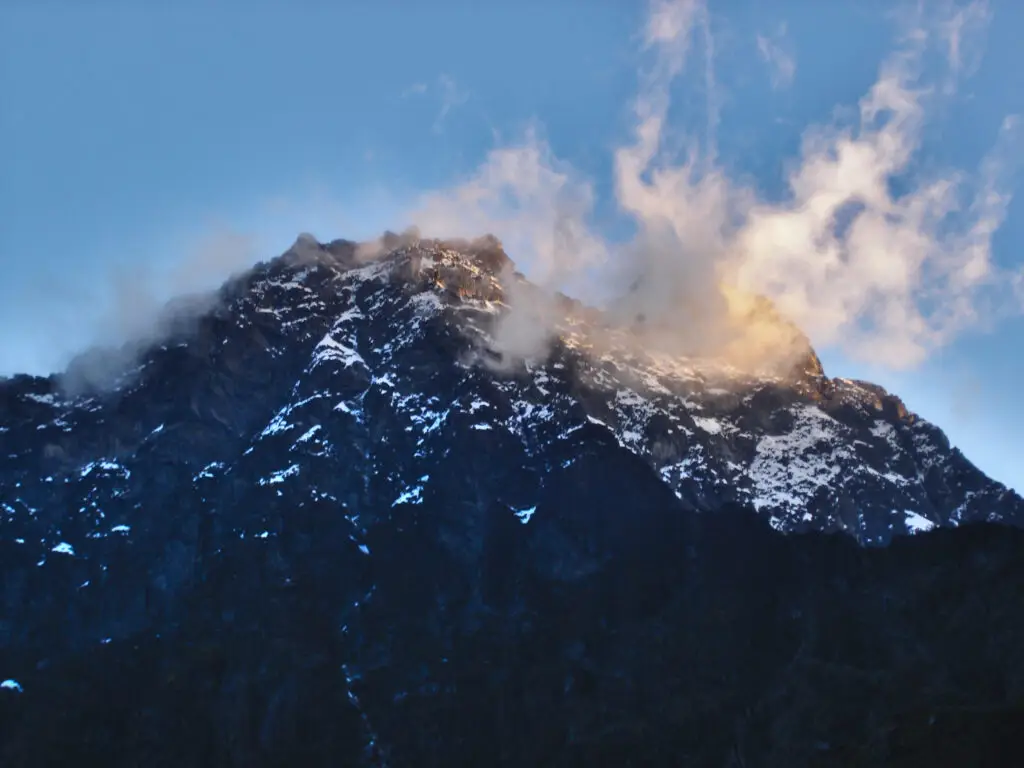
Mount Baker
Moisture on the Kilembe Trail arrives in multiple forms and from multiple directions. From above: rain and drizzle, sometimes heavy, sometimes so fine it feels more like atmospheric suspension than precipitation. From the vegetation: every branch, every leaf, and every blade of grass in the montane forest and heather zones carries a film of water that transfers to your arm, your pack, and your camera every time you brush past. From the trail itself, the bog sections of the alpine moorland, particularly the Namusangi Valley between Mutinda and Bugata, and the marshy approaches to Bamwanjara Pass deposit mud and water on every surface that comes within range. And from altitude: at the high camps, condensation forms on cold metal surfaces with the speed and thoroughness of a dedicated humidifier. A lens cap left off a cold lens in camp will have condensation on the front element within three minutes. This is the atmosphere. Know it and work with it rather than against it.
The Weather Window: When the Mountain Shows Itself
The Rwenzori’s weather operates on a predictable daily pattern that every photographer should understand and plan around. Mornings, typically from pre-dawn until around 9 or 10 a.m., are the most likely period for clear conditions. At this time, the overnight cold has suppressed cloud formation, and on favorable mornings, the peaks are visible; the mist is low in the valleys rather than obscuring the ridgelines; and the light quality is exceptional: warm, directional, and carrying the particular gold of alpine morning light that has traveled through clean, moisture-free air. This is the main photography window on the Rwenzori, and it’s rare but amazing.
From mid-morning onward, the moisture-laden air from the Congo Basin begins building clouds. By midday, mist or cloud envelops many of the high elevations, frequently obscuring the high camps by early afternoon. Rain arrives most often in the early to mid-afternoon, sometimes intensely. Late afternoon often brings a partial clearing, particularly at lower elevations, and the hour before sunset can produce dramatic light-through-cloud effects that are among the most photographically compelling moments the mountain offers. Sunset itself, when visible from the high camps, can be spectacular, but the clearing that makes it visible is not guaranteed and usually lasts only twenty to forty minutes. If you are at Hunwick’s Camp or the Mutinda Lookout when it happens, stop whatever you are doing and photograph.
💡 Practical TimingPlan your photography around the morning window. At every camp, the choice between staying in your sleeping bag until the guide calls breakfast and being outside with your camera at first light is the most important photographic decision of the day. The mountain is rarely at its most beautiful at breakfast time. It is at its most beautiful at 6 a.m. when no one else has yet left their sleeping bag. |
Camera Gear for the Rwenzori: What Actually Works in These Conditions
The Rwenzori does not require the most expensive camera system available, but it does require the right camera system, one whose capabilities and vulnerabilities are well understood before the trek begins. The specific needs for this environment include having a weather-sealed camera (which is essential), a lightweight setup (important for an eight-day trip), a flexible zoom range (to capture everything from close-up plant details to wide mountain views), and good battery life in cold weather (which is often
Mirrorless and DSLR Systems
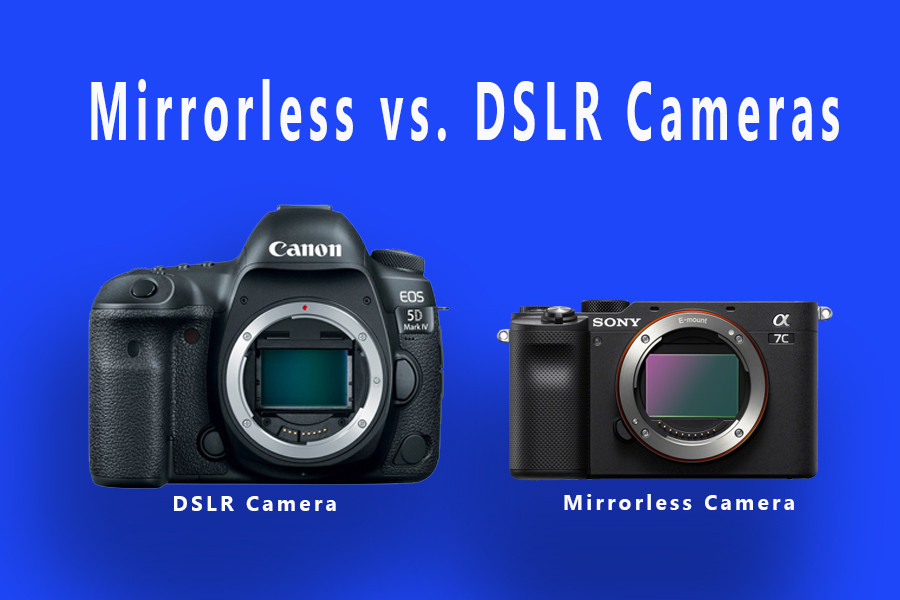
Any mirrorless or DSLR body with weather sealing rated to IPX4 or higher, meaning resistance to water splashed from any direction, is appropriate for the Rwenzori. The specific body matters less than the sealing: a sealed APS-C camera will serve a Rwenzori photographer better than an unsealed full-frame body, regardless of the theoretical resolution advantage. Among currently popular systems, the Sony Alpha 7-series with weather-sealed lenses, the Nikon Z-series, the Canon R-series with appropriate lenses, and the OM System (Olympus) bodies, the latter being particularly well-regarded for their exceptional weather sealing and compact form factor, are all well-suited to the environment. OM System bodies are worth specific mention for the Rwenzori: their dual image stabilization systems perform particularly well in handheld shooting in difficult light, and their compact size reduces pack weight on a multi-day expedition.
Lenses: The Right Focal Range for the Rwenzori
The ideal lens kit for the Rwenzori covers a range from approximately 16 mm to 200 mm, with weather sealing throughout. A wide zoom, 16-35mm or 16-28mm equivalent, handles the botanical close work in the forest zones, the broad moorland and valley panoramas, and the camp and hut interior photography that creates the human narrative of the expedition. A standard zoom 24-70mm equivalent is the workhorse for the midrange: portraits of guides and fellow trekkers; detailed botanical work with the lobelias and groundsels; and the general visual journalism of a long mountain day. A telephoto zoom lens that ranges from 70-200mm is excellent for taking pictures of wildlife, making faraway mountains look closer together, and capturing the Malachite Sunbirds and Rwenzori Turacos that are often seen on the middle parts of the trail. Carrying all three lenses is possible on an eight-day expedition if they are weather-sealed and the pack is well organized; the alternative is a single all-in-one zoom of 18-200mm or similar, which sacrifices optical quality but reduces decision complexity in difficult shooting conditions.
Smartphones as Primary or Secondary Cameras
A current-generation smartphone, like the iPhone 15 Pro and later, Samsung Galaxy S24 and later, or the Pixel Pro series, is entirely viable as a primary camera on a Rwenzori trek, particularly in daylight conditions. Modern computational photography handles the Rwenzori’s demanding light exceptionally well, and the IP68 water resistance of most current flagship phones provides more practical weather protection than many prosumer camera systems. The limitation is low-light and high-contrast performance: the glacier approach in pre-dawn darkness, the dramatic interior of a mountain hut with a single solar LED, and the thirty-minute clearing window at Hunwick’s Camp when the sun is low and the peaks are lit in amber. In all of these conditions, a dedicated camera with a larger sensor and a fast aperture lens will produce significantly better results than any current smartphone. A smartphone serves as a practical secondary camera, easily accessible in a hip pocket for spontaneous moments that would take too long to retrieve from a camera bag.
Batteries and Power Management
Cold temperatures reduce lithium battery capacity significantly. At Margherita Camp (4,485m) on a cold night, a battery that reads fifty percent charge before sleep may read ten percent or less in the morning. The standard approach is to sleep with camera batteries inside your sleeping bag, against your body, to maintain their temperature overnight. Carry a minimum of three batteries for a dedicated mirrorless or DSLR system on an eight-day expedition, and a power bank of at least 20,000 mAh for charging via USB where solar power is available. At the Kilembe Trail’s Mutinda Camp, limited solar charging is available. At no other camp should electrical charging be relied upon.
📸 Gear MinimumIf you are simplifying your camera kit to the absolute minimum for a summit expedition, you’ll need a weather-sealed mirrorless body, a single 24-70mm equivalent weather-sealed lens, three batteries, and a lens cleaning kit. This covers ninety percent of what the mountain offers photographically. The other ten percent, which includes telephoto wildlife moments and ultra-wide botanical macro shots, is a bonus that adds pack weight. On summit expeditions to Margherita Peak, where pack weight affects altitude performance, every gram counts. |
Protecting Your Equipment: Rain, Humidity, Mud, and Condensation
Weather sealing in your camera body and lenses is the first line of defense, not the only one. The Rwenzori’s moisture is persistent enough and multi-directional enough to challenge even well-sealed equipment, and the other environmental hazards, mud, condensation, and the combined effect of sustained humidity over many days, require active protection strategies rather than passive reliance on IP ratings.
Rain Covers and Dry Bags
Every camera bag carried into the Rwenzori should have a waterproof rain cover fitted at all times. Most dedicated camera bags include a built-in cover; if yours does not, a separate neoprene or ripstop rain cover is a straightforward addition. The rain cover protects the bag exterior; for the camera itself, a lightweight neoprene sleeve that fits over the camera and lens while allowing access to controls provides working-in-rain protection without requiring the camera to be returned to the bag between shots. For serious wet-weather shooting in the bamboo zone or during afternoon rain on the alpine trail, a disposable plastic bag over the camera body (with a hole for the lens) provides a functional backup. Inelegant but effective.
Memory cards and spare batteries should travel in a small ziplock dry bag inside the camera bag. A single saturated memory card containing six days of irreplaceable images is a preventable loss. Silica gel sachets in the camera bag reduce internal humidity and slow the condensation accumulation that begins on cold surfaces. Replace them at the lowest elevation camp; they are available at photography shops in Kampala before departure.
Condensation: The Most Insidious Threat
Condensation forms when cold surfaces meet warm, humid air, a transition that happens repeatedly and rapidly throughout a Rwenzori expedition. The most damaging instance is moving from the cold air of a high camp morning into a warm hut interior: a camera body cold from an outdoor shooting session will accumulate condensation on and inside the lens within minutes of entering the hut’s relatively warmer, more humid air. The correct procedure is to seal the camera in a ziplock bag or dry bag before entering the warm space, allowing it to slowly equalize temperature inside the sealed container rather than in open air. This slows condensation formation enough for the moisture to condense on the outside of the bag rather than on the camera optics.
Lens elements clouded by internal condensation are a less immediate but more serious problem. If you see fogging on the interior of a lens element, remove the camera from the humid environment, allow it to warm gradually to ambient temperature, and do not attempt to shoot through the fogged optics. Most internal condensation clears within thirty to sixty minutes in normal air circulation, but shooting through a fogged element produces images with a distinct soft haze that cannot be recovered in post-processing.
Mud Protocols
The bog sections of the alpine moorland, particularly on Days 3 and 4 of the 8-Day Kilembe Trail, deposit mud on every surface. The camera bag, the camera body, and the lens filter are all in range. A UV or clear protective filter on every lens is the correct mud-management strategy: it takes the mud splash on a replaceable optical surface rather than on the front element of the lens itself. Clean the filter with a lens cloth after shooting bog sections, and do not shoot through mud-splashed optics. Lens cleaning cloths and a small lens pen should be accessible in a hip pocket, not buried in the pack.
The Best Photography Locations on the Rwenzori: Camp by Camp
The photography locations on the Rwenzori range from the merely beautiful to the genuinely exceptional, and knowing which camps and waypoints offer the most photographic opportunity and at what times is the difference between coming home with good images and coming home with extraordinary ones.
| Camp / Location | Elevation | Best For | Best Light | Key Subjects |
| Mutinda Lookout | 3,975m | Summit panorama | Dawn & dusk | Mount Stanley, Kasese valley, all peaks |
| Hunwick’s Camp | 3,974m | Alpine peaks vista | Golden hour & dawn | Stanley, Baker glaciers, Weismanns |
| Bamwanjara Pass | 4,450m | High altitude panorama | Mid-morning clears | Stanley, Baker, Margherita glacier |
| Namusangi Valley | 3,600–4,000m | Botanical landscape | Diffuse overcast | Giant lobelias, groundsels, mist |
| Lake Kitandara | 4,023m | Glacial lake reflection | Dawn stillness | Lake mirror, surrounding peaks |
| Enock’s Falls | ~2,580m | Waterfall / forest | Midday shade light | Waterfall, tree ferns, mosses |
| Bujuku Lake | 3,977m | Alpine lake & peaks | Dawn & afternoon clear | Stanley plateau, waterside flora |
| Margherita Camp | 4,485m | Summit approach ice | Pre-dawn blue hour | Glacier, rocky ridge, starfields |
| Stanley Glacier | 4,800m+ | Ice & exposure | Pre-dawn to 7am | Blue ice, crevasses, rope line |
| Forest Zone | 1,450–2,600m | Botanical & wildlife | Morning shaft light | Colobus, turaco, ancient trees, fungi |
| Sine Camp clearing | 2,596m | Forest canopy edge | Late afternoon | Cloud inversion, forest canopy, sky |
Mutinda Lookout: The Rwenzori’s Grand Vista
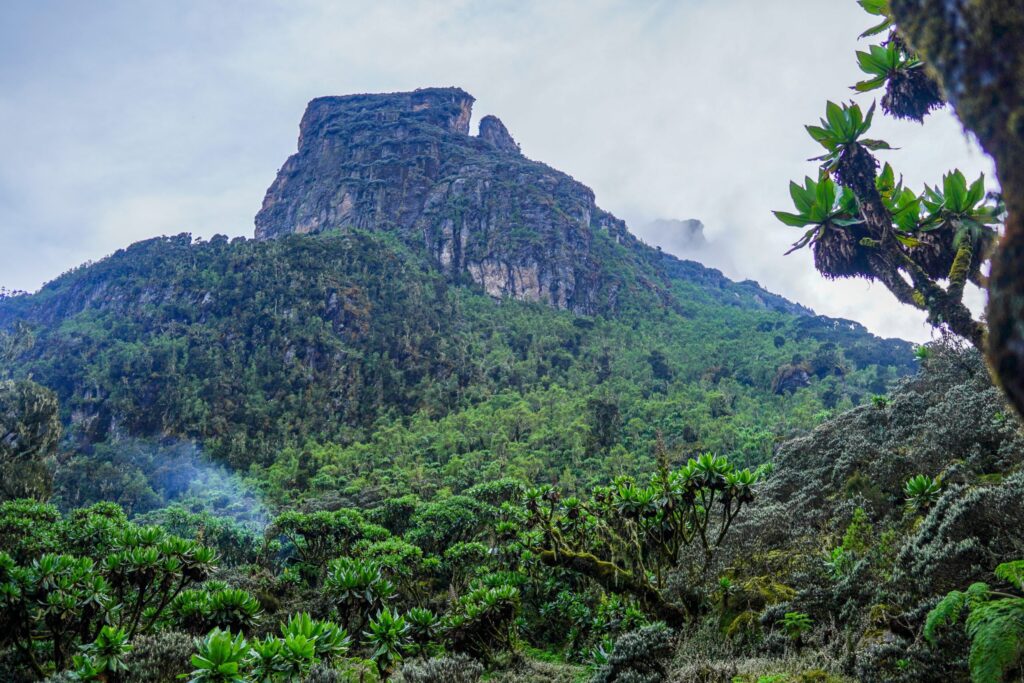
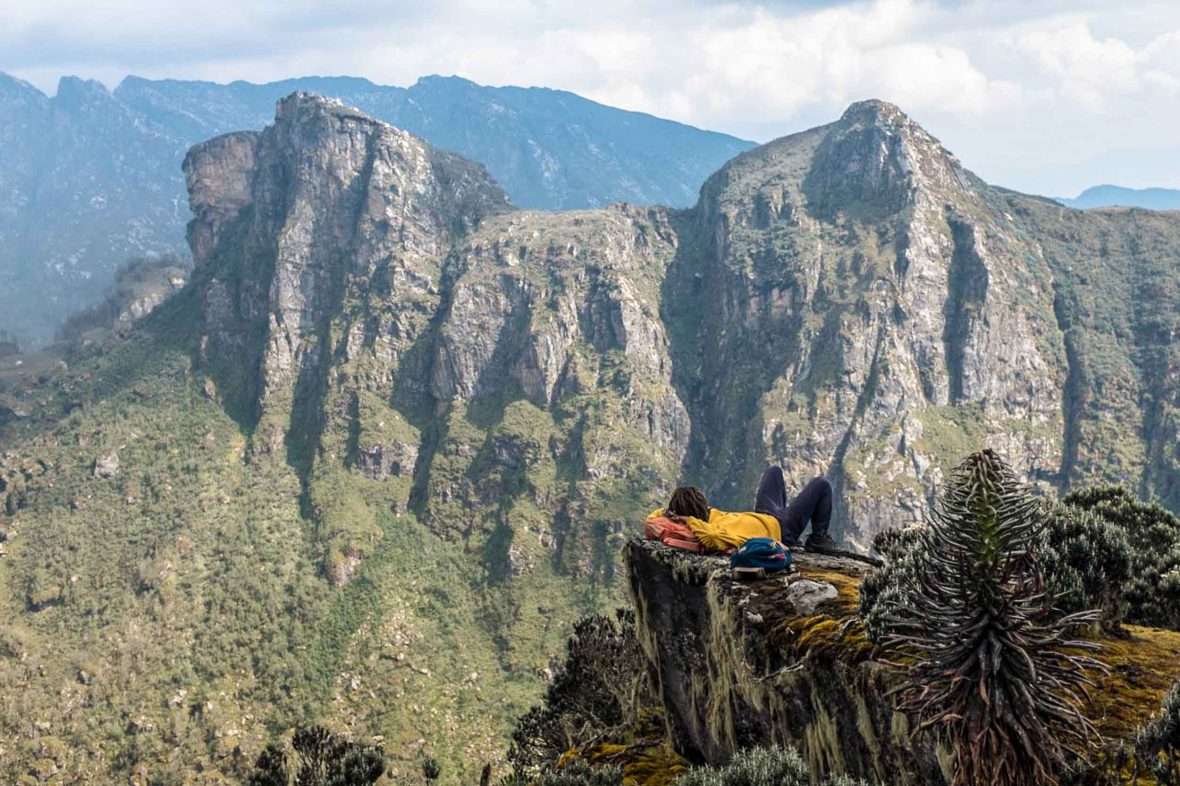
The Mutinda Lookout, at 3,975 meters, is, on a clear morning, the single finest photography location on the entire Kilembe Trail. The viewing platform sits on a rocky knoll above the main camp and provides an unobstructed 270-degree panorama that encompasses Mount Stanley, the Kasese valley far below, Lake George in the distance on clear days, and the full arc of the Kilembe trail’s ascent visible as a series of ridgelines dropping southward. At dawn, when the valley below is filled with cloud and the peaks above catch the first horizontal light, this is among the finest mountain viewpoints in East Africa. The 4-Day Mutinda Loop is specifically designed around this viewpoint and makes a superb short photography expedition for those whose schedule does not permit a full summit trek.
Hunwick’s Camp: The Frame That Photographers Come For

Hunwick’s Camp, at 3,974 meters, has the most dramatic camp-edge view of any overnight site on the Kilembe Trail. From the hut’s clearing, Mount Stanley, Mount Baker, and Weismann’s Peak are all framed simultaneously across the wide valley, with the glacier visible as a white mass in the upper left of the frame in clear conditions. The last light of the day catches the rock faces of Baker’s ridgeline in amber and orange, and the post-sunset dusk, the brief window when the sky retains color but the peaks have gone dark, produces silhouette compositions of extraordinary clarity when conditions align.
The Namusangi Valley: Botanical Photography at Its Best
The Namusangi Valley on Day 3 of the Kilembe Trail, traversed between the Mutinda and Bugata camps, is the section of the entire trail that rewards the closest, most patient photographic attention. The giant lobelias and groundsels here are at their most dense and most varied, and the valley’s topography funnels mist in ways that create the kind of atmospheric depth that photographers spend years looking for. Shooting on overcast days in this valley is actively preferable to shooting in direct sunlight: the diffuse light eliminates harsh shadows inside the lobelia rosettes and renders the botanical detail with an evenness that direct sun destroys. A 50mm or 85mm equivalent lens at this location produces images that look like they belong in botanical illustration rather than landscape photography.
Lake Kitandara: The Reflection Shot
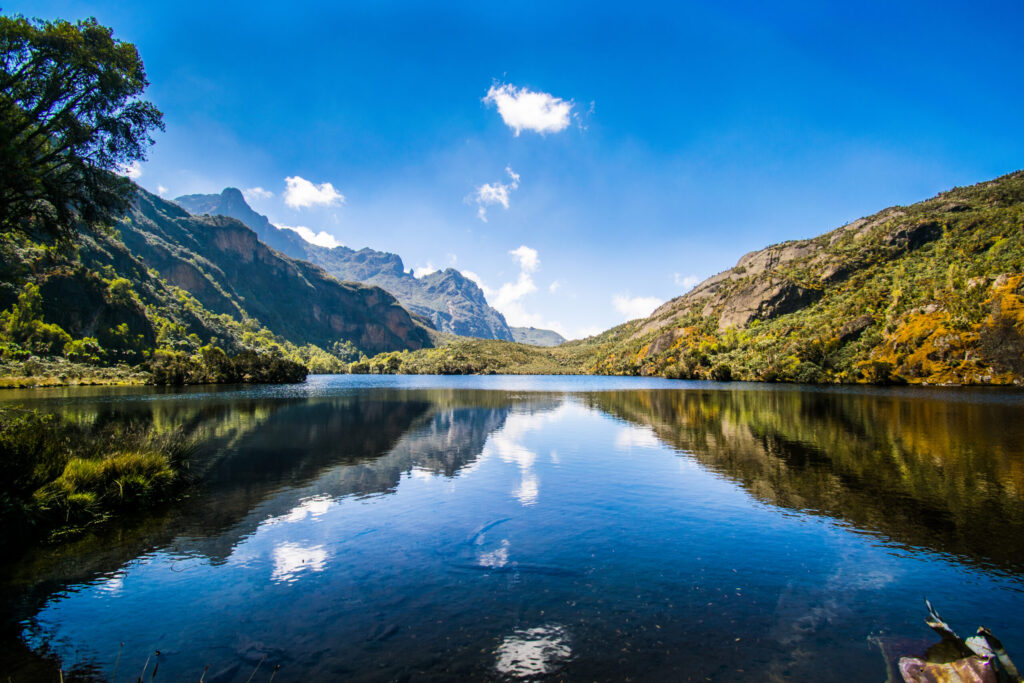
Lake Kitandara on Day 5 of the Kilembe Trail sits at 4,023 meters in a hollow of bare rock and heather; the water is so dark and still on windless mornings that it mirrors the surrounding peaks with photographic precision. The dark water, grey-green heather, and peaks above create a color palette that is uniquely specific to this mountain and lake, appearing in no other highland photographic context. Arriving early at Kitandara, which the Day 5 route does by its nature, provides access to the dawn stillness before any wind disturbs the reflection. Use a wide zoom here and resist the temptation to fill the frame entirely with the reflected peaks; the foreground vegetation is part of what makes this location unique.
The Montane Forest: Light Through the Canopy

The lower sections of both major trails, the Afro-Montane Forest Zone between the trailhead and Sine Camp on the Kilembe Trail and the corresponding forest on the approach to Nyabitaba Hut on the Central Circuit, offer photography that is completely distinct from anything higher on the mountain. Here the challenge is not panorama but intimacy: the light that filters through the forest canopy in the morning hours creates shafts and pools of illumination that are among the most beautiful natural lighting conditions available to a camera. The fungi on fallen logs, the epiphytic plants on ancient tree trunks, and the mosses on the boardwalks here are macro territory, and a lens capable of close focus work will reward a slow walk through this section.
Wildlife Photography on the Rwenzori: Species, Locations, and Technique
The Rwenzori Mountains National Park supports wildlife that is found nowhere else on Earth, and photographing it requires a different approach from the savannah and forest game photography that defines most East African safari experiences. There are no big-five encounters here, no open plains, and no vehicle-based photography blinds. Wildlife photography on the Rwenzori is active, opportunistic, and requires the kind of patient attention that only trekkers who are moving slowly and looking carefully will achieve.
The Rwenzori Turaco
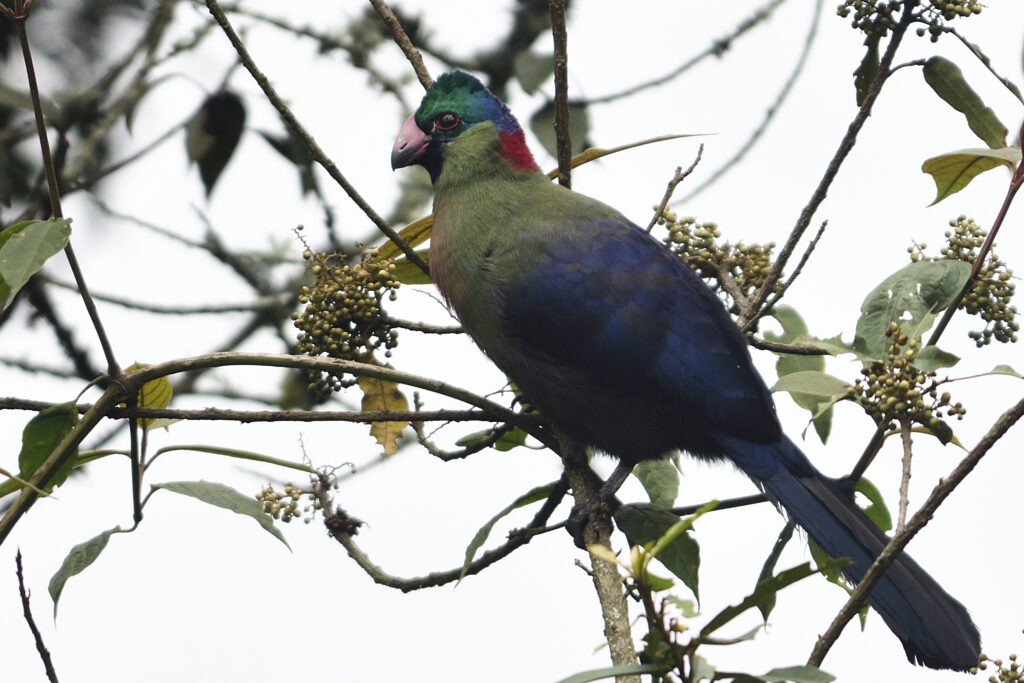
The Rwenzori turaco (Ruwenzorornis johnstoni) is a spectacular endemic bird with a green body, red wing feathers that flash in flight, and a distinctive red crest that catches morning light with a quality that stops experienced birders mid-stride. It appears most frequently in the mid-elevation forest zones on both major trails, typically in the canopy or on fruiting trees. The key to photographing it is following the sound rather than scanning visually: the turaco calls with a loud, distinctive series of notes that locates it clearly before it is visible. A 200mm or longer lens is necessary for frame-filling shots; in the dense forest canopy, even 300mm can feel insufficient. Patience, stillness, and a telephoto that can autofocus through dappled light are the ingredients.
Colobus Monkeys and Blue Monkeys
Black-and-white colobus monkeys appear with high frequency on the lower trail sections of both the Kilembe Trail and the Central Circuit, often in troops of ten to twenty individuals moving through the forest canopy in the morning hours. Their black and white coloring creates strong contrast in forest light, and they are inherently photogenic subjects, but their movement speed and the density of the canopy above them make sharp images technically demanding. A rapid shutter speed of 1/500 second or higher is necessary to freeze their movement. Continuous autofocus with a wide detection area handles the tracking challenge better than single-point focus in these conditions. Blue monkeys are more solitary and appear at slightly higher elevations. The 2-Day Sine Camp Trek is one of the most focused wildlife photography opportunities on the Kilembe Trail for exactly these forest primates.
The Malachite Sunbird
The male Malachite Sunbird (Nectarinia famosa) is iridescent metallic green in direct sunlight and appears almost black in the shade; it is found throughout the Afro-alpine moorland zone, particularly around the giant lobelia colonies that it pollinates. The best locations for Malachite Sunbird photography are Bugata Camp and the valley sections below Hunwick’s, where lobelia density is highest. The bird moves quickly between lobelia spires and will hover briefly at the flower heads before moving on; this moment is the shot to wait for. A telephoto of at least 200 mm equivalent, a shutter speed of 1/1000 second or higher, and continuous shooting mode are the technical requirements. Morning light renders the male’s metallic green at its most saturated.
Three-Horned Chameleon
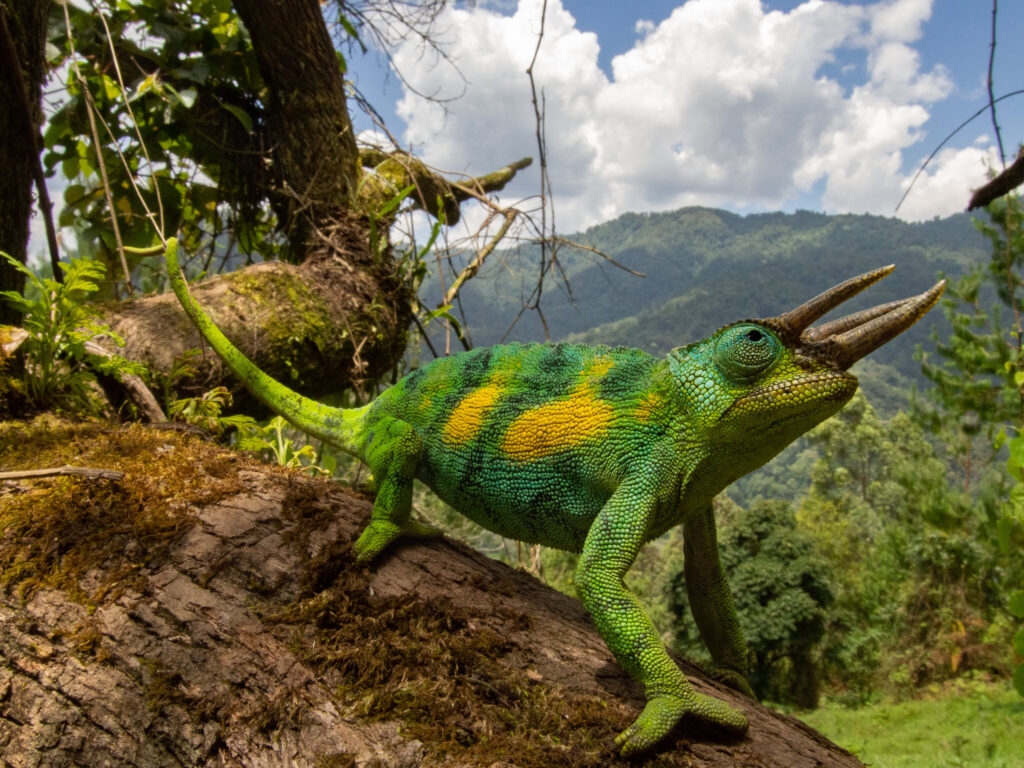
The Rwenzori three-horned chameleon (Trioceros johnstoni) is one of the most photographically sought-after reptiles in Africa, a slow-moving, geometrically extraordinary animal whose color-changing capability and three-horned profile make it an exceptional close-focus subject. It is found most reliably in the mid-elevation forest zones, and the guides at Rwenzori Trekking Safaris are adept at spotting them from the trail; their slow movement and habit of sitting on exposed branches make them easier to find than most wildlife once you know to look at eye height on trailside vegetation. A macro or close-focus telephoto lens is ideal. Allow several minutes for the animal to habituate to your presence before shooting. The initial color change response can be photographed, but the stabilized colors after habituation are often more captivating.
📸 Wildlife TechniqueThe single most important piece of wildlife photography advice for the Rwenzori is this: tell your guide that you are a photographer before the trek begins, not on the day you want to shoot. Guides who know a trekker is carrying a serious camera adjust their pace, stop at appropriate moments, and use their superior wildlife-spotting experience to give the photographer access to encounters that a standard walking pace would miss entirely. The guides are the best wildlife spotters on the mountain. Use them. |
Drone Regulations Inside Rwenzori Mountains National Park: What You Need to Know
Drone photography in Rwenzori Mountains National Park is subject to specific regulations that must be understood before attempting to fly any unmanned aerial vehicle inside park boundaries. Failure to comply with these regulations results in confiscation of equipment, removal from the park, and potential legal penalties under Uganda Wildlife Authority rules.
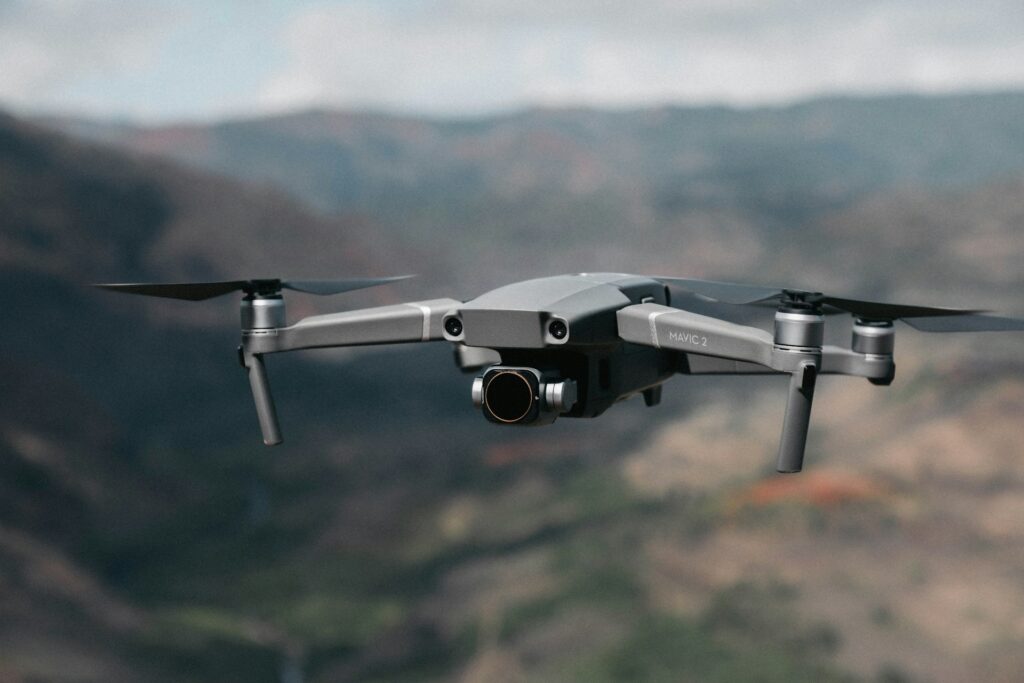
As of the current operating period, the use of drones inside Rwenzori Mountains National Park requires prior written authorization from the Uganda Wildlife Authority (UWA), obtained in advance of the trek. The application process involves submitting a formal request to UWA’s headquarters in Kampala, describing the purpose of the drone operation, the specific locations within the park where flying is intended, and the specifications of the drone itself. UWA looks at each application separately and can either approve it, conditionally approve it, or deny it. Commercial drone operations, including photography for advertising, documentary, or commercial media purposes, require a separate commercial filming permit in addition to the drone authorization.
The practical reality for most recreational trekker-photographers is that drone permits for personal use are obtainable but involve planning lead time. Applications should be submitted at least four to six weeks before the planned trek dates. Park rangers immediately confiscate unauthorized drone flights and impose associated penalties. The park rangers are present at all elevation levels and at all camps, and the sound of an unauthorized drone in the mountain environment is not easily concealed.
There is a separate and important practical consideration: even where permitted, flying a drone at high altitude in a persistently wet, gusty, and rapidly changing mountain environment is technically demanding. Thinner air reduces rotor efficiency, thereby lowering the flight ceiling of consumer drones at high altitudes. Most consumer drones certified for flight to 6,000 metres will achieve approximately 70 to 80 percent of their rated performance at 4,000 metres altitude in the Rwenzori’s conditions. As previously mentioned, cold conditions reduce battery performance. Moisture and mist create aerodynamic interference and visibility challenges. A drone that is technically authorized and technically flyable can still be destroyed by a sudden wind gust or a mist clearing that obscures the pilot’s visual line. These are risks that the photographer assumes entirely.
⚠️ Drone Permit RequirementTo initiate the drone permit application before confirming your trek booking, contact Uganda Wildlife Authority directly at ugandawildlife.org. Rwenzori Trekking Safaris can provide guidance on the documentation required, but the permit application is a process between the trekker and UWA, not a service that trek operators can arrange on your behalf. Do not assume that a general trek permit covers drone use; it does not. |
Light, Exposure, and the Rwenzori’s Unique Photographic Conditions
The Problem of Equatorial High-Altitude Light
The Rwenzori sits just north of the equator, and the quality of light at its high elevations combines equatorial intensity with alpine altitude in a way that creates specific exposure challenges. The thin air at 4,000 metres allows ultraviolet radiation to pass with very little filtration, and the high-contrast conditions that result in deep shadows under overhangs and brilliant highlights on wet rock surfaces exceed the dynamic range of most camera sensors in ways that European alpine light rarely does. A UV or polarizing filter on the front element helps manage UV haze in bright conditions and reduces glare on water surfaces, though the polarizer’s effect at altitude differs from its behavior at sea level and requires experimentation.
Working in Mist and Overcast Conditions
The instinct of most photographers on an overcast, misty Rwenzori morning is to put the camera away and wait for the sun. This instinct is almost always the wrong response. Diffuse overcast light is among the most flattering available for botanical close work, for the textures of moss-covered trees and rock surfaces, and for the environmental portraiture of hikers in the landscape. The mist itself is a subject as much as a condition: mist in the Namusangi Valley between giant lobelias, mist rising from Bujuku Lake in the morning, and the thin mist that often hangs at the junction between the heather zone and the open moorland; all of these are compositionally extraordinary and available almost daily on the Rwenzori.
For mist photography, reduce your shutter speed to create a slight motion blur in moving mist while keeping stationary foreground subjects sharp. A tripod is useful here, but on a trekking expedition, a monopod or improvised rock rest is a practical alternative that weighs a fraction of a full tripod. A graduated neutral density filter reduces exposure in the bright areas of a mist-and-sky scene while maintaining the detail in the darker foreground.
Post-Processing: The Rwenzori Colour Palette
The Rwenzori has a characteristic color palette that no other mountain range quite replicates: very deep, saturated greens in the forest and heather zones; the blue-gray of mist and fog; the particular warm gold that the high-altitude morning light produces on rock and ice; and the alien blue-green of deep glacier ice. Shooting in RAW format rather than JPEG best preserves and enhances these colors. The additional tonal information in a RAW file allows recovery of shadow detail in the deep forest greens and highlight detail in overexposed mist light that JPEG compression discards permanently. A slight increase in clarity and dehaze in post-processing typically brings the Rwenzori’s atmospheric layering into focus without introducing the artificial appearance that heavy processing produces. The lobelias and groundsels photograph well with slight saturation increases in the green and cyan channels. They are already extraordinary colors; they do not need much help.
Photography Packing for the Rwenzori: A Practical Summary
For trekkers on the 8-Day Kilembe Trail or the 7-Day Central Circuit, here is a practical photography packing framework that balances photographic ambition against the real constraints of multi-day high-altitude trekking.
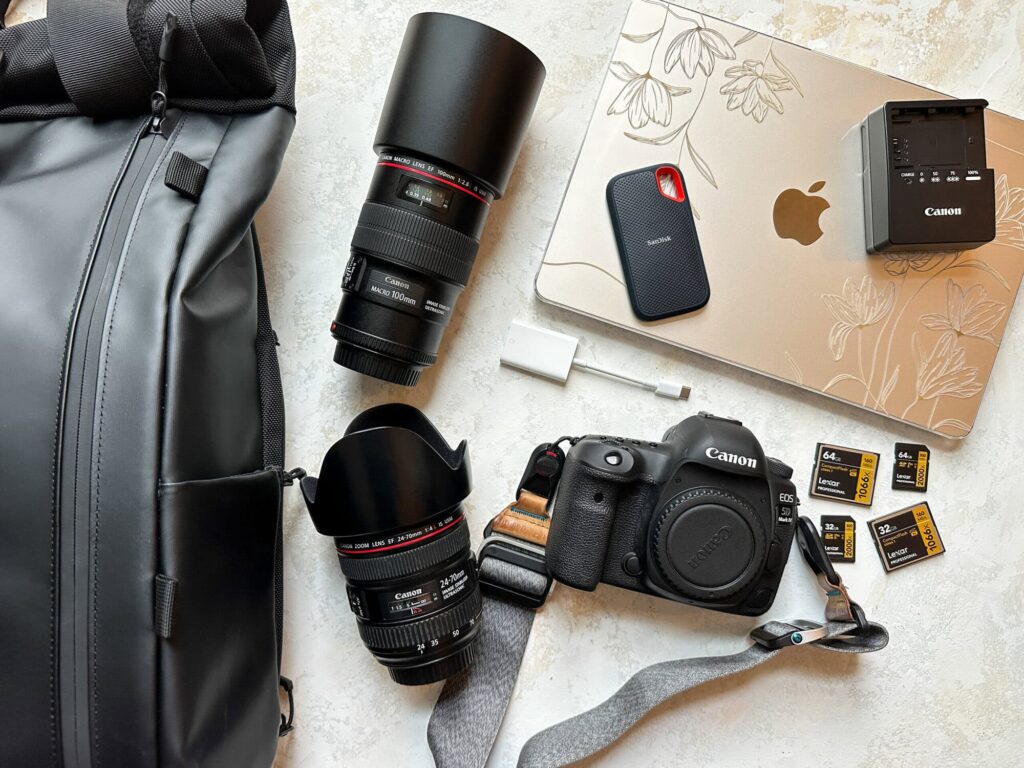
The camera body should be weather-sealed. Bring a minimum of three batteries and sleep with them all in your sleeping bag at high camps. A 20,000 mAh power bank handles USB charging where solar power is available. Two or more high-capacity memory cards, 256GB minimum each, carry a full expedition’s worth of images. A camera rain sleeve is the most important single piece of protective equipment; a dry bag for cards and spare batteries is second. Lens cloths should be in a hip pocket, accessible without removing the pack. A small lens cleaning kit, blower, pen, and microfiber cloth live in the top pocket of the camera bag. UV filters stay on all lenses at all times. Silica gel sachets go in the bottom of the camera bag and should be replaced or regenerated before the expedition’s alpine section begins.
If carrying a dedicated camera significantly increases pack weight, consider this: the Rwenzori’s visual rewards are among the most distinct and irreplaceable of any mountain trek on Earth. The photographs you bring back from this mountain are not interchangeable with photographs from any other. Trekkers who have completed the expedition almost universally consider the extra weight of a serious camera system worthwhile. Those who travel light with only a smartphone occasionally regret the decision at Hunwick’s Camp at the golden hour. Plan accordingly.
Frequently Asked Questions: Photography on the Rwenzori
What is the best camera for the Rwenzori Mountains?
The best camera for the Rwenzori Mountains is a weather-sealed mirrorless or DSLR body paired with weather-sealed lenses and a versatile zoom range of approximately 16mm to 200mm. The Rwenzori’s persistent moisture, mist, rain, condensation, and bog splash make weather sealing the single most important camera specification, more important than sensor size or megapixel count. OM System (Olympus) cameras are often suggested for the Rwenzori because they have top-notch weather sealing (rated to IPX1), great image stabilization for shooting in low light without a tripod, and they are lightweight, which is helpful for long trips. Sony Alpha 7-series, Nikon Z-series, and Canon R-series bodies with appropriate weather-sealed lenses are all well-suited. A high-quality, waterproof smartphone like an iPhone 15 Pro or later or a Samsung Galaxy S24 or later is a viable secondary camera and can serve as a primary camera for trekkers who prioritize pack weight over maximum image quality.
Are drones allowed in Rwenzori Mountains National Park?
Drone use inside Rwenzori Mountains National Park requires prior written authorization from the Uganda Wildlife Authority (UWA). This authorization must be applied for in advance of the trek at least four to six weeks before the planned dates and involves submitting a formal request describing the purpose of the operation, intended flight locations, and drone specifications. An additional commercial filming permit is necessary for commercial drone operations. Unauthorized drone flights detected by park rangers result in confiscation of the drone and potential legal penalties. Even where authorized, flying a drone at high altitude in the Rwenzori’s wet, gusty, rapidly changing conditions is technically demanding: consumer drone performance is reduced by approximately 20 to 30 percent at 4,000 metres altitude due to thinner air; cold temperatures reduce battery performance significantly; and mist and wind create additional operational hazards. Submit applications to UWA’s headquarters in Kampala; visit ugandawildlife.org for current contact information and permit procedures.
When is the best time of day to photograph the Rwenzori Mountains?
The primary photography window on the Rwenzori is the pre-dawn to mid-morning period, typically from first light (around 6:00 to 6:30 a.m.) until approximately 9:30 to 10:00 a.m., depending on the day’s weather pattern. During this window, overnight cold suppresses cloud formation, the peaks are most likely to be visible, and the quality of light, warm, directional, and carrying the particular clarity of high-altitude morning is at its best. A secondary window often opens in the late afternoon or early evening, particularly at lower elevation camps, when partial clearing after afternoon rain can produce dramatic light-through-cloud effects. Sunsets from the high camps, when visible, can be extraordinary, but the clearing that makes them visible typically lasts only twenty to forty minutes and cannot be reliably predicted. The midday hours are the least productive for photography at altitude: harsh overhead light, peak cloud formation, and the highest probability of afternoon rain converge.
How do I protect my camera from the rain and humidity on the Rwenzori?
Camera protection on the Rwenzori requires four layers of defense: weather-sealed equipment as the primary barrier; a camera rain sleeve for working in active rain without returning the camera to the bag; a UV or clear protective filter on every lens to intercept mud and water splash; and silica gel sachets in the camera bag to manage internal humidity build-up over multiple days. Memory cards and spare batteries should travel in a small ziplock dry bag inside the camera bag. To address the condensation problem with cold cameras brought into warmer huts, they should be sealed in a ziplock or dry bag before entering the warm space. This allows for temperature equalization inside the sealed container rather than in open air. Never shoot through a fogged lens element; wait for the condensation to clear before exposing. Lens cleaning cloths should be in a hip pocket at all times, accessible without removing the pack.
What wildlife can I photograph on the Rwenzori trek?
The Rwenzori Mountains support several photographic wildlife subjects that are endemic to the range or rare elsewhere. The Rwenzori turaco is perhaps the most sought-after bird, a spectacular green and red endemic found in the mid-elevation forest zones of both the Kilembe Trail and the Central Circuit. Black-and-white colobus monkeys appear in troops on the lower trail sections and are inherently photogenic subjects. Blue monkeys are found at slightly higher elevations in the same forest zones. The Malachite Sunbird, found throughout the alpine moorland, particularly around giant lobelia colonies at Bugata and Hunwick’s camps, provides opportunities for iridescent close-up photography. The Rwenzori three-horned chameleon (Trioceros johnstoni) is found in the mid-elevation forest and is one of Africa’s most photogenic reptiles. The Rwenzori duiker, a small forest antelope, appears on the descent sections of both trails. For all wildlife photography, informing your guide of your photographic intent before the trek begins is the most effective strategy; the guides are expert spotters and will significantly increase your encounter rate if they know you are actively seeking wildlife.
Which camp on the Rwenzori has the best view for photography?
The Mutinda Lookout at 3,975 metres, accessed from Mutinda Camp on the Kilembe Trail, is the single finest panoramic photography location on the trail when clear conditions allow a 270-degree view encompassing Mount Stanley, the Kasese valley, and Lake George. Hunwick’s Camp, situated at 3,974 metres, is the most photogenic overnight site on the Kilembe Trail. From the camp clearing, you can simultaneously see Mount Stanley, Mount Baker, and Weismann’s Peak, and the golden-hour light on Baker’s ridgeline is among the finest mountain light available on either trail. Lake Kitandara, at 4,023 metres on Day 5 of the Kilembe Trail, offers the most compelling reflection photography: a dark, still lake mirroring the surrounding peaks on windless mornings. On the Central Circuit Trail, Elena Hut, at 4,541 meters, sits directly below the Stanley Plateau and provides the nearest non-summit approach to the glacier for photography. Bujuku Lake is the corresponding reflection photography location on the Central Circuit.
Can I photograph the Rwenzori glacier?
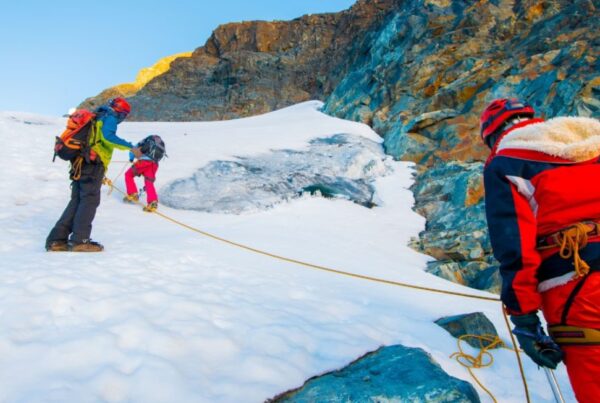
Yes, and glacier photography on the Rwenzori is among the most extraordinary photographic opportunities on the mountain. The pre-dawn approach to the Stanley Glacier on summit day, headlamp beams moving across the ice in darkness, and the glacier surface progressing through blue-grey and white as the dawn comes up produces images that are completely unlike anything available in standard mountain photography. The glacier itself, in daylight before the sun softens it, shows the blue-green coloring of deep compressed ice and the pressure ridges and surface textures of an active glacial body. Equipment considerations for glacier photography are significant: batteries must be warmed overnight in sleeping bags; the camera and lens should be in a protective sleeve while traversing with crampons and rope; and shooting opportunities must be balanced against the guides’ timing requirements on summit day. The primary window for glacier photography is the two hours between the start of the climb from Margherita Camp and arrival at the summit. After 9 a.m. the clouds from the Congo begin to build, and the glacier photography window typically closes.
Plan Your Rwenzori Photography Expedition
The photographs that come back from the Rwenzori Mountains, featuring the giant lobelias in mist, the golden light on Hunwick’s peaks, the glacier surface at dawn, and the turaco in a shaft of forest light, are not replicated anywhere else in the world. This mountain is visually singular, and a photographer who arrives with the right equipment, the right protection strategies, and the right understanding of when and where the light opens will come home with images that stop conversation.
Rwenzori Trekking Safaris guides know this mountain photographically as well as topographically. Whether you are planning the 8-Day Kilembe Trail summit expedition for maximum photographic range, the 4-Day Mutinda Loop for a focused landscape and botanical experience, or one of the extended multi-peak expeditions via the 13-Day Six Peaks itinerary, contact us, and we will help you plan the expedition that maximizes what you come back with.
The Light Is Waiting. The Mountain Is Ready.
Get in touch and let us plan your Rwenzori photography expedition.