Experience a 3-day guided Rwenzori trek via the Kilembe Trail to Sine and Samalira Camps. The trek offers breathtaking views of Afro-montane forests, waterfalls, birds, and alpine zones.

3-Day Rwenzori Trek | Sine & Samalira Camps (Kilembe Trail)
3-Day Rwenzori Trek to Sine Camp & Samalira Camp via the Kilembe Trail
3-Day Rwenzori Trek | Sine Camp & Samalira Falls Hike (Kilembe Trail). Experience the 3-day guided Rwenzori trek via the Kilembe Trail to Sine Camp and Samalira Camp. Afro-montane forests, waterfalls, birds & alpine zones.
This 3-day Rwenzori trek follows the scenic Kilembe Trail, offering a condensed yet immersive journey through the mountain’s most diverse ecological zones. The route is ideal for hikers who want a true Rwenzori experience with dense forests, dramatic waterfalls, rare birdlife, bamboo jungles, and high-altitude heather landscapes without committing to a long, technical summit expedition.
Africa’s Mountains of the Moon hold many secrets, but few are as accessible or as transformative as the three-day journey through the Kilembe Trail to Sine Camp and Samalira Camp. In just 72 hours, you will ascend from the lush tropical floor of the Nyamwamba Valley, push through bamboo corridors that feel like another world, and emerge into the haunting heather zone at 3,170 m, one of the most distinctive high-altitude landscapes on the African continent.
This is not a stroll in the park. The Rwenzori Mountains are notorious for mud, relentless rain, and terrain that demands your full physical and mental attention. But that is precisely what makes this short trek so rewarding. Every difficult step earns you a landscape that only a handful of people on Earth have seen ancient moss-draped forests, thundering waterfalls at Enock Falls, ridge-top camps with views stretching toward Lake George in Queen Elizabeth National Park, and the eerie silence of the heather zone at dawn.

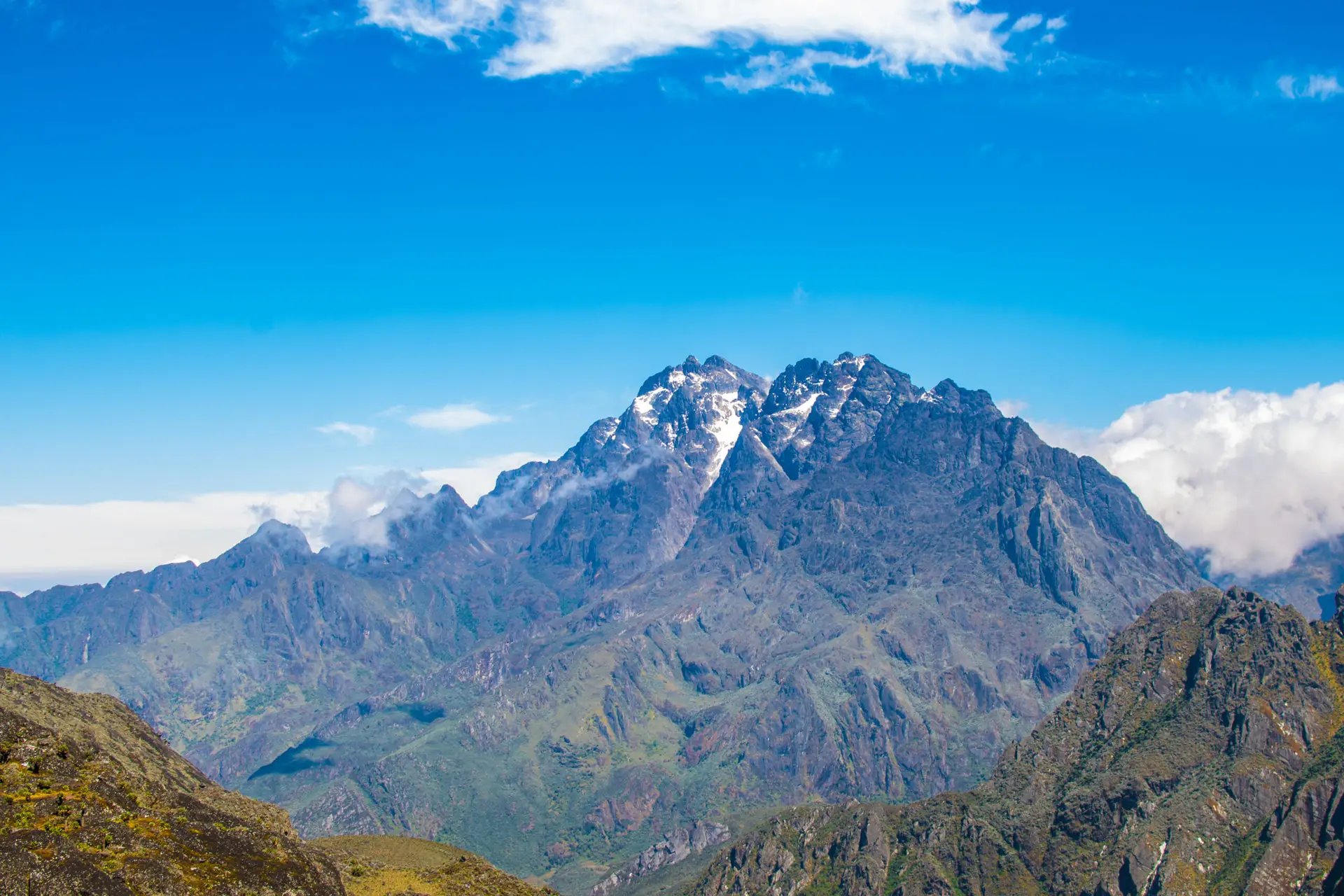
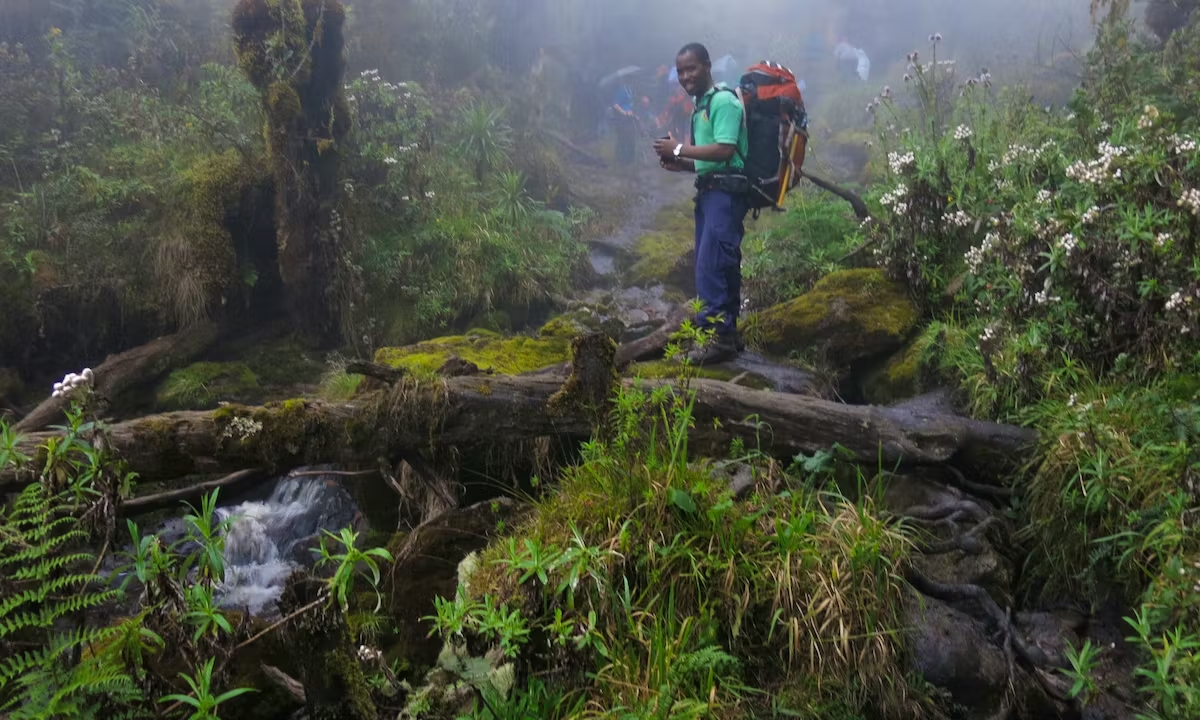
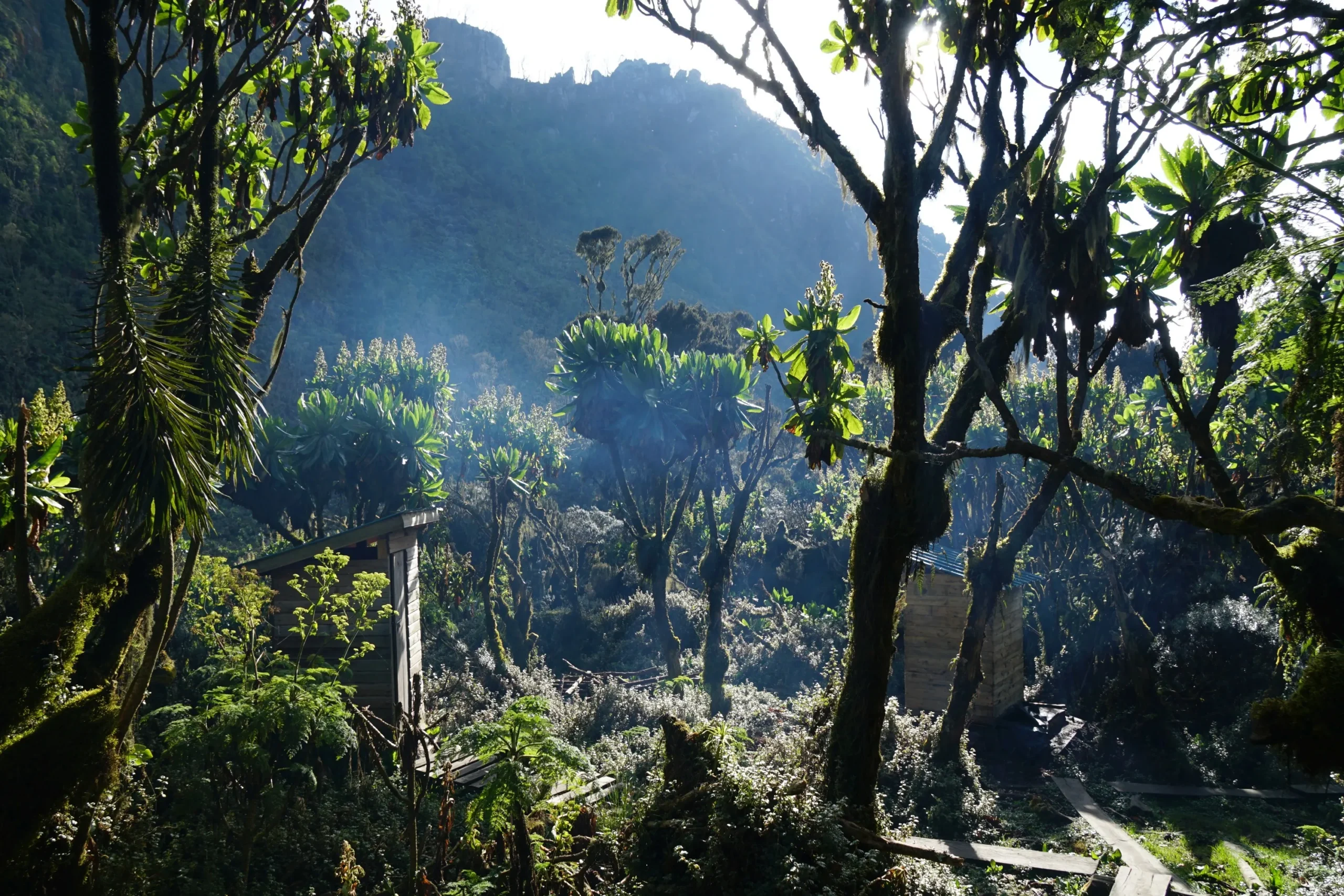
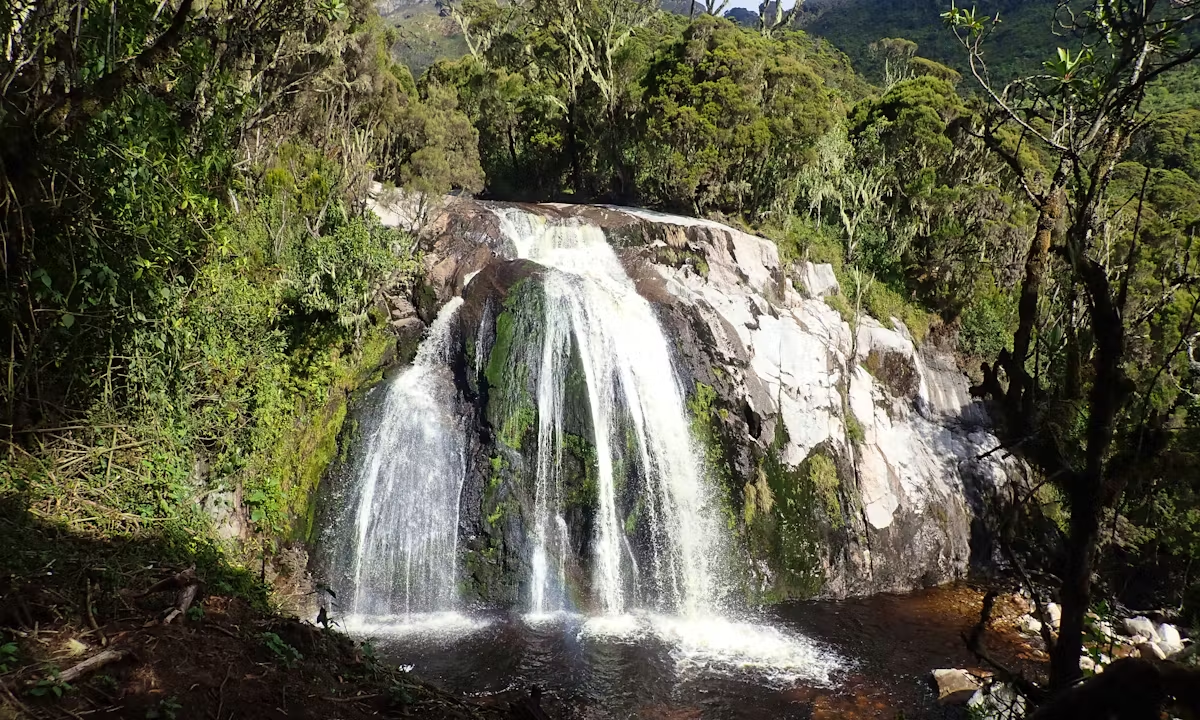
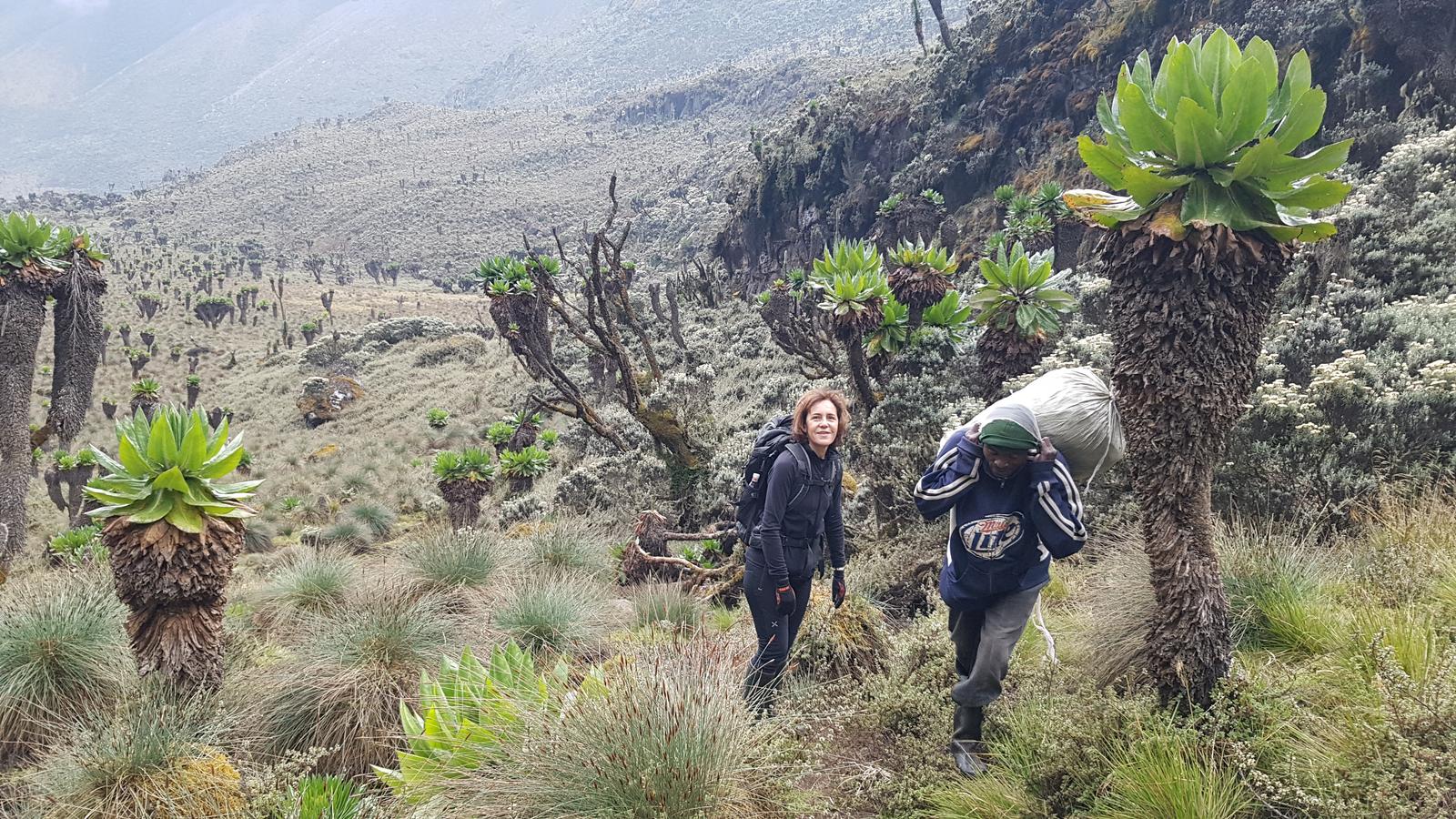
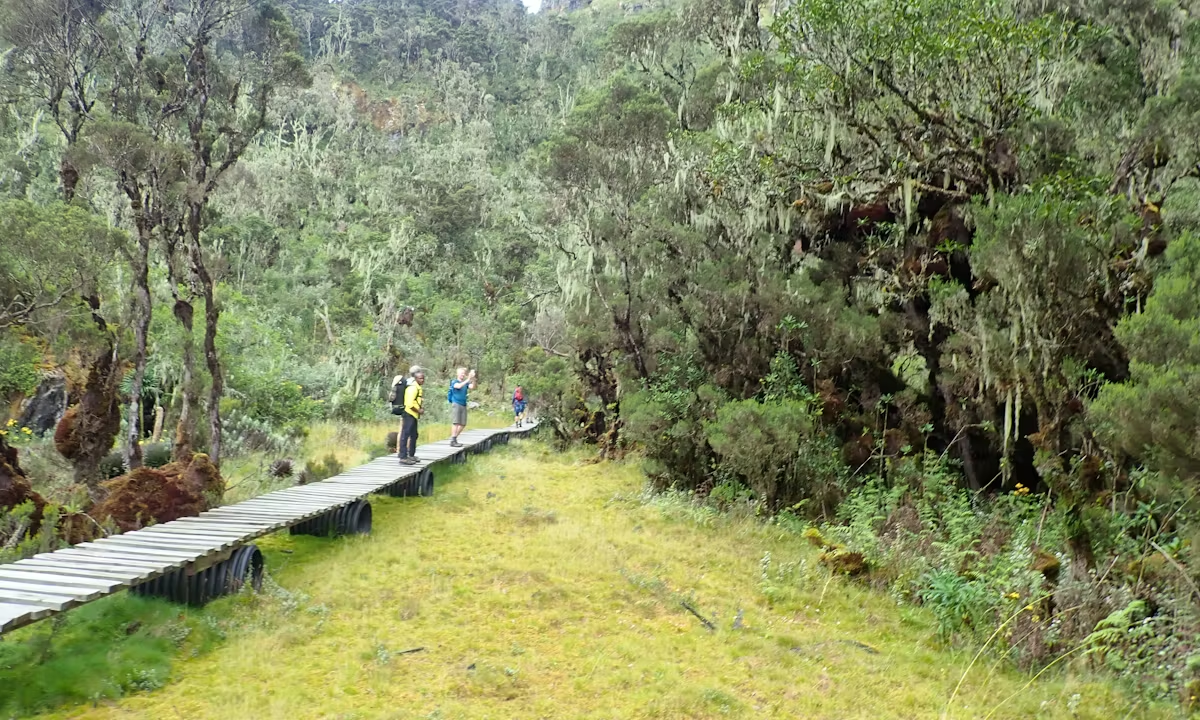
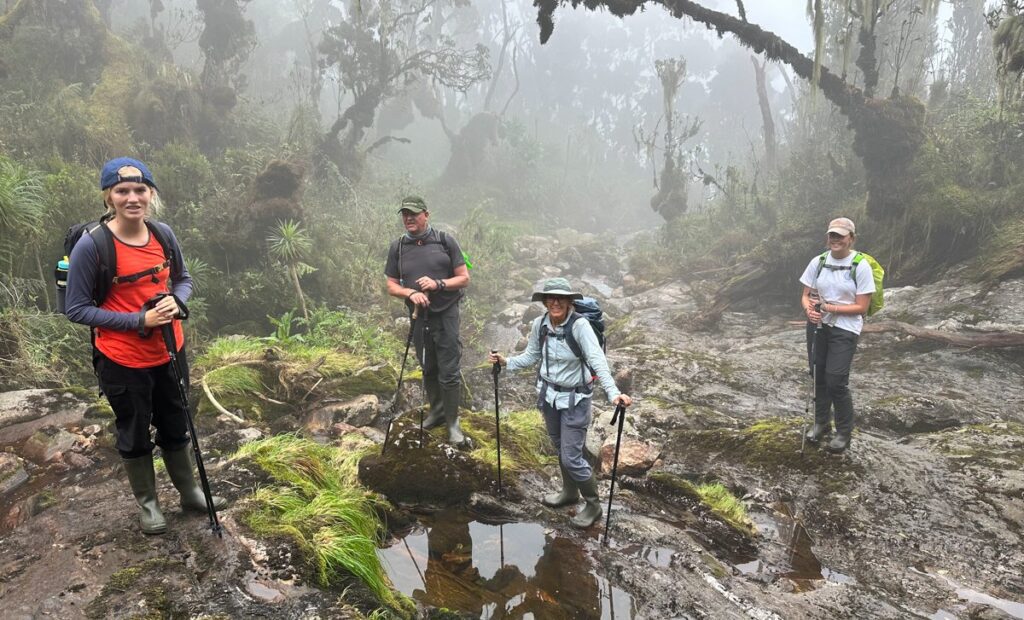
The trek starts near Kyanjuki village, 12 km from Kasese town past the historic Kilembe Copper Mines, and ascends steadily through the Nyamwamba Valley before returning to the same base.
The Kilembe Trail travels through various vegetation zones, from the tropical rainforest to alpine, and is known for its stunning valleys, waterfalls, and distinctive flora. The hike normally lasts 7–10 days and is a wonderful adventure. It includes camps such as Sine, Kalalama, and Mutinda and is easier than other routes due to its gentler ascent and rapid descent, making it appropriate for fit beginners who are fully equipped.
3-Day Rwenzori Trek to Sine Camp & Samalira Camp Trek at a Glance
| Duration | 3 Days / 2 Nights |
| Total Distance | ~23.6 km (9.5 km Day 1 + 4.1 km Day 2 + 10 km Day 3) |
| Maximum Elevation | 3,170 m (Samalira Camp) |
| Elevation Gain (Total) | ~1,720 m ascent / ~1,720 m descent |
| Start / End Point | Trekkers Hostel, Kyanjuki village (1,450 m) |
| Trek Route / Trail | Kilembe Trail Nyamwamba Valley |
| Difficulty | Moderate (suitable for fit beginners) |
| Best Season | December–February & June–August |
| Group Size | 1–12 trekkers (private departures available) |
| Accommodation | Wooden mountain huts at Sine Camp & Samalira Camp |
| Summit / Highest Camp | Samalira Camp, 3,170 m (no technical climbing) |
| Price Indicator | From USD ~$450 per person (contact for exact quote) |
Why This Trek? What Makes the 3-Day Sine & Samalira Route Unique
Of all the short treks available in Rwenzori Mountains National Park, the 3-Day Sine and Samalira Camp route delivers the most complete ecological cross-section for the time invested. In three days, you pass through three distinct vegetation zones: the Afro-montane forest, the bamboo zone, and the lower heather zone, each with its microclimate, flora, and wildlife. By comparison, shorter 1- or 2-day treks to Sine Camp only reach the upper forest edge. This itinerary takes you meaningfully beyond.
The Kilembe Trail itself is one of two main routes into the Rwenzori’s interior. Unlike the Central Circuit Trail, which begins at the northern Nyakalengija gate, the Kilembe Trail begins near the historic Kilembe Copper Mines south of Kasese, a starting point that gives the trek an added layer of industrial and cultural history. The Nyamwamba Valley, which the trail follows throughout, is one of the most dramatically sculpted glacial valleys in equatorial Africa, carved over millennia by ice sheets that have since retreated significantly due to climate change. You are, quite literally, walking through geological history.
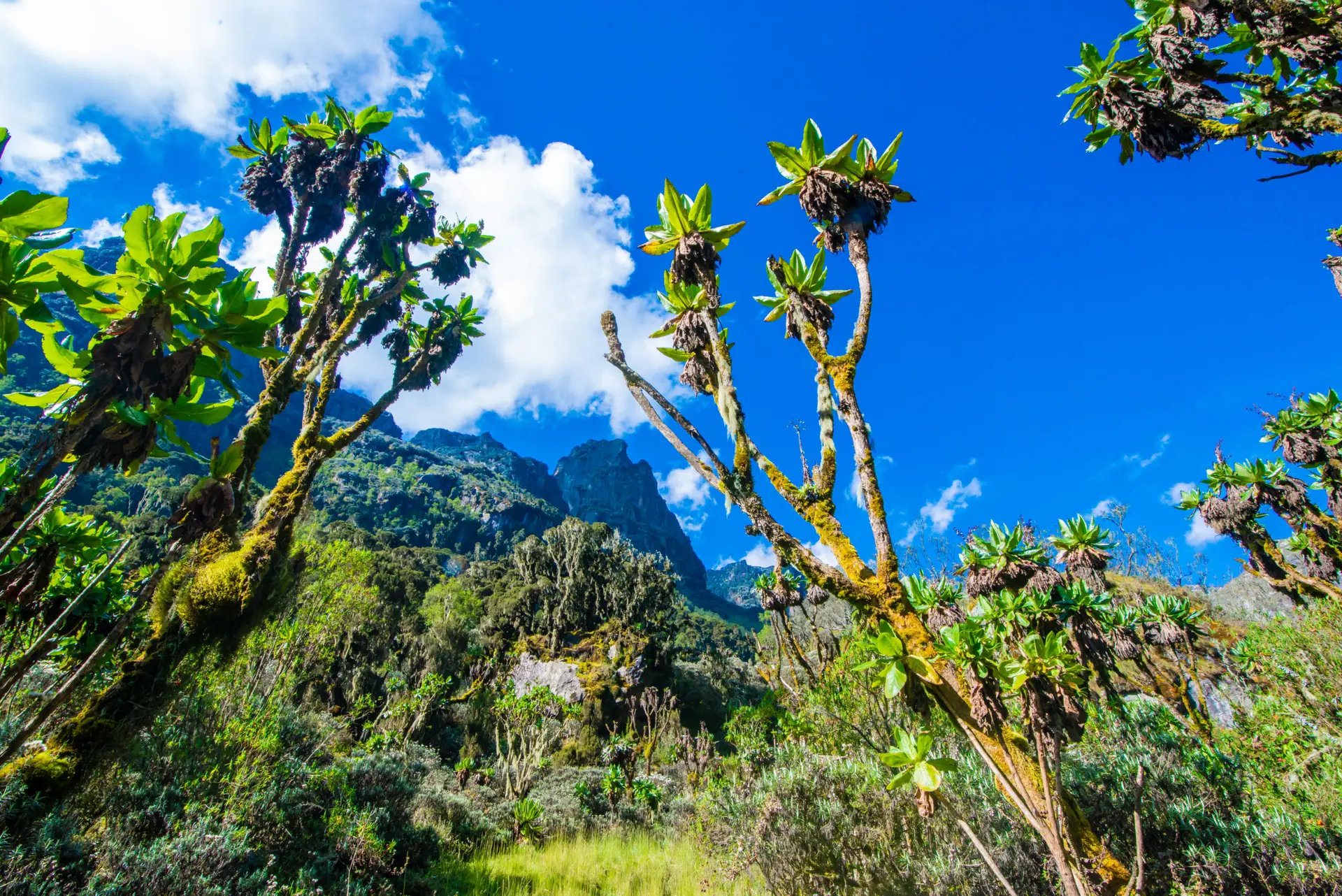
What distinguishes this trek for wildlife enthusiasts is the transition from the rich lower forest into the bamboo zone on Day 2. The bamboo section of the Kilembe Trail is one of the most atmospheric stretches of any trekking route in Uganda, dense, towering, and acoustically alive with the calls of Rwenzori turacos and the rustle of blue monkeys overhead. Giant lobelias begin to appear as you approach Kalalama and Samalira Camps, otherworldly plants found only in Africa’s high-altitude zones and among the Rwenzori’s most photographed subjects.
For those with limited time in Uganda, this trek offers a genuinely complete Rwenzori experience without the 7–10 days required for a full summit expedition. It also serves as an ideal preparatory trek for those planning to return for the 7-day Margherita Peak climb via the Central Circuit or the 8-day Kilembe Trail expedition to Margherita Peak, giving you real mountain time, genuine acclimatization experience, and an honest measure of your fitness in these specific conditions.
Full Day-by-Day Itinerary: 3-Day Rwenzori Trek to Sine & Samalira Camps
Day 1: Kyanjuki Trailhead to Sine Camp
Elevation: 1,450 m → 2,596 m | Distance: 9.5 km | Hiking Time: 7–8 hours | Terrain: Forest trail, steep ascent
Your Rwenzori adventure begins at the Trekkers Hostel in Kyanjuki village, approximately 12 km from Kasese town along the road past the Kilembe Copper Mines. The morning starts with a pre-trek briefing from your lead guide, introductions to your porter team, a review of the day’s route, and a thorough check of gear. Departure is typically by 8:30 AM; The latest start is 10:00 AM to ensure you reach Sine Camp before darkness.
The first 2.2 km of the trail is a gentle warm-up walk at a relatively flat gradient, bringing you to the Uganda Wildlife Authority (UWA) ranger post at 1,727 m. Here, park entry formalities are completed; carry your passport and booking confirmation. From the ranger post, the trail descends slightly before entering the Afro-Montane Forest Zone in earnest.

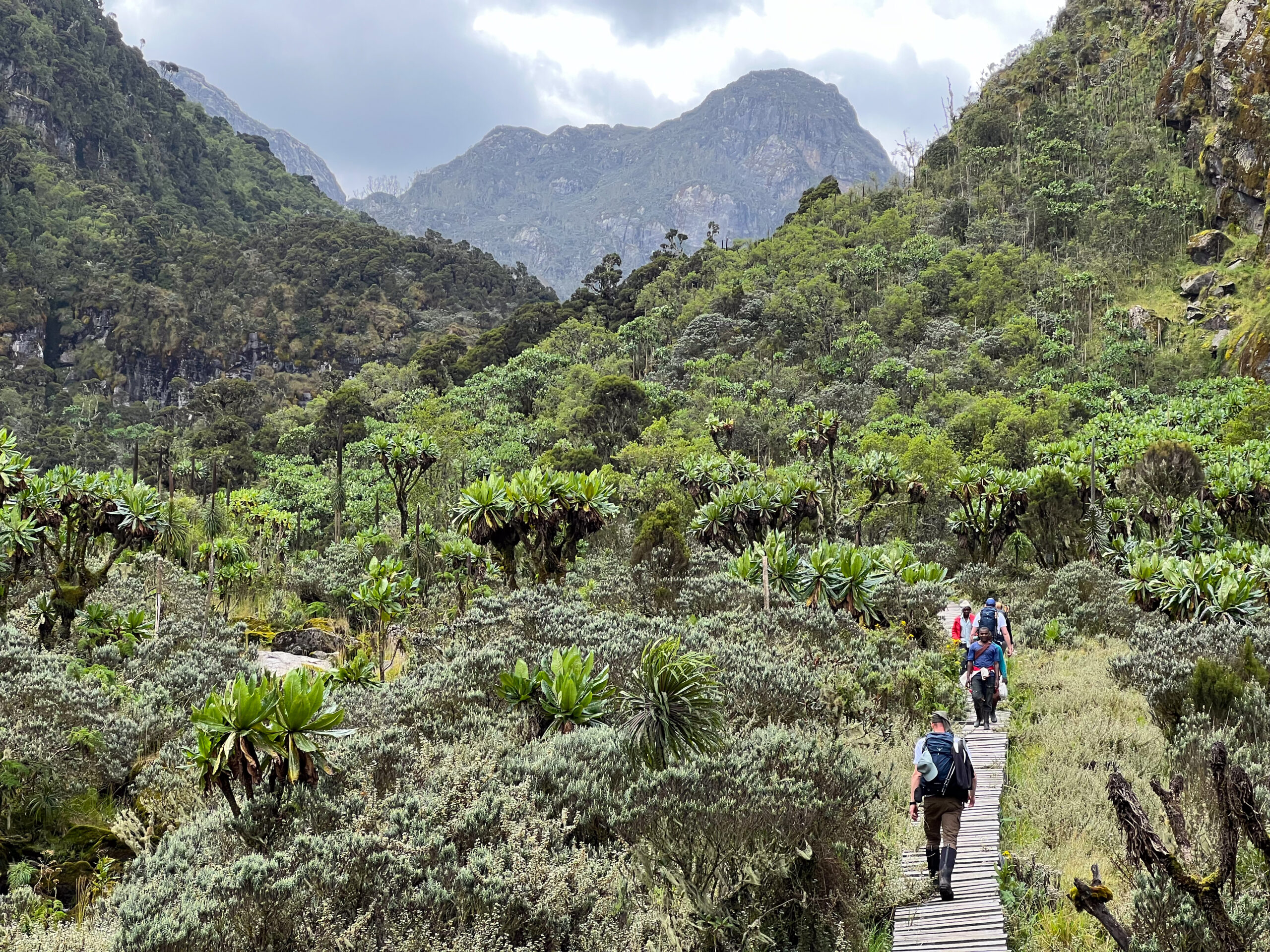
The first six kilometers inside the park are a steady, manageable ascent through one of Uganda’s most intact montane forests. Towering Podocarpus and Symphonia trees form a thick canopy overhead, while the understory is dense with giant ferns, orchids, and flowering shrubs. The forest floor is covered in a deep layer of moss and decomposing leaf litter; the smell is rich, damp, and distinctly equatorial. Birdsong is constant, and your guide will point out the calls of the African green broadbill, the handsome francolin, and, if you are lucky, the African wood owl.
After crossing a river bridge, the trail steepens dramatically for the final 2–3 km before Sine Camp. This is the day’s hardest section, a sustained climb through increasingly mossy forest, with tree roots underfoot and the valley falling away steeply to your left. Blue monkeys are commonly spotted here, moving through the canopy above. Take your time, breathe steadily, and follow your guide’s pace.
Sine Camp (2,596 m) announces itself with the sound of waterfalls before you see the huts. The camp sits on a narrow forested ridge above a spectacular series of rapids and cascades crashing through the Nyamwamba Valley. From camp, a 200-meter side path leads to Enock Falls, a dramatic waterfall framed by hanging vines and bright green lichen, one of the most photographed spots on the entire Kilembe Trail. Do not skip it.
Dinner is served at camp, a hot, cooked meal prepared by your guide team. The evenings at Sine Camp are cool and atmospheric; temperatures typically drop to 8–12°C, and a camp campfire or the warmth of the wooden hut provides welcome comfort. Sleep well. Day 2 is shorter but climbs into genuinely alpine terrain.
Key highlights: Afro-Montane forest immersion | Enock Falls photo stop | Blue monkey sightings | Valley waterfall views from camp
Day 2: Sine Camp to Samalira Camp (via Kalalama Camp)
Elevation: 2,596 m → 3,170 m | Distance: 4.1 km | Hiking Time: 3–4 hours | Terrain: Bamboo zone, heather zone, ridge walking
Day 2 is shorter in distance, but altitude gain is steep, and the terrain transforms completely. After breakfast at Sine Camp, the trail climbs sharply out of the forested ridge and into the bamboo zone, one of the most remarkable transitions in any Rwenzori trek.
The bamboo zone begins almost immediately above Sine Camp, where giant mountain bamboo (Arundinaria alpina) forms dense, cathedral-like corridors. The stalks rise 8–12 metres above the trail, filtering the light into a pale green haze. The ground here is often muddy, and the trail narrow; trekking poles are invaluable. The soundscape changes dramatically: the dense bamboo dampens noise and creates an eerie acoustic intimacy, punctuated by the creak of bamboo stalks rubbing against each other in the breeze.
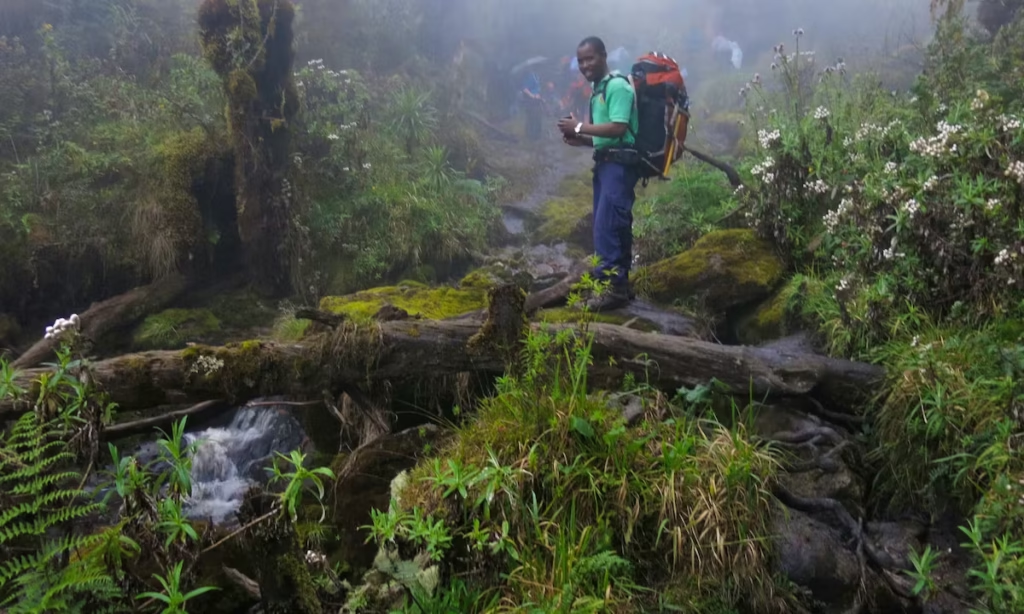
As you climb higher, patches of mixed transitional forest appear, rich in fruiting trees that attract a high diversity of bird species. Listen for the unmistakable call of the Rwenzori turaco; the vivid crimson flight feathers flash between the canopy gaps when one is flushed from its perch. Malachite sunbirds descend from the heather zone into this bamboo-forest ecotone during drier months, hovering near flowering lobelias.
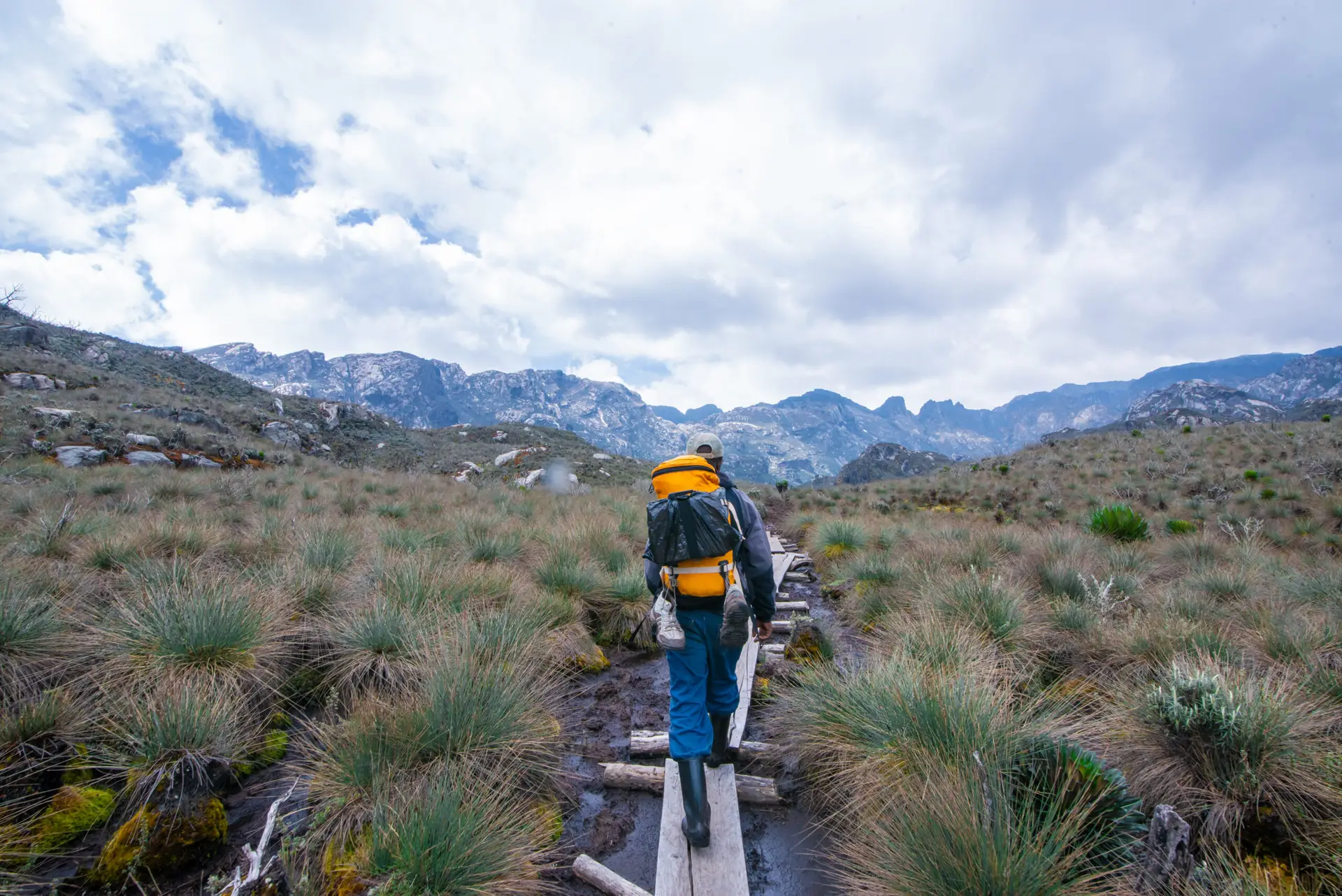
At approximately 3,000 m, the bamboo gives way abruptly to the heather zone, one of the Rwenzori’s most defining ecological zones and one you will find nowhere else on Earth at this latitude. Giant tree heather (Erica arborea and Erica trimera) grows to extraordinary heights here, up to 15 metres with thick trunks and branches smothered in sphagnum moss and lichen. The effect is surreal: a slow-motion forest of grey-green giants that seem to have grown without reference to any normal sense of scale.
Kalalama Camp (3,147 m) is reached on most days within 2.5–3 hours of leaving Sine Camp. This location is an alternative overnight site used on longer itineraries; on this 3-day trek you pass through but typically do not overnight here unless conditions require it. From Kalalama, the trail follows a mossy, open ridge with sweeping views westward across the foothills toward Lake George in Queen Elizabeth National Park on clear days, an extraordinary panorama from one park directly into another.
The first giant lobelias appear near Kalalama, Lobelia wollastonii, with their towering spike-like inflorescences rising 2–3 metres from a rosette of grey-green leaves. These extraordinary plants, endemic to Afro-alpine zones, are one of the Rwenzori’s most iconic sights and a favorite subject for photographers. A short final climb from Kalalama leads to Samalira Camp, set in a broad shallow basin at 3,170 m.
Samalira Camp is quiet, dramatic, and deeply alpine. The views across surrounding ridges and valleys are expansive, and at this altitude, the air is noticeably thinner and the temperatures drop sharply after sunset, expecting 4–8°C at night. Your guide team will have hot drinks, soup, and a warm dinner waiting. Sit outside for a while before retreating to your hut; the night sky at 3,170 m on the Rwenzori, when clouds permit, is extraordinary.
Key highlights: Bamboo zone corridor | Heather zone transition | Kalalama Camp panorama | Giant lobelias | Alpine basin camp at 3,170 m
Day 3: Samalira Camp to Kyanjuki (Descent)
Elevation: 3,170 m → 1,450 m | Distance: 10 km | Hiking Time: 5–7 hours | Terrain: Heather zone, bamboo, forest, river sections
The final day retraces the route from Samalira Camp all the way back down to Kyanjuki base camp, a 10 km descent covering 1,720 m of elevation loss. After an early breakfast, you leave camp by around 7:00–8:00 AM, ideally before the morning clouds build and obscure the views from the heather zone.
Descending through the heather zone in the morning light offers a different visual experience than the ascent. The moss-draped heather trees catch the early light, and the valley below is often veiled in mist, creating the misty, otherworldly atmosphere the Rwenzori is famous for and which gave rise to the ancient name ‘Mountains of the Moon.’ ‘Giant lobelias, passed quickly on the way up, are worth a slower look on the way down.
The descent through the bamboo zone on Day 3 is noticeably easier than the ascent but requires care on the muddy, rooted trail sections. Trekking poles and a slow, deliberate pace are especially important here. The bamboo corridor on the way down is often more active with birds than during the ascent, as the morning feeding activity reaches its peak in the transitional zone.
Re-entering the Afro-Montane forest below the bamboo zone brings a welcome warmth and the return of richer birdsong. Near the Omusita Rest Area, your guide may offer a choice of routes: the direct descent to the ranger post or a scenic diversion following the Nyamwamba River through a particularly atmospheric section of old-growth forest that feels ancient, dense, and primeval. If conditions and time allow, take the river path; it is one of the most beautiful stretches of the lower Kilembe Trail.
The trek concludes at the UWA ranger post and then the Kyanjuki base camp, typically by early afternoon. At the trailhead, we exchange a certificate of completion, a guide farewell, and tips. From Kyanjuki, your transfer back to Kasese or onward to Fort Portal can be arranged. Many trekkers choose to spend the evening in Kasese before traveling onward.
Key highlights: Misty heather zone at dawn | Nyamwamba River forest section | Blue monkey and turaco sightings on descent | Trek completion certificate
Elevation Profile: 3-Day Rwenzori Kilembe Trail Trek
Day 1: Kyanjuki (1,450 m) → UWA Ranger Post (1,727 m) → Sine Camp (2,596 m). Total ascent: ~1,146 m over 9.5 km. The elevation profile is a long, steady climb through the forest followed by a sharper final push to camp. This is the largest single-day elevation gain on the trek and the most physically demanding day.
Day 2: Sine Camp (2,596 m) → Kalalama Camp (3,147 m) → Samalira Camp (3,170 m). Total ascent: ~574 m over 4.1 km. The course is short in distance but aerobically demanding at this altitude. The gradient is steep and consistent, easing slightly near Kalalama before the final rise to Samalira.
Day 3: From Samalira Camp (3,170 m) to Sine Camp (2,596 m) and then to Kyanjuki (1,450 m). Total descent: ~1,720 m over 10 km. A long, knee-testing descent. The pace is steady rather than brisk. Loose roots, muddy sections, and wet rock require care throughout. Trekking poles reduce strain significantly.
Total elevation gain: ~1,720 m | Total elevation loss: ~1,720 m | Total distance: ~23.6 km
Camps & Accommodation on the 3-Day Kilembe Trail Trek
Sine Camp (2,596 m)
Sine Camp sits on a narrow forested ridge above the Nyamwamba Valley, sheltered by tall trees that catch the prevailing mist and drip almost constantly in wet weather. The camp consists of wooden mountain huts built by the Uganda Wildlife Authority, offering bunk-style sleeping with basic mattresses and blankets included. The ridge-top position means there is no flat ground; everything slopes gently, but the atmosphere is intimate and deeply forested. The sound of waterfalls from the valley below accompanies the entire evening. Enock Falls, located 200 metres from camp along a short side trail, is the camp’s star attraction and is essential for any photographer.
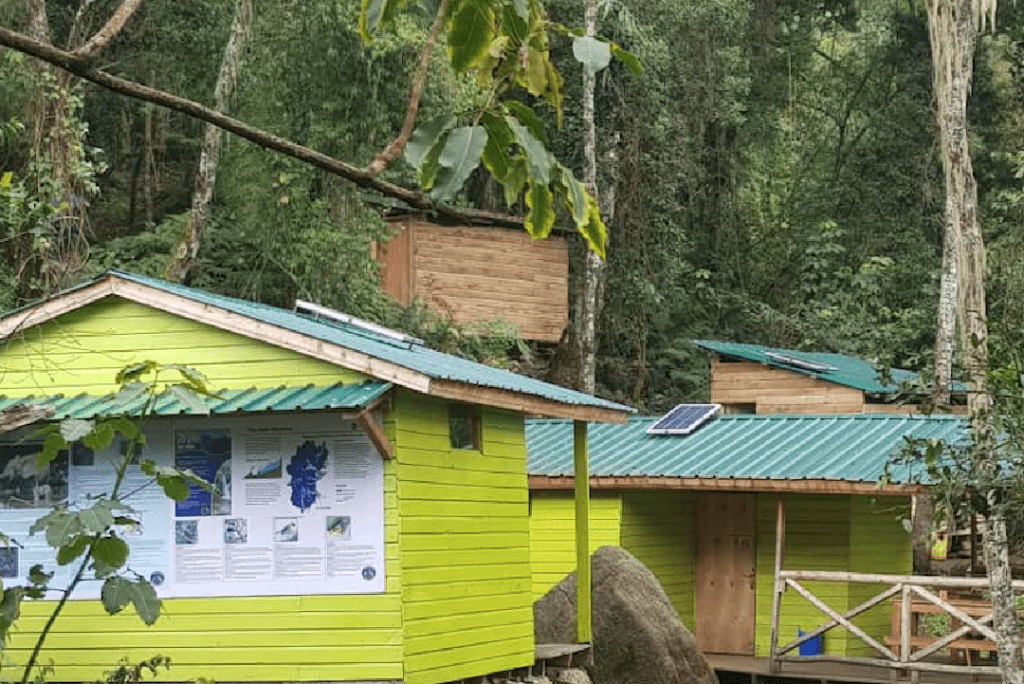
Facilities: Wooden sleeping huts, pit latrines, and a camp kitchen area. No electricity, no phone signal (generally), and no charging facilities. The guide team treats water from the river/stream before use.
Samalira Camp: (3,170 m)
Samalira Camp occupies a shallow alpine basin deep in the heather zone; its most distinctive feature is the quality of silence. At this altitude, the forest noise recedes, and wind, birdsong, and the occasional distant rumble of water replace it. The camp has the same wooden hut infrastructure as Sine Camp, but the setting feels genuinely high-altitude: cooler temperatures (4–8°C at night), thinner air, and an expansive open sky above. Views from the basin rim take in surrounding ridges and, in clear conditions, distant foothills. Giant lobelias stand sentinel around the camp perimeter.
Facilities: Wooden sleeping huts, pit latrines, and a camp kitchen area. No electricity. Water from mountain streams guides the team and treats all drinking water. Temperatures drop sharply after sunset; warm layers are essential. See our full guide to mountain huts and campsites on the Rwenzori for complete camp details across all routes.
Flora & Wildlife on the 3-Day Sine & Samalira Camp Trek
The 3-Day Kilembe Trail trek passes through three of the Rwenzori’s five distinct vegetation zones, offering an unparalleled biological cross-section for a short trekking itinerary. For a complete species guide, see our Rwenzori Vegetation Zones and Wildlife & Biodiversity pages.
Afro-Montane Forest Zone (~1,450 m ~2,800 m)
The lower forest is the richest zone for wildlife encounters. Tree species include Podocarpus latifolius, Symphonia globulifera, Ficalhoa laurifolia, and Macaranga kilimandscharica. Mosses and liverworts carpet every surface. Wildlife: blue monkeys (Cercopithecus mitis), African civet, duiker, and rich birdlife, including the Rwenzori turaco, African green broadbill, African hill babbler, and handsome francolin.
Bamboo Zone (~2,500 m ~3,000 m)
Giant mountain bamboo (Arundinaria alpina) dominates this zone. The bamboo grows in dense monoculture stands and creates the famous atmospheric corridors of the Kilembe Trail. Fruiting patches attract large numbers of birds. The Rwenzori turaco (Ruwenzorornis johnstoni) is particularly active here, and Malachite sunbirds descend from higher elevations during dry months. Forest elephants have historically used bamboo zone trails on the Rwenzori, though sightings are rare on the Kilembe Trail.
Heather Zone (~3,000 m ~3,800 m)
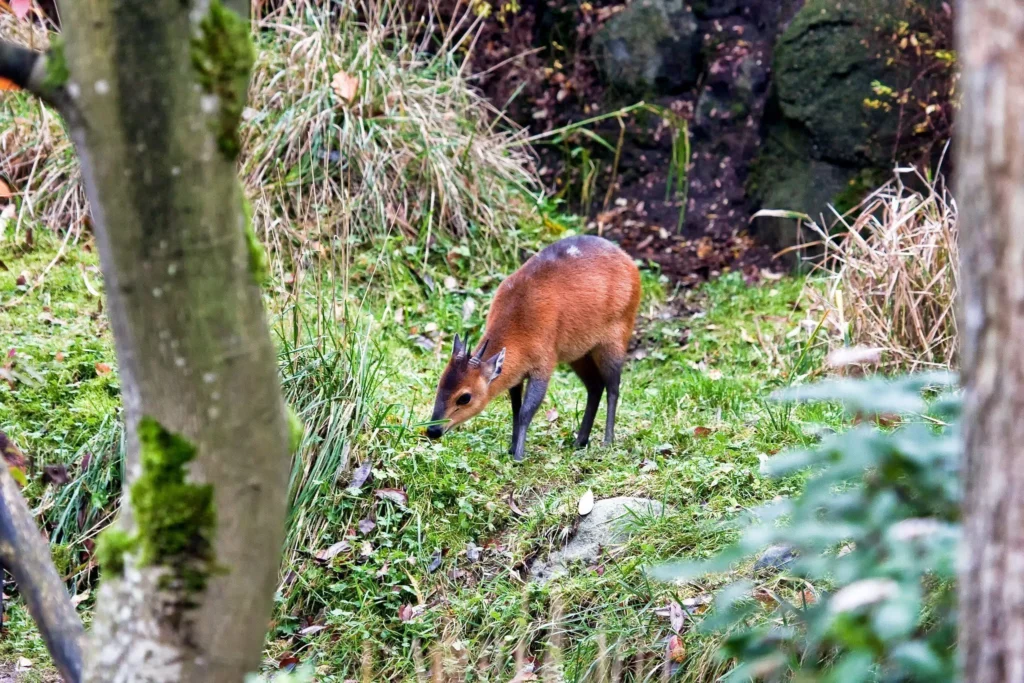
Above 3,000 m, the landscape transforms into the Rwenzori’s iconic heather zone. Giant tree heather (Erica arborea and Erica trimera) grows to extraordinary heights of 10 to 15 m, with trunks draped in sphagnum moss and old-man’s-beard lichen. The first giant lobelias (Lobelia wollastonii) appear near Kalalama Camp. Carduus afromontanus thistles add splashes of purple to the scene. Duikers are sometimes spotted near camp at dusk. Sunbirds, particularly the Rwenzori double-collared sunbird, are the most reliably seen birds at this elevation.
Physical Difficulty & Fitness Requirements
The 3-Day Rwenzori trek to Sine and Samalira Camps is classified as moderate, making it the most demanding of the short Kilembe Trail treks and one of the steeper introductory mountain experiences available in Uganda. Here is an honest assessment:
Who This Trek Is Designed For
- Motivated first-timers with a consistent fitness base (regular hiking, cycling, or gym training 3–4× per week)
- Trekkers who want a genuine, immersive Rwenzori experience without committing to a 7–10 day summit expedition
- Fit travellers combining the Rwenzori with other Ugandan experiences: gorilla trekking, wildlife safaris, or cultural tours (see our Rwenzori & Gorilla combo packages)
- Those testing their altitude tolerance before a planned return for the 7-Day Margherita Peak climb
- Older trekkers with good aerobic fitness, see our Honest Guide for Hikers Over 50 & 60
Physical Demands
Day 1 is the most physically demanding day of the trek, a 9.5 km trail with 1,146 m of elevation gain, taking 7–8 hours. The trail is steep, rooted, and often muddy. Cardiovascular endurance, not technical skill, is what you need. Day 2 is shorter (4.1 km, 3–4 hours) but pushes you into genuinely alpine terrain at 3,170 m. Day 3 is a long descent that tests the knees and requires consistent attention to footwork. There is no technical climbing, glacier travel, or scrambling on this itinerary. Rubber gumboots are available free at the trailhead.
Altitude
At a maximum of 3,170 m, this trek operates well below the altitude thresholds for serious AMS. Mild headaches or reduced appetite are possible on Day 2 for some individuals. Descend 200–300 m if symptoms persist. For a comprehensive guide, read our Altitude Acclimatization Strategy and Medical Guide to Rwenzori Trekking.
Recommended Training
For 6–8 weeks before departure: 3× weekly cardiovascular sessions (45–60 min each), 1× weekly long hike of 10–15 km with elevation change, and exercises to strengthen the knees and quads (essential for the Day 3 descent). See our full Fitness & Training Guide.
Best Time to Trek: Sine Camp & Samalira Camp, Kilembe Trail.
The Rwenzori Mountains receive rainfall year-round due to their position on the equator, but two drier windows offer the most reliable trekking conditions. For a full month-by-month breakdown, see our Best Time to Visit the Rwenzori guide.

Prime Season: June–August
Uganda’s long dry season coincides with European and North American summer holidays, making June–August the most popular and most reliable window. Trails are firmer, rivers run at manageable levels, and the heather zone at Samalira Camp is most likely to offer clear views on clear mornings. This is the recommended window for first-time Rwenzori trekkers.
Second Best: December–February
Uganda’s short dry season offers drier conditions and significantly fewer trekkers. December–January is often the driest period on the Kilembe Trail. Daytime temperatures are warm in the valley and cool at camp; conditions are excellent for photography and wildlife observation.
Wet Seasons (March–May & September–November)
The Rwenzori is hikeable year-round with the right preparation, and the wet seasons have their appeal: fuller waterfalls, deep green forests, and near-total solitude on the trail. However, the trail becomes significantly muddier and slippier, particularly on the steep sections above the river. Full waterproof gear becomes essential rather than optional. Rubber gumboots, provided free at the trailhead, are strongly recommended. See our Packing & Gear List for wet-season gear recommendations.
What’s Included in Your Trek Package
Included
| ✔ Professional UWA-registered mountain guide |
| ✔ Trained porters (1 porter per 2 trekkers, max 15 kg per porter load) |
| ✔ All meals on the mountain: breakfast, lunch, dinner, and hot drinks |
| ✔ Accommodation in wooden mountain huts at Sine Camp & Samalira Camp |
| ✔ Uganda Wildlife Authority (UWA) park entry fees and trail permits |
| ✔ Free use of rubber boots (gumboots) at the trailhead if required |
| ✔ Emergency first-aid kit carried by guide throughout the trek |
| ✔ Pre-trek briefing and guide introductions at Kyanjuki |
Not Included
| ✘ Tips and gratuities for guides and porters (strongly encouraged; see Tipping Guide below) |
| ✘ Personal travel insurance and medical evacuation cover (required; see our Insurance Guide) |
| ✘ Accommodation before and after the trek in Kasese or Fort Portal |
| ✘ Transfers to/from the Kyanjuki trailhead from Kasese (can be arranged on request) |
| ✘ Personal trekking gear, clothing, and footwear (see Packing List section) |
| ✘ Alcoholic beverages and personal snacks beyond standard meals |
| ✘ Any costs arising from voluntary or involuntary early descent |
| ✘ International flights, visa fees, and airport transfers |
Community ContributionA 10% portion of all trek proceeds from Rwenzori Trekking Safaris is directed to supporting the local Bakonzo community by funding orphanages, primary schools, and homes in the Kasese region. When you trek with us, your adventure directly benefits the mountain community that makes it possible. |
Full Packing & Gear List: 3-Day Kilembe Trail Trek
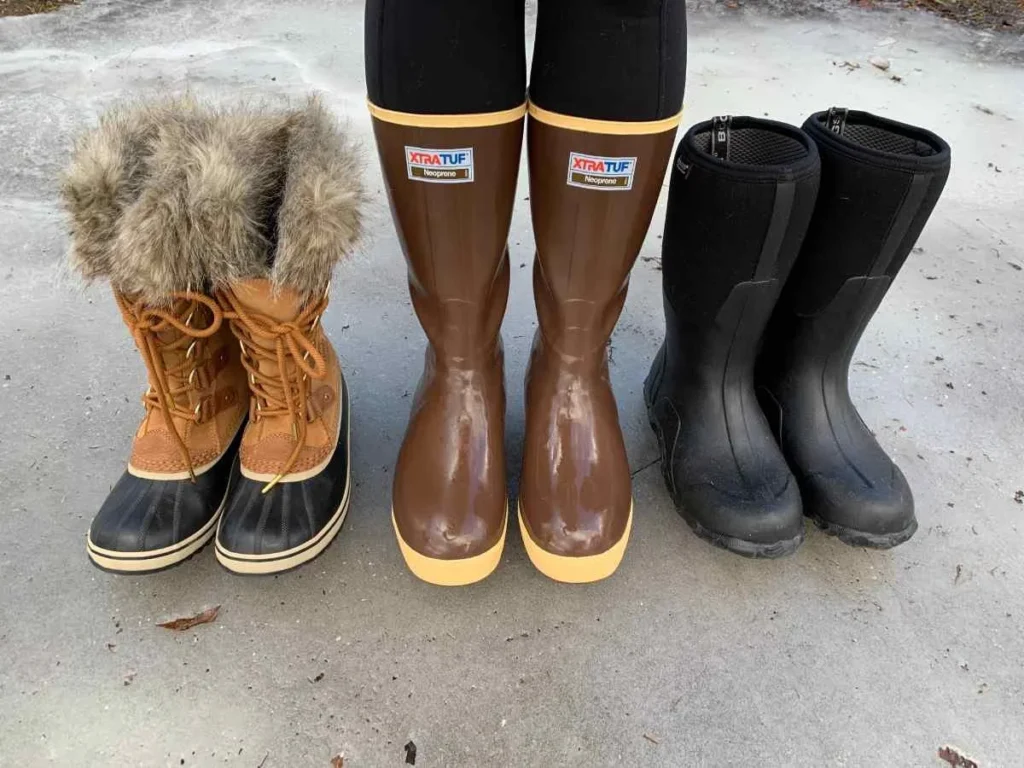
The Rwenzori Mountains are among the wettest ranges in Africa; average annual rainfall exceeds 2,000 mm on the upper slopes. Waterproofing is not optional. For the complete master gear list covering all Rwenzori treks, see our Full Rwenzori Packing List and Footwear & Boot Guide.
| Footwear | • Sturdy waterproof hiking boots (ankle support essential)
• Rubber gumboots are optionally available at the trailhead. • Lightweight camp sandals for hut evenings • Thick wool or synthetic hiking socks (2–3 pairs minimum) |
| Clothing Lower Body | • 2× quick-dry trekking trousers (avoid jeans)
• 1× lightweight thermal base layer leggings • Waterproof shell trousers (essential for rain/heather zone) |
| Clothing Upper Body | • 3× moisture-wicking base layer shirts
• 1× mid-layer fleece or insulated jacket • 1× hardshell waterproof jacket with sealed seams • 1× lightweight down jacket for camp evenings at 3,000+ m |
| Head, Hands & Extremities | • Warm knit beanie or fleece hat
• Sun hat or cap for forest sections • Lightweight waterproof gloves • UV-protection sunglasses |
| Pack & Carry | • Daypack 25–35 litres (porters carry main luggage)
• Dry bags or waterproof pack liner (essential) • Trekking poles highly recommended • Reusable water bottle (2 litres minimum) or hydration bladder |
| Health & Hygiene | • Personal first-aid kit: blister plasters, ibuprofen, antihistamine
• Altitude awareness: carry basic medications (consult doctor) • Sunscreen SPF 30+ and lip balm • Insect repellent for lower forest sections • Biodegradable soap and hand sanitiser |
| Sleep & Shelter | • Sleeping bag rated to 0–5°C (nights at Samalira Camp can be cold)
• Sleeping liner for extra warmth and hygiene |
| Navigation & Electronics | • Headlamp + spare batteries
• Camera or phone with waterproof case / dry bag • Power bank (no charging on the mountain) • Emergency whistle |
| Documents & Finance | • Passport copy and UWA park entry confirmation
• Small amount of cash in Ugandan Shillings (for tips, extras) • Emergency contact card in pack lid |
Rwenzori Permits, Park Fees & Costs
Your Rwenzori Trekking Safaris package price includes all Uganda Wildlife Authority (UWA) park entry fees and trail permits for Rwenzori Mountains National Park. You do not need to purchase permits independently. Here is a transparent breakdown of the cost components covered by your trek fee and what is not:
Costs Covered in Your Package
- UWA Park Entry Fee: USD $35 per person per day (foreign non-resident rate) 3-day entry = $105 total
- UWA Trail/Hiking Permit: Included in park fee structure for the Kilembe Trail
- Mountain Hut Fees: Sine Camp and Samalira Camp overnight fees included
- Guide Fee: UWA-registered lead guide for all 3 days
- Porter Fee: 1 porter per 2 trekkers for luggage carry (max. 15 kg per porter load)
- All Meals: Full board on the mountain (breakfast, lunch, dinner, hot drinks)
Additional Budget to Plan For
- Porter & Guide Tips: USD $45–$70 per trekker for the full trek. See our Porter Services & Tipping Guide
- Travel Insurance: USD $40–$120 depending on the provider and coverage level required for all treks. See our Rwenzori Travel Insurance Guide
- Kasese Accommodation (1 night pre/post): USD $30–$80 depending on property. See our pre- & post-trek hotel guide
- Transfer Kasese → Kyanjuki: Approximately USD $15–$25 per vehicle (can be arranged by Rwenzori Trekking Safaris)
For the complete 2026 cost breakdown covering all Rwenzori treks, park fees, porter logistics, and budget planning guidance, see our Full Cost Guide: How Much Does It Cost to Climb the Rwenzori?
Getting to the Kyanjuki Trailhead
The 3-day Kilembe Trail trek starts at the Trekkers Hostel in Kyanjuki village, approximately 12 km from Kasese town along the Kilembe Road past the historic copper mines. For the complete guide to reaching the Rwenzori from Kampala, Entebbe, or beyond, see our “How to Get to the Rwenzori Mountains“ travel guide.
From Kasese Town to Kyanjuki (~12 km)
- Private Vehicle/Taxi: 20–30 minutes. Rwenzori Trekking Safaris can arrange a pickup from your Kasese accommodation to the Kyanjuki trailhead.
- Boda-Boda (Motorcycle Taxi): 20–25 minutes. A cheap and popular local option (approximately 10,000–15,000 UGX). Negotiate the fare before departure.
- Shared Taxi/Matatu: Irregular service along the Kilembe Road. Ask at the Kasese taxi park for Kilembe-bound vehicles.
From Kampala to Kasese (~4.5–5 hours)
- Private Charter Vehicle: Approximately 4.5–5 hours via the Kampala–Fort Portal–Kasese highway. Comfortable, flexible, and bookable through Rwenzori Trekking Safaris.
- Scheduled Coach Bus: Several operators run daily services from Kampala to Kasese (6–7 hours). The bus departs from Kisenyi Bus Terminal in Kampala. Budget option.
- Via Fort Portal: Fort Portal is 2–2.5 hours from Kasese and is an excellent base for combining a Rwenzori trek with chimpanzee trekking in Kibale Forest. See our Kasese Gateway Town Guide.
From Entebbe International Airport
Allow approximately 7–8 hours by road from Entebbe to Kasese (450 km). We recommend arriving a day before your trek start date to rest and acclimatize to the Ugandan altitude (~1,100 m in Kasese) before beginning the ascent.
Book Your Trek
Respond within Minutes
From
$580
per person
- Duration 3 Days / 2 Nights
- Group Size 1–15 people
- Start Point Kilembe TrailHead
- Departures Year-round
- Summits Samalira Camp
No booking fee. Free cancellation up to 30 days before departure. We respond within Minutes.
Want More? Extend Your Kilembe Trail Adventure
The 3-Day Sine and Samalira Camp trek is the perfect entry point into the full Kilembe Trail experience. If you finish the three days and feel you could go further, here is what the Kilembe Trail has to offer:
4-Day Rwenzori Waterfalls Hike (Kilembe Trail)
$615 Per Person
A scenic alternative route focusing on the Kilembe Trail's famous waterfall sequence.
A scenic alternative route focusing on the Kilembe Trail's famous waterfall sequence.
Mutinda LookOut (4 Days)
$645 Per Person
Add a fourth day to reach the dramatic Mutinda ridge. Panoramic views of the upper mountain zones. From $645 per person.
Add a fourth day to reach the dramatic Mutinda ridge. Panoramic views of the upper mountain zones. From $645 per person.
8-Day Kilembe Trail Trek to Margherita Peak
$1750 Per Person
The full Kilembe Trail experience: all major camps, alpine zones, and summit of Africa's third highest peak at 5,109 m.
The full Kilembe Trail experience: all major camps, alpine zones, and summit of Africa's third highest peak at 5,109 m.
12-Day Rwenzori Trek & Gorilla Trekking Combo
$5,800 Per Person
Combine your Rwenzori experience with mountain gorilla trekking in Bwindi for the ultimate Uganda adventure.
Combine your Rwenzori experience with mountain gorilla trekking in Bwindi for the ultimate Uganda adventure.
Frequently Asked Questions: 3-Day Rwenzori Trek to Sine & Samalira Camps
How difficult is the 3-Day Rwenzori trek to Sine and Samalira Camps?
The 3-Day Sine and Samalira Camp trek on the Kilembe Trail is rated moderate. Day 1 is the most physically demanding, covering 9.5 km with roughly 1,146 m of elevation gain over 7–8 hours; the steep final section before Sine Camp requires sustained effort. Day 2 is shorter (4.1 km, 3–4 hours) but climbs steeply through the bamboo and into the heather zone, reaching 3,170 m at Samalira Camp. Day 3 is a long descent of 10 km (5–7 hours) back to base. No technical climbing, glacier travel, or specialized equipment is required. Fit adults with good cardiovascular endurance and no significant altitude issues can complete this trek successfully, including motivated first-timers who have trained for it.
Do I need any prior trekking experience to attempt this 3-day Rwenzori hike?
No prior high-altitude trekking experience is required for the Sine and Samalira Camp trek, but you should not underestimate the physical demands. The route reaches 3,170 m, which is high enough for mild altitude symptoms in some individuals, and the terrain is consistently steep, often muddy, and involves tree root scrambling. We recommend that you have prior experience with multi-day hikes of 15–20 km carrying a daypack, have completed some hill or steep-terrain walking in the three months before departure, and are comfortable sleeping in basic mountain hut accommodation. Consult our Fitness & Training Guide for a 6-week preparation program tailored to this route.
What is the maximum altitude reached on the 3-Day Sine and Samalira trek?
The highest point on this trek is Samalira Camp, situated at 3,170 m above sea level on the Kilembe Trail in Rwenzori Mountains National Park. You also pass through Kalalama Camp at 3,147 m on Day 2. While 3,170 m is well below the altitude threshold for serious acute mountain sickness (which typically becomes a significant risk above 3,500–4,000 m), individual sensitivity varies. Moving slowly, staying hydrated, and following your guide’s pace instructions are the best precautions on this route. No supplemental oxygen or acclimatization rest days are required for this particular itinerary.
What are Sine Camp and Samalira Camp like? What facilities do they have?
Sine Camp (2,596 m) sits on a narrow forested ridge above the Nyamwamba Valley, surrounded by tall moss-draped trees. It consists of wooden mountain huts with bunk beds, basic mattresses, and blankets provided by the park. Meals are cooked and served by your guide team. The camp overlooks a spectacular series of rapids and waterfalls, and the nearby Enock Falls, just 200 metres from the camp, is one of the most photographed spots on the lower Kilembe Trail. Samalira Camp (3,170 m) is set in a shallow alpine basin with panoramic views across surrounding ridges and valleys. It shares the same wooden hut infrastructure, with the bonus of being deeper in the heather zone, where the atmosphere turns quiet and distinctly other-worldly at altitude.
Is the 3-Day Kilembe Trail trek possible in the rainy season?
Yes, the Rwenzori Mountains are accessible year-round, including during the rainy seasons (March–May and September–November). However, the Kilembe Trail in wet conditions becomes muddy and slippery, particularly on the steep sections approaching Sine Camp and in the bamboo zone above. Good waterproof gear (jacket, trousers, and gaiters), sturdy boots or rubber gumboots, and trekking poles become especially important in wet weather. The positive side of the rains: waterfalls are fuller and more dramatic, the forest is a deeper shade of green, and the mountains have fewer visitors. Rubber gumboots are provided free of charge at the Kyanjuki trailhead if you prefer not to bring your own boots.
When is the best time to do the 3-Day Rwenzori trek via the Kilembe Trail?
The optimal months for the 3-day Sine and Samalira Camp trek are December to February and June to August, Uganda’s two dry seasons. During these windows, trails are firmer, river crossings are safer, and days are more likely to offer clear views from Samalira Camp across the surrounding ridges. June–August is the most popular window and coincides with school summer holidays in Europe and North America. December–February offers drier conditions and fewer trekkers overall. See our full Best Time to Visit the Rwenzori guide for a month-by-month breakdown of weather, trail conditions, and rainfall patterns.
What wildlife can I expect to see on the 3-Day Kilembe Trail trek?
Wildlife sightings are one of the highlights of this short trek. In the Afro-Montane forest on Day 1 and Day 3, you have a strong chance of encountering blue monkeys (Cercopithecus mitis) swinging through the canopy above the trail. The Kilembe Trail is exceptional for bird watching; the Rwenzori turaco (Ruwenzorornis johnstoni) with its vivid crimson-and-green plumage is frequently heard and spotted, particularly on the descent. Malachite sunbirds descend from the heather zone into the bamboo zone during dry months, and the forest floor is alive with chameleons, insects, and small mammals. Giant lobelias (Lobelia wollastonii) begin appearing near Kalalama Camp on Day 2, one of the Rwenzori’s most iconic sights.
How do I get to the Kyanjuki trailhead from Kasese or Kampala?
The Kyanjuki trailhead is located approximately 12 km from Kasese town, past the historic Kilembe Copper Mines in the Nyamwamba Valley. From Kasese, it is a 20–30 minute drive by private vehicle or boda-boda (motorcycle taxi). From Kampala, you can travel to Kasese by scheduled bus (6–7 hours; several operators depart Kampala daily) or by private charter vehicle (5–6 hours via the Fort Portal road). From Entebbe International Airport, allow approximately 7–8 hours by road to Kasese. Rwenzori Trekking Safaris can arrange private transfers from Kasese, Fort Portal, or Kampala on request.
How much should I tip my guides and porters on the 3-Day Rwenzori trek?
Tipping is not included in your trek package but is an important part of trekking culture in the Rwenzori. For a 3-day trek, a commonly recommended guideline is USD $10–$15 per day for your lead guide and USD $5–$8 per day for each porter. For a solo trekker with one guide and one porter, a total tip budget of USD $45–$70 for the full trek is a reasonable starting point. Porters and guides are members of the local Bakonzo community whose livelihoods depend significantly on trekking income. Tips are distributed at the trailhead on the final day. For a full guide to fair wages and tipping etiquette, see our Porter Services & Tipping Guide.
Can I extend this 3-Day trek into a longer Kilembe Trail expedition?
Absolutely, the 3-Day Sine and Samalira Camp trek is an excellent introduction to the Kilembe Trail, and the natural next step is the 4-Day Mutinda Lookout trek ($645 per person), which adds a fourth day, reaching the dramatic Mutinda ridge at a higher elevation with sweeping views of the mountain’s upper zones. If your goal is reaching the summit of Margherita Peak (5,109 m), Africa’s third highest point, the 8-day Kilembe Trail expedition is the full Kilembe route, passing through all major camps, including Kalalama, Mutinda, Weismann’s Peak, and the iconic glacier approach. See our full comparison of Rwenzori routes to find the trek that best matches your time, fitness, and ambitions.
Is altitude sickness a risk on the 3-Day Rwenzori trek to Samalira Camp?
The maximum altitude on this trek, 3,170 m at Samalira Camp, is generally below the threshold at which significant acute mountain sickness (AMS) becomes a serious concern for most healthy adults, though mild symptoms such as a slight headache or reduced appetite are possible for some individuals. The key risk factor is the rate of ascent: Day 1 climbs 1,146 m in a single day, which is steep but manageable at this altitude range. If you experience a persistent headache, nausea, dizziness, or difficulty sleeping, inform your guide immediately; descending even 200–300 m typically provides rapid relief. Do not ascend if symptoms worsen. Consult our Altitude Acclimatization Guide and speak with your doctor before departure if you have any cardiovascular concerns.
What do I eat on the 3-Day Sine and Samalira Camp trek?
All meals are included in your trek package and are prepared by your guide team on the mountain. Breakfasts typically consist of porridge, eggs, toast, tea or coffee, and fresh fruit, where available. Packed lunches are carried and eaten on the trail, usually sandwiches, boiled eggs, snacks, and juice. Evening dinners are hot, cooked meals served at camp: expect rice, pasta, beans, vegetables, potatoes, and occasionally meat or fish depending on availability. Your guides carry all food supplies up from Kyanjuki, so it is beneficial to declare any dietary requirements vegetarian, vegan, or allergy-related at the time of booking so your kitchen team is fully prepared.
Ready to Trek to the Heart of the Mountains of the Moon?Three days. Three vegetation zones. One unforgettable Rwenzori experience.
Our guides have led hundreds of trekkers through the Nyamwamba Valley. Expert knowledge. Transparent pricing. A community that benefits from every trek.
WhatsApp: +256 773 256 104 | Email: rwenzoritrekkingsafaris@gmail.com Request a Custom Quote & Itinerary →
10% of all trek proceeds support Bakonzo community schools, orphans & homes. |