
Detailed breakdown of Rwenzori trekking costs, park fees, guides, porters, routes, seasons, and real-world price ranges for climbing Africa’s Mountains of the Moon.
Climbing the Rwenzori Mountains in Uganda is one of Africa’s most demanding and rewarding trekking experiences, but it is also one of the continent’s most logistically complex and regulated mountain treks. Costs are not flat-rate. They depend on route choice, duration, group size, guiding standards, porter support, accommodation style, park entrance fees, season, equipment needs, and transport logistics.
As of current operating structures, most international trekkers should realistically expect total costs for both the hiking fees and logistics between USD 1,000 and USD 4,500 per person for a full multi-day Rwenzori expedition, excluding international flights. Budget operators cluster at the lower end, professionally guided mid-range expeditions occupy the center, and fully supported private or research-grade climbs occupy the upper range.
Climbing the Rwenzori Mountains is not a casual trek. It is a full expedition into one of Africa’s most remote, wet, complex, and biologically unique mountain systems. The cost reflects not luxury but infrastructure: human labor, logistics, safety systems, equipment, conservation compliance, and operational redundancy in terrain that does not forgive shortcuts.
Budget climbs exist, but they reduce safety margins and resilience. Mid-range professional climbs deliver the best balance of cost, comfort, and reliability, and that’s where we lie mostly. High-end private expeditions buy control, contingency, and medical readiness rather than indulgence.
A realistic budget, transparent operator vetting, and respect for the mountain’s operational realities are the difference between a successful expedition and a compromised one.
This guide explains exactly what drives those costs, what is fixed versus negotiable, where people overspend or dangerously underspend, and how to evaluate whether a quoted price reflects real expedition quality or cost-cutting that increases risk.
Why Does the Rwenzori Cost More Than Most African Mountains but Not All?
Climbing the Rwenzori is more expensive than most East African treks, like Mount Kenya, Elgon, and other shorter mountains, because of mandatory park entrance fees, compulsory guides and porters, technical terrain, wet alpine conditions, and multi-day logistics. There is no safe way to climb cheaply without cutting critical safety infrastructure.
The largest cost drivers are Uganda Wildlife Authority fees, guide and porter staffing, accommodation systems, food logistics, equipment support, and its remoteness. The cheapest climbs tend to compromise comfort and sometimes safety margins. Mid-range professionally run expeditions offer the best balance of risk control, acclimatization pacing, and logistics reliability. High-end private climbs win by a margin: better equipment, stronger guides, medical readiness, and contingency planning in case of an emergency.
The Rwenzori Mountains, often called the “Mountains of the Moon,” are not a typical trekking destination. Unlike Kilimanjaro or Mount Kenya, the Rwenzori range consists of glaciated, boggy, high-humidity alpine terrain with unstable rock, constant wet conditions, limited evacuation access, and infrastructure that must be carried in and out entirely by porters.
There are no roads inside the park, no huts reachable by vehicle, no helicopters on standby, and no commercial rescue services. Every expedition is a small mobile village moving through dense African jungle, alpine bog, steep rock, glaciers, and exposed ridges. Food, fuel, medical supplies, tents, ropes, safety gear, and waste must all be transported on foot.
Uganda Wildlife Authority (UWA) regulations require licensed guides, porters, and park staff for all climbs and set fixed daily fees for access, huts, and conservation. These costs are unavoidable and form the base price floor for every expedition.
This is why the Rwenzori does not compete with budget treks. It competes with serious alpine expeditions in terms of logistics complexity, risk profile, and staffing needs even though the absolute altitude is lower than the Himalaya or Andes.
Understanding the real cost structure protects you from both overpaying and underpaying, and more importantly, from ending up on an under-resourced expedition in one of Africa’s most unforgiving mountain environments.
The typical total cost range for hiking the Rwenzori Mountains is approximately USD 800 to USD 1,300 per person.
For most international trekkers, the realistic all-in costs of climbing the Rwenzori Mountains fall into three broad categories.
Budget treks typically range from about USD 800 to USD 1,300 per person. These usually involve shared group departures, basic Rwenzori Huts, guide teams, limited contingency supplies, and tight margins on food, equipment redundancy, and medical preparedness, all on the Rwenzori Central Circuit.
Mid-range Rwenzori treks usually fall between USD 1,400 and USD 2,300 per person. These are the most common and generally represent the best balance between safety, comfort, reliability, and cost efficiency. They typically include experienced guides, strong porter support, solid food logistics, proper acclimatization pacing, and better equipment. These treks take place on all Rwenzori routes: the Rwenzori Kilembe Trail, the Central Circuit, and the Bukurungu Trails.
High-end or private expeditions range from USD 2,400 to USD 4,500+ per person, depending on group size and service level. These usually involve private guide teams, high staff-to-client ratios, superior equipment, custom itineraries, medical kits, oxygen or hyperbaric contingency equipment, and full evacuation planning.
These figures exclude international flights, visas, travel insurance, personal trekking gear, and pre-/post-expedition accommodation in Entebbe, Kampala, Kigali, or Kasese.
What Determines the Cost of Climbing the Rwenzori Mountains
Rwenzori Route Choice and Trek Duration
The Rwenzori Mountains have multiple trekking routes, but three dominate serious climbs: the Central Circuit Trail, the Kilembe Trail, and the Bukurungu Trail. Both routes typically require between 5 and 10 days inside the Rwenzori Mountains National Park, depending on whether summits are attempted, which peaks are included, and how conservative the acclimatization schedule is.
Longer itineraries cost more because every additional day and peak triggers additional park fees, guide and porter wages, food supplies, and hut or camp accommodation charges. Routes that include technical summits such as Margherita Peak on Mount Stanley also require ropes, helmets, crampons, harnesses, and trained technical guides, which raises staffing and equipment costs.
Short itineraries that compress days often look cheaper on paper but significantly increase altitude illness risk, fatigue, injury probability, and summit failure rates. In the Rwenzori Mountains, rushed itineraries are not just uncomfortable; they are also medically and operationally reckless.
Uganda Wildlife Authority (UWA) Fees
UWA fees are non-negotiable and standardized across operators. These include daily park entry fees, guide and ranger fees, hut accommodation charges where applicable, conservation fees, and trail maintenance levies.
These fees alone often account for a substantial portion of the baseline cost of any climb, and they scale with duration. Whether you opt for a budget operator or a premium outfitter, these costs remain largely fixed. Any unusually cheap offer almost always reflects compromises elsewhere, but no discounts on UWA fees.
Guide and Porter Staffing
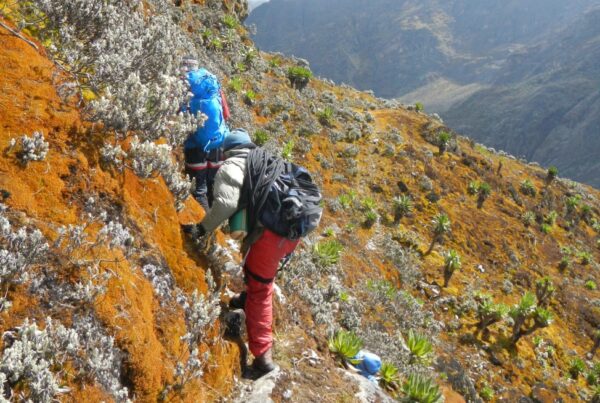
Rwenzori climbs are labor-intensive. Porters carry not only your personal gear but also tents on the Bukurungu Trail, which doesn’t apply to other routes, cooking equipment, food supplies, fuel, ropes, safety equipment, and communal gear. Guides are responsible for navigation, hazard management, river crossings, route-finding in fog, glacier safety, emergency response, and group medical monitoring at all times.
Low-cost expeditions often operate with minimal staff-to-client ratios, which increases fatigue, reduces safety margins, slows evacuation capacity, and limits the guide’s ability to monitor health issues. Strong staffing ratios cost more but dramatically improve both safety and expedition success rates.
Accommodation Style: Huts vs Tents
Some routes, namely the Kilembe Trail and the Central Circuit, use fixed mountain huts/cabins managed by UWA and concession partners. The Bukurungu Trail relies on tented camps. Hut accommodation reduces the need for heavy tents and simplifies logistics, but huts vary widely in quality, weatherproofing, sanitation, and capacity. In peak season, hut congestion can force delays or rerouting, which is very rare in the Rwenzori Mountains since they’re a hidden gem and not as popular as Kilimanjaro.
Fully supported tented camps provide greater flexibility, better weather protection, and stronger hygiene control but increase porter loads and expedition costs. The accommodation model is a major cost and comfort variable, especially during prolonged rain, cold nights, and wet equatorial alpine conditions.
Food Quality, Caloric Planning, and Cooking Support
Rwenzori trekking is calorie-intensive. Cold, altitude, steep terrain, and wet conditions drive energy expenditure far above normal trekking loads. Budget expeditions often use low-cost, low-variety diets with limited fresh produce and minimal caloric surplus.
Mid-range and high-end expeditions invest in high-energy meals, fresh vegetables where possible, adequate protein, hot drinks, and redundancy in food supply. This strategy costs more but directly affects energy levels, morale, immune resilience, and summit success probability.
Equipment and Technical Support
Any trekking itinerary involving glacier travel or technical summits requires ropes, helmets, crampons, harnesses, ice axes, belay devices, and trained guides capable of glacier rescue and technical movement. Operators vary enormously in equipment quality and maintenance standards.
Cheap climbs may use outdated or poorly maintained gear or expect clients to supply their own. Professional operators maintain certified equipment, carry spares, and ensure guides are trained in rope systems and alpine rescue techniques. This procedure raises costs but reduces catastrophic failure risk.
Medical Preparedness and Emergency Planning.
The Rwenzori has no helicopter evacuation capability inside the park, no mountain rescue service, and extremely slow ground evacuation routes. A serious injury or illness can take many hours or days to evacuate on foot; that’s why we advise taking the medical procedures we provide before the Rwenzori Trek.
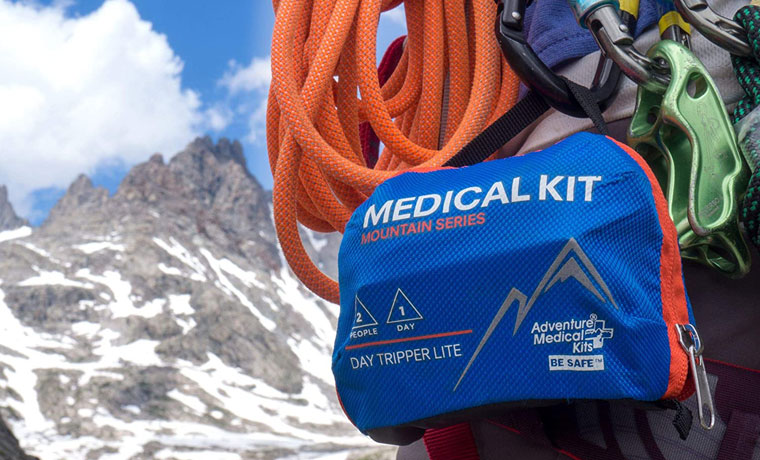
High-quality operators invest in medical kits, staff medical training, satellite communication devices, emergency protocols, and evacuation planning. Budget operations often carry minimal supplies and rely on improvised responses. This difference does not show in brochure pricing, but it becomes existential if something goes wrong.
Group Size and Privatization
As group size increases, per-person costs decrease due to the distribution of fixed costs like guides, porters, equipment, and logistics among more clients. Private climbs, solo departures, or highly customized itineraries increase per-person cost significantly but allow pacing control, schedule flexibility, and tailored safety margins.
Seasonal Pricing Effects for the Rwenzori Trek.
High season typically runs from June to September and December to February, when rainfall is lower and trail conditions are marginally better. During these periods, demand increases, but availability tightens, and staffing costs rise slightly.
Low-season trekking can reduce prices modestly, but the trade-offs include heavier rainfall, more flooding, colder temperatures, worse bog conditions, and higher risk of route delays or cancellations. Low-season discounts compensate for the increased operational risk and discomfort only if you are highly experienced and comfortable with adverse alpine environments.
Are there hidden Rwenzori trekking costs that many climbers miss?
Many first-time Rwenzori trekkers underestimate costs that sit outside operator quotes. These include international and domestic travel, visas, travel insurance that covers high-altitude trekking and evacuation, equipment purchase or rental, tipping of guides and porters, pre- and post-expedition accommodation, meals outside the trek, and contingency days in case of weather delays.
Medical evacuation insurance is not optional in the Rwenzori Mountains. Even though helicopter evacuation is not available, insurance coverage for prolonged ground evacuation, hospitalization, and repatriation remains essential and must be budgeted separately.

Personal Climbing Equipment
Equipment costs can be significant if you do not already own high-quality waterproof clothing, boots suitable for prolonged bog immersion, insulated layers for alpine cold, gloves, gaiters, trekking poles, headlamps, and mountaineering gear for summit routes.
Why Extremely Cheap Rwenzori Climbs Are a Red Flag.
There is a hard cost floor for legal Rwenzori climbs due to UWA fees, staffing requirements, food logistics, and transport. Prices far below market norms usually indicate one or more of the following: unpaid or underpaid staff, insufficient porter numbers, inadequate food provisioning, outdated or unsafe equipment, absence of medical preparedness, missing contingency plans, or informal arrangements that may violate park regulations.
In an environment where evacuation takes days, weather changes rapidly, and injury or illness can escalate quickly, these compromises are not cosmetic. They directly increase the probability of expedition failure, injury, or life-threatening outcomes during the Rwenzori Trek, and as the Rwenzori Trekking Safaris, we intend to have low to no expedition failures.
Cheap climbs do not make the mountain safer. They merely transfer cost from money to risk.
How to Evaluate Whether a Quoted Price Is Fair
A fair Rwenzori price reflects transparent inclusion of park fees, professional guides, adequate porter staffing, quality food, safe accommodation, proper equipment, medical preparedness, evacuation planning, and logistical reliability.
When comparing quotes, the most important question is not “What is included?” But, “What safety margin does this price buy?” If a price looks attractive but staffing ratios are low, equipment lists are vague, evacuation plans are unclear, or food provisioning is minimal, the savings are illusory.
A well-priced expedition is one where cost aligns with risk management, not one where risk has been offloaded onto the client through omissions.
Is Climbing the Rwenzori Worth the Cost?
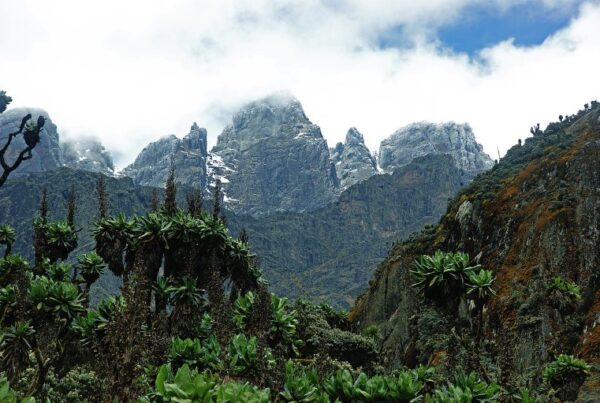
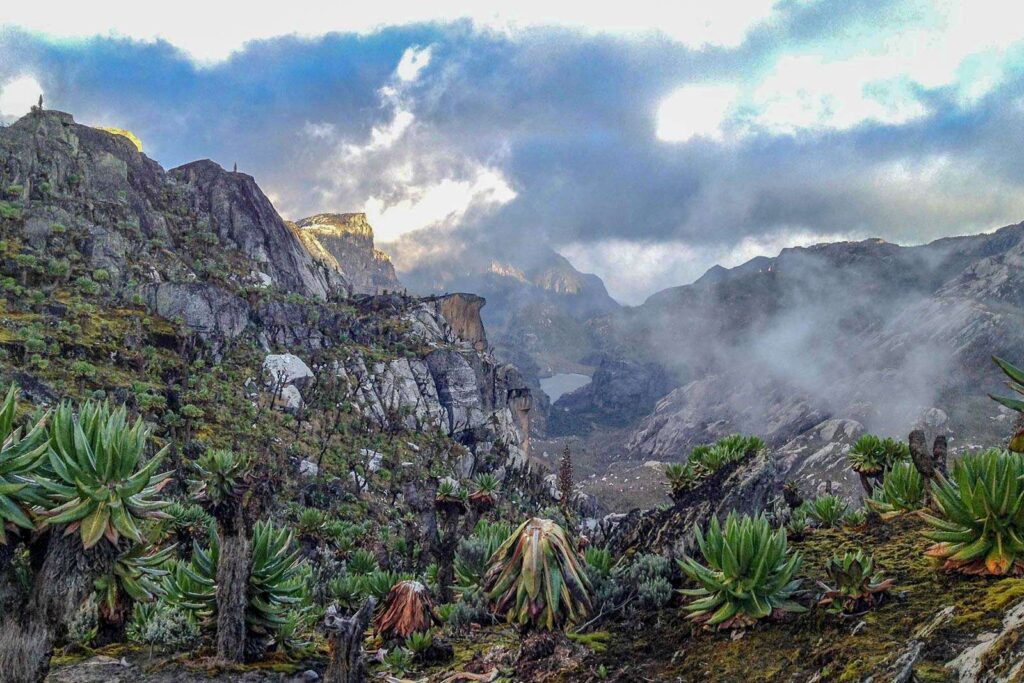
From a purely experiential standpoint, the Rwenzori offers one of the most unique mountain environments on Earth: equatorial glaciers, giant lobelias, alpine bigo bogs, dramatic ridgelines, remote valleys, and biological zones that feel more like a science fiction biome from Jurassic World than a typical African mountain ecosystem.
From an expedition standpoint, the cost reflects genuine logistical difficulty, not inflated tourism pricing. You are paying for labor-intensive human infrastructure, remote logistics, environmental compliance, safety systems, and operational resilience in a terrain that resists shortcuts.
For trekkers seeking a true expedition environment rather than a high-volume trekking corridor, the Rwenzori Mountain delivers value not through convenience but through authenticity and mystical challenge.
FAQs about the Cost of Climbing the Rwenzori Mountains.
How much does it cost to climb Mount Rwenzori?
Most climbers should budget between USD 1,800 and USD 4,500 per person, excluding international flights. The exact price depends on the route, duration, group size, accommodation style, summit attempts, staffing levels, and equipment standards.
Why is climbing the Rwenzori more expensive than Mount Kilimanjaro, including all the logistics?
The Rwenzori Mountains require more porters per client, more days inside the park, more technical equipment, and more complex logistics, including the transfer from Entebbe International Airport, compared to Kilimanjaro, which is very near the airport and has no huts reachable by vehicle or helicopter evacuation. Kilimanjaro is a high-volume trekking corridor with simpler logistics and economies of scale since it’s a famous trekking destination.
Are park fees included in most trekking packages?
Yes. Legitimate operators include Uganda Wildlife Authority fees in their quotes. These fees are mandatory and non-negotiable. If a quote does not include park fees, it is considered incomplete.
Can I climb the Rwenzori independently without a guide?
No. Uganda Wildlife Authority regulations require licensed guides and park staff for all climbs. Independent, unguided ascents are not permitted.
What is the cheapest legal way to climb the Rwenzori?
The lowest-cost legal climbs typically involve shared group departures, basic huts, minimal staffing, no summit attempts, and stripped-down food and equipment systems. These climbs usually cost between USD 800 and USD 1,200 per person, but they involve higher risks and discomfort because they occur over a short period without proper acclimatization.
How much extra does summiting Margherita Peak cost?
Summiting Margherita Peak typically adds cost due to technical guiding, glacier equipment, ropes, helmets, and longer itineraries. The price difference varies by operator but often increases the total cost by a few hundred dollars compared to non-summit treks.
Does group size affect the price?
Yes. Larger groups reduce per-person cost because fixed expenses such as guides, porters, transport, and equipment are distributed across more clients. Private climbs cost more per person but offer better pacing control and safety margins.
Is tipping included in the price?
Most operators exclude tips, and we also exclude them. Tipping guides and porters is customary and should be budgeted separately. Exact amounts vary by group size, duration, and service quality.
Is travel insurance included?
No. Travel insurance covering high-altitude trekking, evacuation, hospitalization, and repatriation must be purchased separately and is essential.
Can prices change year to year?
Yes. Prices fluctuate based on Uganda Wildlife Authority fee revisions, fuel costs, staffing wages, equipment replacement cycles, exchange rates, and seasonal demand.