Real tips for hiking the Rwenzori Mountains from an expert guide: fitness, gear, bog technique, altitude & routes. Plan your trek with confidence.
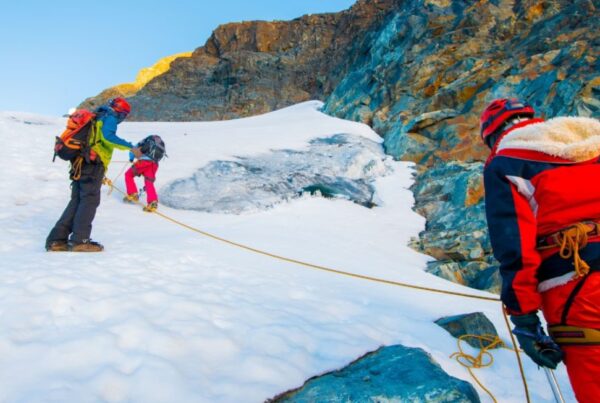
Ask ten different websites for tips on hiking the Rwenzori Mountains and you will get ten nearly identical lists: pack a rain jacket, bring good boots, stay hydrated. None of it is wrong, exactly, but none of it captures what actually separates the trekkers who summit Margherita Peak grinning and grateful from the ones who limp into Elena Hut wondering why nobody warned them properly. I have spent years guiding people through the Bigo Bogs, up the Nyamwamba Valley, and across the Stanley Glacier, and the lessons that matter most on this specific mountain rarely make it onto generic packing lists. The Rwenzori is not Kilimanjaro with better scenery.
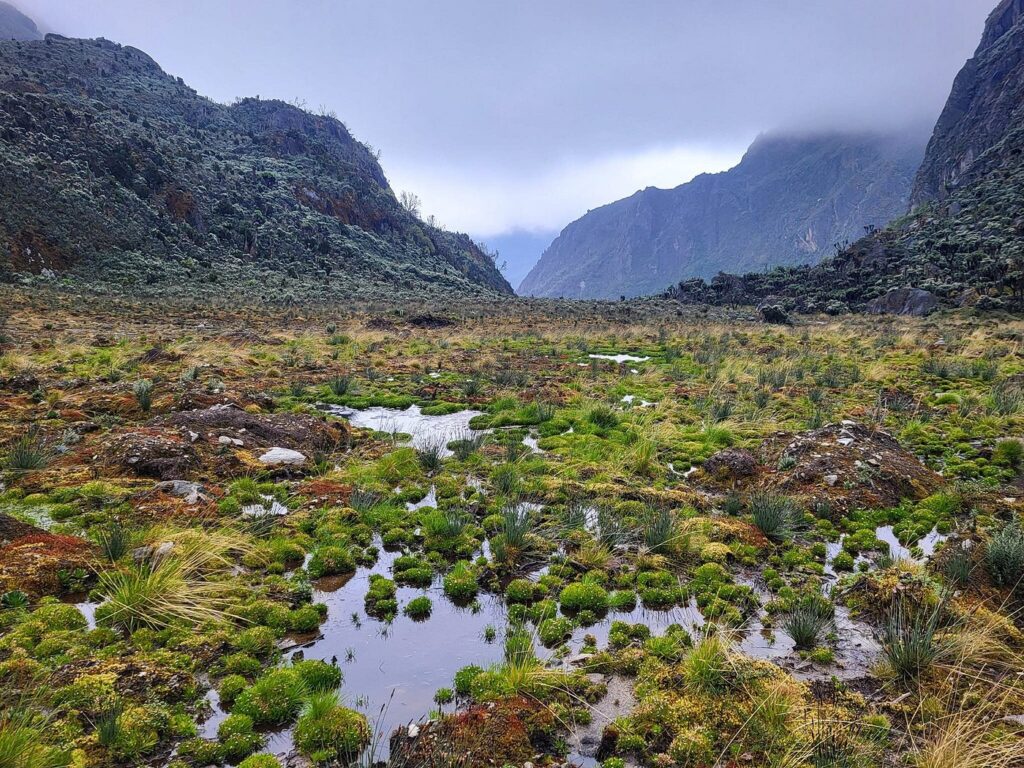
It is a wetter, muddier, more technically demanding mountain that rewards specific preparation and punishes generic advice. What follows is the tip sheet I actually wish every trekker read before booking, organized around the decisions and habits that genuinely determine whether your days on this mountain are miserable or magnificent.
Start Training Months Before You Book Your Flight
The single biggest predictor of a good Rwenzori experience is not gear, and it is not luck; it is the physical preparation a trekker does in the months before arriving in Uganda. This mountain demands sustained cardiovascular effort across consecutive days, often six to eight hours of walking through terrain that punishes weak stabilizer muscles and unconditioned legs far more than a flat road ever would. Our full 16-week training plan for a Rwenzori trek was built specifically around this mountain’s demands, weighted pack hikes, stair and vertical training, and core strength work rather than generic gym advice, and I recommend starting it the moment you commit to a booking. Trekkers who arrive undertrained do not simply suffer more; they move slower, spend longer exposed to cold and wet conditions each day, and increase their own risk of injury and altitude illness in the process. If you are trekking later in life, our dedicated guide for older hikers considering the Rwenzori addresses fitness benchmarks and training adjustments specifically for trekkers in their fifties, sixties, and beyond, drawn from real experience guiding clients in that age range to Margherita Peak.
Choose the Route That Actually Matches Your Goals
One of the most consequential decisions you will make happens before you ever set foot on the mountain: which route to walk. The Central Circuit Trail and the Kilembe Trail differ meaningfully in terrain character, hut infrastructure, and overall difficulty profile, and choosing based on a friend’s recommendation or a random blog post rather than your own fitness and goals is a common, avoidable mistake. Our detailed comparison of the Central Circuit and Kilembe Trail walks through the real trade-offs between the two, and I encourage every serious trekker to read it before booking rather than after. If your primary goal is reaching Margherita Peak, itinerary length matters as much as route choice; rushing the acclimatization schedule to save a day or two is, in my professional experience, the single most common reason ambitious trekkers fail to summit.
Master the Mud Before You Ever Meet It
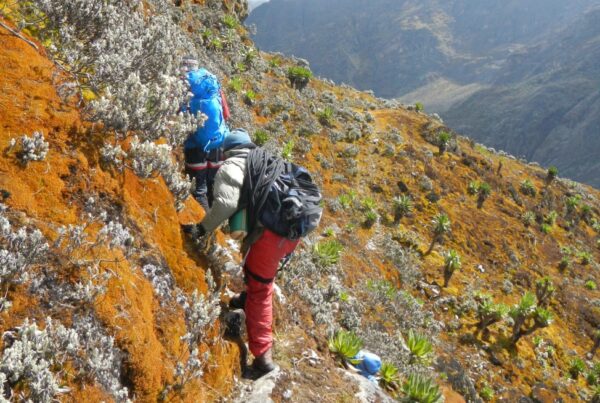
No tip list for this mountain is honest without a serious discussion of the bogs, because the Rwenzori’s boggy middle-altitude terrain is genuinely unlike anything most international trekkers have encountered. Standard waterproof hiking boots, however expensive, are not adequate here; the mud in sections of the Bujuku Valley and the approach through the heather zone can absorb a boot to the knee without warning. Our detailed guide to the best boots for the Rwenzori bogs explains exactly why Wellington-style rubber boots worn over waterproof gaiters consistently outperform conventional hiking boots on this specific terrain, and it is worth reading carefully rather than defaulting to whatever boots served you well on a different mountain. Trekking poles are not optional accessories here either; used properly, they function as a depth probe ahead of each step and a lateral stability brace when one foot inevitably sinks deeper than expected, and I encourage every trekker to practice using them on uneven terrain before arriving rather than learning bog technique for the first time above 3,000 metres.
Pack for Two Climates Inside One Trek
A Rwenzori expedition moves you from humid tropical warmth at the trailhead to genuine sub-zero alpine cold at the higher camps within a matter of days, and packing for only one of those climates is a mistake I see repeated constantly. Our comprehensive breakdown of the clothing you need for the Rwenzori covers the full layering logic in detail, but the underlying principle is straightforward: build your kit in genuine layers, moisture-wicking base, insulating mid-layer, waterproof shell, rather than relying on a single heavy jacket that leaves you either sweating on the lower slopes or freezing at Elena Hut. Waterproofing deserves particular attention given how consistently wet this range is; a jacket that is merely water-resistant will fail you here in a way it might not on a drier mountain range.
Respect Altitude the Way Experienced Trekkers Do
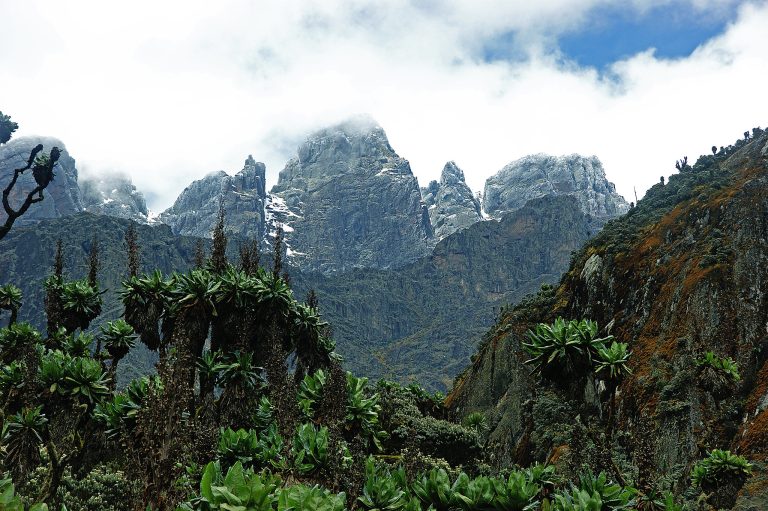
Margherita Peak, at 5,109 metres, sits lower than Kilimanjaro’s summit, and this leads some trekkers to underestimate the altitude risk on the Rwenzori. That is a genuine mistake. Altitude sickness is a real and serious risk at Rwenzori elevations, and our full guide to altitude sickness on the Rwenzori covers the symptoms of AMS, HACE, and HAPE in the clinical detail this topic deserves. The most important practical habit is pacing rather than pushing; ascend at the rate your itinerary and your guide recommend rather than the rate your fitness allows, since cardiovascular fitness and susceptibility to altitude illness are separate variables that do not substitute for one another. Our dedicated acclimatization guide for the Rwenzori maps the “climb high, sleep low” principle onto the specific camps and itinerary structures of the mountain’s primary routes, and understanding it before you arrive will change how you interpret your own body’s signals on summit week. Anyone with pre-existing health considerations should also review our complete medical guide to trekking the Rwenzori well ahead of departure.
Trust Your Guide Team, and Communicate Honestly With Them
The single resource most likely to determine your outcome on this mountain is not your gear; it is your relationship with your guide team. Our full breakdown of Rwenzori porters and guides explains how the team is structured and what each member is responsible for, but the tip that matters most here is behavioral: tell your guide the truth about how you are feeling, every single day, even when the honest answer is embarrassing or inconvenient.
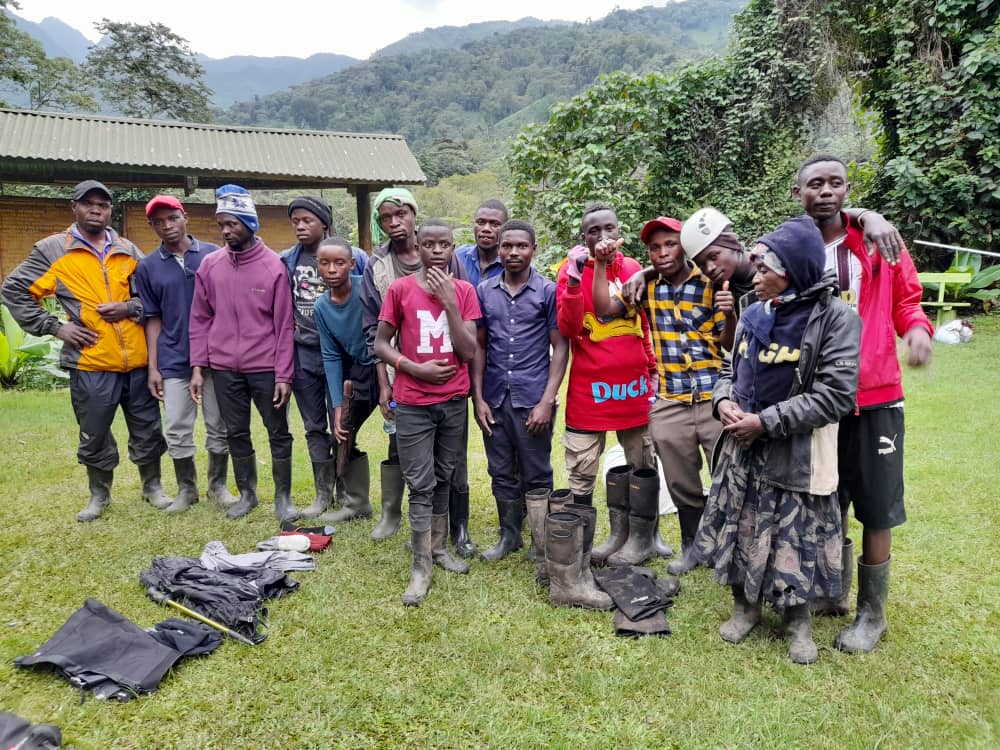
Guides on this mountain read subtle signs of altitude illness and fatigue that trekkers themselves often miss, but they can only act on information you actually share with them. Learn your team’s names early and use them; it changes the character of the entire expedition, and it is also simply the right way to treat the people whose expertise and labor make your trek possible. When the trek concludes, our detailed guide on how much to tip Rwenzori porters and guides sets out the accepted norms so you can plan your gratitude in advance rather than improvising it at the last hut.
Eat Like Your Summit Depends On It, Because It Does
Under-eating at altitude is one of the most common, and most avoidable, contributors to poor performance and altitude illness on this mountain. The Rwenzori’s cooking teams produce genuinely substantial hot meals at every camp specifically to counter the appetite suppression that altitude causes, and the discipline of finishing your plate even when you do not feel hungry is a habit worth adopting deliberately from day one. Trekkers with dietary restrictions are not an afterthought here; our dedicated guide to vegetarian and vegan food on the Rwenzori trek explains exactly how plant-based trekkers are accommodated, provided you communicate the requirement in advance rather than at the trailhead. And do not underestimate hot drinks between meals; tea, coffee, and cocoa are available at nearly every rest stop, and taking advantage of them consistently helps with both hydration and morale on long, wet days.
Manage Your Feet Like They Are the Most Valuable Piece of Gear You Own
Wet feet on a multi-day trek are not merely uncomfortable; they are a genuine medical risk on a mountain this consistently damp, contributing to blisters, trench foot, and skin infections that can end an expedition early.
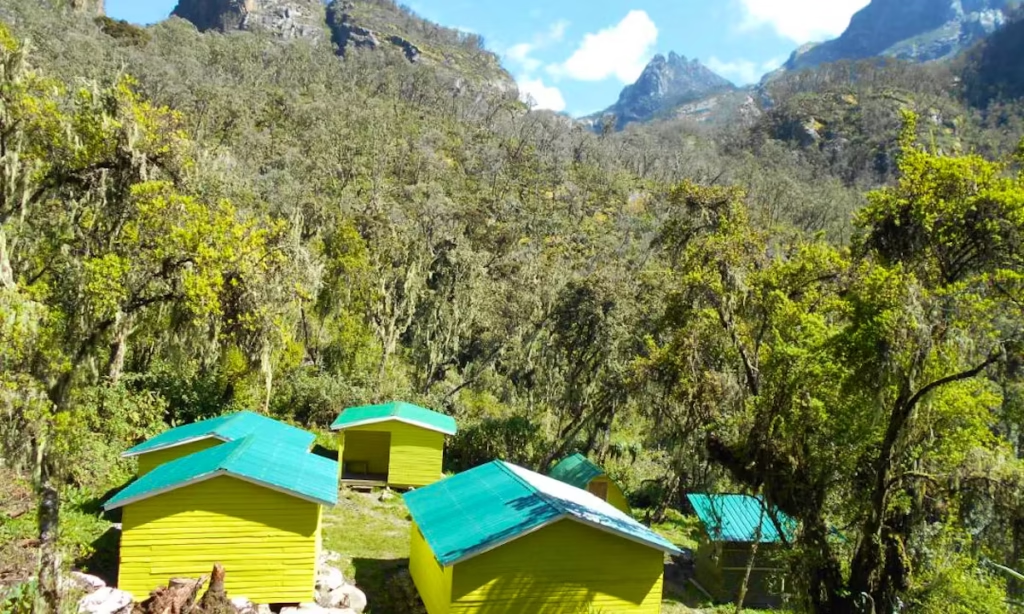
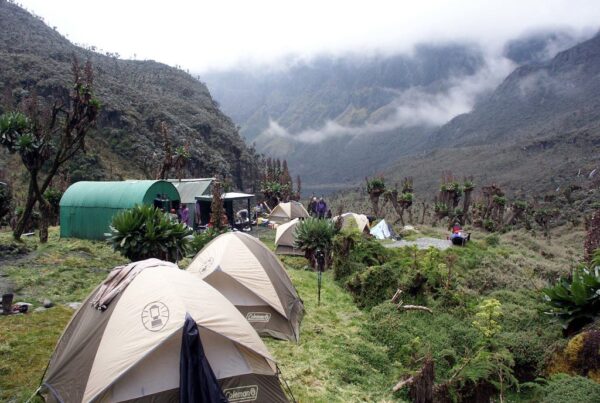
Our unfiltered account of what Rwenzori huts are actually like, including food, toilets, sleep, and daily reality, covers foot care and evening routines candidly, and I recommend building a simple end-of-day ritual: dry your feet thoroughly, change into dry socks immediately on arrival at camp, and let your boots or bog boots air out overnight rather than leaving them sealed and damp. This single habit prevents more mid-trek problems than almost any piece of gear you could buy.
Prepare Mentally for Genuine Wilderness, Not a Curated Experience
Trekkers who arrive expecting a polished, predictable itinerary sometimes struggle psychologically with the Rwenzori’s honest unpredictability: rain that does not lift when the forecast suggested it should, a hut that smells distinctly of the expeditions that came before, days that are simply harder than anticipated. This is not a flaw in the experience; it is the experience, and our honest guide to what to expect when you hike the Rwenzori Mountains is deliberately candid about this rather than glossing over it. The trekkers who enjoy this mountain most tend to be the ones who arrive with realistic expectations and a sense of humor about discomfort, rather than those expecting a five-star wilderness experience with rough edges sanded off.
Understand the Real Risks and How They Are Managed
Serious preparation includes an honest look at what can go wrong. Our safety guide covering whether it is safe to trek the Rwenzori Mountains lays out the range’s genuine safety record alongside its real hazards, and our companion piece on injury and evacuation on the Rwenzori explains exactly what happens if something does go wrong, including how porter-carried evacuations work in a range with essentially no road or helicopter access at altitude. Wildlife-related fear is, by contrast, mostly unfounded; our dedicated article on dangerous animals in the Rwenzori Mountains explains clearly what you will and will not encounter, and large dangerous mammals are simply not a meaningful part of the risk profile here the way they might be on other African treks. Comprehensive travel insurance is non-negotiable regardless; our full guide to Rwenzori travel insurance sets out exactly what your policy must cover, including medical evacuation, before you commit to a booking.
Time Your Trek Around What You Actually Want From the Mountain
The Rwenzori is trekkable across the calendar, but conditions vary meaningfully by month, and choosing your dates deliberately rather than around convenience alone will change your experience.

Our full month-by-month trekking guide breaks down exactly what conditions to expect in every month of the year, from the drier windows that favor summit visibility to the wetter months that reward trekkers chasing dramatic waterfalls and lush vegetation. There is no single objectively best month; there is only the best month for what you personally want out of the trek, and that guide will help you match your dates to your priorities.
Budget Honestly, and Know Where Not to Cut Corners
Cost-conscious trekkers can genuinely reduce their Rwenzori budget without compromising safety, but not every line item is safe to economize on. Our honest guide to reducing Rwenzori trekking costs walks through where real savings are available, group size, route selection, and gear choices among them, and where cutting corners creates real risk, chiefly around guide certification, porter welfare, and safety equipment. Choosing the cheapest available operator without scrutinizing what that price excludes is one of the more common regrets I hear about after the fact, and it is avoidable with a bit of upfront diligence.
Frequently Asked Questions: Rwenzori Mountains in Winter
What is the most important tip for first-time Rwenzori trekkers?
Physical preparation, started months in advance rather than weeks, is the single factor most within a trekker’s control that determines how enjoyable and successful the experience is. Beyond fitness, arriving with realistic expectations about mud, rain, and rustic hut accommodation, and choosing appropriate footwear for the bog sections rather than standard hiking boots, are the next most important preparations a first-timer can make.
What footwear is actually best for hiking the Rwenzori?
Rubber Wellington-style boots worn over waterproof gaiters consistently outperform conventional waterproof hiking boots on the Rwenzori’s saturated, boggy middle-altitude terrain, where standard boots can be overwhelmed within the first day. Trekking poles are equally essential, functioning as both a depth probe for uncertain footing and a stability aid on slippery, uneven ground.
How fit do I need to be to hike the Rwenzori Mountains?
You should be capable of hiking six to eight hours a day over rough, uneven terrain across multiple consecutive days before arriving, with cardiovascular endurance, core stability, and lower-body strength being the most important fitness components. A structured training plan of at least twelve to sixteen weeks, ideally including weighted pack hikes, meaningfully improves both performance and enjoyment on the mountain.
Is altitude sickness a real risk on the Rwenzori even though it is lower than Kilimanjaro?
Yes. Altitude sickness risk depends on absolute elevation, ascent rate, and individual physiology rather than how a mountain compares to others, and the Rwenzori’s higher camps and summit routes sit well within altitudes where acute mountain sickness, and more rarely HACE or HAPE, are genuine concerns. Proper acclimatization pacing, adequate hydration, and honest communication with your guide about symptoms are the primary defenses.
What should I pack that most generic hiking lists don’t mention?
Waterproof gaiters paired with rubber trekking boots for the bog sections, a sleeping bag rated for genuinely sub-zero temperatures for the higher camps, and multiple complete changes of dry socks are all Rwenzori-specific essentials that generic mountain packing lists frequently underemphasize or omit entirely, precisely because few other treks combine tropical humidity, sustained bog terrain, and glacial cold within a single itinerary.
Start Planning Your Rwenzori Expedition
The tips in this guide come from years of watching what actually separates a difficult Rwenzori trek from a genuinely great one, and none of it is complicated once you know it. What it does require is the right preparation, the right team, and an itinerary built around how this specific mountain actually behaves, not a generic African trekking template. Get in touch with us today to start planning your Rwenzori expedition, and we will help you apply every one of these tips to a route, timeline, and gear plan built specifically around your fitness, your goals, and your summit ambitions.