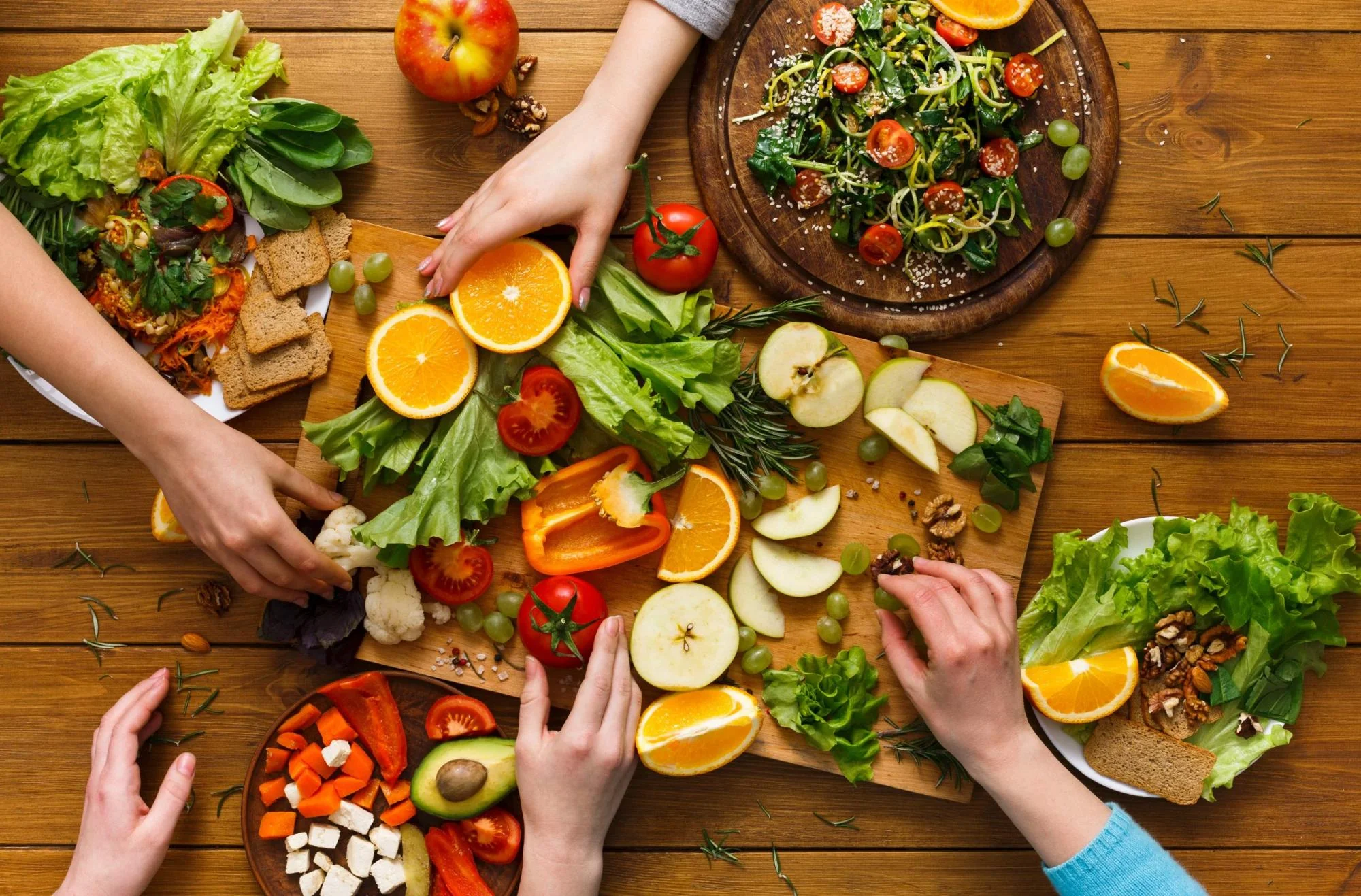
A Complete Guide for Plant-Based & Dietary-Specific Trekkers
Can vegetarians and vegans eat well on a Rwenzori trek? A complete guide to mountain meals, advance requests, and what snacks to bring.
The question comes up repeatedly in TripAdvisor forums, hiking Facebook groups, and our enquiry inbox: “I’m vegetarian. Will I be able to eat properly on a Rwenzori trek?” or, even more tentatively, “I’m vegan. Is this scenario even possible?” It is entirely reasonable to enquire about the situation, and the truthful response is that the Rwenzori can certainly cater to vegetarians and, with prior communication and some personal preparation, vegans as well. But to leave it there would be to do the question a disservice. The full picture is more nuanced, more intriguing, and far more reassuring than the short answer suggests.
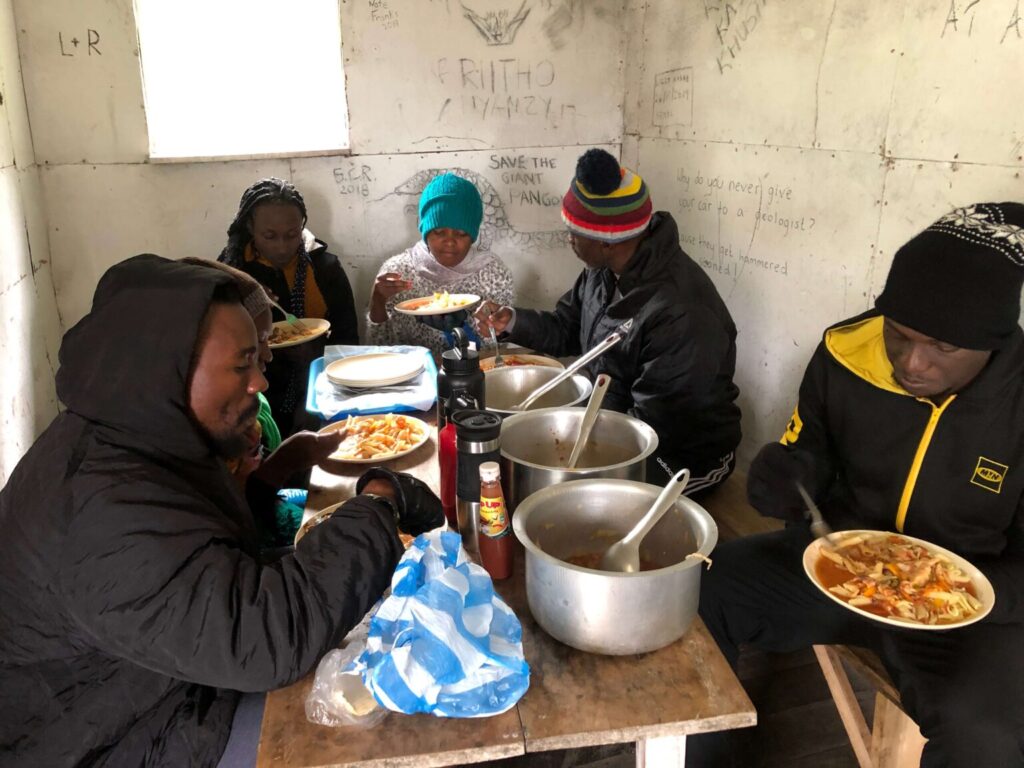
The area is a remote equatorial wilderness. The Rwenzori Mountains sit deep in western Uganda, straddling one of the wettest mountain massifs on the African continent. There are no villages selling groceries above the park boundary, no cafes at Elena Hut, and no emergency resupply if you forget something critical in Kasese. Every gram of food that reaches the high camps has been physically carried there by porters, planned weeks in advance, and prepared on small gas stoves by mountain cooks working in conditions that would make most professional chefs weep. Understanding that context is essential before you begin thinking about your dietary requirements, because the logistics of feeding a trekking party on the Rwenzori are genuinely extraordinary, and plant-based trekkers who work with their operator from the outset are almost always very well fed indeed.
Having guided hundreds of trekkers across the Central Circuit Trail, the Kilembe Trail, and multi-peak expeditions all the way to the glaciers on Margherita Peak, I have seen what works in the mountain kitchen and what doesn’t. This guide is the most complete resource you will find on this subject, written with the same honesty and operational detail that we bring to every aspect of Rwenzori Expedition planning.
What Food Is Served by Default on a Rwenzori Trek?
Before diving into modifications, it helps to understand what a standard Rwenzori trekking menu looks like. The food served on the mountain reflects both the practicalities of high-altitude cooking and the rich culinary traditions of Uganda and the wider East African region. In most cases, the default menu is already substantially plant-forward, which is good news for anyone eating a vegetarian diet.
Breakfast is typically the heartiest meal of the day, and for good reason a long day of hiking demands sustained energy. Expect hot porridge (often made from millet or maize flour, which is known locally as posho), sliced bread with margarine and jam, eggs scrambled or boiled, and hot tea or coffee. Oats are commonly included on longer itineraries. The eggs mean that a standard breakfast is already vegetarian, and in the higher camps where the cold is severe, as detailed in our guide on how cold it gets on Margherita Peak, a warm, calorie-dense breakfast is not a luxury but a physiological necessity.
Lunch is most often a packed lunch or trail lunch eaten at a rest stop or at the next camp. A typical trail lunch includes chapati (East African flatbread), hard-boiled eggs, sliced tomato and cucumber, fruit such as banana or orange, groundnut paste (peanut butter), and sometimes a small portion of cooked beans or lentils. Again, this is already largely vegetarian by default. The inclusion of eggs provides protein without relying on meat, and bean-based dishes are a cornerstone of Ugandan mountain cooking.
Dinner is cooked at camp and is usually the most substantial meal. A typical evening menu on a 7-day Central Circuit trek might include a starch base of rice, ugali (a dense maize or cassava porridge), or pasta alongside a protein component traditionally chicken, goat, or dried fish for omnivores. The default dinner also nearly always includes a vegetable stew of some kind: cooked cabbage, kale (known locally as sukuma wiki), carrots, potatoes, tomatoes, and onions are all standard. Bean and lentil stews are prepared on most itineraries regardless of group dietary preference, because they are calorie-dense, high in protein, and hold well even after hours on a gas burner.
Guide Insight: The Ugandan Mountain KitchenUgandan mountain cooking is inherently legume-rich. Red kidney beans, black-eyed peas, lentils, and groundnut stew (groundnut sauce with greens) are staple components of any camp kitchen. In our experience, vegetarian trekkers who eat these dishes wholeheartedly are consistently better fuelled at altitude than those who pick at unfamiliar food. Embrace the local cuisine; it has been sustaining people in this landscape for generations. |
Vegetarian Options on the Rwenzori: What You Can Expect
For vegetarians, those who eat eggs and dairy but not meat or fish, the Rwenzori is genuinely accommodating, and with a simple advance request, you will eat very well for the duration of your trek. The structure of the mountain menu means that the protein sources most easily swapped are also the most logistically straightforward: a chicken stew becomes a bean stew, dried fish is simply left out, and the rest of the meal remains identical.
When you book your trek with us and declare a vegetarian dietary requirement, the instruction is passed directly to the mountain kitchen team. Ugandan mountain cooks are experienced at preparing vegetarian food; it is, after all, the default diet for much of the population during periods of limited income or religious observance, and there is no sense in which a vegetarian meal is considered a difficult or exotic request. Our cooks will ensure that your lentil soup, bean stew, or groundnut curry is prepared separately from any meat components and that there is no accidental cross-contamination of stock.
What vegetarians should also expect is excellent variety in vegetable dishes. The Rwenzori kitchen makes extensive use of fresh produce at the start of a trek (fresh tomatoes, onions, green peppers, and leafy greens), transitioning to longer-lasting preserved or dried ingredients as you gain altitude. By the time you reach the upper camps on routes such as the 8-day Kilembe Trail, the kitchen relies more heavily on dried lentils, tinned beans, rice, and pasta, all of which are perfectly suited to vegetarian cooking. The flavour profiles remain rich because of the spices, onion-based cooking bases, and the excellent groundnut paste that forms the backbone of so many East African dishes.
A Note on Dairy at High Altitude
For lacto-vegetarians who eat dairy, it is worth knowing that fresh milk is not carried above the park boundary; it would spoil too quickly in the fluctuating mountain temperatures. What the kitchen does carry is powdered full-cream milk, which is used in tea, coffee, and porridge. This is an important distinction: if you rely on milk for your morning routine or take it with hot drinks throughout the day, powdered milk will be your companion for the duration of the trek. It is perfectly adequate nutritionally, and most trekkers find it entirely acceptable after the first day.
Butter and hard cheese are occasionally included on some itineraries as a calorie-dense, cold-climate food source, but this varies by operator and season. If dairy is an important part of your nutrition strategy for the mountain, it is worth discussing specific items when you plan your trek with our team.
Vegan Options on the Rwenzori: The Honest Picture
Veganism requires a more deliberate conversation, but it is entirely achievable on a Rwenzori trek if communicated clearly in advance. The honest picture is as follows: the default Rwenzori menu contains animal products in the form of eggs, powdered milk, butter (margarine or actual butter depending on the operator), and meat. A vegan trekker needs all of these removed or replaced, which requires the mountain kitchen to adjust its approach, and that adjustment is much easier to make before the food is packed at the base than it is to improvise at 4,000 metres.
The genuinely good news for vegans is that the core carbohydrate and legume components of the Rwenzori diet are naturally vegan. Rice, ugali, pasta, bread, chapati, potatoes, beans, lentils, and virtually all of the vegetable dishes are free of animal products in their standard preparation. A vegan trekker eating these dishes with confidence will consume a high-carbohydrate, moderate-protein diet that is well-suited to the sustained aerobic effort demanded by a challenging high-altitude trek.
The area requiring the most attention is breakfast. Scrambled eggs are the standard protein anchor for a Rwenzori morning meal, and their removal leaves a gap that needs to be actively filled. Porridge made with water rather than powdered milk is easily arranged, and the addition of groundnut paste or extra lentils can provide the protein and fat that would otherwise come from eggs. These are not unusual substitutions in the Ugandan context; many local communities eat precisely this way, and a cook who has been briefed in advance will handle the situation without difficulty.
Afternoon snacks and hot drinks need thought as well. Tea and coffee are typically served with powdered milk; a vegan who does not take dairy will simply drink their tea black, which many experienced mountain trekkers prefer anyway. There are no plant-based milks available on the mountain, so if black tea or coffee does not appeal, planning personal snacks becomes more important.
Important: Communicate Before You ArriveThe single most important thing a vegan trekker can do is communicate their dietary requirements when booking, not upon arrival at the Nyakalengija or Kilembe trailhead. All food for a Rwenzori expedition is packed and portaged from the base. There are no shops, no markets, and no flexibility once the trek has begun. Early communication means your food parcel is correctly assembled from the outset, ensuring consistent, nourishing vegan meals for the entire duration of your expedition. |
Nutrition and Altitude: Why Eating Well Matters More Than You Think
There is a dimension to mountain nutrition that goes beyond personal preference, and it is one that every serious trekker and especially those managing dietary restrictions needs to understand. At altitude, the body undergoes significant physiological stress. Reduced atmospheric pressure means less oxygen per breath, which forces the heart and lungs to work harder. This increased metabolic load means caloric requirements rise substantially: trekkers on a full-day summit push can burn 4,000 to 5,000 kilocalories in a single day.
Altitude also suppresses appetite. This is one of the central challenges documented in our complete medical guide to trekking the Rwenzori, and it is a particular concern for trekkers whose diet is already restricted, because the temptation to “just have a little” becomes even stronger when nothing feels appetising. The discipline of eating full portions even when you do not feel hungry is one of the most important habits a high-altitude trekker can develop, and it applies with equal force to vegetarians and vegans.
Protein deserves specific attention for plant-based trekkers. Beans and lentils are excellent protein sources, but their digestion at altitude can sometimes cause bloating and discomfort, particularly during the acclimatisation phase. This is normal and usually resolves after a day or two. However, it reinforces the value of carrying supplementary high-density plant protein snacks, pea protein bars, nut butters, and roasted chickpeas to bridge any gaps without relying entirely on the camp kitchen. Pair this with the general fitness preparation advice we recommend for any Rwenzori trekker, and you will arrive on the mountain in a strong nutritional position.
Carbohydrates are your primary fuel at altitude, and the Rwenzori kitchen is essentially a carbohydrate delivery system. Rice, ugali, pasta, and bread are abundant and should be consumed enthusiastically. A common mistake among experienced, nutrition-conscious trekkers is to eat “clean” on the mountain the way they might at home, reducing carbs and prioritising lean proteins. This approach is counterproductive at altitude, where glycogen availability directly correlates with performance and cognitive function. Eat the ugali. Eat the rice. Eat the bread.
Snacks and Supplements to Bring Yourself
Regardless of how well the mountain kitchen accommodates your dietary requirements, every trekker, and particularly every vegan or vegetarian trekker, should bring a meaningful quantity of personal snacks from home or Kampala/Kasese. The mountain kitchen provides three meals a day, but the hours between those meals, particularly the long afternoon push from one camp to the next, are precisely when small, portable, high-calorie foods earn their weight several times over.
For vegetarians, the snack gap is relatively easy to fill. Dairy-based chocolate, cheese crackers, protein bars with whey, and hard boiled sweets all work well, are widely available in Kampala supermarkets, and require no special advance planning. Nuts and dried fruit are particularly valuable because they combine fat, carbohydrate, and micronutrients in a lightweight, shelf-stable package perfectly designed for mountain conditions.
For vegans, the snack selection requires a little more thought but is entirely manageable. Before your trek, we recommend sourcing the following from Kampala supermarkets (Nakumatt, Carrefour, or the Woolworths in Lugogo Mall, which stocks a good selection of international goods):
- Nut butters in single-serve sachets (peanut, almond, or cashew) ideal for spreading on chapati or eating directly as an energy shot
- Roasted and salted mixed nuts macadamia, cashew, and peanut are readily available in Uganda and are among the most calorie-dense trail foods possible
- Dried fruit mango, pineapple, and banana chips are all produced locally in Uganda and make excellent trail snacks
- Bring vegan protein bars from home if possible; availability in Kampala varies by season
- Dark chocolate (70%+ cacao is typically vegan) invaluable on cold summit nights, as detailed in our guide on how to stay warm on the Rwenzori summit
- Electrolyte tablets or powder essential for hydration management at altitude, and most commercial products are vegan
- Instant oat sachets useful as a calorie booster stirred into hot water, and a useful buffer if morning porridge volume feels insufficient
As a rule of thumb, we recommend bringing enough personal snacks to provide approximately 400–600 additional kilocalories per day, on top of what the mountain kitchen provides. Such food acts as insurance against appetite suppression at altitude, fills the gaps between meals on long hiking days, and gives you access to familiar flavours that can be psychologically comforting during the most demanding stages of the trek, particularly the pre-dawn approach to Margherita Peak on a summit day.
How to Make Your Dietary Request the Right Way
The process of ensuring your vegetarian or vegan requirements are honoured on the mountain is simple, but it must be initiated at the right stage of planning. Here is how it works in practice.
At the Booking Stage
When you enquire about or confirm your trek with us, whether that is the 3-day Mahoma Loop or the full 13-day six-peak expedition, provide your dietary requirements in writing in the same communication. This is not a secondary detail; it is operationally critical. Specify clearly: “I am vegetarian (I eat eggs and dairy)” or “I am vegan (I eat no animal products at all, including eggs, milk, or honey).” The more specific you are, the better the kitchen team can plan.
At the Pre-Trek Briefing
On the evening before your trek begins, there is typically a briefing session where you meet your lead guide and finalise logistics. This is the moment to verbally reconfirm your dietary requirements, to ask what specific dishes have been planned for your group, and to flag any concerns. Your guide will relay this to the mountain cook, who should already have been briefed from the booking stage. The briefing is also the ideal moment to hand over any personal snacks that you want stored in the group food box and distributed at certain camps rather than carried in your personal daypack.
On the Mountain
Once on the mountain, your guide and cook are your most important allies. Do not hesitate to communicate openly about how you are feeling nutritionally — whether portions feel adequate, whether certain foods are not sitting well at altitude, or whether you have run low on personal snacks and need the kitchen to increase your serving sizes. Mountain guides on the Rwenzori are experienced at managing trekker wellbeing across the full spectrum of physical and logistical challenges, and your nutritional status is a direct input into your safety and summit success rate.
Guide Insight: Flexibility in the Mountain KitchenIn over a decade of guiding on the Rwenzori, I have found that the trekkers who communicate clearly and early about dietary needs and who bring a thoughtful selection of personal snacks have the best experience on the mountain. The kitchen is not a restaurant, but it is a professional operation staffed by people who take pride in feeding trekkers well. Please provide them with the necessary information, and they will ensure a successful outcome. |
What About Gluten-Free, Allergies, and Other Dietary Restrictions?
The vegetarian and vegan question is the most common dietary enquiry we receive, but it is worth briefly addressing other restrictions that sometimes accompany plant-based diets or arise independently.
Gluten intolerance or coeliac disease is a more logistically challenging restriction on the Rwenzori than vegetarianism. Bread and chapati, which contain wheat gluten, are staple carbohydrate sources in the mountain kitchen, and removing them without a high-calorie substitute creates a real nutritional gap. However, rice, ugali (maize-based), potatoes, and many lentil dishes are naturally gluten-free, and a trekker who communicates this restriction clearly can have a diet built substantially around these foods. Bringing additional gluten-free snacks from home is strongly recommended to ensure caloric adequacy.
Nut allergies require careful briefing, as groundnut (peanut) paste is a ubiquitous ingredient in the Ugandan mountain kitchen; it appears in stews, sauces, and snacks. A severe nut allergy must be disclosed explicitly at booking, and the cook must be briefed in detail about cross-contamination. If you have a severe allergy requiring an EpiPen, the condition should also be flagged in the context of our broader medical guide to Rwenzori trekking and discussed with your doctor before departure.
Halal dietary requirements are accommodated by several partner operators on both the Central Circuit and Kilembe Trail, and the largely plant-based default menu means that halal compliance is often straightforward in practice. Confirm at the booking stage.
The Rwenzori for Eco-Conscious and Ethical Trekkers
There is a growing intersection between plant-based diets and environmental ethics, and trekkers who eat this way are often also deeply invested in the ecological integrity of the places they visit. This makes the Rwenzori a particularly resonant destination. The Rwenzori Mountains National Park is a UNESCO World Heritage Site protecting one of the most biodiverse mountain ecosystems on Earth. Trekking within it is governed by strict Leave No Trace principles: all waste is carried out, campfire policies protect fragile vegetation, and wildlife interaction guidelines are rigorously enforced.
The mountain kitchen operates under the same philosophy. Food packaging is minimised, waste is not burnt in the high alpine zone, and locally sourced ingredients beans, grains, vegetables, and groundnuts are prioritised over imported processed foods wherever possible. This is not simply environmental virtue; it is practical mountain logistics. The overlap between a plant-based diet and a low-impact mountain food philosophy is considerable, which is one reason many eco-conscious trekkers find the Rwenzori kitchen aligns well with their values.
The famous Rwenzori wildlife, including the three-horned chameleon, the Rwenzori turaco, the endemic colobus monkey subspecies, and the giant heather forests and lobelias, exists within a protected ecosystem that our porters and guides depend on both economically and spiritually. Supporting responsible, locally operated trekking companies that pay fair wages and operate sustainably is, in our view, one of the most meaningful environmental choices a trekker can make, equal in importance to what they choose to eat.
Planning a Vegetarian or Vegan Rwenzori Trek: What to Do Now
If you have read this far, you have already done the most important research. The next step is to translate that research into action. Here is a simple sequence for vegetarian and vegan trekkers planning a Rwenzori expedition.
First, browse our full range of trekking itineraries to identify the route and duration that matches your fitness level, timeline, and ambition. If you are weighing different trails, our expert comparison of the best routes for trekking the Rwenzori will help you decide.
Second, review our gear guide so that your packing list is complete before you think about personal food items. Personal snacks take up minimal space and add minimal weight, but they need to fit within the overall context of what you are carrying.
Third, contact our team with your dietary requirements clearly stated in your first message. This gives us the maximum lead time to plan your food, source any specific ingredients where possible, and brief your assigned guide and cook before the expedition departs.
The Rwenzori Mountains do not care what you eat. They care only that you are strong enough, prepared enough, and stubborn enough to earn the views from 5,109 metres. Whether you get there on ugali and beans or on chicken and rice, the summit of Mount Stanley offers the same extraordinary reward to everyone who makes it. We are here to make sure the food is one less thing standing between you and that moment.
Frequently Asked Questions: Vegetarian & Vegan Food on the Rwenzori Trek
Are vegetarian meals available as standard on a Rwenzori trek?
Yes, vegetarian meals are readily available on a Rwenzori trek and do not require unusual effort to arrange. The standard Rwenzori mountain diet is already substantially plant-based, built around staple East African foods such as beans, lentils, rice, ugali, pasta, and a wide range of cooked vegetables. Eggs are included in the default menu and serve as the primary breakfast protein for vegetarians. If you declare your vegetarian requirement at the booking stage, the mountain cook will ensure that meat and fish components are omitted from your meals and replaced with additional bean or lentil portions and that your food is prepared separately from any meat-containing dishes.
Can vegans be properly fed on the Rwenzori?
Yes, vegans can be properly fed on the Rwenzori, provided dietary requirements are clearly communicated in advance of the trek, ideally at the booking stage. The core components of the mountain diet (rice, ugali, pasta, beans, lentils, and vegetable dishes) are naturally vegan. The main adjustments needed are the removal of eggs from breakfast, the replacement of powdered milk in porridge with water, and the use of oil or plant-based margarine instead of butter where applicable. Vegans are also strongly encouraged to bring personal snacks from home to supplement the mountain meals, particularly high-protein items such as nut butters, roasted nuts, and plant-based protein bars, which are difficult to source locally above the park boundary.
What is typically served for breakfast on a Rwenzori trek?
A standard Rwenzori breakfast includes hot porridge (made from millet, maize, or oats), bread or chapati with margarine and jam, scrambled or boiled eggs, fresh fruit such as banana or orange, and hot tea or coffee. For vegetarians, the same meal is served as standard. For vegans, the eggs are replaced with additional porridge or a bean component, and porridge is prepared with water rather than powdered milk. All trekkers receive hot drinks at breakfast; vegans who do not take milk simply drink their tea or coffee black, as fresh or plant-based milk is unavailable above the trailhead.
Do I need to bring my own food as a vegan trekker?
While the mountain kitchen can provide three vegan-compliant meals per day when briefed in advance, bringing a personal supply of snacks is strongly recommended for all trekkers and particularly for vegans. At altitude, appetite is suppressed, and caloric demands increase significantly; personal snacks provide a critical buffer during the hours between meals, on long summit-day pushes, and during the acclimatisation phase, when digestive discomfort can make heavy meals less appealing. Recommended items include nut butters, roasted mixed nuts, dark chocolate, dried fruit, electrolyte tablets, and vegan protein bars brought from home or sourced in Kampala before the trek begins.
Can I request special meals in advance for a Rwenzori trek?
Yes. Special dietary requirements including vegetarian, vegan, gluten-free, halal, and specific allergies should be communicated at the time of booking. All food for a Rwenzori expedition is purchased, prepared, and portaged from the base before the trek begins. There is no flexibility to source replacement ingredients once the group has entered the park. Early communication ensures that your food parcel is built correctly from the outset. At the pre-trek briefing on the evening before departure, you can also verbally reconfirm your requirements with your guide and cook and raise any additional questions or concerns.
Is there any risk of accidental cross-contamination for vegan or allergy trekkers?
Mountain kitchens are not certified allergy-free environments. While our cooks are careful to prepare vegan or vegetarian meals separately, the small size of the kitchen, limited surfaces, shared utensils, and cooking at the same time mean that trekkers with serious allergies (especially nut allergies) should know that we can’t completely prevent cross-contamination. If you carry an EpiPen or have a medically diagnosed severe allergy, the condition must be disclosed explicitly at booking, discussed with your guide at the pre-trek briefing, and addressed in your pre-expedition medical preparation as outlined in our complete medical guide.
Does eating vegetarian or vegan food at altitude affect performance or acclimatisation?
There is no evidence that a well-managed vegetarian or vegan diet negatively affects trek performance or altitude acclimatisation when compared to an omnivorous diet. The critical variables are total caloric intake, carbohydrate availability, hydration, and micronutrient sufficiency, all of which are achievable on a plant-based mountain diet. The risk for plant-based trekkers is not the dietary approach itself but rather inadequate caloric intake due to altitude-induced appetite suppression. Regardless of diet type, the most important nutritional discipline on the mountain is to eat consistently and proactively, even when appetite is reduced.
Ready to Trek the Rwenzori?
Your dietary requirements are not an obstacle to climbing Africa’s most mysterious mountain range; they are simply a planning detail, and one we handle every day. Whether you are vegetarian, vegan, or navigating a more complex set of restrictions, the Rwenzori can accommodate you fully when the conversation begins early.
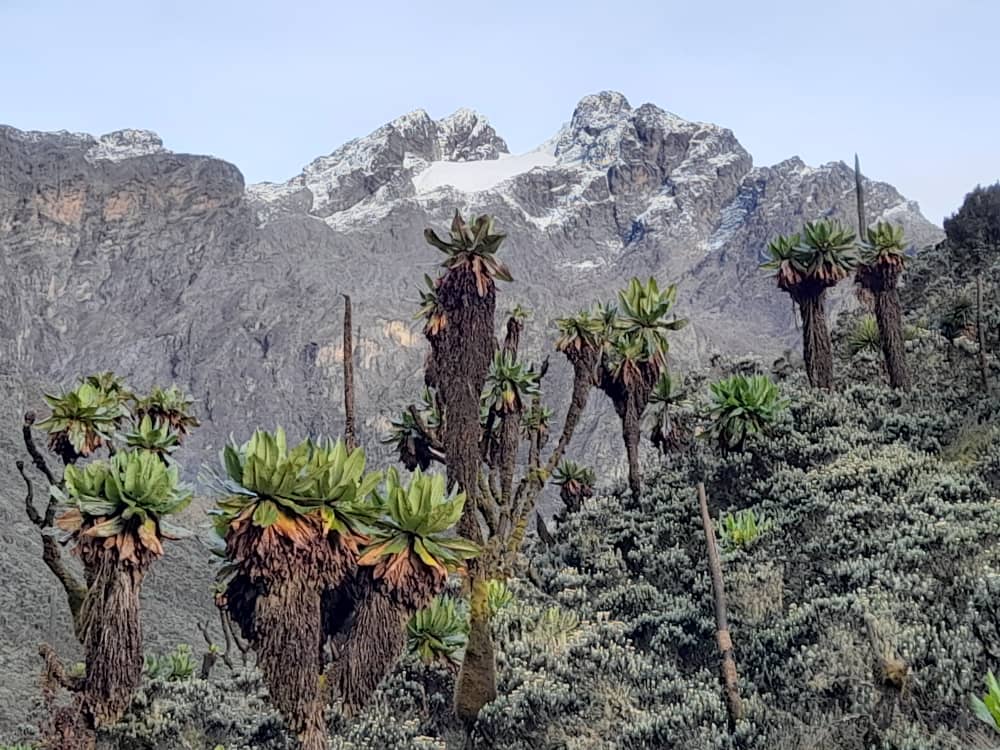
Browse our full range of Rwenzori trekking itineraries from the accessible 3-day Mahoma Loop to the glaciated summit of Margherita Peak on Mount Stanley. When you are ready, get in touch with our expedition team and tell us your dietary requirements in your first message. We will build your food plan; brief your guide and cook; and ensure that every meal on the mountain from the first breakfast at Nyabitaba to the summit-day ration above the glacier fuels you properly for the journey ahead.
The Mountains of the Moon are waiting. What you eat to get there is our job to worry about.