Breakfast, lunch, dinner, snacks, and water: exactly what’s served on a Rwenzori trek, camp by camp, from a guide with over a decade on the mountain.
Of all the questions I get asked in the weeks before a client’s expedition, questions about glaciers, altitude sickness, and river crossings included, the one that comes up with the most genuine anxiety is almost always about food. Trekkers who have read enough to prepare a proper kit list, who understand the acclimatisation profile and the weather risk, still picture a Rwenzori dinner as some grim ration of instant noodles eaten by headlamp. I understand why. Most information available about mountain trekking food anywhere in the world sets expectations low, and nobody wants to discover on day three of an eight-day expedition that they’ve badly misjudged what they’ll actually have the energy to eat.
So here is the honest, complete answer, built from over a decade of watching what actually comes out of a mountain kitchen at 4,000 metres on this specific range. This isn’t a generic trekking-food overview; it’s what you will actually be served, meal by meal, camp by camp, on a Rwenzori Trekking Safaris expedition, why it’s structured the way it is, and how it changes as you climb higher. It’s a companion piece to our broader look at hut life, food, toilets, and the honest reality of sleeping on this mountain, but this article goes further and stays focused specifically on what ends up on your plate.
Who Cooks Your Food, and How
Every Rwenzori expedition travels with a dedicated cook, a specialist role distinct from the guides and porters, who moves with the team from camp to camp and prepares every meal fresh at altitude on simple gas stoves. Our complete guide to Rwenzori porters and guides covers this role within the wider team structure, and our companion piece on a single working day in a porter’s life gives a sense of how tightly the cook’s schedule is bound to the rest of the team’s, arriving at camp early enough that hot tea is ready the moment trekkers walk in.
There’s no refrigeration anywhere on this mountain, which shapes the entire menu logic more than anything else. Perishable ingredients, fresh vegetables, bread, and eggs, are carried up and used within the first day or two, while the higher camps rely on staples that travel well without cooling: rice, pasta, dried beans and lentils, tinned fish, and dehydrated or preserved vegetables. Every gram of food, along with the gas canisters needed to cook it, is carried up by the porter team as part of the communal load our porter allocation guide explains in detail, which is worth remembering the next time a hot three-course dinner appears in front of you at 4,300 metres; someone carried every ingredient in it up the same mud you spent all day climbing through.
A Full Day of Eating on the Mountain
Breakfast
Mornings start with a genuinely substantial hot breakfast, porridge, eggs prepared however supplies allow, toast or chapati, and often fruit while it’s still available in the lower days of the trek, alongside your first round of hot tea, coffee, or cocoa. This isn’t a token bowl of cereal; it’s deliberately calorie-dense, since it’s the fuel for what’s usually the day’s longest and steepest stretch of walking. Our Central Circuit day-by-day account and Kilembe Trail day-by-day account both describe exactly what this looks like on a typical morning at camp, tent flap open on cloud forest or moorland, breakfast steaming in the cold.
Trail Lunch
Lunch is a packed meal eaten on the move or during a rest stop rather than a sit-down affair, sandwiches, hard-boiled eggs, biscuits, fruit, and energy bars, chosen specifically for what travels well and what you can eat one-handed while your legs keep moving or while you’re sheltering from rain under a rock overhang. It’s built for practicality rather than variety, and most trekkers find it exactly adequate for a midday refuel between a big breakfast and an even bigger dinner.
Dinner
Dinner is the meal that consistently surprises first-time trekkers, and it’s genuinely the highlight of the eating day on this mountain. It typically runs three courses: a soup to start, warming and simple, followed by a substantial main of rice, pasta, or ugali paired with a protein and vegetable component, bean curry, lentil stew, a vegetable stew, or a meat sauce depending on supplies and the day of the trek, and often a small dessert to close. The cooking is properly seasoned rather than bland, and portions are generous, with seconds genuinely available rather than rationed. Our Rwenzori campsites guide walks through how this dinner ritual plays out differently at each named camp along the Central Circuit, from the forest atmosphere at Nyabitaba to the stark cold of Elena Hut the night before a summit push.
Hot Drinks and Snacking Between Meals
One detail almost nobody anticipates before their first Rwenzori trek: hot drinks are available essentially all day, tea, coffee, and cocoa at nearly every rest stop and certainly at every camp, morning and evening. On cold, wet days, and this is a genuinely wet mountain regardless of season, this matters more for morale and hydration than it might sound like on paper. Our field-tested trekking tips specifically call out taking full advantage of these between-meal hot drinks as a habit worth building deliberately from day one.
How the Menu Changes as You Climb
The food you eat on night one at Nyabitaba, still within reach of fresh vegetables and the lower-altitude supply chain, is noticeably different from what you’ll eat at Elena Camp or Kitandara Hut, well into the range’s upper zones. As altitude increases, fresh produce runs out and gets replaced by shelf-stable staples, and the cooking itself becomes more demanding; water boils at a lower temperature the higher you climb, which means longer cooking times for rice, beans, and pasta, a detail our cooks manage as a matter of routine but one that genuinely deserves recognition given they’re producing three-course meals from a single gas burner in a small hut kitchen or a camp tent above 4,000 metres.
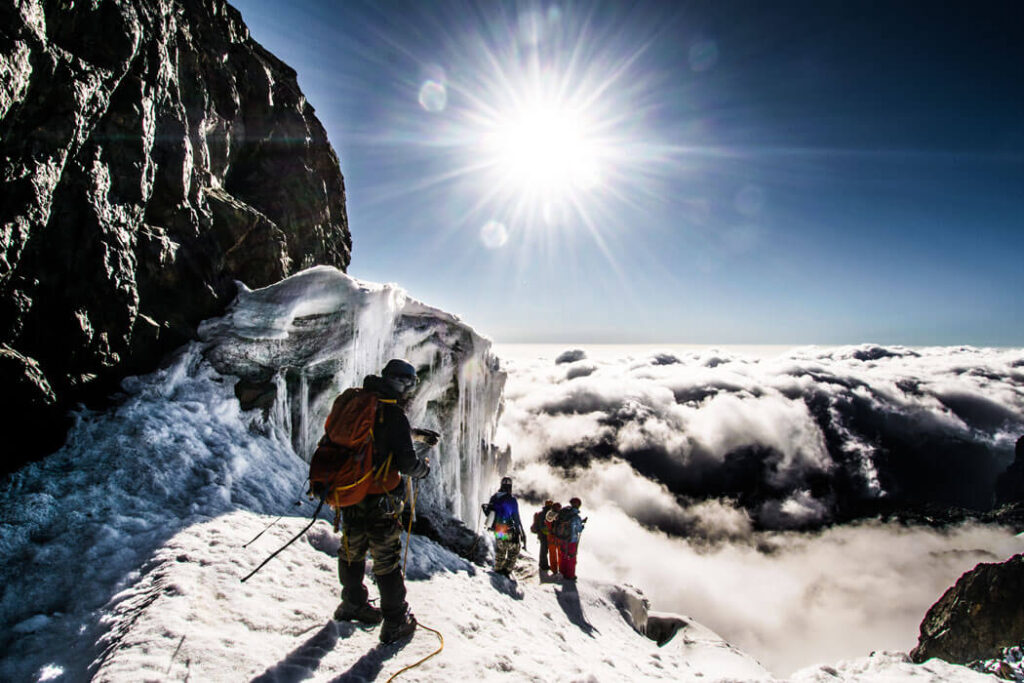
Altitude also does something less obvious to your own appetite: it suppresses it, often significantly, at exactly the point in the trek when your body needs the most fuel. This is a well-documented physiological response to reduced oxygen availability, and it’s one of the more counterintuitive challenges of high-altitude trekking, since the days you least feel like eating are usually the days eating properly matters most. Our cooks build the higher-camp menus deliberately around this reality, favouring calorie-dense, appealing food specifically to counter appetite loss, and our tips for hiking the Rwenzori article is direct about the discipline required: finish your plate even when you don’t feel hungry, because under-eating at altitude is one of the most common and most avoidable contributors to poor performance and altitude illness on this mountain. Summit night itself, with a departure from Elena Hut typically around 3:00 AM as our Central Circuit day-by-day guide describes, starts with a hot drink and a light, easily digestible bite rather than a full meal, since a heavy stomach and pre-dawn glacier travel don’t mix well.
What’s Different Between Routes
The cooking setup differs meaningfully depending on which route you choose. On the Central Circuit and Kilembe Trail, both served by fixed mountain huts and camps, your cook works from a proper hut kitchen space at each stop, simple, but a fixed structure with some shelter from the weather. On the Bukurungu Trail, which has no hut system at all, the same three-meals-a-day standard applies, but every kitchen is a full camp setup established from scratch each evening, cooking exposed to whatever the weather is doing that night. The food itself doesn’t drop in quality on Bukurungu, but the conditions your cook is working under are genuinely tougher, one more reason the wilderness and solitude of that route comes with real trade-offs worth understanding before you book it.
Vegetarian, Vegan, and Other Dietary Needs
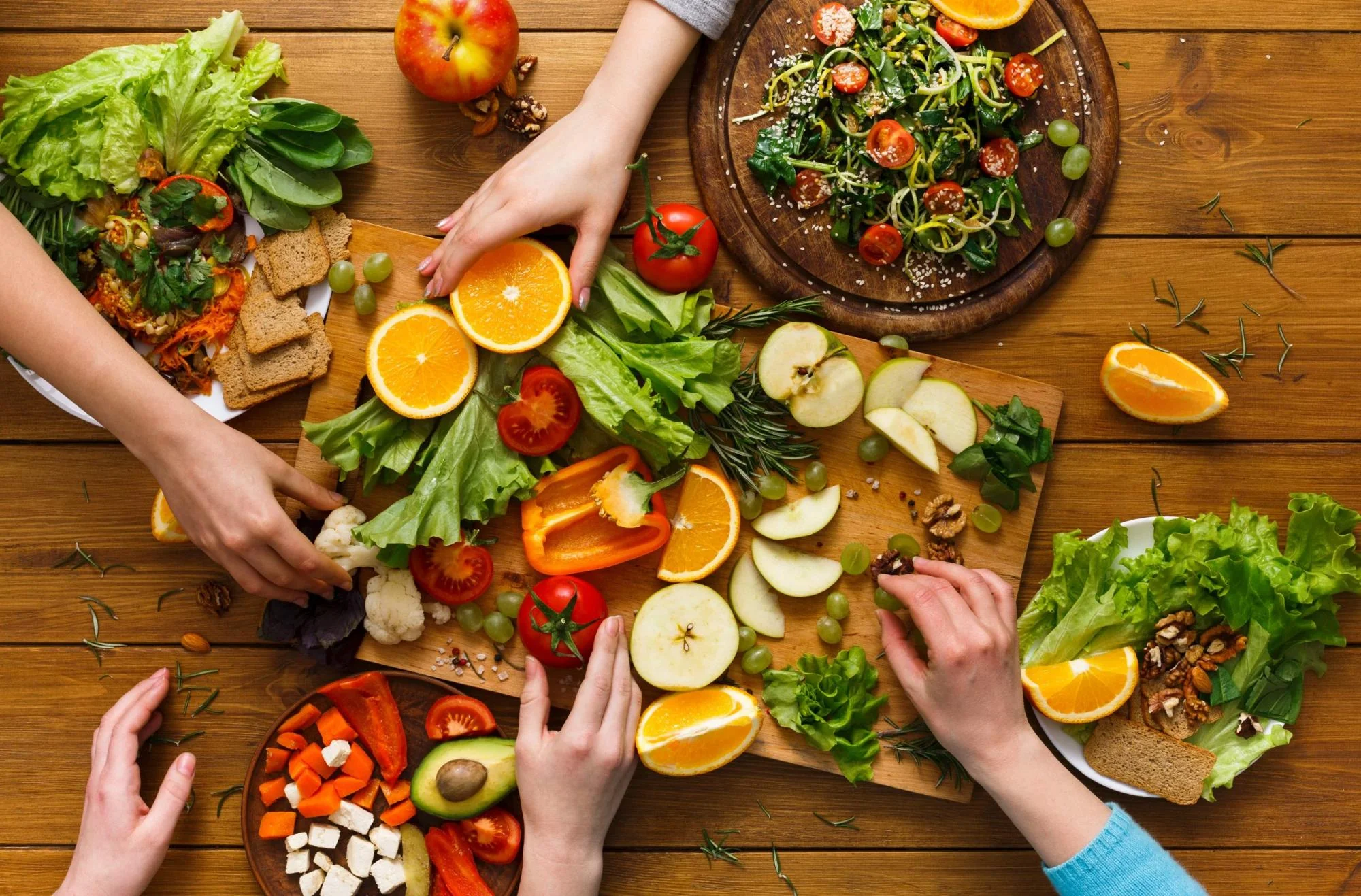
Plant-based trekkers are properly accommodated on this mountain, not as an inconvenient afterthought bolted onto a meat-centred menu. The core structure of Rwenzori mountain cooking, rice, ugali, pasta, beans, lentils, and vegetable dishes, is naturally vegan at its base, which makes adapting it considerably more straightforward than on cuisines built around meat as the centrepiece. Our dedicated guide to vegetarian and vegan food on the Rwenzori trek covers exactly how this works in practice, down to how a chicken stew becomes a bean stew with the rest of the meal unchanged, and why Ugandan mountain cooks handle plant-based cooking with genuine ease rather than treating it as an exotic request. The one thing that matters is advance notice; declare your dietary requirement clearly when you book so it reaches the mountain kitchen team with enough lead time to plan properly, source what’s needed, and brief your assigned cook before the expedition departs.
What You Should Pack Yourself
The provided meals cover your core nutritional needs completely, but most experienced Rwenzori trekkers still bring a small personal stash of favourite snacks, energy gels or chews for summit day specifically, a bar of good chocolate, electrolyte tablets or powder, and any specific treat that keeps morale up on a long, wet, cold day when appetite is already fighting altitude. None of this is essential, but it’s a small weight cost for a meaningful comfort return, and it’s worth picking up in Kasese before you head to the trailhead if you don’t want to carry it from home. Our Kasese travel guide for trekkers covers where to stock up in town, and our currency guide explains what cash you’ll need for that kind of last-minute shopping before you lose reliable access to shops entirely.
Water: Sourcing, Treatment, and Hydration
Cooking and drinking water on the Rwenzori comes from the mountain’s own streams, collected by the porter team at each camp and treated before use, a task that’s part of the same water-collection work covered in our account of a porter’s actual working day. Staying properly hydrated matters as much as eating properly at altitude, and the constant availability of hot tea and soup throughout the day is as much a hydration strategy as a comfort one; a body that’s dehydrated at altitude struggles with the same appetite and performance problems that under-eating causes, and the two issues tend to compound each other on a long trekking day.
The Final Night: Food as Celebration
There’s a particular character to the meals on the final one or two nights of a Rwenzori expedition, once the summit push is behind you and the team is descending through the lower, warmer zones again. Fresh ingredients become available again, spirits are visibly higher, and dinner starts to feel less like fuel and more like a genuine celebration shared with the same guide, cook, and porter team who’ve fed and carried you the entire way. It’s the same team, and often nearly the same menu structure, that gathers for the farewell song on the final morning before the walk back to the trailhead, a moment that, for most trekkers, closes the loop on what started as a slightly anxious question about mountain food and ends as one of the warmest memories of the whole trip.
Frequently Asked Questions
What do you actually eat on a Rwenzori trek, meal by meal?
Breakfast is a hot, substantial meal of porridge, eggs, toast or chapati, fruit where available, and hot drinks. Lunch is a packed trail meal of sandwiches, hard-boiled eggs, biscuits, fruit, and energy bars, eaten on the move or during a rest stop. Dinner is the main event, typically three courses: a soup starter, a substantial main of rice, pasta, or ugali with a protein and vegetable component, and a small dessert. Hot tea, coffee, and cocoa are available throughout the day at nearly every camp and rest stop.
Is the food good on a Rwenzori trek?
Yes, and it consistently exceeds first-time trekkers’ expectations. Meals are well-seasoned rather than bland, portions are generous with seconds genuinely available, and the cooking is done fresh at each camp by a dedicated cook who travels with the expedition specifically to produce hot, nutritious food at altitude, not the grim instant-noodle experience many trekkers picture before their first trip.
Can I get vegetarian or vegan food on the Rwenzori?
Yes. Plant-based diets are fully accommodated, and the core structure of Rwenzori mountain cooking, rice, ugali, pasta, beans, lentils, and vegetable dishes, is naturally vegan at its base, which makes adapting it considerably more straightforward than cuisines built around meat as the centrepiece. The only requirement is declaring your dietary need clearly when you book, giving the mountain kitchen team enough lead time to plan and source accordingly.
Does altitude affect appetite on the Rwenzori, and how do the cooks handle it?
Yes. Reduced oxygen availability at altitude commonly suppresses appetite, often right at the point in a trek when the body most needs fuel. Rwenzori mountain cooks build higher-camp menus specifically around this challenge, favouring calorie-dense, appealing food to counter appetite loss, and experienced guides actively encourage trekkers to finish their meals even when they don’t feel hungry, since under-eating at altitude is a common and avoidable contributor to poor performance and altitude illness.
Is drinking water provided and safe on a Rwenzori trek?
Yes. Water for cooking and drinking is sourced from the mountain’s streams by the porter team at each camp and treated before use. Hot tea and soup, available throughout the day, also contribute meaningfully to hydration, which matters as much as proper eating for performance and safety at altitude.
What food should I personally pack for a Rwenzori trek?
The provided meals cover core nutritional needs fully, but most trekkers bring a small personal stash of preferred snacks: energy gels or chews for summit day, a bar of good chocolate, and electrolyte tablets or powder. None of this is essential, but it adds a meaningful comfort return for very little extra pack weight, and much of it can be picked up in Kasese before heading to the trailhead.
Does the food differ between the Central Circuit, Kilembe, and Bukurungu routes?
The meal structure and quality stay consistent across all three routes, three cooked meals a day prepared by a dedicated expedition cook. What differs is the kitchen setup: the Central Circuit and Kilembe Trail are served by fixed mountain huts with a sheltered kitchen space at each stop, while the Bukurungu Trail has no hut system, so every meal is prepared from a full camp kitchen set up fresh each evening, exposed to whatever the weather is doing that night.
Ready to Plan Your Rwenzori Trek?
If knowing exactly what you’ll be eating has settled one more piece of your Rwenzori planning, get in touch with our team through our contact page to start planning the rest of your trek. Tell us your route, your dates, and any dietary requirements up front, and we’ll make sure the mountain kitchen is ready for you before you ever set foot on the trail. Food is one less thing that should stand between you and the summit of Margherita Peak, and we intend to keep it that way.