How fit do you need to be for the Rwenzori Mountains? Our expert guide covers training, timelines and mistakes to avoid before you trek
Why the Rwenzori Demands a Different Kind of Fitness
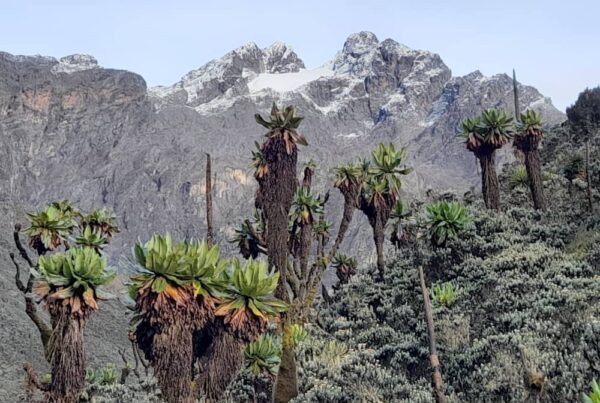
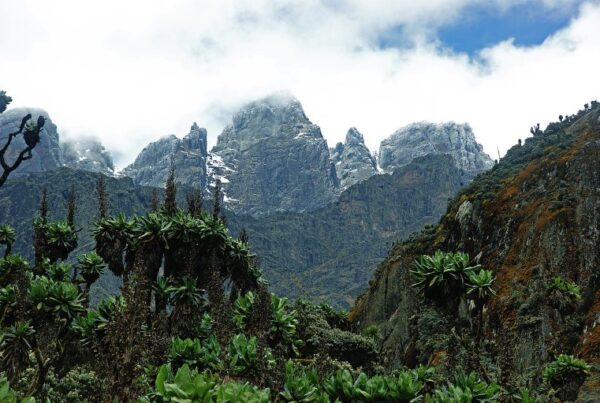
Most people planning their first serious mountain trek assume that fitness is fitness, that a runner, a cyclist, or a regular gym-goer arrives on any trail with an automatic advantage. On the Rwenzori, that assumption gets corrected quickly. This is not a dry, graded volcanic cone where a steady, predictable stride carries you upward for hours at a time, the way it might on Kilimanjaro. The Rwenzori is a jagged, glaciated massif wrapped in near-constant cloud and rain, and its trails move through five distinct ecological zones in the space of a single week, from tangled lowland forest through bamboo, giant heather moorland, and Afro-alpine bog, before finishing on exposed rock and glacier ice.
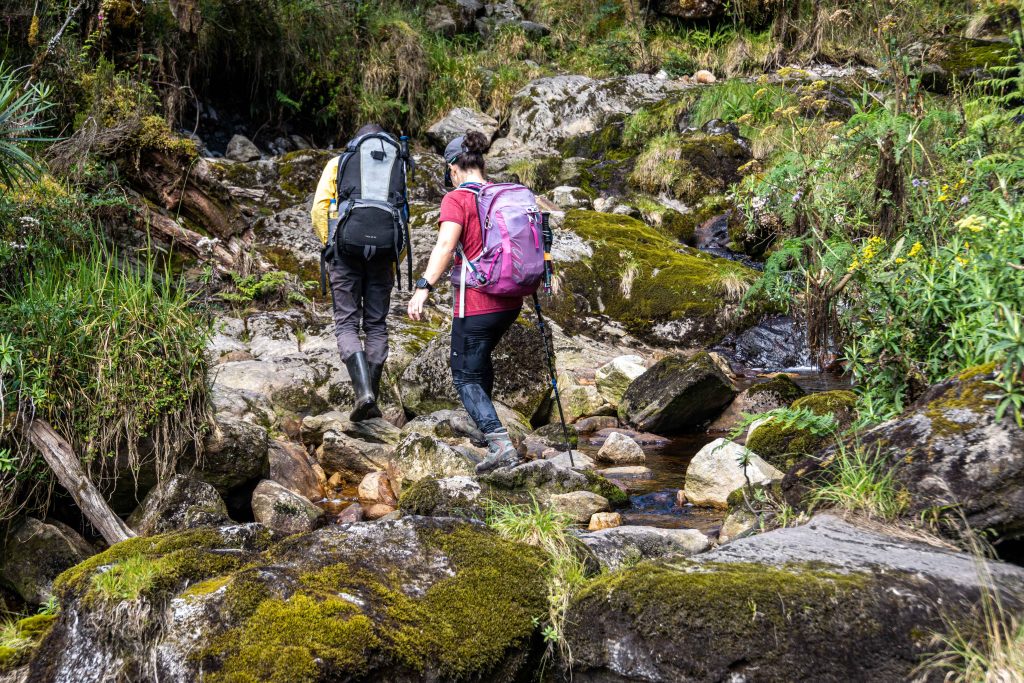
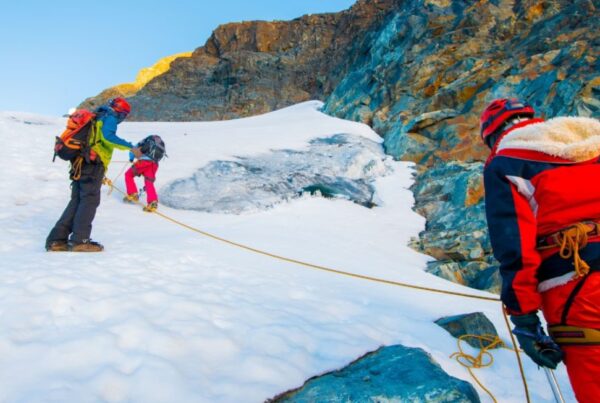
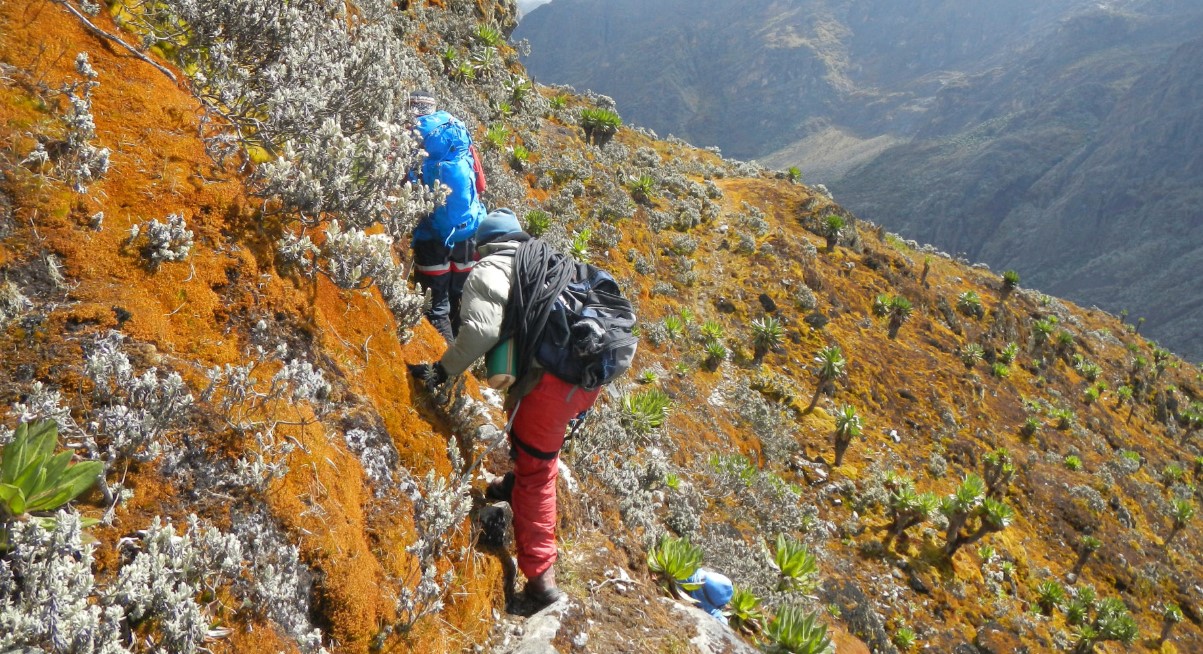
Every one of those zones asks something different of your body. The forest floor is a maze of slick roots that twist ankles without warning. The moorland above it is not solid ground at all but a floating mat of vegetation over standing water, and every third or fourth step sinks to the knee or the thigh. Above that, the trail becomes a genuine scramble over wet rock, and on the final approach to Margherita Peak it becomes a roped glacier crossing that our guides on how technical the climb to Margherita Peak really is describe honestly rather than glossing over for marketing purposes. Fitness here means the capacity to sustain controlled effort through constantly changing, unstable, often submerged terrain, day after day, while carrying a daypack, and to do it while wet and cold rather than warm and dry. Our detailed answer to whether you need to be very fit to climb the Rwenzori Mountains puts it plainly: you need to be functionally fit rather than impressively fit, and the distinction matters more here than on almost any other trekking mountain in Africa.
What “Fit Enough” Actually Means on This Mountain
Cardiovascular endurance that holds steady under load
The single most useful fitness marker for the Rwenzori is not your maximum heart rate or your fastest 10K time. It is your ability to keep your breathing controlled and rhythmic while climbing steadily for six to eight hours with a daypack on your back, day after consecutive day. Trekkers who arrive with only short, high-intensity training, the kind built in a gym over forty-five-minute sessions, often find that their cardiovascular system performs beautifully for the first ninety minutes of a trekking day and then falls apart in the fourth or fifth hour, precisely when the trail begins climbing into the bog zone above Nyabitaba or Sine Camp. What the mountain rewards is aerobic durability, not sprint capacity, and that quality is built almost exclusively through long, sustained, lower-intensity effort rather than short bursts of maximum exertion.
Leg and ankle strength for the descents, not just the climbs
Ask any experienced Rwenzori guide what actually breaks trekkers down physically, and the answer is rarely the ascent. It is the descent. Coming down off Elena Hut, off Bugata Camp, off any of the high camps on either the Central Circuit or Kilembe side, your legs absorb the shock of thousands of controlled steps down slick rock, root, and mud simultaneously, while your ankles are constantly correcting for uneven footing that shifts without warning. Quadriceps that fatigue on descent lead directly to knee strain, and ankles that have never been trained for instability are the single most common source of minor injuries we see on the mountain. Strength training for the Rwenzori has to include eccentric leg work, meaning controlled lowering movements like slow squats and step-downs, and genuine ankle stability training, not just generic leg-day exercises borrowed from a gym routine designed for flat ground.
The capacity to carry a loaded daypack for long hours
On both the Central Circuit and the Kilembe Trail, porters carry your main duffel and the shared camp equipment, so you are never hauling a full expedition pack. But your daypack, holding water, rain gear, snacks, camera equipment, and layers, still needs to sit comfortably on your shoulders and hips for six to eight hours of continuous movement, and the weight of even six or seven kilograms becomes a meaningful factor by hour five on a wet, uneven trail. Training with a loaded pack, even a modest ten to twelve kilograms, teaches your core and shoulders to stabilize that weight automatically, so it is not draining energy you need for foot placement and balance.
How Long You Need to Train, and What That Training Should Look Like
The honest answer depends entirely on which Rwenzori route you are targeting, and matching your training timeline to your chosen itinerary is one of the most important planning decisions you will make. For an introductory trek like the 2-day hike to Lake Mahoma, six to eight weeks of consistent cardiovascular training, including three or four longer hikes of five to eight hours on hilly terrain, is genuinely sufficient preparation for a fit, active adult. For the full Central Circuit Trail, the Kilembe Trail, or any summit attempt on Margherita, Speke, or Baker, we recommend a full sixteen-week structured program, and our own 16-week training plan built specifically for the Rwenzori’s demands is the product of years of watching what actually predicts success on this mountain rather than assumptions borrowed from other ranges. That plan is organized in progressive blocks: an early base-building phase focused on frequency and consistency over intensity, a middle phase that introduces loaded hiking and stair or vertical training, and a final peaking phase built around multi-hour training hikes that simulate actual trekking days, followed by a deliberate taper in the final two weeks so you arrive at Nyakalengija rested rather than depleted.
The training methods that transfer directly to the mountain
Hiking itself, ideally on hilly, uneven terrain and with a loaded pack, is the single most specific and valuable training activity you can do, because nothing else replicates the combination of cardiovascular load, balance demand, and muscular endurance the Rwenzori requires. Where hilly trails are not available, stair climbing and repeated vertical gain, whether on a stair machine, a stadium, or a parking garage, builds the same climbing-specific leg strength. Running, cycling, swimming, and rowing all build useful aerobic capacity and are worth including two or three times a week as supplementary conditioning, but none of them replicate the descent-specific muscular demand or the balance training that comes from moving over genuinely unstable ground. Core and stability work, including single-leg balance exercises, planks, and step-downs, rounds out a complete program by protecting your knees and ankles against the constant micro-corrections the trail demands. Trekkers over fifty face some additional considerations, and our dedicated guides on whether older hikers in their fifties and sixties can do the Rwenzori and whether children or seniors can hike the Rwenzori go into far greater depth on age-adjusted training volume, recovery time between sessions, and how to build the program around joints and cardiovascular systems that respond differently than they did twenty years earlier.
Fitness Is Necessary, But It Is Not the Whole Story
One of the most important things any honest guide will tell you is that physical fitness and altitude acclimatization are two entirely separate variables, and confusing them is a genuine safety risk. A trekker who has trained diligently for sixteen weeks and arrives with excellent cardiovascular capacity is not automatically protected against acute mountain sickness, and in fact very fit trekkers sometimes move faster and push harder at altitude precisely because their fitness allows it, which can make them paradoxically more vulnerable if their itinerary does not build in proper acclimatization days. Our full acclimatization guide for the Rwenzori covers this relationship in clinical depth, and the summary worth remembering here is simple: you need both genuine fitness and a sensibly paced itinerary with adequate time at altitude, and neither one substitutes for the other. This is one of the reasons we generally steer first-time high-altitude trekkers away from the fastest possible itineraries and toward routes that allow the body time to adjust, even when their fitness would technically support a faster ascent. For broader context on official guidance around altitude illness prevention, the CDC’s Yellow Book chapter on high-altitude travel is a useful, medically grounded reference worth reading before any high-altitude expedition.
Matching Your Fitness Level to the Right Rwenzori Route
Not every trekker needs to train for a six-peak expedition, and matching your fitness ambitions honestly to the right itinerary is far more important than picking the most impressive-sounding route on paper. Trekkers who are active but not seeking a summit push are well served by shorter introductions like the Mahoma Loop or a two-day approach to Nyabitaba Camp, both of which deliver a genuine taste of the Rwenzori’s cloud forest and moorland without the sustained multi-day demand of a full circuit. For trekkers with a solid fitness base built over several months, the choice generally comes down to the Central Circuit Trail versus the Kilembe Trail, and our full comparison of which route is the best choice for trekking the Rwenzori walks through the terrain, acclimatization profile, and infrastructure differences between the two in detail. The Kilembe Trail in particular, and specifically how many days the Kilembe Trail actually requires, demands genuine multi-day hiking experience and sustained fitness across eight consecutive days at increasing altitude, and it is not the place to test an undertrained body for the first time. For trekkers whose fitness and prior mountain experience support a summit attempt, our 6-day Margherita Peak trek via the Central Circuit represents the itinerary sweet spot, long enough for real acclimatization, short enough to suit most working travelers’ schedules. Whichever route ultimately suits your fitness and ambitions, the Bujuku Valley, the geographical and ecological hub through which most Central Circuit summit attempts pass, and the surrounding high camps described in our full guide to Rwenzori huts and camps give you a realistic sense of what a well-earned evening at altitude actually looks like after a demanding day.
Training Your Body for the Specific Gear You Will Wear
Fitness training for the Rwenzori should not happen in isolation from the gear you will actually wear on the mountain, because footwear in particular changes the physical demand of every step.
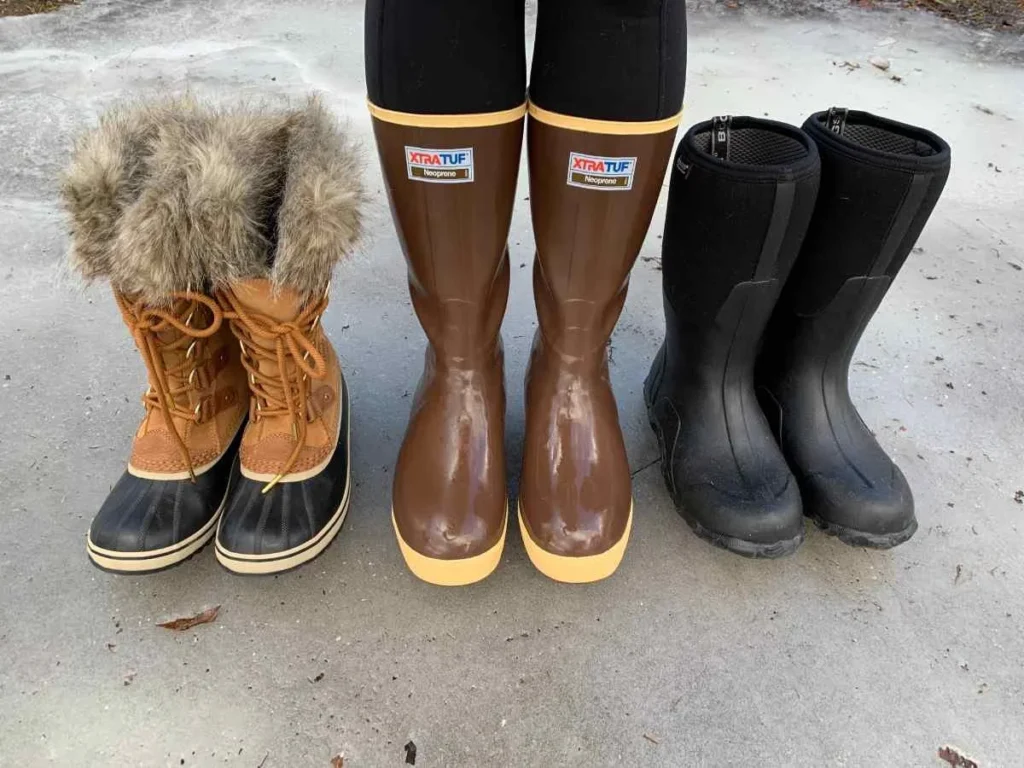
The mountain requires rubber Wellington-style boots through the bog sections rather than conventional hiking boots, and trekkers who train exclusively in trail runners or stiff mountaineering boots and then encounter rubber boots for the first time on the trail itself often struggle with an unfamiliar gait and increased ankle fatigue in the first two days. If at all possible, include at least a few training sessions in comparable rubber boots before you travel, or at minimum train deliberately on uneven, muddy terrain so your stabilizing muscles are used to the demand. Our guide to whether you need to bring your own climbing gear for a Rwenzori trek and our overview of gear rental options on the mountain both explain exactly what is provided locally and what you should source and break in before departure. For anyone attempting a glacier summit, the physical demands shift again on the final push, and our first-timer’s guide to crossing a Rwenzori glacier explains the additional stamina and technical composure required in roped teams on ice at up to sixty degrees, a section of the trek where fitness, mental steadiness, and trust in your guide team all converge.
Timing Your Training Around the Right Season
Your fitness preparation should also be planned with an eye on the calendar, because seasonal conditions on the Rwenzori genuinely affect how much your fitness will be tested. Rainfall increases mud, bog depth, and the physical cost of every step, so trekkers attempting the mountain during wetter months benefit from training specifically for prolonged, energy-sapping terrain, while those trekking in the two preferred windows, December through February and June through August, still face demanding conditions but with somewhat firmer underfoot terrain. Our full month-by-month trekking guide to the Rwenzori and our dedicated breakdown of the best time to trek the Rwenzori Mountains both help you align your training peak with your actual travel dates, so your fitness is at its sharpest exactly when you step off the plane rather than three months too early or too late.
Fueling and Recovering Like a Mountain Athlete, Not a Gym-Goer
Fitness for the Rwenzori is not only about the months of preparation before you arrive, it is also about how your body performs day to day once you are on the trail, and nutrition and recovery discipline matter as much on the mountain as they do in training. Consistent caloric intake across long trekking days, careful hydration in a climate where you sweat under rain gear even in cool temperatures, and deliberate rest at camp each evening all protect the fitness you have built rather than letting it erode over a multi-day itinerary. Sleep quality at altitude, foot care to prevent blisters that can undermine even excellent conditioning, and honest pacing that respects your guide’s rhythm rather than pushing ahead recklessly are all part of translating months of gym and trail preparation into a successful summit day. The team profiled in our detailed look at the Rwenzori’s porters and guides exists precisely to help you manage this balance, setting a sustainable pace, monitoring your condition, and making sure your training investment actually pays off on the days that matter most.
The Mistakes That Undo Months of Good Training
The trekkers who struggle most on the Rwenzori are rarely the ones who skipped training altogether, because most serious international trekkers understand they need to prepare. The more common failure is training for the wrong thing entirely: months of flat-road running with no loaded hiking, gym sessions that build visible muscle but never test sustained aerobic effort on a vertical incline, or a training block that peaks too early and leaves the trekker undertrained by the time they actually depart. Another common mistake is treating fitness and gear as separate problems, arriving supremely fit but in boots that have never touched mud, or with a daypack that has never been loaded for six consecutive hours. The final and most avoidable mistake is inconsistency, training hard for two weeks, stopping for a month, and resuming just before departure. The Rwenzori rewards accumulated, consistent conditioning far more than it rewards a burst of last-minute intensity, and a realistic, honestly maintained sixteen-week program will outperform a frantic four-week crash effort every time.
Frequently Asked Questions About Fitness for the Rwenzori Mountains
How fit do I actually need to be to hike the Rwenzori Mountains?
You need functional, sustained fitness rather than elite athletic performance. That means the ability to hike continuously for six to eight hours on uneven, often muddy terrain, carrying a light daypack, for several consecutive days, combined with strong leg and ankle stability for steep descents. Regular cardiovascular exercise such as running, cycling, or swimming builds a useful base, but hiking on hilly terrain with a loaded pack is the training that translates most directly to what the mountain demands.
How many months should I train before a Rwenzori trek?
For shorter introductory routes like the Mahoma Loop, six to eight weeks of consistent training is generally sufficient for an active adult. For the full Central Circuit Trail, the Kilembe Trail, or any summit attempt on Margherita, Speke, or Baker, we recommend a full sixteen-week structured program that progressively builds cardiovascular endurance, loaded hiking capacity, and leg strength before a short taper in the final two weeks.
Can a beginner with no mountain experience hike the Rwenzori?
The Rwenzori is not suited to complete beginners with no hiking background at all, but it is genuinely achievable for well-prepared first-time mountain trekkers who commit to a structured training program and choose an appropriately paced itinerary of at least seven or eight days. Preparation matters more than prior mountaineering experience for most of the route, though a summit attempt on the glacier does benefit from some prior exposure to exposed, technical terrain.
Does being a runner or gym regular automatically make me ready for the Rwenzori?
Not entirely. Running and gym training build valuable aerobic and muscular capacity, but they rarely replicate the specific demands of hours of unstable, waterlogged, uneven terrain, or the eccentric leg strength required for long, controlled descents. Runners and gym-goers who add loaded hilly hiking to their preparation in the months before their trek arrive far better prepared than those who rely on running or lifting alone.
Is fitness enough to prevent altitude sickness on the Rwenzori?
No. Cardiovascular fitness improves how efficiently you can exercise at altitude, but it does not reduce your susceptibility to acute mountain sickness, which depends on your individual physiology and how well your itinerary allows time for acclimatization. Very fit trekkers can actually be at greater risk if their fitness tempts them to move faster than their body is acclimatizing. A well-paced itinerary combined with genuine fitness is the safest approach.
What is the single most important type of training for the Rwenzori?
Hiking on hilly, uneven terrain with a loaded daypack is the most specific and valuable training available, because it simultaneously builds the cardiovascular endurance, leg strength, ankle stability, and load-carrying capacity the mountain actually requires. No other single training method replicates all of those demands at once.