What happens at Nyakalengija? A full step-by-step guide to Rwenzori’s trek registration, crew meeting, bag weigh-in, and departure briefing. Expert guide.
There is a particular kind of nervous energy that settles over a group of trekkers as they drive from Kasese toward the mountains in the morning. The bags are packed, the boots are broken in, and the research is done, and yet, for the vast majority of first-time Rwenzori Mountains trekkers, the question of what happens at the trailhead remains strangely unanswered. You know you are going into one of the most extraordinary mountain ranges in Africa. You have studied the route profiles, read the elevation charts, and packed your crampons. But the logistical mechanics of the trailhead itself, the administration, the process, the people, and the sequence of events remain murky

Nyakalengija is the starting point for all Central Circuit Trail expeditions, and it is where the real Rwenzori experience begins not at the summit camp, not at the first river crossing, but in a compound of low buildings at roughly 1,646 meters above sea level, surrounded by banana plantations and the first hints of montane forest, with the peaks invisible above a ceiling of cloud. For many trekkers arriving here for the first time, the scene is simultaneously underwhelming and thrilling. Nothing about Nyakalengija announces itself grandly. However, the events that unfold in the next two to three hours at this trailhead establish the foundation for everything that follows.
This article is a complete, step-by-step account of the Nyakalengija registration and departure process written from the perspective of someone who has stood in that compound more times than I can count, first as a porter, then as an assistant guide, and for the past several years as a lead mountain guide. By the end of this guide, you will know exactly what to expect, what documents to have ready, what the Uganda Wildlife Authority officials are checking, how your pack gets weighed and why that matters, what the orientation briefing covers, and what time you can realistically expect to step onto the trail. The mystery of Nyakalengija, in other words, will be fully demystified.
Where Is Nyakalengija, and How Do You Get There?
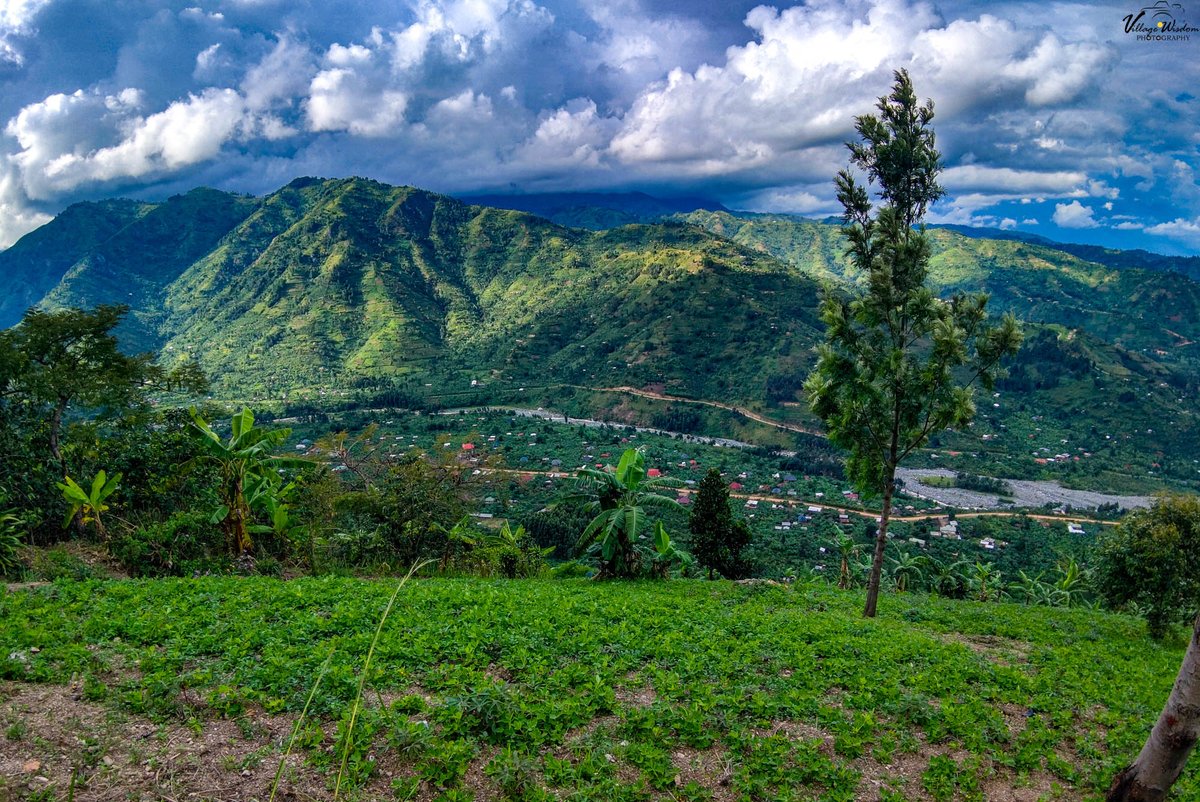
Nyakalengija is a small community in the Ibanda subcounty of Kasese District in western Uganda. It sits at the northern edge of Rwenzori Mountains National Park and serves as the primary entrance gate for the Central Circuit, the most popular and historically established trekking route through the range. The nearest major town is Kasese, approximately 22 kilometers to the east, and the drive from Kasese to Nyakalengija takes between 45 minutes and 75 minutes depending on road conditions. The road is partly tarmacked and partly gravel, and after heavy rain it can become challenging, particularly in the final kilometers approaching the park gate.
All of our Central Circuit trekking itineraries begin and end at Nyakalengija. This includes the 7-day Margherita Peak summit trek, the 6-day Weismann Peak hike, the 8-day three-peaks expedition, the 13-day six-peaks grand expedition, and every other Central Circuit-based itinerary in our portfolio. Treks on the Kilembe Trail begin instead from the Kilembe trailhead near the old copper mining area, south of Kasese town, with a different entry gate and a different registration process, which we address separately in the Kilembe Trail section of this guide.
Getting from Kasese to Nyakalengija is typically arranged by your trekking operator and included in your expedition logistics. Rwenzori Trekking Safaris provides transport from your Kasese accommodation as part of every guided trek booking. If you are arranging transport independently, options include hiring a private vehicle or 4WD from Kasese (recommended, given the road conditions), or taking a shared taxi to Ibanda and continuing by boda-boda for the final stretch. For full guidance on the Kampala-to-Kasese journey and local transport options, our complete guide to getting to the Rwenzori Mountains covers every option in detail.
What Time Should You Aim to Arrive at Nyakalengija?
This is one of the most practically important questions a first-time Rwenzori trekker can ask, and the answer is straightforward: aim to arrive at Nyakalengija between 7:30 and 9:00 in the morning. The registration and briefing process typically takes between 60 and 120 minutes from arrival to trail departure, and you want to be on the path by 10:00 at the latest to give your group sufficient time to reach the first camp, Nyabitaba Hut, at 2,651 metres before late-afternoon cloud and rain arrive.
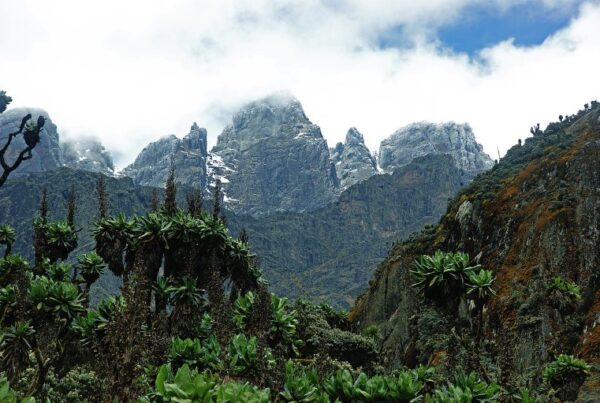
The Rwenzori is renowned for its afternoon precipitation, part of what makes it one of the wettest mountain ranges on Earth and part of what gives it its extraordinary ecology, from the dense equatorial rainforest of the lower slopes to the extraordinary giant lobelias and groundsels of the alpine zone. Most days on the mountain, the morning hours offer the clearest conditions and the best visibility. Departing Nyakalengija by 10:00 gives you four to five hours of relatively stable weather for the first day’s ascent. Departing at noon or later, as sometimes happens when logistics run behind, compresses your hiking window and increases the likelihood of arriving at camp in heavy rain. Logistics planning and departure time management is something we take seriously at every expedition briefing.
First Impressions: What Does the Nyakalengija Compound Look Like?
Arriving at Nyakalengija for the first time, you will see a compound of modest buildings clustered at the edge of cultivation, where banana groves give way to the first dark green reach of the montane forest. The Uganda Wildlife Authority (UWA) park office occupies the most prominent building, a functional administrative block where the official registration and fee processing takes place. Nearby, a separate structure serves as the gear storage and weighing area where porter loads are assessed. Beyond the buildings, the trailhead itself is visible as a narrow path disappearing into the forest canopy.
Around the compound on any given morning, you will see the mountain crew porters, assistant guides, and cooks gathering, loading equipment, and conducting the organized bustle of expedition preparation. The atmosphere at Nyakalengija on a departure morning is purposeful and energetic in an immediately infectious way. Experienced Rwenzori porters from the local Bakonzo community have been making this journey into the mountains for generations. Their confidence and familiarity with the terrain are immediately reassuring, even when you are standing at the trailhead with a pack that feels too heavy and summit ambitions that feel enormous.
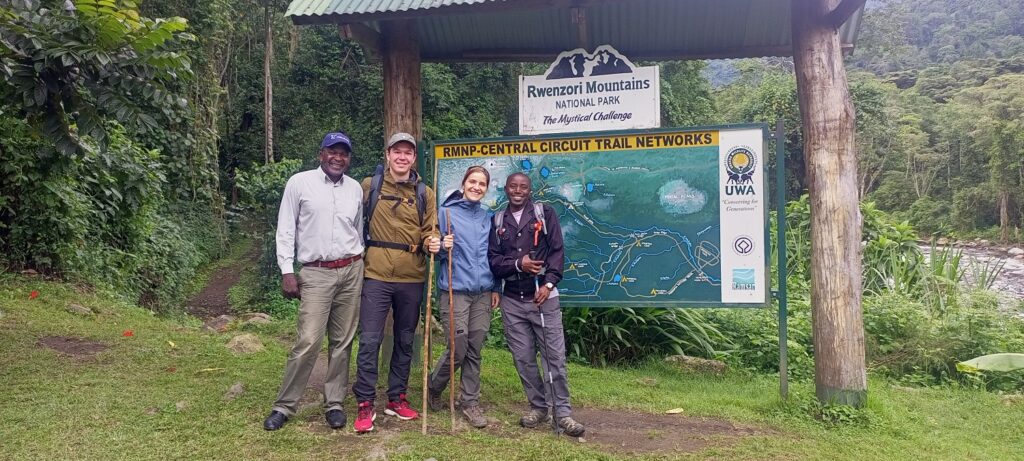
There are basic toilet facilities at the compound; use them before you set off, as the next flushing toilet will not appear until you return here in five, seven, or thirteen days. There is usually a small informal trading point near the entrance where vendors sell cold drinks, snacks, and basic supplies. This moment is a good time to buy a final cold Stoney Tangawizi, check that your pack’s rain cover is accessible, and mentally transition from travel mode into mountain mode.
Step-by-Step: The Complete Nyakalengija Registration and Departure Process
What follows is a detailed account of every stage in the Nyakalengija departure sequence. For trekkers arriving well-prepared with the right documents and mental model of the process, this sequence flows smoothly and efficiently. The numbered steps below represent the actual chronological order in which the process unfolds.
| 1 |
Arrival and Operator Check-InYour first point of contact is your lead guide, the person from Rwenzori Trekking Safaris who has either travelled with you from Kasese or met you at the trailhead. This is the moment of formal introduction if you have not already met in person. Your guide will conduct a quick inventory of your group: confirming headcount, checking that passports and copies of travel documents are present, and verifying that your travel insurance documentation is with you. This last point is not a bureaucratic formality; valid, adequate travel insurance for the Rwenzori is a condition of trek participation, and your guide will ask to see it at this stage if they have not already confirmed it during your pre-departure briefing. |
| 2 |
UWA Park Fee Payment and Registration at the OfficeThe next step takes you to the Uganda Wildlife Authority office inside the compound. UWA sets the park entry fees for Rwenzori Mountains National Park, which are non-negotiable regardless of the operator. As of the most recent published fee schedule, the fees for foreign non-residents (the category applicable to most international trekkers) include a daily park entry fee, a climbing fee for summit expeditions to peaks including Margherita Peak, and a mountain hut accommodation fee for each night spent on the Central Circuit. In most cases, these fees are included in the trek package price you have already paid. Your guide carries the documentation confirming payment, and the UWA officer processes your entry against those pre-arranged records. If fees are being paid in person at the gate (which occasionally happens with last-minute bookings or itinerary changes), they can be paid in US dollars or Ugandan shillings. Have your passport ready for the entry register. UWA records the full details of every trekker, including nationality, passport number, and planned itinerary. |
| 3 |
Signing the Trek Register and Medical DeclarationAt the UWA desk, you will be asked to sign the official park entry register and complete a short medical declaration form. This form asks basic questions about your health status: whether you have any significant pre-existing medical conditions, whether you are carrying relevant medications, and whether you have any symptoms of illness on the day of departure. It is not a comprehensive medical screening; there is no physician on-site, but it creates an important documentary record that is used in the event of a medical emergency on the mountain. Answer the medical form honestly. If you have a condition that might be relevant, cardiovascular disease, respiratory issues, diabetes, or any condition affected by altitude, note it clearly. Your guide is briefed on how to respond to high-altitude medical situations, and knowing your medical history in advance is part of their ability to look after you effectively. The register also records your emergency contact details: ensure these are accurate and that your emergency contact knows you are trekking. |
| 4 |
Meeting Your Full Mountain CrewOnce registration is complete, your guide will introduce you formally to the entire crew who will accompany you on the mountain. For a standard two-person Central Circuit expedition, this crew typically includes one lead guide (the person responsible for your safety, route navigation, and overall group management), one or two assistant guides (who support the lead and provide additional oversight on technical sections), a cook (who will prepare all meals at mountain camps), and a team of porters whose number is calculated based on the total equipment and supply load for the group and duration. Take time with these introductions. Your porters and guides are local men and women predominantly from the Bakonzo community, whose people have lived in a relationship with these mountains for generations. They know every step of the trail, every weather pattern, every campsite, and every water source. Their knowledge and capability are what make your summit possible. Learning their names and greeting them warmly at Nyakalengija sets a tone of mutual respect that will carry through the entire expedition. |
| 5 |
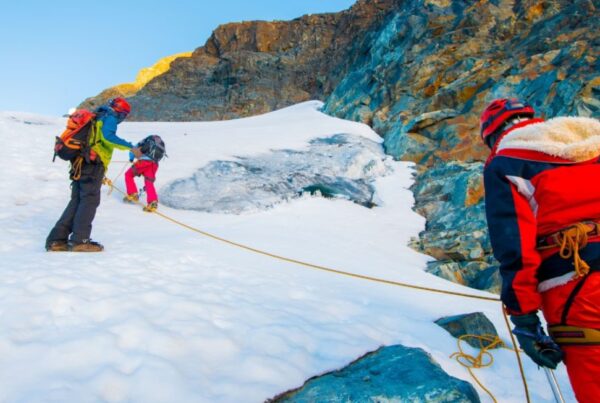
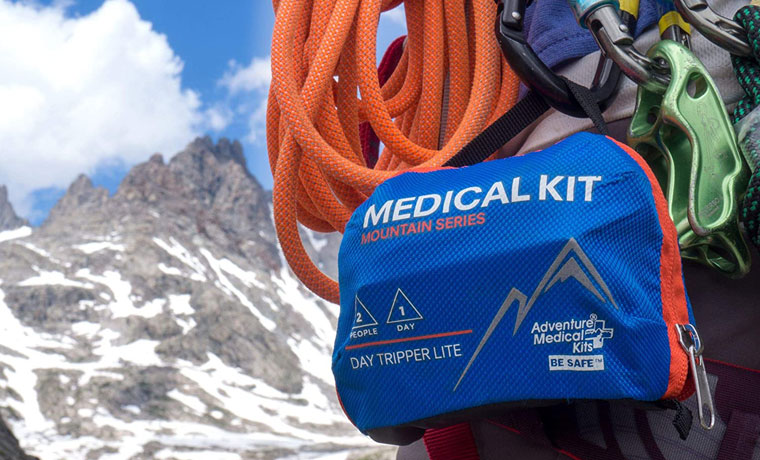
Equipment Check and Personal Pack PreparationBefore loads are assembled and weighed, your lead guide will conduct a brief equipment check on your personal gear. This is not a full kit inspection; you should have done your thorough gear preparation at home, ideally with reference to our Rwenzori gear guide, but rather a confirmation that the critical items are present and accessible. Your guide is specifically looking for a waterproof jacket and trousers (accessible, not buried at the bottom of your pack); warm layers including a down or synthetic insulating layer, gloves, and a hat; trekking poles if carried; a headlamp with fresh batteries; a personal medical kit; and any specialist equipment required for your specific itinerary, such as crampons and ice axes for summit expeditions to Mount Stanley and the glaciated peaks. This stage is also the moment to redistribute any items between your daypack (which you carry personally throughout each day) and your main pack (which is carried by a porter). A well-organized handover at this stage saves considerable frustration mid-trail when you need your rain jacket immediately and it is deep inside a porter load. |
| 6 |
Load Weighing: Why Your Porter’s Load Limit MattersThis step surprises many first-time trekkers who are not aware of it in advance. The Uganda Wildlife Authority mandates a maximum porter load weight of 25 kilograms per porter, inclusive of their own personal gear and food for the trail. This regulation exists to protect the physical welfare of porters who carry loads manually across terrain that includes steep, muddy inclines, river crossings, and boulder fields, and it is enforced at the Nyakalengija trailhead using a hanging scale. Your guide will weigh each prepared porter load at this stage. If a load exceeds the limit, equipment is redistributed between porter loads until all are within the permitted weight. This is a structured process, not a chaotic scramble. Your guide and the porter team have done it hundreds of times, but it does take time, and it is one of the reasons that arriving early at the trailhead matters. Occasionally, the load weigh-in reveals that the total gear volume requires an additional porter. Your operator will handle the situation by engaging an additional crew member from the pool of qualified local porters available at the gate. |
| 7 |
The Orientation and Safety BriefingWith registration complete, crew introduced, and loads prepared, your lead guide conducts the official pre-departure orientation briefing. This is a structured presentation, not a casual chat, and it covers content that is directly relevant to your safety and experience on the mountain. A detailed Rwenzori orientation briefing goes over the daily schedule and how your trip is organized from one camp to another; the rules of Rwenzori Mountains National Park (like no open fires, no picking plants or animals, and how to handle waste); how to manage altitude and recognize early signs of Acute Mountain Sickness that you need to tell the guide about right away; emergency communication steps, including how to use the guide’s satellite phone and what to do in a mountain rescue; how to manage water while hiking; proper behavior at campsites; and the specific challenges of the first part of the hike to Nyabitaba Hut. This briefing is the moment to ask every question that is on your mind. The mountain itself will not pause for questions. Ask now. |
| 8 |
Final Preparations and Trail DepartureAfter the briefing, there is typically a short window of final personal preparation: applying sunscreen, adjusting pack straps, lacing boots, filling water bottles from the clean water available at the compound, and taking the obligatory departure photographs. Your guide will do a final headcount of the group and a last confirmation with the UWA officer. Then, usually with less fanfare than you might expect, the group turns and walks into the forest. The first steps of a Rwenzori trek are among the most memorable of any mountain journey: the sudden transition from the compound’s open air into the cathedral-green dimness of dense montane forest, the immediate change in temperature and humidity, and the sounds of forest birds replacing the background noise of the trailhead. The mountain has begun. Everything that happened at Nyakalengija has prepared you for what comes next. |
The Kilembe Trail Registration: How It Differs from Nyakalengija
Trekkers beginning their expedition on the Kilembe Trail, which approaches the mountain from the south via the Kilembe area near Kasese, go through a comparable but distinct registration process at the Kilembe trailhead. The Kilembe Trail is managed jointly by the Uganda Wildlife Authority and Rwenzori Trekking Services, and the infrastructure at the Kilembe trailhead reflects this dual management. The park office here mirrors the structure of Nyakalengija, conducting entry registration, fee processing, and load weighing before departure.
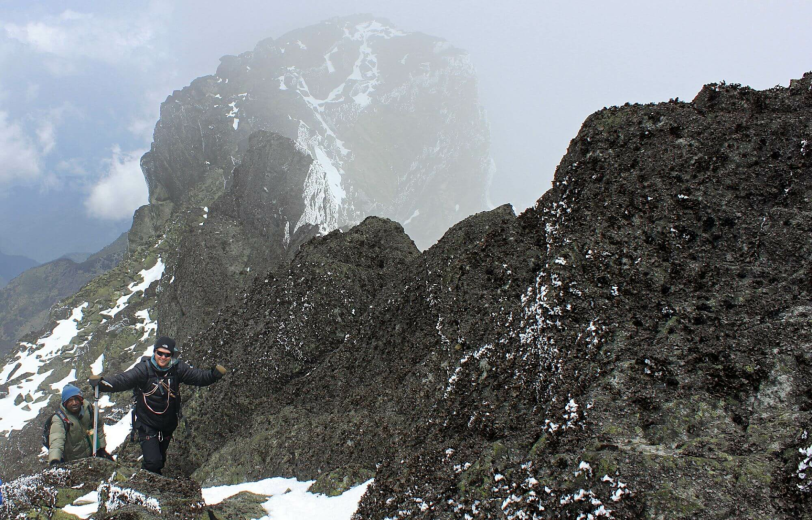
One notable difference at Kilembe is the proximity to the RTS mountain center, which operates the Kilembe Trail infrastructure, including the network of mountain huts from Sine Camp through to Margherita Camp. The registration process at Kilembe therefore includes additional documentation specific to the RTS management framework: trekkers sign into the RTS system as well as the UWA register, and accommodation bookings for each hut on the route are confirmed at this stage.
The 8-day Kilembe Trail expedition to Margherita Peak, the 4-day Mutinda Lookout trek, the 8-day Cheptegei Peak hike, and all other Kilembe-based itineraries begin here. Our guides handle the full registration process at both trailheads on behalf of all clients; you do not need to navigate the administrative systems independently. What you need to bring is the same at both: a passport, travel insurance documentation, and any pre-completed medical forms provided by your operator during the booking and preparation phases.
What to Have Ready at the Trailhead: A Practical Preparation List
The Nyakalengija registration process is structured and manageable, but it flows most smoothly when trekkers arrive prepared. The following items should be accessible, not buried in your main pack, when you arrive at the trailhead. Note that this list is not a complete gear checklist (for that, see our comprehensive guide on what to pack for the Rwenzori) but specifically the documents and items needed for the administrative phase.
Your passport is the single most critical document at Nyakalengija. UWA records your full passport details at registration, and the entry register is legally required to include this information. A photocopy of your passport data page is a useful backup but does not substitute for the original at the registration desk. Keep it in a waterproof document sleeve inside an easily accessible pocket of your daypack.
Your travel insurance documentation, policy schedule, and emergency contact number should be present and legible. Your guide will ask to see it. If your policy exists only as a PDF on your phone and your phone has a dead battery, this creates an unnecessary delay. Print a copy. Your emergency contacts should also have a copy.
Bring any completed medical forms that your operator provided during the booking process to the trailhead. If you are taking any medication relevant to high-altitude trekking, such as Diamox (acetazolamide) for altitude prophylaxis, for instance, inform your guide at this stage if you have not done so during pre-departure communication. For guidance on whether Diamox is appropriate for your specific expedition profile, our article on trekking the Rwenzori Mountains safely addresses the question in the context of the mountain’s specific altitude profile.
Cash in Ugandan Shillings is useful at the trailhead for any last-minute purchases at the informal vendors near the gate. Your guide will handle all official fee payments on your behalf as part of your package, but personal spending, like a cold drink, a final snack, or a backup pair of dry socks from a local seller, requires local currency. For a full guide to currency and cash management for the expedition, our dedicated article on what currency to use and how much cash to bring for the Rwenzori covers every practical detail.
Common Causes of Delays at Nyakalengija and How to Avoid Them
In my years guiding expeditions through this trailhead, the causes of registration delays fall into a small number of predictable categories. Understanding them in advance allows you to sidestep them entirely.
Missing or Inaccessible Documents
The most common source of trailhead delay is documents that are packed too deep, stored on dead devices, or simply not brought. The passport is buried inside the main pack, which then needs to be unpacked; the travel insurance PDF is on a phone that ran out of battery in the car from Kasese; and the emergency contact details are not memorized or written down. Preparation is simple: keep all documents in a dedicated, accessible document wallet in your daypack, and ensure they are on paper as well as digital.
Gear Redistribution After Weighing
If your total gear load has not been assessed before arriving at the trailhead, the load-weighing stage sometimes reveals that the weight distribution requires adjustment or that an additional porter is needed. This adds time and occasionally creates a logistical scramble. The solution is straightforward: share your full packing list with your guide before departure day so that porter numbers can be calculated accurately in advance. Experienced operators, and this is one of the practical advantages of booking with a specialist like Rwenzori Trekking Safaris rather than a generalist travel agent, manage this calculation as part of the pre-departure preparation, not as a surprise at the gate.
Late Arrival at the Trailhead
The drive from Kasese to Nyakalengija can take longer than expected if the vehicle departs late from Kasese, if the road is in poor condition after overnight rain, or if there are delays at local checkpoints. The solution is to depart Kasese for Nyakalengija no later than 7:00 am on your trekking departure day. If you are staying overnight in Kasese before the trek, which we recommend for all trekkers arriving from Kampala or internationally on the day before departure, this routine is an effortless schedule to maintain. Our guide on where to stay before and after the Rwenzori trek covers the accommodation options in Kasese that place you in the best logistical position for an early morning departure.
Health Concerns Identified on the Day of Departure
On rare occasions, a trekker arrives at Nyakalengija showing signs of illness, fever, severe diarrhea, respiratory infection, or other acute conditions that raise genuine safety concerns for the ascent. A guide who identifies these signs has both the professional responsibility and the authority to delay or restructure the expedition. This is not a pleasant situation, but it is a genuinely caring intervention. The right response is never to hide symptoms from your guide. Should you feel unwell on the morning of departure, please communicate openly with your guide. A one-day delay in Kasese for recovery is infinitely preferable to a medical evacuation from high altitude.
The Psychology of the Trailhead: Why the Registration Process Matters Beyond Logistics
During the Nyakalengija registration process, something happens to a group of people that is easy to overlook when you are focused on documents, weights, and briefings. The process itself, the formality of the register, the introduction of the crew, and the structured briefing performs a psychological function that is as important as any of its administrative components. It is a transition ritual, whether it presents itself as one or not.
When you sign the UWA register, you are committing formally and documentably to the journey ahead. When you are introduced to your guide and porters by name, you move from being an abstract passenger to being a member of a specific expedition team with its identity, relationships, and shared purpose. When the orientation briefing ends and your guide says, “We are ready,” something shifts in the room: a collective focusing of attention, a settling of nerves into readiness. I have watched it happen at this trailhead with trekkers from every continent, at every level of experience, on expeditions ranging from casual forest walks to the full 18-day all-peaks traverse. The transition from anxious traveler to committed mountaineer happens quietly and reliably in the Nyakalengija compound.
Understanding the situation, knowing what the trailhead process looks like before you arrive, and knowing the sequence and the rationale behind each step reduces the cognitive load of the morning. Instead of arriving at an unfamiliar place with an unclear process ahead of you, you arrive knowing what to expect. That clarity allows you to be present in the experience rather than managing anxiety about the unknown. And presence, on the Rwenzori, is what the mountain rewards.
Beyond the Gate: What the First Day of Trail Looks Like
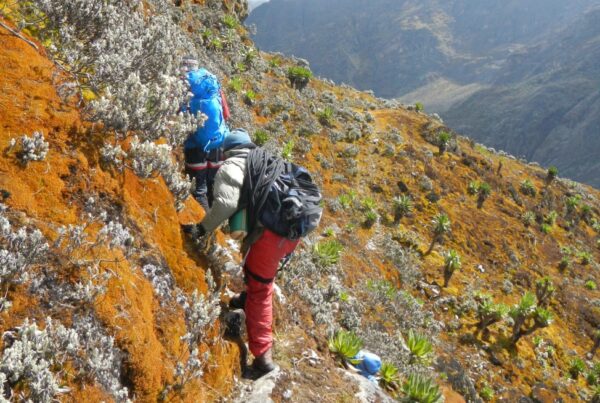
The trail from Nyakalengija to the first camp at Nyabitaba Hut (2,651 metres) covers approximately 10 kilometers with an elevation gain of around 1,000 metres. It is a full day’s walking, typically four to six hours depending on pace, and it introduces you immediately to the character of the Rwenzori: dense, dripping, surpassingly green montane forest; root-tangled trails made slick by the mountain’s permanent moisture; river crossings on stepping stones or simple bridges; and the gradual revelation of the forest’s extraordinary wildlife, L’Hoest’s monkeys calling from the canopy, the brilliant flash of a Rwenzori turaco in flight, and the patient stillness of a three-horned chameleon on a mossy branch.
Your guide sets the pace, and that pace is deliberately measured. The first day of a Rwenzori expedition is not a race to altitude; it is an orientation to the mountain’s rhythm and an opportunity for gradual physiological adjustment. Trekkers attempting to push pace on day one often pay for it on days two or three when altitude becomes a factor. Trust your guide’s tempo, particularly in the early stages.
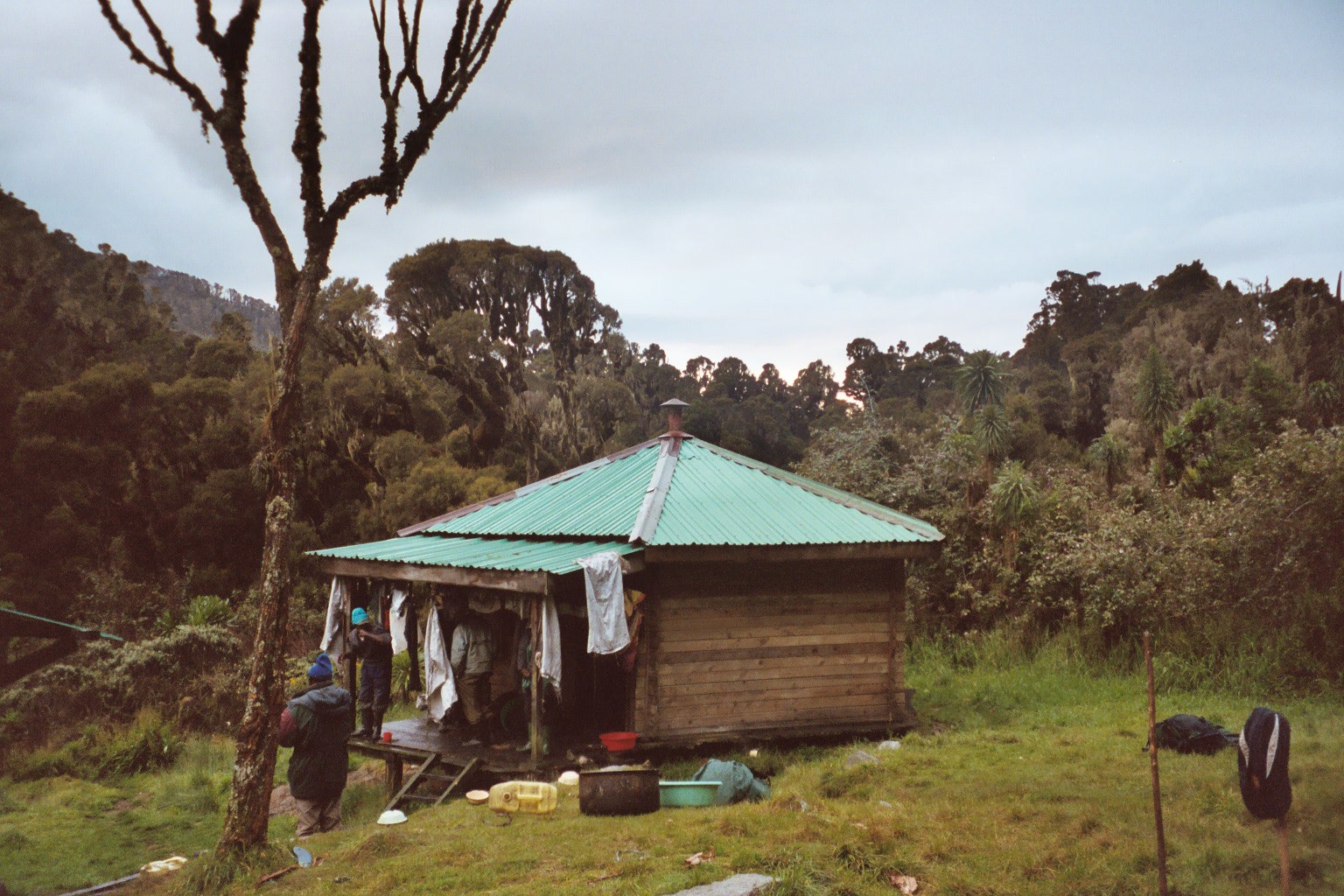
First-time trekkers often underestimate the well-marked and well-maintained trail, and your guide consistently walks with the group. Porters, moving faster with their loads along shortcuts they know intimately, will typically overtake the trekking group and arrive at Nyabitaba well before you do. When you reach camp, your tent is pitched, your sleeping bag is laid out, and your cook is already preparing the first mountain meal. The efficiency of a well-organized Rwenzori expedition team at work is genuinely impressive.
For trekkers who have done thorough physical preparation, ideally following a structured program like our 16-week training plan for Rwenzori trekkers, the first day’s exertion will feel well within their capacity. For those who have done less preparation, it serves as a useful reality check. The mountain provides honest feedback.
Frequently Asked Questions: Nyakalengija and the Rwenzori Registration Process
What is Nyakalengija, and why do Rwenzori treks start there?
Nyakalengija is a community on the northern edge of Rwenzori Mountains National Park in Kasese District, western Uganda, situated approximately 1,646 meters above sea level. It serves as the primary entrance gate for the Central Circuit Trail, the most popular and historically established trekking route through the Rwenzori range. All Central Circuit expeditions, from the 7-day Margherita Peak summit trek to the 13-day six-peaks grand expedition, begin and end at Nyakalengija. It is where the Uganda Wildlife Authority park office is located, where trekkers register, where porter loads are weighed, and where the orientation briefing is conducted before all departures.
What documents do I need to bring to Nyakalengija for registration?
You need to bring your original passport, your travel insurance documentation (policy schedule and emergency contact number; a printed copy is strongly recommended alongside any digital version), and any medical forms provided by your trekking operator as part of pre-departure preparation. Your guide will present the pre-paid park fee documentation on behalf of the group. Keep all documents in a waterproof document sleeve inside your daypack accessible, not buried in your main porter load. The UWA registration desk records full passport details for every trekker in the official park entry register.
How long does the Nyakalengija registration process take?
The full process from arrival at the compound to stepping onto the trail typically takes between 60 and 120 minutes. The registration at the UWA office, signing of the medical declaration, crew introductions, equipment check, load weighing, and orientation briefing all take place during this window. The process moves faster when trekkers arrive with documents accessible and gear already organized. Arriving at Nyakalengija between 7:30 and 9:00 am is recommended to ensure trail departure by 10:00 am, which gives adequate daylight for the first stage to Nyabitaba Hut.
Do park fees get paid at Nyakalengija or in advance?
In most cases when booking through a reputable Rwenzori trekking operator, park fees are included in your trek package price and pre-arranged with the Uganda Wildlife Authority before your arrival at the trailhead. Your guide carries the payment confirmation documentation and presents it at the UWA desk during registration. You do not need to handle any fee payment at the gate. In cases where fees are paid in person at the gate (for example, with last-minute itinerary changes), they can be settled in US dollars or Ugandan shillings. Always confirm with your operator in advance exactly what is included in your package price.
Why are porter loads weighed at the Nyakalengija trailhead?
Porter load weighing at Nyakalengija is a Uganda Wildlife Authority regulation designed to protect the physical welfare of mountain porters. UWA mandates a maximum load of 25 kilograms per porter, inclusive of their own personal gear. This limit reflects the demanding physical nature of porter work in the Rwenzori’s steep, muddy trails, river crossings, and multi-day sustained effort across the full altitude range of the mountain. A hanging scale is used at the trailhead to verify each load before departure. If a load exceeds the limit, equipment is redistributed or an additional porter is engaged. Experienced operators calculate porter numbers in advance to minimize adjustments at the gate.
What does the Rwenzori orientation briefing cover?
The pre-departure orientation briefing at Nyakalengija covers the daily schedule and camp-to-camp structure of the specific itinerary; Uganda Wildlife Authority park rules, including no open fires inside the park, no collection of plants or wildlife, and waste management requirements; altitude management and the symptoms of Acute Mountain Sickness that require immediate reporting to the guide; emergency communication procedures, including how the guide’s satellite phone functions and what mountain rescue protocols apply; water management on the trail; campsite behavior and hygiene; and the specific demands of the day’s first stage. The briefing is the appropriate moment to ask any outstanding questions about the expedition.
What time does the Rwenzori trek actually start in Nyakalengija?
Trekkers typically step onto the trail between 9:30 and 11:00 am depending on how efficiently the registration process runs. Aiming to arrive at Nyakalengija by 8:00 am and departing the compound by 10:00 am is the ideal schedule. This provides enough daylight for the first day’s ascent to Nyabitaba Hut, a four- to six-hour walk covering around 10 kilometers and 1,000 meters of elevation gain before the afternoon rain and clouds that arrive reliably on most Rwenzori days. Departures after 11:00 am are possible, but they compress your hiking window and increase the likelihood of arriving at camp in deteriorating weather.
Is there anything to buy or arrange at the Nyakalengija trailhead?
Yes, there are informal vendors near the trailhead gate selling cold drinks, snacks, and some basic supplies. This is a wonderful opportunity to buy a final cold drink before the trail, pick up any last-minute snack items, or supplement your water supply. Payment is in Ugandan shillings; have small-denomination notes accessible, as vendors may not have change for large bills. There are also basic toilet facilities at the compound: use them before departure, as mountain toilet arrangements on the Rwenzori trails are more rustic. Beyond these informal vendors, there is no shop, cafe, or equipment rental facility at Nyakalengija.
What happens if I feel unwell on the morning of my Rwenzori trek departure?
If you develop symptoms of illness, fever, severe gastrointestinal distress, respiratory infection, or any acute condition on your departure morning, communicate the situation immediately and honestly to your guide at Nyakalengija. Your guide has both the professional responsibility and the authority to assess whether it is safe to proceed, to delay departure for one day to allow recovery, or to restructure the itinerary. Attempting to conceal illness at the trailhead is counterproductive and potentially dangerous; ascending to altitude with an acute illness significantly increases the risk of complications. A one-day delay in Kasese for recovery is always the safer and ultimately smarter choice.
Ready to Walk Through That Gate? Start Planning Your Rwenzori Expedition Today.
The Nyakalengija trailhead is the beginning of one of the most extraordinary mountain journeys available anywhere on Earth. The registration process, the forms, the briefings, the introductions, and the weighing of loads are the practical choreography that sends you safely and confidently into a UNESCO World Heritage wilderness that has humbled and astonished adventurers for generations. When you arrive at that compound knowing what to expect, everything runs smoothly. The morning’s nervous energy converts cleanly into forward momentum. And then you are on the trail, and the Rwenzori begins.
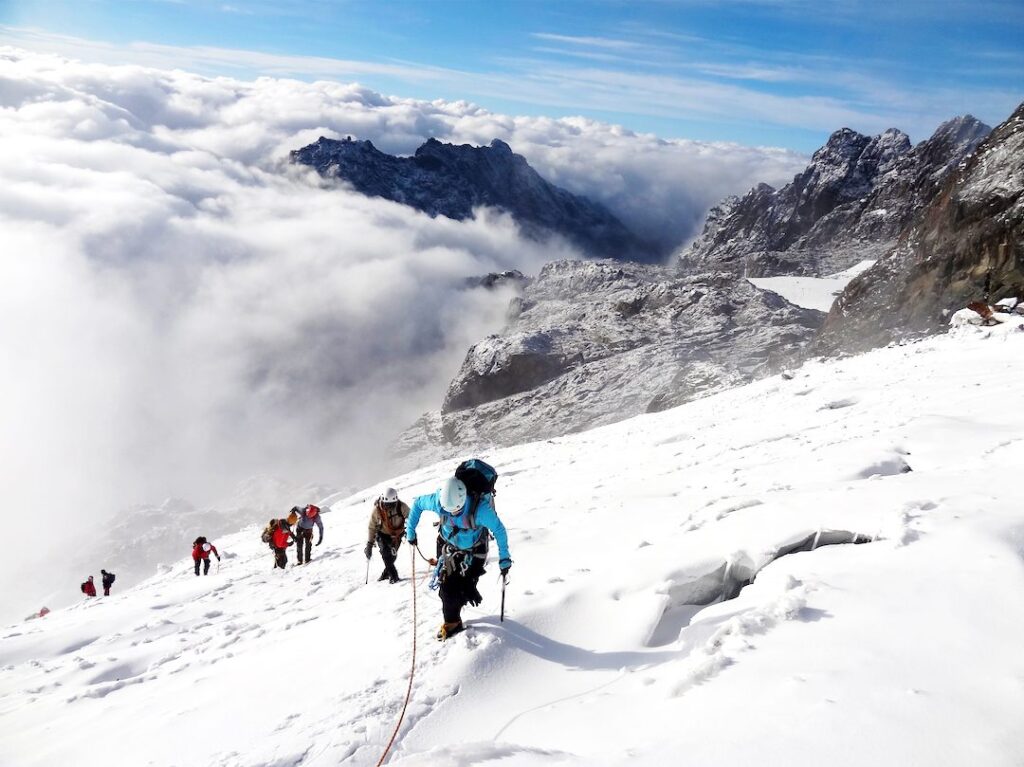
Whether you are considering the classic 7-day Central Circuit summit trek, the demanding 13-day six-peaks expedition, or a shorter introductory experience like the 3-day Mahoma Loop hike or a 2-day Lake Mahoma forest walk, the team at Rwenzori Trekking Safaris is ready to walk you through every dimension of the planning process, from choosing the right itinerary for your fitness and ambitions to understanding the registration process to arriving at the trailhead fully prepared on day one. We brief every client comprehensively before departure, ensure all documentation is handled, and handle every administrative step of the Nyakalengija registration on your behalf so that your full attention on departure morning can be on the mountain ahead.
Explore our complete range of Rwenzori trekking routes and itineraries, read answers to common preparation questions in our Rwenzori FAQ section, or orb to start the conversation about your Rwenzori adventure. The Mountains of the Moon are waiting. Let us help you begin.