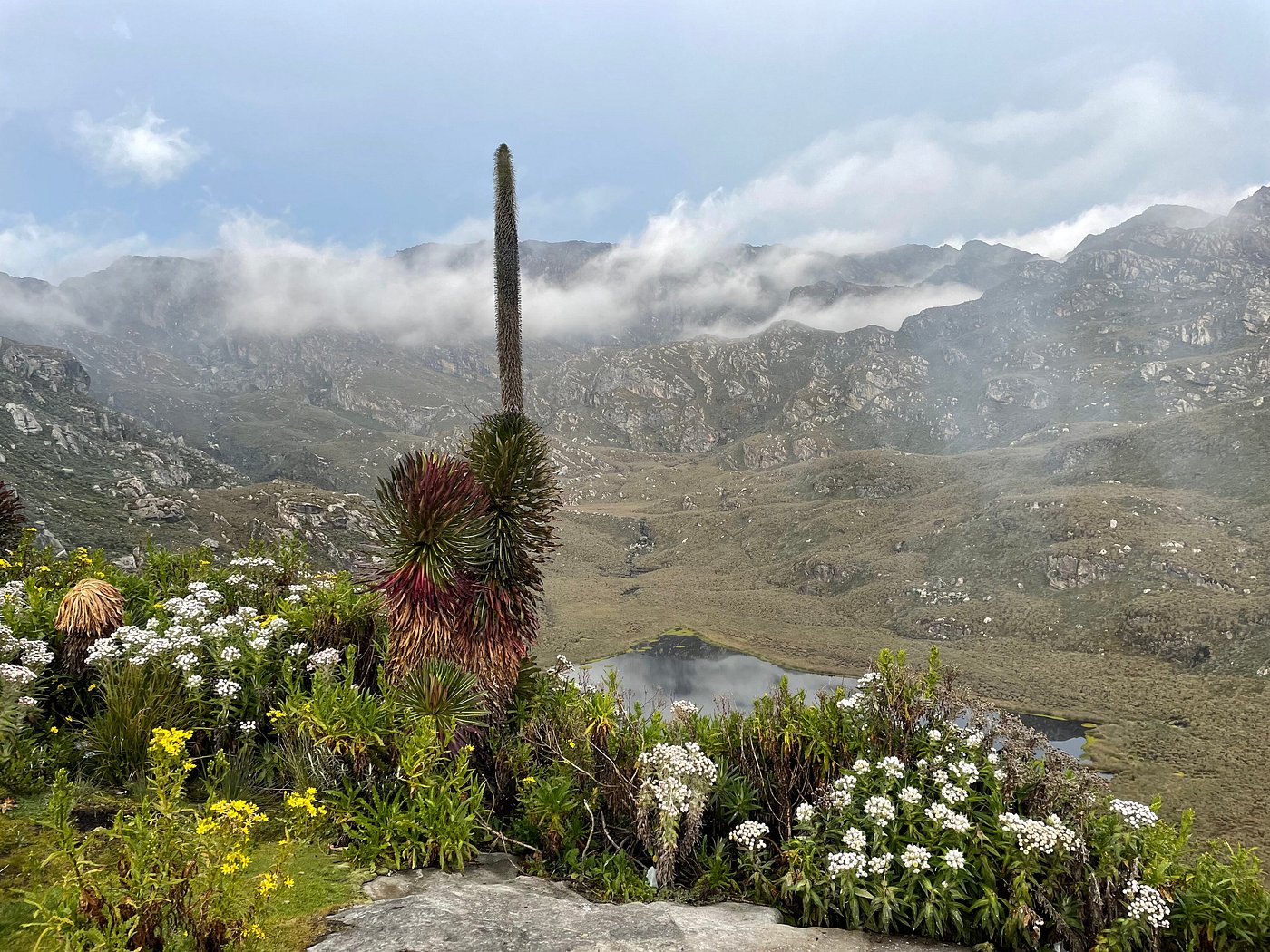
Full planning guide for U.S. trekkers: Rwenzori flights, Uganda visa, real costs in USD & current travel advisory. Plan your trek today.
An expert, ground-level planning guide for U.S. trekkers taking on the Mountains of the Moon — flights, visa, cost, health requirements, and exactly how to sequence a trip from an American departure city to the summit ridge of Margherita Peak.
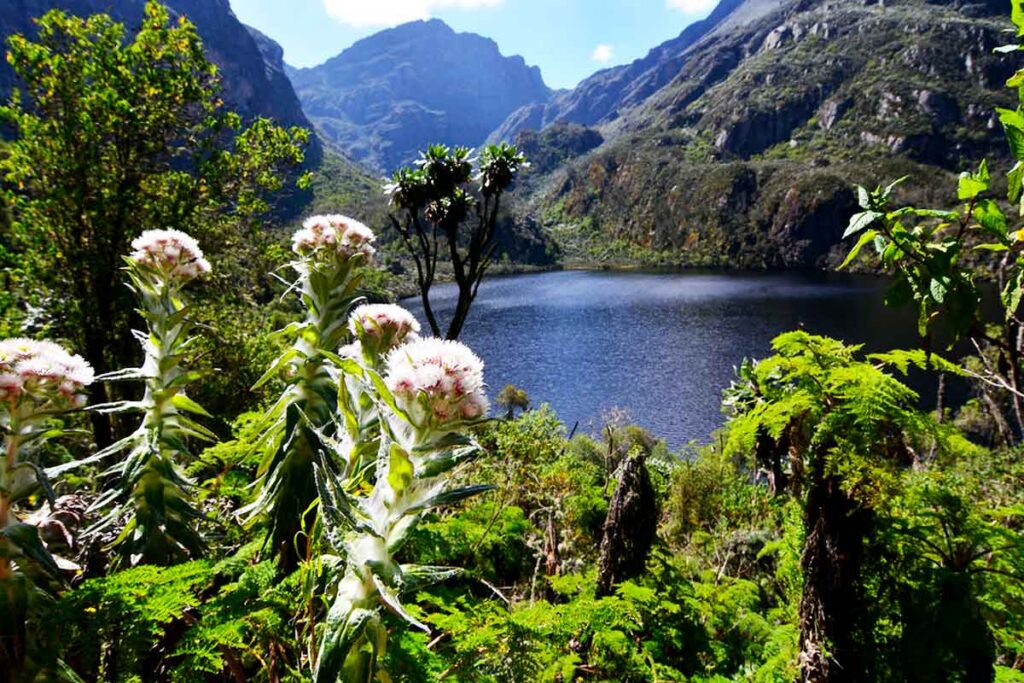
After years of guiding on this range, I can usually spot the American trekker’s question before it is finished. It tends to start with some version of “I’ve done Kilimanjaro” or “I’ve read about Rwenzori online and it looks incredible, but I can’t find anyone who actually explains how to get there from the U.S.” That gap in information is real, and it is largely why this guide exists. Getting to the Rwenzori from anywhere in America is a longer undertaking than getting to Kilimanjaro or the more heavily marketed East African circuit, and it deserves a planning resource that treats American travelers as the serious, detail-oriented adventurers most of them are, rather than folding a few U.S.-specific notes into a generic international guide.
This article walks through the entire journey in the order you will actually experience it: flights from the U.S. to Entebbe, the Uganda e-Visa process for American passport holders, the current health and entry situation you need to know about before you book anything, the full cost of the trip in U.S. dollars, and how to sequence the whole trip so that jet lag, altitude, and logistics do not collide on the mountain.
A Current, Important Notice Before You Plan Further
| Please read this section before making any bookings. As of early August 2026, the U.S. Department of State’s Travel Advisory for Uganda stands at Level 4 — Do Not Travel, issued in response to an outbreak of Bundibugyo virus disease (a species of Ebola) in the Democratic Republic of Congo and Uganda, which the World Health Organization declared a Public Health Emergency of International Concern on May 17, 2026. Alongside the advisory, U.S. federal health authorities issued an order restricting inbound travel to the United States for people who have recently been in Uganda, the DRC, or South Sudan, a measure that was still in force as of this writing.
We are including this here in full rather than glossing over it, because an honest operator tells you the whole picture, not just the parts that make for an easy sale. This is a fast-moving public health situation, and advisories of this kind are reviewed and adjusted regularly as outbreak response progresses; Uganda’s government has been widely credited by U.S. and international health officials for its swift containment response. Before booking flights or paying any trek deposit, check the current advisory directly at travel.state.gov’s Uganda page and the CDC’s Uganda travel health notice, both of which are updated as conditions change. In the meantime, this guide is written so that you can do every piece of research and planning, routes, visa steps, gear, cost, itinerary structure, right now, and simply hold your final flight booking until the advisory lifts. Our team monitors this situation closely and is glad to talk through realistic timing for your specific trip; get in touch and we will give you an honest, current read on the situation rather than a sales pitch. |
Why the Rwenzori Deserves an American Trekker’s Attention
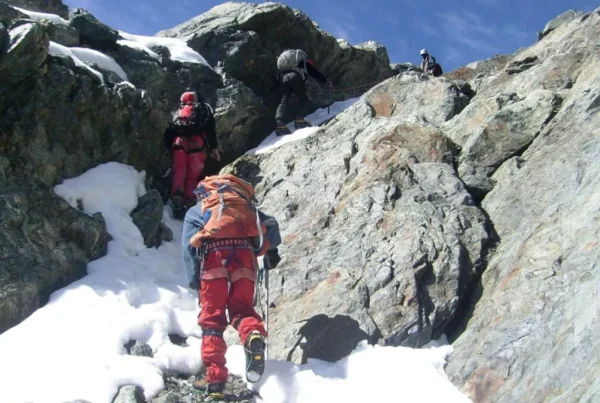
Kilimanjaro draws roughly 50,000 summit attempts a year; fewer than 1,000 trekkers annually attempt the Rwenzori, and the difference in experience is not subtle. This is a genuine mountaineering objective, not a long walk-up: reaching Margherita Peak (5,109m), the true summit of Mount Stanley and Africa’s third-highest point, requires crossing an actual equatorial glacier with rope, crampons, and an ice axe, a technical demand that Kilimanjaro simply does not present.
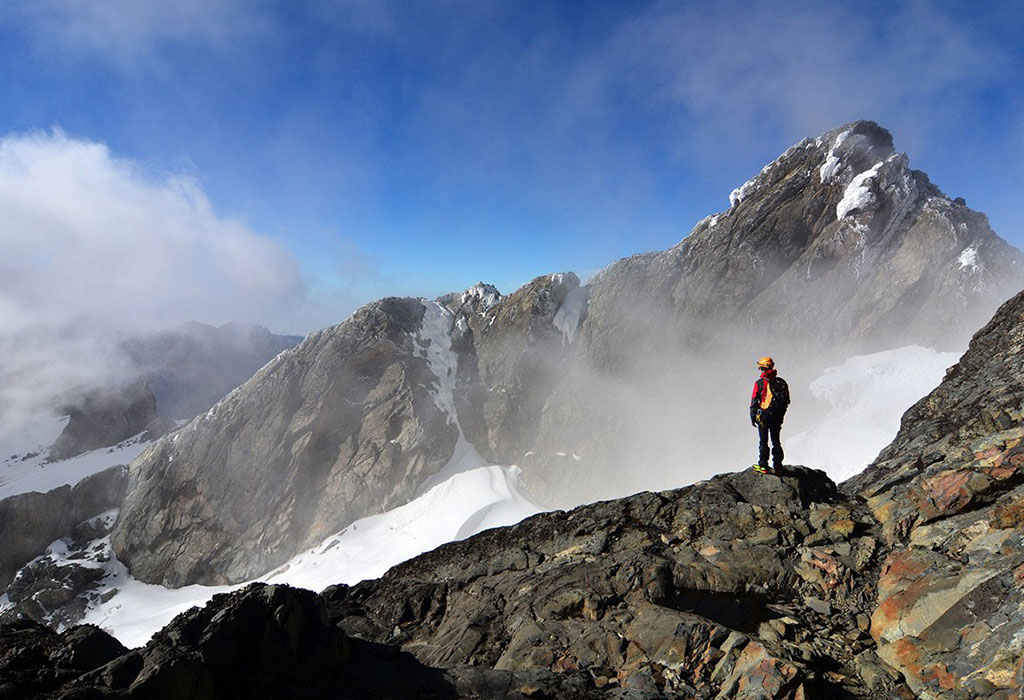
Our complete mountaineering guide to the Rwenzori Mountains is the place to start if you have not yet settled on a route, and if you are weighing this trip directly against a Kilimanjaro attempt, our guide on whether the Rwenzori is harder than Kilimanjaro gives you the unvarnished comparison rather than the marketing version. For American trekkers with Cascade or Rocky Mountain experience, glacier travel and roped movement will feel familiar in a way Kilimanjaro’s non-technical trail never quite does.
Flights from the United States to the Rwenzori Mountains
There is no direct flight from anywhere in the U.S. to Uganda, and understanding that upfront saves a lot of frustration when you start pricing tickets. Every routing involves at least one international connection, and depending on your home airport, sometimes two. Treat the journey as three distinct legs: your U.S. departure city to a major connecting hub, that hub to Entebbe, and finally Entebbe to Kasese, the gateway town for the mountain itself.
Choosing your connection: Doha, Addis Ababa, Amsterdam, or Nairobi
Washington Dulles (IAD) is, in practice, the strongest U.S. gateway for this trip. Ethiopian Airlines operates the largest weekly schedule from Dulles through its Addis Ababa hub, and Qatar Airways, Turkish Airlines, and Emirates all run competitive one-stop connections from the same airport through Doha, Istanbul, and Dubai respectively. From New York, Kenya Airways, Qatar Airways, Turkish Airlines, and a KLM/Delta codeshare through Amsterdam all reach Entebbe with a single connection. Trekkers departing from Chicago, Atlanta, Houston, or the West Coast will generally route through one of these same hub cities, simply with an added domestic leg beforehand, so building your itinerary around Dulles or JFK as your international departure point, even if that means a short domestic flight first, is usually the more efficient and often cheaper approach than searching for connections out of a smaller home airport directly.
On price, realistic round-trip economy fares run from around $850 out of Washington on Ethiopian Airlines’ better fare windows, up to $1,000–$1,300 out of New York on Qatar Airways or Turkish Airlines, with premium options on Emirates or a KLM/Delta combination running higher still for better layover cities and seat comfort. Total travel time from the East Coast typically lands between eighteen and twenty-two hours including the connection, so treat departure day as a write-off and do not schedule anything for the day you land in Entebbe. Booking eight to twelve weeks ahead of your trek dates, and avoiding the December and July–August peak windows, generally secures noticeably better fares.
Nairobi and Kigali as strategic connection points
If you are considering pairing the Rwenzori with mountain gorilla trekking, a Nairobi connection on Kenya Airways or a Kigali connection on RwandAir is worth specifically evaluating, since both allow you to build a stopover into the same ticket at minimal extra cost. Our guide to combining a Rwenzori trek with gorilla trekking explains how the logistics of a dual-destination trip fit together, and the broader Uganda safaris overview lays out how a Rwenzori summit attempt can anchor a wider East African itinerary if you are already committing the flight time and budget to reach this part of the world.
The second flight: Entebbe to Kasese
Once you land at Entebbe, you are still roughly 400 kilometers from the mountain. AeroLink runs a scheduled domestic flight to Kasese Airport, taking about an hour, though it operates only once or twice daily and needs booking well ahead rather than assumed as a walk-up option. The alternative is a five- to seven-hour overland transfer through Fort Portal, genuinely scenic but a long haul directly after a transatlantic flight. Our detailed guide to getting to the Rwenzori Mountains and our complete guide to Rwenzori Mountains National Park both cover this leg in full, including how each option connects to the Nyakalengija and Kilembe trailheads. Because nearly every U.S.-origin flight lands at Entebbe in the evening, plan on an overnight in the Entebbe or Kampala area before attempting this second leg; combining a redeye landing with a same-day onward flight or long drive is the single most common scheduling mistake American trekkers make on this trip.
The Uganda Visa for U.S. Passport Holders
A U.S. passport does not grant visa-free entry to Uganda. Since Uganda discontinued visa-on-arrival for nearly all nationalities, applying online in advance through the official government portal is the only route in, and it needs to be done properly, not left until the week of departure.
Single-entry tourist e-Visa versus the East Africa Tourist Visa
Most American trekkers doing a Uganda-only Rwenzori expedition should apply for the single-entry tourist e-Visa, currently priced at USD 50 and valid for stays of up to 90 days. If your trip also crosses into Kenya or Rwanda, perhaps as part of a broader safari, the East Africa Tourist Visa, at USD 100, covers all three countries for 90 days on one application, though it cannot be extended and requires an actual crossing into a second bloc country to justify the cost. Since both fees are quoted and paid in U.S. dollars, American trekkers do not need to think about currency conversion here the way European trekkers do, one small convenience in an otherwise involved process.
Applying online: what the process actually involves
Applications are submitted through the official Uganda e-Visa portal at visas.immigration.go.ug; this is the only legitimate channel, and third-party sites charging a premium to file the same form are worth avoiding entirely. You will need a scanned passport bio-data page, a recent passport-style photograph, your trek itinerary or a letter from your operator, proof of your Kasese accommodation, and a valid yellow fever vaccination certificate, which is checked both during the application and again on arrival at Entebbe. Processing typically runs two to five business days, but we recommend American trekkers apply at least two to three weeks before departure to leave room for any follow-up document requests. Our dedicated Uganda visa guide for Rwenzori trekkers walks through every field of the application form and is worth keeping open alongside the portal when you sit down to apply.
Yellow fever, malaria, and what your doctor visit should cover
Uganda requires proof of yellow fever vaccination for every traveler aged one year and older, and the certificate is not considered valid until ten days after the shot, so schedule this at least three weeks before departure, not the week before. The CDC additionally recommends malaria prophylaxis for travel anywhere in Uganda, including Kasese and the lower trekking zones, given chloroquine-resistant P. falciparum malaria across the country; atovaquone-proguanil, doxycycline, and mefloquine are the medications most commonly prescribed for this route. Schedule a visit with a travel medicine clinic or your primary care physician six to eight weeks before your trip, both for the yellow fever timing and to review current CDC guidance, which is worth checking directly at the CDC’s Uganda travel health page given how actively it is being updated at the moment.
What a Rwenzori Trek from the U.S. Actually Costs
This is the section most American trekkers land on this page looking for, and I want to give real figures broken out by category rather than a single vague number, because the total cost of a Rwenzori expedition from the U.S. is built from several distinct pieces that operators rarely add up honestly in one place.
The trek package itself
For a standard seven- to eight-day guided expedition to Margherita Peak, budget USD 1,800–2,500 per person, depending on route, group size, and season. This figure typically covers your professional lead guide, a certified Bakonzo porter team, all Uganda Wildlife Authority park fees, mountain hut accommodation for the trek’s duration, three meals a day on the mountain, and the technical equipment required for the glacier sections: rope, crampons, and ice axes. Our full cost-to-climb breakdown and companion piece on what climbing the Rwenzori actually costs itemize every component, and our booking guide spells out precisely what is and is not included in a standard package, which is worth reading closely before comparing quotes across operators. If budget is a real constraint, our honest guide to reducing Rwenzori trekking costs explains where legitimate savings exist and where cutting corners, particularly on guide certification or safety equipment, is a false economy.
What is never included, and what Americans routinely underbudget
International flights, the Uganda visa fee, personal travel insurance, and pre- and post-trek hotel accommodation in Kasese sit outside every trek package price, regardless of operator, and together these four items typically add $1,000 or more to the headline trek cost. Travel insurance deserves particular attention: standard U.S. travel insurance, including credit-card-issued coverage many American travelers already assume they have, almost always excludes high-altitude trekking above roughly 4,000 meters and helicopter evacuation, both realistic possibilities on a mountain where the standard itinerary crosses 5,000 meters on a glacier. Our Rwenzori travel insurance guide explains exactly what cover to look for and which policy features are non-negotiable; this is not optional reading, since we will not begin a trek with a client who cannot demonstrate valid cover to the required altitude.
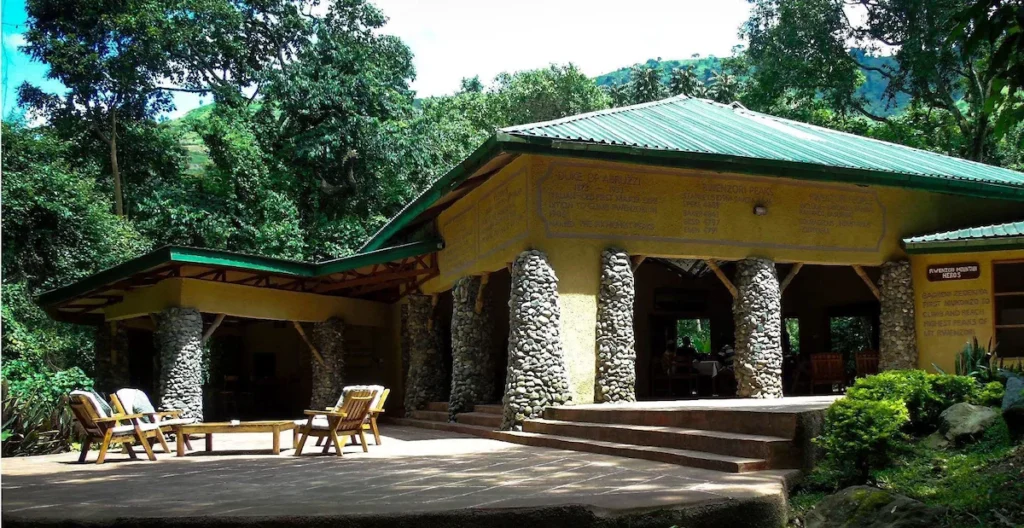
Kasese accommodation for the nights either side of your trek runs from roughly USD 20–40 a night for a comfortable guesthouse up to USD 100 or more for a mid-range hotel, and needs budgeting for two nights minimum: one to recover from the flights before the trek begins, and one to rest before the journey home. Our guide to accommodation before and after the Rwenzori trek and the broader lodging guide to accommodation inside and outside the Rwenzori map every option by price point, and we can handle this booking directly as part of your package. Our Kasese travel guide for trekkers covers everything else about the gateway town, from logistics to the last reliable WiFi before the mountain.
Gear rental and tipping
If you already own solid four-season backpacking kit, likely if you have done Rainier, Denali’s lower routes, or serious Rockies winter trips, your additional gear spend can be minimal. If not, our guide on whether you need to bring your own climbing gear explains what we provide as standard versus what you should own personally, and our gear rental service covers proper rubber trekking boots, gaiters, and cold-weather sleeping bags, useful for anyone who would rather not fly a full expedition kit across the Atlantic. Tipping is customary and genuinely expected on the Rwenzori; budget USD 20 per trekker per day as a planning rule, and our complete guide to tipping Rwenzori porters and guides breaks this down by crew role and trek length.
Sample all-in budget for a U.S. trekker
Pulling every category together, here is a realistic all-in picture for a solo American trekker on a standard seven-day Margherita Peak expedition, across three comfort levels. Treat this as a planning baseline; your actual number depends on route, group size, season, and how far your home airport sits from a major international gateway.
| Cost category | Lean / value trekker | Mid-range comfort | Premium / bucket-list |
| Round-trip flight, US–Entebbe | $850–$980 (DC/Atlanta hubs) | $1,000–$1,150 (NY/Chicago) | $1,250–$1,500 (business-friendly routing) |
| Uganda e-Visa | $50 (single-entry) | $50 (single-entry) | $100 (East Africa Tourist Visa) |
| Trek package (7–8 days, Margherita summit) | $1,800–$2,000 | $2,000–$2,300 | $2,400–$2,900 (private group, extra guide) |
| Domestic flight Entebbe–Kasese (return) | $150–$190 (or overland ~$15) | $150–$190 | $150–$190 (both legs, priority booking) |
| Kasese pre/post-trek accommodation (2 nights) | $40–$60 | $80–$150 | $200–$400 (boutique eco-lodge) |
| Travel insurance (high-altitude, evacuation) | $75–$110 | $110–$160 | $160–$220 (annual multi-trip, higher limits) |
| Gear rental (boots, gaiters, poles, sleeping bag) | $50–$90 | $25–$50 (own kit, top up) | $0 (full personal kit) |
| Guide & porter tips | $130–$180 (7 days @ $20) | $180–$220 | $220–$280 |
| Approximate all-in total | $3,100–$3,600 | $3,600–$4,300 | $4,400–$5,600+ |
Even at the premium end of this range, a Rwenzori expedition from the U.S. typically compares favorably with an equivalent Kilimanjaro summit trip, which through a comparable-quality operator runs USD 2,500–4,000 or more for the trek portion alone before flights, driven by Tanzania’s steep park fees and its intensely competitive guide market.
Building a U.S.-to-Summit Itinerary That Actually Works
With flights, visa, and cost mapped out, the last piece is sequencing the trip so nothing collides. A realistic skeleton for a first-time American trekker looks like this: depart a U.S. gateway city in the evening, connect through Addis Ababa, Doha, or Amsterdam, and land at Entebbe the following evening local time; spend a full day recovering in Entebbe or Kampala; fly or drive to Kasese the next day and use that evening to confirm gear with your guide and settle in; begin the trek the following morning. Mirror the structure on the way out: build in a rest night in Kasese immediately after the trek before the return journey to Entebbe, since attempting an international flight home the same day you finish a multi-day summit push is both unwise and genuinely unpleasant given the jet lag and physical depletion involved.
Route choice shapes how many total days you need to budget for this trip. The Central Circuit Trail and the Kilembe Trail both ultimately connect to the glacier approach on Margherita Peak, the summit that draws most American trekkers to this range, but they differ meaningfully in scenery, camp facilities, and pacing. If you would rather sample the range on a shorter timeline, our five-day Mount Speke trek delivers a genuine Rwenzori summit without the full multi-peak commitment.

Since American trekkers are often working around limited PTO, timing the U.S. departure against Uganda’s seasons matters too; our month-by-month Rwenzori trekking guide sets out exactly what conditions and summit access look like across the year, so you can align your available leave with the best realistic weather window.
Common Mistakes American Trekkers Make When Planning This Trip
The most frequent error is underestimating total travel time and trying to compress the Entebbe arrival, the Kasese transfer, and the start of the trek into two days instead of three; build in the buffer nights described above. The second is booking the yellow fever vaccination too close to departure and running into its ten-day validity window unexpectedly. The third, and this one has real consequences, is assuming standard U.S. travel insurance or a credit card’s built-in travel coverage handles high-altitude trekking; it essentially never does, and inadequate insurance is the single most common reason a trekker’s paperwork gets flagged before we confirm their place on the mountain. And the fourth is pricing only the headline trek package while forgetting that flights, visa, insurance, Kasese nights, and tips typically add $1,000 or more on top of that number.
Frequently Asked Questions
Can Americans currently travel to Uganda to trek the Rwenzori Mountains?
As of early August 2026, the U.S. Department of State’s advisory for Uganda is at Level 4, Do Not Travel, due to an active Ebola (Bundibugyo virus disease) outbreak response, and there is a related U.S. entry restriction affecting travelers recently in Uganda. This is a fluid situation reviewed regularly; check travel.state.gov and the CDC’s Uganda page directly for the current status before booking flights, and treat this guide’s route, visa, and cost information as preparation you can complete now, ready for when conditions allow travel to resume.
Do U.S. citizens need a visa to trek the Rwenzori Mountains?
Yes. American passport holders must obtain a Uganda visa before travel, since visa-on-arrival is no longer available for almost all nationalities. Apply online through the official e-Visa portal for either the USD 50 single-entry tourist visa for a Uganda-only trip, or the USD 100 East Africa Tourist Visa if the trip also includes Kenya or Rwanda.
Is there a direct flight from the United States to Uganda?
No. There is currently no non-stop flight between any U.S. city and Entebbe. Every routing involves at least one connection, most commonly through Addis Ababa on Ethiopian Airlines, Doha on Qatar Airways, Istanbul on Turkish Airlines, or Amsterdam on KLM, with Washington Dulles and New York serving as the strongest U.S. departure points for these connections.
How much does a Rwenzori trek cost in total from the U.S., including flights?
For a standard seven-day Margherita Peak expedition, expect an all-in total of roughly $3,100–$3,600 for a lean but properly equipped trip, rising to $3,600–$5,600 or more depending on comfort level, flight routing, and accommodation choices. This covers flights, visa, the trek package itself, insurance, Kasese accommodation, gear, and guide and porter tips.
Will my U.S. travel insurance or credit card coverage protect me on a Rwenzori trek?
Almost certainly not without a specialist upgrade. Standard U.S. travel insurance and most credit-card travel benefits exclude high-altitude trekking above roughly 4,000 meters and helicopter evacuation, both realistic scenarios on a mountain where the standard route crosses 5,000 meters on a glacier. You need a policy that explicitly covers trekking to at least 5,200 meters, mountain rescue, and medical evacuation and repatriation; this is a mandatory requirement for joining one of our expeditions.
Do I need a yellow fever vaccine to enter Uganda from the U.S.?
Yes. Uganda requires all travelers aged one year and above to carry a valid yellow fever vaccination certificate, checked both during the e-Visa application and again on arrival at Entebbe. The certificate only becomes valid ten days after vaccination, so schedule the shot at a U.S. travel clinic at least two to three weeks before departure.
Is the Rwenzori a good alternative to Kilimanjaro for an experienced American hiker?
For hikers with genuine mountaineering or glacier experience, yes, arguably a better one. The Rwenzori’s standard summit route to Margherita Peak involves roped glacier travel, crampons, and technical scrambling that Kilimanjaro’s non-technical trail does not require, while drawing under a thousand trekkers a year compared with Kilimanjaro’s roughly fifty thousand annual summit attempts, and typically costing less overall for a comparable seven- to eight-day itinerary.
Ready to Start Planning Your Rwenzori Trek from the U.S.?
Every piece of this guide, flights, visa, health requirements, and real cost, is something our team walks American trekkers through every season, and the fastest way to turn this research into an actual itinerary is to talk it through directly with people who guide this mountain year-round. Tell us your target dates, your fitness and any glacier or mountaineering background, and whether Margherita Peak or a shorter summit fits your timeline, and we will build a realistic route, timeline, and cost estimate around your specific trip, including honest, current guidance on travel conditions. Get in touch with our team to start planning your Rwenzori expedition, so you are ready to move the moment conditions allow.