Step-by-step guide to Uganda Wildlife Authority permit and park entry booking for a Rwenzori trek, costs, timing, and how the process works.
Every week, I get a version of the same email from a trekker who has just spent an evening reading about gorilla permit quotas and Bwindi booking windows, and who arrives at our inbox convinced they need to fight for a Rwenzori permit the same way. I understand why. Uganda’s tourism reputation is built substantially on Bwindi, where permits genuinely do sell out months in advance and where booking the wrong way can end a trip before it starts. The Rwenzori works differently, and understanding that difference properly, not vaguely, but in exact procedural detail, is the single most useful thing I can give you before you commit to dates. This guide walks through precisely how Uganda Wildlife Authority permit and park entry booking actually works for a Rwenzori trek, step by step, from the moment you choose a route to the morning a ranger checks your paperwork at the trailhead.
What a Rwenzori “Permit” Actually Is
Why the Rwenzori Is Not Like Bwindi Gorilla Permits
The word “permit” does a lot of misleading work when trekkers first start researching Uganda. For gorilla trekking, a permit is a scarce, individually numbered document tied to one specific gorilla family on one specific date, sold in strictly limited daily quantities, the kind of system covered in detail on our 12-day Rwenzori and gorilla trekking combination page.
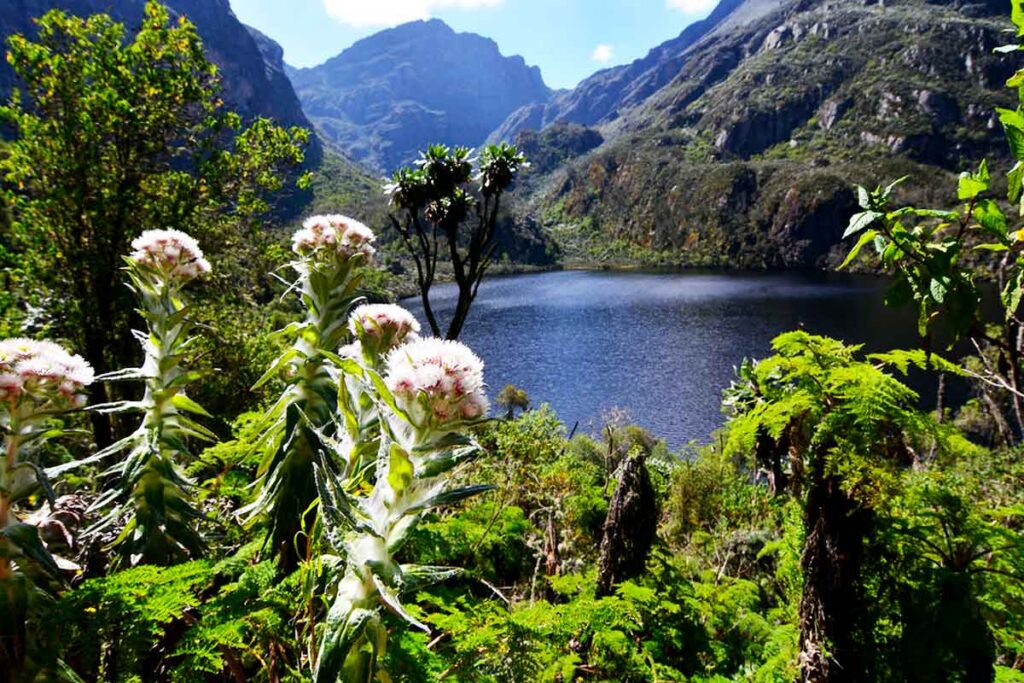
Rwenzori Mountains National Park does not operate on that model at all. There is no fixed daily quota of trekkers, no lottery, and no risk of discovering that “your” dates have already been claimed by someone else. What the Uganda Wildlife Authority actually administers here is a park entry and conservation fee system, charged per person per day for the duration you are inside the park, alongside a mandatory rescue fund levy. Fee schedules and park regulations are set by UWA directly, the government agency responsible for all ten of Uganda’s national parks, and our dedicated breakdown of Rwenzori park entrance fees and permits covers the current fee structure in full detail; this article focuses specifically on the booking process itself, the sequence of steps that gets you from a browser tab to a stamped park entry the morning you set off from Nyakalengija or Kilembe.
What UWA Fees Actually Cover
The daily park fee is not simply an entrance ticket. It funds ranger patrols, the maintenance of the hut network you will sleep in each night, whether that is the wooden UWA-managed structures on the Central Circuit or the well-equipped camps on the Kilembe Trail, and it contributes directly to the conservation programs that keep Rwenzori Mountains National Park functioning as one of the very few UNESCO World Heritage Sites carrying triple international designation. A portion of park revenue also flows back to the Bakonzo communities whose guides and porters, covered in our profile of the Bakonzo people and the mountain guiding tradition, have worked this range for generations. Understanding what the fee pays for matters because it explains why the process below cannot be shortcut: UWA is not simply selling access, it is coordinating ranger staffing, hut capacity, and certified guide assignment for every single trekker who enters the park on a given day.
Step-by-Step: How the Booking Process Actually Works
Step One — Choose Your Route and Trek Length
Everything downstream of this decision depends on it, because UWA fees and hut allocations are calculated per day inside the park, and different routes carry genuinely different day counts. Whether you are weighing the Central Circuit Trail against the steeper, quieter Kilembe Trail, a decision our comparison of the difference between the Central Circuit and Kilembe routes walks through in detail, or deciding between a standard summit itinerary and a longer multi-peak expedition, this is the choice that determines exactly how many days of park fees and hut nights need to be booked on your behalf.
Step Two — Book Through a Licensed Tour Operator
This is the step that surprises trekkers coming from a Bwindi or Kilimanjaro mindset the most: UWA does not sell Rwenzori park entry directly to individual international trekkers walk-up style, and solo, unguided trekking inside the park is not permitted under any circumstances. Every trekker must be accompanied by a UWA-certified guide, which in practice means booking through a licensed operator who holds the standing relationship with UWA needed to register trekkers, secure hut space, and assign certified guides and porters. When you book a Rwenzori Mountains trek with us, this is precisely the function we perform: your dates, route, and group size are submitted to UWA on your behalf as part of the standard booking process outlined on our how to book a Rwenzori trek page, so you never need to interact with the UWA fee system directly.
Step Three — Provide Documentation and Confirm Trip Details
Once your route and dates are set, we collect passport details, arrival information, and any relevant medical or fitness disclosures needed for UWA registration and hut allocation. This is also the point to confirm your Uganda visa arrangements, covered in our Uganda visa process guide for Rwenzori trekkers, since your passport validity and entry status need to align with your trekking dates well before departure, and to review travel insurance requirements, addressed in our guide to whether you need travel insurance for the Rwenzori, since UWA and most operators require proof of coverage that includes emergency evacuation.
Step Four — Deposit Payment and Booking Confirmation
A deposit secures your specific dates and locks in hut space and guide assignment with UWA, who allocate a finite number of hut beds per night across both major routes. This is the functional equivalent, in procedural terms, of a permit being issued, once your deposit is processed and your dates confirmed, your place inside the park for those specific days is genuinely secured, even though no individually numbered document changes hands the way it does for gorilla trekking. The balance of your trek cost, which bundles the daily park fees, rescue levy, and hut charges together rather than billing them as separate line items, is typically due closer to your arrival date, and our cost guide to climbing the Rwenzori Mountains explains exactly what that bundled figure includes.
Step Five — UWA Registration and Guide Assignment
Behind the scenes, your confirmed booking is registered with UWA’s park office, and a certified guide and porter team, drawn from the Bakonzo communities based around Kasese and Kilembe, is formally assigned to your group. This registration is what generates the paperwork rangers check at the trailhead and at hut checkpoints along the route, and it is why arriving without a confirmed operator booking, hoping to arrange something informally at the park gate, simply does not work on this mountain the way it might elsewhere.
Step Six — Arrival in Kasese and Final Briefing
In the day or two before your trek begins, most trekkers base themselves in Kasese, and our Kasese travel guide for trekkers covers logistics for this stretch in detail. This is when your guide team confirms final route details, checks your gear against the kit list, and briefs you on the days ahead, whether your objective is a shorter non-technical route or a full expedition to Margherita Peak on Mount Stanley.
Step Seven — Ranger Check-In at the Trailhead
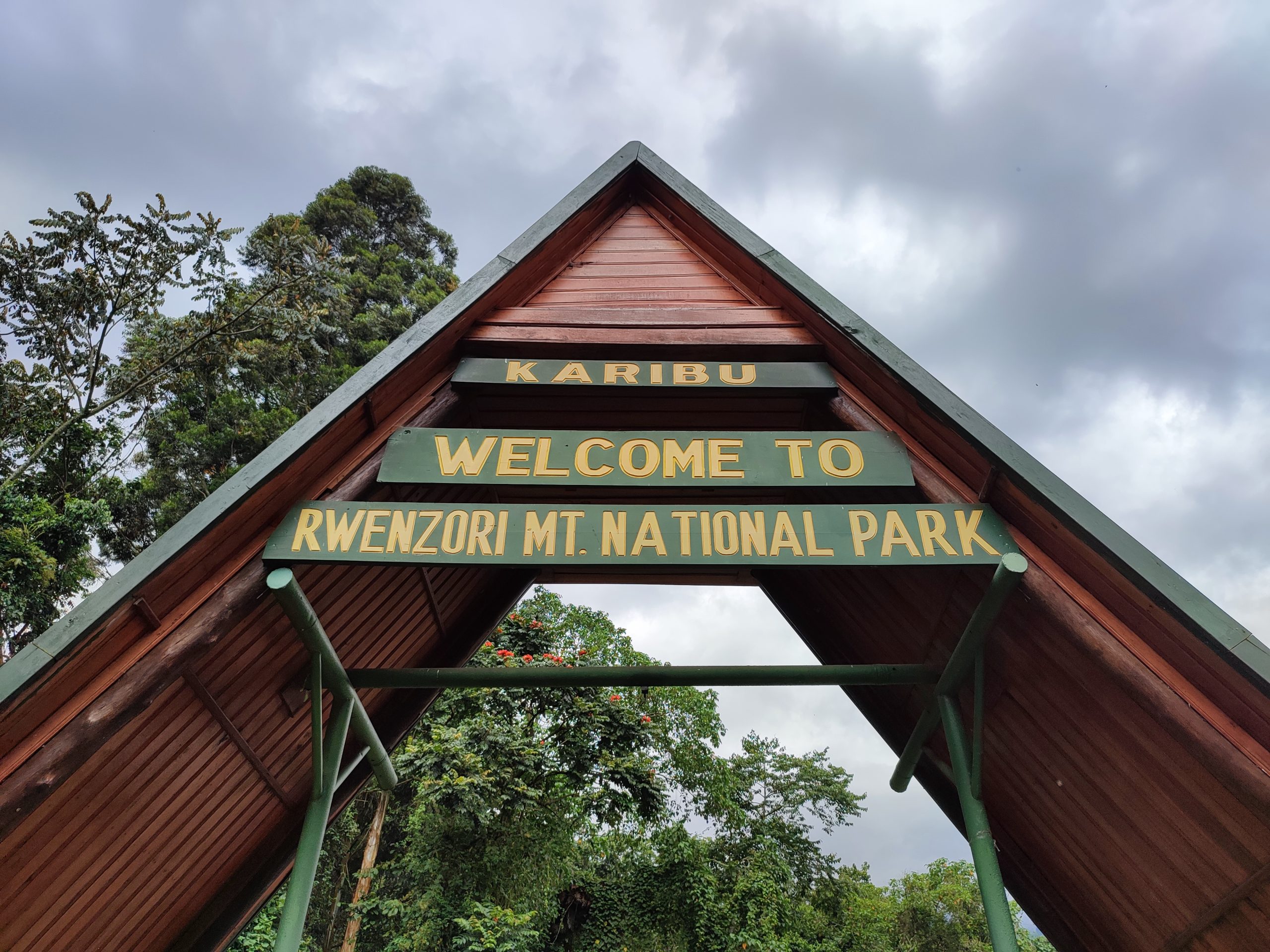
On the first morning of your trek, at either Nyakalengija for the Central Circuit or the Kilembe trailhead, your guide handles formal check-in with UWA rangers stationed at the gate. Names, passport details, and group composition are verified against the registration completed in Step Five, park fees are confirmed as settled, and your certified guide’s credentials are checked before your group is cleared to enter. From this point on, ranger checkpoints at several of the huts along your route, part of the same system that maintains records at camps like Nyabitaba, John Matte, and Bujuku on the Central Circuit, log your progress through the park as a normal part of UWA’s safety and monitoring protocol, the same protocol that underpins mountain rescue coordination if it is ever needed.
Timing: How Far Ahead You Actually Need to Book
Because there is no competitive quota system, Rwenzori bookings do not require the six-month lead times that gorilla permits often demand. That said, booking well ahead still matters for entirely practical reasons rather than permit scarcity: hut bed space on popular dates during the dry seasons, generally December through February and June through August, can genuinely fill up when multiple operators’ groups converge on the same nights, and securing your preferred guide team, particularly for a longer multi-peak expedition, benefits from lead time. For most standard itineraries to Margherita Peak, booking four to eight weeks ahead comfortably secures your dates; for peak-season travel or larger group bookings, two to three months ahead removes any risk of a hut-capacity conflict altogether.
Combining Rwenzori Trekking With Gorilla Permits
Many international trekkers combine a Rwenzori expedition with gorilla trekking in Bwindi Impenetrable Forest, and it is worth understanding clearly that these two bookings run on entirely different timelines within the same trip.

Gorilla permits genuinely are limited and should be secured three to six months in advance, while the Rwenzori portion of the same itinerary can be booked with far more flexibility around it. Our 12-day Rwenzori and gorilla trekking safari and broader guide to combining a Rwenzori trek with gorilla trekking both explain how we sequence these two very different booking processes into a single seamless itinerary, so the tighter gorilla permit deadline drives your overall planning timeline rather than the more flexible Rwenzori side.
Cross-Border Considerations for Congo-Side Peaks
Margherita Peak sits directly on the Uganda-DRC border, a geographic reality we cover in depth in our guide to the highest point in DR Congo, and trekkers occasionally ask whether a separate Congolese permit is needed. For every standard itinerary we run, including full summit attempts on Mount Stanley, the route stays entirely on the Ugandan side of the range and operates exclusively under UWA jurisdiction, so no additional cross-border permit or Congolese park fee applies. This is worth confirming with your operator regardless of who you book with, since the border runs directly along several summit ridgelines and route planning genuinely matters here.
Common Mistakes That Complicate Booking
The most common problem we see is not a booking failure but a timeline mismatch: trekkers who assume Rwenzori planning needs the same urgency as gorilla permits either rush a decision they didn’t need to rush, or, more often, the reverse, they treat Rwenzori booking as an afterthought that can wait until weeks before arrival and then find their preferred dates during a peak dry-season window already fully allocated at the huts. A second recurring issue is visa and insurance documentation arriving late in the process, which can delay UWA registration even after a deposit is paid; sorting these out during Step Three rather than the week before departure avoids this entirely. Finally, some trekkers attempt to arrange trekking informally through unlicensed local contacts to save money, only to discover at the park gate that no valid UWA registration exists for their group, since only bookings channeled through a properly licensed operator generate the paperwork rangers actually check.
Frequently Asked Questions
Do I need to book a Uganda Wildlife Authority permit myself before arriving for a Rwenzori trek?
No. Unlike gorilla trekking permits, which trekkers or their operators purchase as individually numbered documents well in advance, Rwenzori park entry is arranged by your licensed tour operator as part of the standard booking process. You provide your details and deposit, and your operator handles registration with UWA, guide assignment, and hut allocation on your behalf; you never need to interact with the UWA fee system directly.
How far in advance should I book a Rwenzori trek to secure my dates?
There is no competitive permit quota for the Rwenzori, so four to eight weeks ahead is generally sufficient for a standard itinerary. Booking two to three months ahead is worth doing for peak dry-season dates (December through February or June through August) or for larger groups, since hut bed space, not permit availability, is the practical constraint that can occasionally require adjusting your dates.
Can I trek the Rwenzori Mountains without a guide?
No. The Uganda Wildlife Authority requires every trekker inside Rwenzori Mountains National Park to be accompanied by a UWA-certified guide at all times, and solo or unguided trekking is not permitted under any circumstances. This requirement is enforced at the trailhead check-in and at ranger checkpoints along the route.
What is included in the Uganda Wildlife Authority fees for a Rwenzori trek?
UWA fees for a Rwenzori trek cover daily park entrance, a mandatory rescue fund levy that supports mountain rescue operations, and hut accommodation fees for the huts along your chosen route. These fees are calculated per person per day for the duration of your time inside the park and are bundled into your overall trek package price rather than charged separately.
Is Rwenzori permit booking as competitive as gorilla trekking permits in Bwindi?
No, and this is one of the most important distinctions for trip planning. Gorilla permits are strictly limited by the number of habituated gorilla families and genuinely sell out months ahead for popular travel windows, while Rwenzori park entry operates on a daily fee system with no comparable quota, meaning last-minute or moderately short-notice bookings are generally possible outside of peak-season hut capacity constraints.
Do I need a separate permit to summit Margherita Peak on the Uganda-DRC border?
No additional permit is required for standard Margherita Peak itineraries, since these routes remain entirely within Uganda and operate under Uganda Wildlife Authority jurisdiction. The border runs along parts of the Rwenzori’s summit ridgelines, so it is worth confirming route details with your operator, but no Congolese park fee or cross-border permit applies to a standard guided ascent from the Ugandan side.
Ready to Book Your Rwenzori Trek?
Booking a Rwenzori trek is genuinely simpler than most international trekkers expect once you understand that there is no permit lottery to navigate, only a straightforward registration process that your operator handles for you. If you are ready to lock in your dates, choose a route, or simply want honest answers about timing, fees, or how a Rwenzori trek fits alongside a gorilla trekking itinerary, get in touch with our team and we will walk you through every step above in the context of your specific travel plans. You can also browse our FAQ page for answers to other common planning questions before you reach out.