Plan a corporate team-building trek in the Rwenzori Mountains. Expert guide to routes, group pricing & logistics for company retreats. Get in touch.
An expert guide for HR leaders, executive teams, and adventure-minded companies on planning a genuine, high-impact team-building expedition in the Mountains of the Moon
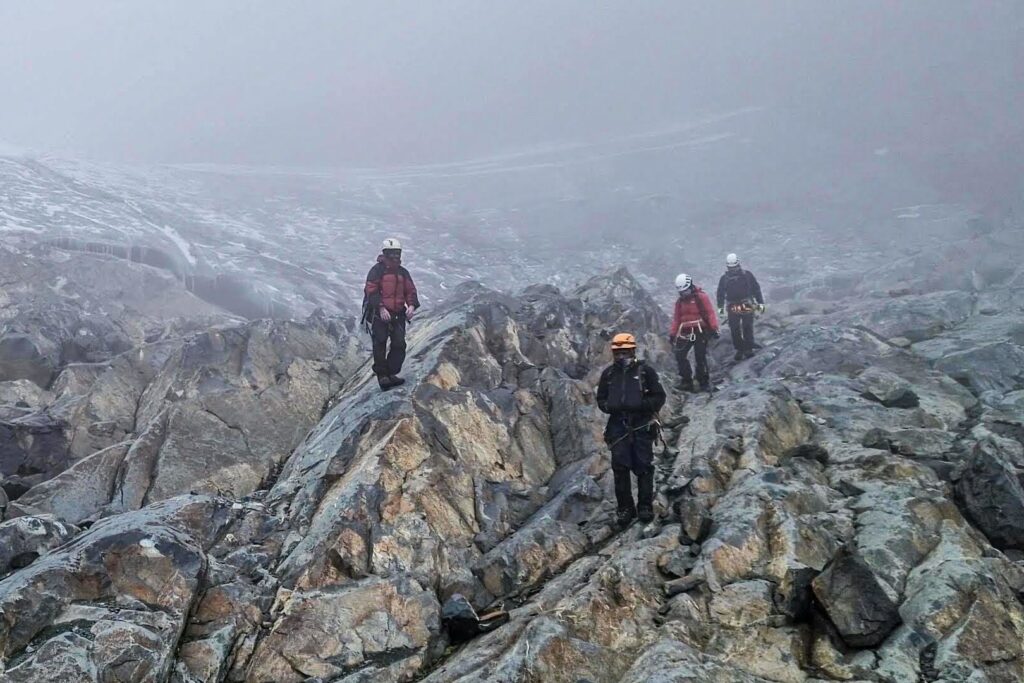
I have guided enough corporate groups up this mountain now to notice a very specific moment that happens on almost every one of them, usually somewhere around the second or third bog crossing in the Bigo region, when the most senior person in the group and the newest hire end up, without anyone planning it, physically hauling each other through the same patch of mud. Nobody assigned that. No facilitator scripted it into an icebreaker. It simply happens, because the mountain does not care about job titles, and that is precisely why the Rwenzori has quietly become one of the more effective corporate team-building environments available anywhere in Africa, and arguably a more honest one than the ropes course or the escape room ever was.
This guide is written for the HR director, the founder, or the team lead who is seriously weighing a Rwenzori expedition as a company retreat, incentive trip, or leadership development exercise, and wants a real answer on what it actually involves: which itinerary fits a working professional’s calendar, how group size and structure affect cost and logistics, what genuinely makes this different from conventional corporate team-building, and how to plan the whole thing properly from first inquiry to the closing evening at camp.
Why the Rwenzori Works as a Corporate Team-Building Destination
Most corporate team-building exercises are, if we are honest about it, simulated. A trust fall is staged adversity. A ropes course is calibrated risk with a safety harness doing most of the actual work. A mountain does not simulate anything. Our complete mountaineering guide to the Rwenzori Mountains covers the full picture of a UNESCO World Heritage Site that remains one of the least-visited serious trekking ranges on the continent, and that low-traffic exclusivity matters here in a specific way: a corporate group on this mountain is not sharing the trail with fifty other tour groups the way they would on Kilimanjaro. The difficulty is genuine, the terrain is genuinely demanding, and the shared discomfort, cold rain, steep bog crossings, thin air at altitude, produces the kind of unscripted mutual reliance that no facilitated exercise back at head office can replicate. Colleagues who have spent years exchanging emails end up learning things about each other’s resilience, humor under pressure, and willingness to help a struggling teammate that months of standard workplace interaction rarely reveal.
There is also a levelling effect worth naming directly, because it is one of the most consistently reported outcomes from the corporate groups we have guided. Seniority means very little at 3,800 metres in persistent rain. The team member who moves confidently over technical terrain is not necessarily the one with the most seniority in the org chart, and watching that hierarchy quietly reorganize itself around genuine competence and mutual support, rather than title, is exactly the kind of experience that changes how a team works together once they are back in the office.
Choosing the Right Itinerary for a Working Team
The single biggest planning constraint for a corporate group is rarely fitness; it is calendar availability. Very few companies can pull an entire team away from client work for two or three weeks, so matching the itinerary to a realistic time budget is the first serious planning decision, and it is worth getting an honest answer here before falling in love with an ambitious multi-peak itinerary that half the team cannot actually take the leave for.
Short formats for tight corporate calendars
For teams working within a long weekend or a single extended trip built around a Friday-to-Monday window, the 2-day hike to Lake Mahoma delivers a genuinely immersive shared mountain experience, forest trails, a volcanic crater lake at 2,988 metres, and real physical effort, without requiring a full week of annual leave from every participant. The 3-day Mahoma Loop and the 4-day Mutinda Lookout trek push slightly further, to around 4,000 metres on the Mutinda route, for teams that want a more substantial shared challenge while still fitting inside a standard long weekend plus a couple of extra days. These shorter formats also tend to work well as a lower-risk introduction for a company testing whether adventure-based team building suits their culture before committing to a bigger annual retreat.
The full leadership expedition: 7 to 8 days to Margherita Peak
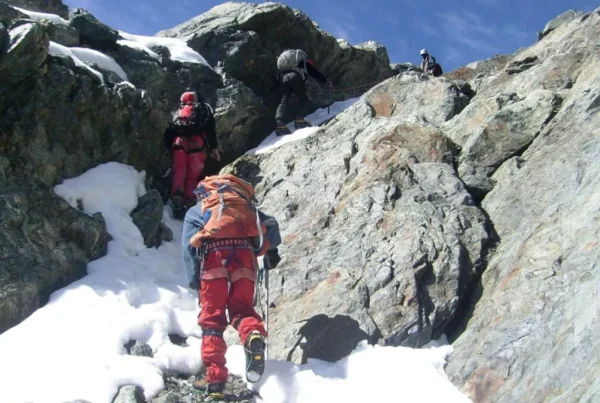
For flagship retreats, leadership offsites, or incentive trips designed as a genuine once-in-a-career reward, the 7-day Central Circuit Trail or the 8-day Kilembe Trail, both leading to a summit attempt on Margherita Peak, the true summit of Mount Stanley at 5,109 metres, represent the full expression of what this mountain can do for a team. Standing on Africa’s third-highest summit together, after a genuine glacier crossing, is not a corporate metaphor; it is an actual, shared, and considerable achievement, and teams who complete it together tend to reference it for years afterward as a genuine touchstone moment in the company’s culture. The Kilembe route’s extra acclimatization day is worth specifically considering for a mixed-fitness corporate group, since it reduces summit-night strain across the board rather than only for your least experienced trekkers.
Matching the itinerary to a genuinely mixed fitness team
Corporate groups almost never arrive with uniform fitness, and pretending otherwise is the most common planning mistake we see. Our complete difficulty guide to the Rwenzori Mountains and companion fitness guide are worth circulating to the whole team well before booking, since an honest self-assessment against real route benchmarks, rather than enthusiasm alone, is what actually determines whether a team-wide summit attempt makes sense or whether a shorter shared itinerary would serve the group better. For teams committing to a full Margherita Peak attempt, our 16-week training plan built specifically for Rwenzori demands works well distributed as a shared program in the run-up to the trip, and gives HR or the trip organizer something concrete to build pre-trek engagement around.
Group Size, Structure, and How Corporate Pricing Works
A corporate booking can run as a fully private expedition dedicated entirely to your team, or, for smaller companies, as a group departure alongside other trekkers, and the choice affects both cost and the shape of the experience. Our detailed comparison of group versus private Rwenzori treks explains the underlying economics in full: fixed costs, the lead guide, park permits, transport, and a portion of the porter team, get divided across everyone on the trek, so a larger private company group brings the per-person cost down meaningfully compared with a small private party, often by USD 200 to 400 per person once you reach a group of six or more, without any reduction in guiding quality or safety standards.
Because corporate group sizes and structures vary so widely, from a six-person leadership team to a forty-person company-wide retreat split across multiple guide teams, we handle corporate and large group pricing directly rather than through a fixed published rate; if you are planning a company trip, get in touch with the specific headcount and dates and we will build a proper custom quote around it. Our guide to how many porters a given group actually needs is useful background reading here too, since porter team size scales directly with group size and trek duration, and it is one of the larger cost variables in a bigger corporate booking. Our full booking guide covering exactly what’s included sets out the deposit structure and payment terms that apply to corporate bookings just as they do to individual ones.
What Actually Makes This Team-Building, Not Just a Company Hike
The difference between a team hike and genuine team building lies almost entirely in what the shared adversity produces, and the Rwenzori produces it reliably because the mountain, the guide team, and the porter crew are not props; they are the actual infrastructure keeping your team safe and moving. Our detailed look at a day in the life of a Rwenzori porter and our broader guide to the Rwenzori’s porters and guides are worth sharing with your team before departure, since understanding the skill, physical effort, and cultural depth of the Bakonzo crew supporting your expedition tends to deepen the whole group’s engagement with the trip, and the closing camp ceremony on the final night, where teams traditionally present a tip envelope to the lead guide accompanied by a song from the porter crew, is consistently cited by corporate clients as one of the most genuinely moving moments of the entire trip, corporate retreat or not.
There is also a legitimate corporate social responsibility angle worth building into a team retreat narrative: ten percent of our proceeds directly support local Bakonzo community programs, including schools and homes for orphaned children in the communities bordering the park. For companies that want their team-building spend to carry a genuine social impact story back to stakeholders, this is a real, verifiable component of the trip rather than an added marketing gesture.
Practical Planning for a Corporate Group
A handful of logistics require extra attention once you are planning for a team rather than a single trekker or a couple. Every participant needs individually valid travel insurance covering high-altitude trekking to at least 5,200 metres and medical evacuation; our travel insurance guide sets out exactly what to require from each team member before confirming the booking, and this is not a step HR should leave to individual employees to sort out informally. Equipping an entire team with technical gear can be a real cost and logistics burden if everyone is buying kit independently; our gear rental service is worth evaluating as a group solution for boots, gaiters, and cold-weather sleeping bags rather than asking every employee to source their own.
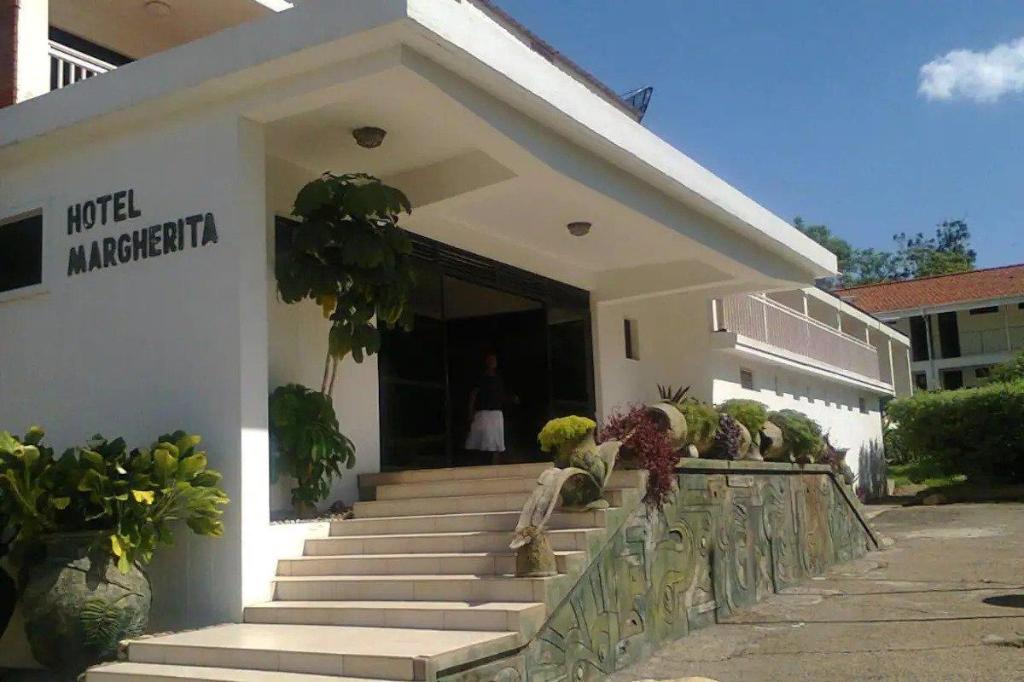
Accommodation in Kasese for the nights before and after the trek needs booking as a block for larger groups, and our guides to accommodation before and after the trek and accommodation inside and outside the Rwenzori map the options by comfort level and group size.
Timing a corporate trip around the mountain’s seasons matters as much as it does around your company calendar; our month-by-month Rwenzori trekking guide sets out exactly what conditions look like across the year, worth cross-referencing against your company’s own quieter operating months before locking in dates. Some companies extend a Rwenzori retreat into a fuller incentive trip by pairing the trek with gorilla trekking or a wildlife safari; our guide to combining a Rwenzori trek with gorilla trekking and our Uganda safaris overview both cover how to sequence a longer, multi-destination company trip so the physically demanding mountain days come first and a more relaxed safari serves as a genuine reward at the close of the program.
Sample Corporate Trek Formats
The table below gives HR leaders and trip organizers a quick reference point for matching a company’s available time and objectives to the right format. All figures are per-person guide prices; contact us directly for an exact corporate quote based on your specific headcount, dates, and route.
| Format | Duration | Best for | From (per person) |
| Executive Taster | 2 days (Lake Mahoma or Sine Camp) | Tight schedules, mixed fitness, first exposure to the mountain | $280 |
| Team Challenge | 3–4 days (Mahoma Loop or Mutinda Lookout) | A genuine shared physical challenge without a full week away | $645-$700 |
| Leadership Summit Expedition | 7–8 days (Central Circuit or Kilembe to Margherita Peak) | Senior leadership retreats, incentive trips, flagship team milestones | $1,400–$1,750 |
| Multi-Peak Corporate Expedition | 10–13 days (4-Peaks or 6-Peaks) | Extended incentive programs, outdoor-industry or high-performance teams | $2,000–$3,350 |
Frequently Asked Questions
Is the Rwenzori Mountains a good location for corporate team-building trips?
Yes. The Rwenzori’s genuine physical difficulty, uncrowded trails, and reliance on mutual support during bog crossings, steep sections, and altitude produce authentic team dynamics that staged team-building exercises rarely replicate. It works particularly well for leadership retreats, incentive trips, and teams seeking a shared, once-in-a-career achievement rather than a conventional office offsite.
How long does a corporate Rwenzori trek need to be?
It depends on your team’s calendar and objectives. A short, genuinely engaging shared challenge can be completed in two to four days on routes like the Lake Mahoma hike or the Mahoma Loop, while a full Margherita Peak summit expedition, the option most companies choose for a flagship leadership retreat, requires seven to eight days on the Central Circuit or Kilembe Trail.
How is pricing structured for corporate and large group bookings?
Per-person cost falls as group size increases, since fixed costs such as the lead guide, park permits, and transport are shared across the whole party; a group of six or more can see per-person savings of roughly USD 200 to 400 compared with a small private trek. Because corporate group sizes vary widely, pricing for company bookings is handled as a custom quote based on exact headcount, route, and dates rather than a fixed published rate.
Can a corporate group with mixed fitness levels trek together?
Yes, with the right route choice. Shorter, non-summit itineraries such as the Lake Mahoma hike or the Mutinda Lookout trek allow a mixed-fitness team to trek together comfortably, while a full Margherita Peak summit attempt requires an honest, team-wide fitness assessment beforehand, ideally supported by a structured training program in the months leading up to departure.
What is included in a corporate Rwenzori trek package?
A standard package includes professional guiding, a trained porter team, all park permits, mountain hut or camp accommodation, meals during the trek, and the technical equipment required for summit routes. Flights, visas, travel insurance, and pre- and post-trek accommodation in Kasese are arranged separately, and we can coordinate these directly for larger corporate groups on request.
Can a Rwenzori corporate retreat be combined with other activities in Uganda?
Yes. Many companies extend a Rwenzori team-building trek into a longer incentive program by adding gorilla trekking or a wildlife safari before or after the mountain portion of the trip, giving the team both a genuine physical achievement and a more relaxed, celebratory close to the program.
Ready to Plan Your Team’s Rwenzori Expedition?
A genuine shared challenge, in a landscape almost none of your team will have ever seen anything like, produces a kind of team culture that no conference room ever will. Get in touch with our team with your group size, available dates, and objectives for the trip, and we will build a custom itinerary, and a proper corporate quote, designed around what your team actually needs. Let’s start planning the expedition your team will still be talking about years from now.