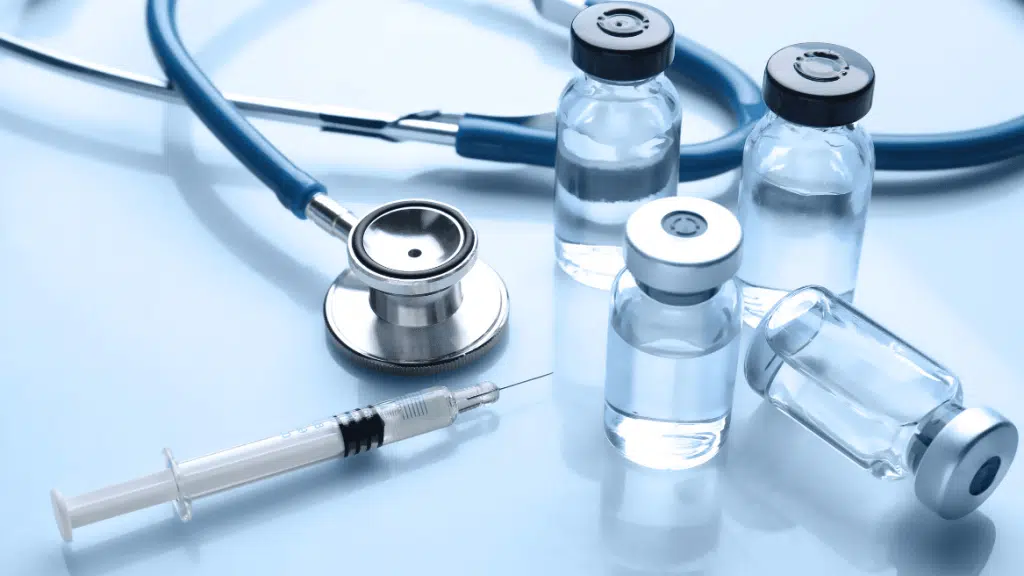
Vaccines & health precautions for the Rwenzori trek: yellow fever, typhoid, malaria pills, Diamox, & altitude guide. Pre-travel medical prep from expert guides.
The question of health preparation for a Rwenzori Mountains expedition carries a particular weight that it does not carry for many other adventure destinations. You are not traveling to a beach resort with a clinic two streets away. You are heading into the heart of a remote UNESCO World Heritage wilderness in equatorial Africa, ascending through five ecological zones to summits touching 5,109 metres above sea level. The mountain itself is glorious, challenging, and about as far from a hospital as you can be and still be on an organized trek. It demands that you arrive protected against the specific disease risks of the region, informed about the physiological challenges of altitude and cold, and confident in the medical preparation you have done before the trail begins.
What follows is the most comprehensive pre-travel health guide available for Rwenzori trekkers, covering mandatory vaccinations, strongly recommended immunizations, malaria prophylaxis, altitude sickness prevention, and the health screening steps that experienced mountain guides encourage every client to complete before they set foot on the Central Circuit Trail or the Kilembe Trail. I have guided expeditions ranging from short forest walks on the Mahoma Loop to full multi-peak traverses on the 13-day six-peaks expedition, and the trekkers who have completed their medical preparation properly are consistently the ones who finish the mountain in the best shape.
Medical disclaimer: This guide aims to inform and prepare trekkers for the medical landscape of the Rwenzori expedition. It does not replace the advice of a qualified physician or travel medicine specialist. A licensed medical professional should discuss all vaccination schedules, drug prescriptions, and personal health assessments. Consult a travel medicine clinic or your GP at least six to eight weeks before you plan to travel.
Why the Rwenzori Demands Specific Health Preparation
The Rwenzori Mountains present a layered health challenge that sets them apart from most other trekking destinations. The Rwenzori combines multiple risk environments in a single expedition, unlike Kilimanjaro, which is primarily approached as an altitude challenge, or jungle treks in Southeast Asia, where insect-transmitted diseases are the main concern. You pass through lowland Ugandan forests where mosquitoes carry malaria, through mid-altitude zones where water must be treated carefully, and into high-altitude terrain above 4,000 metres where the physiology of thin air and cold become the dominant considerations.
The mountain sits on the Uganda-DRC border in a region where tropical disease vectors are present at lower altitudes. The rich wildlife of the Rwenzori forest bats, rodents, primates, and the extraordinary range of species across the vegetation zones brings its own pathogen exposure considerations, including rabies. And the high-altitude environment above 4,000 meters introduces the risks of acute mountain sickness, high-altitude pulmonary edema, and high-altitude cerebral edema, all manageable with proper preparation and potentially serious when ignored.
The altitude profile of your chosen Rwenzori itinerary shapes which health considerations are most directly relevant. A trekker on the 3-day Mahoma Loop has entirely unique altitude exposure compared to someone attempting Margherita Peak at 5,109 m on the 7-day Central Circuit summit trek. That said, vaccination and malaria prophylaxis recommendations apply to essentially all Rwenzori trekkers regardless of route, because you pass through tropical Uganda to reach the mountain.
Vaccines and Health Precautions at a Glance
The table below summarizes the key vaccinations and health precautions for Rwenzori trekkers. The following sections provide detailed coverage of each vaccine and health precaution.
| Vaccine / Precaution | Required or Recommended | Timing Before Departure | Notes |
| Yellow Fever | REQUIRED for entry | At least 10 days | Lifelong immunity; yellow card must be carried as the original. |
| Typhoid | Strongly recommended | 2 weeks (injection) | Oral or injectable; valid for 3-7 years |
| Hepatitis A | Strongly recommended | 2-4 weeks | Single dose; booster at 6-12 months gives 20-year protection |
| Hepatitis B | Recommended | 6 months (3-dose series) | Often combined with Hep A as Twinrix |
| Tetanus/Diphtheria/Pertussis | Recommended | Any time (check booster date) | A booster is recommended every 10 years |
| Meningococcal (MenACWY) | Recommended | At least 2 weeks | Relevant for dormitory hut sleeping environment |
| Rabies (pre-exposure) | Consider for remote treks | 21 days (3-dose series) | Simplifies post-bite protocol; RIG often unavailable remotely |
| Malaria Prophylaxis | Strongly recommended | Start 1-7 days before (drug dependent). | Malarone, doxycycline, or mefloquine. Discuss with a physician. |
Yellow Fever Vaccination: The Only Mandatory Requirement for Uganda Entry
Let me be unambiguous about this matter: yellow fever vaccination is a legal entry requirement for Uganda. It is not a recommendation or suggestion. Every traveler arriving in Uganda must present a valid International Certificate of Vaccination or Prophylaxis, the yellow card or Carte Jaune, showing proof of yellow fever vaccination. Immigration officers at Entebbe International Airport check these certificates, and travelers who cannot produce a valid original document face quarantine, compulsory airport vaccination, or refusal of entry. As we cover in our complete Uganda visa guide for Rwenzori trekkers, this requirement is a non-negotiable entry condition. Document it carefully and carry the original physical certificate at all times during your journey.
Yellow fever is a viral hemorrhagic disease transmitted by Aedes mosquitoes, present across much of sub-Saharan Africa, including Uganda. The vaccine is highly effective; a single dose provides robust, lifelong immunity. Under the 2016 revision to WHO guidelines, a single yellow fever vaccination confers lifetime protection. If you were vaccinated more than ten years ago under the old time-limited ten-year certificate protocol, your immunity is almost certainly still valid, but your certificate may show an expired date, creating a documentation problem at immigration. Contact your GP or travel clinic to have it updated to reflect the current lifetime validity status.
The vaccine requires at least ten days to confer effective immunity after administration. You must therefore be vaccinated no later than ten days before departure, and since clinics operate appointment systems, the practical lead time is two to four weeks. Schedule it when you confirm your trek booking. Your booking confirmation from Rwenzori Trekking Safaris serves as the itinerary document most clinics require to issue the certificate.
At Entebbe Airport: Carry your original yellow fever certificate as a physical document. A photograph of the certificate on your phone screen is not accepted as a substitute. If your certificate shows a past expiry date under the old ten-year protocol, have it updated before travel.
The yellow fever vaccine is contraindicated for certain groups: immunocompromised individuals, pregnant women in most circumstances, infants under nine months, and those with severe egg allergies. If you fall into any of these categories, consult a travel medicine physician specifically about the yellow fever requirement and the process for obtaining a medical exemption certificate, which Ugandan immigration will accept in documented cases of genuine medical contraindication.
Typhoid Fever Vaccination: Strongly Recommended for All Rwenzori Trekkers
Typhoid fever is a bacterial infection caused by Salmonella typhi, transmitted through contaminated food and water. Uganda carries a measurable typhoid exposure risk, particularly in environments where food preparation hygiene varies. For Rwenzori trekkers, the relevant exposure window is primarily in Kasese and along the travel route through Uganda. Your expedition cook on the mountain maintains clean cooking standards, but restaurants and food stalls in Kasese and Kampala represent the more realistic exposure environment.
Two forms of typhoid vaccine are widely available. The injectable typhoid conjugate vaccine (TCV), the WHO-preferred option, provides approximately three years of protection as a single injection. An oral typhoid vaccine (four capsules taken on alternate days) is also effective, though it requires careful timing relative to some antimalarial drugs. The typhoid vaccine does not provide 100% protection, so safe food and water practices remain important throughout your Uganda journey. On the mountain, your guide team manages all food and water treatment. In Kasese and Kampala, standard travel hygiene applies: cooked food should be served hot, bottled or treated water should be used, and caution should be exercised with raw items. Our guide for vegetarian and vegan food on the Rwenzori also addresses general food standards on the trek.
Hepatitis A and B: Essential Protection for Any African Expedition
Hepatitis A
Hepatitis A is a viral liver infection transmitted through contaminated food and water, a significant travel health risk across Uganda, including in any environment where water sanitation is variable. The Hepatitis A vaccine is highly effective: a single dose provides one to two years of protection, and a booster at six to twelve months offers immunity lasting twenty or more years. For Rwenzori trekkers, Hepatitis A vaccination is strongly recommended regardless of prior vaccination history. Many adults received only a childhood single dose and may not have received the long-term booster. Verify your status before departure.
Hepatitis B
Hepatitis B is transmitted through blood and body fluids and is endemic in Uganda. While not a routine food and water risk like hepatitis A, it is relevant to anyone who may require medical treatment during their visit. Given that a Rwenzori expedition carries a non-zero risk of injury requiring wound care or emergency medical intervention, precautions such as protection against falls, lacerations from sharp rock, altitude-related medical interventions, and protection against Hepatitis B are prudent. The standard series consists of three doses over six months; an accelerated schedule is available. Hepatitis A and B vaccines are available in combination as Twinrix, covering both in a single series.
Tetanus, Diphtheria, and Pertussis: Check Your Booster Status
Tetanus is a bacterial infection caused by Clostridium tetani, which enters the body through cuts and puncture wounds. This is precisely the category of minor injury that is routine on a multi-day mountain trek. Rough paths, thorny plants, and challenging glacier areas on climbs like Margherita Peak, along with the physical demands of spending five to eighteen days in the Rwenzori, significantly increase the risk of infection for any wound that isn’t cleaned right away. A tetanus booster is recommended every ten years. If you cannot recall when your last booster was administered, have one now; it takes five minutes and eliminates a preventable risk in remote mountain terrain where medical care is hours away.
Meningococcal Vaccination: Relevant for Group Trekking Environments
Meningococcal disease caused by Neisseria meningitidis bacteria is transmitted through close respiratory contact with infected individuals. The dormitory-style mountain huts of the Central Circuit Trail and the Kilembe Trail, where multiple expedition groups share sleeping areas at camps, including Nyabitaba, Bujuku, and Sine Camp, represent exactly the kind of close-contact group living environment where respiratory transmission risk is elevated. The MenACWY vaccine (covering serogroups A, C, W, and Y) is a single injection providing several years of protection. The severity of meningococcal disease, which can progress rapidly to life-threatening septicemia, and the remoteness of the mountain environment together make vaccination a reasonable precaution for any trekker spending multiple nights in shared mountain accommodation. Our complete guide to Rwenzori campsites and facilities covers the hut-sharing arrangements in detail.
Rabies: Why Pre-Exposure Vaccination Matters in the Rwenzori Forest
Rabies is a viral disease transmitted through the saliva of infected animals, most commonly through bites, scratches, or licks on broken skin. It is invariably fatal if post-exposure treatment is not administered before symptoms develop. In Uganda, and particularly in the forested mountain environments of the Rwenzori, the wildlife that poses rabies risk includes bats, dogs, primates, and various small mammals. Pre-exposure vaccination, a series of three doses given over 21 days, does not eliminate the need for post-exposure treatment following a bite or scratch, but it critically simplifies that treatment and eliminates the need for rabies immunoglobulin (RIG), which is often unavailable or in short supply in remote African medical facilities.
The availability of RIG after a bite in Kasese or even Kampala is uncertain for trekkers on a 13-day expedition in the Rwenzori forest. Pre-exposure vaccination removes that uncertainty. The recommendation is to consider pre-exposure rabies vaccination seriously for longer forest-based expeditions, the 8-day Kilembe Trail trek, the 13-day six-peaks grand expedition, and the 18-day all-peaks traverse. Discuss with your travel medicine physician in the context of your specific itinerary.
If bitten or scratched by any animal on the mountain regardless of pre-exposure vaccination status, wash the wound immediately with soap and running water for at least fifteen minutes, apply iodine or alcohol-based antiseptic from your first aid kit, and inform your guide right away. Post-exposure treatment must begin as soon as possible, within 24 to 48 hours, for maximum efficacy. Your guide will assist in organizing emergency descent and transfer to medical facilities.
Malaria Prophylaxis for the Rwenzori: What You Need, Why It Matters, and How to Choose
Malaria is the most consequential infectious disease risk for trekkers traveling through Uganda. Uganda has one of the highest malaria transmission rates in Africa, with the Plasmodium parasite present year-round at lower altitudes. The Anopheles mosquito that transmits it is active primarily between dusk and dawn, and the risk is greatest in the forested and agricultural lowland areas, which describes the Kasese region, the journey from Kampala to the mountain, and your time in Uganda before and after the trek.
The high-altitude sections of the Rwenzori itself are effectively malaria-free. Above approximately 2,000 to 2,500 meters, temperatures become too cold for the Anopheles mosquitoes to breed and survive. Once you are above the Nyabitaba Hut level on the Central Circuit or the Sine Camp level on the Kilembe Trail, your malaria exposure from mosquitoes is negligible. But this altitude does not make prophylaxis optional. Malaria’s incubation period is seven to thirty days depending on the parasite strain. A bite received in Kampala or Kasese before your trek may not produce symptoms until you have returned home, where Plasmodium falciparum, the most dangerous strain and the most common in Uganda, is frequently misdiagnosed initially. Delayed treatment can become life-threatening within 24 hours of symptom onset. Prophylaxis throughout your entire Uganda visit is strongly recommended.
Choosing Your Malaria Prophylaxis Drug
Three primary antimalarial drugs are available for prophylaxis in Uganda. Atovaquone-proguanil (Malarone) is the most commonly prescribed for short-term travel to Uganda. Taken daily from one to two days before arriving in a malaria zone, it requires only a seven-day post-exposure course after leaving, which provides an important practical advantage for Rwenzori trekkers who want to minimize medication duration. It is generally well tolerated, though gastrointestinal side effects (nausea, stomach discomfort) occur in some users and are best managed by taking the tablet with food. Atovaquone-proguanil is the drug of choice for most healthy adult trekkers unless specifically contraindicated.
Doxycycline is an antibiotic with antimalarial properties, taken daily from one to two days before arrival and continuing for four weeks after departure. It is widely available and inexpensive. Key considerations for Rwenzori trekkers: doxycycline causes photosensitivity, increasing susceptibility to sunburn, which is a meaningful concern at the significantly elevated UV levels present at altitude. It is also contraindicated during pregnancy and can interact with some contraceptives.
Mefloquine (Lariam) is taken weekly, starting two to three weeks before arrival. The extended pre-travel start period allows any neuropsychiatric side effects, including vivid dreams, anxiety, and mood disturbance, to become apparent before departure. Mefloquine is generally no longer first-line for Uganda due to its side effect profile and the availability of better-tolerated alternatives. For Rwenzori trekkers specifically, mefloquine’s potential neuropsychiatric effects may complicate the assessment of altitude sickness symptoms on the upper mountain. Please have a detailed discussion with your prescribing physician if mefloquine is being considered.
Note on drug interactions: If you are taking the oral typhoid vaccine (Ty21a), check timing against your antimalarial prophylaxis. Some antimalarials reduce the effectiveness of the live oral typhoid vaccine if taken concurrently. Space them appropriately or choose the injectable typhoid vaccine instead. Your travel medicine physician will manage this coordination.
Behavioural Malaria Prevention: The Second Layer
Chemical prophylaxis significantly reduces malaria risk but does not eliminate it entirely. DEET-based insect repellent (at least 30–50% concentration) applied to all exposed skin from dusk onward is the most effective topical protection. Wearing long-sleeved clothing in the evenings reduces the available skin surface. Sleeping under an insecticide-impregnated mosquito net readily available in Kasese and Kampala guesthouses provides additional overnight protection. These measures apply during your Ugandan lowland days, before and after the mountain. On the mountain itself, above 2,000 meters, mosquito protection is not necessary for malaria prevention.
Altitude Sickness on the Rwenzori: Understanding AMS, HAPE, and HACE
Altitude illness is the health consideration most directly within the mountain guide’s domain and the one I discuss most extensively with clients before every summit expedition. Understanding how altitude affects the body, recognizing the warning signs of serious altitude illness, and knowing what to do when those signs appear are essential knowledge for anyone planning a summit expedition to Margherita Peak or any of the other high summits: Mount Speke (4,890 m), Mount Baker (4,843 m), Mount Emin (4,798 m), Mount Gessi (4,715 m), and Mount Luigi di Savoia (4,627 m).
Acute Mountain Sickness (AMS)
AMS is the collective term for symptoms arising when the body is exposed to reduced oxygen at altitude faster than it can adapt. It typically begins above 2,500 metres and becomes increasingly common above 3,500 metres. Symptoms include frontal headache, nausea, loss of appetite, disproportionate fatigue, dizziness, and disturbed sleep. Mild AMS is common, self-limiting, and manageable with rest, hydration, and a halt to ascent. The fundamental rule is as follows: if symptoms are present or worsening, do not ascend.
The camp-to-camp structure of all our itineraries, including the 7-day Central Circuit, 8-day Kilembe Trail, and 10-day four-peaks expedition, is designed to allow for gradual altitude gain. Compressing this schedule increases AMS risk, which is why faster summit options like the 4-day Margherita expedition and 5-day rapid summit trek are recommended only for experienced, well-acclimatized mountaineers.
High Altitude Pulmonary Oedema (HAPE) and High Altitude Cerebral Oedema (HACE)
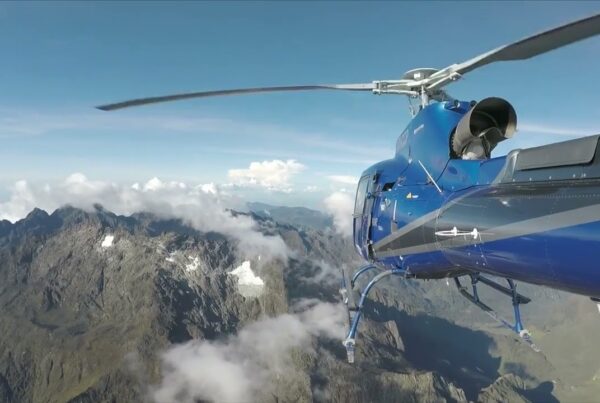
HAPE and HACE are serious, potentially life-threatening conditions representing the severe end of the altitude illness spectrum. HAPE, fluid accumulation in the lungs, presents as breathlessness at rest, persistent cough (sometimes frothy or pink-tinged), extreme fatigue, and cyanosis. HACE fluid accumulation in the brain causes severe headache unresponsive to analgesics, loss of coordination (a useful early test: ask the trekker to walk a straight line heel-to-toe), confusion, and altered consciousness. Both are medical emergencies. The primary treatment is immediate descent; even a few hundred metres can produce dramatic symptom improvement. Our guide teams carry supplemental oxygen, a Gamow bag (portable hyperbaric chamber), dexamethasone for HACE, and nifedipine for HAPE on all upper mountain expeditions. Your role: communicate symptoms early. Do not wait; do not minimize. Altitude isn’t concerned about pride.
Diamox (Acetazolamide): Altitude Sickness Prevention Medication
Diamox (acetazolamide) is a prescription medicine that helps you adjust to high altitudes by making you breathe faster and deeper. It is the only pharmacological agent with a robust evidence base for altitude sickness prevention. The usual dose for prevention is 125 mg to 250 mg twice a day, starting one to two days before the big altitude gain phase. Common side effects include increased urination and tingling in the hands and feet, which are benign and transient. Diamox is a sulfonamide derivative that is contraindicated for people with documented sulfa drug allergies. Diamox is generally unnecessary for treks that remain below 3,500 metres, such as the Mahoma Loop or the 2-day Lake Mahoma hike. For summit expeditions above 4,000 metres, it warrants serious consideration and must be obtained by prescription from your GP or travel physician before departure.
Your Personal First Aid Kit for the Rwenzori
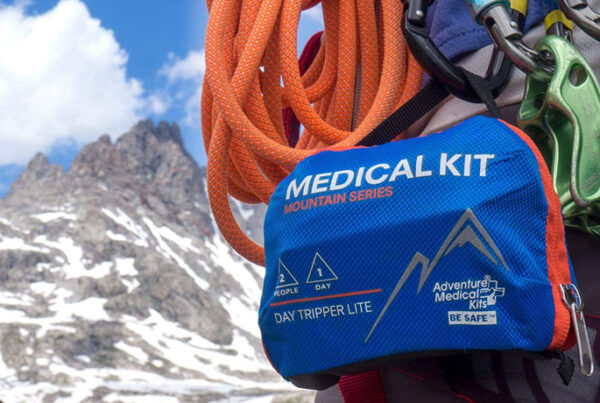
Every Rwenzori Trekking Safaris expedition includes a group medical kit managed by your lead guide, who is trained in wilderness first aid and high-altitude medical response. However, every individual trekker should carry a personal kit covering the items they may need immediately and personally. A good personal kit for the Rwenzori should have your prescribed antimalarial for the entire trip plus any needed after you return; Diamox if your doctor prescribed it; paracetamol and ibuprofen for headaches and sore muscles; Imodium for stomach issues; oral rehydration salts; supplies to clean wounds like iodine, saline, sterile gauze, and dressings; materials for treating blisters; and enough of any personal prescription medications you need Carry double what you calculate you need, because mountain environments are unforgiving of running out.
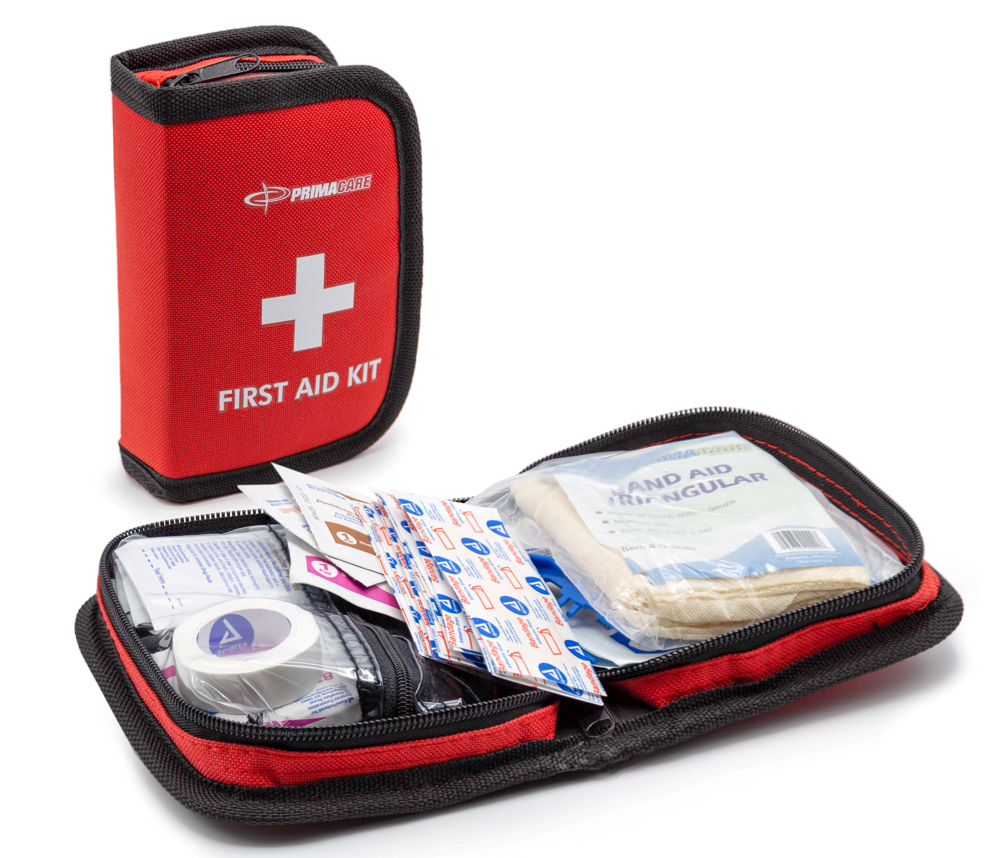
Trekkers with specific conditions, asthma, diabetes, cardiovascular disease, or severe allergies should carry their condition-specific emergency medications and ensure their guide is fully briefed before the trek begins. For trekkers with any doubts about the altitude suitability of their health profile, our honest assessment of whether beginners can climb the Rwenzori addresses fitness and health prerequisites directly, and our guide on whether older hikers can do the Rwenzori covers age-related health considerations in depth.
Pre-Trek Health Screening: Why a Travel Medicine Consultation Is Non-Negotiable
A dedicated travel medicine consultation scheduled six to eight weeks before departure is the single most important health preparation step you can take. Travel medicine doctors are experts in the health risks of specific travel destinations, the best vaccination plans, and how a person’s health history relates to the challenges of traveling in remote, high-altitude areas of equatorial Africa. At a consultation for a Rwenzori expedition, expect to discuss: your full vaccination history and required boosters; your malaria prophylaxis choice and schedule; whether Diamox is appropriate for your summit itinerary; any pre-existing conditions relevant to altitude, cold, or physical exertion; current medications that may interact with antimalarials; and, for trekkers planning summit expeditions above 4,000 meters with any history of cardiovascular disease, specific cardiac assessment requirements.
The six-to-eight-week window is not arbitrary. Hepatitis B and rabies pre-exposure vaccines each require multiple doses spaced weeks apart. Yellow fever requires ten days to confer immunity. Some antimalarials require a pre-travel start period. A consultation at this lead time allows every element of health preparation to proceed without a compressed last-minute scramble. Our 16-week Rwenzori training plan recommends booking the travel medicine consultation in week one of the training program, the same window when physical preparation begins, ensuring health and fitness preparation advance in parallel.
During the Trek: Ongoing Health Management on the Mountain
Hydration
Adequate hydration is one of the most effective tools for managing altitude acclimatization. Dehydration worsens AMS symptoms and reduces physical performance. The recommendation is two to four liters of water per day on trek days, more during days of significant altitude gain or exertion. All water on the mountain must be treated; your cook uses boiled or treated water for all meal preparation, and your personal water bottle should have a filter or iodine treatment capability as backup.
Nutrition at Altitude
Appetite suppression is a common and challenging altitude symptom. Your body needs caloric fuel for sustained mountain effort precisely when altitude reduces the drive to eat. Our expedition cooks provide high-carbohydrate, easily digestible meals like warm soups, pasta, rice, and porridge that are palatable even with reduced appetite. Eat even when you do not feel hungry, particularly at camp after long ascent days. Energy snacks in accessible pockets provide between-meal fuel on the trail.
Sun and UV Protection at Altitude
UV radiation intensity at altitude is significantly higher than at sea level, approximately 40% higher at 4,000 metres and snow and glacier reflection on the upper mountains amplifies this further. Apply SPF 50+ sunscreen every morning, reapplying after sweating or rain. Full wraparound UV-protective glacier glasses are essential for the upper mountain sections. Lip balm with SPF protection is frequently overlooked and consistently regretted by first-time Rwenzori trekkers above 4,000 metres.
Cold, Wet, and Hypothermia Risk
The Rwenzori is one of the wettest mountain ranges on Earth, and the combination of persistent moisture and high-altitude cold creates genuine hypothermia risk for trekkers who become wet, fatigued, and stationary. Prevention is straightforward: quality waterproof outer layers, moisture-wicking base layers, adequate insulation, and the discipline to layer up before you feel cold rather than after. The Rwenzori gear guide covers the specific equipment choices that manage cold and wet exposure effectively, and our full campsite guide explains what overnight shelter and sleeping conditions look like at each camp.
Frequently Asked Questions: Vaccines and Health for the Rwenzori Trek
What vaccines do I need for the Rwenzori Mountains trek?
The only mandatory vaccine for Uganda entry is yellow fever; you must present the original International Certificate of Vaccination (yellow card) at Entebbe Airport. Strongly recommended vaccines for Rwenzori trekkers include typhoid (food- and water-borne bacterial risk), Hepatitis A (food- and water-contamination risk), and Hepatitis B (blood-borne risk in case of medical treatment). If more than ten years have passed since your last dose, you should get a tetanus booster, a meningococcal vaccination (MenACWY) for group dormitory hut sleeping, and a rabies pre-exposure vaccination for longer forest-based expeditions. Consult a travel medicine clinic at least six to eight weeks before departure to confirm your personal vaccination schedule.
Is malaria a risk on the Rwenzori Mountains trek?
Malaria is a significant risk in Uganda’s lowland areas, including Kampala, Entebbe, and Kasese, through which all Rwenzori trekkers pass. Above approximately 2,000 to 2,500 metres on the mountain itself, the Anopheles mosquito cannot survive, and malaria risk is negligible. However, malaria’s incubation period of seven to thirty days means a bite received in the lowlands before or after your trek can produce symptoms after you have returned home, often misdiagnosed initially. Antimalarial prophylaxis throughout your entire Uganda visit is strongly recommended, covering all transit days in addition to the mountain section. Discuss drug choice (malarone, doxycycline, or mefloquine with your prescribing physician.
What is the yellow fever vaccination requirement for Uganda?
Yellow fever vaccination is a legal entry requirement for Uganda. All travelers must present a valid International Certificate of Vaccination (yellow card) showing proof of yellow fever vaccination at Entebbe Airport Immigration, the original physical document, not a photograph. Under the 2016 WHO protocol, a single yellow fever vaccination provides lifetime immunity, and booster doses are no longer required. The vaccine must be administered at least ten days before arrival for effective immunity to develop. If your existing certificate shows a past expiry date under the old ten-year protocol, contact your GP or travel clinic to have it updated to reflect the current lifetime validity. Failure to produce a valid certificate at Entebbe can result in quarantine, compulsory airport vaccination, or refusal of entry.
Should I take Diamox for the Rwenzori trek?
Diamox (acetazolamide) is a prescription medication that accelerates acclimatization by stimulating faster, deeper breathing at altitude. For treks that remain below 3,500 metres, short forest walks, and lower-altitude hikes, taking Diamox is generally unnecessary. For summit expeditions to Margherita Peak (5,109m) or other Rwenzori peaks above 4,000m, particularly on faster itineraries, it warrants serious consideration. The standard prophylactic dose is 125-250mg twice daily, begun one to two days before the major altitude gain phase. Common side effects include increased urination and tingling in the extremities, which are benign and transient. Diamox requires a prescription in most countries; obtain it from your GP or travel physician before departure rather than relying on purchasing it locally in Uganda.
What are the signs of altitude sickness? I should watch for it on the Rwenzori.
Mild acute mountain sickness (AMS) presents as frontal headaches, nausea, loss of appetite, disproportionate fatigue, dizziness, and disturbed sleep, typically beginning above 2,500 meters. Mild AMS is managed by halting ascent, resting, and maintaining hydration. The warning signs of serious altitude illness requiring immediate action are breathlessness at rest or with minimal effort (suggesting HAPE); loss of coordination, such as inability to walk a straight line (suggesting HACE); severe headache unresponsive to analgesics; confusion; or altered consciousness. Any of these symptoms represent a medical emergency requiring immediate descent and guide intervention. Never attempt to ascend further if you have symptoms of any altitude illness. Please inform your guide of any symptoms promptly, as early communication facilitates early management.
How early before my Rwenzori trek should I see a travel medicine doctor?
Schedule a travel medicine consultation six to eight weeks before your Rwenzori departure date. This lead time is essential because several vaccine series require multiple doses spaced weeks apart: the standard Hepatitis B series spans six months (an accelerated schedule is available), and rabies pre-exposure vaccination requires three doses over 21 days. The yellow fever vaccine requires ten days to confer immunity. Some antimalarial drugs require a pre-travel start period of several weeks. A six-to-eight-week consultation window ensures the completion of every element, including vaccinations, prescriptions, and health assessments, without the stress and risk of a compressed last-minute timeline.
Is the Rwenzori safe for trekkers with pre-existing medical conditions?
Many trekkers with well-managed pre-existing conditions complete Rwenzori expeditions successfully, including those with controlled asthma, well-managed hypertension, and type 2 diabetes under optimal metabolic control. The critical requirement is that any condition potentially affected by altitude, cold, sustained physical exertion, or remoteness from medical facilities has been specifically assessed by a physician who understands high-altitude trekking demands. Cardiovascular conditions require particular attention: altitude significantly increases cardiac workload, and a cardiologist clearance may be required for summit expeditions above 4,000 metres. Declare your medical history fully to both your physician and to us during the booking process; we can tailor itineraries to match specific health profiles and advise on which routes and altitudes are appropriate for your situation.
Do I need anti-diarrhoea medication for the Rwenzori trek?
Traveler’s diarrhea is a risk during your time in Ugandan lowland areas, Kampala, Entebbe, and Kasese, where food and water hygiene standards are variable. On the mountain, your expedition cook manages all food preparation and water treatment to high standards, significantly reducing this risk. A personal supply of imodium (loperamide) or similar is nonetheless worth including in your personal first aid kit, both for use in Ugandan towns before and after the mountain and as a precaution for any gastrointestinal disruption on the trail. Oral rehydration salts (ORS sachets) are equally important. Diarrheal illness at altitude can cause rapid dehydration with serious consequences for altitude acclimatization and physical performance.
Plan Your Rwenzori Expedition with Complete Confidence
The health preparation journey for a Rwenzori expedition is a cascade of small, scheduled actions: a travel medicine consultation, a vaccination appointment, a prescription filled, and a kit assembled that together form the medical foundation of a safe, confident, and deeply rewarding mountain experience. Get this foundation right, and by the time you stand at the Nyakalengija trailhead on departure morning, your medical preparation will be the last thing on your mind. Which is precisely where it belongs.
At Rwenzori Trekking Safaris, we brief every client on health preparation as part of the expedition onboarding process. We provide destination-specific guidance, ensure our guides are informed about any declared medical conditions in the group, maintain comprehensive group medical kits appropriate to each itinerary, and keep communication channels open with emergency contacts throughout every expedition. Whether you are planning the classic 7-day Margherita Peak summit trek, the ambitious 13-day six-peaks expedition, or a lower-altitude introduction on the 3-day Mahoma Loop, the support structure we provide extends to every dimension of your safety on the mountain.
Browse our complete range of Rwenzori trekking itineraries, read about what makes the Rwenzori safe to trek, review the physical training that complements your health preparation, or find answers to remaining questions in our expedition FAQ. When you are ready to move from planning to commitment, contact our team directly; we will help you plan every detail of the journey, from your first vaccination appointment to the moment you stand on Margherita Peak.