Do you need travel insurance for the Rwenzori? Yes, absolutely. Learn what your policy must cover: altitude, evacuation & AMS. Expert guide.
Let me be direct with you, because I have stood on Margherita Peak at 5,109 meters above sea level, watched the glaciers catch dawn light, and seen what happens when things go wrong in remote mountain terrain. There is no ambulance waiting at Nyakalengija. There is no casualty ward on the Central Circuit Trail. There is no helicopter pad that accepts credit cards. If you are seriously considering a trek into the Rwenzori Mountains, and I hope you are, because these Mountains of the Moon are among the most extraordinary places on Earth, then the question of travel insurance is not a bureaucratic formality. It is the difference between a mountain rescue and a mountain tragedy.
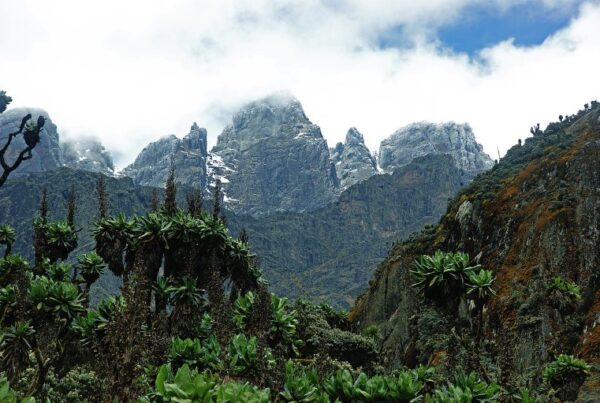
The Rwenzori range sits astride the Uganda-DRC border in western Uganda, a UNESCO World Heritage Site rising to 5,109 metres across six major massifs: Mount Stanley, Mount Speke, Mount Baker, Mount Emin, Mount Gessi, and Mount Luigi di Savoia. It is wet, rugged, physically demanding, and spectacularly, achingly beautiful. It is also genuinely remote. The nearest major hospital of any standard is in Kampala, roughly seven hours away by road. That reality shapes everything about how you must prepare, and insurance is central to that preparation.
So do you need travel insurance for the Rwenzori? Absolutely, unequivocally, yes. But the more important question and the one I intend to answer in full is what that insurance must actually cover. A standard holiday policy, like the kind you might buy for a beach holiday in the Mediterranean, will not protect you here. The Rwenzori demands something considerably more serious.
Why Standard Travel Insurance Is Not Enough for the Rwenzori
Most travel insurance products sold to leisure travelers are designed around a narrow set of scenarios: delayed flights, stolen luggage, and a minor illness requiring a GP visit. They are built for a world of airports and hotel lobbies. The Rwenzori Mountains are not that world.
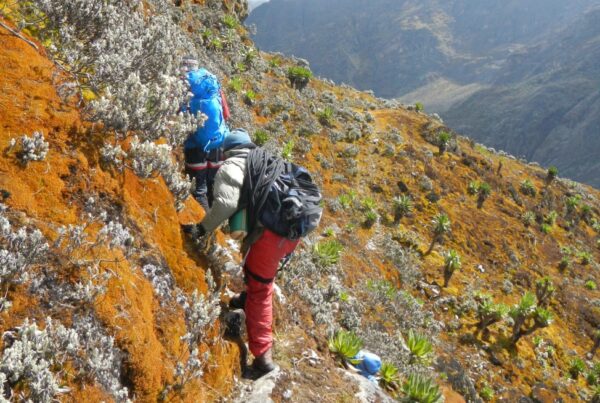
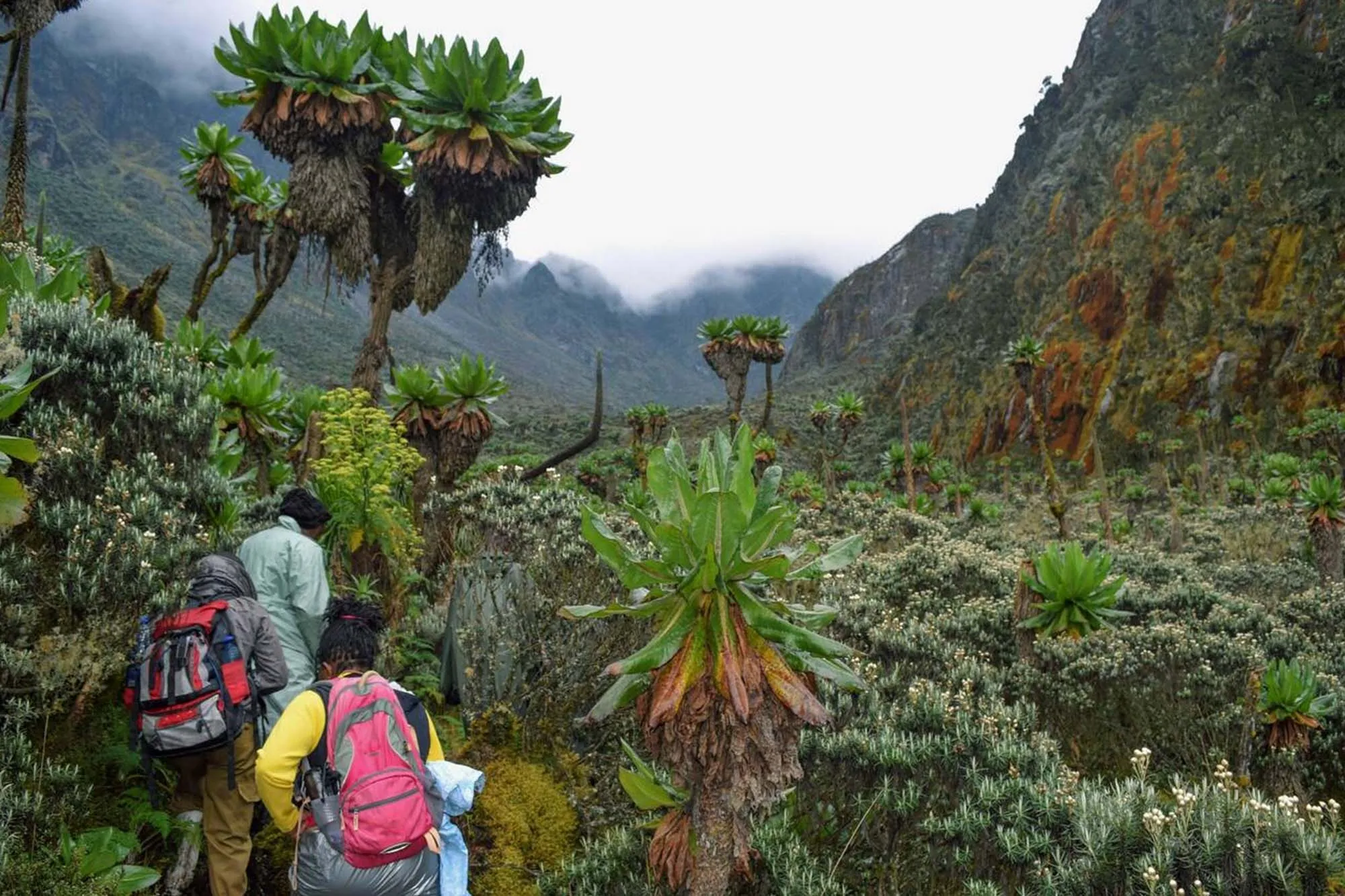
When I lead groups along the Kilembe Trail or through the high alpine zones of the Central Circuit, we pass through five distinct vegetation zones, from dense equatorial rainforest to the permanent snowfields and glaciers near the summits. Temperatures can swing from tropical heat in the valley floors to sub-zero exposure on the Margherita Peak ridgeline. The trail is wet pervasively, relentlessly wet, which increases the risk of slips, falls, and lower-limb injuries. And above 4,000 meters, every hiker faces the physiological challenge of altitude. Acute Mountain Sickness, High Altitude Pulmonary Oedema, and High Altitude Cerebral edema is not a theoretical risk; it is a documented occurrence on the Rwenzori, and it requires a rapid, professional response.
Standard travel insurance policies routinely exclude or severely limit coverage in several areas that are directly relevant to the Rwenzori: high-altitude trekking, mountaineering activities, helicopter evacuation, and medical care in countries classified as remote or developing. Before you buy a single policy, you need to understand exactly where those exclusions lie and exactly what you must demand instead.
The Non-Negotiables: What Your Rwenzori Insurance Policy Must Cover
Over the years, I have developed a clear understanding of what a Rwenzori-appropriate insurance policy looks like by guiding expeditions ranging from short forest walks to the 13-day six-peaks expedition and the 18-day all-peaks traverse. The following coverage areas are not optional. They are the foundation of any responsible pre-expedition preparation.
High-Altitude Emergency Medical Evacuation
This is the most vital clause in your policy, and it’s often misunderstood or missing in cheaper ones. Medical evacuation, the process of airlifting or otherwise transporting an injured or critically ill trekker from the mountain to a hospital, is extraordinarily expensive. Helicopter evacuations alone can cost anywhere from USD 5,000 to USD 25,000 or more depending on circumstances, distance, and aircraft type. Without insurance, that bill falls entirely on you.
Your policy must explicitly cover emergency medical evacuation from remote mountain terrain and specifically from Uganda. Some policies cover evacuation only within the country; others will repatriate you to your home country for treatment. For the Rwenzori, you want a policy that covers evacuation to the nearest appropriate medical facility, most likely Kampala, as well as repatriation home if required. The coverage limit should be a minimum of USD 500,000 for medical evacuation and treatment combined, and USD 1,000,000 is the figure most experienced mountaineering guides recommend for serious high-altitude expeditions.
Crucially, verify that your policy covers trekking at the altitude of your intended route. If you are following the 7-day Margherita Peak climb or the 8-day Kilembe Trail expedition, you will reach 5,109 metres. Many standard adventure travel policies limit coverage at 4,000 or 4,500 meters. Any policy with an altitude ceiling below 5,200 meters is inadequate for the Margherita Peak summit attempt.
Emergency Medical Treatment and Hospitalisation
Beyond evacuation, your policy must cover the cost of emergency medical treatment wherever you receive it. This means hospital fees, surgical costs, specialist consultations, prescription medications, and nursing care both in Uganda and in any transit country through which you are evacuated. Hospitals in Kampala do provide reasonable emergency care, but the costs mount quickly, and more complex interventions may require transfer to Nairobi or even further afield.
Check your policy for any clauses relating to the definition of ’emergency.’ Some insurers may dispute claims based on the argument that a condition, such as AMS, could have received local treatment instead of hospitalization. You want a policy that gives the treating physician the authority to determine what constitutes a medical necessity, not a policy administrator sitting in an office overseas.
Acute Mountain Sickness and Altitude-Related Illness
This condition deserves its own category because so many standard policies specifically exclude altitude-related illness. Acute mountain sickness affects many people hiking to Margherita Peak, and while most cases are mild and can be treated with rest or moving to a lower camp, the more serious types, High Altitude Pulmonary Edema (HAPE) and High Altitude Cerebral Edema (HACE), can be life-threatening emergencies.
Our guides are trained to recognize the warning signs, and every group carries supplemental oxygen and appropriate medications, including Diamox (acetazolamide) and dexamethasone. But if a trekker develops severe HAPE or HACE on the upper mountain, say, at the Elena Hut above 4,500 meters, they need evacuation, not watchful waiting. Your insurance policy must explicitly state that altitude-related illness is a covered peril. If it does not, do not buy the policy.
It is also worth understanding the acclimatization approach embedded in our itineraries. Our 7-day Central Circuit itinerary is structured to gain altitude gradually, sleep lower, and build rest days into the schedule to minimize the risk of altitude illness. A well-designed itinerary is your first line of defense. Insurance is your last. You need both.
Search and Rescue Operations
A search and rescue (SAR) operation may be required if a trekker becomes lost, injured, unable to move, or incapacitated in terrain that a standard evacuation vehicle cannot reach. SAR operations on remote mountain terrain are resource-intensive and costly. They may involve multiple rescue personnel, ropes, technical equipment, and coordination with park authorities.
The Bukurungu Trail, in particular, the wilderness camping route that passes through the Portal Peaks and the most remote sections of the range is the kind of terrain where SAR considerations are especially relevant. Ensure your policy explicitly covers search and rescue costs as a separate provision, not simply bundled under ‘evacuation.’ Some policies cap SAR at amounts far too low to be meaningful.
Trip Cancellation, Curtailment, and Disruption
Rwenzori expeditions represent a significant financial investment. Depending on the itinerary, from a 5-day Margherita summit to the 10-day four-peaks expedition, costs can range from approximately USD 1,400 to well above USD 2,500 before flights and accommodation are factored in. When you add international airfares into the equation, the total sum at risk can easily reach USD 5,000 to USD 10,000 or more.
Trip cancellation insurance reimburses you if you are forced to cancel before departure due to a covered reason, such as serious illness, bereavement, redundancy, or natural disaster at your destination. Trip curtailment covers the costs of cutting a trek short mid-expedition. Both are essential for an expedition to a destination as specialized as the Rwenzori.
Pay particular attention to the definition of ‘covered reasons.’ The best policies offer ‘cancel for any reason’ (CFAR) extensions, which reimburse a percentage of prepaid costs regardless of why you need to cancel. These add-ons cost more, but they provide genuine peace of mind for high-commitment adventures in remote locations.
Personal Accident and Death Benefit
A personal accident benefit provides a lump-sum payment in the event of permanent disability or death resulting from an accident on the trek. While no one plans to think about this, it is a reality of high-mountain adventure. Falls on technical terrain, rockfalls, and sudden medical emergencies are among the documented causes of fatalities in Rwenzori and on mountains of comparable character. Ensure your policy includes meaningful personal accident coverage, particularly if you have dependents relying on your income.
Gear, Equipment, and Baggage
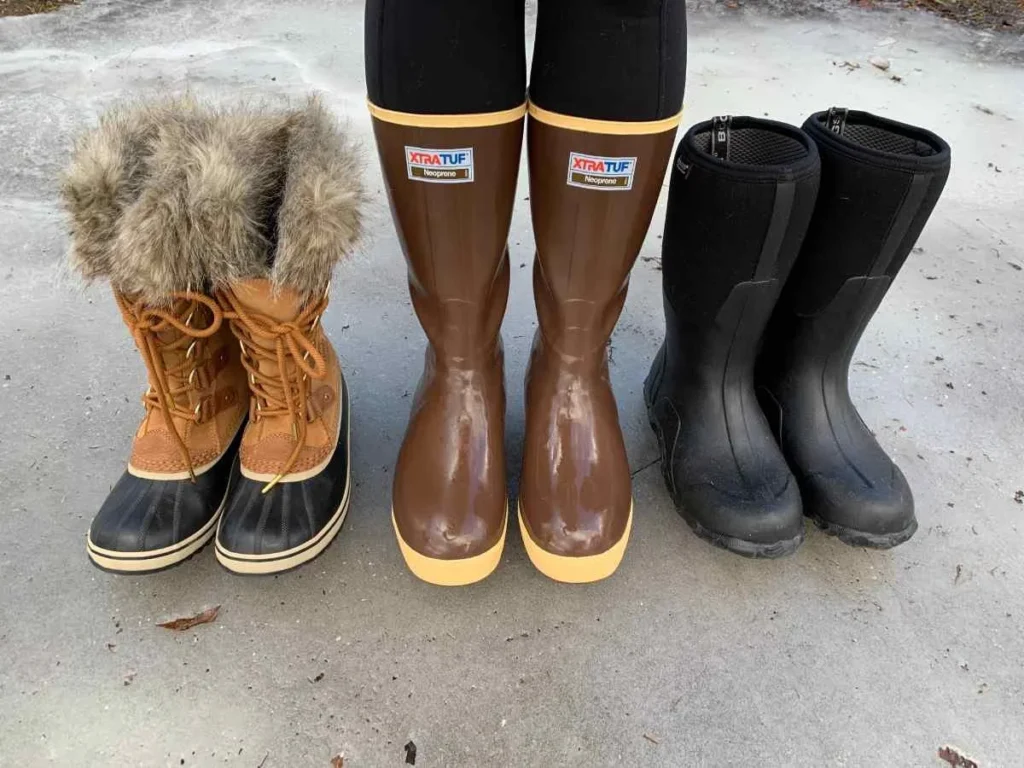
This is lower priority than the life-and-health clauses, but it matters. A Rwenzori expedition requires specialized gear from rubber mountain boots and technical waterproofs to crampons, ice axes, and quality sleeping bags. That equipment represents a considerable outlay. If your checked baggage is delayed or lost by your airline, which does happen on itineraries passing through multiple African hubs, you need insurance to cover urgent replacement or the cost of hiring local gear. Ensure your policy covers the replacement cost of specialist equipment, not just nominal values.
The Fine Print That Can Destroy Your Claim: What to Watch For
Most trekkers fall into this section. A policy can look comprehensive on a summary page and contain clauses that render it effectively useless for a Rwenzori expedition. Read every word or have a broker read it for you before purchasing.
Altitude Exclusions and Caps
As noted above, many adventure travel policies impose altitude caps, most commonly at 4,000, 4,500, or occasionally 5,000 metres. If your intended route reaches Margherita Peak at 5,109 metres or even if you are doing the 5-day Edward Peak trek on Mount Baker at 4,843 m, you need to verify that the altitude cap in your policy comfortably exceeds your highest planned campsite. Do not rely on the marketing language; check the policy schedule and exclusions section directly.
The Mountaineering and Climbing Exclusion
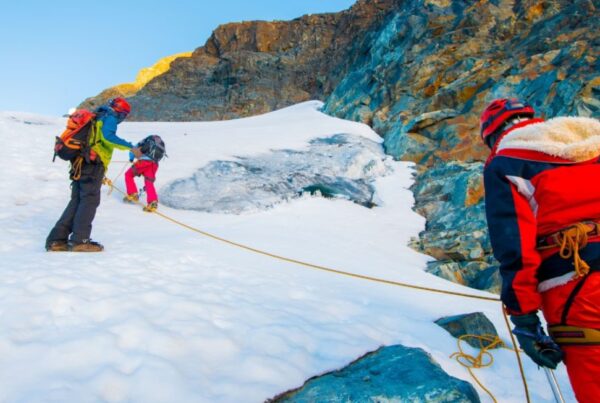
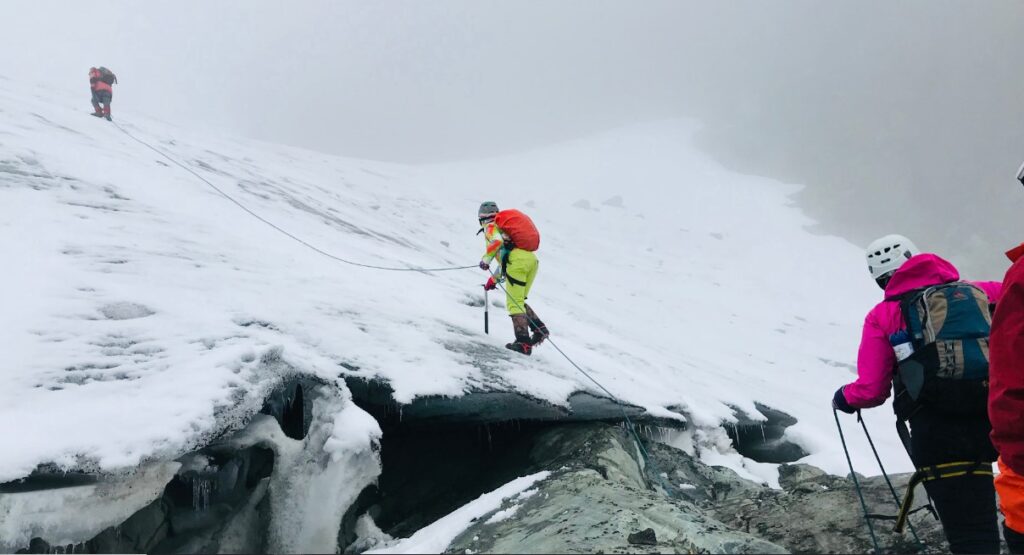
Many insurers draw a distinction between ‘trekking’ and ‘mountaineering,’ excluding the latter entirely or covering it only under a specialist add-on. The upper sections of the Rwenzori, particularly the final approaches to Margherita Peak via the Coronation Glacier, involve the use of crampons and ice axes on steep, glaciated terrain. This is, technically, mountaineering.
Some insurers classify any activity requiring crampons or ropes as ‘technical mountaineering’ and exclude it from standard adventure travel coverage. If you are attempting Margherita Peak or any of the other glaciated summits, your policy must explicitly cover trekking on glaciated terrain with technical equipment. Do not assume. Ask the insurer directly, and get the answer in writing.
Guided vs. Solo Trekking Clauses
Certain policies mandate that all mountain activities take place under the supervision of a certified guide or within an organized tour. Our clients generally don’t face this issue, as experienced and trained mountain guides fully guide all Rwenzori trekking expeditions. However, if you have any intention of deviating from the guided route or trekking independently in any section, check your policy carefully. Independent trekking in the Rwenzori Mountains is not permitted under park regulations, so this clause should rarely be an issue in practice.
Pre-Existing Medical Conditions
If you have a pre-existing medical condition, cardiovascular disease, respiratory conditions, diabetes, or any chronic illness, you must declare it when purchasing your policy and ensure it is covered. Altitude magnifies virtually every pre-existing condition. A heart condition that is well-managed at sea level may become critical at 4,500 metres. An insurer who discovers an undeclared pre-existing condition during a claim has grounds to void the entire policy. Transparency when purchasing is not optional; it is essential.
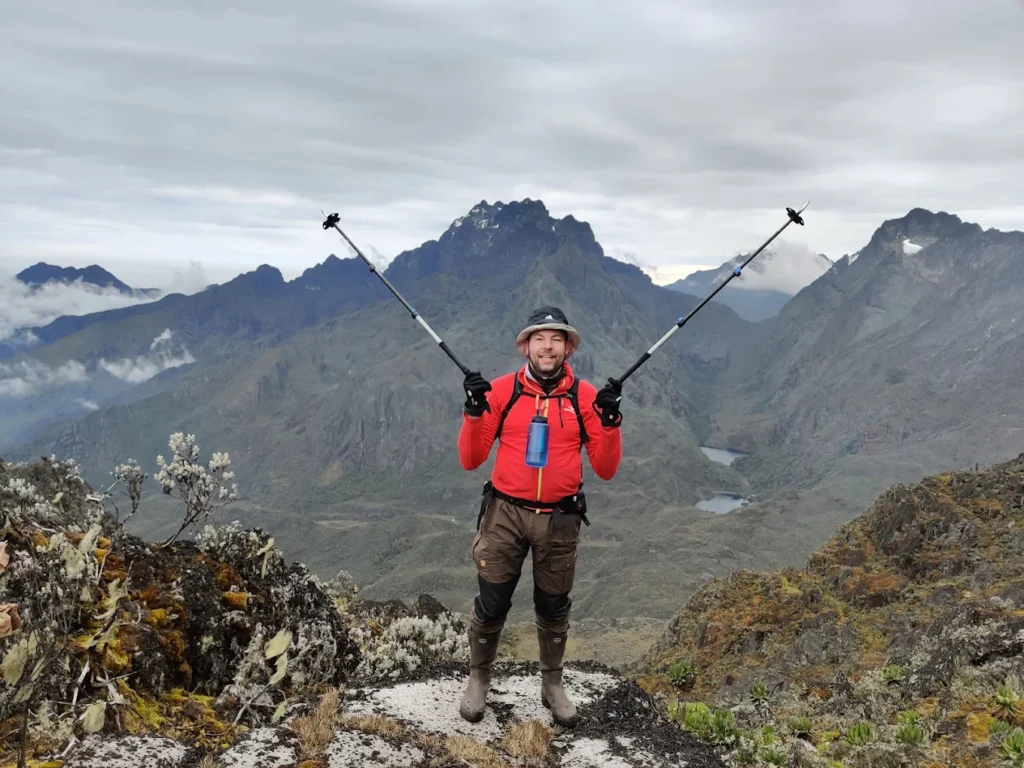
Our guide on trekking fitness and medical readiness covers the physical preparation we recommend, and we encourage all trekkers to consult a travel medicine physician before departure. A doctor familiar with high-altitude physiology can advise on medication, fitness requirements, and the specific risks relevant to your health history, all of which feeds directly into what you need to disclose to your insurer.
How Much Coverage Do You Actually Need?
There is a tendency among first-time trekkers to buy the cheapest policy that technically meets a minimum threshold. This is false economy on the Rwenzori. The costs associated with a genuine mountain emergency are significant. Consider a realistic scenario: a hiker develops severe HAPE at the Elena Hut at 4,541 meters during a 7-day Margherita summit attempt. Guides administer supplemental oxygen and begin an assisted descent, but the trekker’s condition deteriorates. A helicopter evacuation is organized from the mountain to Kampala; that alone can cost USD 8,000 to USD 15,000 in this part of Africa. Emergency treatment in a private hospital in Kampala runs to several thousand dollars per day. If the trekker needs to be repatriated to a home country in Europe or North America, add another USD 10,000 to USD 50,000 depending on the level of medical accompaniment required. A policy with USD 100,000 of medical cover may not be sufficient.
The benchmark figures recommended by specialist mountain insurance providers are at least USD 500,000 in emergency medical and evacuation coverage combined, and USD 1,000,000 is increasingly considered the standard for any expedition above 5,000 meters. Trip cancellation cover should be set at a level that equals the total amount you have paid in non-refundable costs, trek fees, flights, and accommodation combined. Do not underinsure yourself to save a few hundred dollars on the premium.
When to Buy Your Travel Insurance and Why Timing Matters
The single best moment to purchase your travel insurance is immediately after making your first non-refundable payment for the expedition, most often when you pay a deposit on your trek booking. Trip cancellation insurance typically only covers non-refundable costs incurred after purchasing the policy, making this timing crucial. Booking and paying for flights before purchasing insurance can lead to the exclusion of any medical condition that develops, as it becomes pre-existing.
Buying early also protects you against events that might prevent you from traveling, such as illness, family emergencies, or even political instability that arises during the often lengthy planning window between booking a Rwenzori expedition and actually departing. Most serious trekkers are planning their Rwenzori expedition months in advance. That planning window is also your vulnerability window. Cover it from day one.
Understanding the Rwenzori’s Remoteness and What It Means for Medical Response
The Rwenzori Mountains are significantly more remote than many comparable trekking destinations in Africa and globally. The Rwenzori trail network is less frequented by design, unlike Mount Kilimanjaro, which has a relatively well-developed rescue infrastructure and regular ranger patrols. Fewer than 2,000 trekkers complete multi-day Rwenzori expeditions each year, which means the mountain retains its wilderness character but also means that organized mountain rescue is not on standby in the way it might be in the Alps or the Himalayas.
Communication from the higher camps is possible via satellite phone or radio, which our guide teams carry on all expeditions. But responding to an emergency requires time to assemble a rescue team, organize helicopter access in often poor weather, and transfer a patient to the trailhead. Every hour matters in a serious altitude illness scenario. This reality is why your insurance must be in place before you enter the park and why the coverage limits must be genuinely adequate, not nominally so.
The mountain’s weather compounds the situation. The Rwenzori is one of the wettest mountains on Earth, receiving precipitation throughout the year. Even during the best trekking seasons from June to September and December to March, visibility can drop rapidly, helicopter operations can be grounded by cloud, and trails can become treacherous. An expedition that encounters a medical emergency during adverse weather may be looking at a prolonged ground evacuation rather than a rapid airlift. Your policy must cover the extended timeline and associated costs.
What Happens to Rwenzori If You Are Not Insured?
I want to address this issue directly because some trekkers, typically those who have trekked extensively in less demanding environments, believe they can manage mountain risk without insurance. I cannot support this position, and I say that to be honest about the consequences, not to alarm you.
An uninsured trekker who requires helicopter evacuation from the Rwenzori will be presented with a direct invoice, typically requiring payment before services are rendered. If the trekker cannot arrange payment through a credit card, bank transfer, or emergency funds from family, it may delay or alter the evacuation. An uninsured trekker who requires hospitalization in Kampala will be required to provide a significant deposit, often tens of thousands of dollars, before admission to private facilities. Government hospitals, while free at the point of access, may not offer the level of care required for serious altitude emergencies.
Beyond the immediate financial exposure, an uninsured trekker creates a burden for their emergency contacts, their family, and, in some cases, for the trekking operator or park authority. From our perspective at Rwenzori Trekking Safaris, all clients are required to carry valid, adequate travel insurance as a condition of booking any trek. This is not a commercial requirement; it is an ethical one.
Recommended Insurance Providers for Rwenzori Trekkers
While we do not officially partner with or receive commission from any insurance provider, I can share the names of insurers that are widely used and respected by the mountaineering and expedition trekking community. These include World Nomads, which explicitly covers high-altitude trekking and mountaineering up to 6,000 meters and provides clear, transparent documentation of what is covered and what is not; Battleface, which offers flexible adventure travel policies suited to remote destinations; and Global Rescue, which specializes in medical evacuation membership programs rather than traditional insurance. These can work well with a standard travel policy to specifically cover the evacuation component.
For UK-based trekkers, BMC Travel Insurance (provided through the British Mountaineering Council) offers specialist mountaineering coverage with high-altitude extensions that are well-suited to Rwenzori expeditions. For North American trekkers, Ripcord and Medjet are recognized names in expedition medical coverage and evacuation services.
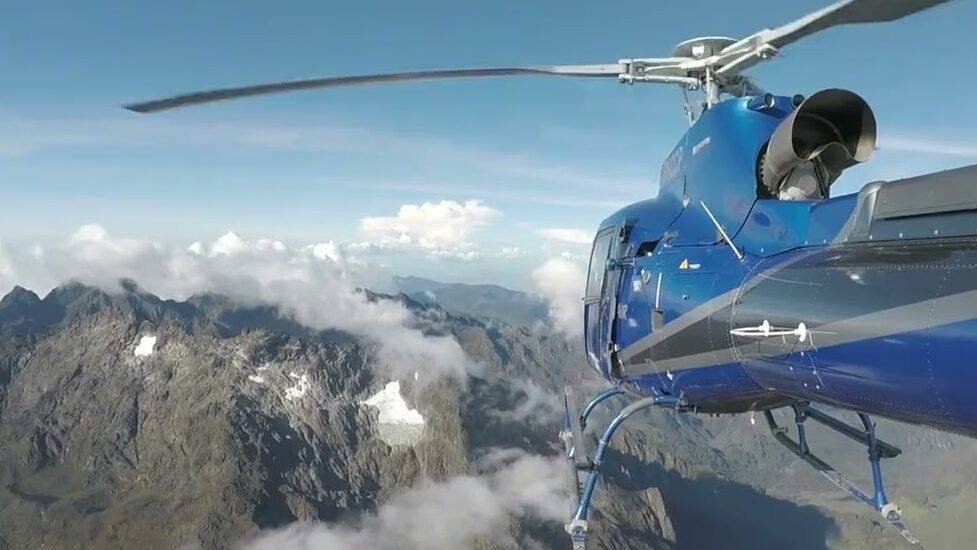
Whatever provider you choose, use the following checklist when reading the policy document: Verify altitude coverage above 5,200 metres; confirm helicopter evacuation is explicitly included; check that altitude sickness and AMS are covered perils; confirm that technical glacier trekking with crampons is not excluded; and verify that Uganda is listed as a covered destination without restrictions that would limit your coverage.
When in doubt, speak to the insurer directly before purchasing. Ask specific questions: ‘Does this policy cover trekking at 5,109 metres in Uganda?’ and ‘Does it cover medical evacuation by helicopter from remote mountain terrain?’ If the answer to either is ‘not by default’ or ‘it depends,’ you need a different policy or an appropriate add-on extension.
Travel Insurance as Part of Your Wider Rwenzori Safety Strategy
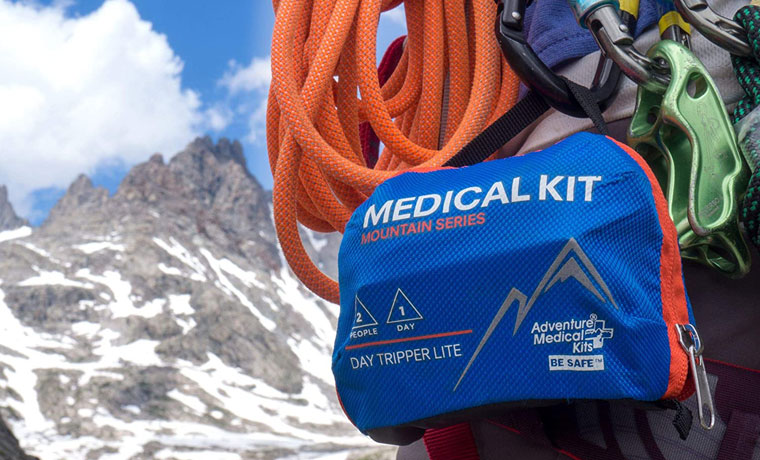
Insurance is the financial backstop, but it operates within a wider safety framework that begins long before you lace your boots on the Kilembe Trail or walk through the Nyakalengija trailhead on the Central Circuit. Our guides are trained in wilderness first aid and high-altitude medical response. Every expedition carries a comprehensive first aid kit, including supplemental oxygen, Gamow bags for simulated descent in altitude emergencies, and the medications required for rapid response to AMS. Groups are sized to ensure that no trekker is ever left unsupported on the mountain.
Physical preparation matters enormously. Our 16-week training plan for Rwenzori trekkers is specifically designed to build the cardiovascular base, leg strength, and pack-carrying endurance you need to trek safely at altitude. Trekkers who arrive well-prepared are less likely to develop serious altitude problems, less likely to experience falls and injuries on the boggy, technical terrain, and less likely to need the kind of emergency intervention that tests your insurance policy.
For trekkers combining their Rwenzori expedition with other Uganda experiences, a 12-day Rwenzori and gorilla trekking combination, for instance, or the full 18-day Uganda safari and Rwenzori trek, your insurance policy must cover the entire duration and all activities, including gorilla trekking, safari game drives, and white-water rafting if relevant. Ensure that your itinerary explicitly covers each component.
You should also understand your operator’s safety record. Is it safe to trek the Rwenzori Mountains? is a question we address directly and honestly. The Rwenzori is not a walk in a city park; it is a serious mountain, but with a professional operator, proper preparation, and comprehensive insurance, it is a challenge that thousands of trekkers complete successfully each year.
Frequently Asked Questions: Do I Need Travel Insurance for the Rwenzori?
Do I need travel insurance for the Rwenzori Mountains?
Yes, travel insurance is absolutely essential for any trekking expedition in the Rwenzori Mountains of Uganda. The mountains reach 5,109 meters at Margherita Peak, placing trekkers at risk of altitude illness, falls on technical terrain, and injuries in the genuinely remote wilderness. Emergency medical evacuation from the Rwenzori can cost between USD 8,000 and USD 25,000 or more, and without insurance, those costs fall directly on the trekker. All reputable Rwenzori trekking operators, including Rwenzori Trekking Safaris, require proof of valid, adequate insurance as a condition of booking.
What altitude must my travel insurance cover for the Rwenzori?
If you intend to summit Margherita Peak, Africa’s third highest summit at 5,109 metres on Mount Stanley, your policy must explicitly cover trekking at a minimum altitude of 5,200 metres. Many standard adventure travel policies limit coverage at 4,000 or 4,500 meters, which is insufficient. Even for treks that stop at lower summits, like Mount Baker’s Edward Peak at 4,843 metres or Mount Speke’s Vittorio Emanuele Peak at 4,890 metres you need a policy covering at least 5,000 metres. Always verify the altitude limit in the policy exclusions section, not just the marketing summary.
Does travel insurance for the Rwenzori need to cover helicopter evacuation?
Yes, helicopter evacuation coverage is one of the most critical components of any Rwenzori insurance policy. The mountains are remote; the nearest well-equipped hospital is in Kampala, approximately seven hours by road, and helicopter evacuation is the fastest means of transporting a seriously injured or critically ill trekker to appropriate medical care. Helicopter evacuations in this region of Africa can cost between USD 8,000 and USD 20,000. Your policy should include emergency helicopter evacuation as an explicit, named provision with a coverage limit that is genuinely adequate. A minimum of USD 500,000 in combined medical and evacuation cover is recommended.
Does travel insurance provide coverage for altitude sickness on the Rwenzori?
It depends entirely on the policy. Many standard travel insurance products exclude altitude-related illness as a covered peril, treating it as a foreseeable condition rather than an unexpected emergency. For a Rwenzori expedition, you must have a policy that explicitly includes coverage for Acute Mountain Sickness (AMS), High Altitude Pulmonary Edema (HAPE), and High Altitude Cerebral Edema (HACE). Read the covered perils section of the policy document carefully. If altitude illness is not named as a covered condition, seek a specialist adventure or mountaineering insurance product.
Does the Rwenzori expedition require mountaineering insurance, or is trekking insurance sufficient?
The answer depends on which route and summits you are attempting. For lower-altitude treks, the Mahoma Loop, the Sine Camp trek, or the Mutinda Lookout hike, standard adventure travel or trekking insurance should be adequate, provided it covers the relevant altitudes. For summit expeditions to Margherita Peak, however, the final approach crosses glaciated terrain requiring crampons and ice axes, which many insurers classify as ‘technical mountaineering’ and exclude from standard trekking cover. If you are attempting Margherita Peak or the other glaciated summits, you need a specialist mountaineering policy or an adventure sports add-on that explicitly covers glacier travel, crampons, and ice axe use.
What is the recommended insurance coverage amount for a Rwenzori trek?
For any Rwenzori expedition reaching above 4,000 metres, the minimum recommended coverage is USD 500,000 in combined emergency medical treatment and evacuation coverage. For summit expeditions to Margherita Peak and other peaks above 5,000 metres, USD 1,000,000 is the figure most commonly recommended by experienced mountaineering guides and specialist insurers. Trip cancellation and curtailment coverage should equal the total of all non-refundable costs: trek fees, international flights, and accommodation which can easily reach USD 5,000 to USD 10,000 or more depending on your country of origin.
Which travel insurance providers are best for the Rwenzori Mountains?
Providers widely used by the Rwenzori trekking community include World Nomads (which explicitly covers high-altitude trekking and mountaineering and provides detailed policy documentation); Battleface, Ripcord, and Medjet (for North American travelers); and BMC Travel Insurance via the British Mountaineering Council (for UK-based trekkers). For evacuation-specific coverage, Global Rescue offers membership-based evacuation services that work alongside a standard travel insurance policy. Whichever provider you use, verify altitude limits, glacier trekking coverage, helicopter evacuation inclusion, and altitude illness as a covered peril before purchasing.
Can I trek the Rwenzori without travel insurance?
No. Reputable Rwenzori trekking operators, including Rwenzori Trekking Safaris, require all trekkers to carry valid and adequate travel insurance as a non-negotiable condition of participation. Beyond the operator requirement, trekking the Rwenzori without insurance is a serious financial and personal risk. Emergency evacuation and hospitalization costs in Uganda can run to tens of thousands of US dollars. Without insurance, those costs fall directly on the trekker or on their family through emergency fund transfers. The Uganda Wildlife Authority (UWA), which administers Rwenzori Mountains National Park, also advises all visitors to carry appropriate insurance. Trekking without it is not an option we would facilitate or recommend under any circumstances.
When should I buy travel insurance for a Rwenzori trek?
Buy your travel insurance immediately after making your first non-refundable payment for the expedition, most often when you pay the booking deposit for your trek. Purchasing at this point means your trip cancellation coverage begins from day one, protecting you against events that might force you to cancel during the planning period. If you book flights first, buy insurance at the same time as the flights. Delaying insurance purchase means that any medical condition or event that occurs during the gap between booking and purchasing may be treated as pre-existing or excluded.
Ready to Start Planning Your Rwenzori Expedition?
The Rwenzori Mountains are one of the most extraordinary places on Earth, genuinely wild, astonishingly beautiful, and profoundly rewarding for the trekkers who are well-prepared to encounter them. Insurance is vital to expedition planning, even if it’s not the most exciting part. Once you complete the process and obtain a policy that you understand and trust, you can fully immerse yourself in the upcoming adventure.
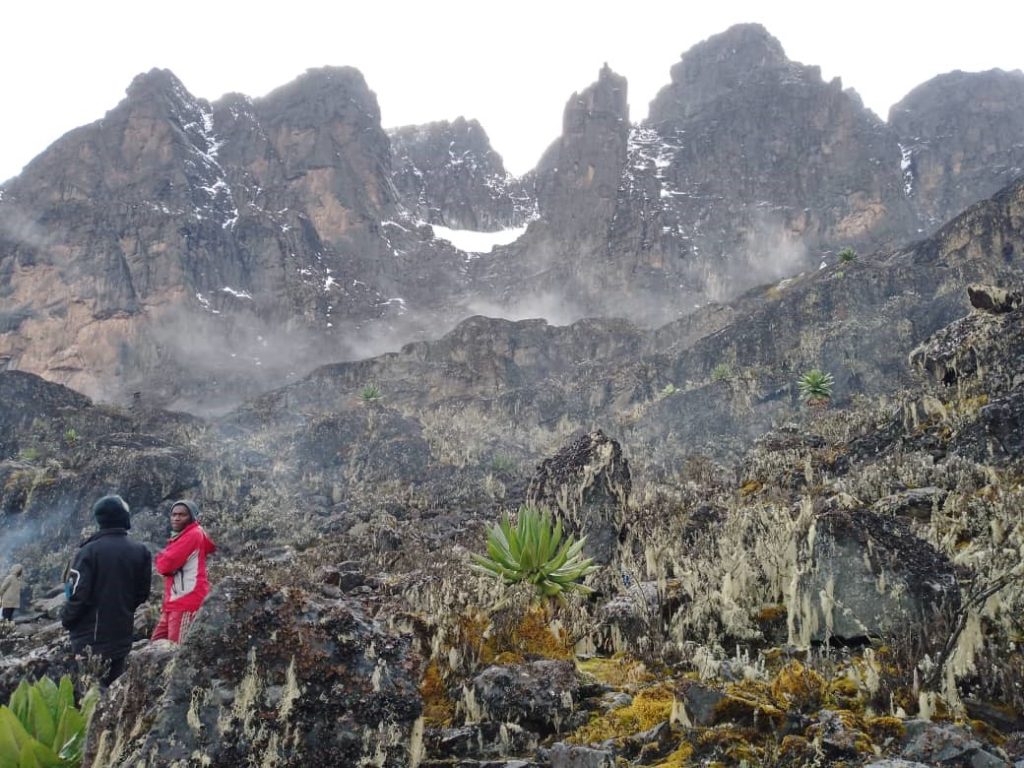
Whether you are considering a 7-day Central Circuit trek, planning a summit attempt on Margherita Peak, or dreaming about the ultimate 13-day six-peaks expedition, our team at Rwenzori Trekking Safaris is here to help you plan every detail, including the questions to ask your insurer and the checklist to run through before you book. Our expert guides have first-hand knowledge of every trail and every summit, and we brief every client on the specific insurance requirements relevant to their chosen itinerary.
Explore all Rwenzori trekking itineraries and routes, review our frequently asked questions, or, better still, get in touch directly with our team. We will help you choose the right expedition, prepare properly, and book with complete confidence. The Mountains of the Moon are waiting. Let us help you reach them.