Complete guide to altitude sickness on the Rwenzori: AMS, HACE, HAPE symptoms at Rwenzori altitudes, Diamox, when to descend, and emergency protocols.
The message arrives in some form on almost every expedition. A trekker who was moving confidently the previous evening sits at the breakfast table in the morning with their hands around a mug of tea and a look that combines fatigue and nausea. They report a headache that arrived during the night. They mention that sleep was difficult, not the ordinary difficulty of a cold mountain hut, but something more disrupted, with odd breathing patterns and a sense of the body working harder than it should be at rest. The guides at Rwenzori Trekking Safaris know this look. It is the face of acclimatization in progress, and what happens in the next twelve hours will determine whether this trekker continues toward Margherita Peak or descends to a lower camp.
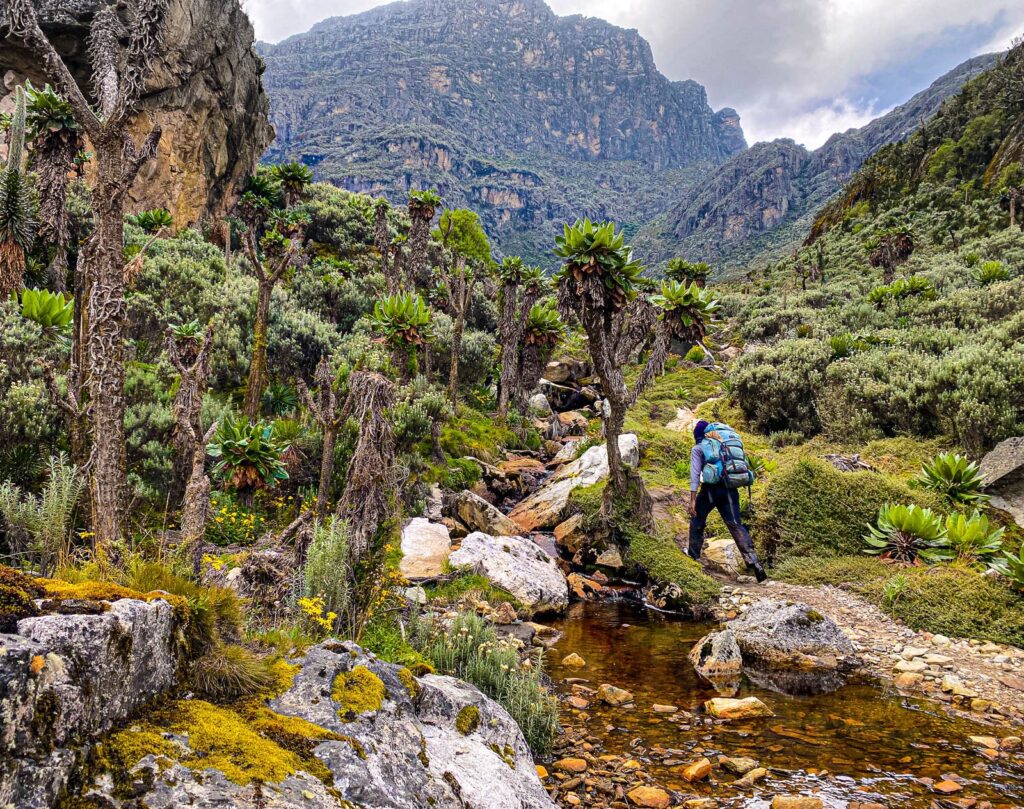
Altitude sickness is the most medically significant risk on any Rwenzori Mountain trek that reaches above 3,500 metres. It is also one of the most misunderstood risks, both overestimated by trekkers who imagine it as an inevitable catastrophe and underestimated by those who have trekked at altitude before without incident and assume that past tolerance predicts future response. Neither assumption is accurate. Altitude sickness is physiologically unpredictable, potentially serious, and entirely manageable with the right knowledge, the right preparation, and the right response when symptoms appear.
This guide covers everything a Rwenzori trekker needs to know about altitude sickness: what it is; why the Rwenzori presents specific physiological challenges; the full symptom spectrum from mild to life-threatening; prevention strategies, including the Diamox question; and the specific decision criteria for when to continue, when to wait, and when descent is non-negotiable. This guide serves as a safety resource, not a reassurance document, and is written with honesty, as lives are at stake.
⚠️ Medical DisclaimerThis article is written by professional mountain guides based on firsthand experience and established high-altitude medicine guidelines. It is not a substitute for advice from a qualified physician. Before any Rwenzori trek that reaches above 3,000 meters, consult your doctor, particularly if you have a cardiovascular, respiratory, or neurological history. Consider consulting a travel medicine specialist or wilderness medicine practitioner who has specific expertise in high-altitude physiology. |
Why Altitude Sickness on the Rwenzori Deserves Its Own Guide
Several well-developed resources on altitude sickness exist online, and the Rwenzori Mountains website’s broader medical preparation guide covers the range of health considerations for trekkers. But altitude sickness specifically deserves its own dedicated resource for the Rwenzori, because this mountain range has specific characteristics that affect altitude illness risk in ways that the general literature does not fully address.
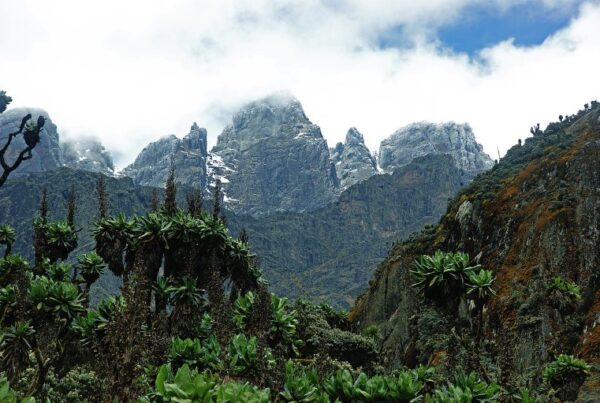
The first is the Rwenzori’s equatorial position. The range sits at approximately 0.3 degrees north of the equator, and the combination of equatorial solar radiation and high altitude creates physiological stress that differs from temperate mountain ranges. At the Rwenzori’s elevations, the equatorial sun delivers ultraviolet radiation with minimal atmospheric filtration, and the combination of UV exposure, cold temperatures, high humidity, and sustained physical effort creates a total physiological load that exceeds what most trekkers have experienced at comparable altitudes elsewhere. Studies of equatorial high-altitude environments consistently show that acclimatization at equatorial latitudes proceeds differently from and, in some respects, more slowly than at temperate latitudes at the same elevation. Trekkers who perform well on temperate alpine routes at 4,000 metres may find the Rwenzori more demanding than they expect.
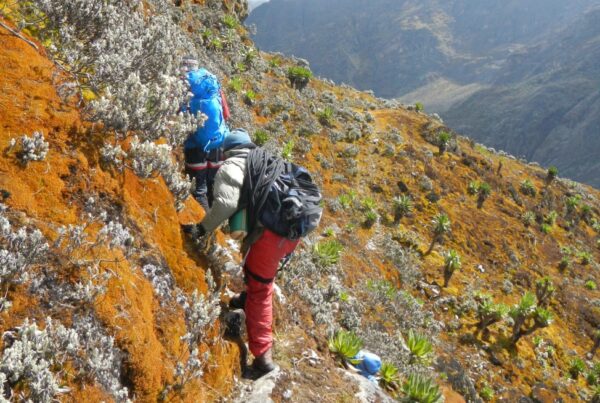
The second specific factor is the Rwenzori’s weather. The Rwenzori Mountains receive more annual precipitation than almost any other mountain range in Africa. Rain, mist, sustained cold, and the physical demand of moving through bog terrain at altitude create conditions where the body is simultaneously dealing with altitude stress, thermoregulatory stress, and the energy cost of difficult terrain. Cold, wet, and exhausted is the physiological context in which altitude illness symptoms appear and worsen most quickly. The standard altitude medicine advice to ‘rest if you feel unwell’ is harder to apply on a mountain where stopping means standing in rain and cold and where the only shelter is at the camp you have already left or the one you have not yet reached.
The third factor is an altitude gain profile. The itineraries for the Kilembe Trail and Central Circuit Trail are designed with sensible altitude gain profiles. The 8-day Kilembe Trail and the 7-day Central Circuit provide the body adequate time to acclimatize if the trekker follows the program. However, shorter itineraries and the question of whether older hikers can complete the Rwenzori both relate to altitude gain management. Any deviation from the planned altitude profile, a missed rest day, a weather-forced emergency ascent, or a strong trekker who pushes the pace on a single long day increases the risk of altitude illness in proportion.
What Altitude Sickness Actually Is: The Physiology Explained Simply
At sea level, atmospheric pressure is approximately 101 kilopascals, and a single breath delivers sufficient oxygen to saturate the hemoglobin in the bloodstream to approximately 98 percent. As altitude increases, atmospheric pressure decreases, and the partial pressure of oxygen, the portion of the total air pressure that oxygen contributes, decreases proportionally. At 4,000 metres, atmospheric pressure has fallen to approximately 62 kilopascals, and a single breath delivers less oxygen per unit of volume. At 5,000 meters, it has fallen further, to approximately 54 kilopascals. The body responds to this reduced oxygen delivery through a series of compensatory mechanisms: breathing rate increases, heart rate increases, blood composition begins to change over hours and days, and the tissues gradually adapt their metabolic processes to function with less oxygen per breath.
Altitude sickness occurs when these compensatory mechanisms are overwhelmed when the rate of ascent exceeds the body’s ability to adapt or when the cumulative physiological load of altitude, cold, exertion, and disrupted sleep pushes the system past its tolerance threshold. The primary mechanism of altitude illness is fluid redistribution: as the body struggles with hypoxia (low oxygen), fluid begins to leak from blood vessels into the surrounding tissue. In mild altitude sickness (AMS), this fluid redistribution is diffuse and produces the familiar headache, nausea, and fatigue. In severe altitude illnesses, HACE and HAPE, the fluid accumulates in specific locations, the brain in HACE and the lungs in HAPE, with consequences that are potentially fatal if not rapidly addressed.
Critically, altitude sickness is not a measure of fitness. Elite athletes can develop severe altitude illness. Sedentary trekkers in excellent aerobic health can acclimatize without incident. Previous altitude exposure reduces risk but does not eliminate it. Every ascent above 3,500 meters requires the same physiological adaptation, regardless of the individual’s history. This unpredictability is one of the most important facts about altitude illness, and the guides at Rwenzori Trekking Safaris monitor every trekker individually rather than making assumptions based on fitness level or prior high-altitude experience.
Altitude Illness on the Rwenzori: Three Conditions, Their Symptoms, and Their Risk Zones
The three clinical conditions that encompass altitude illness span a spectrum from uncomfortable but manageable to life-threatening. Every trekker should be able to recognize all three before their expedition begins.
| Condition | Typical Onset | Key Symptoms | Rwenzori Risk Zone | Action |
| AMS (Mild–Moderate) | First 6–12 hrs above 2,500m | Headache, nausea, fatigue, poor sleep, loss of appetite, dizziness | Mutinda (3,688m), Bugata (4,062m) | Stop ascending; rest; hydrate; monitor. Use the Lake Louise Score. |
| AMS (Severe) | Worsening after rest | Persistent severe headache, vomiting, extreme fatigue, difficulty walking straight | Hunwick’s (3,974m), Margherita Camp (4,485m) | Descend 300–500m immediately. No upward movement. |
| HACE | Rapid hours from onset | Ataxia (staggering), confusion, altered consciousness, severe headache unresponsive to analgesia | Above 4,000m; all high camps | EMERGENCY: Descend immediately. Dexamethasone + Gamow bag if available. Evacuate. |
| HAPE | Rapid, often overnight | Breathlessness at rest, persistent cough (dry then pink/frothy), cyanosis, extreme fatigue | Above 3,500m; accelerates above 4,000m | EMERGENCY: Descend immediately. Supplemental oxygen if available. Nifedipine. Evacuate. |
Acute Mountain Sickness (AMS): The Most Common Altitude Condition on the Rwenzori
Acute mountain sickness is the most common altitude condition affecting Rwenzori trekkers, and it is the condition that most trekkers will encounter in some form during any expedition that reaches above 3,000 metres. The hallmark symptom is headache, specifically, a headache that was not present at lower elevation, that typically arrives in the late afternoon or evening of an ascent day, and that worsens overnight as the trekker’s breathing rate naturally decreases during sleep. The headache is often described as a pressure or tightening sensation across the forehead and temples, and it is frequently accompanied by nausea, loss of appetite, fatigue disproportionate to the day’s exertion, and a general sense of unwellness that experienced trekkers often recognize as distinct from ordinary tiredness.
On the Kilembe Trail, the first night where AMS symptoms commonly appear is at Mutinda Camp at 3,688 meters, typically Day 2 of the 8-day Kilembe Trail itinerary. On the Central Circuit, symptoms are most common from Bujuku Hut (3,977m) onward. The appearance of AMS at these camps is expected, normal, and not in itself a reason for concern if the symptoms are mild and responding to rest and hydration. What matters is the trajectory: symptoms that improve with rest and hydration over twelve to twenty-four hours are manageable. Symptoms that worsen despite rest, or that are accompanied by vomiting and the inability to walk in a straight line, indicate an entirely different situation.
The Lake Louise Score: A Tool Guides Use at Every High Camp
The Lake Louise Scoring System is the most widely used clinical tool for assessing AMS severity, and the guides at Rwenzori Trekking Safaris use it at every high camp check-in. It assesses five domains: headache (0 = none, 1 = mild, 2 = moderate, 3 = severe and incapacitating); gastrointestinal symptoms; fatigue and weakness; dizziness and light-headedness; and difficulty sleeping. A total score of three to five with headache present indicates mild to moderate AMS. A score of six or higher, or any score with uncoordinated walking or changes in awareness, shows severe AMS and a risk of early HACE.
Trekkers can assess themselves using this system. Every morning at every high camp, ask yourself: Do I have a headache? How severe? Do I feel nauseous or have no appetite? Am I unusually fatigued compared to what the day’s walking should explain? Is my balance normal? The answers to these questions, communicated honestly to your guide, are the most important altitude management information available. Guides who do not know their trekkers’ symptom status cannot make beneficial decisions. Trekkers who conceal symptoms to avoid turning back are the highest-risk individuals on the mountain.
💡 Self-Assessment RuleThe coordination test, walking heel-to-toe in a straight line for ten metres is the single fastest AMS severity assessment available without clinical tools. A person who cannot walk a straight line heel-to-toe has ataxia, and ataxia in the context of altitude illness is a sign of early HACE. This test takes thirty seconds. Guides use it every morning at the high camps. Learn to administer it on yourself and others before you begin the expedition. |
High Altitude Cerebral Oedema (HACE): Recognition and Emergency Response
High-altitude cerebral edema is the most feared and potentially most rapidly fatal of the altitude illness conditions. HACE is essentially the severe end of AMS, where the fluid redistribution that causes mild symptoms has progressed to the point where fluid is accumulating inside the skull, compressing the brain against the rigid bone of the cranium. The brain is an organ that tolerates no pressure: any increase in pressure within the skull produces rapid neurological deterioration, and without immediate treatment, HACE kills.
The clinical picture of HACE on the Rwenzori typically develops over hours rather than days. A trekker who had manageable AMS symptoms at Bugata Camp or Hunwick’s Camp may progress to HACE at Margherita Camp if the ascent has been too rapid, if symptoms were not recognized early, or if the individual’s physiological response to altitude is particularly severe. The cardinal sign is ataxia, a loss of coordination that manifests first as unsteady walking (the test described above) and progresses to the inability to stand, to confusion, and ultimately to unconsciousness. Other signs include a severe headache that does not respond to paracetamol or ibuprofen, marked lethargy beyond what altitude alone explains, emotional lability (unusual irritability or abnormal euphoria), and visual disturbances.
HACE treatment consists of one non-negotiable component: immediate descent. Medication does not substitute for descent; however, dexamethasone (a corticosteroid that reduces brain swelling) and the use of a portable hyperbaric chamber (Gamow bag) are adjuncts that buy time or manage symptoms while descent is being organized, but they are not alternatives to descent. Every meter of elevation lost is a reduction in the pressure on the brain. A descent of 300 to 500 metres is usually sufficient to produce clinical improvement, and that enhancement can be dramatic: a trekker who was confused and ataxic at 4,500 metres may be coherent and walking within two hours of reaching 4,000 metres. The mountain can always be attempted again. HACE, if not managed correctly, cannot be reversed after a certain point.
| 🚨 HACE Emergency Protocol
If a trekker shows ataxia (cannot walk straight) OR confusion OR altered consciousness at altitude: (1) Announce this as an emergency to the guide immediately. (2) Do NOT allow the person to sleep; keep them awake and talking. (3) Begin descent immediately regardless of time of day or weather conditions. (4) Administer dexamethasone 8 mg if available. (5) Use supplemental oxygen if available. (6) Place in a Gamow bag if available while organizing descent. (7) Do NOT wait to see if symptoms improve without descending. They will not improve at altitude. |
High Altitude Pulmonary Oedema (HAPE): The Condition That Kills Fastest
High Altitude Pulmonary Edema is statistically the most common cause of death from altitude illness worldwide, including on African mountains, and it is more insidious than HACE in one important respect: it can develop in the absence of significant AMS symptoms, appearing in people who felt relatively well the previous day and presenting in the early morning hours when physiological stress is at its peak and response time is shortest.
HAPE involves the accumulation of fluid inside the lung’s air sacs (alveoli), progressively impairing the gas exchange that keeps the blood oxygenated. As the fluid accumulates, less and less functional lung surface is available for oxygen absorption, and the hypoxia that caused the HAPE in the first place becomes progressively more severe. The clinical picture is one of worsening breathlessness, initially only on exertion, but progressing to breathlessness at rest and ultimately to breathlessness at the level of physiological emergency. The characteristic cough of HAPE begins as a dry, irritating cough and progresses to a productive cough with pink or frothy sputum, a sign that blood is entering the airway fluid. This cough is a late sign, and HAPE should be recognized and acted upon well before the cough becomes productive.
On the Rwenzori, the camps most associated with HAPE onset are the high camps above 3,500 metres, particularly if the ascent has been rapid and the individual has not had adequate rest days. The acclimatization profile built into the Kilembe Trail’s itinerary with the optional Mutinda Lookout day (the ‘climb high, sleep low’ principle managed by the 4-Day Mutinda Loop) is specifically designed to reduce HAPE risk by giving the pulmonary circulation time to adapt before the sustained high-altitude section of the expedition.
Recognising HAPE Before It Becomes Critical
The early warning signs of HAPE are frequently confused with other conditions: the breathlessness that is disproportionate to exertion is often attributed to fitness, the dry cough is attributed to the Rwenzori’s cold damp air, and the unusual fatigue is attributed to the cumulative demands of the trek. This is why HAPE is dangerous: by the time its specific character is recognized, it may have progressed further than is safe to manage at altitude.
The key differentiating question is, is this person’s breathing normal at rest? At altitude, everyone breathes faster than they would at sea level, and everyone experiences increased breathlessness on the uphill sections. What is not normal is significant breathlessness while sitting still, breathlessness that is materially worse in the lying-down position, or breathlessness accompanied by a heart rate that remains elevated after ten or more minutes of rest. If any of these signs are present, HAPE must be considered, and the response should include descent, supplemental oxygen (if available), and nifedipine (a calcium channel blocker that reduces pulmonary artery pressure), which must be initiated without delay when available.
🚨 HAPE Emergency ProtocolIf a trekker shows breathlessness at rest, OR a persistent cough with pink/frothy sputum, OR an elevated resting heart rate after 10+ minutes of rest at altitude: (1) This is a medical emergency. Announce it to the guide. (2) Administer supplemental oxygen at 2–4 liters/minute if available; this intervention has the most immediate effect. (3) Administer nifedipine 30 mg extended release (or 10 mg immediate release, repeated every 4 hours) if available. (4) Place in a Gamow bag, if available. (5) Begin immediate descent; this is the most important intervention. Do not wait for morning. |
Prevention: The Strategies That Actually Work on the Rwenzori
The most important prevention strategies for altitude illness on the Rwenzori are not pharmaceutical. They are logistical, behavioral, and physical, and they apply before the expedition begins as much as during it.
Ascent Rate: The Foundation of Everything
The single most effective prevention strategy for altitude illness is controlled ascent rate. The widely cited guideline, ‘Climb high, sleep low; above 3,000 meters, don’t ascend more than 300–500 meters of sleeping elevation per night,’ is the baseline principle from which the Rwenzori itineraries are designed. The 7-Day Central Circuit Trail and the 8-Day Kilembe Trail both conform to this principle, though the summit day push on Margherita Peak necessarily violates it; that day’s gain is managed by the rapid descent back to Hunwick’s Camp afterward.
Trekkers who want maximum acclimatization time should consider itineraries that build in specific acclimatization days, for example, spending an additional night at Mutinda Camp or at Bujuku Hut before proceeding to the high alpine section. For those with a history of altitude sensitivity, this additional buffer is often the difference between a successful summit and a medically forced descent.
Hydration: More Important Than Most Trekkers Realise
At altitude, the kidneys excrete more fluid as part of the acclimatization process, a mechanism called “pressure diuresis” that is actually a healthy physiological response but that makes dehydration more likely if fluid intake is not consciously maintained. Dehydration compounds virtually every altitude illness symptom: it worsens headaches, increases fatigue, reduces cognitive function, and impairs the physiological adaptation processes that allow acclimatization to proceed. The standard recommendation on the Rwenzori is three liters of fluid per day at a minimum, increasing to four liters on more physically demanding days. The urine color test is the most practical hydration monitor available: pale yellow indicates adequate hydration; dark yellow or amber indicates significant dehydration and the need for immediate fluid intake.
Sleep, Food, and Alcohol
Adequate sleep is more important for acclimatization than many trekkers appreciate. The primary physiological adaptation processes happen during sleep, and sleep deprivation at altitude is not merely uncomfortable but actively impairs acclimatization. The disrupted sleep that altitude produces (periodic breathing, frequent waking) is an additional challenge, but ensuring adequate rest opportunity by being in the sleeping bag early and avoiding stimulants after mid-afternoon maximizes the body’s recovery. Eating fully, even when altitude has suppressed appetite, maintains the caloric intake needed to support the body’s increased metabolic demands. And alcohol: even one drink at altitude accelerates dehydration, worsens altitude headaches, and impairs the sleep quality that is critical for acclimatization. It is not banned on the Rwenzori trek, but its effects are disproportionate enough that most experienced high-altitude trekkers avoid it entirely above 3,000 metres.
Physical Fitness: Necessary But Not Sufficient
A high baseline of aerobic fitness built through the 16-Week Training Plan for the Rwenzori or equivalent preparation does not prevent altitude illness, but it does confer meaningful advantages. Fit trekkers expend less energy at any given work rate, meaning they arrive at each camp with more physiological reserve. They also tend to pace better and are less likely to exhaust themselves chasing guides on the uphill sections. The correlation between fitness and altitude performance is real but indirect: the mechanism is not that fit people acclimatize better but that fit people manage the total physiological load of altitude trekking more effectively.
Diamox (Acetazolamide): Should You Take It on the Rwenzori?
Acetazolamide sold under the brand name Diamox is the most studied and most prescribed pharmaceutical agent for altitude illness prevention, and it is the subject of more questions from Rwenzori trekkers than any other medication. The answer to whether you should take it is neither a blanket yes nor a blanket no, and anyone who gives you one of those answers without considering your specific situation is not giving you useful medical advice.
Acetazolamide helps by blocking an enzyme called carbonic anhydrase, which causes the kidneys to get rid of more bicarbonate. This process makes the blood slightly more acidic, which stimulates the brain’s respiratory center to breathe faster and more deeply, effectively mimicking the acclimatization response that the body would develop naturally over several days. In practical terms, trekkers who take acetazolamide begin the physiological adaptation to altitude slightly faster than those who do not, and they experience fewer and milder altitude illness symptoms in the early days at elevation.
The Evidence for Acetazolamide
The evidence base for acetazolamide as an AMS prophylactic is solid. Multiple randomized controlled trials show that 125 mg twice daily (the standard prophylactic dose) significantly reduces the incidence and severity of AMS symptoms in people ascending rapidly to altitude. The Wilderness Medical Society recommends its use for individuals with a prior history of altitude illness and for those undertaking rapid ascents where the normal acclimatization time is compressed. The drug is prescription-only in most countries; a consultation with a travel medicine doctor before a Rwenzori expedition is the correct route to obtaining and dosing it appropriately.
Side Effects and Who Should Not Take It
Acetazolamide is a sulfonamide drug, and anyone with a sulfa drug allergy should not take it. This condition is a hard contraindication. The most common side effects are tingling in the fingers and toes (very common, benign, related to the bicarbonate excretion mechanism), increased urination (expected and manageable), and a metallic or flat taste when carbonated drinks are consumed (mildly unpleasant but harmless). Less common but more significant side effects include nausea, dizziness, and allergic skin reactions. Because it increases urination, acetazolamide can worsen dehydration if fluid intake is not consciously increased, a consideration that is already critical on a high-altitude Rwenzori expedition.
Acetazolamide is also a diuretic, which means it increases the physiological demand for fluid intake on an expedition that already requires three to four liters of water per day. Trekkers who take it should add at least half a liter to their daily fluid target. It is usually not recommended for trekkers who have ample acclimatization time built into their itinerary and no prior history of altitude illness. In those cases, the behavioral prevention strategies described above are likely sufficient, and the drug’s side effects are an unnecessary burden.
The Guide’s Perspective on Diamox
The guides at Rwenzori Trekking Safaris only sometimes recommend Diamox, and they do not prescribe it; that is a physician’s role. What they do recommend is that every trekker who is planning a summit expedition to Margherita Peak, Mount Speke, Mount Baker, or any of the Rwenzori’s high peaks consult a travel medicine doctor and specifically ask about acetazolamide in the context of their personal medical history and their planned altitude profile. The doctor’s recommendation, not the internet’s, should guide the decision. The guides’ role is to manage altitude illness when it appears, not to substitute for appropriate medical preparation.
💡 Diamox SummaryTake Diamox: if you have a prior history of AMS or HACE/HAPE; if your itinerary is shorter than the standard (accelerated ascent); if your travel medicine doctor recommends it based on your medical history. Discuss it with a doctor before deciding if you have no prior altitude illness history and are following a standard acclimatization itinerary. Do not take Diamox: if you have a sulfa drug allergy (absolute contraindication); if you are pregnant, without a medical consultation. Standard prophylactic dose: 125 mg twice daily, starting one to two days before ascent above 2,500 m. Therapeutic dose for AMS treatment: up to 250 mg twice daily on physician advice. |
When to Descend: The Decision That Cannot Be Delayed
The descent decision is the most psychologically difficult moment in altitude illness management, and it is the decision that most frequently goes wrong not because trekkers are uninformed but because the mountain, the investment, and the ego all argue against it at the exact moment when the physiology demands it. I have guided many expeditions to Margherita Peak, and I can tell you that the trekkers who struggle the most with the descent decision are not the underprepared ones; they are the ones who have trained the hardest, travelled the furthest, invested the most, and arrived at the high camps with the most to lose from turning around.
This section provides clear, unambiguous criteria for when descent is mandatory, because ambiguity in the descent decision costs lives.
Mandatory Descent Criteria: No Exceptions
If any of the following are present, descend immediately, regardless of time, weather, or how close you are to the summit. Ataxia, the inability to walk heel-to-toe in a straight line, is a sign of HACE and requires immediate descent with no exceptions. Altered consciousness, confusion, disorientation, difficulty answering simple questions, or any level of decreased consciousness requires immediate descent with no exceptions. Breathlessness at rest that is not resolving HAPE does not improve at altitude, and waiting to see if it gets better is dangerous. A cough that has become productive with pink or frothy sputum is late-stage HAPE. Any AMS score that worsens rather than improves after twenty-four hours at the same elevation without ascent. Severe headache that does not respond to ibuprofen or paracetamol, particularly if accompanied by vomiting.
A descent of three to five hundred metres is usually sufficient to produce significant clinical improvement in early HACE or HAPE. A descent of 1,000 meters will almost always produce dramatic improvements. The elevation loss does not need to be to the trailhead; descending from Margherita Camp (4,485 m) to Hunwick’s Camp (3,974m) or from Bujuku (3,977 m) to John Matte Hut (3,414 m) produces a meaningful pressure change and is usually sufficient to stabilize a deteriorating patient while evacuation is organized.
When to Stop Ascending (Without Necessarily Descending)
AMS that is mild to moderate, a headache scoring two or below on the Lake Louise system, mild nausea, and modest fatigue do not necessarily require immediate descent. The correct response is to stop ascending, rest at the current elevation, hydrate aggressively, take ibuprofen or paracetamol for the headache, and reassess after twelve to twenty-four hours. If symptoms have improved, a careful reassessment may be appropriate. If symptoms are unchanged or have worsened, descent is required. If symptoms have improved but return immediately on renewed ascent, such a reaction is a strong signal that the individual’s acclimatization ceiling has been reached and summit day may not be achievable on this expedition.
🌿 Guide PerspectiveThe hardest conversation I have on any expedition is telling a well-prepared, committed trekker that they need to descend and that the summit is not going to happen today. I have had to have that conversation multiple times. Not once has the right answer been to continue ascending despite clear altitude illness signs. Not once has the person who descended regretted the decision once they were safe and well at a lower camp. The mountain will be there next season. Be here for next season. |
Evacuation from the Rwenzori: What Happens in a Serious Emergency
If a trekker develops HACE or HAPE at a high camp on the Rwenzori and cannot walk unassisted, an active evacuation is required. The guides carry emergency communication equipment and maintain contacts with helicopter operators and ground emergency services. The evacuation process in the Rwenzori usually means helping the patient feel better at high altitude with available medications, like dexamethasone for HACE, extra oxygen, and nifedipine for HAPE, while also starting to contact emergency services and beginning to bring the patient down manually.
This is where comprehensive travel insurance with helicopter evacuation coverage becomes not a financial product but a medical intervention in its own right. A guaranteed payment from an insurer enables the guide to authorize helicopter dispatch within minutes of the decision being made. Without that guarantee, the logistical complexity of organizing and paying for an emergency helicopter significantly delays the response. For HACE and HAPE, time is the primary variable in outcome: a patient evacuated within two hours of symptom recognition has a dramatically better prognosis than one evacuated four hours later.
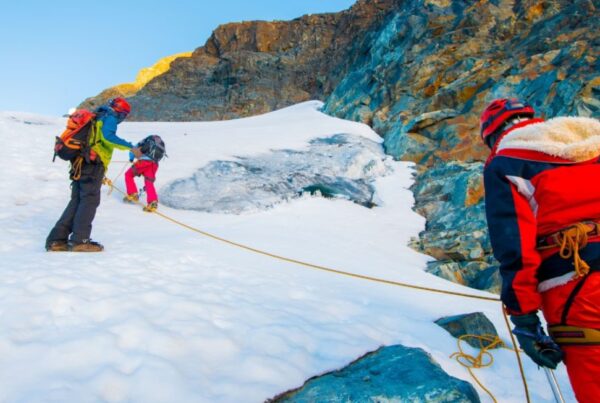
Every trekker on a summit expedition should have carried comprehensive evacuation insurance, the insurer’s 24-hour emergency number saved on their phone, and should have provided that information to their guide before the trek began. This is not optional preparation. It is the same category of safety requirement as carrying a headlamp or wearing a harness on the glacier.
Frequently Asked Questions: Altitude Sickness on the Rwenzori.
How common is altitude sickness in the Rwenzori Mountains?
Acute mountain sickness in its mild form, primarily headache, mild nausea, and disrupted sleep, affects a significant proportion of trekkers who ascend above 3,500 metres on the Rwenzori. Estimates from high-altitude medicine research suggest that between thirty and sixty percent of people who ascend above 4,000 meters experience at least mild AMS symptoms, with the exact incidence depending on ascent rate, individual physiology, hydration, and fitness. Severe AMS and the life-threatening conditions HACE and HAPE are much less common; perhaps two to four percent of high-altitude trekkers develop significant illness, but on a mountain where the maximum elevation is 5,109 metres and the terrain makes rapid self-rescue difficult, even low-probability severe illness requires serious preparation. The Rwenzori’s specific conditions equatorial solar load, persistent wet cold, technically demanding terrain, and limited rapid descent options at the high camps mean that altitude illness management is a core guide competency, not an edge case.
At what altitude does altitude sickness typically start on the Rwenzori?
Most trekkers first notice altitude sickness symptoms on the Rwenzori between 2,500 and 3,500 meters, typically from Day 2 onward on both the Kilembe Trail and the Central Circuit. On the Kilembe Trail, the first significant risk elevation is Mutinda Camp at 3,688 metres. On the Central Circuit, symptoms most commonly appear at or above Bujuku Hut at 3,977 metres. The risk increases substantially above 4,000 meters, and the high camps, Bugata (4,062 m), Hunwick’s Camp (3,974 m), and Margherita Camp (4,485 m), are where moderate-to- severe AMS is most likely to develop if acclimatization has been incomplete. HAPE can onset as low as 3,000 metres in susceptible individuals, though it is most common above 4,000 metres.
Would it be possible to experience altitude sickness on the Rwenzori even if you have not encountered it previously?
Yes, absolutely. Previous altitude tolerance does not reliably predict future altitude responses. Altitude illness susceptibility varies from ascent to ascent depending on individual physiology, overall health status at the time of the ascent, hydration, fitness, rate of ascent, and factors that are not fully understood by current altitude medicine. Trekkers who have climbed Kilimanjaro without symptoms, hiked in the Alps to 4,000 meters, or performed well at altitude on a previous occasion should not assume they will perform equally well on Rwenzori. The Rwenzori’s specific environmental conditions, equatorial climate, persistent cold and moisture, and the combined physiological stress of a multi-day expedition in challenging terrain can produce altitude illness in individuals who have been genuinely resistant to it elsewhere.
Should I take Diamox (acetazolamide) for the Rwenzori?
The decision whether to take acetazolamide for a Rwenzori trek should be made in consultation with a travel medicine doctor or your GP, not based solely on general information. There is strong support for using acetazolamide to prevent altitude sickness, and wilderness medicine groups suggest it for people who have had altitude sickness before or are climbing quickly. It is a prescription medication that requires a medical consultation to obtain. Standard prophylactic dosing is 125 mg twice daily, started one to two days before ascending above 2,500 metres. The most important contraindication is sulfa drug allergy; anyone with this allergy must not take acetazolamide. Common side effects include tingling in the extremities and increased urination. For trekkers following a standard itinerary with good acclimatization built in and no prior altitude illness history, a thorough discussion with a doctor may conclude that behavioral prevention strategies, pace control, aggressive hydration, and adequate rest are sufficient.
What is the difference between AMS, HACE, and HAPE?
Acute mountain sickness (AMS) is the general syndrome of altitude-related illness, characterized primarily by headache, nausea, fatigue, and disrupted sleep. It exists on a spectrum from mild to severe. High Altitude Cerebral Edema (HACE) is the severe neurological form of altitude illness, involving fluid accumulation inside the skull that compresses the brain. Its hallmark signs are ataxia (loss of coordination, inability to walk in a straight line) and altered consciousness, and it is potentially fatal without immediate descent. High Altitude Pulmonary Edema (HAPE) is the severe pulmonary form, involving fluid accumulation in the lungs that progressively impairs oxygen exchange. The main signs are shortness of breath at rest, a cough that doesn’t go away and may produce pink frothy sputum, and cyanosis. HAPE is the most common cause of death from altitude illness globally and can develop without preceding significant AMS. All three conditions require descent as the primary treatment; HACE and HAPE are medical emergencies requiring immediate descent, supplemental oxygen where available, and pharmaceutical intervention while evacuation is organized.
Can altitude sickness be fatal on the Rwenzori?
HACE and HAPE can be fatal anywhere at altitude, and the Rwenzori is not an exception. The factors that determine outcome in serious altitude illness are how quickly the condition is recognized, how quickly descent is initiated, whether pharmaceutical adjuncts (dexamethasone, nifedipine, supplemental oxygen) are available, and how quickly evacuation can be arranged if the patient cannot self-descend. Deaths from altitude illness on the Rwenzori are rare. They occur when symptoms are not recognized or are concealed, when the descent decision is delayed, or when the logistical complexity of evacuation from a remote high camp causes unacceptable delay. The professional guide team at Rwenzori Trekking Safaris is trained in altitude illness recognition and emergency management specifically to minimize these risks, but no guide team can protect a trekker who does not communicate their symptoms honestly.
What happens if altitude sickness forces me to turn back on the Rwenzori?
If altitude illness symptoms require you to descend before reaching the summit, your guides will manage the descent and accompanying medical support. For mild to moderate AMS that responds to a lower camp, some trekkers rest and subsequently re-attempt the summit in the following days if their itinerary allows. For severe AMS, HACE, or HAPE, the summit attempt is ended, and the focus shifts entirely to the trekker’s health and safe return to the trailhead or lower-elevation medical facility. Trek operators cannot typically offer refunds for summit failures caused by altitude illness, as the mountain days, guide time, and camp facilities have been used. This is one reason why comprehensive travel insurance with trip interruption coverage is recommended for any serious summit expedition. The mountain will be available for future attempts; the guides at Rwenzori Trekking Safaris are available to help plan a return expedition when you are ready.
Plan Your Rwenzori Trek With Safety at the Centre
The Rwenzori Mountains are a genuinely demanding environment, and altitude sickness is a truly significant risk above 3,500 metres. The Rwenzori is also a mountain range that has been successfully trekked by thousands of well-prepared adventurers, where the altitude illness risk is manageable with the right itinerary, the right preparation, and the right guide team. Safety and ambition are not opposites on the Rwenzori; they are conditions of each other. The safest trekkers are the most prepared ones, and the most successful summit parties are those who have treated the altitude question seriously from the beginning.
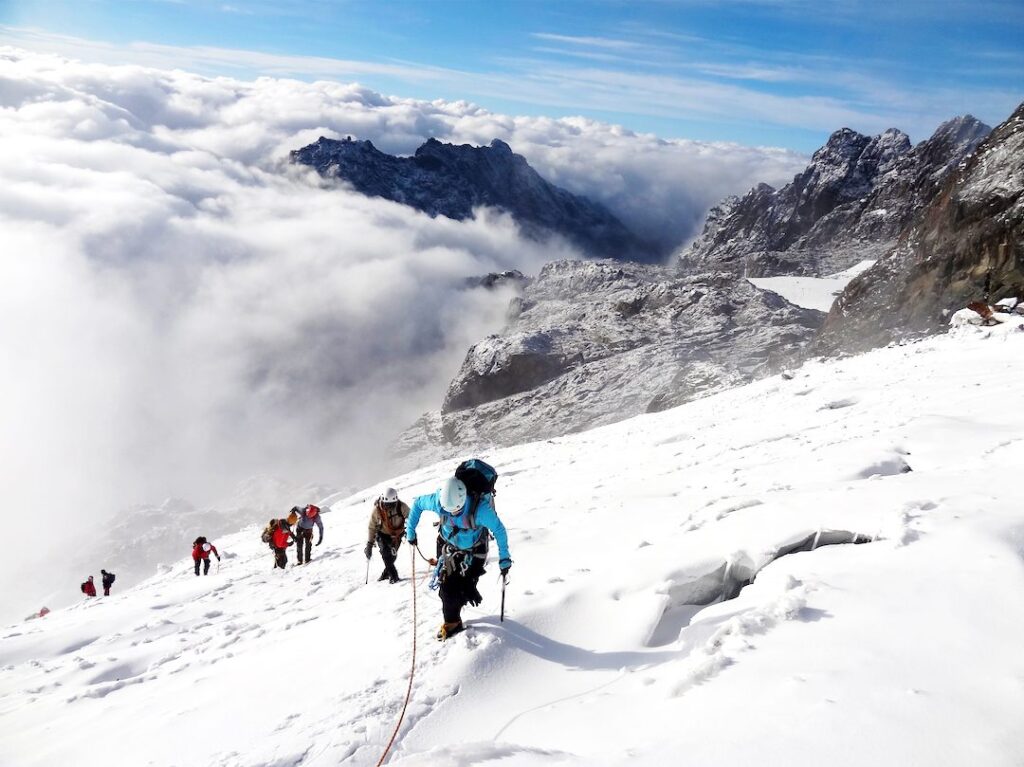
Rwenzori Trekking Safaris designs all itineraries with altitude illness prevention built into the ascent profile. Our guides are trained in wilderness first aid and altitude illness management. We maintain emergency communication equipment and emergency response contacts throughout every expedition. Whether you are planning the 8-Day Kilembe Trail, the 7-Day Central Circuit, or an extended 13-Day Six Peaks Expedition, contact us to start building the expedition that suits your fitness, your timeline, and your ambitions with altitude safety as a foundation, not an afterthought.
Your safety is our first priority. Your Summit is Our Shared Goal.
Get in touch to plan a Rwenzori trek with altitude safety at its core.