What happens if you get sick or injured on the Rwenzori? Complete guide: first aid, helicopter evacuation, hospitals, travel insurance, and emergency contacts.
There is a question that serious trekkers ask before committing to any remote mountain expedition, and they are right to ask it. The Rwenzori Mountains, the Mountains of the Moon, rising to 5,109 metres above the Uganda–Congo border, sit in one of the most biodiverse, logistically complex, and genuinely remote high-altitude environments in all of Africa. And so the question, asked in email after email that arrives in our inbox from trekkers in Europe, North America, and Australia, is always some version of this: “What happens if something goes wrong up there?”
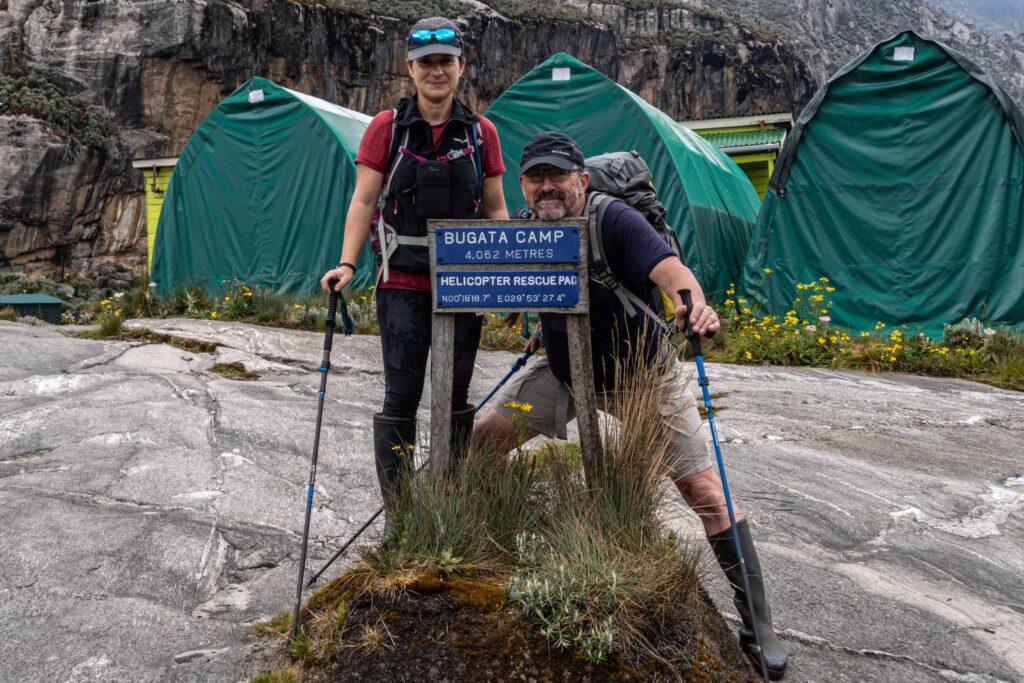
It is the right question. And as someone who has spent many years guiding expeditions across the Central Circuit Trail, up the Kilembe Trail, and to the summit of Margherita Peak on Mount Stanley at 5,109 metres, I want to give you the complete, honest answer. Not a reassurance designed to close a sale, but the real operational picture: what we carry, what we do, how evacuation works, which hospitals are involved, what role your travel insurance plays, and exactly who gets called when things get serious.
The Rwenzori is not a mountain to fear, but it is a mountain to respect. Its extraordinary difficulty comes not primarily from altitude, though altitude is a real factor, but from the combination of sustained wet cold, technical terrain, near-daily rainfall, and genuine remoteness from medical infrastructure. When I finish this article, you should feel not frightened but informed: confident that the systems exist, that your guide team knows exactly what to do, and that the right preparation on your part, particularly comprehensive travel insurance, transforms an emergency from a catastrophe into a managed event.
First Aid on the Mountain: What Your Guides Carry and Know
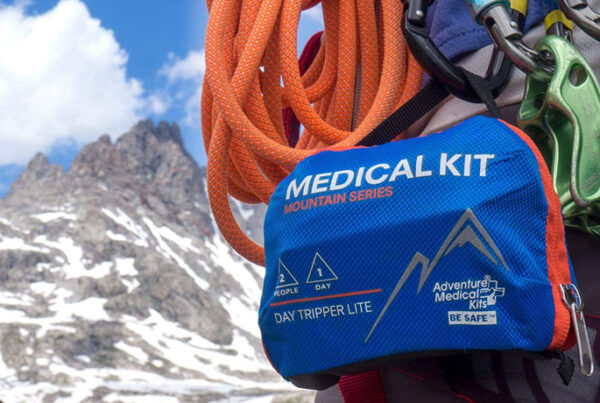
Every guided expedition that departs with Rwenzori Trekking Safaris carries a dedicated first aid pack assembled specifically for high-altitude tropical mountain environments. This is not a generic pharmacy first-aid kit. It is a carefully curated medical resource built around the actual emergency scenarios that occur on these trails, from altitude illness and hypothermia to musculoskeletal injuries and gastrointestinal emergencies.
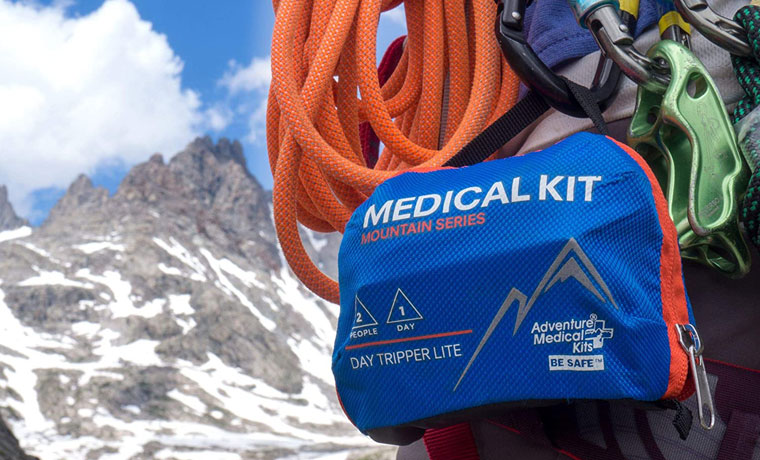
The medical kit that our lead guides take on all summit trips has a pulse oximeter and a digital thermometer to keep track of health; acetazolamide (Diamox) to help with altitude sickness; dexamethasone, a quick-acting steroid to reduce brain swelling in cases of HACE (High Altitude Cerebral Edema); nifedipine for emergencies related to HAPE (High Altitude Pulmonary Edema); supplies for treating wounds like sterile dressings, closure strips, antiseptic solution, and medical tape; a foil emergency bivouac bag and heat packs for managing hypothermia; oral rehydration salts; antihistamines; basic pain relief; and a SAM splint system to
Wilderness First Responder Training
Equipment is only as valuable as the person using it. Every lead guide employed by Rwenzori Trekking Safaris is trained in Wilderness First Responder (WFR) principles, the field medicine standard designed specifically for situations where professional medical care is hours or days away. WFR training covers patient assessment, altitude illness recognition and treatment using the Lake Louise Scoring System, hypothermia management, wound care and fracture immobilisation, improvised litter construction for carrying an incapacitated patient over difficult terrain, and emergency communication protocols.
On all expeditions above 4,000 metres which includes every route approaching Margherita Peak, Mount Speke, Mount Baker, Mount Emin, Mount Gessi, and Mount Luigi di Savoia, our guides conduct daily oxygen saturation readings on every trekker in the group. A reading falling below 80% at a given altitude, particularly when accompanied by symptoms such as persistent headache, confusion, or shortness of breath at rest, triggers our emergency response protocol immediately.
The Most Common Medical Emergencies on the Rwenzori
Understanding what can actually go wrong on this mountain is the foundation of understanding how we respond. The emergencies we encounter on the Rwenzori divide broadly into four categories, each with its own presentation, urgency, and management pathway.
Altitude Sickness: AMS, HACE, and HAPE
Altitude illness is the medical emergency that defines high-altitude trekking everywhere in the world, and the Rwenzori is no exception. Our Mount Luigi di Savoia covers the physiology in depth, but the operational summary is this: Acute Mountain Sickness (AMS), the mild-to-moderate end of altitude illness, presents as headache, nausea, fatigue, and disturbed sleep. It is common above 3,000 metres and affects a meaningful proportion of trekkers. It is manageable on the mountain with rest, hydration, and, in some cases, medication and does not automatically require evacuation.
High Altitude Pulmonary Oedema (HAPE) and High Altitude Cerebral Oedema (HACE) are a different matter entirely. HAPE involves fluid accumulating in the lungs; the trekker develops a cough, shortness of breath at rest, and a characteristic crackling sound when breathing. HACE involves fluid accumulating in the brain; the trekker develops a severe headache, loss of coordination (ataxia), confusion, and, in advanced cases, altered consciousness. Both are life-threatening conditions that will kill without rapid descent and treatment. There is no option to wait and see, no heroic push to the summit the next morning, and no possibility of rest resolving the situation. The moment HAPE or HACE is identified, descent begins immediately, regardless of weather, time of day, or how close the trekker is to a summit they have spent months preparing for.
Guide Protocol: “Any trekker showing signs of HACE or HAPE is descended immediately, full stop. Not in the morning. Not after the weather clears. Now. A summit can be attempted again. A life cannot be recovered once lost to altitude oedema.”
Hypothermia: The Slow Danger
The Rwenzori is cold, wet, and relentless. Temperatures on Margherita Peak can drop well below zero at any time of year, and wind chill on exposed ridges amplifies this significantly. But the greater hypothermia risk on this mountain is not the dramatic cold of a summit night; it is the sustained, insidious chill of hours spent moving through wet terrain in clothing that has been penetrated by the Rwenzori’s relentless moisture. Mild hypothermia, shivering, slurred speech, and impaired decision-making can develop at temperatures well above freezing when a trekker is wet, exhausted, and no longer generating enough metabolic heat to compensate for the cold.
Our guides are trained to recognize the early signs of hypothermia, which a trekker often cannot self-diagnose because cognitive impairment is one of the first symptoms. Management involves removing wet clothing, wrapping the patient in dry insulation and an emergency foil bivouac bag, providing warm sweet fluids if the patient is conscious and able to swallow safely, and, if necessary, using chemical heat packs placed carefully at the groin, armpits, and neck , the pulse points, to raise core temperature. In a genuine hypothermia emergency, shelter is established immediately, and descent and evacuation are initiated once the patient is stabilized enough to be moved safely.
Trail Injuries: Falls, Sprains, and Lacerations
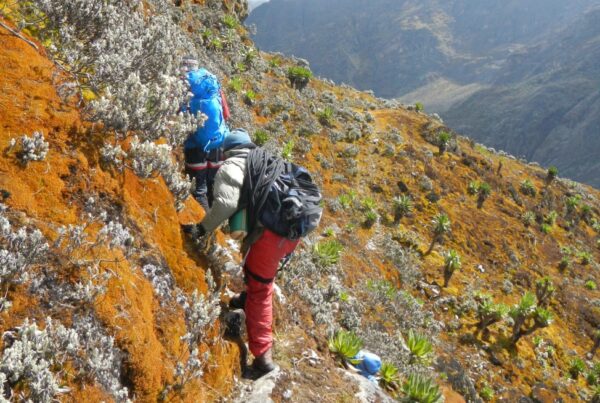
The Rwenzori’s terrain is objectively treacherous. Trails that are notorious for their knee-deep bogs, slippery exposed roots, and technical rock scrambles on summit approaches create genuine fall risk at every elevation. The most common trail injuries we encounter are ankle sprains and strains, which are manageable with splinting, strapping, and supported descent; lacerations from falls onto rocks or vegetation, which are managed with wound closure and dressing changes; and in rarer cases, fractures or dislocations requiring immobilisation with a SAM splint and urgent evacuation.
The higher technical routes, particularly the approaches to Margherita Peak across the Stanley Plateau and the Elena Glacier, and the rock sections on Mount Speke and Mount Baker carry a more serious injury risk. These routes require crampons, an ice axe, and a roped team for glaciated sections. Falls on snow and ice can cause significant trauma. Our guides lead all technical sections, manage roping decisions, and will turn a group back from any technical terrain if conditions make the risk unacceptable, regardless of what has been planned.
Gastrointestinal Illness
Water-borne gastrointestinal illness, primarily from untreated water sources or inadequate sanitation at camps, is a consistent background risk on any multi-day mountain expedition in the tropics. On the Rwenzori, where water is everywhere and the warm, humid lower zones create ideal conditions for bacterial growth, gastroenteritis can progress rapidly. The combination of vomiting, diarrhea, and the significant fluid loss that results creates dehydration that compounds altitude illness risk and significantly weakens a trekker’s ability to continue. Our porters carry filtered and treated water, and trekkers are briefed on water treatment protocols on day one. Management involves aggressive oral rehydration, rest, and, if the illness is severe enough to compromise the trekker’s capacity to walk safely, a decision about descent.
How Our Guides Respond: The Decision-Making Protocol
The decision to descend or evacuate a trekker is never taken lightly, but on the Rwenzori it is also never delayed once the threshold is crossed. Our guides use objective clinical criteria and their own judgment to make this call, not the trekker’s wishes or the timing’s logistical inconvenience.
The Descend-or-Continue Decision
When a trekker presents with any symptoms on the mountain, the lead guide conducts a structured assessment. For altitude-related symptoms, this uses the Lake Louise Scoring System: a standardized set of questions covering headache severity, gastrointestinal symptoms, fatigue, dizziness, and sleep disturbance, combined with a pulse oximetry reading and a simple coordination test, the ability to walk a straight line without losing balance. A mild AMS score with stable oxygen saturation allows continuation at the current altitude, with close monitoring and a hold on further ascent. A moderate score requires a rest day at the current altitude. A score indicating HACE risk, or any sign of HAPE, triggers immediate descent.
For non-altitude emergencies, a significant fall, hypothermia, or acute illness, the assessment is simpler: can this person walk safely? If not, they cannot continue. If evacuation is required, can we move them under our own capacity, or do we need to call for external rescue support? These are operational decisions that our guides make every time, in conditions that are often poor, with the resources available.
Communication on the Mountain
Communication is one of the Rwenzori’s real challenges. As our dedicated article on phone signal and WiFi on the Rwenzori explains in detail, mobile signal is extremely limited above the lower forest zones on both the Central Circuit and Kilembe Trail routes. There are specific elevated points and ridgelines where MTN Uganda or Airtel Uganda signals can be caught briefly, but inside the deep valleys and at the higher camps, Bujuku, Elena, and Margherita, reliable mobile communication does not exist.
Our guides carry VHF radio equipment for communication with the park’s ranger stations and the trailhead. In serious emergencies, a runner, one of the porters, can be dispatched to the nearest ranger post or down to the trailhead to initiate emergency contact while the guide team manages the patient on the mountain. In some circumstances, satellite communicator devices (such as the Garmin inReach) are carried on expeditions, particularly on the longer multi-peak itineraries. We encourage trekkers on summit expeditions to carry a personal satellite communicator as a backup communication layer.
Evacuation Options: What Actually Happens When You Need to Come Off the Mountain
This section is what most trekkers want to understand, as it is where the honest reality of the Rwenzori diverges most sharply from the assumptions formed by experience in other major trekking destinations.
Does Helicopter Evacuation Exist on the Rwenzori?
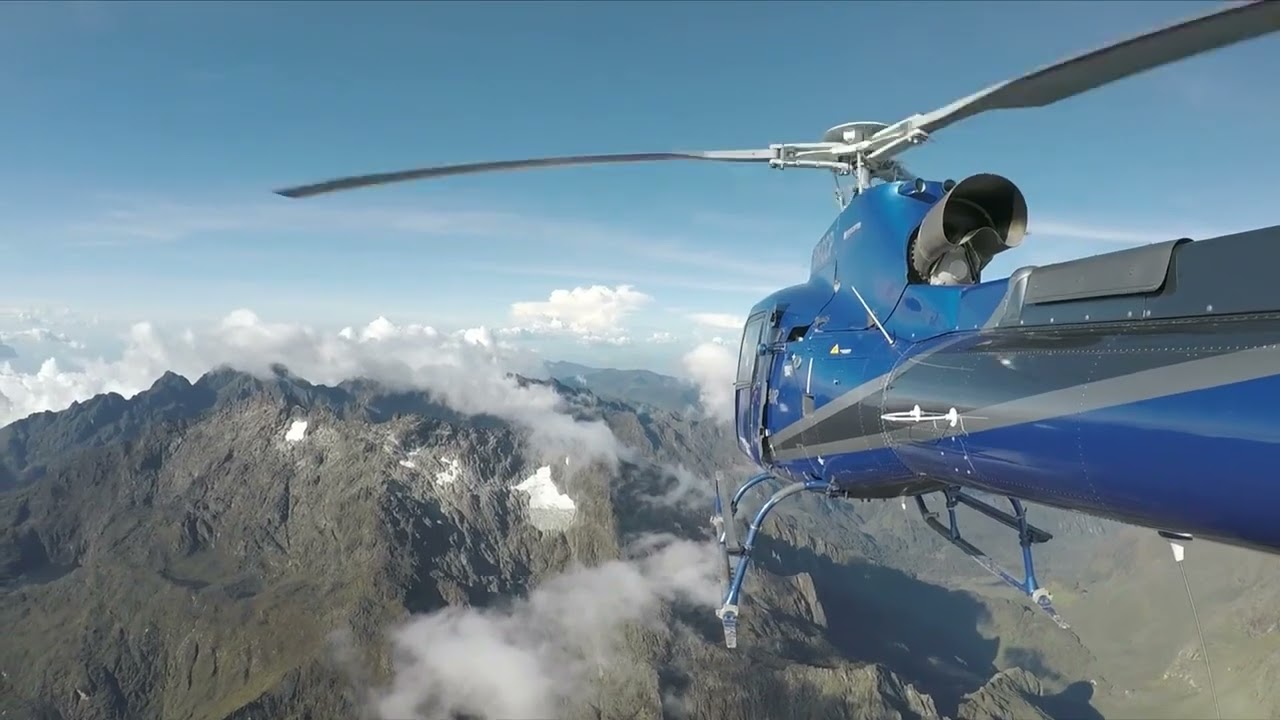
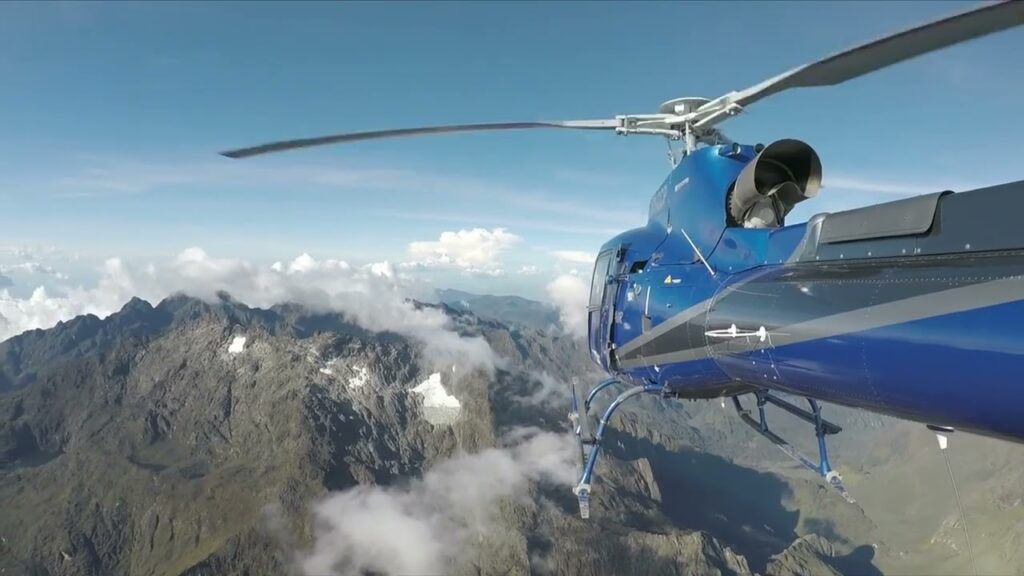
Yes, but it is not available in the same way as on Kilimanjaro, in the Alps, or in Nepal. Helicopter evacuation from the Rwenzori Mountains is possible, but it is complex, expensive, logistically challenging, and not guaranteed. There is no permanently stationed mountain rescue helicopter assigned to the Rwenzori. The Rwenzori lacks a Swiss Air Rescue service that can respond within four minutes.
In practice, helicopter evacuation from the Rwenzori can be coordinated through the Uganda People’s Defence Force (UPDF), which has military aviation assets, or through East African commercial emergency aviation operators, notably those based in Kampala or Nairobi. The key practical constraints are significant. Landing zones on the mountain are limited and elevation-dependent. Helicopters capable of operating at high altitudes under Rwenzori weather conditions are not always the same as those available in the region. The Rwenzori’s weather, characterised by cloud, mist, and rapid change, can ground any helicopter approach for twelve to twenty-four hours. And the cost of a helicopter evacuation in East Africa, including mobilization, flight time, and specialist crew, is typically between $8,000 and $25,000 USD, a figure that underlines why comprehensive travel insurance is not a bureaucratic formality but a genuine operational necessity.
Critical Fact: Helicopter evacuation from the Rwenzori is possible but not guaranteed, and it is never instant. Weather, available assets, and landing zone access can all cause delays. This is why your guide team’s ground evacuation capability, and your travel insurance’s ability to authorise and fund rescue operations quickly, are both equally important.
This is precisely why our article on Rwenzori travel insurance requirements emphasizes that your policy must explicitly cover helicopter mountain rescue in Uganda, with no altitude caps below 5,200 meters and a 24-hour emergency authorization line that our guides can call directly. An insurer who requires you to initiate the claim before the rescue is authorized is not suitable for a Rwenzori expedition.
The Ground Evacuation Process
In the absence of a helicopter, or while a helicopter is being coordinated, ground evacuation is the primary mechanism for getting an injured or sick trekker off the mountain. This is a significant undertaking on the Rwenzori and one that our porter and guide teams are trained and equipped to manage.
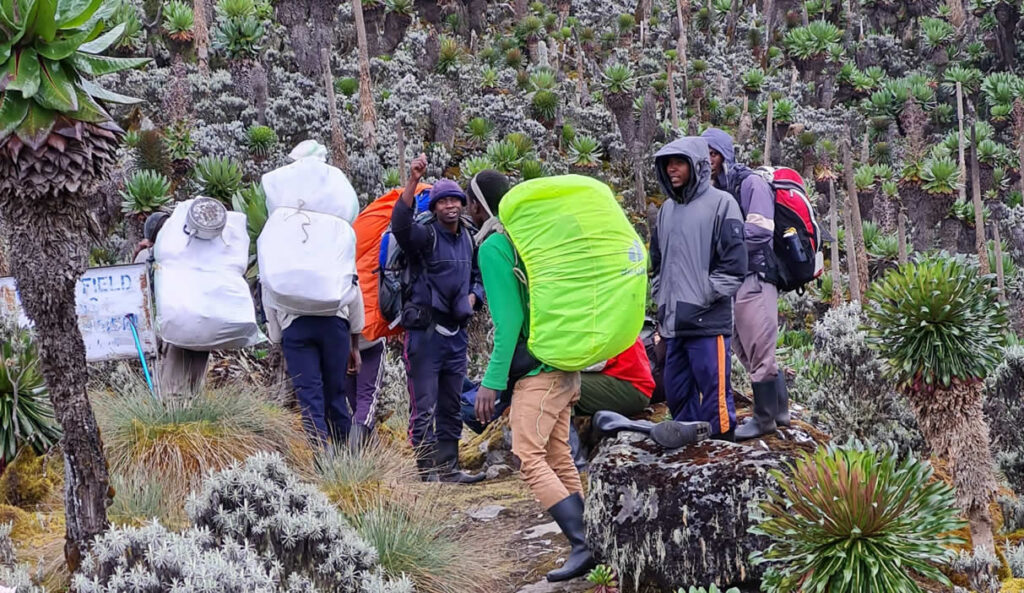
Our porters construct an improvised litter, a stretcher, using trekking poles, pack frames, and rope, capable of carrying an adult male safely over the rough terrain. This litter is carried by a rotating team of porters working in shifts, with the lead guide managing the patient’s condition throughout the descent. On the Central Circuit, evacuation from Bujuku Camp to the Nyakalengija trailhead typically takes six to eight hours of continuous movement under good conditions and, from Elena Camp, approaching twelve hours. On the Kilembe Trail, the distances and terrain are similarly demanding.
This is not a comfortable or fast process, but it is an effective one. Our teams have managed multiple ground evacuations over the years and done so without loss of life. The key is that the decision to evacuate is made early enough that the patient’s condition has not deteriorated to the point where movement itself becomes dangerous and that the team has enough physical resources, porters, daylight, and supplies to complete the descent safely.
From the Mountain to the Trailhead
Once a trekker is at the trailhead, either Nyakalengija on the Central Circuit or the Kilembe trailhead on the Kilembe Trail, a vehicle is required to transport the patient to the nearest medical facility. Our team maintains relationships with vehicle operators in Kasese town and can have transport arranged during the descent. The drive from Nyakalengija to Kasese takes approximately 30 to 45 minutes on paved road. From the Kilembe trailhead to Kasese is shorter still.
Which Hospital? Where You Will Be Taken and Why It Matters
The medical facility you reach depends on the severity of your condition and the time available. Understanding the options along the evacuation chain is essential both for your own peace of mind and for briefing your insurer on the real scenario they need to cover.
Kasese and Fort Portal: The First Point of Medical Contact
Kasese District Referral Hospital is the nearest government facility to the Rwenzori. It is a functioning district hospital capable of managing traumatic injuries, conducting basic diagnostics, and stabilizing a patient for onward transport. It is not equipped for advanced surgery, neurosurgery, intensive care, or altitude-specific specialist intervention. For a sprained ankle, a laceration requiring sutures, or a dehydrated and mildly ill trekker who simply needs IV fluids and rest, Kasese Hospital is appropriate and effective. For a trekker with a serious head injury, a suspected spinal fracture, or a severe altitude edema requiring intensive care, Kasese is a stabilization point only, and onward transport to a specialist facility is required. Fort Portal Regional Referral Hospital, approximately 1.5 to 2 hours from Kasese by road, offers a higher level of care, including surgical capacity. Private clinics in both Kasese and Fort Portal provide additional options for less serious conditions.
Aga Khan University Hospital, Kampala: The Gold Standard in Uganda
For any serious medical emergency requiring specialist care, the definitive destination within Uganda is Kampala, specifically Aga Khan University Hospital or Case Hospital, both of which are private facilities offering a level of care that approaches international standards. The Aga Khan University Hospital in Kampala has imaging equipment, surgical theaters, an intensive care unit, and specialist physicians. It is the facility recommended by international travel insurers, diplomatic missions, and experienced expedition operators for complex medical cases evacuated from the Rwenzori.
The drive from Kasese to Kampala is approximately five to six hours on the Fort Portal, Mubende, and Kampala highway. An air ambulance from a Kasese or Fort Portal airstrip to Entebbe reduces this to approximately forty-five minutes of flight time. For a critical patient, air ambulance transfer is the appropriate route, and this is a service that must be authorized and funded by a travel insurance policy with adequate evacuation coverage.
Evacuation Beyond Uganda: Nairobi and Home Country Repatriation
In the most serious cases of complex trauma, surgical complications, or conditions requiring specialist care unavailable in Uganda, medical repatriation to Nairobi, Kenya, is the next step. Nairobi Hospital, the Aga Khan Hospital Nairobi, and Kenyatta National Hospital offer a higher level of specialist care than is available within Uganda. Nairobi is approximately one hour by commercial or charter aircraft from Entebbe. Medical repatriation to Europe or North America, for conditions requiring long-term specialist care, involves air ambulance transport and can cost upwards of $100,000 USD, another reason why the insurance coverage limits we discuss in our
Rwenzori travel insurance requirements are not theoretical figures but real-world financial thresholds that determine whether a family faces financial ruin alongside a medical crisis.
I am raw html block.
Click edit button to change this html
Why Travel Insurance Is Not Optional on the Rwenzori: The Non-Negotiable Reality
I have said this to every trekker who has ever walked with us, and I will say it here with the same directness: if you arrive at the Rwenzori without comprehensive travel insurance that covers high-altitude mountain rescue in Uganda, you are creating a risk not only for yourself but also for the people who will be responsible for evacuating you. We will always try to get you off the mountain safely; we do not abandon trekkers. But the logistics of a serious evacuation, particularly one involving a helicopter or an air ambulance, require financial authorization that only a valid insurance policy can provide.
The minimum requirements for a Rwenzori trekking insurance policy are unambiguous. The policy must cover medical emergencies and evacuation in Uganda. It must extend to at least 5,200 metres in altitude; no cap below this threshold is acceptable for any itinerary approaching Margherita Peak. The combined medical and evacuation limit must be a minimum of $200,000 USD, with unlimited coverage strongly preferred. Altitude illness, including HAPE and HACE, must be covered as a medical emergency with no exclusion for conditions deemed an “inherent risk” of mountaineering. And the insurer must have a 24-hour emergency line that your guide can call directly to authorize a rescue without requiring you, as an incapacitated patient, to initiate the claim.
Providers that consistently meet these requirements for the Rwenzori include Global Rescue (a membership-based evacuation service), Ripcord Rescue Travel Insurance (a hybrid evacuation and travel insurance product with no altitude caps), World Nomads Explorer Plan (with confirmed altitude terms for your departure country), and Battleface (a specialist adventure insurer with strong remote-destination coverage). All of this is covered in significant detail in our dedicated Rwenzori travel insurance guide. Before you book your trek, before you purchase flights, read that guide and purchase a policy that matches the reality of where you are going.
Trekkers with pre-existing medical conditions, particularly cardiovascular or respiratory conditions, should read our complete medical guide to Rwenzori trekking and discuss their fitness for this expedition with a doctor before departure. The 16-week training plan we publish for Rwenzori trekkers addresses the physical preparation side of safety in detail, and the safety overview for the Rwenzori covers the broader risk landscape. But insurance is the safety net that sits beneath all of it.
Who to Call in the Rwenzori Emergency: The Contact Chain
In an emergency on the Rwenzori, you will almost certainly not be the one making the calls; your guide will be the one who does. Understand the contact chain, as it underscores the importance of our pre-trek briefing and the operational value of the information you provide.
The emergency contact chain on the Rwenzori works as follows. The lead guide on the mountain is the first decision-maker. The guide assesses the patient, determines the response required, and initiates either ground evacuation under the guide team’s own capacity or calls for external support via VHF radio to the nearest Uganda Wildlife Authority ranger station or to the Rwenzori Mountaineering Services base at Nyakalengija. If a porter runner is required to reach communication infrastructure, that runner is dispatched while the guide team manages the patient on the mountain.
Once radio or telephone contact is established at the trailhead or a ranger post, the following contacts are used: the Uganda Wildlife Authority emergency coordination number for the park; our Rwenzori Trekking Safaris office in Kasese, which maintains contacts with transport operators, hospitals, and helicopter coordination services; the trekker’s insurer’s 24-hour emergency assistance line, which must be called as early as possible to begin the authorization process for evacuation and medical care; and if helicopter evacuation is being sought, coordination with either the UPDF aviation unit or a commercial East African emergency aviation operator.
Action Required Before Your Trek: Write down your insurer’s 24-hour emergency number and your policy number on a laminated card and give a copy to your lead guide before leaving the trailhead. In an emergency, your guide needs this information immediately. Do not rely on it being accessible only on your phone, which may be dead, wet, or broken.
Our team’s contact details are always available through our contact page, and we ask all trekkers to complete a pre-trek registration form that captures their insurance details, emergency contacts, and relevant medical history before we depart the trailhead. This information is carried by the lead guide throughout the expedition. It is not bureaucracy; it is the information that allows us to act swiftly and correctly when seconds matter.
The Best Emergency Response Is One You Never Need: Preparation
Everything in this article describes what happens when something goes wrong. The equally important truth is that the vast majority of Rwenzori trekkers complete their expeditions without any significant medical event. The safety record on this mountain, for trekkers using established routes with qualified guides on appropriate itineraries, is genuinely good. The factors that make the difference are almost always preparation and pacing.
Choosing the right itinerary for your fitness level and experience is the single most impactful safety decision you can make. A 7-day Central Circuit expedition with a well-paced altitude gain profile gives your body the time it needs to acclimatize. Rushing the itinerary, attempting to compress a 7-day route into 5 days, is where altitude emergencies happen. Our route comparison guide helps you choose the right trail and duration for your specific background. The 8-day Kilembe Trail to Margherita Peak builds in more acclimatization time than the 7-day Central Circuit, and many guides, including myself, consider it the more physiologically sensible approach to the summit for trekkers without prior high-altitude experience.
Physical preparation also matters. Our 16-week Rwenzori training program builds the cardiovascular capacity and leg strength that keep trekkers moving confidently over difficult terrain, reducing fall risk and hypothermia risk alike. Older trekkers in their 50s and 60s and beginners approaching the Rwenzori for the first time should both read the relevant guides we have written for them, which address how to approach preparation for their specific situation.
Finally, the right gear reduces risk dramatically. Rubber boots for the lower bog sections, gaiters, a truly waterproof shell jacket, and thermal layering appropriate for sub-zero temperatures at the summit are not luxuries; they are the physical tools that keep your core temperature stable and your footing secure. Our boot guide for the Rwenzori bogs and our advice on whether to bring or rent your own climbing gear cover the gear decisions in detail. And if you are attempting technical summit routes requiring glacier travel, the question of crampons and ropes on the Rwenzori is answered clearly there.
Frequently Asked Questions: Injury, Illness & Evacuation on the Rwenzori
The questions below and answers are written to address the specific concerns trekkers raise most often about emergency management on the Rwenzori. Each answer is written to give you direct, accurate, operational information.
What happens if I get altitude sickness on the Rwenzori?
If you develop mild Acute Mountain Sickness (AMS) headache, nausea, fatigue, or disturbed sleep, your guide will conduct a formal assessment using the Lake Louise Scoring System alongside a pulse oximetry reading. Mild AMS typically results in a rest day at your current altitude, with a hold on further ascent until symptoms resolve. Hydration and, in some cases, acetazolamide are administered. The critical principle is that ascent never continues in the presence of worsening AMS. If your symptoms indicate moderate-to-severe AMS or any signs of HACE or HAPE, confusion, loss of coordination, breathlessness at rest, or a cough with pink or frothy sputum, descent begins immediately. There is no altitude on the Rwenzori from which a summit attempt is worth the risk of HACE or HAPE. Descent is treatment. Your guide will not wait for confirmation or a second opinion; they will descend with you.
Is there a helicopter rescue service on the Rwenzori Mountains?
Helicopter rescue from the Rwenzori Mountains is possible but not permanently established in the way it is in the Alps or Nepal. Uganda does not have a dedicated mountain rescue helicopter unit stationed at the Rwenzori. Helicopter evacuation is coordinated on a case-by-case basis, either through the Uganda People’s Defence Force (UPDF) military aviation or through commercial emergency aviation operators in East Africa. Logistical constraints include landing zone limitations on the mountain, the Rwenzori’s consistently difficult weather, and the availability of appropriate aircraft. A helicopter evacuation from the Rwenzori typically costs between $8,000 and $25,000 USD, which is why travel insurance with explicit helicopter mountain rescue coverage in Uganda is essential for any trekker above 3,000 metres. Your guide team can initiate evacuation coordination via radio from ranger posts or the trailhead, but the process is not instantaneous.
Which hospital will I be taken to if I am injured on the Rwenzori?
The hospital you reach depends on the severity and urgency of your condition. Kasese District Referral Hospital is the nearest government facility and the first point of medical contact for injuries or illness requiring immediate assessment after ground evacuation. For anything beyond basic trauma and stabilization, Fort Portal Regional Referral Hospital offers higher capacity, including surgical facilities. For serious emergencies requiring specialist care, complex trauma, intensive care, or neurosurgery, the recommended destination is the Aga Khan University Hospital in Kampala, which is approximately five to six hours by road from Kasese or forty-five minutes by air ambulance from a regional airstrip. In the most critical cases, or where conditions require long-term specialist care unavailable in Uganda, medical repatriation to Nairobi or to your home country may be necessary. Your travel insurance policy must cover the full chain: helicopter rescue, ground transport, Kampala specialist care, and international repatriation if required.
How long does it take to evacuate from the Rwenzori Mountains?
The duration of a ground evacuation from the Rwenzori depends on where on the mountain the emergency occurs and the patient’s ability to be moved. From Bujuku Camp on the Central Circuit to the Nyakalengija trailhead, a carried ground evacuation typically takes six to ten hours of continuous movement. From Elena Camp, the highest camp on the standard Central Circuit route, the journey to the trailhead can take twelve hours or more. On the Kilembe Trail, timings are similar. Once at the trailhead, a vehicle to Kasese takes approximately thirty to forty-five minutes. If helicopter evacuation is possible, and weather and aircraft availability allow, the time from the mountain to a hospital can be reduced to two to four hours. If weather grounds the helicopter, ground evacuation is the only option regardless of timing.
What medical kit do Rwenzori guides carry?
Guides on Rwenzori Trekking Safaris expeditions carry a dedicated high-altitude wilderness medical kit that includes a pulse oximeter and digital thermometer for patient monitoring; acetazolamide (Diamox) for altitude illness prevention and management; dexamethasone for HACE emergencies; nifedipine for HAPE management; wound care supplies including sterile dressings, antiseptic, closure strips, and bandages; a foil emergency bivouac bag and chemical heat packs for hypothermia management; a SAM splint system for fracture and sprain immobilization; oral rehydration salts; and basic analgesia. All lead guides are trained in Wilderness First Responder principles and are certified to administer these medications under field conditions. They also carry VHF radio communication equipment for contact with Uganda Wildlife Authority ranger stations and the trailhead.
Do I need travel insurance for a Rwenzori trek, and what must it cover?
Travel insurance is mandatory, not optional, for any Rwenzori trek above lower forest elevations. For any itinerary approaching or summiting Margherita Peak (5,109 metres), Mount Speke, Mount Baker, Mount Emin, Mount Gessi, or Mount Luigi di Savoia, your policy must cover medical emergencies and evacuation in Uganda; altitude coverage to at least 5,200 metres with no caps below this threshold; a combined medical and evacuation limit of at minimum $200,000 USD. Unlimited cover was preferred; explicit coverage of altitude illness, including HACE and HAPE, as medical emergencies; and a 24-hour emergency assistance line capable of authorizing a rescue without requiring patient initiation. Policies from Global Rescue, Ripcord Rescue Travel Insurance, World Nomads Explorer Plan, and Battleface are most commonly recommended by expedition operators for the Rwenzori. Full guidance on choosing and verifying the right policy is in our dedicated travel insurance guide.
What is the emergency contact process on the Rwenzori if I am injured?
If you are injured or seriously ill on the Rwenzori, your lead guide manages the emergency response. The guide assesses the situation, decides whether self-managed descent or external evacuation support is required, and initiates communication via VHF radio to the nearest Uganda Wildlife Authority ranger station or trailhead. Our Kasese operations team is contacted as early as possible to begin coordinating transport and hospital access. Your insurer’s 24-hour emergency line is called as a priority to begin the authorization process for rescue and medical expenses. This is why we require your policy number and emergency contact number from you before the trek begins. In situations where radio communication from the mountain is not possible, a porter runner is dispatched to the nearest ranger post or trailhead while the guide team remains with the patient.
Can I trek the Rwenzori safely if I have a pre-existing medical condition?
It depends on the condition and the itinerary. Pre-existing cardiovascular or respiratory conditions carry elevated risk at altitude and require careful medical assessment before any expedition above 3,000 metres. We recommend a consultation with a physician experienced in wilderness or travel medicine, who can assess your specific condition against the altitude profile of your planned route and advise on medications, monitoring, and whether specific itineraries are appropriate for your situation. Trekkers with well-managed conditions often complete Rwenzori expeditions successfully, particularly on lower-altitude itineraries such as the 3-Day Mahoma Loop (below 3,000 metres) or the 4-Day Mutinda Lookout trek. Full summit expeditions to Margherita Peak require disclosure of all pre-existing conditions to your insurer and your guide team before departure.
Ready to Plan Your Rwenzori Expedition? Start with the Right Team.
The Rwenzori Mountains are one of the last genuinely wild high-altitude places in Africa. They reward preparation, respect, and the decision to trek with a team that knows this mountain intimately. As you will now understand, that team is not simply a group of people who walk fast up a trail; it is a professional expedition organization with medical training, emergency communication equipment, established evacuation protocols, and years of experience making the right calls in difficult conditions on this specific mountain.
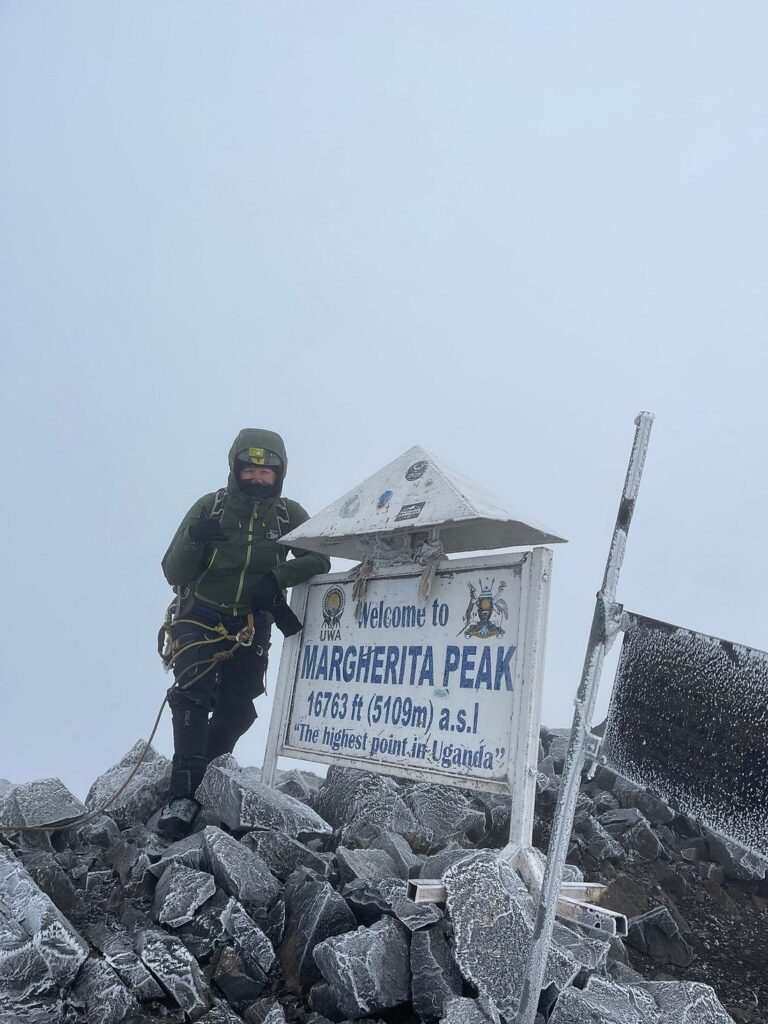
Whether you are considering the 7-day Central Circuit to Margherita Peak, the 8-day Kilembe Trail summit expedition, the extraordinary 13-day six-peak expedition, or a shorter introductory trek such as the 3-day Mahoma Loop, get in touch with our team. We will help you choose the right itinerary, brief you on every aspect of preparation and safety, verify that your insurance is appropriate for your route, and walk with you through one of the most extraordinary mountain environments on the planet.
Contact us through our inquiry form or browse our full range of Rwenzori trekking itineraries to find the expedition that matches your ambition. Margherita Peak is waiting.