Your complete guide to the Rwenzori Marathon in Kasese, Uganda, including race categories, terrain, weather, and how to combine race day with a Rwenzori mountain trek or gorilla safari.
You have run city marathons. You have pushed through the pain of a Sunday long run. But there is a race in western Uganda set beneath snow-capped equatorial peaks, crossing the Equator itself and finishing in the shadow of Africa’s Mountains of the Moon that will redefine what you think a marathon can be.
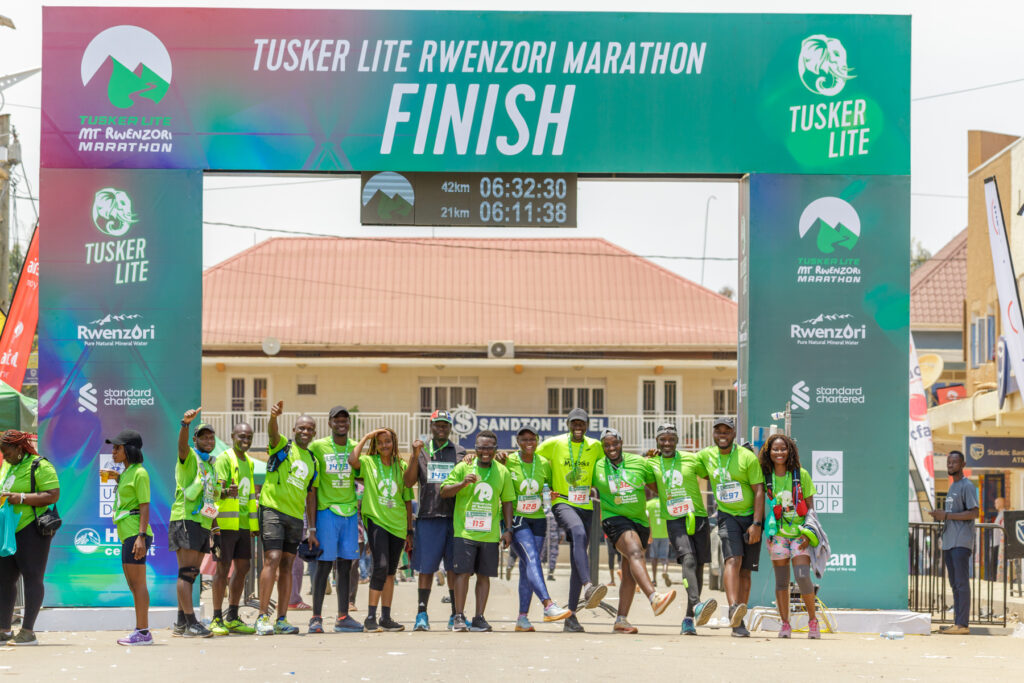
The Rwenzori Mountains have been luring explorers, mountaineers, and adventurers since the ancient Greeks gave them their mythic name: the Mountains of the Moon. Today, they lure a new breed of athlete, one who demands more from a race than a finisher’s medal and a banana at the finish line. The Tusker Lite Mt Rwenzori Marathon, held annually in Kasese in the foothills of one of Africa’s most extraordinary mountain ranges, has become one of the continent’s most talked-about sporting events. In just four years since its inaugural edition in 2022, it has grown from 800 runners to more than 3,500 athletes from over 36 countries; earned World Athletics Label Road Race status, the first marathon in Uganda to achieve that distinction; and become an official qualifying event for both the Comrades Marathon and the Two Oceans Marathon in South Africa.
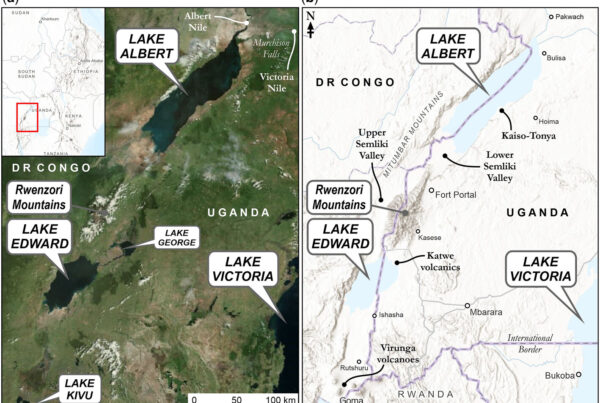
But beyond the race itself lies an even greater opportunity. The runners who come to Kasese and look up at those glaciated peaks, the same peaks that rise to Margherita Peak at 5,109 metres on Mount Stanley, the third-highest point on the African continent, often leave asking the same question: how do I get up there? This guide answers that question, and every other question a serious runner or adventure traveller needs to ask before landing in Uganda for a race weekend.
What Is the Rwenzori Marathon?
Ugandan tourism entrepreneur Amos Wekesa and former Vision Group CEO Robert Kabushenga founded the Rwenzori Marathon as a private-sector initiative. Their vision was straightforward but ambitious: create a world-class international running event in one of Africa’s most underrated and scenically spectacular regions, and use it to drive tourism, economic growth, and conservation awareness in the Kasese district of western Uganda.
The event they created surpassed all expectations. Within three years of its launch, the race had been ranked among the world’s 30 best marathons and, by 2026, had achieved World Athletics Label status, joining an elite group of only seven certified road races on the African continent. The course, a certified tarmac route that crosses the geographical Equator and delivers panoramic views of the snow-capped Rwenzori mountain range, is unlike anything runners encounter at most international races. You are not running between skyscrapers or through suburban streets. You are running through one of East Africa’s richest ecosystems, alongside the boundaries of a UNESCO World Heritage Site, at altitude, in the tropics, with the Mountains of the Moon watching your every stride.
The race is backed by Tusker Lite and has support from the Ugandan government, with the Ministry of Tourism, Uganda Tourism Board, Uganda Wildlife Authority, and Uganda Airlines all contributing more than UGX 800 million for the 2025 event, showing the country’s commitment to making the Rwenzori Marathon a key part of Uganda’s sports tourism plan.
Race Date and Location: Kasese, Uganda’s Mountain Town
The Rwenzori Marathon is held annually, typically on the third weekend of August, in and around Kasese town in western Uganda. The 2025 edition took place on 23 August 2025; the 2026 edition, the fifth, is scheduled for 22 August 2026. The race weekend spans several days of events, registrations, community activities, and cultural celebrations, making Kasese not just a pit stop but a genuine destination in its own right.
Kasese sits roughly 920 metres above sea level in the Rwenzori foothills, and it functions as the principal gateway to both Rwenzori Mountain National Park and Queen Elizabeth National Park. The town has a frontier energy to it: compact, warm, and buzzing with the presence of the mountains at its back. On race weekend, every guesthouse, lodge, and hotel in the district fills completely. The economic ripple effect is staggering: in 2024, the marathon generated over UGX 15 billion in local spending across Kasese and its surrounding communities.
Getting to Kasese is straightforward. Kampala to Kasese by road takes approximately five to six hours via the Mbarara highway, passing through the rolling green hills of western Uganda. Uganda Airlines and charter operators serve the Kasese Airport directly, and regular buses and shared minibuses connect the capital to the town. Many international runners fly into Entebbe International Airport and either drive directly or break the journey in Fort Portal, which sits roughly an hour northeast of Kasese and offers excellent accommodation options.
Race Categories: From the Family Fun Run to the Full Marathon
The Rwenzori Marathon has been thoughtfully designed to welcome runners of every ability, from elite athletes chasing qualifying times to families running their first 5km together. Understanding the categories helps you choose the right race for your goals and training base and helps you appreciate why this event attracts such a remarkably diverse field.
The Full Equator Marathon: 42.195 km
This distance is the flagship race, the one that defines the event’s international reputation and carries World Athletics Label certification. The full marathon is flagged off at the Equator Monument in Kikorongo, nestled within the extraordinary Queen Elizabeth National Park, meaning the very start line sits astride the invisible boundary that divides the northern and southern hemispheres. From there, the course unfolds across certified tarmac roads through the park, crossing the Equator itself, before bringing runners into Kasese town for the finish. The route delivers relentless elevation changes and sweeping views of the Rwenzori range throughout. For qualifying runners, this course also serves as an official entry point for both the Comrades Marathon and the Two Oceans Marathon, two of the most prestigious ultramarathons in the Southern Hemisphere.
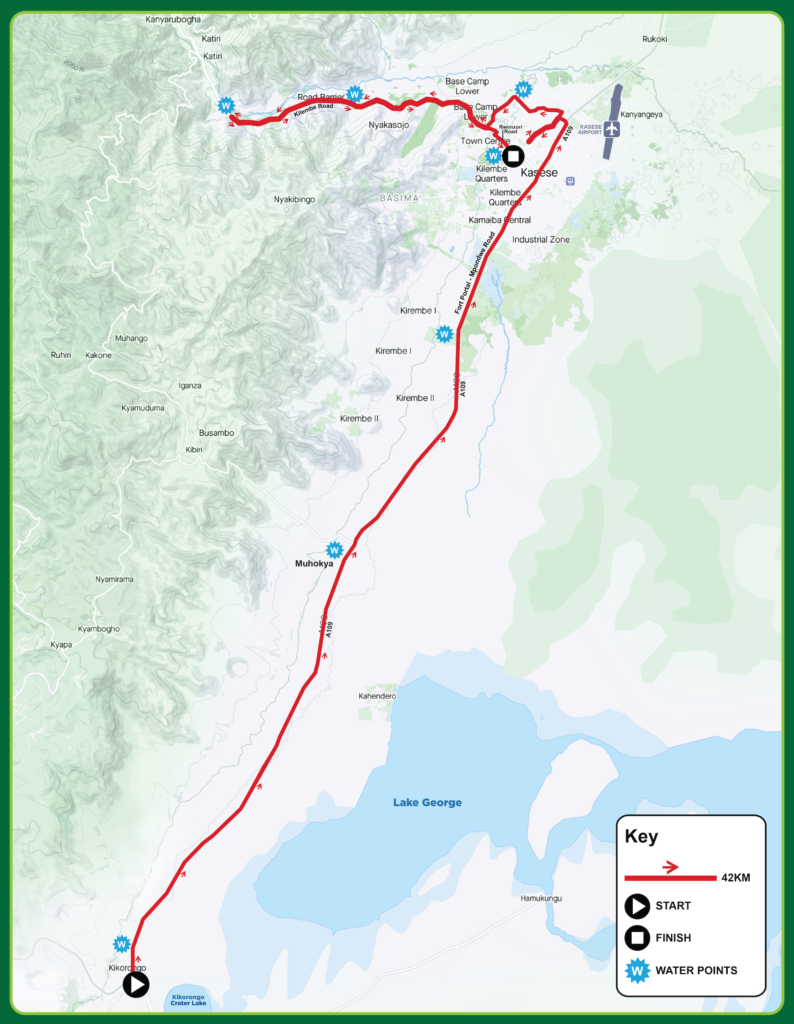
Prize money for the 2025 full marathon winner was UGX 10 million, with strong prize depth rewarding the top finishers in both the open and age-group categories.
The Kilembe Half Marathon: 21.1km
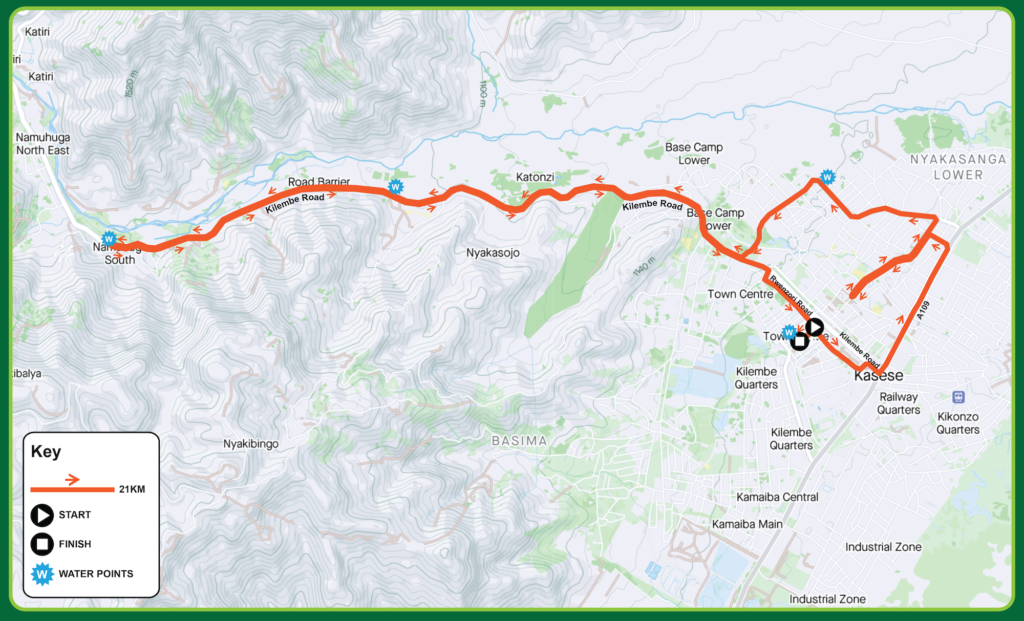
The half marathon has earned global recognition entirely on its merits. USA Today named it one of the most scenic half-marathons in the world, and once you understand the route, you will appreciate why. Runners carry themselves through the foothills of the Rwenzori range, with dramatic mountain views accompanying nearly every kilometre. This race has been particularly popular with international runners who want the challenge of a competitive half marathon combined with the immersive experience of running through African wilderness. Prize money at the 2025 edition reached UGX 7 million for the winner.
The 10km Race
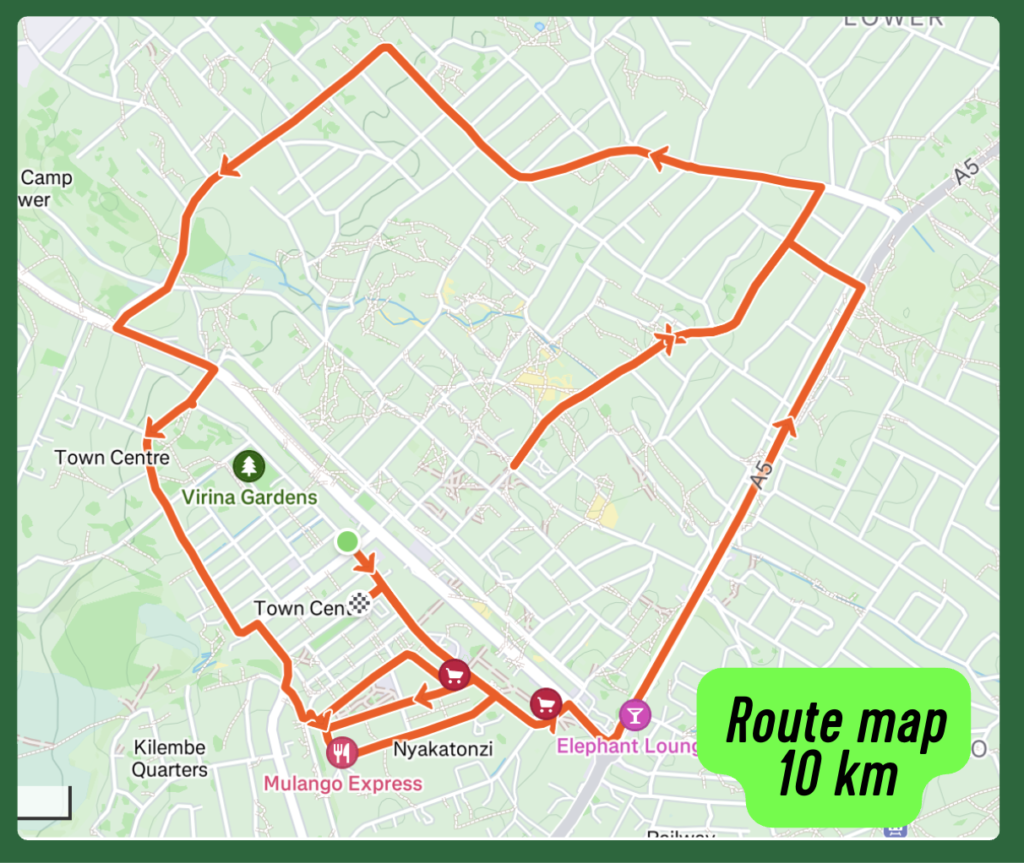
The 10km is a strong mid-distance race with genuine competitive depth, launched from the centre of Kasese town and sending runners through the streets and surrounding roads with the Rwenzori range as a constant backdrop. It attracts a mix of serious club runners looking for quick, competitive times and adventure travellers who want to run something meaningful without committing to longer distances.
The 5km Family Fun Run
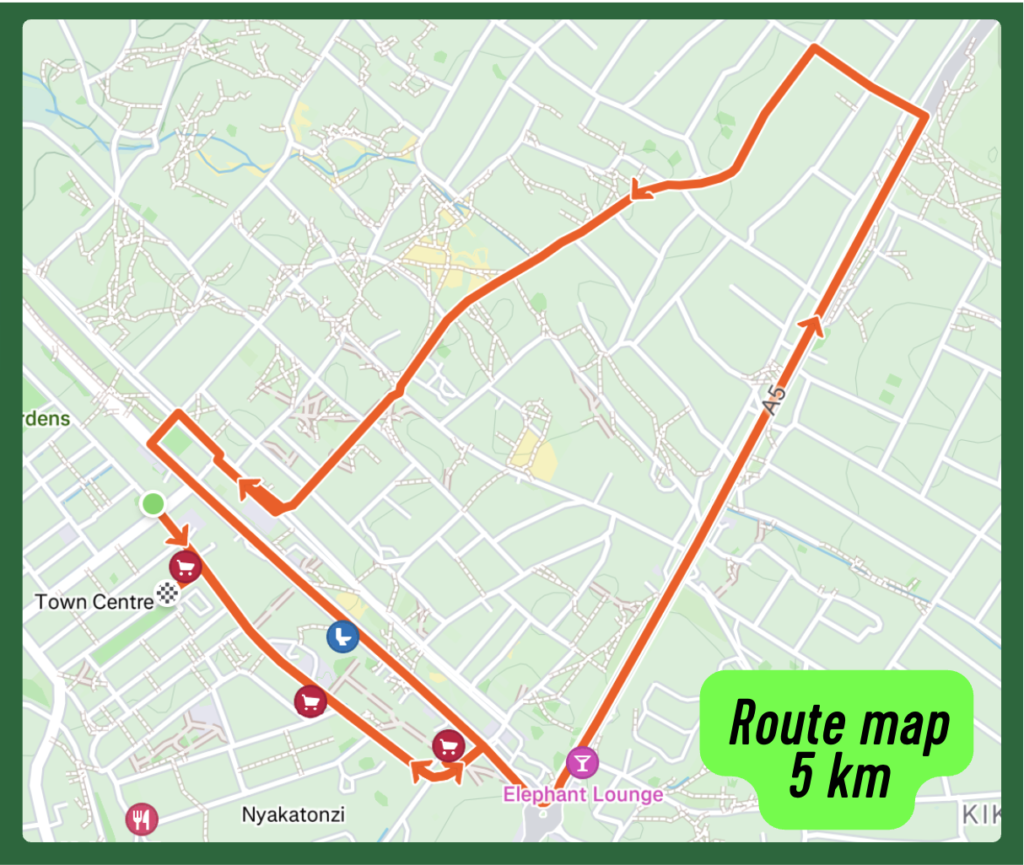
The 5 km is deliberately designed as an accessible, joyful community event, a race for everyone who has ever wanted to say they ran in the foothills of the Mountains of the Moon. It runs through Kasese’s streets with all the atmosphere and festivity of a major international event, and it is genuinely age-inclusive: children, older participants, complete beginners, and elite runners who want to support family members all share the course together. Do not mistake the word “fun” for absence of atmosphere; the 5 km start has some of the most electric energy on race morning.
The Course: Terrain, Altitude, and the Unique Challenge of Running Here
No two races are alike, and the Rwenzori Marathon makes that truth visceral. The full marathon course begins inside Queen Elizabeth National Park, yes, the same national park where tree-climbing lions laze in fig trees and elephants wander the savannah before carrying runners eastward across the Equator on tarmac roads that wind through the park’s grasslands and wetland edges. The Rwenzori range looms ahead and to the north for most of the course, offering a visual incentive that no urban marathon can replicate. By the time runners approach Kasese and the finish line, they have crossed the Equator, run through one of Africa’s most celebrated national parks, and navigated a course with enough elevation change to make every training run feel earned.
The terrain is challenging in a specific way that surprises runners who expect a flat, rapid road race. While the surface is certified tarmac-smooth, well-maintained, and properly measured to World Athletics standards, the course features several demanding inclines, particularly in the sections that approach and leave the park. The net elevation profile is not brutal, but it rewards runners who have trained on hills and punishes those who have done all their preparation on flat loops. Kasese sits at about 920 meters above sea level, and the course climbs and descends at various points across that base elevation in a pattern that accumulates fatigue progressively over the second half of the race.
The half marathon route, which begins in the Rwenzori foothills proper, includes sections that bring you genuinely close to the mountain forest boundary, close enough to hear the sounds of the forest and feel the temperature shift as the altitude and vegetation change around you. It is a visceral reminder that you are running at the foot of a range that climbs all the way to permanent glaciers and snow above 4,500 metres.
Weather Conditions: Heat, Humidity, and the Altitude Factor.
This chapter is arguably the most important section of this guide for any runner seriously planning to race. The combination of tropical heat, equatorial humidity, and moderate altitude that defines the Rwenzori Marathon course creates physiological demands that differ significantly from temperate-climate races. Understanding them in advance is the difference between a successful race and a deeply uncomfortable one.
August falls in Uganda’s drier season, which is welcome news for underfoot conditions; the tarmac surface holds up well, and there is less risk of the kind of heavy tropical downpours that can make road running genuinely treacherous. However, “dry season” in equatorial Uganda does not mean cool. Race morning temperatures typically sit between 18°C and 24°C at flag-off, rising through the morning as the sun strengthens. By the time the slower full marathon runners are completing their second half, mid-morning temperatures in the 24–28°C range are not unusual. Combine these temperatures with tropical humidity levels that rarely drop below 65%, and you have conditions that suppress performance compared to temperate racing weather.
Altitude adds a further variable. Kasese at 920 metres is not high enough to cause acute altitude sickness, but it is elevated enough to reduce oxygen availability compared to sea-level racing. Runners arriving from sea-level environments may notice slightly elevated heart rates at similar paces during the first day or two. This effect is mild but real, and it compounds the heat stress. The honest advice: arrive at least two to three days before race day, hydrate aggressively, protect yourself from the sun during any pre-race activity, and adjust your target pace by at least 5–8% compared to what you would expect in ideal racing conditions. Treat this race as the adventure it is, not a personal best attempt, though some athletes do run strong times here, particularly in the early morning start window.
The 7:00am start time is deliberately early, and for good reason. The race organisers understand this course, and getting runners moving before the day’s heat peaks is essential. Respect the schedule by being at the start line ready, warm, and hydrated. Do not waste the cool of the morning.
What to Expect on Rwenzori Marathon Race Weekend.
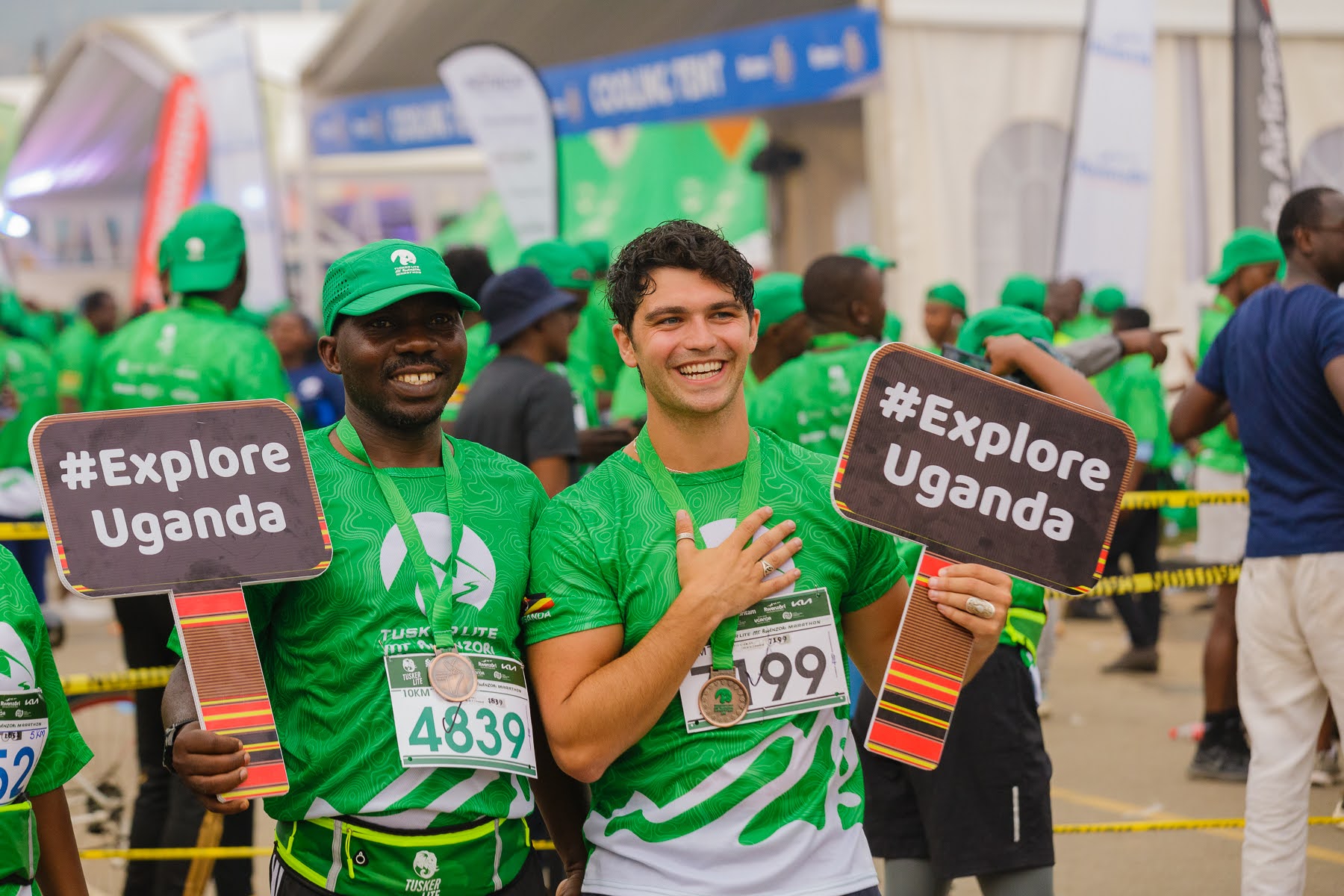
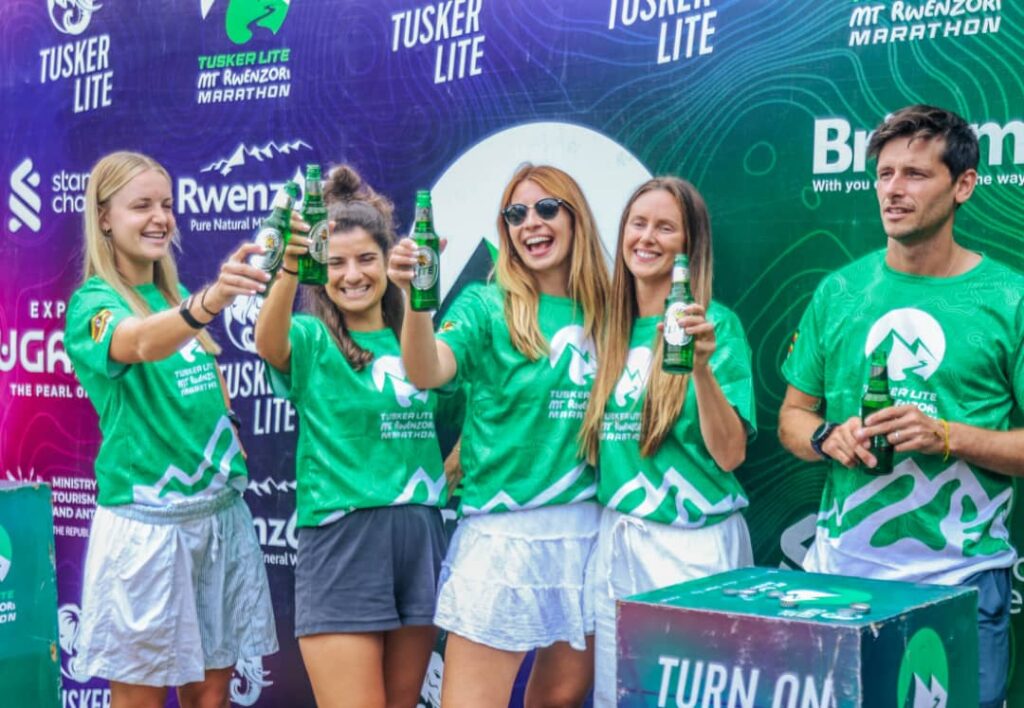
Race weekend in Kasese is a genuine festival. The streets come alive days before the starting gun. Runners from Kenya, Tanzania, Ethiopia, South Africa, the UK, the United States, and dozens of other countries converge on a town that wears its hosting role with enormous civic pride. The atmosphere is warm, welcoming, and charged with the particular energy that only multi-day sporting events in remote, beautiful places can generate.
Registration and race number collection typically takes place in the days leading up to the race at a central venue in Kasese. The expo has a focused and friendly character, even though it is not as sprawling as those at major city marathons. You will find fellow runners, local crafts, cultural performances, and the ever-present backdrop of the Rwenzori Mountains. The community investment in this event is palpable: local schools, businesses, cultural groups, and families all participate in race weekend festivities.
On race morning itself, the atmosphere at the various start lines is electric. The full marathon start inside Queen Elizabeth National Park is genuinely unlike any other marathon start you will experience. You are standing in African wilderness as the sun rises over the Rwenzori range, surrounded by runners from across the world, with the Equator monument visible nearby. The half marathon and shorter race starts in Kasese town carry the energy of a community that has wholly adopted this event as its own.
After crossing the finish line, the celebrations, traditional music, food, and warm congratulations from both fellow competitors and the local community await the runners. Cultural performances showcasing the traditions of the Bakonzo people, the indigenous inhabitants of the Rwenzori region, are typically part of the post-race festivities. There are cold drinks, local food, and the shared exhaustion-and-euphoria that binds finishing runners together everywhere in the world, amplified here by the sheer improbability and beauty of where you have just run.
Training for the Rwenzori Marathon: How to Prepare for These Specific Conditions.
Standard marathon training applies, but a few specific adaptations will serve you well given the conditions outlined above. First and most importantly, incorporate hill training. The Rwenzori course rewards runners with strong hill-running mechanics and punishes those whose training has been exclusively flat. Long rolling runs that include cumulative elevation gain will build the strength and running economy you need for the course’s undulations, even if your local terrain is not mountainous.
Heat acclimatisation is a secondary priority. If you are training in a cool climate, consider doing at least some of your runs, especially your medium-length runs, in warm clothing or scheduling them during the warmest part of your day in the weeks leading up to the race. This mild heat stress encourages the physiological adaptations (increased plasma volume, improved sweating response, reduced core temperature at a given workload) that will help you cope with Kasese’s race-morning conditions. Even modest heat exposure during training makes a measurable difference on race day.
A nutrition and hydration strategy for a hot-weather race differs from cooler conditions. Your sodium needs are higher when you are sweating heavily. Practice your hydration approach during long training runs, but not for the first time on race day. The Rwenzori Marathon provides water stations along the course, but knowing your sweat rate and planning accordingly is wise preparation.
What to Do After the Rwenzori Marathon: Where the Real Adventure Begins
This segment is the section that separates the Rwenzori Marathon from every other international road race. The runners who leave Kasese the morning after their race and fly straight home are leaving behind something extraordinary. Most international runners return to this event yearly for both the race and its surroundings. Western Uganda is one of the most scenically and ecologically diverse regions in Africa, and the Uganda safari and adventure options available within an hour or two of Kasese are without parallel on the continent.
Climb the Mountains That Defined Your Race
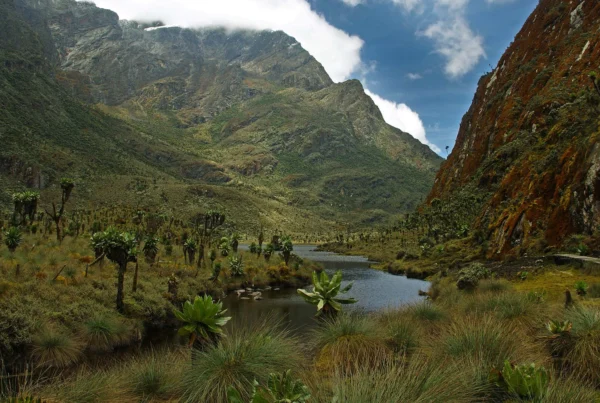
Every runner who crosses the finish line with the Rwenzori range behind them has looked up at those glaciated peaks and felt something shift. The mountains are not merely scenery; they are an invitation. The Rwenzori Mountains are recognised by UNESCO as a World Heritage Site and are one of the last great mountain wilderness areas in Africa, featuring trails that go through five different types of plant life, starting from lowland rainforest, moving through bamboo and giant heather, and reaching the unique Afro-alpine zone filled with giant lobelias, groundsels, and valleys Reaching the high camps and the glaciated upper mountain is an experience that rewards serious preparation and a few days of recovery after your race.
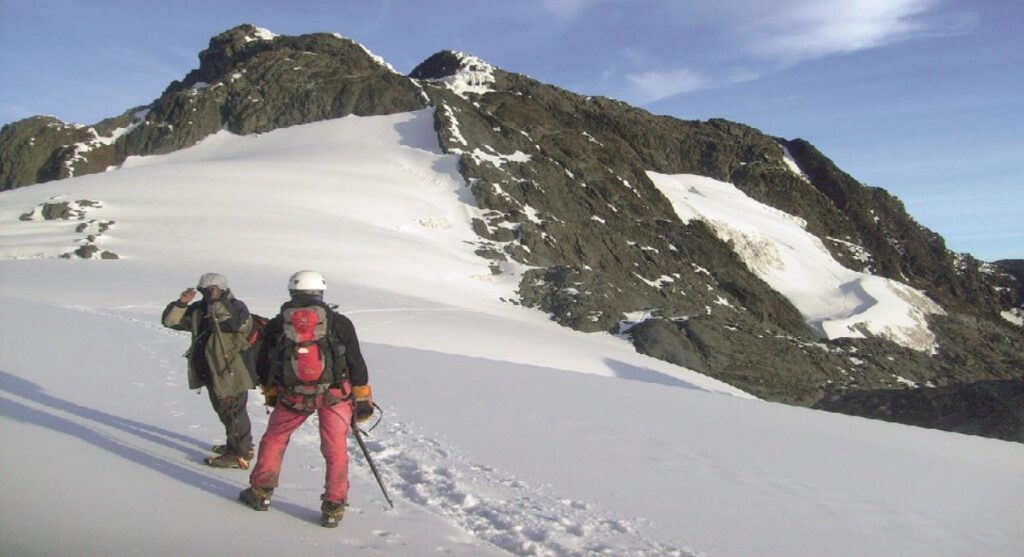
The most popular starting point for post-race trekkers is the 7-day Central Circuit Trail, which takes you from the village of Nyakalengija through the full arc of the mountain’s ecology, passing Nyabitaba, John Matte, Bujuku, and Elena huts before arriving at the snows of Mount Stanley. Runners who want a different approach to the mountain and a genuinely stunning alternative should consider the 8-day Kilembe Trail, which enters the mountains from the southern side via the old copper mining town of Kilembe and delivers some of the most dramatic ridge-walking and valley scenery in the entire range.
For those whose legs are still recovering from race day but whose ambitions are limitless, the 13-day six-peaks expedition, which summits Mount Stanley, Mount Speke, Mount Baker, Mount Emin, Mount Gessi, and Mount Luigi di Savoia, is an expedition-grade undertaking that turns your marathon trip into the adventure of a lifetime. No combination of physical achievements in Africa quite matches the experience of running the Rwenzori Marathon and then standing on Margherita Peak at 5,109 meters during the same trip.
Allow at least two to three days of light recovery and acclimatisation between finishing your race and starting a mountain hike. Your legs will thank you, and your body will perform significantly better at altitude if you’ve given it time to regroup after the physiological stress of race day.
Track Mountain Gorillas in Bwindi Impenetrable Forest
Kasese is magnificently positioned for combining the marathon with a gorilla trekking experience in Bwindi Impenetrable National Park, which lies roughly three to four hours by road to the south. Uganda holds over half of the world’s remaining mountain gorillas, and gorilla trekking in Bwindi is widely considered one of the most profoundly moving wildlife encounters available anywhere on Earth. Standing just metres from a silverback gorilla in the ancient rainforest, watching his family move around him, makes every other wildlife experience feel thin by comparison.
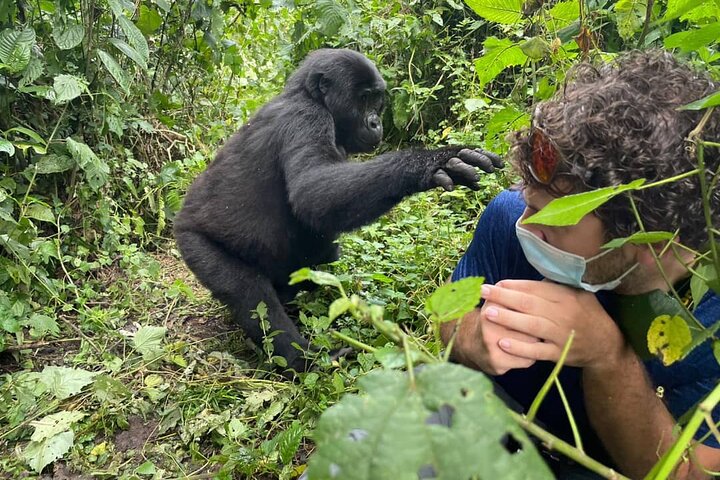
Gorilla trekking permits are strictly limited and must be booked well in advance, particularly for August when demand is high and the marathon draws thousands of additional visitors to the region. Securing your gorilla permit at the same time as planning your race entry is the smartest thing a runner can do. Our team at Rwenzori Trekking Safaris can organise the full combination of race weekend logistics, post-race mountain trekking, and gorilla trekking in Bwindi as a single, seamlessly managed itinerary. The detailed guide to combining these experiences is laid out in our article on combining the Rwenzori Trek with a safari and gorilla trekking.
Queen Elizabeth National Park: Wildlife on Your Doorstep
The full marathon literally begins inside Queen Elizabeth National Park, and yet most runners barely pause to appreciate what surrounds the start line. Queuing for race morning is not quite the right time for a game drive, but in the days before or after the race, this park deserves your full attention. Queen Elizabeth National Park is one of Uganda’s most biologically diverse protected areas, home to the famous tree-climbing lions of the Ishasha sector, large elephant herds, hippo-dense channels, over 600 bird species, and the essential Kazinga Channel boat cruise, which delivers wildlife sightings of the highest order from the water level. After the exertion of a marathon and days on the mountain, a slow boat cruise watching hippos yawn and African fish eagles swoop is one of the most restorative experiences imaginable. It is available through our Uganda safari packages and easily added to any post-race itinerary.
Suggested Itineraries: From Race Weekend to Full Expedition.
The following itineraries are designed to help you think about how a Rwenzori Marathon trip can be structured depending on your available time and appetite for adventure. They are starting points, not rigid schedules. Every itinerary we offer is tailored to the individual.
The Race-and-Recovery Weekend (5 Days)
Arrive in Kasese three days before race day to acclimate, collect your race numbers, and explore the town and its surroundings. Spend a half-day at Queen Elizabeth National Park on arrival. Run in your chosen race category on Saturday morning. Spend the post-race afternoon at a Kasese lodge recovering with a celebration meal. Take Sunday as a recovery day with a leisurely Kazinga Channel boat cruise inside the park, observing hippos, crocodiles, and the extraordinary birdlife up close before departing on Monday.
Race and Rwenzori Trek (12 to 15 Days)
Arrive in Uganda five to six days before race day, allowing for a day in Kampala before travelling west to Kasese. Run the marathon on race day. Allow two to three full recovery days before entering the mountains with our guides, beginning the Central Circuit Trail for a seven-day traverse of the high Rwenzori, which can be extended to reach the glaciated summit of Margherita Peak. Return to Kasese for one night before departing. This itinerary gives you both the race experience and the full mountain journey and delivers an adventure that hardly any people on earth have completed.
Frequently Asked Questions: Rwenzori Marathon.
When is the Rwenzori Marathon held?
The Rwenzori Marathon is held annually in August, typically on the third or fourth weekend of the month. The 2025 edition took place on 23 August 2025; the 2026 edition, the fifth, is scheduled for 22 August 2026. Magnificent Seven Wonders Uganda Ltd., the organisers, confirmed the dates well in advance, usually by the start of the race year.
Where exactly does the Rwenzori Marathon take place?
The marathon is based in Kasese town in western Uganda, in the foothills of the Rwenzori Mountains. The full marathon (42km) is flagged off from the Equator Monument at Kikorongo, inside Queen Elizabeth National Park, and finishes in Kasese. The half marathon, 10km, and 5km categories all start from central Kasese town. The course is entirely on certified tarmac roads.
What race categories are available at the Rwenzori Marathon?
There are four race categories: the full marathon at 42.195km, the half marathon at 21.1km, a 10km race, and a 5km family fun run. All categories run on certified tarmac roads through or around the town of Kasese, with the full marathon course beginning inside Queen Elizabeth National Park at the Equator Monument in Kikorongo. Each category carries prize money for top finishers.
Is the Rwenzori Marathon a qualifying race for other marathons?
Yes. The Tusker Lite Mt Rwenzori Marathon is a World Athletics Label Road Race, the first marathon in Uganda to receive this status and one of only seven such certified events in Africa. This designation makes it an official qualifying race for the Comrades Marathon, the oldest ultra-marathon in the world, as well as the Two Oceans Marathon in Cape Town, South Africa. Runners achieving qualifying times on the Rwenzori course can use those times for entry into both events.
How difficult is the Rwenzori Marathon course?
The course is moderately to significantly challenging for runners used to flat road racing. The tarmac surface is smooth and well-certified, but the route features rolling hills and several meaningful inclines, particularly on the full marathon course through Queen Elizabeth National Park. The combination of equatorial heat, tropical humidity, and moderate altitude (Kasese sits at approximately 920 metres above sea level) suppresses performance compared to temperate racing conditions. Most experienced runners should add 5–10% to their typical race time when planning a target pace for this event. Training on hills and in warm conditions is strongly recommended.
What is the weather like on race day?
August falls in Uganda’s drier season, which means clear skies and minimal rain risk during the race itself. However, temperatures typically range from 18°C to 24°C at the 7:00am start and can rise to 26–28°C by mid-morning as the sun strengthens. Humidity is high, typically between 65% and 80%. The altitude of Kasese adds a mild oxygen-reduction effect for runners arriving from sea level. Runners should plan their hydration, pacing, and sun protection strategies accordingly and arrive at least two to three days before race day to acclimate.
Can I combine the Rwenzori Marathon with a trek in the Rwenzori Mountains?
Absolutely, and many experienced runners do exactly that. The Rwenzori Mountains rise immediately behind Kasese, and the national park trailheads are a short drive from town. After two to three days of post-race recovery, fit runners can begin multi-day treks through the mountains via routes such as the Central Circuit Trail or the Kilembe Trail. The highest point accessible to non-technical trekkers on a guided trip is Margherita Peak at 5,109 metres on Mount Stanley, the third-highest point in Africa. At Rwenzori Trekking Safari, we specialise in exactly this type of combined expedition.
Can I see gorillas after running the Rwenzori Marathon?
Yes, and the opportunity to see gorillas is one of the most compelling reasons to extend your trip beyond race weekend. Bwindi Impenetrable National Park, home to over half of the world’s remaining mountain gorillas, lies three to four hours south of Kasese by road. Gorilla trekking permits must be booked well in advance, particularly for August, which is peak season. Our team can organise the full itinerary for marathon logistics, the Rwenzori Trek, and gorilla trekking as a single coordinated trip.
Do I need to be an elite runner to participate?
Not at all. While the race attracts elite athletes from across East Africa and beyond, the broad range of categories and the community spirit of the event make it genuinely accessible to runners of all levels. Families, first-timers, and casual runners will find the 5km fun run specifically designed to welcome them. Even in half- and full-marathons, the field includes hundreds of recreational runners and adventure travellers who are there for the experience as well as the competitive result.
How do I get to Kasese for the Rwenzori Marathon?
Most international runners fly into Entebbe International Airport near Kampala and then travel west to Kasese by road or domestic flight. The road journey from Kampala takes approximately five to six hours via Mbarara, passing through some of Uganda’s most scenic countryside. Flights to Kasese Airport operate through Uganda Airlines, and you can arrange private transfers from Entebbe or Kampala. We recommend travelling to Kasese at least three to four days before race day to allow for rest, acclimatisation, and course familiarisation.
Where should I stay in Kasese during race weekend?
Kasese and its surroundings offer a range of accommodation options, from comfortable guesthouses to lodges with Rwenzori views. However, all accommodations in the region fill completely during a marathon weekend, so early booking is essential, ideally several months in advance. A detailed guide to accommodation options before and after a Rwenzori experience is available in our article on where to stay before and after the Rwenzori trek.
Start Planning Your Rwenzori Marathon Adventure Today
Whether you are targeting a race qualifier, chasing the extraordinary experience of running at the foot of Africa’s Mountains of the Moon, or looking to combine race day with a multi-day summit trek and a gorilla encounter in Bwindi, the Rwenzori Marathon is the starting point of something far bigger than a single race. We at Rwenzori Trekking Safaris are the specialist operators for the Rwenzori Mountains and western Uganda, with a team on the ground with years of guiding experience on every trail, every camp, and every peak in this range.
We know which lodge to book before your legs start hurting on race morning. We know which camp on the mountain will feel like salvation after days in the rain. And we know exactly how to structure your itinerary so that the Rwenzori Marathon becomes the beginning of the greatest outdoor adventure of your life, not just a race you ticked off a bucket list.
Get in touch with our team through our contact page to start planning. Whether you are still deciding between race categories or ready to book the full marathon-plus-six-peaks expedition, we will give you every answer you need and build an itinerary that fits your goals, your timeline, and your ambitions. The Mountains of the Moon are waiting.