
Do you need extreme fitness to climb the Rwenzori Mountains? Learn the real fitness requirements, who succeeds, who struggles, and how prepared you truly need to be to climb the Rwenzori Mountains.
You do not need elite athletic fitness to climb the Rwenzori Mountains, but you do need strong endurance, joint stability, and mental resilience. The trek is physically demanding due to mud, steep terrain, and prolonged wet conditions rather than altitude alone. Proper preparation and functional fitness significantly increase success and enjoyment.
The short answer is yes, but not in the way most people think. You do not need elite-athlete fitness. You do not need marathon times or mountaineering medals to hike the Rwenzori Mountains.
But you do need a level of fitness and resilience that is higher than what most casual hikers expect.
The Rwenzori Mountains, on the border of Uganda and the Democratic Republic of the Congo, are demanding because they punish unprepared bodies, not because they require superhuman strength.
This is a mountain range that exposes weak conditioning, poor balance, and underdeveloped endurance slowly, methodically, and without mercy.

Fitness vs. Strength vs. Endurance: The Common Mistake Rwenzori Hikers Make.
Most people ask the wrong question.
They ask, “Am I strong enough?” The Rwenzori Mountains seem to ask, “Can you keep going while uncomfortable for seven to ten days?”
The limiting factors are:
-
Leg endurance, not brute strength
-
Joint stability, not muscle size
-
Cardiovascular efficiency, not sprint speed
-
Mental durability, not TikTok motivation
Plenty of muscular gym-goers struggle. Plenty of lean, steady hikers succeed because of experience and patience.
Why “Average Fitness” Often Fails in the Rwenzori Climb.
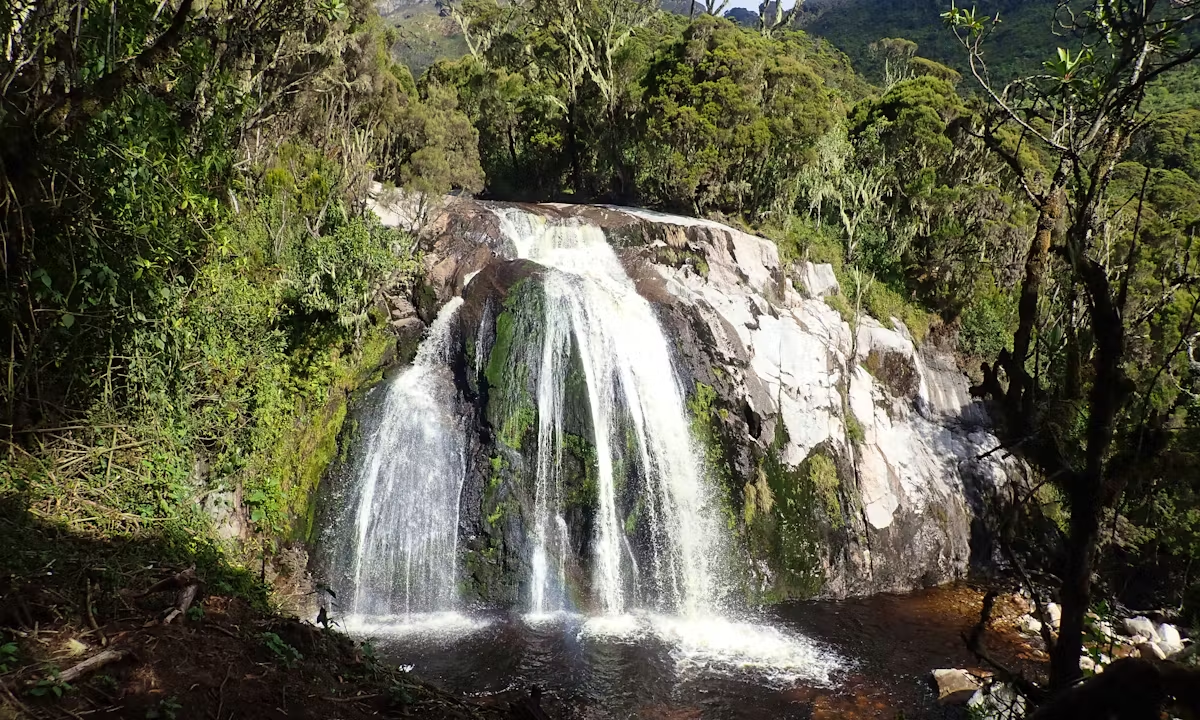
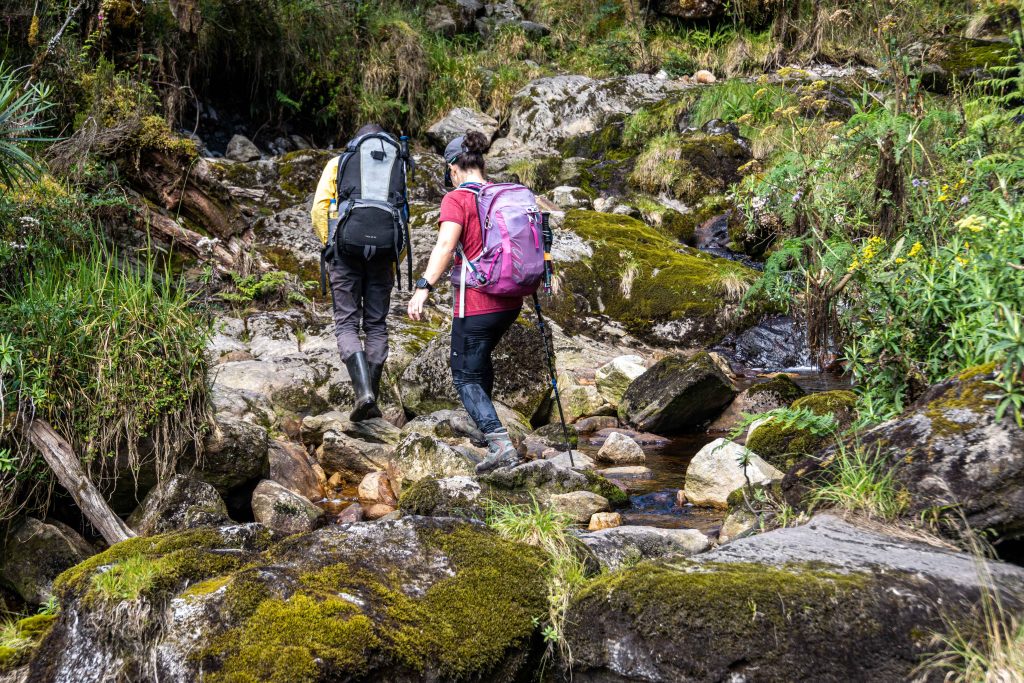
On paper, daily distances in the Rwenzori don’t look terrifying since the longest distance in the Rwenzori Mountains in our itineraries is 15 kilometers a day. In reality, the terrain multiplies effort due to bogs, mud, slippery trails, and rain.
You are dealing with:
-
Deep mud that steals energy every step
-
Slippery Equatorial tree roots that demand balance
-
Steep climbs without switchbacks
-
Cold, wet conditions that slow recovery
A 10 km day here can feel like 18 km elsewhere.
“Average fitness” usually means someone trains on flat ground, in dry conditions, for predictable durations. The Rwenzori are none of those things.
Could you please clarify the level of fitness that is actually required to hike the Rwenzori Mountains?
You need to be functionally fit, not impressively fit.
That means:
-
Able to hike 6–8 hours a day for consecutive days
-
You should be comfortable carrying a daypack on uneven terrain and during long rainy days.
-
Strong knees and ankles that can withstand instability and pull you out of the mud are essential.
-
Cardio that keeps your breathing controlled at slow, steady pace
If your fitness falls after Day 2, the mountain will magnify that collapse.
Fitness on Summits vs. Non-Summit Treks in the Rwenzori Mountains.
Non-Summit Rwenzori Treks
You don’t need extreme fitness, but you do need consistency. The bogs and rain still punish weak conditioning. Many people underestimate their abilities on short Rwenzori treks and suffer in the mountain.
Summit Climbs (e.g., Margherita Peak)
You need higher-than-average fitness, especially leg endurance and cardiovascular efficiency.
Summit days involve:
-
Very early starts
-
Cold, thin air
-
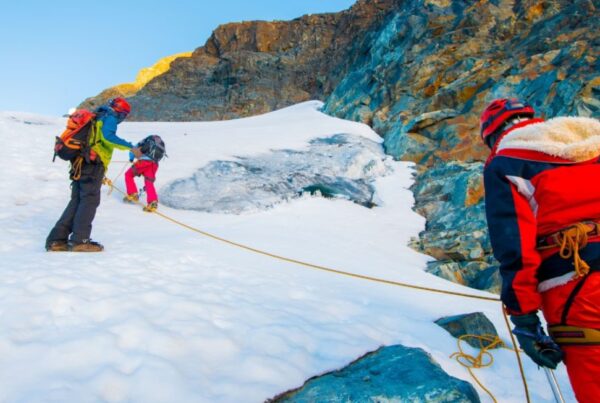
Technical sections (ropes, ladders, ice)
-
Fatigue accumulated over several days
This is where poor preparation ends attempts.
The Rwenzori’s altitude (over 5,000 m at Mount Stanley) affects everyone but usually less dramatically than on faster-climb mountains like Kilimanjaro.
Why?
-
Slower ascent profiles
-
Multiple acclimatization days
However, altitude amplifies fatigue. If you are already experiencing physical difficulties, altitude exacerbates the situation.
Mental Fitness: The Most Ignored Requirement for Hiking the Rwenzori.
The Rwenzori quietly tests psychology.
You will be:
-
Wet most days
-
Cold at night
-
Muddy constantly
-
Progressing slower than expected
People fail not because they are weak, but because they mentally disengage.
Those who succeeded accepted discomfort as normal and kept moving.
Who Is Fit Enough for the Rwenzori Mountains (Even If They Don’t Think So)?
People who often do well include:
-
Regular hikers and backpackers
-
Trail runners with endurance backgrounds
-
Cyclists with strong aerobic bases
-
Trekkers experienced in wet or technical terrain
People who often struggle:
-
Gym-only trainers with little hiking experience
-
Casual walkers with minimal elevation exposure
-
Travelers underestimating African mountain terrain

Can Training Fix This?
Absolutely, if done correctly. You don’t need extreme training, but you need specific training:
-
Long hikes with elevation gain
-
Back-to-back hiking days
-
Training on uneven or muddy terrain if possible
-
Strengthening knees, hips, and ankles
The goal is not speed. The goal is durability.
You don’t need to be “very fit” by athletic standards.
But you must be fit enough that physical discomfort doesn’t dominate your attention.
If every step feels like a negotiation with your body, the Rwenzori will win. If your body works quietly in the background, the experience becomes extraordinary.
Why Fitness Is Still Worth It in the Rwenzoris.
The Rwenzori rewards preparation more than almost any African trek.
You gain access to:
-
One of the most unique alpine ecosystems on Earth
-
A mountain range few people ever experience
-
A trek that feels earned, not staged
This is not a mountain that flatters you. It reveals you.