What to Pack for a Rwenzori Hike | Complete Packing List 2026
What to Pack for a Rwenzori Hike: Complete Packing List for the Rwenzori Mountains. Are you considering a trek in the Rwenzori Mountains? Discover the complete packing list for the Rwenzori Mountains, including gear, clothing, technical equipment, and expert preparation tips.
Packing correctly for the Rwenzori Mountains can make or break your entire trekking experience. The Rwenzori range is unlike any other hiking destination in Africa, a place where equatorial heat meets alpine glaciers, where bogs stretch for kilometers, and where weather can shift from sunshine to icy storms in minutes. Because of this dramatic diversity, your packing list must cover waterproofing, warmth, mobility, technical climbing gear, and protection from altitude and cold.

Hiking the Rwenzori Mountains, often referred to as the “Mountains of the Moon,” is a thrilling adventure that demands careful preparation. Packing appropriately for this challenging trek is important because it guarantees comfort, safety, and an enjoyable experience. The Rwenzoris are known for their unpredictable weather, rugged terrain, and high altitudes, making a well-thought-out packing list essential. This comprehensive guide details all the necessary items you should pack for a successful hike in the Rwenzori Mountains, explaining the significance of each item and why it is needed.
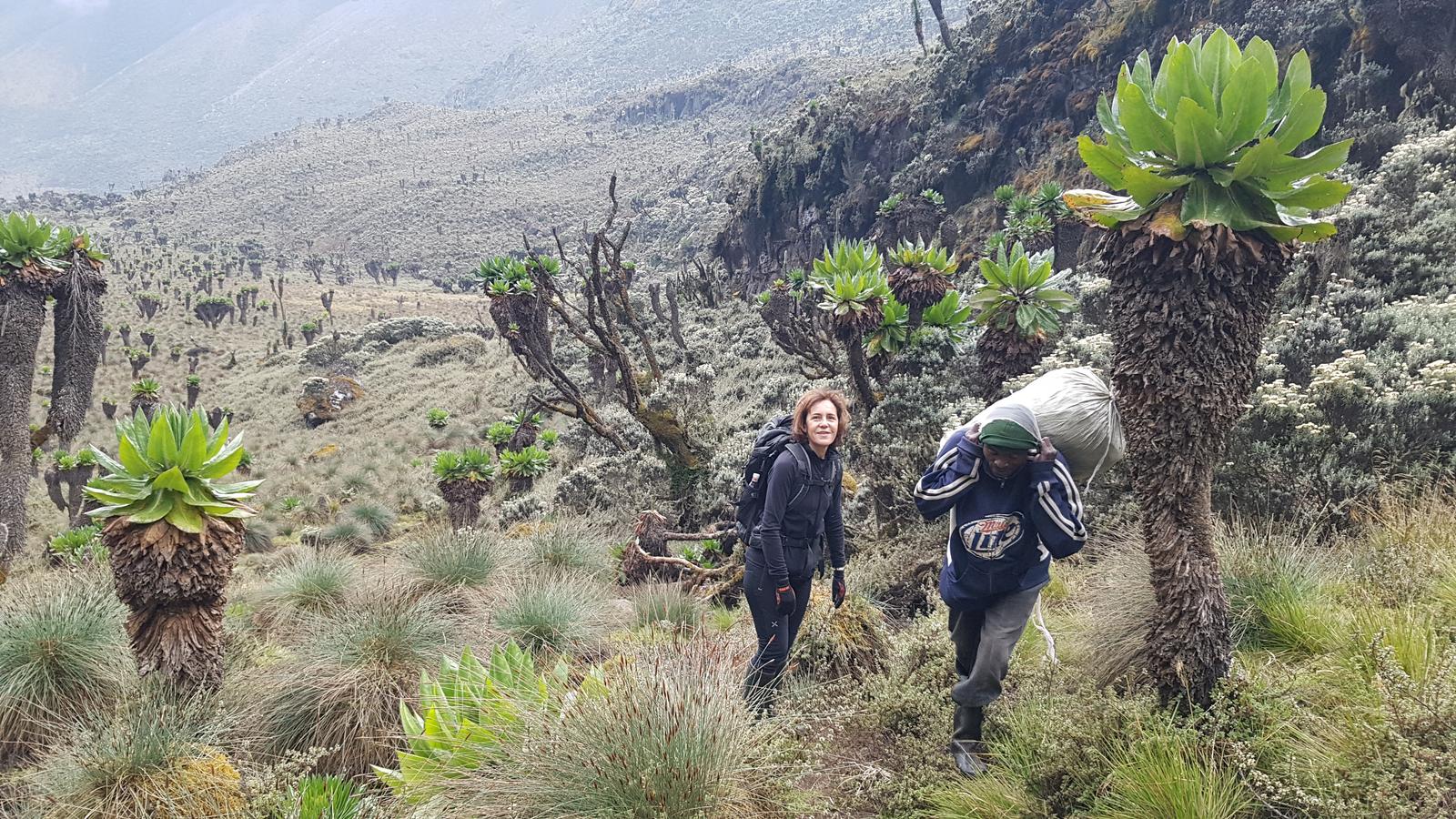
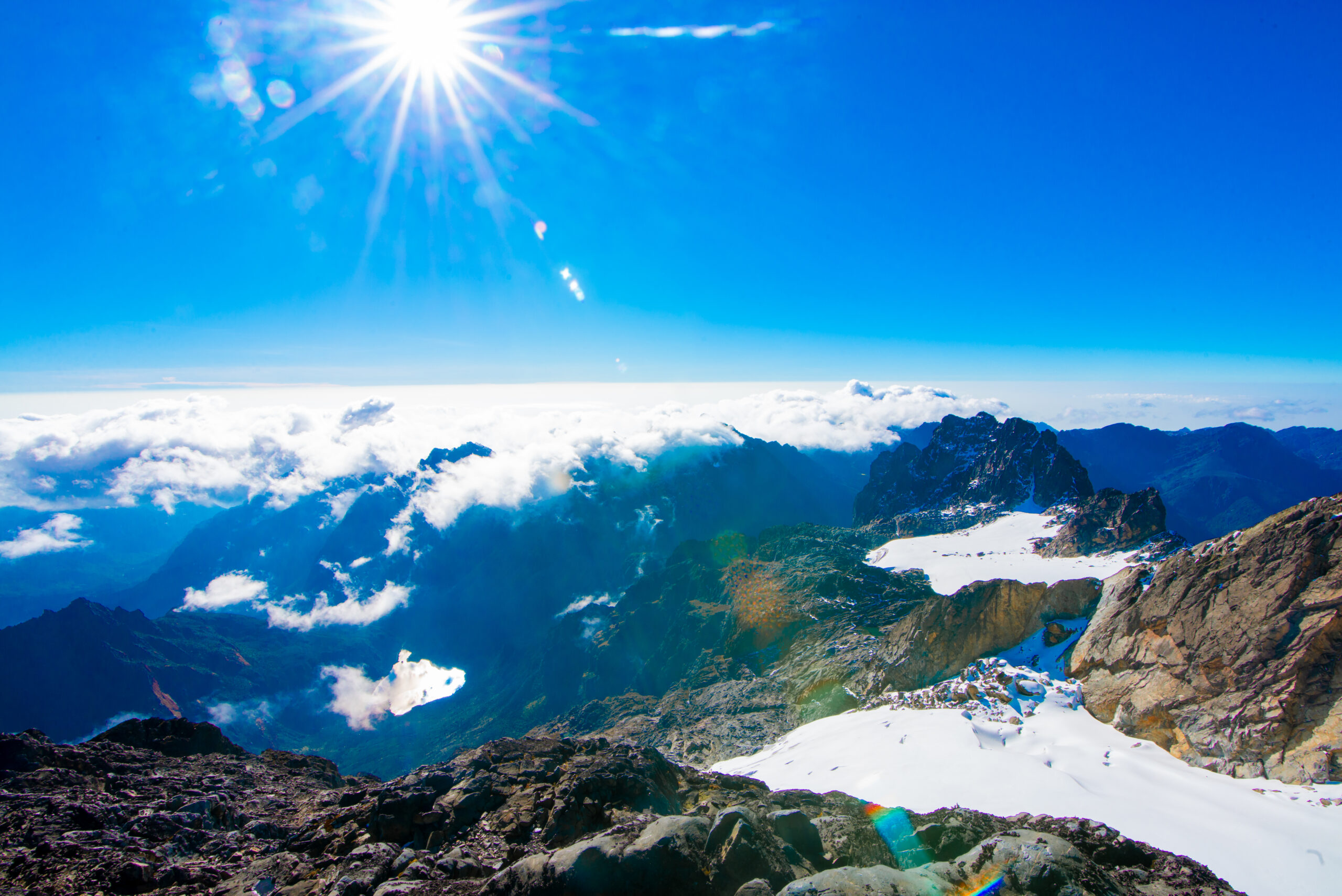
A Rwenzori packing guide matters because the entire mountain system functions like a vertical climate museum. The base presents mud, heat, and insects; mid-mountain brings brutal bogs and constant rain; and higher zones lead to freezing nights, snow, ice, and glaciated summits such as Margherita Peak. Each zone tests your equipment differently. Poor boots mean ruined ankles.
A weak sleeping bag means frozen nights. Missing crampons make a summit attempt impossible. And forgetting waterproof gear is almost a guarantee for misery.
Footwear.
Hiking Boots.
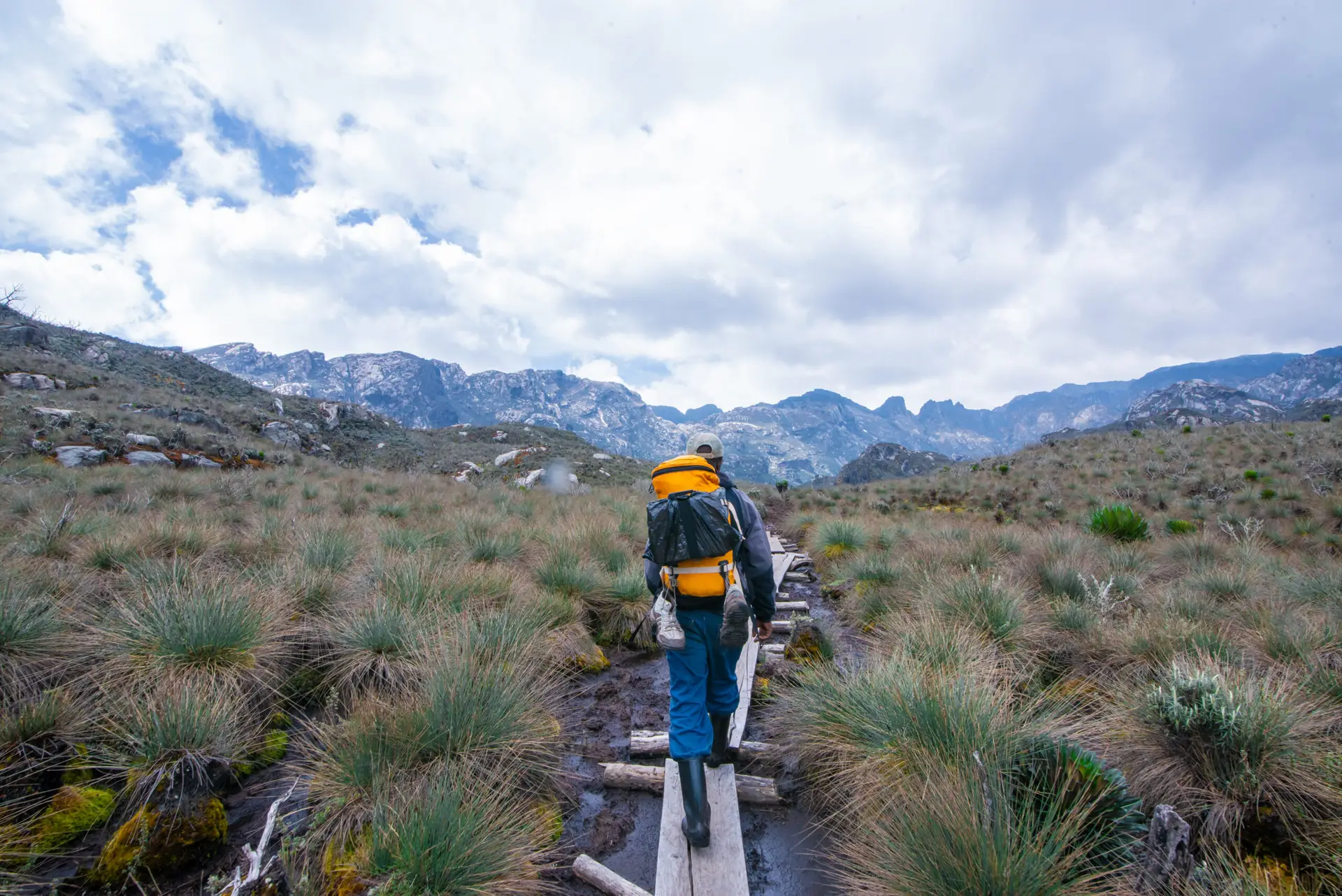
The most critical item for any hiker is a pair of sturdy, waterproof hiking boots. The Rwenzori terrain is rugged, with muddy paths, rocky surfaces, and steep inclines. High-quality hiking boots provide the necessary ankle support, grip, and protection to navigate these challenging conditions safely.
Rubber Boots
Given the wet and muddy conditions, especially in the lower altitudes, a pair of rubber boots is essential. They keep your feet dry and protected from the wet ground, ensuring comfort throughout the hike.
Clothing
Waterproof Clothing.
The weather in the Rwenzori Mountains can be unpredictable, with frequent rain showers. Waterproof jackets and pants are crucial to keep you dry and warm, preventing hypothermia and discomfort during the trek.
Warm Clothing
As you ascend to higher altitudes, temperatures can drop significantly. Packing warm layers, including thermal underwear, fleece jackets, and insulated pants, is essential to stay warm. A good quality down jacket is highly recommended for the colder nights and higher altitudes.
Base Layers.
Moisture-wicking base layers help regulate your body temperature and keep you dry by drawing sweat away from your skin. These are important for maintaining comfort during both warm and cold weather.
Quick-Dry Clothes.
Quick-dry shirts and pants are beneficial, as they reduce the discomfort of wet clothing and allow for simple washing and drying during the trek.
Rain Jacket.
A lightweight, waterproof rain jacket is a must-have to protect against sudden rain showers. Ensure it is breathable to avoid overheating.
Sunglasses.
The glare from the sun, especially at higher altitudes, can be intense. A good pair of UV-protected sunglasses will protect your eyes from harmful rays.
Hats and Gloves.
A warm hat and gloves are essential for cold weather, particularly during early morning starts and at high altitudes. Additionally, a wide-brimmed hat or cap for sun protection is advisable.
Sleeping Gear
High-Quality Sleeping Bag.
A sturdy sleeping bag rated for cold temperatures is essential for the Rwenzori Mountains. Nights can be freezing, especially at higher altitudes, and a high-quality sleeping bag ensures a good night’s sleep, which is critical to preserving energy levels.
Sleeping Mat.
A sleeping mat provides insulation from the cold ground and adds a layer of comfort. It is lightweight and simple to carry, making it a valuable addition to your packing list.
Equipment
Backpack.
A durable, comfortable backpack is essential for carrying your gear. Look for a backpack with a capacity of 50–70 liters, adjustable straps, and a sturdy weight distribution system. Ensure it is waterproof or comes with a rain cover.
Day Pack
A smaller daypack is useful for carrying essentials during daily hikes. This can include water, snacks, a camera, and a first aid kit.
Water Bottle and Hydration System.
Staying hydrated is crucial, so pack a reusable water bottle and consider a hydration system like a CamelBak. Make sure you have the capacity to carry at least 2–3 liters of water.
Water Purification Tablets.
While there are water sources in the Rwenzoris, it’s important to purify water to avoid waterborne illnesses. Water purification tablets are lightweight and effective.
First Aid Kit.
A comprehensive first aid kit is essential for treating minor injuries and illnesses. Include items such as bandages, antiseptic wipes, pain relievers, blister treatment, and any personal medications.
Insect Repellent
Insect repellent is crucial to protect against mosquitoes and other insects, particularly in the lower altitudes where they are more prevalent.
Sunscreen.
High-altitude sun exposure can cause severe sunburn. A high SPF sunscreen protects your skin from harmful UV rays.
Trekking Poles
Trekking poles provide stability and reduce the impact on your knees and joints, especially during steep ascents and descents. They are invaluable for maintaining balance on uneven terrain.
Technical Gear.
Crampons.
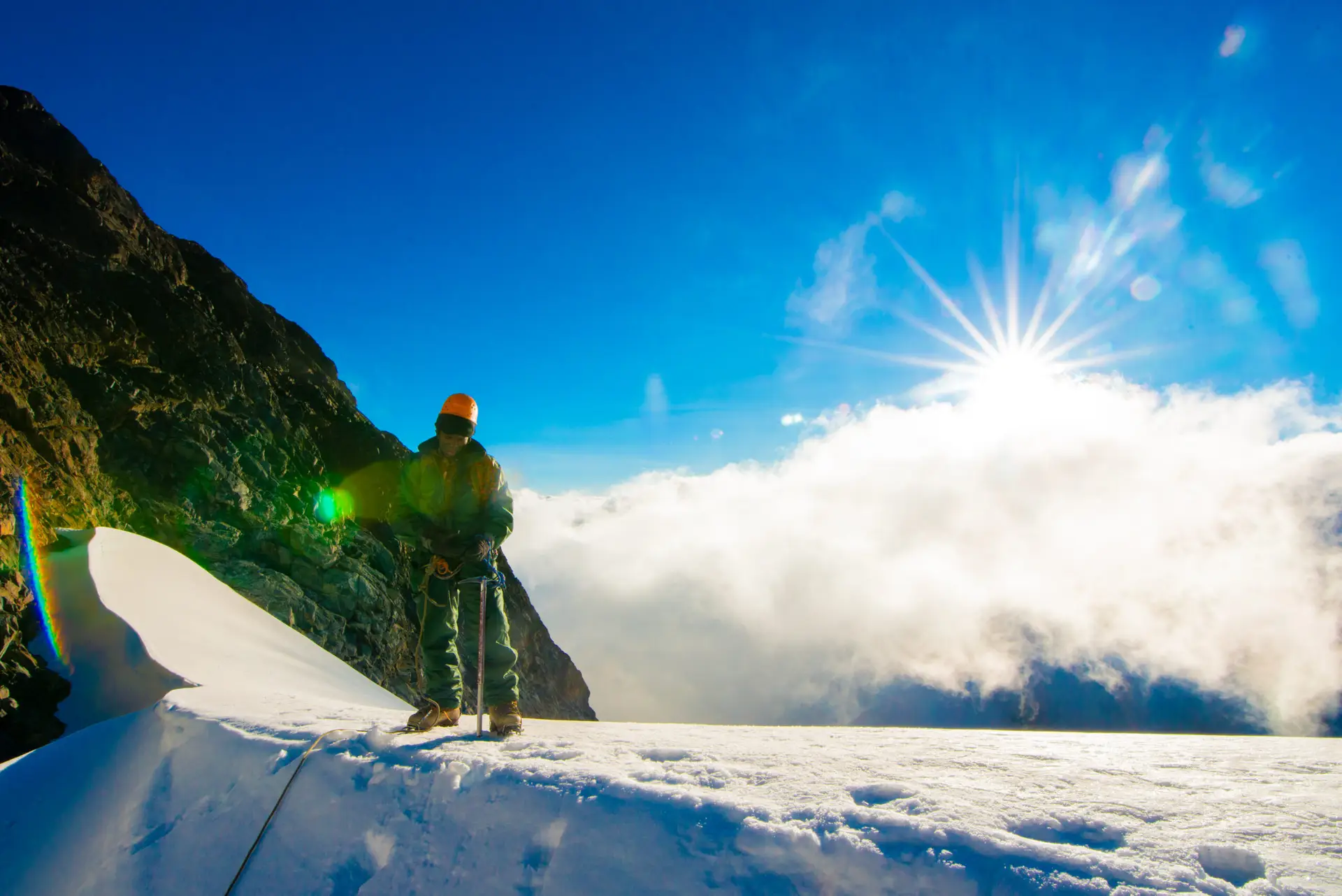
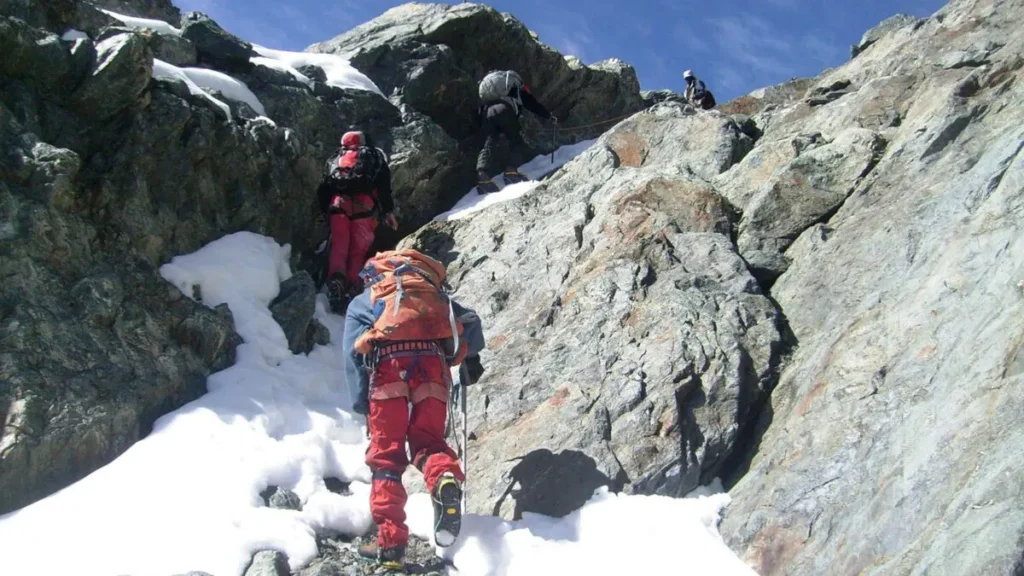
For those aiming to summit Margherita Peak, crampons are essential. These metal spikes attach to your boots, providing traction on ice and snow.
Ice Axes.
Ice axes are necessary for climbing steep icy sections. They help with balance and can be used for self-arrest in case of a slip.
Ropes and Harnesses.
Essential for the technical sections of the climb, ropes and harnesses ensure safety when navigating steep, exposed areas.
Headlamp
A reliable headlamp with extra batteries is essential for early morning starts and for navigating campsites in the dark.
Food and Nutrition
High-Energy Snacks.
Pack high-energy snacks such as nuts, energy bars, dried fruit, and chocolate. These provide quick energy boosts during long hikes.
Personal Food Items.
While meals are typically provided by trekking companies, having personal food items like instant noodles, coffee, tea, and soup packets can be comforting and provide additional nutrition.
Personal Items
Toiletries.
Basic toiletries such as a toothbrush, toothpaste, biodegradable soap, and a small towel are essential. Consider packing wet wipes for quick cleanups when water is scarce.
Personal Medication.
Ensure you have enough personal medication for the duration of the trek. This includes prescription medications, as well as over-the-counter remedies for common ailments like headaches, altitude sickness, and digestive issues.
You should also pack a camera and binoculars.
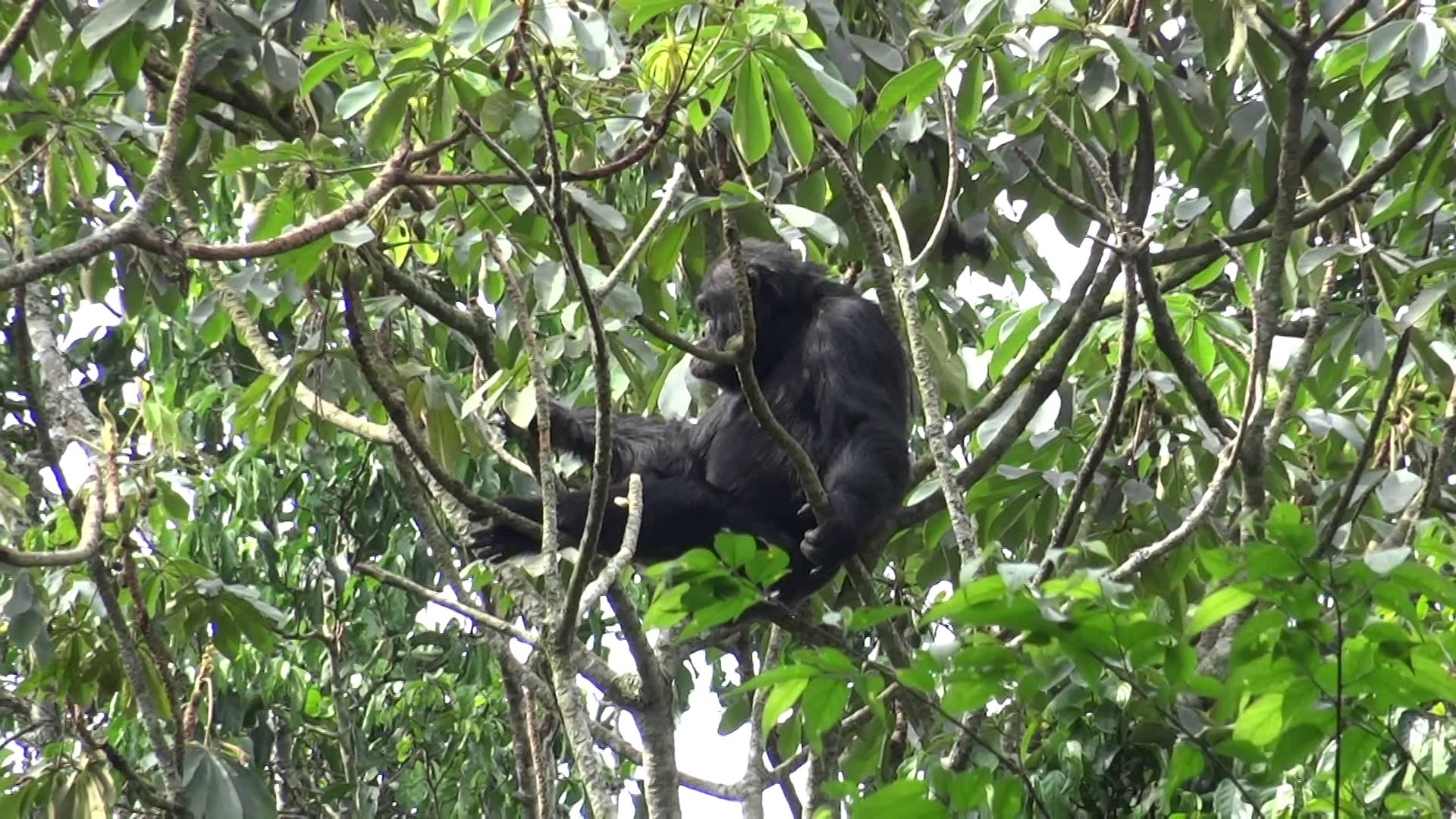
The Rwenzori Mountains offer stunning landscapes and unique wildlife. A camera and binoculars are essential for capturing and enjoying the scenery. Ensure you have extra batteries and memory cards.
Journal and Pen.
Keeping a journal is a wonderful way to document your experiences and thoughts during the trek. It can also be useful for noting important information.
Additional Gear
Gaiters
Gaiters are protective coverings that go over your boots and lower legs, preventing mud, snow, and debris from entering your boots.
Sandals or camp shoes.
After a long day of hiking, having a comfortable pair of sandals or camp shoes to wear around the campsite is a relief for your feet.
Multi-Tool
A multi-tool with functions like a knife, scissors, and screwdriver can be very handy for various tasks during the trek.
Duct Tape.
Duct tape comes in handy for making quick repairs on gear or clothing, as well as for treating blisters when necessary.
Trash Bags
Carrying a few trash bags helps keep your gear dry and is useful for packing out your trash, ensuring you leave no trace.
Packing Tips for the Rwenzori Expedition.
When packing for the Rwenzori Mountains, it is important to balance the need for essential gear with the necessity of keeping your pack as light as possible. Use a packing list to ensure you do not forget important items. Organize your gear into categories, such as clothing, equipment, food, and personal items. Use packing cubes or stuff sacks to keep items organized and easily accessible.
Layering is key to managing varying temperatures and weather conditions. Ensure that your clothing can be easily layered, allowing you to add or remove layers as needed. Waterproof stuff sacks or dry bags are useful for keeping your clothing and sleeping gear dry in wet conditions.
Finally, remember to test your gear before the trek. Break in your hiking boots, test your backpack with a full load, and ensure all your equipment is in good working order. These tips will help you avoid any unpleasant surprises during your hike.