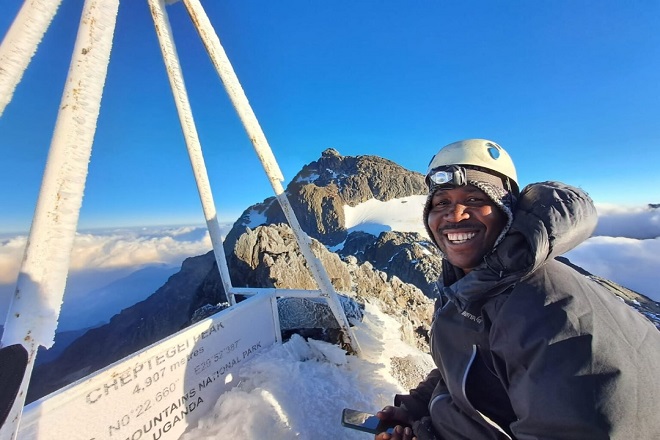
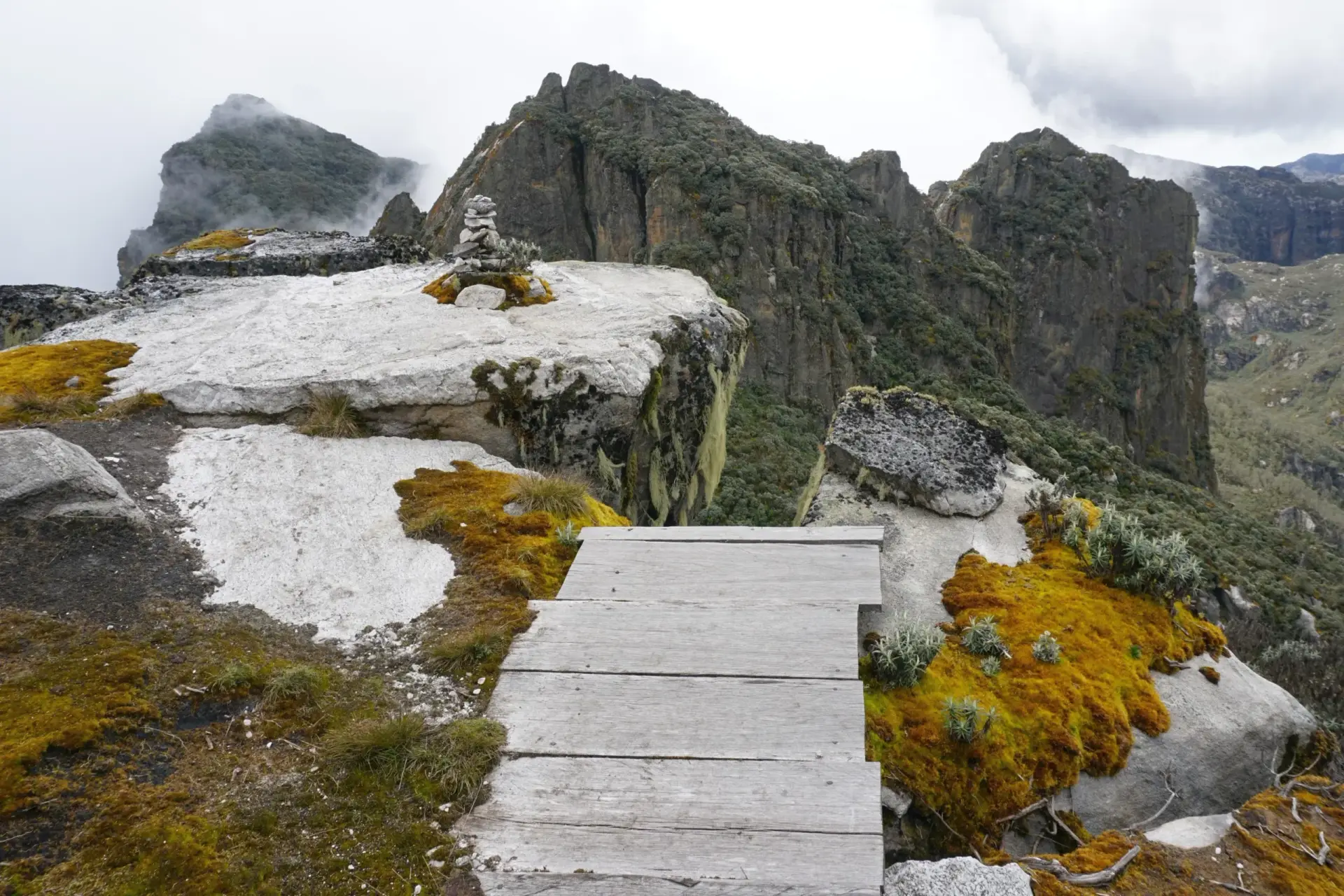
How to Prepare for a Rwenzori Hike: Training, Gear & Safety Tips
How to Prepare for a Rwenzori Hike: Complete Guide to Training, Hiking Gear, Safety, and Acclimatization. Learn how to prepare for a Rwenzori hike with training tips, acclimatization, a gear list, safety guidelines, nutrition, and essential pre-trip planning advice.
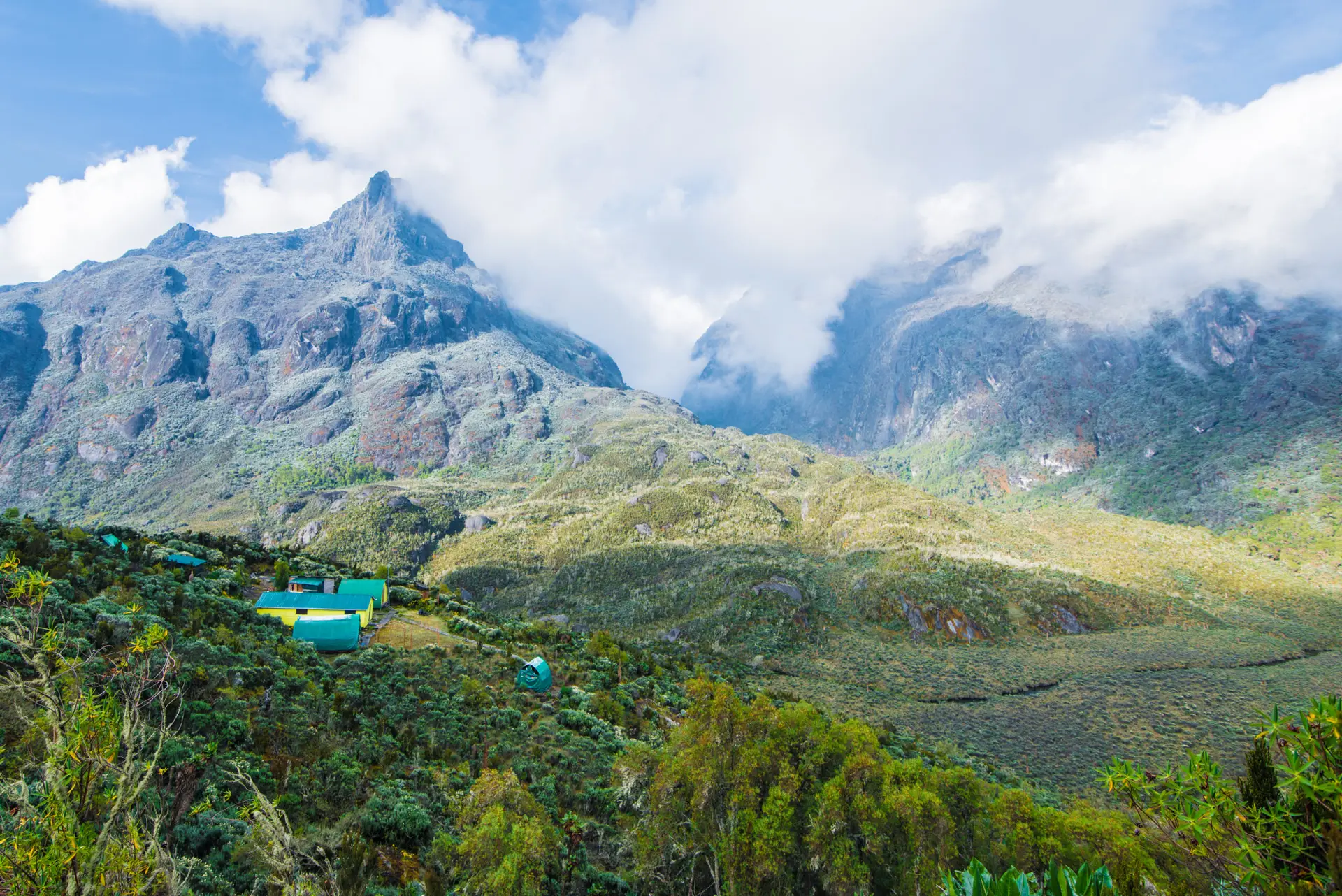
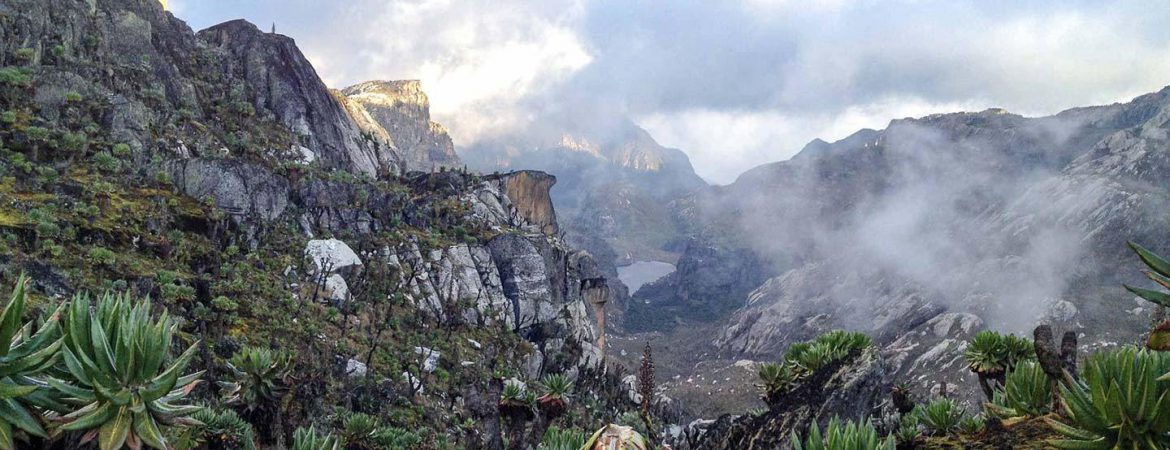
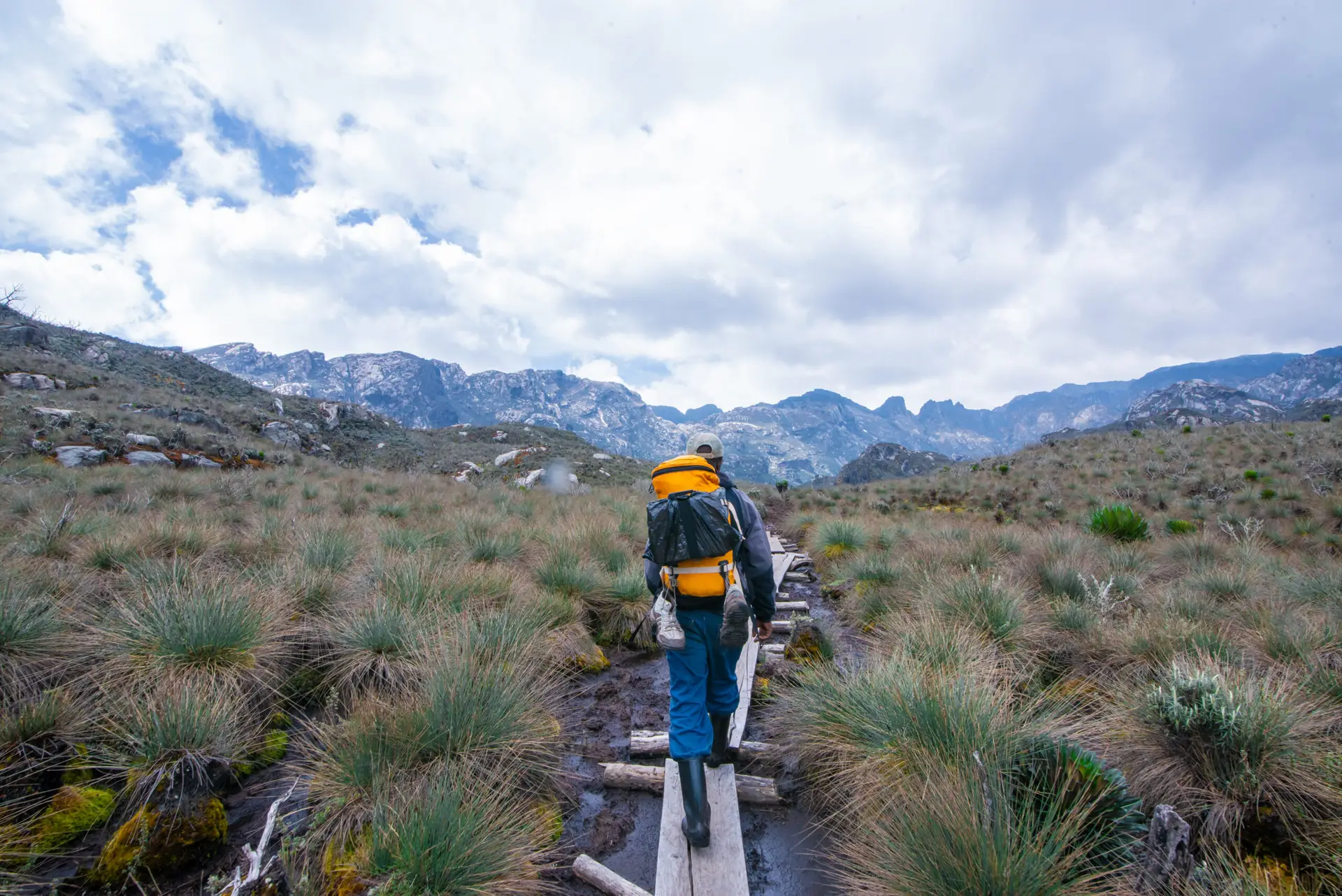
Preparing for a Rwenzori hike is not a casual decision; it is the foundation for a safe, successful, and deeply rewarding experience in one of Africa’s most demanding mountain ranges. The Rwenzori Mountains rise sharply along the Uganda-DR Congo border, with steep valleys, boggy trails, unpredictable weather, and altitudes high enough to challenge even experienced trekkers. Proper preparation transforms these difficulties into manageable, unforgettable adventures.
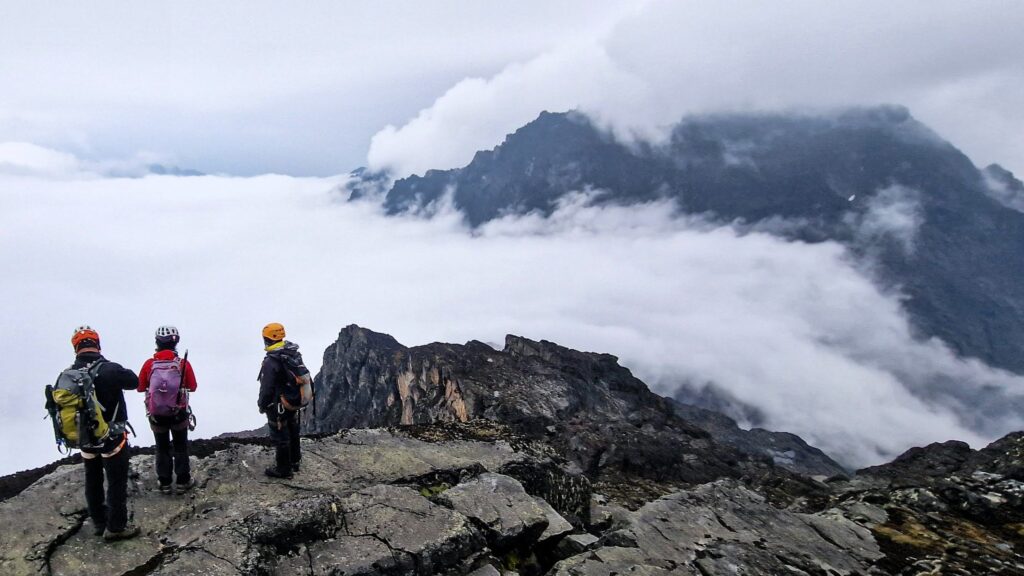
The Rwenzori Mountains, located within the vicinity of Western Uganda right at the border with the Democratic Republic of Congo, are a challenging terrain with steep ascents, varying weather conditions, and varying altitudes, making it very essential to prepare for the Rwenzori trek. In this guide, you will discover everything you need to know before you embark on your trip in the Rwenzori Mountains, from physical training to hydration, altitude training, and so on, that will ensure you have a healthy and safe hike to one of Africa’s highest peaks.
In preparing for the Rwenzori hike, the steps go beyond physical training; it requires adequate planning, mental preparation, and attention to all the details, including the packing list, visa preparation, and having a well-balanced meal even before the hike. The guidelines above ensure that you are well equipped ahead of the trek in the Rwenzori mountains. Whether you are aiming for the summit, just exploring the flora and fauna, or even discovering the other peaks of the Rwenzori mountains, it’s very important to properly prepare ahead of your trip to make the most of your adventure.
Preparation steps for your Rwenzori Mountaineering Adventure
Physical training.
Before any trek in any mountain, including the Rwenzori Mountains, it’s very essential to check how fit and ready for the challenge that involves steep ascents in high altitudes you are. Among these preparatory stages are cardiovascular training, strength, hiking places, and altitude training. Cardiovascular training is essential for long days of walking and hiking, ensuring you either walk, swim, or cycle ahead of the Rwenzori trek.
Strength training is another form of training that hikers need to complete before starting the trek, as it ensures they have strong and stable legs capable of taking steady and secure steps. Here, you can perform squats and step-ups to strengthen your lower body, enabling you to carry your backpack on steep inclines. Hiking practice is the best training you can have to prepare for your Rwenzori hike. Take short hikes on local trails, which will allow you to make gradual ascents while increasing the distance each day. This allows you to walk through the steep ascents of Rwenzori easily.
The final factor to consider when preparing for the Rwenzori is how to manage altitude variations and completely avoid altitude sickness. Prepare for hiking at higher altitudes to allow your body to adapt to this level of altitude, ensuring the Rwenzori hike is not a challenge.
Hydration
It’s essential to keep yourself hydrated to maintain energy levels and prevent altitude sickness. When you are hydrated, you reduce the chances of having fatigue, headaches, and dizziness, which can greatly affect your ability to successfully complete your Rwenzori hiking. Before and during your Rwenzori hike, make sure to drink plenty of fluids. Be sure to add electrolyte tablets as you hike to replace the lost minerals while you are walking and sweating.
Altitude training and Acclimatization
Altitude sickness can be a serious barrier during the ascent of major peaks in the Rwenzori Mountains, especially the popular Margherita Peak. Headaches, knee pains, and failure to breathe at high altitudes are among the significant symptoms that prove one has been attacked by altitude sickness. Therefore, it’s crucial to prepare in advance to avoid uncertainties or likelihoods that could hinder your ascent to Rwenzori Mountain. Practicing gradual ascents in your locality will ensure you avoid any issues associated with altitude sickness by ascending slowly and allowing your body to adjust to the heights. This is among the practices that will help you.
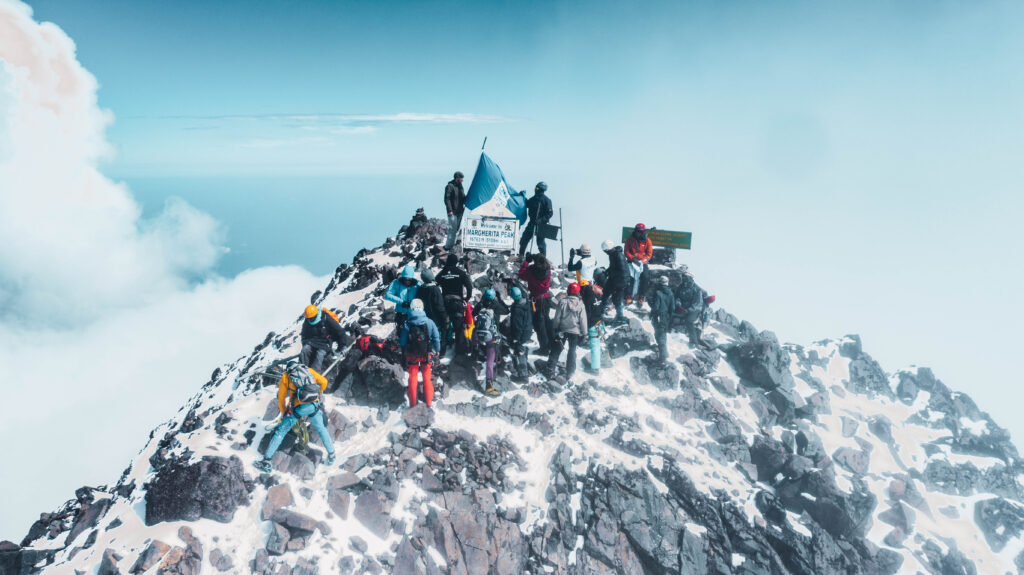
Prehiking acclimatization is also necessary; spending time at higher altitudes followed by time at lower altitudes will help the body adjust to these heights. It’s also essential for hikers to understand altitude sickness and how best they can prepare to completely rule it out so as to ensure they have an enjoyable hike in the Rwenzori mountains.
Every hiker has a unique body system, so it is crucial to learn about your own body, practice, and observe how it reacts at high altitudes; this way, before trekking the Rwenzori mountains, you will know how to manage it and what to do in case any issues arise.
Gear Preparation.
Having the right gear during your Rwenzori hike is important for guaranteeing a comfortable and reliable stay in the mountains; therefore, we highly recommend that you check your packing list and double-check it, as all the items are essential for your trip. Warm clothing is among the essential items that you ought to have. We know the mountain weather, which varies by season. Warm clothing keeps your body warm during the night’s extreme cold.
Having the right footwear, from rubber boots to mountain boots, which are properly fitting to ensure your walking is not delayed by squeezing shoes, is also important. Make sure you wear the shoes you are comfortable with. A backpack is another essential item needed during your hike; this item helps carry your important documents as well as the day’s snacks, water, and rain jacket. A walking stick ensures you hike steadily without putting a lot of force on your knees and body; with an adjustable stick, you can always change it depending on the terrain and height you are walking. A sleeping bag is among the very essential items. At the end of each day’s trek, you will have to rest with a warm thermal sleeping bag; you will enjoy the night in the cozy wooden huts.
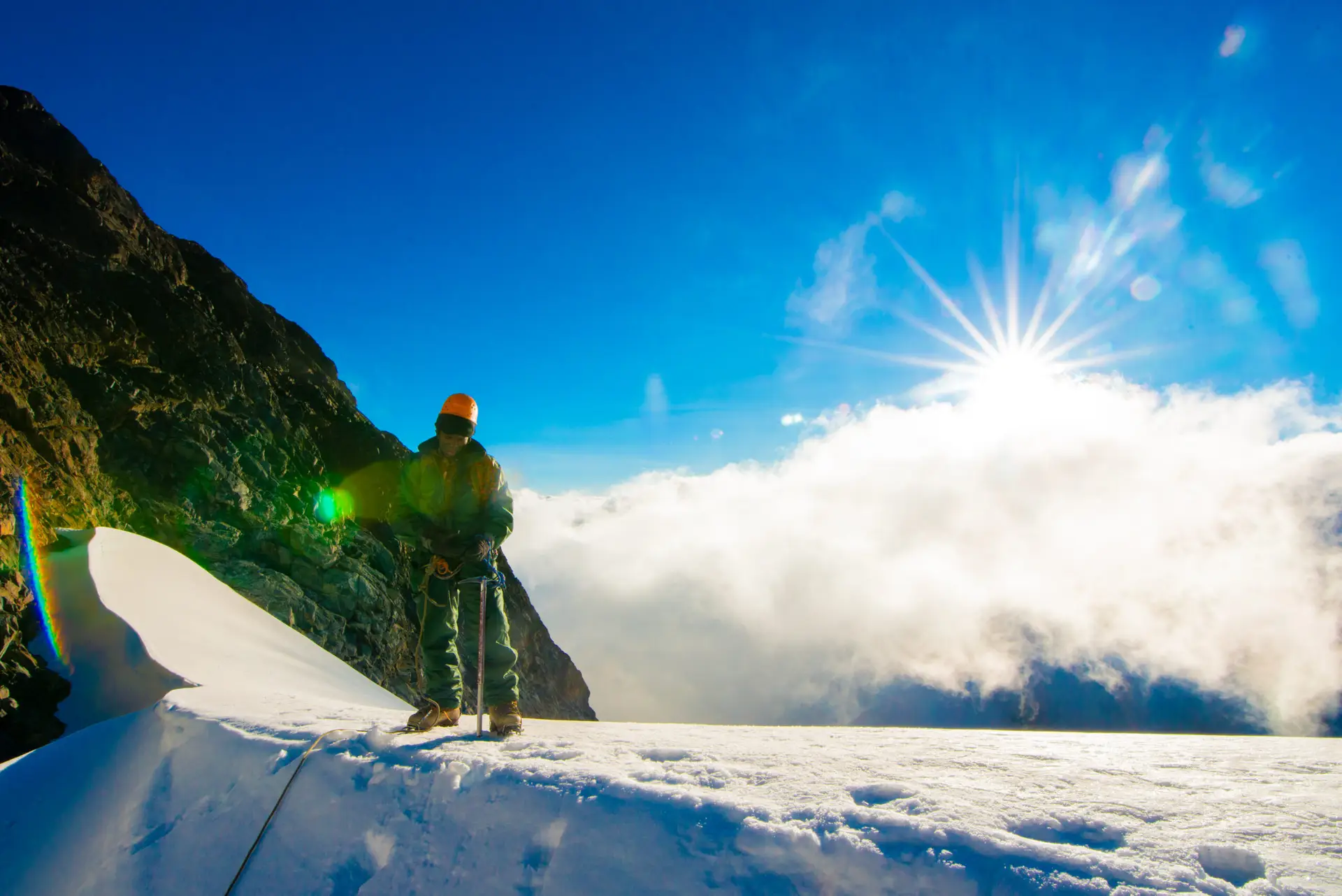
Other items include warm socks, a headlamp, gloves, waterproof trousers, and the essential hiking equipment for those summiting Margherita, like crampons, a harness, an ice axe, ropes, and a helmet. These will help you navigate the glacier effortlessly.
Vaccinations and medications
Before embarking on your Rwenzori trek, it’s very important to ensure you have the right vaccination necessary to be allowed in Uganda, and the exception would be the yellow fever vaccine only as of now. No other vaccines, such as those for malaria, are required, nor are any tablets necessary. The Rwenzori Mountains are a malaria free region because of the high altitudes; however, it’s essential to carry your antimalarials as only a precautionary measure.
Hikers are advised to postpone their trips if they don’t feel very healthy or feel any fevers. For safety and healthy measures, please keep in mind your first aid kit with items that help you have the first treatment, like bandages, painkillers, and disinfectants, among many others.
It is important to research daily altitude gains, monitor your walking pace, and manage your energy levels.
It’s very important to understand the terrain in the Rwenzori Mountains before you start your Rwenzori hike. Knowing your daily height gain and the distance to the detention camp allows you to prepare physically and mentally for the trek. Planning for rest days while monitoring the altitude you will be gaining during the hike will help you keep a steady walking pace to ensure you’re not ascending too quickly. The rest days help with acclimatization, allowing your body to adapt to a new altitude every day.
A steady walking pace will allow you not to get very exhausted and worn out, reducing the strain on your body. It’s essential to note that the walk is not a matter of rushing, as this can cause altitude sickness, but having steady yet stable steps allows your body to gradually adjust daily to new altitudes, temperatures, and environments. Like before, you need to lead your body. Prior to the hike we advised the training where you will learn your body and how to treat it during high altitudes , if you feel short of breath take some time and slow the walking pace or even take a break its better to walk slowly with a steady pace that push and strain the body. Ensure you are energized all the time you can have some energy snacks and avoid over exerting yourself on steeper sections rather use your walking stick to help you walk through some places .
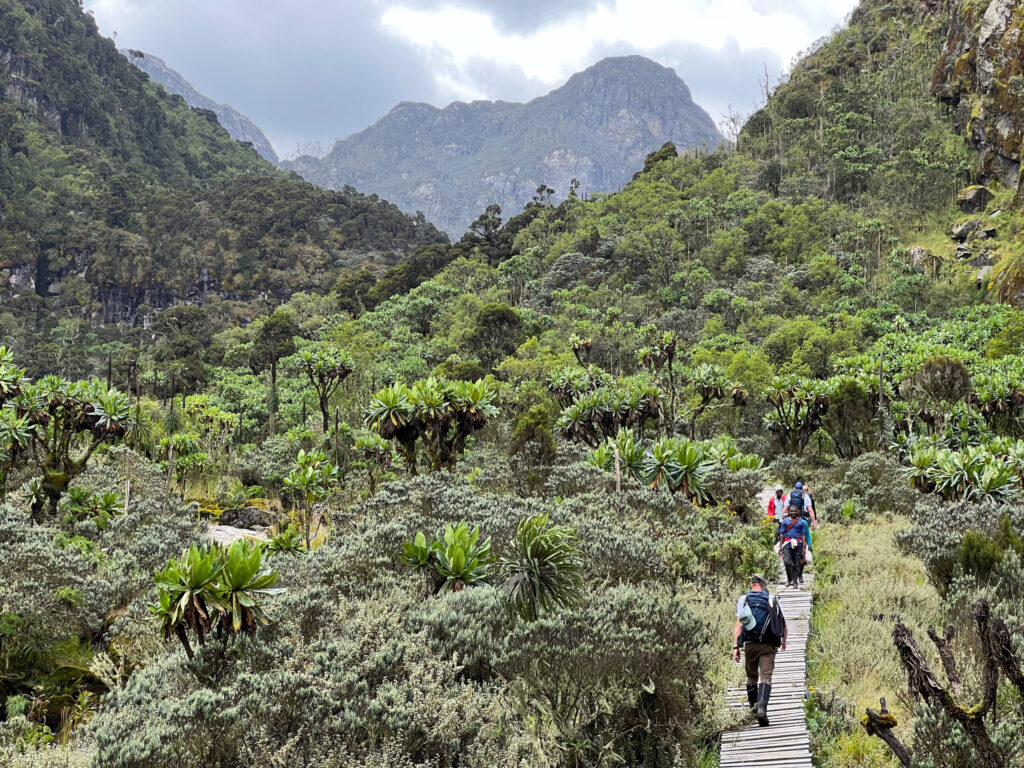
Nutrition and snacks are also important considerations.
A well-balanced diet is crucial for a healthy body and sustaining high energy levels throughout the hike. This can be enjoyed even before the hike; managing your diet and ensuring it includes minerals, proteins, carbohydrates, and other high-energy-level foods is crucial. With a healthy body, no altitude gain will challenge you, and your body can balance itself as you lose both energy and minerals during the walk. Be sure to carry high-energy snacks during the hike to keep boosting the energy and sugars used during the hike. This all goes hand in hand with hydration, which includes not only water but also glucose. These are very crucial, especially at the high altitudes where the losses of fluids are quick. On summit day, eat a hot breakfast and bring snacks for the hard trek.
Mental Preparation.
Before you embark on your Rwenzori Trek, your preparation steps include mentally preparing for the ascent that lies ahead. The Rwenzori Mountains are challenging due to their very steep ascents and rugged, uneven terrain; therefore, hikers are encouraged to manage their expectations and mentally prepare in advance to avoid being surprised by the long days of walking and the gradual high altitude gains. Setting realistic expectations will help hikers know that reaching the summit is not guaranteed; with varying weather conditions and melting glaciers, they should be ready that incase the guides advise it’s not safe to summit, they should be willing to back off the goal and continue with the rest of the journey.
Having a positive attitude is among the greatest encouragements that enable hikers to keep pushing regardless of the challenging steepness of the mountain. You can reach your goal of climbing Margherita by focusing on the beauty around you. The ascent is not easy, and hikers are encouraged to have as strong mental resilience because the physical exhaustion will be there, varying weather, and sometimes altitude sickness, and they are required to be mindful of all these and come out victorious from being among those that have summited and returned safely and happily.
Managing expectations
The mountain, as we have seen, is very intriguing with varying climatic changes. Rainfall can occur at any time of the day, regardless of whether you are hiking during the dry or wet season. We advise hikers to be flexible during the trek, adapting their plans based on weather conditions, the hiker’s physical condition, and any other unforeseen factors that may arise in the mountains. Flexibility to this degree ensures the safety of the entire team in the mountains.
Embracing the experience rather than the destination is among the crucial elements that contribute to a successful hike within the Rwenzori mountains. The mountains offer breathtaking views, unique flora and fauna, and an opportunity to connect to one of Africa’s highest peaks. Occasionally the professionals of the Rwenzori Mountains may advise that it’s not safe to hike Margherita at a certain time. Hikers are advised to take this chance to hike other Rwenzori areas or peaks if the trail is unsafe.
For groups, hikers are advised to respect the choices of others without being selfish. Teamwork is very crucial during the hike and even during the preparatory stages for hiking the Rwenzori Mountains. Working as a team can allow the entire group to achieve their goal on their Rwenzori trek.
Safety precautions
The Rwenzori Mountains have a team of well-trained professional guides who are experienced in what they do. We strongly advise hikers to hike with a guide not only to show them the route but also to advise on the technical issues that may arise during the hike. With the help of these guides, hikers can navigate the terrain safely and steadily, and there is a 95% chance of reaching the summit, assuming weather conditions remain constant. The guides will professionally handle any issues that may arise with alot of expertise and consideration of your safety first. We recommend clients seek their opinions on everything.
Staying on the trail is a safe way to avoid getting lost, as finding you may be impossible due to a lack of communication or network. The mountains have steep cliffs and treacherous paths, so we advise you to remain on the trail shown by your guide.
Whether it’s awareness or the varying climatic conditions, the weather changes anytime. Keep on the lookout for any of these and dont hesitate to walk faster to find shelter for a moment fore you continue for safety purposes.
Emergency plan: The guides will advise you on the emergency plan incase of accident. Prepare to be evacuated at any time in case you feel unsafe continuing with the ascent. The guides are aware of the nearby huts where they can signal for help, and immediately an evacuation plan can be arranged to bring you down for medical attention, and sometimes bringing you down is the cure itself.
Security in the mountains: we can’t talk of safety in the mountains if we ignore the fact there are rebels in the neighboring country, Congo. It’s also a common question for Rwenzori hikers who are concerned about their safety. Although there have been no recent attacks since October 2023, safety remains crucial. The Rwenzori Mountains are associated with high altitudes, which may be quite hard for rebels to hike for an attack, and the government of Uganda has deployed security within Queen Elizabeth National Park, which the Rwenzori Mountains are a part of. additional hikers are escorted by an armed ranger before they visit the Rwenzori mountains.
Final Preparations.
Travel plans: Be sure to confirm that all your travel arrangements are well organized, from the flights to Entebbe or a near by airport to the transfers that take you to Kasese a town where all the Rwenzori hike activities commence.
Visa and Insurance: Hikers are advised to request their visas in time to avoid any inconveniences on arrival. Having comprehensive travel insurance before you embark on your hikee is also necessary; this can cater for medical emergencies, evacuations, and so on.
Last-minute preparations: Before travelling to Uganda, do a last-minute check where you can double-check with your packing list, your passport, and everything you require for your trip to ensure all is in order.
Emergency contact: Before travelling, make sure to give your friend or family member your itinerary and emergency contact information. You can also share with the reservation the phone contact of your friend or family such that they can be updated about your safari because the Rwenzori mountains have no network. Even so, guides have a way of communicating incase of anything and the person in Uganda can update your people.
With physical and mental preparation, a well-trained body, and a positive mental attitude, hikers are assured of success if they summit the Rwenzori mountains in the summer.
Guides and porters, while hiking, ensure to make use of these guides and ask them whatever question you may need to know during their hike. Be sure to ask them about the history, vegetation, peaks, and all facts of the Rwenzori Mountains. Furthermore, taking their advice during the trek in the Rwenzori Mountains is very important. Their pre-briefing will help you, as well as the safety measures they will be sharing while you’re trekking.
After the hike
Recovery: Once you are down after the Rwenzori hike, give your body time to recover from the high altitudes. For those who may have taken on the trek without exercising you may experience muscle pulls , endeavour to have stretches and rehydrating as well as eating a balanced diet to replace the lost energies and minerals .
Reflecting on the experience, consider noting the challenges, experiences, and all benefits attained during the trek. This can be shared with your reservation officer to improve the services and this information can be used by the next hiker to prepare adequately for their Rwenzori trek can be a reliable source of learning as well for future reference.
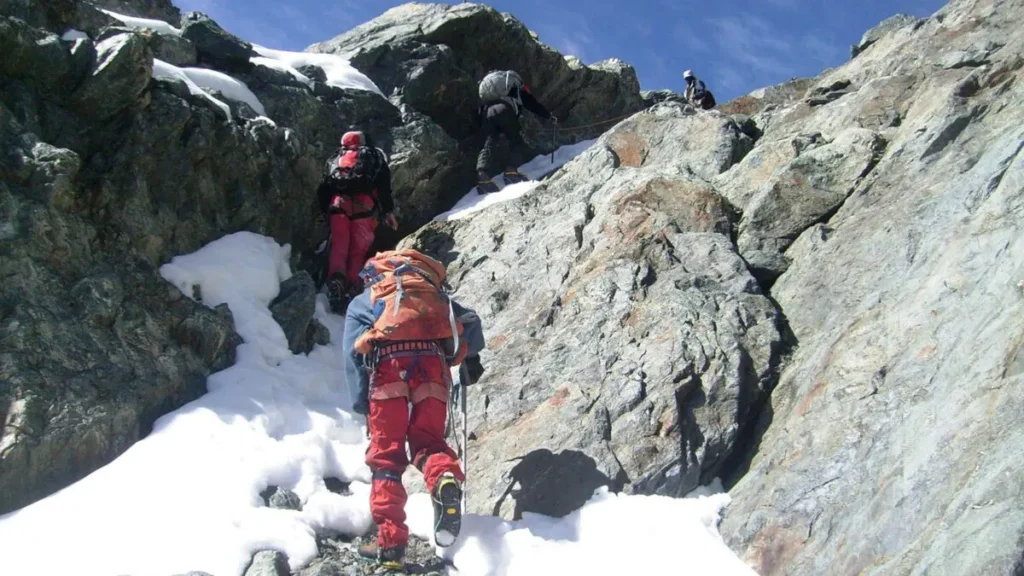
Tipping the team you hiked with is usually appreciated through tipping, even though this is not mandatory as of now. Guides, porters , chefs and rangers are tipped in regard to their good work done. Rwenzori trekkers are advised to tip according to their budget , level of satisfaction and the service they feel they have received. This is because some hikers may not have as much but would like to tip, so they are also given an opportunity to tip the team .
Take time to write a review about Rwenzori Mountain, the services, and the entire experience on TripAdvisor. After your hike, it’s vital to tell others who are interested in the same trek to the Rwenzori Mountains, and this information can be passed on to the next hiker through TripAdvisor.
Ensure you leave ample feedback for your friends back home, letting them know you’re back and safe. Also provide feedback to the organizing team that organized your safari in the Rwenzori mountains; this is to help improve the services. Tell them about the sufficiency of the gears, about the guides, and so on. In giving this feedback, you are participating in the conservation and sustainability programs of the Rwenzori Mountains, as this will be a reference to improve the service and for future reference. The information can help other hikers to prepare better when they are planning to hike the Rwenzori Mountains.