Karamojong People of Uganda | Culture, History & Traditions
The Karamojong People of Uganda: Culture, History, Traditions, and Modern Challenges. Discover the culture, history, traditions, and lifestyle of the Karamojong people of northeastern Uganda. Learn about their origins, spirituality, and modern challenges.
The Karamojong people of northeastern Uganda are one of East Africa’s most distinctive indigenous communities, known for their pastoral heritage, warrior identity, and deep cultural traditions shaped by the harsh semi-arid environment of the Karamoja region. Their entire way of life is anchored in cattle, an economic resource, spiritual symbol, and social currency that defines status, wealth, and identity. Understanding the Karamojong requires exploring how their history, beliefs, and social structures have evolved alongside the land they depend on.
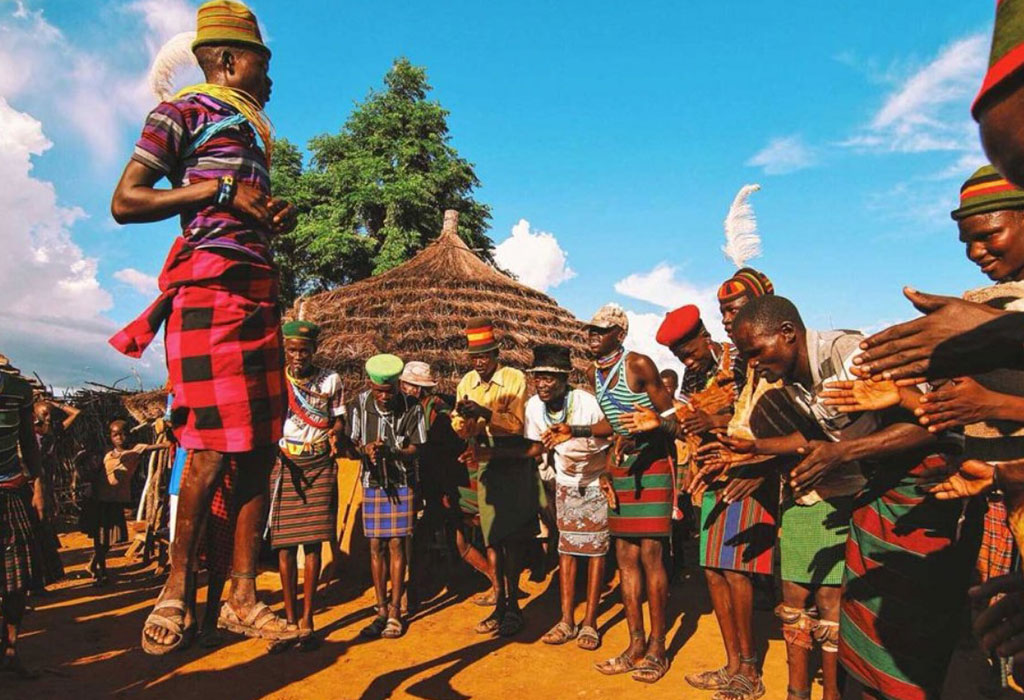
Karamojong Cultural Dance
The Karamojong culture is a testament to the resilience and adaptability of a community deeply connected to its environment and traditions. Their rich heritage, encompassing cattle herding, storytelling, music, and spirituality, provides helpful information about the importance of harmony with nature and communal values. While modernization and environmental changes present serious obstacles, the Karamojong’s determination to preserve their identity remains strong.
By supporting initiatives that respect their rights, traditions, and aspirations, we can contribute to the survival and flourishing of the Karamojong culture. Understanding and celebrating their contributions to humanity enriches our collective appreciation of cultural diversity and the enduring strength of indigenous communities.
Origins and History of the Karamajong People.
The Karamojong are part of the Nilotic-speaking communities, believed to have migrated from the Nile Valley thousands of years ago. Oral traditions suggest that they moved southward in search of grazing lands, eventually settling in the semi-arid plains of northeastern Uganda. Their name, “Karamojong,” is thought to derive from the phrase “Ekale imojong,” meaning “the old men can walk no farther,” reflecting their decision to settle permanently in the region.
Historically, the Karamojong’s nomadic lifestyle centered on cattle herding. Cattle were not only a source of food and wealth but also deeply intertwined with their social and spiritual lives. The Karamojong’s migration patterns and interactions with neighboring communities often led to conflicts over grazing land and water, shaping their reputation as fierce warriors.
Lifestyle and Economy
The Karamojong’s way of life revolves around cattle herding, which remains central to their identity and economy. Cattle provide milk, meat, and hides, as well as serve as a form of currency and social status. A man’s wealth is often measured by the size of his herd, and cattle are used as a bride price in marriage negotiations, fostering strong family and community ties.
Due to the region’s arid climate, the Karamojong practice transhumance, moving their cattle to different grazing areas depending on the season. This mobility ensures that the herds have access to water and pasture throughout the year. In addition to herding, the Karamojong engage in small-scale agriculture, growing crops such as sorghum, millet, and beans. However, farming is often secondary to cattle rearing due to the unpredictable rainfall.
The Karamojong’s diet primarily consists of milk, blood, and meat from their cattle. Milk is consumed fresh, fermented, or turned into butter, while blood is extracted from live animals using a skillful and humane process. This sustainable use of livestock reflects their deep respect for their animals.
Social Structure and Roles
The Karamojong society is organized into clans, which are further divided into smaller family units. Clans play a crucial role in maintaining social order, resolving conflicts, and preserving cultural traditions. Elders are highly respected and serve as the primary decision-makers, mediators, and custodians of wisdom.
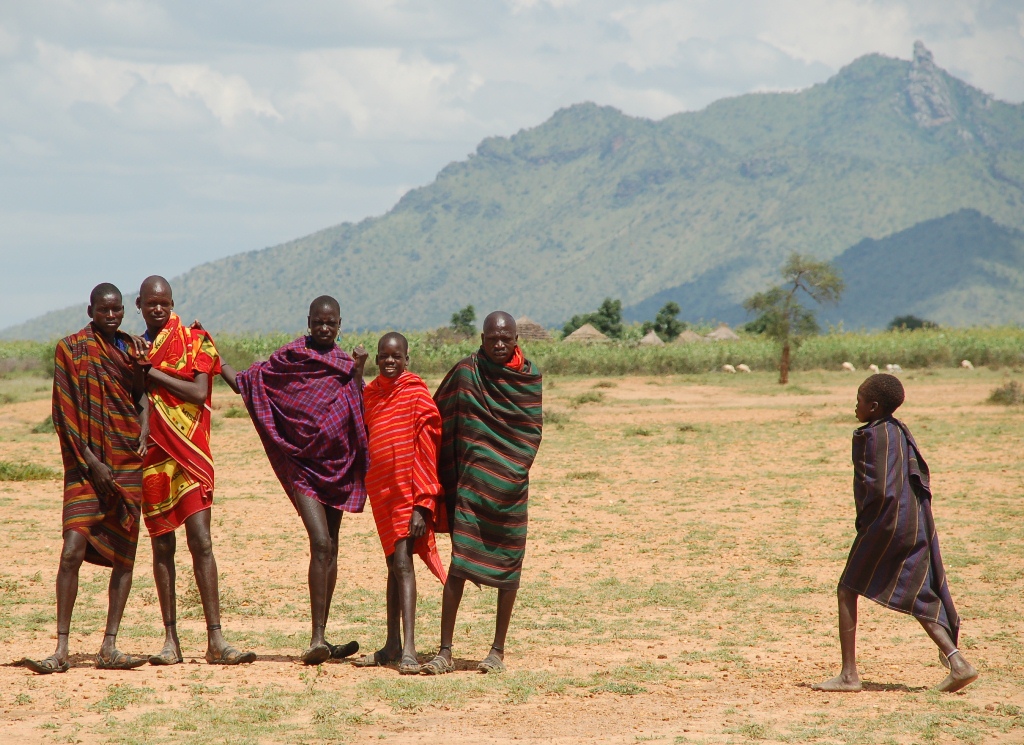
Age-sets are another important aspect of Karamojong social organization. Individuals of the same age group undergo initiation ceremonies together, forming lifelong bonds and assuming collective responsibilities. Age-sets are responsible for various community tasks, such as defending the community, managing livestock, and conducting rituals.
Gender roles in Karamojong society are well-defined but complementary. Men are primarily responsible for herding cattle, protecting the community, and participating in decision-making processes. Women, on the other hand, manage household tasks, care for children, and engage in activities such as farming and food preparation. Despite these divisions, both men and women contribute significantly to the community’s survival and well-being.
Spiritual Beliefs and Practices of the Karamajong People.
The Karamojong’s spiritual beliefs are deeply rooted in their connection to nature and cattle. They believe in a supreme deity known as “Akuj,” who is regarded as the creator and provider of life. Akuj is worshipped through prayers, rituals, and sacrifices, often conducted during times of drought, illness, or other communal challenges.
Cattle play a central role in Karamojong spirituality. They are considered sacred and are often used in rituals and ceremonies to honor Akuj or seek blessings. For example, the “Etam” ceremony involves the sacrifice of cattle to invoke divine intervention or express gratitude.
Traditional healers, known as “laibon,” hold a respected position in Karamojong society. They serve as spiritual leaders, mediators, and herbalists, using their knowledge of medicinal plants and rituals to address physical and spiritual ailments. The laibon’s guidance is sought during important events, such as births, marriages, and conflicts.
Art and Oral Traditions
The Karamojong have a rich tradition of storytelling, music, and dance, which serve as vital means of preserving their history and culture. Stories passed down through generations often convey moral lessons, historical events, and the importance of communal values. People typically share these stories around evening fires, which encourages cooperation and continuity.
Music and dance are integral to Karamojong life, performed during ceremonies, festivals, and social gatherings. Traditional songs celebrate themes such as bravery, love, and the beauty of their homeland. Instruments like drums, flutes, and stringed instruments accompany these performances, creating a lively and communal atmosphere.
The Karamojong also express their creativity through beadwork, pottery, and decorative crafts. Beaded jewelry, often worn by both men and women, reflects social status, marital status, and aesthetic preferences. Pottery and other handmade items serve practical purposes while showcasing their artistic skills.
Challenges in the Modern World
The Karamojong face numerous challenges in the modern era, many of which stem from environmental, social, and political changes. Climate change has exacerbated the region’s aridity, leading to prolonged droughts, water scarcity, and reduced pasture for livestock. These changes have disrupted their traditional way of life, making it harder to sustain their cattle-dependent economy.
Land disputes and competition over resources have also contributed to conflicts with neighboring communities. Cattle raiding, a longstanding practice in Karamojong culture, has become more violent due to the proliferation of firearms. The result has led to loss of lives, displacement, and strained relationships with neighboring groups.
Marginalization and lack of access to education, healthcare, and infrastructure further hinder the Karamojong’s development. Many view them as backward or resistant to modernization, leading to social exclusion and limited opportunities for economic advancement. Efforts to integrate the Karamojong into mainstream society often clash with their desire to preserve their cultural identity.
Efforts to Preserve Karamojong Culture
Despite these challenges, various initiatives are underway to support the Karamojong and preserve their cultural heritage. Non-governmental organizations (NGOs), government agencies, and community leaders have worked to promote education, healthcare, and sustainable development in the region.
Education programs tailored to the Karamojong’s unique needs and values aim to bridge the gap between tradition and modernity. Mobile schools, vocational training, and adult literacy programs are helping to improve literacy rates and provide skills for alternative livelihoods.
Cultural preservation efforts, such as documenting oral traditions, music, and crafts, ensure that the Karamojong’s heritage is not lost. Cultural tourism has also emerged as a way to share their traditions with the world while generating income. Visitors can experience traditional dances, storytelling, and crafts, fostering appreciation and understanding of Karamojong culture.
Community-led initiatives to address conflicts and promote peaceful coexistence are also making a positive impact. Dialogue and mediation efforts between the Karamojong and neighboring communities aim to reduce tensions and build trust.