Best Time to Visit Murchison Falls National Park | Dry & Wet Season Guide 2026
Discover the best time to visit Murchison Falls National Park. Learn how dry and wet seasons affect wildlife viewing, chimpanzee trekking, boat safaris, photography, and overall safari experiences in Uganda’s largest national park You can visit Murchison Falls at any time of the year, but the best overall experience, especially for first-time travelers, comes during the dry seasons:
• June to September
• December to early March
These months deliver the best wildlife sightings, the safest trail conditions, clear skies, and easier travel throughout the park. However, if you prefer solitude, lush landscapes, rich birdlife, and discounted accommodation rates, the wet season offers its own unique advantage. Both seasons showcase different faces of Murchison Falls National Park, ensuring that whenever you travel, you’ll witness something unforgettable in Uganda’s greatest wilderness.
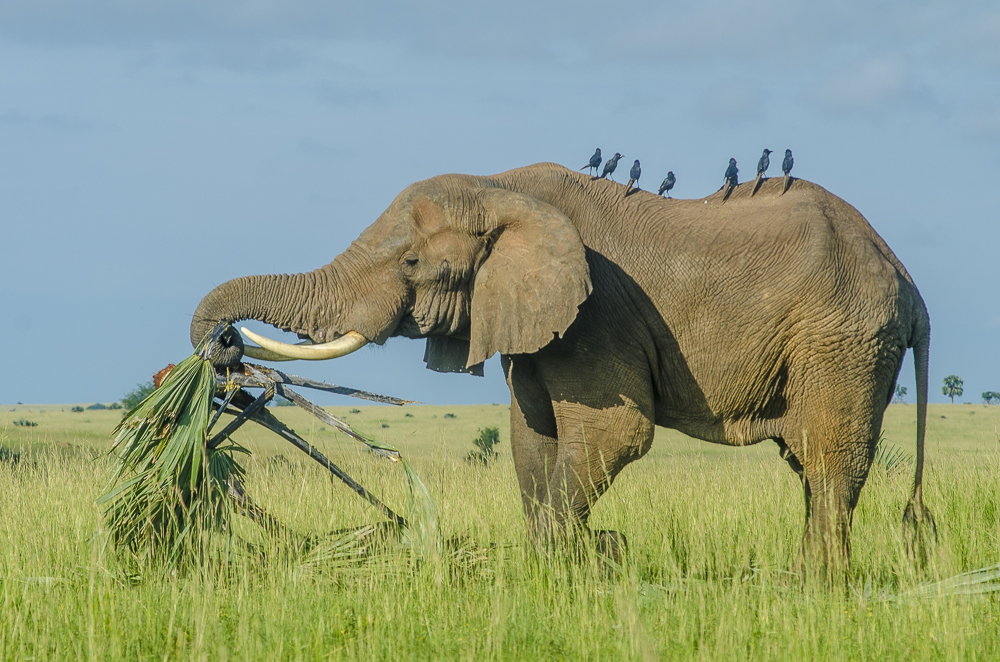
Murchison Falls National Park, the largest and most legendary protected area in Uganda, stretches across roughly 3,800 square kilometers in the country’s northwestern region. The park is renowned for the thunderous Murchison Falls, where the Nile River forces itself through a narrow 7-meter gorge before exploding into the Devil’s Cauldron. Beyond the falls, Murchison shelters an extraordinary mix of wildlife, including lions, elephants, leopards, Rothschild giraffes, buffalos, hippos, crocodiles, hundreds of antelopes, and over 450 bird species.
Although Murchison Falls National Park is a year-round destination, the experience you get depends heavily on the season. Uganda has two main weather patterns, dry and wet seasons, and each influences wildlife movement, trail conditions, and visitor comfort.
What is the best time to visit Murchison Falls National Park?
Uganda experiences two seasons, both a wet and a dry season; these seasons play a significant role in determining the best time to visit Murchison Falls. With several activities that can be done in the park, including game drives, boat cruises, chimpanzee trekking, and nature walks, the weather plays a vital role, with each season having its pros and cons as well as a totally unique experience, making Murchison Falls accessible all year round.
The dry season June to September and December to early March
The dry season in Murchison Falls National Park occurs twice a year, from the months of June to September and December to early March. This is the most favorable time to visit the park; the weather is generally sunny and dry, offering ideal conditions for safari activities.
The dry season supports all kinds of activities The weather is warm and dry, allowing for several activities, including
Chimpanzee Trekking in Budongo Forest.
The temperatures during the dry season are very favorable for chimpanzee trekking in Budongo Forest; the trails in the forest are dry, making it very safe and comfortable for visitors. During the dry season there is better visibility, and chimps in Budongo Forest are trekked with less worry of slippery muddy trails, making the forest very accessible during this time of the year.
Wildlife Viewing
The dry season has very favorable weather conditions that aid wonderful game viewing on game drives and boat cruises. During the dry season, wildlife is easier to see compared to the wet season, when animals retreat deeper into the park due to the abundance of food. The dry weather forces animals to gather around the Nile, making them easier to spot . During the dry season animals usually gather around the water sources in the park, making them easily seen on an adventurous boat ride along the Nile.
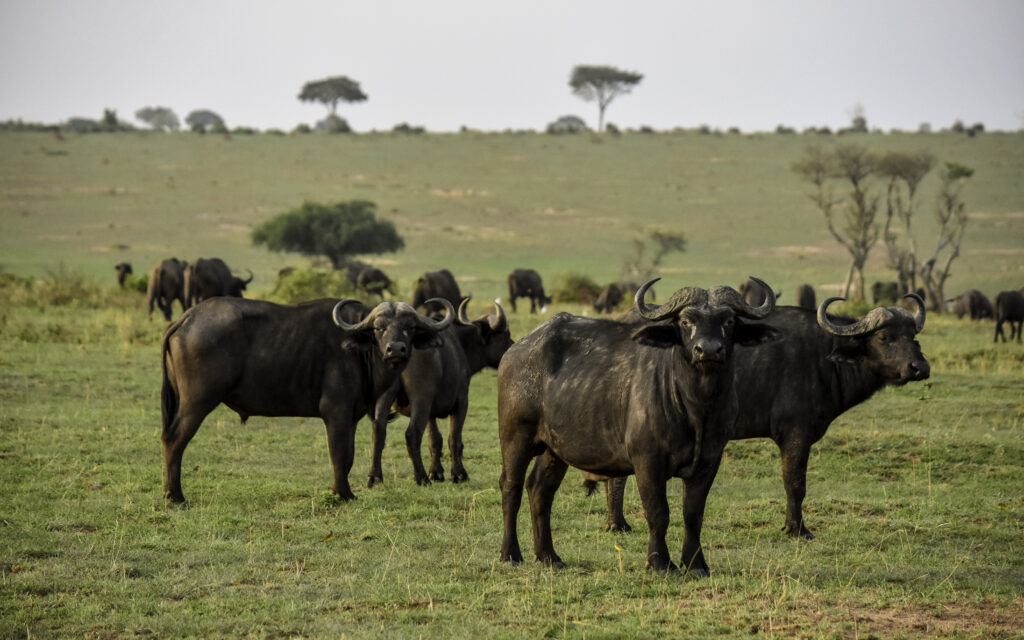
During the game drives in the dry season, you are likely to encounter herds of elephants, buffaloes, and antelopes, including impalas and waterbucks, as well as predators. The clear skies and open landscapes create ideal conditions for photography, allowing for stunning shots of wildlife set against the savannah backdrops.
Hiking to the top of Murchison Falls offers a rewarding experience.
Murchison Falls is renowned for its powerful cascades, which provide breathtaking views for visitors in the park. The dry season is an ideal time to embark on the hike, as the trail to the top includes a muddy section, and the falls themselves create a wet area that is perfect for photography. Therefore, the dry season is an excellent time to explore these beautiful falls, leaving visitors in awe.
Birding in the dry season
Birders will enjoy visiting Murchison as the season offers excellent bird watching and a beautiful encounter in search of the species that live in the park. The reduced foliage on the trees makes it effortless for bird viewing with alot of rare species that can be seen in the park, including the shoebill stork, African fish eagle, kingfisher, and hornbills. During the months of December and February, the park typically hosts migratory birds.
Fewer mosquitoes
The dry season has very few mosquitoes, making it an advantage for travellers who embark on a visit during the dry season of the year. With no rains, birding opportunities are enjoyable since mosquitoes don’t breed during the hot sunny days. The dry conditions limit the breeding of mosquitoes, which reduces the risks of malaria. Travelers are still advised to take precautions and have mosquito repellents as well as sleep under mosquito nets; however, the risk of catching malaria is lower.
The wet season March to may and October to November
The wet season in Murchison Falls National Park runs from late March to May and from October to November. During this time, the park experiences very heavy rains, which may hinder some activities and make them quite challenging. However, the wet season is unique in its own way; even though the rains may affect visitors, they still choose to visit the popular Murchison Falls, enjoying fewer crowds and less competition, as well as the discounted rates or offers that accommodations typically provide.
Lush landscapes
The rainy season in Murchison Falls National Park transforms savannah plains and forests into a lush green paradise, giving it a magnificent view of the evergreen pearl of Africa. The lush vegetation provides stunning views for visitors, and animals thrive in their habitat with plenty of food.
For photographers and nature lovers, the wet season is a perfect time to capture the shot of a lifetime that is most colorful. The River Nile is splendid to witness during this time of the year; it’s usually flooded, making Murchison Falls roar as they empty the waters of the Nile into the delta.
Bird watching and breeding seasons
The wet season is an optimal time to embark on birdwatching, especially for observing the resident bird species. The park’s Budongo Forest is alive with the melodies of bird sounds coming from all corners of the area, entertaining visitors during nature walks, chimpanzee trekking, and birding safaris. Many birds, such as weaver birds, usually start building nests during this time, providing an exciting spectacle for bird lovers. While the wet season may have fewer migratory birds, it’s a perfect time to spot the resident birds that call this forest, Budongo, their home.
The experience is quieter and more personalized, providing a private atmosphere.
 Another benefit associated with the dry season is having the park almost to yourself, with very few tourists and visitors. During the dry season, the park is less crowded, providing a more peaceful and private experience, making it an excellent time for those who prefer solitude and wish to connect with nature, away from the hustle and bustle of the rainy season, which is characterized by competition for resources such as accommodation that peak season visitors often encounter.
Visiting during the wet season presents several challenges.
While the wet season offers some advantages, it also presents several significant challenges. The heavy rains can make the park roads muddy and difficult to navigate, especially on remote routes in Murchison Falls. Cars usually get stranded during game drives, and also some animals may seek shelter in thicker vegetation, making them harder to spot. Basically the wet season is the worst time for game drives.
However, even with the wet season, visitors are encouraged to use 4×4 safari vehicles on their trip in Murchison Falls National Park to avoid getting stuck along the muddy trails within the park. Additionally, ensuring they pack appropriately for this season is also key, like waterproof jackets and sturdy boots that will ensure comfort during some of the activities, like hiking to the top of the falls as well as nature walks in Budongo or chimpanzee trekking.
Visiting Murchison Falls can be done throughout the year, and the best time totally depends on the travelers’ needs and what they want to experience. The dry season varies from June to September and December to early March; the months are popular with excellent weather, abundant wildlife, and easy access to the animals. It’s an ideal time for game drives, boat cruises, hiking to the top of the falls, chimpanzee trekking, and birding experiences. However, the wet season from March to May and October to November offers a different experience that is less crowded, though with heavy rains that may make game viewing quite hard. Both seasons have their advantages, and Murchison Falls National Park offers unique experiences throughout the year . With proper planning and consideration of the weather, you can choose the best time that suits your preferences for what you want to experience during your safari in Uganda’s most popular national park.
Both seasons have their advantages, and Murchison Falls National Park offers unique experiences year-round. With careful planning and consideration of the weather, you can choose the best time to visit that suits your preferences and enjoy an unforgettable safari adventure in Uganda’s largest and most beautiful national park.