Best Time to Go Chimpanzee Trekking in Kibale National Park (Month-by-Month Guide)
Discover the best time to visit Kibale National Park for chimpanzee trekking with this month-by-month guide. Learn how weather, trail conditions, crowds, and chimp behavior change throughout the year to plan your perfect Uganda primate adventure.
Kibale National Park offers incredible chimpanzee trekking experiences all year round. Dry months (December–February and June–August) are ideal for safe, comfortable trekking with firm trails. Wet months (March–May, October–November) are perfect for travelers who prefer quieter forests and easy chimp sightings, despite the mud. Every month presents a unique perspective on Kibale’s rainforest ecosystem, making chimpanzee trekking a rewarding adventure no matter when you choose to go.
Nestled in western Uganda, Kibale Forest National Park is a hidden gem with a rich natural biodiversity, widely known as the primate capital of the world. The dense rainforest has an abundance of wildlife, particularly primates, with over 13 primate species surviving in this forest. Trekking chimpanzees or paying a visit to the park requires a careful consideration of the best time to embark on a tour through the dense forest for a remarkable experience. Each month varies, offering a unique and entirely different experience, with some months being dry, others wet, and others a combination of the two. Below, you can discover the month-by-month weather in Kibale, which will help you plan appropriately for your chimpanzee trekking experience by providing a clear understanding of what to expect during each specific time.
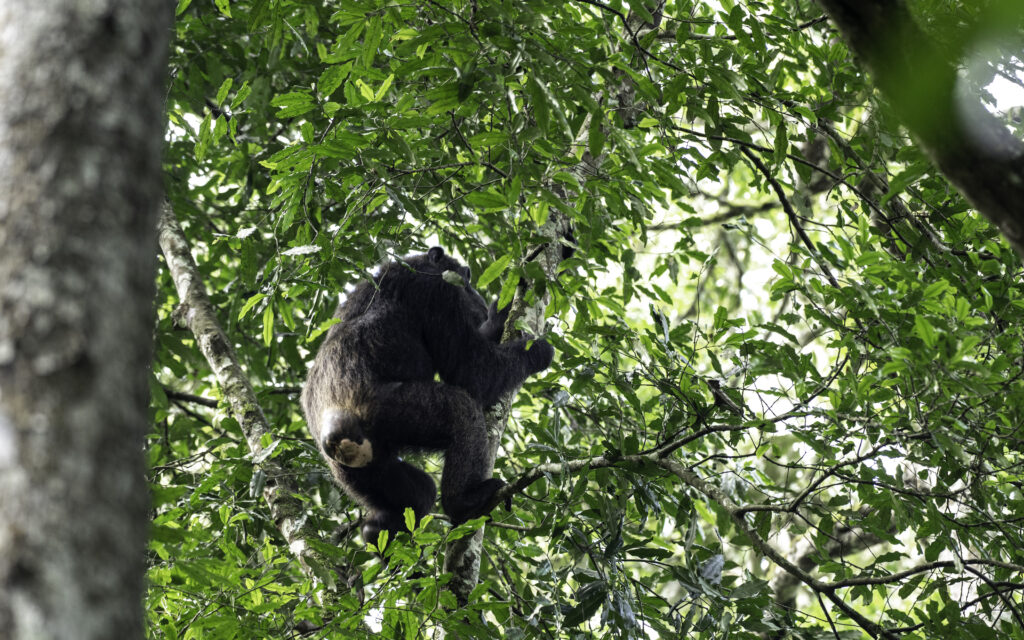
Kibale National Park offers a unique chimpanzee trekking experience all year round; however, some months offer more favorable trekking conditions than the rest. But the dry months are preferred for their safety and comfort, even if each month has its pros and cons. Trekking during the dry season offers safety and provides trekkers with an opportunity to walk through the forest, where they can encounter other primate species and birds. The wet season is also favorable for some trekkers who prefer a quieter experience with less noise. Each month provides a unique perspective on Kibale’s rich ecosystem, so whether you prefer the adventure of the rainy season or the comfort of the dry trails in the dry season, each time is a wonderful encounter with man’s cousins.
January (Dry, Sunny, and Perfect for Trekking)
As we welcome a new year all over the world, Kibale National Park marks the beginning of a dry season, with sunshine dominating the greater part of the days in January. The trails during this time of the year are dry, not slippery, making it a breeze to navigate through the forest with ease. The month is associated with a lot of safety, as there are fewer risks of slippery trails that can lead to sliding, making it very comfortable for trekkers to visit the park for chimpanzee trekking and other activities. Due to the dry conditions, chimpanzees move further in search of food, which makes trekking more adventurous as you search for them and increases your chances of spotting other animals along the way. For travelers in the month of January, they enjoy observing these primates go about their daily routines, from having social interactions and playing to training the young ones for months. January presents an opportunity to deeply comprehend what drives these primates. With well-maintained trails and proper visibility of the forest, January is an ideal time to consider your chimpanzee trekking safari in Uganda.
February (Continued Dry Weather and Easy Trails)
February continues to experience the dry season with an abundance of sunshine, presenting a favorable trekking experience. The absence of rain keeps the trail very dry, stable, and simple to navigate, ideal for every trekker that prefers no rain. Trekkers generally enjoy a relaxed experience, finding the trails easy to navigate while searching for the chimps. During this time of year, food remains scarce due to dry weather conditions; however, chimps are still on the move, presenting an opportunity for trekkers to explore the park’s rich diversity. Sometimes the chimps even move closer to the trekking trails searching for the possibility of their food, and the climate makes it easy for them to be seen.
March (Transition Into the Wet Season)
March brings the initial signs of the rainy season; however, this can be towards the end of March, with showers gradually increasing as the month progresses. By mid-March, the rains create muddy, slippery trails, requiring trekkers to be well prepared for more challenging conditions. Trekkers are encouraged to have the appropriate footwear and rain gear to ensure they navigate smoothly through the forest. During this time, there is an abundance of food, and the treks may be shorter compared to those of the dry season. The abundance of water and food benefits the chimps, reducing the rate at which they search for food. This month is ideal for hikers seeking a more private experience, as there are fewer guests, particularly towards the end of the season.
April (One of Kibale’s Wettest Months)
April is associated with a very heavy rainy season, and it’s among the wettest months in Kibale National Park. Rainfall is very frequent and often intense; the trails are ever more muddy and require careful caution while walking through them. Kibale National Park is basically thick and offers stunning vistas with chimps stationed in the nearby food sources, and their presence makes the trek even easier as rangers know where they are located. Trekkers are required and advised to pack appropriately for those who consider moving during this time of the year. The month has fewer visitors, making it convenient for budget travelers who may enjoy low-season rates offered by some lodges and hotels.
May (Still wet, but Very Rewarding)
The month of May is equally wet, although the rains toward the end of the month tend to decrease. Trekking may be a bit challenging this month with wet, muddy trails, so trekkers are encouraged to have the right gear and prepare in advance for this time of the year. The humid air and wet ground of Kibale National Park create a lush atmosphere with plants, fungi, and wildlife flourishing in the damp conditions, adding a unique experience in the Kibale rainforest. Chimps are easily seen, and trekkers have an opportunity to observe these primates with fewer crowds, as fewer people embark on chimpanzee trekking during the month of May.
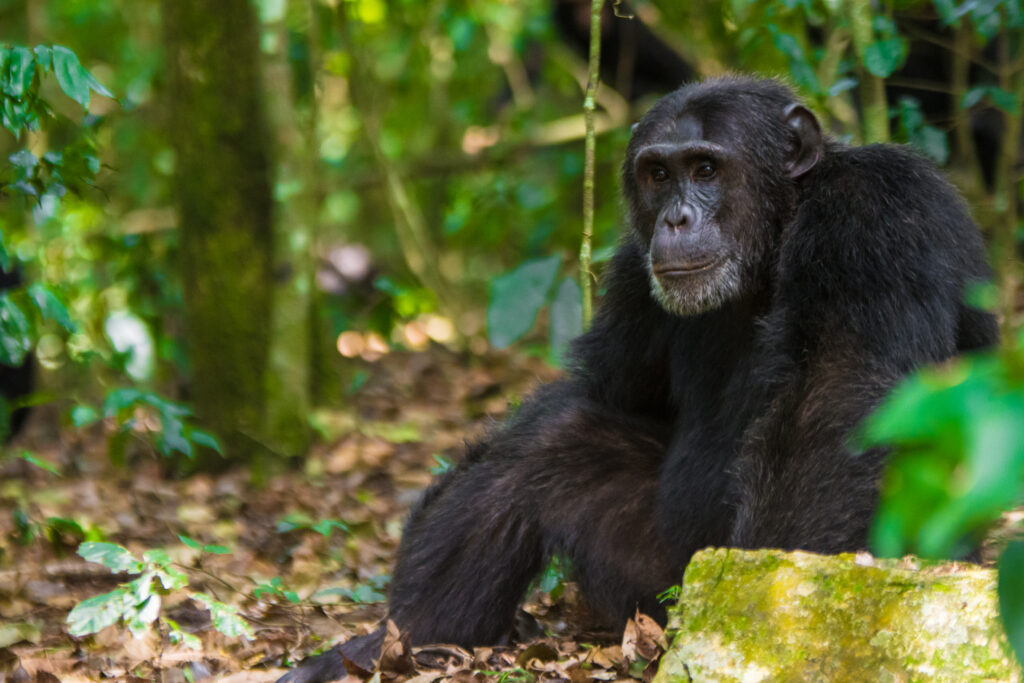
June: Start of the Long Dry Season (Peak Chimp Trekking Month)
The month of June is an incredible time to embark on a chimpanzee trekking experience with dry trails and optimal weather conditions that favor all kinds of travelers. Navigating through these trails is much easier, and June is also considered the best time to visit the chimps in Kibale National Park. The muddy, sunny weather makes chimpanzee trekking a once-in-a-lifetime adventure, allowing travelers to navigate the forest with confidence in their safety and comfort because June is typically dry. Chimps during this time are easily spotted in large numbers, as they are now moving from one place to another or even exhausting the available food sources. June is regarded as an optimal time to explore the rich biodiversity of Kibale National Park.
July (Peak Season With Ideal Conditions)
July is considered the peak season not only in Uganda but also specifically in Kibale National Park. The month is associated with dry trails; the forest is vibrant with proper visibility from the sun rays, and there is likely no rain. The trails are firm, offering visitors to the park an opportunity to enjoy the chimpanzee trekking experience. Due to the scarcity of food, trekkers have the opportunity to explore the forest and appreciate much more than just the chimps; they can also observe birds and other primates during their walk through the tropical rain forest. In July, you can see the chimps in their habitat and observe their unique behavior.
August (the final month of the long dry season)
August is the last month of the long dry season; the month continues to experience the abundance of sunshine with optimal weather conditions. The ground is firm, offering trekkers a comfortable walking experience through the forest in search of the chimps. With an uninterrupted trek, visitors are able to enjoy the trip through Kibale’s towering trees. The chimps continue to struggle to find food in August due to food scarcity caused by the dry season, which also makes the trek for visitors in Kibale National Park more enjoyable and adventurous. August is favorable, offering visitors incredible views of the rich diversity. During August, visitors can explore the park and enjoy a unique experience.
September: Mixed Season (Dry + Wet)
September is a transitional month in Kibale National Park; the month has a combination of two seasons, including the dry and wet seasons. The early part of the month often retains some of the dry season’s favorable conditions, but these conditions change towards the end of September. Trekkers are advised to park appropriately, as the month can easily receive rain at any time during it. The weather is optimal and provides favorable working conditions for trekkers, as the chimps are also wandering about nearby areas, which makes them more accessible and easier to track while they go about their daily routines. The month has several travelers embarking on a tour in Kibale National Park to explore its rich biodiversity. Trekkers are able to observe closely the behavior of these primates as they interact and harvest food in the forest.
October (Return of the Rains)
October is associated with varying rainfall; at times, the rains are very heavy, while at other times, they are light. The trails in Kibale National Park are wet and muddy, making chimpanzee trekking challenging. In October, chimpanzee trekking in Kibale National Park offers a unique experience due to the lush green forests and relatively easier trekking conditions, as the chimps are easily spotted since they do not travel far from their food sources. Witnessing the primates enjoy their habitat is an incredible experience, as you can see them not only in motion but also relaxing in their natural environment with their families. October is also a low season with very few people visiting the park, making the month favorable for few people.
November (The Wettest Month of the Year)
November is the wettest month in Kibale National Park; heavy rains are common, making the trails muddy and very slippery. Trekking during this time can be strenuous, and those who visit in November are cautioned to prepare in advance for their trekking experience. Visiting Kibale National Park in November requires proper gear, including rain gear and sturdy hiking equipment. Chimpanzees in November are easily seen, as there is an abundance of food; however, they are required to be conscious of the muddy trails that may lead to sliding during the walks. The chimpanzees are usually relaxed and spend their time feeding and socializing with themselves, making November a perfect time to witness this.
December (Start of the Short Dry Season)
December marks the beginning of a dry season that presents trekkers with favorable weather conditions during chimpanzee trekking. While there may be occasional rains during December, they are minimal, and the trails have firm ground that offers trekkers very optimal trekking conditions. December is popular with the holiday season, so there are many visitors to Kibaale National Park. During December trekkers can witness chimpanzees displaying a wide range of behavior, witnessing them as they run from one tree branch to another. December is optimal with the perfect weather that is neither very hot nor cold, making trekking very comfortable.