Attractions in Queen Elizabeth National Park: Wildlife, Safaris, Landscapes & Cultural Experiences
Explore the top attractions in Queen Elizabeth National Park, Uganda’s most diverse wildlife safari destination. Discover enchanting wildlife, including tree-climbing lions, elephants, and hippos. Trek chimpanzees in Kyambura Gorge, cruise the Kazinga Channel, visit crater lakes, explore Maramagambo Forest, and experience rich local culture.
Queen Elizabeth National Park is an iconic destination, very famous for its wide diversity and rich ecosystem in Uganda. The park is located in the Albertine Rift Valley in the southwestern part of the country. Queen Elizabeth National Park covers over 200 square kilometers and is known for its amazing landscapes of lush green vegetation that also harbor various animals, which include primates and a variety of bird species. The breathtaking scenery in the park is a habitat for the big four. Queen Elizabeth National Park is home to herds of elephants and buffalo, as well as predators such as leopards and lions.
The park is also famous for having the tree-climbing lions in the Ishasha sector, and the behavior is a unique characteristic of these cats. They are often spotted in the acacia trees taking shelter or spotting prey from above. With several attractions, Queen Elizabeth National Park offers an unforgettable experience, making it one of the best places in Africa for nature lovers and adventurers.
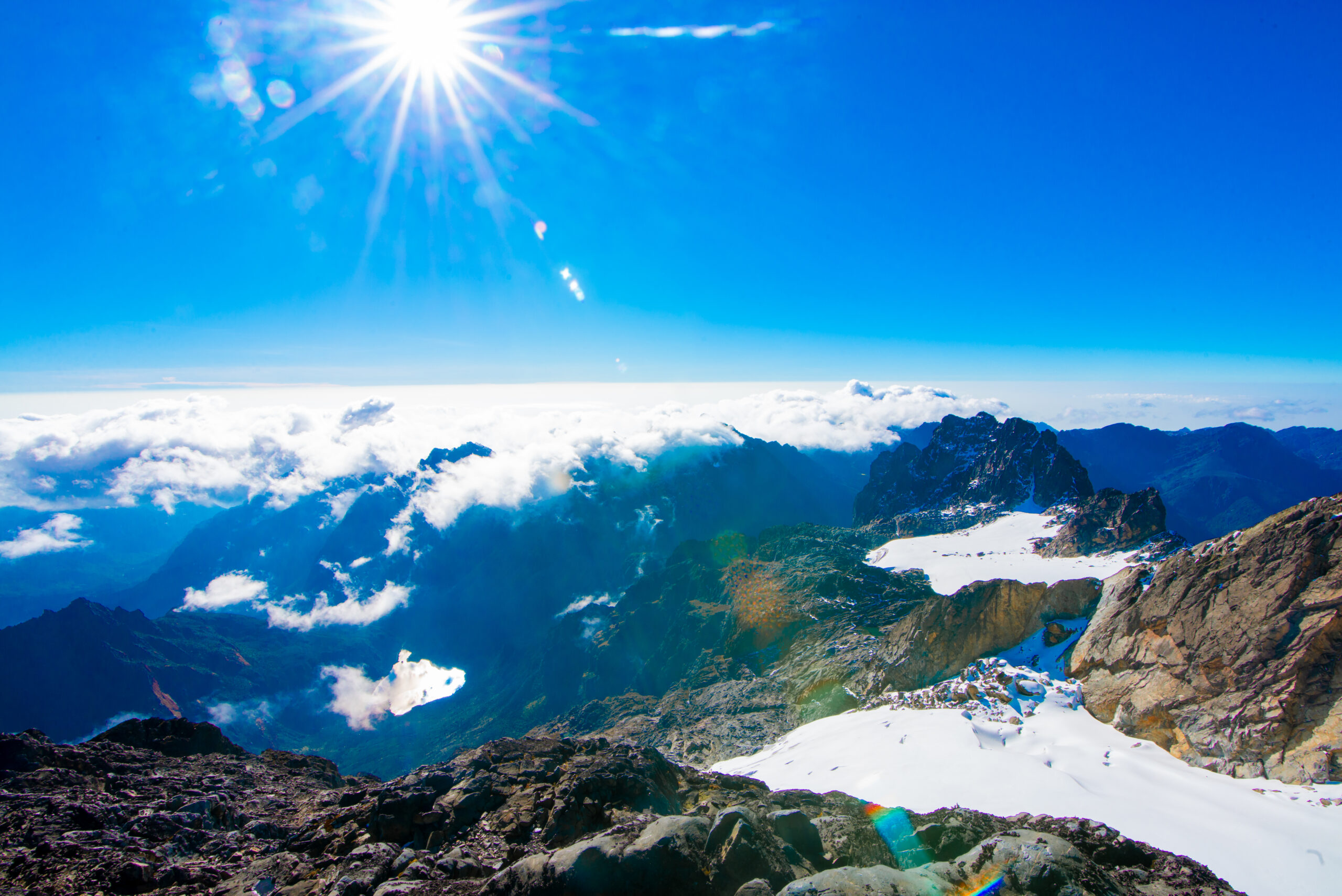
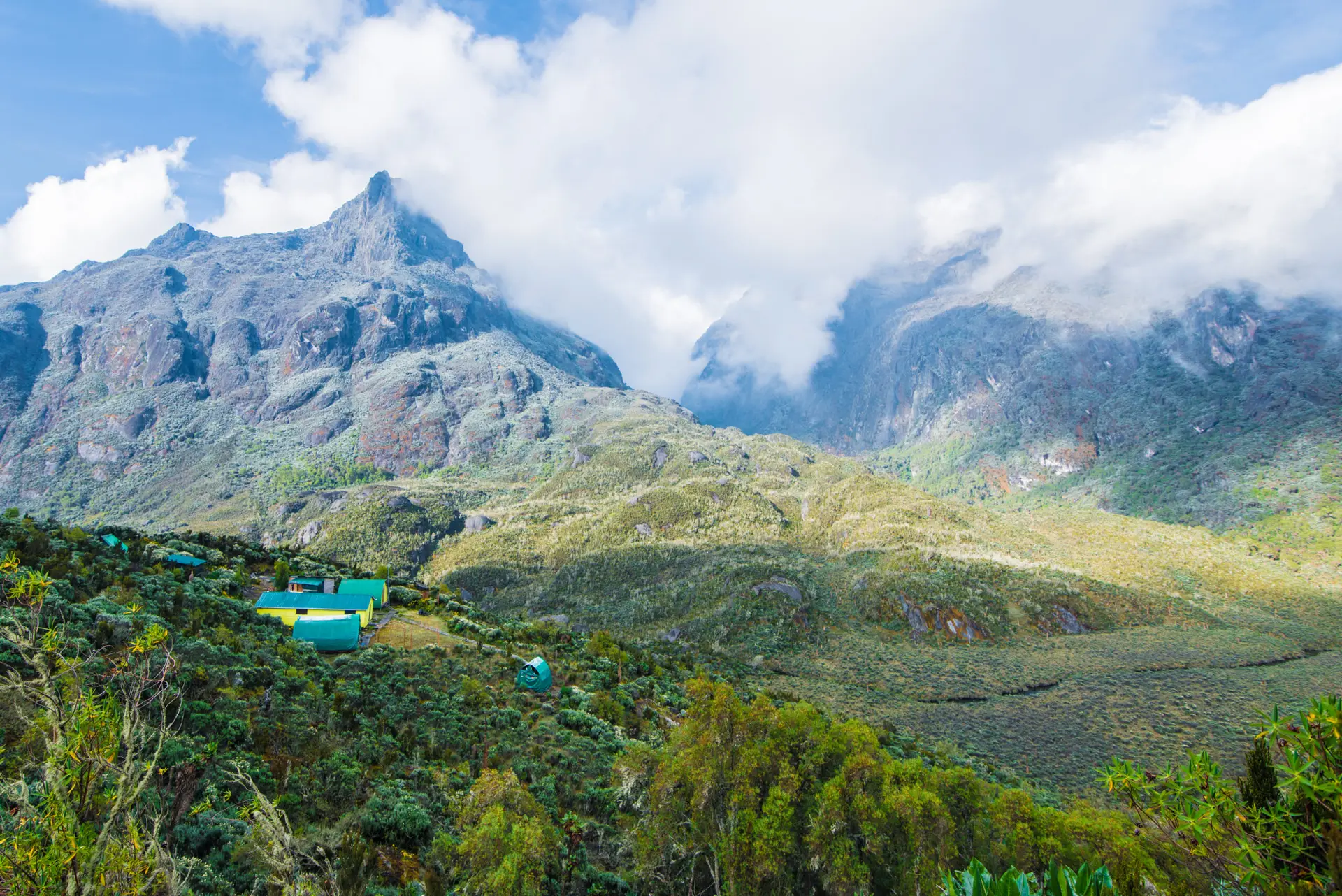
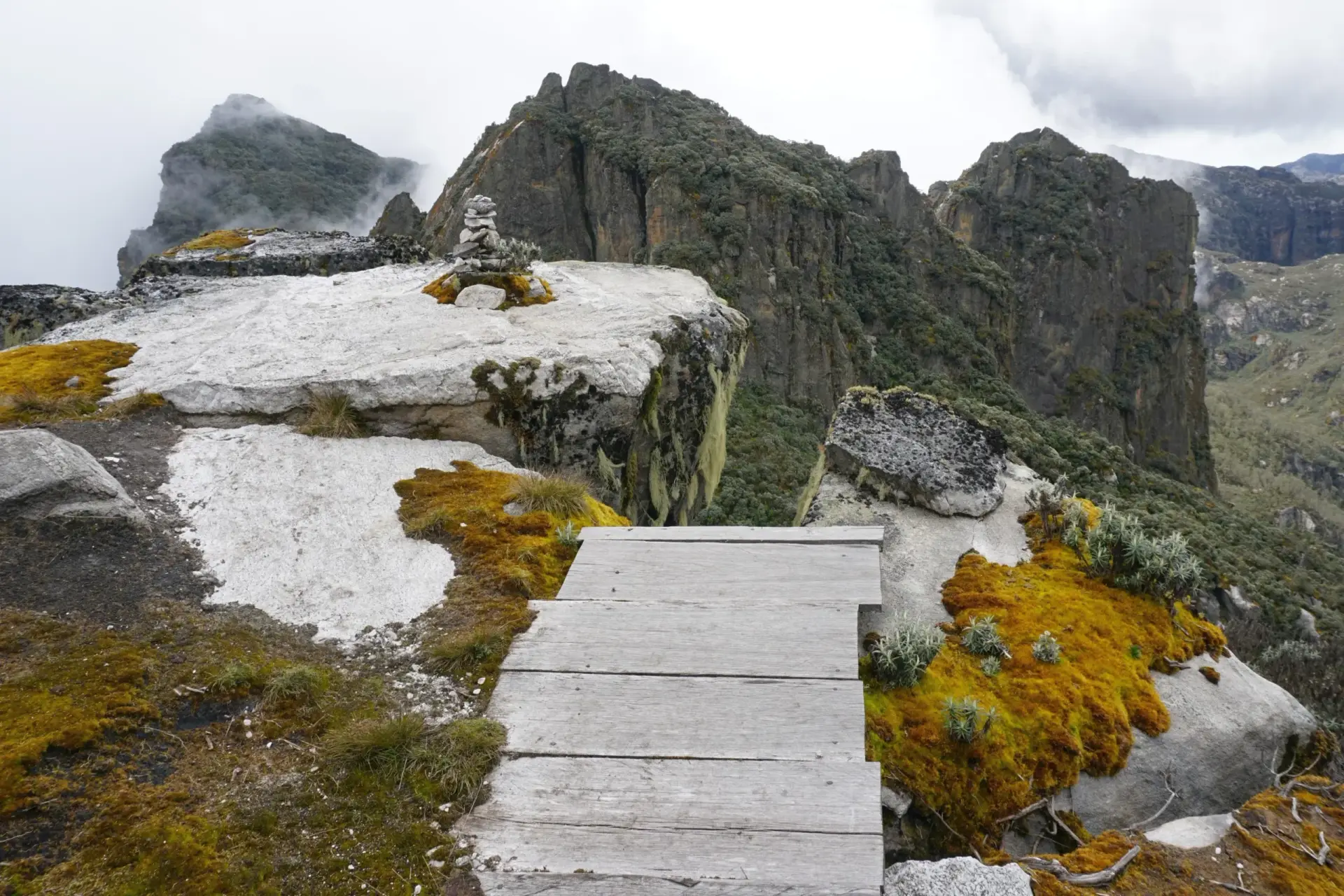
In addition to these attractions, the park’s overall scenery is simply stunning. The vast savannah plains, rolling hills, and distant mountains create a landscape that is both dramatic and peaceful. The Rwenzori Mountains, also known as the “Mountains of the Moon,” form a beautiful backdrop to the park and can often be seen on clear days. The sunsets in Queen Elizabeth National Park are breathtaking, with the golden light casting a magical glow over the landscape.
Queen Elizabeth National Park truly has something for everyone. Whether you want to watch lions climbing trees, cruise along the Kazinga Channel, trek through forests to see chimpanzees, or simply enjoy the beauty of the savannah, this park offers unforgettable experiences. It is a place where nature’s beauty and diversity come together in perfect harmony, leaving visitors with memories that will last a lifetime
Wildlife (Flora & Fauna).
Queen Elizabeth National Park is popular for its incredible wildlife, including the iconic big four. The big four can be seen in Queen Elizabeth National Park with large herds of elephants and buffalos and the predators roaming around the park for prey. The big four are the most sought-after animals for visitors to see on a safari.
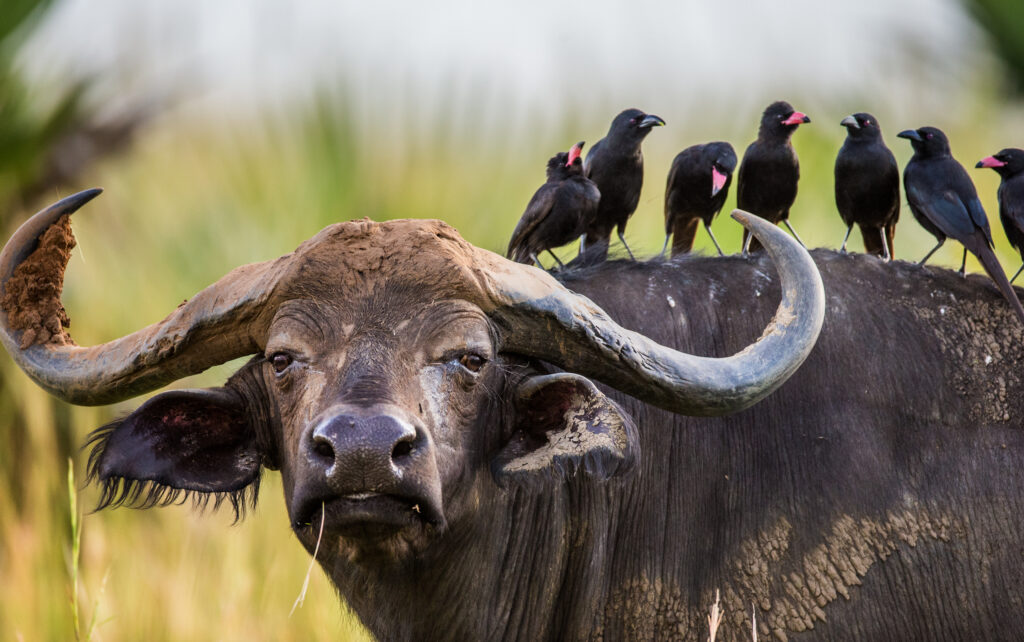
The park is also renowned for its tree-climbing lions that can be found in the Ishasha sector in the southern part of Queen Elizabeth National Park. Observing the tree-climbing lions in their natural habitat is an amazing experience that attracts many travelers to view these amazing creatures resting in the fig trees of the park. Queen Elizabeth has enormous herds of elephants and buffalo that complete the big four, making it a desired destination. Other animals that can be seen in Queen Elizabeth National Park are antelopes, waterbucks, warthogs, and so many other animals that can be seen in the savannah vegetation.
Chimpanzee Tracking in Kyambura Gorge.
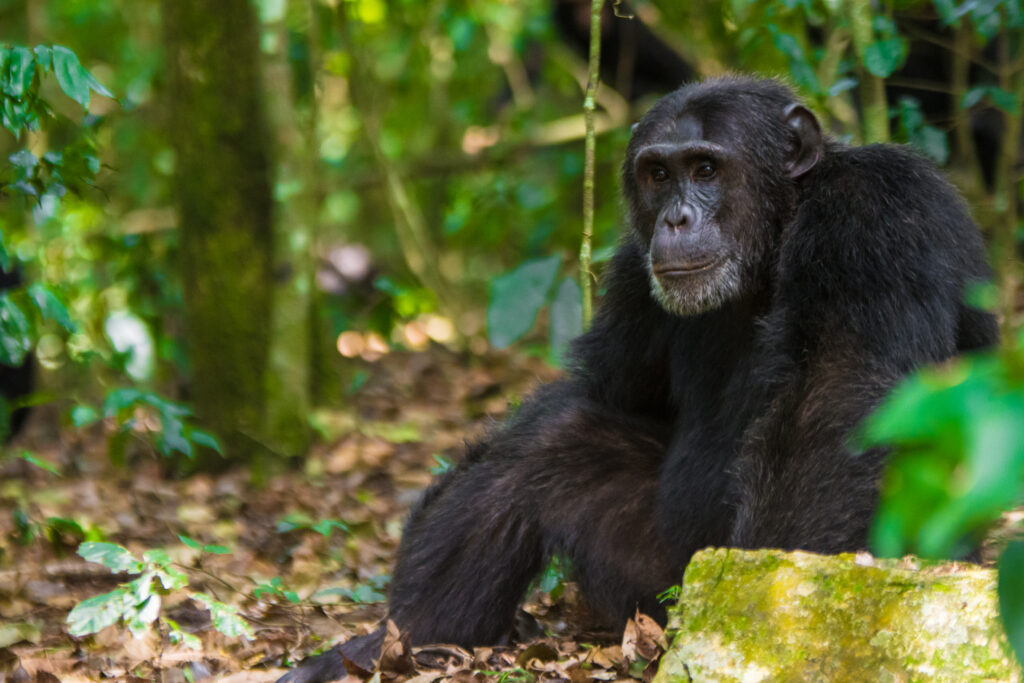
Beyond the big four and various wildlife are chimpanzees that reside in the Kyambura Gorge within the dense, lush forests. Kyambura Gorge is a must-visit location within Queen Elizabeth National Park. The valley is home to several chimpanzee families and offers visitors an opportunity to trek with these primates, with two trekking options of morning and afternoon sessions. The gorge itself is a unique attraction, and visitors can explore it on remarkable nature walks where they can immerse themselves in the thick vegetation and the sounds of the forest.
Chimpanzee Tracking
During chimpanzee trekking, visitors are presented with an opportunity to observe these magnificent animals. Chimpanzee trekking in Kyambura Gorge can be combined with the wildlife safari to Queen Elizabeth National Park, ensuring you experience both primates and wildlife at the same time. The gorge is also a home to several other primates, including baboons and monkeys, as well as various bird species. The gorge is mostly popular for hosting chimpanzees, and visitors who embark on visiting the gorge participate in chimpanzee trekking.
Kazinga channel
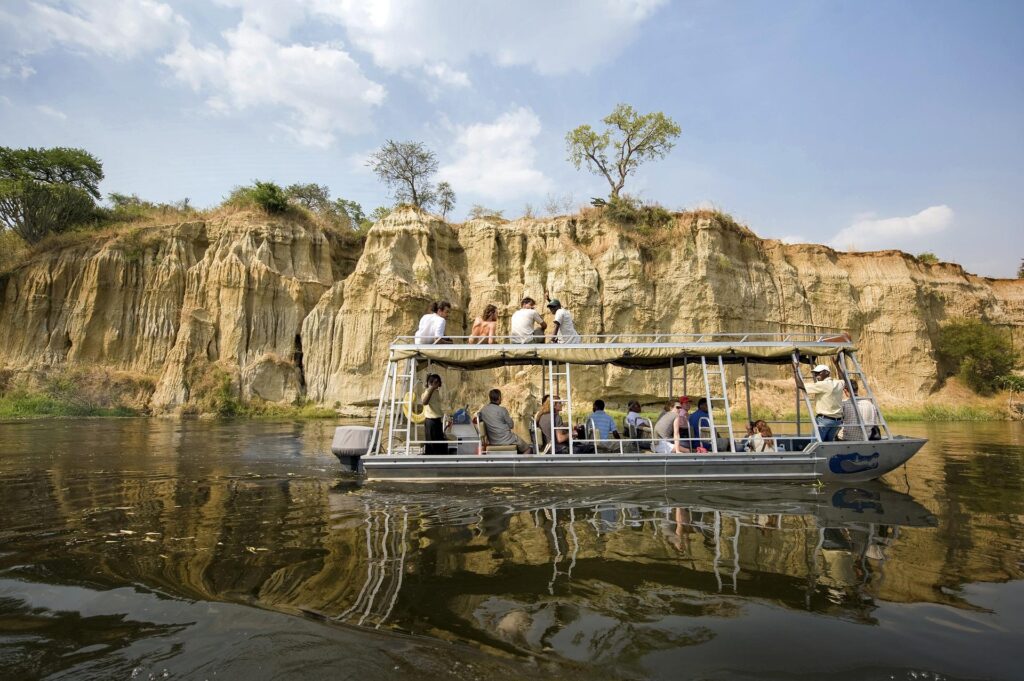
One of the most popular attractions in Queen Elizabeth National Park is the Kazinga Channel. The natural channel is a stretch of about 40kilometers and connects the two large lakes of George and Lake Edward together. The Kazinga Channel is also home to a tremendous number of animals, including aquatic ones. This area is ideal for spotting various wildlife, including hippos and crocodiles, and many animals, such as elephants, visit the channel to quench their thirst.
Kazinga Channel
Large herds of hippos are often spotted floating along the waters of the channels, and at their banks, crocodiles parade, positioning themselves well to catch prey. Bird watching along the Kazinga Channel is another attraction that makes the channel a very attractive and must-visit destination in Queen Elizabeth National Park. You can spot birds such as the pelican, kingfisher, and African fish eagle, among others. Explore the Kazinga Channel on a remarkable boat cruise, with several boats offering these services daily.
Ishasha sector.
The Ishasha sector is another prominent destination in Queen Elizabeth National Park, renowned for its tree-climbing lions, which are the only ones in Uganda that can be observed in this manner. Many visitors flock to the sector to witness the unique behavior of these lions, often spotted in the branches of fig trees.
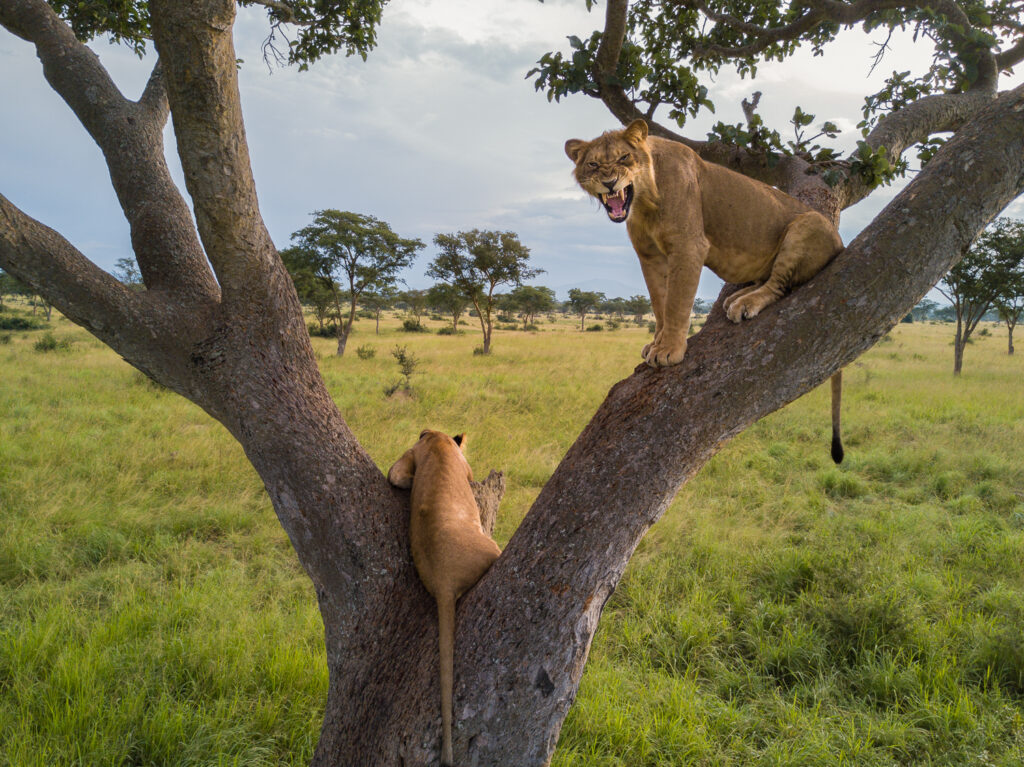
Tree-Climbing Lions of Ishasha
The lions’ character is unique, and they hike above to avoid the insects in the grasslands. Watching these lions rest on the fig trees is an unforgettable experience that attracts several visitors to the Ishasha sector.
Mweya Peninsula
The Mweya Peninsula, located near the Kazinga Channel, is a part of Queen Elizabeth National Park. It’s the main tourist area in the park, where visitors are offered stunning views of the channel, savannah vegetation, and the views from the Mountains of the Moon (Rwenzori Mountains). The Mweya Peninsula is the starting point for most park activities, such as game drives, moose trekking, and boat safaris.
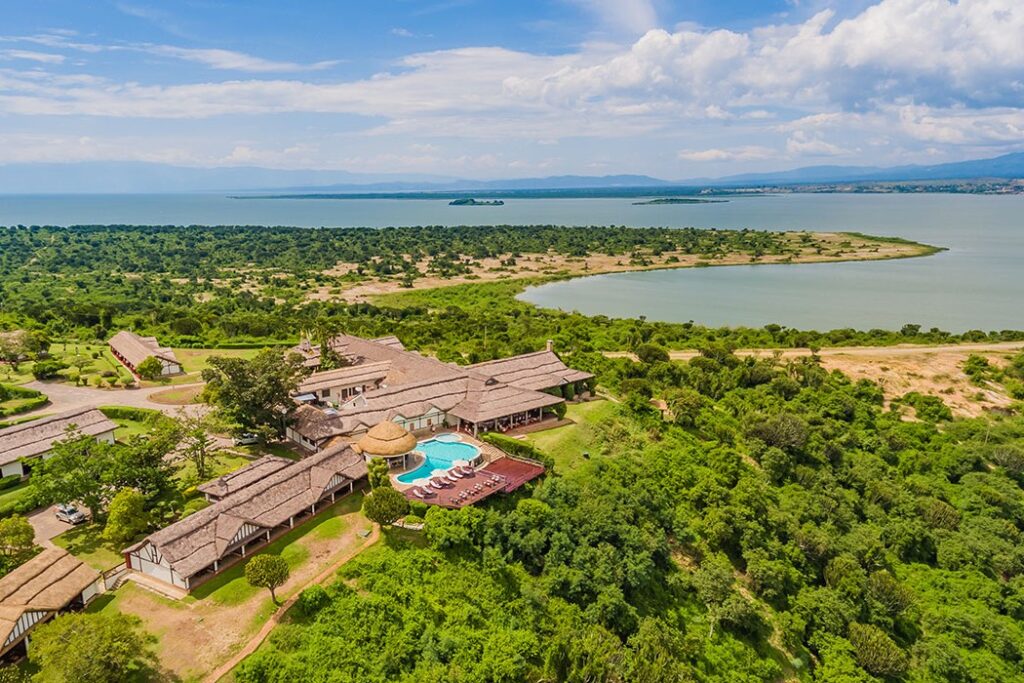
Mweya Peninsula
Mweya Peninsula is also a wonderful starting point for most of the activities, and it’s home to the Mweya Visitors Information Center, where visitors can get all information regarding the park’s history, wildlife, and conservation. The peninsula is also a perfect place to spend a night while visiting Queen Elizabeth National Park, with a variety of accommodation facilities.
The crater lakes.
The park is also famous for its volcanic craters and crater lakes, which are scattered allover the landscapes in Queen Elizabeth National Park. One of the most fascinating crater lakes is Lake Katwe, a saltwater lake that is located on the northeastern edge of the park. The lake is famous for salt mining activities, and visitors can discover the process. Visitors can tour the salt mines and learn about the history and culture of the traditional methods. Other crater lakes that can be visited are the Nyamunuka lakes, known for their scenic views and said to be medicinal, attracting several locals who seek to be healed.
Maramagambo Forest
The Maramagambo forest is another wonderful attraction in Queen Elizabeth National Park; the dense tropical forest offers visitors an opportunity to explore the bat caves as well as have incredible nature walks. During the nature walks in Maramagambo Forest, visitors can spot forest elephants and monkeys, and the forest is also a premier destination for birders with a wide variety of bird species. The Bat Cave is among the most fascinating places to visit in Maramagambo Forest. Pythons frequently visit the cave, where thousands of bats reside, to feed on the bats.
Birding
Queen Elizabeth National Park is a paradise for birdwatchers, with over 600 species recorded . From the water birds like flamingis and storks to the rare species like the shoebill stork, the park offers a unique opportunity to spot and also photograph birds. Birding in Queen Elizabeth National Park can be done in the Maramagambo Forest, on the Kazinga Channel, and in the park itself.
Cultural Experiences
Cultural experiences are also an important part that make the visit to Queen Elizabeth worth a while. The communities that are located near the park have a rich cultural heritage that are eager to welcome and share their tradition with their visitors. Visitors can also get handmade crafts from the communities around that are located within the park. These experiences provide a deeper understanding of the connection between the park and the livelihoods of the people who live near it.
In addition to the above attractions, the park’s overall scenery is simply stunning, with vast savannah plains, rolling hills and the distant views of the Rwenzori mountains create an incredible landscape