The Acclimatisation Guide for the Rwenzori Mountains.
An expert acclimatisation guide for the Rwenzori Mountains. Camp strategy, altitude sickness signs, Diamox advice, and when to descend from specialist Rwenzori guides.
Most trekkers who arrive at the Rwenzori trailhead in Nyakalengija, or at the Kilembe gate on the southern approach, are thinking about the summit. They are thinking about Margherita Peak at 5,109 meters, about crossing the Stanley Glacier at the equatorial dawn, and about standing on the third-highest point in Africa on a mountain that most of the world has never heard of. What they are often not thinking about, not seriously, not with the depth this mountain demands, is acclimatisation. This guide exists to close that gap.
The Rwenzori Mountains are not Kilimanjaro. They are not the Simien Mountains. They are not the Atlas. The Rwenzori is a range that forces you from the tropical heat of the Ugandan rift valley to glacial ice inside four to eight days through terrain that is simultaneously some of the most botanically extraordinary and physically unforgiving on the continent. The altitude gain is compressed and relentless. The Rwenzori receives perpetual moisture, with rain falling on more days per year than almost any other massif in Africa, creating a physiological environment where the standard rules of altitude management must be applied with greater care and awareness than on nearly any comparable objective. And the remoteness of the mountain means that when altitude illness strikes, the consequences of having ignored the early warning signs are dramatically more serious than they would be elsewhere.
This guide is written from years of guiding experience on the Rwenzori. It covers the physiology of altitude adaptation, the specific challenges that make the Rwenzori uniquely demanding, a camp-by-camp acclimatisation strategy for the mountain’s main routes, a clinical description of the symptoms you must watch for, an honest discussion of Diamox, and the criteria that should govern the most important decision you will ever make on a mountain: the decision to turn around. If you are seriously planning a Rwenzori trek, whether that is the 7-Day Central Circuit, the 8-Day Kilembe Trail, or our comprehensive 13-Day Six-Peaks Expedition, read every word of what follows. It may be the most useful thing you read before you set foot on this mountain.
Why Acclimatization Matters More on the Rwenzori Than Almost Anywhere Else
Every mountain in high altitude demands respect for acclimatisation. But the Rwenzori demands a specific kind of respect, one that goes beyond the general principles that serve trekkers well on other African peaks. To understand why, you need to understand what makes this mountain physiologically different from its continental neighbours.
The starting elevation for most Rwenzori treks is around 1,600 metres above sea level at Nyakalengija, or slightly lower at the Kilembe trailhead. The summit of Margherita Peak on Mount Stanley stands at 5,109 metres. That is a net vertical gain of more than 3,500 meters. The standard itineraries for the Central Circuit Trail accomplish this elevation gain in seven days. More aggressive itineraries push for six. When you compare this to Kilimanjaro’s standard routes, which begin at around 1,800 metres and gain similar net elevation over six to eight days on a gradual arc, the difference may seem small. It is not small. The Rwenzori’s terrain means that the altitude gain is rarely linear. You descend sharply into gorges, cross passes, and climb again, so your body is constantly managing altitude fluctuations rather than a smooth, progressive ascent. The cumulative demand on your acclimatisation system is substantially higher than the numbers suggest.
Then there is the moisture. The Rwenzori is one of the wettest mountain massifs on Earth, and the implications of that constant, pervasive wetness for altitude management are rarely discussed in the literature but are extremely significant in practice. As our detailed guide on rainfall in the Rwenzori Mountains makes clear, no month on this mountain is reliably dry, and above 3,500 meters, you should expect cold rain, sleet, or snow virtually every day, regardless of the season. Wet and cold are not merely discomforts on the Rwenzori. They are physiological stressors that compound the effects of altitude in specific and measurable ways, as we will explain below.
Finally, there is the evacuation problem. If altitude illness strikes on Kilimanjaro, you can descend to a safer elevation within hours. If you develop serious symptoms on the Rwenzori above Elena Hut at around 4,541 metres, your guide is looking at a multi-hour carry-out over deeply technical, muddy terrain with no realistic prospect of helicopter rescue due to the mountain’s chronic cloud cover. The Rwenzori’s safety realities aim to instill a sense of seriousness rather than fear. And taking it seriously begins with understanding how acclimatisation actually works.
The Science of Acclimatization: What Is Actually Happening in Your Body
Oxygen, Atmospheric Pressure, and the Altitude Response
The atmosphere does not change its oxygen content as you gain altitude. Oxygen remains at approximately 21% of the air volume, whether you are at sea level or at the summit of Margherita Peak. What changes dramatically with altitude is atmospheric pressure, the force that drives oxygen molecules across the membrane of your lung alveoli and into your bloodstream. At sea level, atmospheric pressure is 101 kilopascals, and your haemoglobin saturates with oxygen efficiently. The atmospheric pressure at 5,109 metres is about 54% of what it is at sea level. Your lungs are physically pulling in less air with each breath, and the pressure gradient that drives oxygen transfer has been cut nearly in half. Your blood is oxygen-deprived even when you are breathing hard, a condition called ‘hypoxaemia’, and your body’s response to this deficiency is what we call the acclimatisation process.
The first and most immediate response is hyperventilation: your breathing rate increases as your body attempts to compensate for the reduced oxygen density by moving more air through the lungs per minute. This deeper, faster breathing actually creates a secondary problem because it also expels carbon dioxide more rapidly than normal, which shifts the pH of your blood toward the alkaline end of the scale, a condition called ‘respiratory alkalosis’. Your kidneys respond by excreting bicarbonate in the urine to restore blood pH, and this adjustment takes 24 to 72 hours. During that window, while pH is still imbalanced, the respiratory drive is partially suppressed at night, which is why periodic breathing and disturbed sleep are so characteristic of the first nights at altitude. It is also why early nights at high camp are so often the most symptom-heavy period of any Rwenzori trek.
Erythropoietin, Red Blood Cells, and the Longer Adaptive Timeline
The body’s medium-term response to altitude involves the kidneys secreting a hormone called erythropoietin (EPO), which stimulates the bone marrow to produce additional red blood cells. More red blood cells mean more haemoglobin, which means more oxygen can be carried per unit of blood. This is the same physiological mechanism that high-altitude athletes exploit through altitude training camps, and it is the mechanism that makes people who are born and raised at altitude like the Bakonjo communities of the Rwenzori foothills so remarkably well adapted to these elevations. The problem for the visiting trekker is that meaningful red blood cell production takes a minimum of two to three weeks at altitude. A seven-day Rwenzori trek gives your body almost no time to benefit from this adaptation. You are relying entirely on the faster acute responses: hyperventilation, blood pH correction, and early vascular adjustments to get you through the mountain.
This phenomenon is why even well-experienced high-altitude trekkers, those who have summited peaks across the Himalayas or South America, sometimes struggle on the Rwenzori if they have arrived at the trailhead directly from a long international flight without prior altitude exposure. Acclimatisation is both cumulative and specific. The adaptations you built last year on Kilimanjaro have faded. You need to earn them again, on this mountain, on this timeline.
Why Your Fitness Level Has Almost Nothing to Do With Acclimatization
This belief is the most dangerous misconception in high-altitude trekking, and it deserves direct confrontation. Cardiovascular fitness determines how efficiently you can exercise at altitude. It does not determine how susceptible you are to altitude illness. A world-class marathon runner is no more protected against acute mountain sickness than a moderately fit recreational hiker. In fact, very fit individuals sometimes push harder and faster at altitudes precisely because their fitness allows them to sustain efforts that acclimatisation cannot support, making them paradoxically more vulnerable to serious illnesses. The complete medical guide for Rwenzori trekking covers the topic in greater clinical depth, but the summary is as follows: fitness and acclimatisation are separate variables. You need both. One cannot substitute for the other.
The Unique Acclimatization Challenge of the Rwenzori
Compressed Ascent Profiles and the Risk They Create
The Rwenzori’s trail network creates ascent profiles that are fundamentally more physiologically demanding than the steady ramp of a Kilimanjaro route. On the Central Circuit, trekkers climb from Nyakalengija (1,646 m) to Nyabitaba Hut (2,652 m) on Day 1, a single-day gain of over 1,000 metres that, while entirely within safe parameters, fully exhausts the day’s elevation budget. Day 3 brings the camp at John Matte (3,414m), Day 4 pushes through Bujuku (3,960m), and Day 5 reaches Elena Hut at 4,541m before the summit push to Margherita at 5,109m. When you map the altitude gain across each day, the steepest gains cluster on Days 3 and 4, precisely the window when the body is most vulnerable because the rapid acute responses are still catching up and the red blood cell adaptation has barely begun.
Understanding how many days each route actually requires and why rushing any of them increases medical risk is something our guide on how many days it takes to climb Mount Rwenzori addresses directly. The honest answer is that seven days on the Central Circuit is a minimum for most trekkers aiming for Margherita, not a comfortable middle-ground schedule. Eight or nine days is consistently safer, which is part of why the Kilembe Trail earns a strong recommendation from our guides for trekkers who can invest the additional time: it builds in more altitude days before the critical summit camps.
How Cold and Wet Compound Altitude Stress
At sea level, getting cold and wet is an inconvenience. At 4,000 metres on the Rwenzori, it is a physiological multiplier. Cold causes peripheral vasoconstriction, which reduces the circulation to your extremities and concentrates blood in your core, a normal and protective response. But this centralised blood volume also alters fluid dynamics in the pulmonary and cerebral circulations that govern altitude sickness. Put simply, cold bodies process altitude stress less efficiently than warm bodies. On the Rwenzori, where temperatures at Elena Hut regularly drop below zero at night and summit day begins in pre-dawn darkness with temperatures on the glacier sometimes reaching minus 15°C, as our comprehensive guide on Margherita Peak temperatures shows, the combination of thermal stress and altitude stress is not additive. It is multiplicative.
The wetness adds another layer. Moisture strips heat from the body far faster than dry cold does, because water conducts heat approximately 25 times more efficiently than air. A trekker who is inadequately insulated against the Rwenzori’s notorious bog water and rain exposure may arrive at camp already hypothermic or significantly cold-stressed and will then attempt to sleep at altitude in a body that is already physiologically depleted. The fatigue that results from sustained cold-wet exposure is clinically indistinguishable from the fatigue of early altitude illness; both produce headache, lethargy, loss of appetite, and disturbed sleep. This overlap is one of the most practically significant challenges in Rwenzori altitude management, because it makes symptom recognition more difficult.
Equatorial Altitude: Why 4,000 Metres Here Feels Different
There is a well-documented but counterintuitive phenomenon in altitude physiology: because the Earth bulges slightly at the equator, the atmosphere is also slightly thicker at the equator than at higher latitudes. This means that the effective atmospheric pressure at a given altitude on the equator is marginally higher than at the same geometric altitude in the Himalayas or the Andes. In practical terms, 4,500 metres on the Rwenzori is physiologically slightly more manageable than 4,500 metres in the Karakoram, when temperature and other factors are equalised. This is a marginal effect, not a dramatic one, and it does not reduce the very real risks of altitude illness on the Rwenzori. But it is worth understanding because it explains why some Rwenzori trekkers who have struggled on Himalayan peaks of similar elevation sometimes find the upper Rwenzori slightly more manageable than expected.
The Evacuation Reality: Why Early Decisions Matter More Here
On a well-served mountain like Kilimanjaro, if a guide decides that a trekker needs to descend urgently, descent to a lower camp can usually be accomplished in two to four hours over reasonable trail conditions. On the Rwenzori, above Elena Hut, descent involves crossing the Stanley Plateau, navigating the steep and often ice-covered approach back toward Bujuku, and then continuing down technical bog terrain toward John Matte before meaningful physiological relief is achieved. In poor weather, which is the Rwenzori’s default condition, this descent can take six to ten hours. Helicopter rescue is theoretically possible in the Rwenzori but practically unreliable: the mountain generates its own weather, the cloud ceiling is persistently low above 4,000 metres, and there are no permanent helipad facilities in the upper mountains. These factors mean that the Rwenzori’s altitude management threshold must be lower than that of more accessible mountains. Warning signs that might be manageable-and-watchable elsewhere demand an immediate response here.
The Altitude Zones of the Rwenzori and What Each Demands from Your Body
The Rwenzori is divided into five distinct ecological zones, and each zone corresponds to a physiological altitude band that creates specific demands on the trekker. To cope with altitude on this mountain, you must know your body’s normal symptoms at each elevation.
The Montane Forest Zone: 1,600m – 2,500m
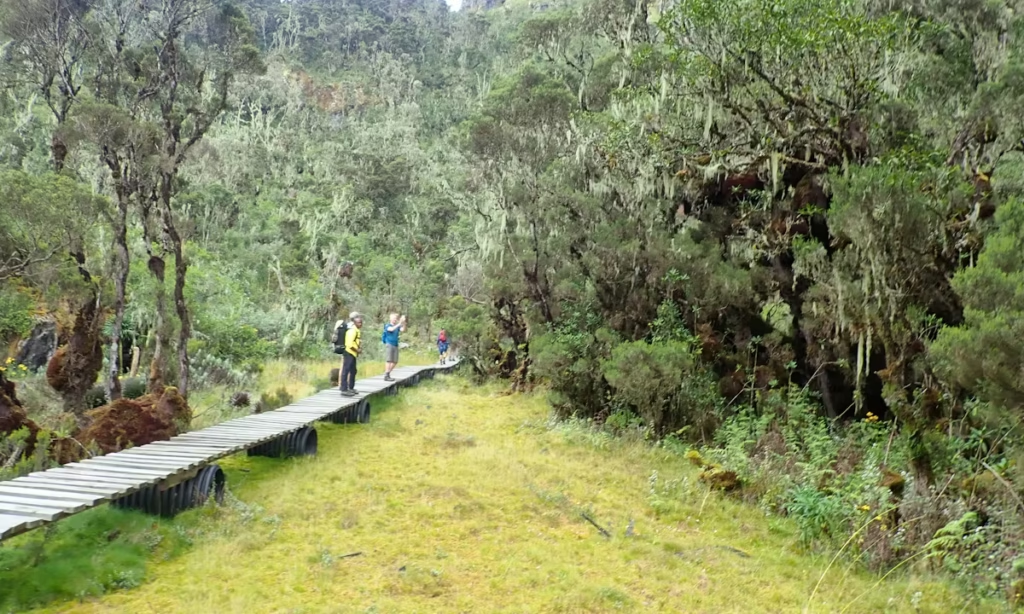
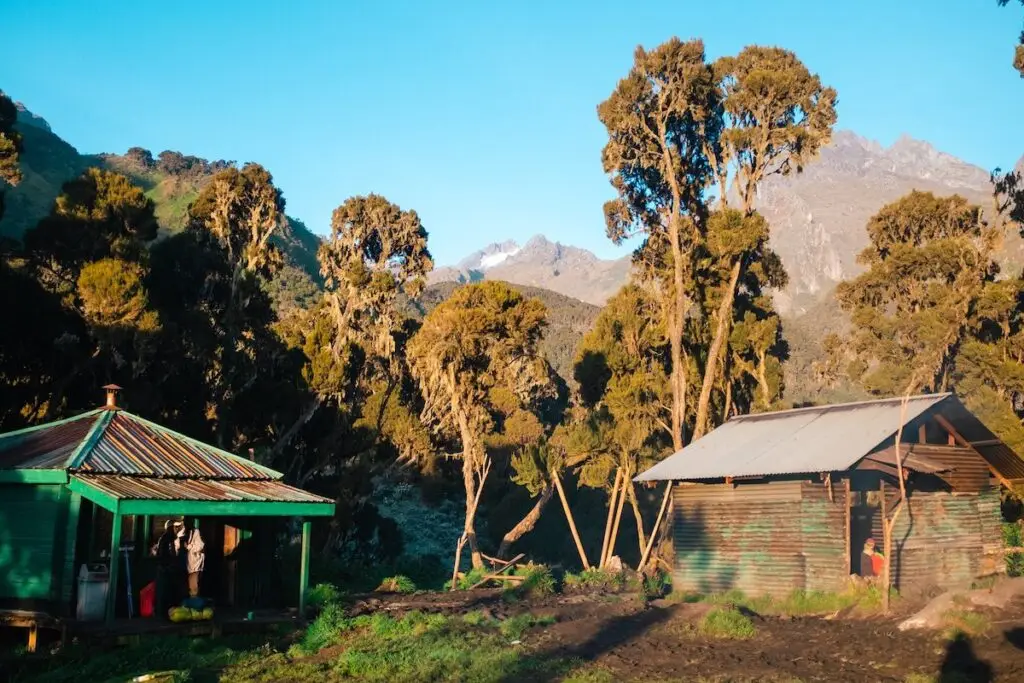
The lower forest zone, which covers the first day’s walk from Nyakalengija toward Nyabitaba on the Central Circuit, or from the Kilembe gate toward Sine Camp on the southern approach, sits below the altitude threshold at which meaningful altitude illness occurs in most people. Altitude illness requires sustained hypoxaemia, and below 2,500 metres, most people’s blood oxygen saturation remains high enough that the body’s acute responses are adequate without producing symptoms. This zone is, however, extremely physically demanding: the trails are steep, muddy, root-entangled, and often slippery, and the tropical heat and humidity at lower elevations create high sweat rates and significant fluid losses. Hydration management in the forest zone is not about altitude; it is about volume. Drink consistently, even when you do not feel thirsty.
The Bamboo and Heather Zone: 2,500m – 3,500m
This is the area in which acute mountain sickness can first meaningfully appear, typically in trekkers who are ascending quickly or have poor baseline acclimatisation. The bamboo and heather belts of Rwenzori, which coincide with the approach to John Matte Camp on the Central Circuit and the early upper sections of the Kilembe Trail, are where your guide will begin paying close attention to your breathing, your appetite, and your behaviour. The body is now actively demanding acclimatisation adaptations. Headaches at the end of a long day’s climb are common and not necessarily alarming in this zone. What matters is their severity, whether they resolve with hydration and rest, and whether they are accompanied by additional symptoms. A mild, functional headache that responds to paracetamol and a restful night’s sleep is a normal part of early altitude exposure. A worsening headache unresponsive to rest or analgesics, or accompanied by nausea, vomiting, or balance disturbance is concerning.
The Afro-Alpine Zone: 3,500m – 4,500m
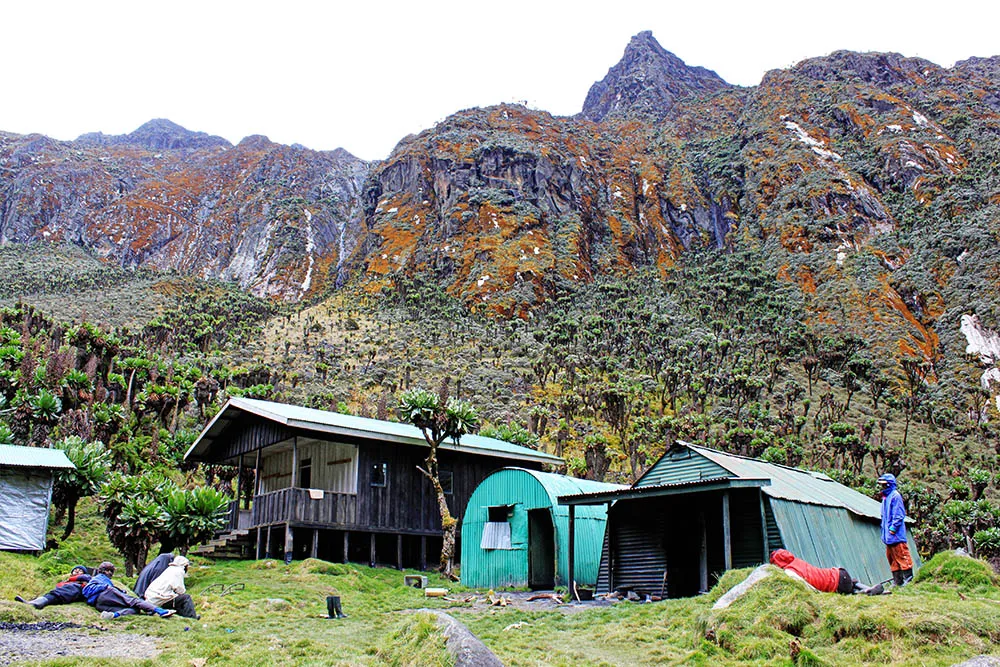
This region is the critical acclimatisation zone on the Rwenzori, and it covers some of the mountain’s most extraordinary terrain: the giant groundsel and giant lobelia gardens around Bujuku Lake, the approach to Scott Elliot Pass at 4,372 metres, and the descent to Kitandara on the return leg of the Central Circuit. It is also the zone that consistently generates the highest incidence of altitude illness symptoms among Rwenzori trekkers. Blood oxygen saturations in this band typically read between 78% and 88% on a pulse oximeter in a resting, acclimatised individual, numbers that would trigger alarm in a hospital intensive care unit but are entirely expected here. The body is under significant physiological stress, and the margin between normal altitude response and early illness is genuinely narrow. The boggy, irregular terrain of this zone, which requires more physical effort per kilometre than almost any mountain trail in Africa, compounds the physiological load.
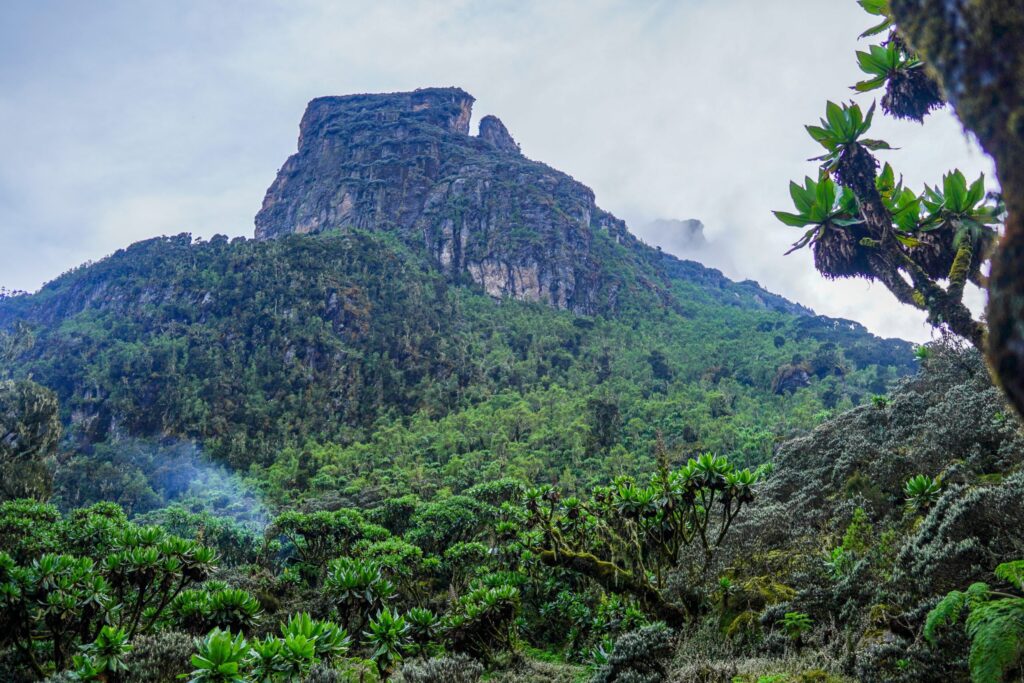
The unique landscapes of the Afro-alpine zone are one of the Rwenzori’s greatest gifts to the visitor who takes the time to absorb them. The giant groundsels of the genus Dendrosenecio, some of them reaching five metres or more, grow nowhere else on Earth except in similar altitude bands on the major East African volcanoes, and on the Rwenzori they grow in greater density and variety than anywhere. Walking through them slowly, letting your eyes adjust to the surreal scale of the vegetation, is not just aesthetically rewarding. It is physiologically smart: slow movement in this zone is the most important single habit you can cultivate.
The Summit Zone: 4,500m – 5,109m
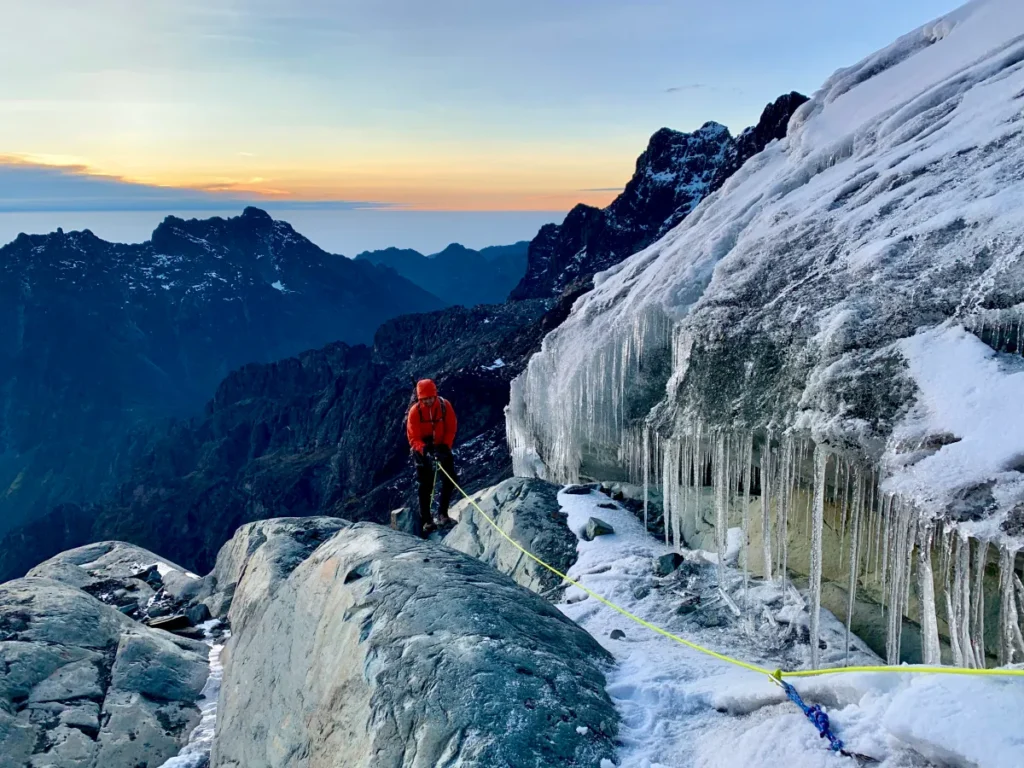
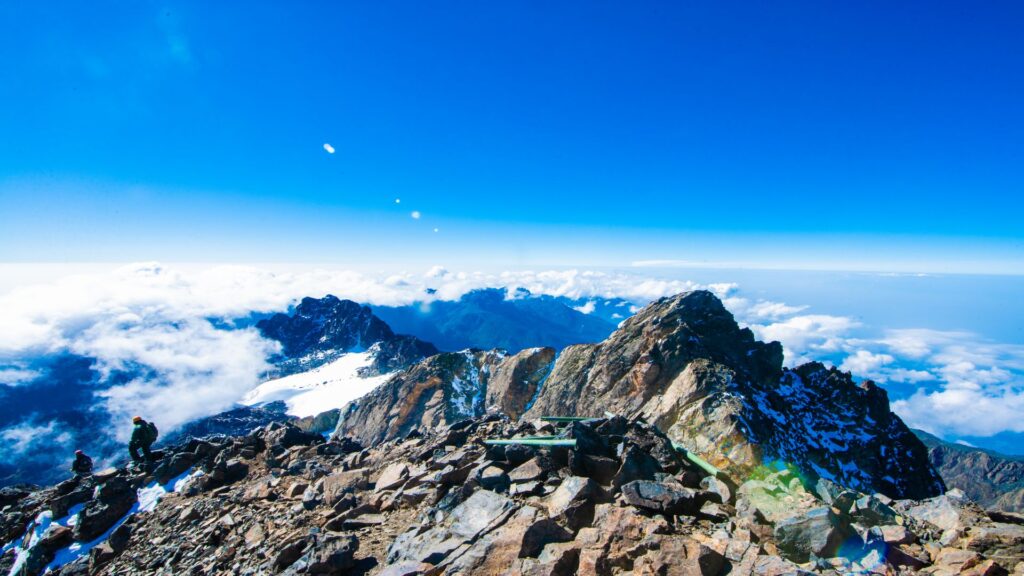
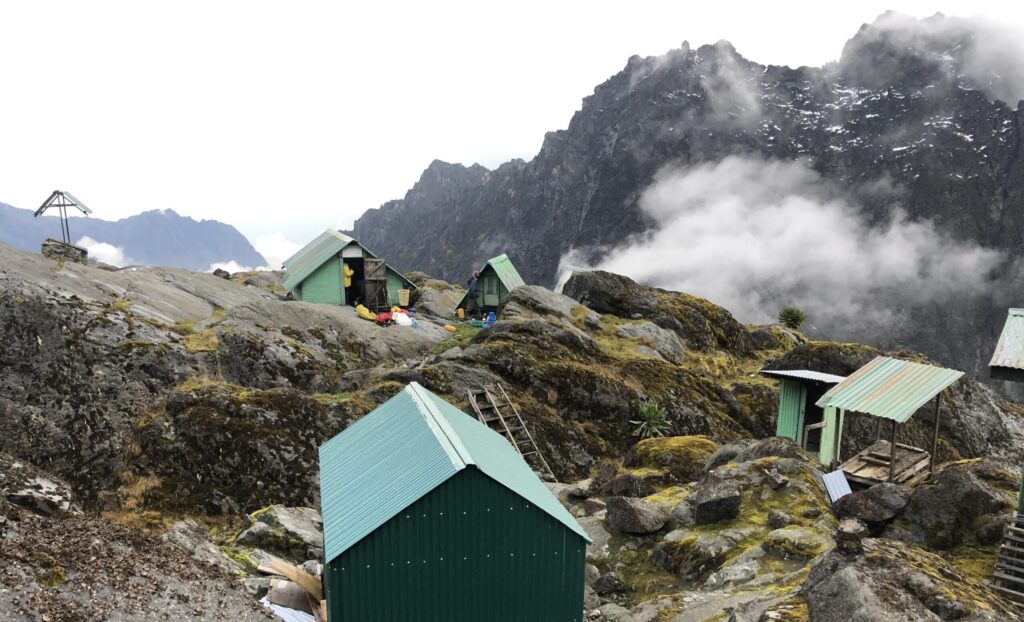
Above Elena Hut, at 4,541 metres, the air pressure is roughly 57% of sea level. Even fully acclimatised individuals experience severe limitations in atmospheric oxygen delivery to their bloodstreams. Movement is slow, effort feels disproportionate to pace, and cognitive function can be subtly impaired, which matters because the summit push on the Rwenzori requires sound judgement about glacier conditions, rope technique, and weather. As documented in our guide to the technical mountaineering demands of the Rwenzori, the summit day involves glacier travel requiring crampons, ice axes, and roped movement under guide supervision. Doing any of these activities while significantly altitude-sick is not simply uncomfortable; it is dangerous. In the summit zone, the consequences of inadequate acclimatisation in the lower mountains have become definitive.
Camp-by-Camp Acclimatization Strategy for the Rwenzori’s Main Routes
Theory is useful. Practical strategy is essential. The following breakdown maps acclimatisation management to the specific camps and itinerary structures of Rwenzori’s primary routes. It is the framework our guides use on every expedition, and it is built on accumulated experience with trekkers of every experience level, age, and fitness background.
The Central Circuit Trail: Day-by-Day Altitude Management
Day 1: Nyakalengija (1,646m) to Nyabitaba Hut (2,652m)
The first day’s climb gains approximately 1,000 metres over roughly six kilometres of forest trail. It is demanding underfoot but physiologically very manageable; you are still well below the altitude threshold for meaningful AMS. The priority on Day 1 is hydration and pace discipline. Guides will deliberately hold the group at a moderate pace throughout this section, partly to protect knees and ankles on the steep, root-strewn descent sections, but primarily to begin instilling the movement rhythm that will serve trekkers through the more critical altitude days ahead. The inclination of newly arrived, enthusiastic trekkers to push hard on Day 1 is something experienced guides monitor carefully and correct gently. Nyabitaba Hut is a comfortable first camp with views that begin to hint at what is above. Sleep here is generally unaffected by altitude.
Day 2: Nyabitaba (2,652m) to John Matte Hut (3,414m)
Day 2 crosses the Bujuku River and begins the climb through the transition zone between lower forest and bamboo-heather vegetation. The elevation gain of around 760 metres is again within manageable parameters, but this is the day on which the first altitude-related symptoms commonly appear: mild headache in the late afternoon or evening, slight nausea, and a noticeable reduction in appetite. None of these, in isolation and at this mild level, signals anything more than a normal altitude response. The guide’s job on Day 2 is to listen carefully to each trekker’s self-report, watch for non-verbal signs of fatigue or disorientation, and begin establishing the communication channel through which trekkers feel able to report symptoms honestly rather than hiding them out of competitive pride. Hiding symptoms on the Rwenzori is one of the most dangerous things a trekker can do. The culture surrounding our expeditions emphasises that reporting how you feel is a sign of intelligence, not weakness.
Day 3: John Matte (3,414m) to Bujuku Hut (3,960m)
This is the first genuinely significant altitude day on the Central Circuit. The terrain transitions fully into Afro-alpine bog, the landscape opens dramatically around Bujuku Lake, and the altitude gain brings you to the threshold of the zone where serious altitude illness can develop. Blood oxygen saturations will typically read in the low-to-mid eighties at rest in the evening, and a headache is very common. The key management principle on Day 3 is the one that guides all Rwenzori altitude strategies: if a trekker’s symptoms at Bujuku are worsening throughout the evening rather than stabilising and improving, the correct response is not to hope for better sleep. It is to descend 300–400 metres to a comfortable resting point, allow the symptoms to resolve, and then decide whether to continue. Our guides carry pulse oximeters on every expedition and take evening readings at Bujuku as a baseline for the following morning’s decision on whether to proceed.
Day 4: Bujuku (3,960m) to Elena Hut (4,541m) via Scott Elliot Pass (4,372m)
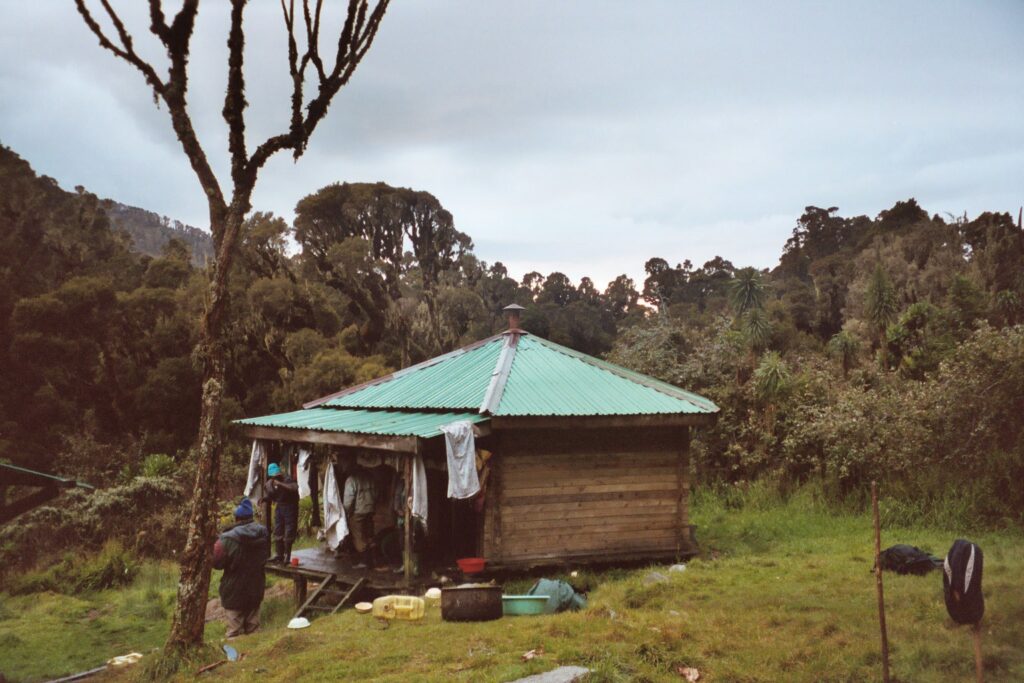
Day 4 is physiologically the most demanding of the approach days. The climb to Scott Elliot Pass involves sustained effort at the upper edge of the Afro-alpine zone, followed by a descent to the shelter at Elena Hut. For many trekkers, the fourth day is the day on which acute mountain sickness makes its clearest statement. Elena Hut sits at 4,541 metres, and the first night there is typically the hardest sleeping night of the entire trek; disrupted breathing, vivid or disturbing dreams, frequent waking, and morning headaches are all normal altitude responses at this elevation. Experienced guides at Elena Hut will conduct a careful assessment of each trekker’s condition that evening: pulse oximeter readings, the Lake Louise Score assessment (explained below), and an honest conversation about how each person is actually feeling versus how they are presenting. Trekkers who are significantly symptomatic at Elena Hut should not attempt the summit the following day. The correct action is to rest at Elena for an additional acclimatisation day, allow the body to adapt further, and attempt to summit with a stronger physiological base.
Summit Day: Elena Hut (4,541m) to Margherita Peak (5,109m) and Return
Summit day on the Central Circuit begins between 2 a.m. This may occur as early as 4 a.m., depending on the guide’s assessment of conditions and the group’s acclimatisation. The pre-dawn start is necessary because the Stanley Glacier, which must be crossed on the approach to Margherita, softens in the afternoon sun and becomes significantly more hazardous in its afternoon condition. The final 568 metres to the summit are accomplished in the summit push’s most technically demanding section, which requires the full technical glacier gear described in our crampons and ropes guide for the Rwenzori. Blood oxygen saturation at the summit typically reads between 65% and 78% in trekkers who have acclimatised well, numbers that would constitute a medical emergency at sea level but represent the expected physiological state at 5,109 m. The summit window is typically short, and the descent back to Elena and then to Kitandara or John Matte must begin promptly.
The Kilembe Trail: A Superior Acclimatization Profile
The Kilembe Trail approaches Rwenzori from the south and is consistently described by our guides as offering a superior acclimatisation profile for trekkers aiming to reach Margherita Peak. The reason is because of its setup: the Kilembe Trail has camps like Sine, Mutinda Lookout (3,977 m), Bugata, and Hunwick’s Camp that help trekkers slowly adjust to higher altitudes. Unlike the eight-day Kilembe itinerary, which includes a key acclimatisation advantage on Day 2 by taking trekkers to the Mutinda Lookout at about 4,000 metres and then having them sleep at a lower altitude, this method of “climb high, sleep low” helps them adapt faster before the final climb.
The 4-day Mutinda Loop is itself one of the most effective pre-acclimatization experiences available on the Rwenzori: trekkers who complete the Mutinda circuit before a full summit itinerary arrive at the upper mountain with significantly more altitude adaptation than those who begin at zero. For trekkers who have the schedule flexibility to build this kind of pre-exposure into their itinerary, the difference in summit success rate is measurable.
The “Climb High, Sleep Low” Principle on the Rwenzori
The fundamental principle of high-altitude acclimatisation strategy, climbing to a higher altitude during the day and returning to a lower camp for sleep, is embedded in the design of the better Rwenzori itineraries but is sometimes not apparent to trekkers who read the day-by-day elevation profiles. The principle works for physiological reasons: the acclimatisation stimulus for erythropoietin release and other altitude adaptations comes from exposure to the lower oxygen pressure at higher elevations, but restful sleep, when the body actually does the adaptive work, is of better quality at a slightly lower elevation where oxygen saturation is marginally higher.
On the Central Circuit, the Scott Elliot Pass Day on Day 4 partially implements this principle: trekkers reach 4,372 m before descending to sleep at Elena Hut at 4,541 m. The implementation is imperfect because the sleeping elevation is still very high, but the brief exposure to the summit zone altitude before settling at Elena provides the body an additional stimulus. The Kilembe Trail’s Mutinda Lookout excursion does this more cleanly. On multi-peak itineraries, particularly extended expeditions to Mount Speke, Mount Baker, Mount Gessi, and Mount Emin, the principle is implemented throughout the itinerary by design, and the trekkers who emerge from these longer expeditions typically have the strongest acclimatisation profiles of any Rwenzori client.
Recognising Altitude Illness: Symptoms Every Rwenzori Trekker Must Know
The ability to recognise altitude sickness accurately and early is not merely a useful skill for Rwenzori. It is, for the reasons of evacuation difficulty already discussed, a life-safety competency. The following descriptions are based on the Lake Louise diagnostic criteria, the most widely used clinical framework in altitude medicine, adapted with specific reference to Rwenzori conditions.
Acute Mountain Sickness (AMS): The First Warning
Acute mountain sickness is the mildest and most common form of altitude illness, and it is the condition that most Rwenzori hikers will encounter to some degree above 3,500 metres. The diagnostic criteria require the following: a headache in the context of a recent gain in altitude, combined with at least one additional symptom from the following list: nausea or vomiting; fatigue or weakness; dizziness or lightheadedness; or difficulty sleeping.
Mild AMS, where the headache is present but not severe, other symptoms are present but functional, and the trekker can still walk and engage normally with their environment, is a normal part of altitude exposure. The management is rest, hydration, a mild analgesic such as ibuprofen or paracetamol (never aspirin, which thins the blood), and no further gain in altitude until symptoms resolve. If symptoms resolve with rest and the trekker feels genuinely well the following morning, ascent may cautiously continue. Descent is necessary if, after 24 hours of rest at the same altitude, symptoms have not improved or are getting worse.
Moderate AMS, where the headache is severe enough to be disabling, vomiting is present rather than just nausea, severe fatigue prevents normal movement, or the trekker reports feeling significantly worse than the previous evening, requires descent of at least 500 to 1,000 metres immediately. Do not wait to see if sleep improves things. Do not attempt the summit on the following day. Descent is the only treatment.
The Rwenzori AMS Communication Rule
On every expedition we run, we establish a protocol on Day 1: every trekker rates their wellbeing on a scale of 1 to 10 each morning and each evening. The focus is on their physical wellbeing, not their mood or general happiness with the experience. Scores below 6, or any score that drops two or more points from the previous reading, trigger a guide assessment conversation. This system removes the social pressure to underreport and gives guides an early warning before symptoms reach moderate severity. It is one of the most practically effective safety tools we use.
High-Altitude Cerebral Edema (HACE): A Medical Emergency
HACE is a severe progression of altitude illness in which the brain swells due to fluid accumulation. It is life-threatening and represents the most feared altitude emergency on the Rwenzori. The key diagnostic features that distinguish HACE from severe AMS are neurological: loss of coordination (ataxia), which is best assessed by asking the trekker to walk a straight line heel-to-toe; altered mental status, which may manifest as confusion, inappropriate behaviour, drowsiness, or an inability to perform simple cognitive tasks; and, in advanced cases, frank loss of consciousness.
If HACE is suspected, descent must begin immediately and without delay for any reason, including darkness, weather, or logistical complexity. If descent is truly impossible, and only if descent is truly impossible, a portable hyperbaric chamber (Gamow bag) can provide temporary physiological relief equivalent to a descent of 1,000 to 1,500 metres. Dexamethasone, a corticosteroid that reduces cerebral oedema, can be administered if available and if the guide has been trained in its use. Both of these are temporising measures only. HACE does not resolve at altitude. The patient must descend.
⚠ HACE WARNING SIGNS: IMMEDIATE DESCENT REQUIRED
Inability to walk a straight line (ataxia); confusion, disorientation, or inappropriate behaviour; extreme drowsiness or difficulty staying awake; severe headache unresponsive to any medication; or any of these in combination with known altitude gain above 3,500 m. Do not wait. Do not attempt to sleep it off. Please initiate descent promptly and request medical assistance.
High-Altitude Pulmonary Edema (HAPE): The Most Common Killer at Altitude
HAPE is fluid accumulation in the lungs at altitude, and it is the altitude illness that kills the most people globally. Unlike HACE, HAPE can develop with minimal or no preceding AMS, and its early symptoms are easily dismissed as fatigue or a minor chest cold. The cardinal symptoms of HAPE are: reduced exercise tolerance that is disproportionate to effort (feeling breathless on terrain that felt effortless the previous day), a dry cough that progressively becomes wet or productive, crackling sounds when breathing deeply (heard through a stethoscope, though trekkers sometimes describe the experience as a sensation of bubbling in the chest), cyanosis of the lips or fingernails, and oxygen saturations that are substantially lower than expected for the altitude.
On the Rwenzori, trekkers often experience a wet cough due to rain exposure and minor upper respiratory infections from trail conditions, making it difficult to distinguish between a routine chest irritation and early HAPE. Our guides are trained to track cough development across days: a cough that appears on Day 4 and is worse on Day 5 than Day 4, particularly if accompanied by increasing breathlessness, must be treated as HAPE until proven otherwise. Treatment includes immediate descent and supplemental oxygen, if available. HAPE is reversible with descent; the fluid clears rapidly as blood oxygen improves, but it is fatal if ignored.
Using the Lake Louise Score in the Field
The Lake Louise Score is a simple, validated clinical tool for quantifying AMS severity in the field. Trekkers score from 0 to 3 on each of five symptoms: headache, nausea or vomiting; fatigue or weakness; dizziness; and difficulty sleeping, and the scores are summed. A total score of 3 to 5 indicates mild AMS. A score of 6 or above indicates moderate to severe AMS. The tool is not infallible; it requires honest self-reporting, but it provides guides with an objective framework for decision-making that removes the subjectivity and social pressure from what should be a purely physiological assessment. Our guides use it at every high camp from Bujuku upward, typically in the evening and again before the decision to proceed on summit day.
Diamox on the Rwenzori: An Honest Guide to Acetazolamide
Acetazolamide, sold under the brand name Diamox, is the only medication with a strong evidence base for both the prevention and treatment of acute mountain sickness. It helps your kidneys fix the blood pH balance more quickly, allowing you to breathe deeper and more regularly at high altitudes sooner. In simpler terms, it makes your kidneys correct the blood pH imbalance faster, which allows you to breathe more deeply and regularly at altitude from an earlier stage. The result is a measurable improvement in blood oxygen saturation, better sleep quality, and a significantly reduced incidence and severity of AMS.
The standard prophylactic dose for altitude illness prevention is 125 mg, taken twice daily, beginning 24 hours before the planned altitude gain above 2,500 meters and continuing until 48 hours after reaching maximum altitude or beginning descent. Some physicians recommend a higher dose of 250mg twice daily, but the lower dose has equivalent efficacy in most studies with fewer side effects. The common side effects of Diamox include tingling or numbness in the fingers and toes (paraesthesia), increased urinary frequency, and a flat or metallic taste when drinking carbonated beverages. These are predictable, manageable, and temporary. They do not indicate an adverse reaction. The uncommon but serious contraindication is a sulphonamide drug allergy: anyone with a known allergy to sulfa-class antibiotics should not take Diamox without specialist medical advice.
Diamox can also be used therapeutically, not just prophylactically, at the first sign of moderate AMS. The therapeutic dose is 250 mg twice daily. It will not reverse HACE or HAPE; these conditions require descent regardless of medication. Diamox does not eliminate altitude sickness risk or replace proper ascent pacing. Trekkers who take Diamox and then rush their ascent because they feel better than expected are exploiting a dangerous misunderstanding of the drug’s mechanism. The body is still adapting. The acclimatisation timeline has not been compressed. Diamox has made the process more comfortable, not faster.
Before You Take Diamox
Acetazolamide is a prescription medication in most countries. The time to discuss it with your physician is in the weeks before your departure, not at the trailhead. Tell your doctor the altitude profile of your planned itinerary; your medical history, including any allergies; and your prior altitude experience. Your doctor can advise on appropriate dosing and whether Diamox is suitable for you specifically. We do not carry Diamox on our expeditions for trekker use, though our guides carry it as a rescue medication alongside other emergency supplies. Your Diamox supply is your responsibility to source and bring.
Practical Habits That Actively Support Acclimatization
Beyond the strategic framework of camp progress and medication, there are practical daily habits that measurably support or undermine acclimatisation. These are not optional comfort measures. They are physiological tools, and trekkers who implement them consistently perform demonstrably better at altitude.
Hydration: The Most Underestimated Altitude Tool
Adequate hydration is the single most practical thing a trekker can do to support acclimatisation, and it is the most commonly undermined by the mountain’s conditions. The cool, wet climate on the Rwenzori suppresses the thirst sensation at altitude, so trekkers do not feel as thirsty as they would at the same altitude in a dry environment. Meanwhile, respiratory water loss at altitude is significantly higher than at sea level because you are breathing faster, and each exhalation carries moisture, which in dry conditions would be visible as vapour. The result is chronic, low-grade dehydration that impairs the efficiency of every physiological process involved in acclimatisation, including blood viscosity regulation, kidney bicarbonate excretion, and peripheral circulation.
The target is three to four litres of water per day, from Bujuku upward. Clear, pale urine is the target indicator. Dark yellow urine at altitude is a reliable sign of dehydration that requires immediate correction. Coffee, alcohol, and caffeinated drinks increase urinary losses and should be reduced or eliminated above 3,500 meters, not because a single cup of coffee will ruin your acclimatisation but because the cumulative fluid management demand at altitude leaves no margin for additional diuretic loads. Our guides carry water purification capabilities on all expeditions, and clean water sources are available at or near every established camp.
Pace: The Golden Rule Is Slower Than You Think
The local Swahili principle of high-altitude trekking, “pole pole”, meaning slowly, carefully, applies with particular force on the Rwenzori. The mountain’s difficult terrain means that trekkers are often moving slowly not by deliberate choice but because the bogs, ladders, and unstable surfaces prevent speed. But above 3,500 meters, pace discipline must become a conscious choice rather than a terrain-imposed constraint. Sustained aerobic effort at altitude produces lactate and competes with the kidney’s bicarbonate-correction process for the body’s acid-base management resources. In practical terms: pushing hard at altitude makes acclimatisation worse. Moving slowly makes it better. The trekker who arrives at Bujuku Hut slightly frustrated by the measured pace our guides maintain will consistently outperform the one who surged ahead to camp first.
Sleep: Accept That It Will Be Difficult
Sleep at altitude is disrupted for reasons that are structural and unavoidable: the periodic breathing caused by blood pH imbalance, the reduced oxygen saturation during sleep, and the early morning cortisol spike that accompanies altitude hypoxia all combine to produce lighter, less restorative sleep than at sea level. Above 4,000 meters on the Rwenzori, most hikers describe their sleep as fragmented, vivid, and unsatisfying. This behaviour is normal. The management strategies are the following: maintain the regular sleep schedule the body expects; ensure adequate insulation against the cold, because thermal comfort significantly improves sleep quality at altitude; use Diamox if it has been medically prescribed, as it measurably reduces periodic breathing episodes; and resist the temptation to take sleeping medications above 3,500 metres. Benzodiazepines and many other sedatives suppress respiratory drive, which at altitude is a mechanism your body is already struggling to maintain. Their use without medical supervision at high altitude is genuinely dangerous.
Nutrition: Eating When You Do Not Want To
Altitude reliably suppresses appetite. The nausea of early AMS compounds this effect. And yet adequate caloric and carbohydrate intake is essential for the physiological processes of acclimatisation and the physical demands of eight or more hours of daily hiking. The body at altitude preferentially metabolises carbohydrates over fats because carbohydrate metabolism is more oxygen-efficient; extracting a unit of energy from carbohydrate requires less oxygen than extracting the same energy from fat. High-carbohydrate meals and snacks, such as rice, pasta, bread, fruit, and energy bars, are therefore physiologically as well as calorically appropriate at altitude. Our camp cooks prepare meals specifically designed around these principles, and while you may not feel hungry, eating is not optional. Force small amounts regularly if large meals feel impossible.
When to Turn Back: The Most Important Decision You Will Make on the Rwenzori
Everything else in this guide has been preparation for this section. Physiology knowledge, camp strategy, symptom recognition, and medication guidance all converge on a single practical moment at high altitude on a remote and unforgiving mountain: when a guide or a trekker must decide whether to continue or descend. This decision is harder than it sounds. Summit fever is real. Social pressure within a group is real. The sunk cost of flights, time off work, and years of anticipation is real. None of these factors should enter the calculation, and none of them will, in an experienced guide’s assessment. The mountain is not changed by how much you paid to get there.
Non-Negotiable Descent Criteria
There are conditions under which descent is not a discussion. It is an instruction. Our guides will not negotiate on the following points, and they have the authority of the operator and the mountain to enforce these decisions. Descent begins immediately and without delay when any of the following are present: any sign of ataxia (inability to walk a straight line); any sign of altered consciousness or confusion; a cough that is becoming progressively wetter or productive, particularly when combined with breathlessness; breathlessness at rest that is disproportionate to altitude; a Lake Louise Score of 6 or above that has not improved with 24 hours of rest at the same camp; or blood oxygen saturation readings that are substantially below the expected range for the altitude and that are declining across consecutive readings.
Below these bright lines, there are also advisory criteria situations where descent is strongly recommended but where clinical assessment and trekker self-report contribute to the decision. Moderate AMS with a Lake Louise Score of 4 to 5 that has not improved after rest and medication; significant overnight deterioration compared to the prior evening’s assessment; and a guide’s intuitive concern about a trekker’s presentation, the way they are carrying themselves, the quality of their speech, and their eye contact all fall into this category. The guide’s intuitive assessment, built from hundreds of days at altitude with dozens of trekkers, is at least as reliable as a clinical score. It is sometimes more reliable.
The “Feel Better After Descent” Confirmation
One of the most practically useful diagnostic principles in altitude medicine is this: if a trekker descends 500 metres and feels significantly better within one to two hours, the diagnosis is altitude illness. If descent produces no improvement, or if symptoms worsen despite it, other causes must be considered and medical evacuation must be arranged. On the Rwenzori, rapid symptomatic improvement with descent is both a diagnostic confirmation and a practical reassurance: it tells the guide that the right decision has been made and that the trekker’s body is capable of recovery. In most cases, trekkers who descend from early or moderate AMS, spend a day at the lower camp, and feel genuinely well the following morning can attempt a second ascent. The mountain does not necessarily end when a first summit attempt fails.
The Guide’s Authority Is Absolute
Rwenzori Trekking Safaris operates a non-negotiable policy: our guides have the final authority on decisions relating to health and safety, including the decision to descend. This policy is not a liability disclaimer. It is a way to keep everyone safe, based on years of seeing hikers make bad choices because of excitement to reach the top, lack of oxygen affecting their thinking, and group pressure during hikes. When a guide says it is time to go down, it is time to go down. This is a condition of participating in our expeditions, and it is one we ask every trekker to understand and accept before they arrive at the trailhead. The full safety framework we operate under is available on our website and is worth reading in full before you book.
The mountains are not going anywhere. The Rwenzori’s glaciers are retreating; that is a different and urgent conversation about climate change, but the mountain itself is permanent, and a managed descent on one expedition is not the end of an adventure. It is the beginning of the planning for the next one. Many of the most successful Margherita summiters we have guided were people who descended intelligently on an earlier attempt, came back better prepared and acclimatised, and stood on the summit with a level of emotional and physical certainty that the people who pushed past their limits never quite achieved.
Frequently Asked Questions: Acclimatisation in the Rwenzori Mountains
What is the best way to adapt to the Rwenzori Mountains?
The best acclimatisation strategy for Rwenzori begins before you arrive on the mountain. If you can spend two or more nights at an elevation between 2,500 and 3,000 meters in the weeks before your trek, your body will arrive with an early acclimatisation advantage. Pre-acclimatization in the other East African highlands is an option for some hikers. On the mountain itself, the most effective strategies are: choosing an itinerary with at least seven days for a Margherita summit attempt; maintaining strict pace discipline throughout the approach days; drinking a minimum of three to four litres of water per day above 3,000 meters; implementing the climb-high-sleep-low principle wherever the route structure permits; reporting symptoms honestly and immediately to your guide; and considering Diamox prophylaxis in consultation with a physician before departure. Trekkers who choose the Kilembe Trail over the Central Circuit and build the Mutinda Lookout acclimatisation day consistently demonstrate better altitude tolerance in the upper mountains than those on more compressed itineraries.
How does altitude sickness on the Rwenzori differ from altitude sickness on Kilimanjaro?
Altitude sickness on the Rwenzori and Kilimanjaro shares the same underlying physiology; both are caused by insufficient oxygen delivery to the body’s tissues at altitude. The difference lies in context. The Rwenzori’s compressed altitude gain, combined with its perpetually cold and wet conditions, creates a more complex physiological environment in which altitude illness, hypothermia, and infection exposure occur simultaneously. The overlap complicates symptom recognition, as both cold and wetness, as well as altitude, can produce fatigue, headache, and reduced appetite. The Rwenzori’s remoteness also means that descent, the definitive treatment for altitude illness, is slower and more logistically demanding than on Kilimanjaro’s well-developed trail network. The net result is that altitude illness on the Rwenzori demands earlier intervention and more conservative management than the same symptoms would require in a more accessible high-altitude environment.
Should I take Diamox for the Rwenzori Mountains?
Diamox (acetazolamide) is a legitimate and evidence-based option for trekkers planning to ascend above 3,500 metres on the Rwenzori, particularly those targeting Margherita Peak at 5,109m. The standard prophylactic dose is 125 mg twice daily, starting 24 hours before significant altitude gain and continuing through the descent. The drug works by accelerating the kidney’s blood pH correction process, which improves respiratory drive at altitude and significantly reduces the incidence and severity of acute mountain sickness. It is not appropriate for everyone: anyone with a sulfonamide drug allergy should not take it, and anyone with significant kidney, liver, or heart conditions should discuss its use with a specialist before departure. Diamox does not replace the need for a properly paced itinerary, adequate hydration, and honest symptom monitoring. It is a tool, not a shortcut. Consult a travel medicine doctor or your GP weeks before your trip, not at the trailhead.
What altitude do you reach in the Rwenzori Mountains?
The summit of Rwenzori Margherita Peak on Mount Stanley stands at 5,109 meters (16,762 feet) above sea level, making it the third-highest point in Africa after Kilimanjaro (5,895 m) and Mount Kenya’s Batian Peak (5,199 m). The starting elevation for most treks is around 1,600–1,800 metres at the trailheads. The intermediate camps range from Nyabitaba at 2,652 m and John Matte at 3,414 m on the Central Circuit to Bujuku at 3,960 m and Elena Hut at 4,541 m, approaching the summit. On the Kilembe Trail, the highest intermediate camp before the summit push is Margherita Camp at approximately 4,600m. The other major Rwenzori peaks, Mount Speke (4,890 m), Mount Baker (4,843 m), Mount Emin (4,791 m), Mount Gessi (4,715 m), and Mount Luigi di Savoia (4,627 m), all require sustained altitude management above 4,000 meters.
What are the early signs of altitude sickness I should watch for on the Rwenzori?
The earliest and most reliable sign of altitude sickness is a headache that develops or worsens after gaining altitude, typically in the afternoon or evening following a significant climbing day. The headache of acute mountain sickness is characteristically described as a dull, generalised pressure that is worse when waking in the morning, and it may be accompanied by nausea, a loss of appetite, unusual fatigue disproportionate to the day’s physical effort, mild dizziness, difficulty sleeping, or unusually disrupted sleep. These mild symptoms, in isolation and at low severity, are a normal part of altitude exposure and are not automatically alarming. What demands immediate attention are: a severe headache that is not responding to analgesics; any vomiting; symptoms that are worsening across the evening rather than stabilising; difficulty walking in a straight line or maintaining balance; any confusion or cognitive difficulty; and breathlessness that seems disproportionate to altitude or effort. On the Rwenzori specifically, any symptom that appears and then worsens over 12–24 hours should be treated as significant and reported to your guide immediately.
Can you get altitude sickness in the Rwenzori Mountains if you are fit?
Yes, without any qualification. Altitude sickness is a physiological response to reduced atmospheric oxygen pressure, and it is completely independent of cardiovascular fitness, muscular strength, or overall athletic ability. World-class endurance athletes develop acute mountain sickness at the same rate as recreational walkers at equivalent altitudes. This is one of the most important and most frequently misunderstood facts in high-altitude medicine. Physical fitness improves your stamina and reduces your risk of injury and exhaustion on the approach days, but it does not reduce your susceptibility to altitude illness by any measurable amount. The mistaken belief that fitness is protective against AMS leads some trekkers to push faster and harder at altitude precisely because they feel physically capable of doing so, which is exactly the behaviour most likely to produce altitude sickness. Respect for the acclimatisation process is the only effective strategy for preventing altitude illness.
How long does it take to acclimate to Margherita Peak’s altitude?
A complete acclimatisation to 5,109 meters, meaning the body fully adapts to that altitude, takes weeks and cannot be achieved within the timeframe of any standard Rwenzori trek. What is achievable and what well-designed Rwenzori itineraries aim for is sufficient functional acclimatisation to safely reach the summit and return. This functional acclimatisation, built gradually through the approach camps over seven to ten days, is adequate for the summit push by the majority of trekkers who ascend at an appropriate pace. The critical variables are the rate of ascent (slower is consistently better), time spent at intermediate altitudes before pushing higher, individual physiological susceptibility (which varies from person to person and cannot be predicted in advance), Diamox use if medically appropriate, hydration, and honest symptom monitoring throughout. Trekkers who have previously trekked above 4,000 meters within the three- to six-week period before their Rwenzori departure will have a meaningful baseline advantage.
What happens if you have to descend for altitude sickness on the Rwenzori? Can you try again?
In most cases, yes. A managed descent from altitude sickness, particularly from early to moderate acute mountain sickness, allows the symptoms to resolve typically within one to several hours, and if the trekker genuinely feels well after 24 hours at the lower camp, a second summit attempt is often possible and appropriate. The keys are honest self-assessment, adequate time at the lower camp, and agreement from the guiding team that the trekker’s physical presentation justifies a second attempt. What is never appropriate is attempting a second summit push while still experiencing symptoms from the first. A full recovery, characterised by normal appetite, clear headache-free waking, normal energy levels, and excellent blood oxygen saturation readings, is a prerequisite. More severe altitude illness, including any signs of HACE or HAPE, typically ends the summit attempt for that expedition, and the trekker’s return to altitude on any subsequent visit should be preceded by a thorough medical review.
Ready to Plan Your Rwenzori Trek?
An acclimatisation strategy is not something you do research and then forget. It is a discipline that begins with the itinerary you choose, continues through every day of your approach, and shapes every decision made from Bujuku upward. The best way to ensure your acclimatisation strategy is tailored to your prior altitude experience, medical history, schedule, and ambitions on the mountain is to talk to a guide who has spent years on these exact trails.
At Rwenzori Trekking Safaris, we do not offer fixed group departures and generic advice. We build custom itineraries around the individual trekker, incorporating the acclimatisation principles in this guide into every day of the schedule. Whether you are planning your first Rwenzori trek on the Mahoma Loop to test your response to altitude, building toward a full Margherita summit on the Central Circuit or the Kilembe Trail, or committed to the full multi-peak challenge of the 13-Day Six-Peaks Expedition, we are ready to plan it with you.
The mountain is patient. Be equally patient with it, and it will give you everything.
ANY QUESTIONS?
If you need any clarification about a Rwenzori trek, contact one of our trekking experts to start planning your journey today.
A 10% percentage of your safari proceeds goes to supporting the local Bakonjo Communities (orphans, schools & homes)
Simply incredible
I have been very fortunate to go trekking and climbing in many incredible places around the world over the years, the Rwenzori mountains are one of the most incredible places I have ever visited. Rwenzori Trekking Safaris organized my trip to do the central circuit and summit Margherita peak. The guides, Josephat and Joackim, and porters were all friendly and helpful. The food was plentiful, but I suggest bringing some of your own day snacks you might like as well as rubber knee high boots, I suggest LaCrosse Burly Aero. I was able to complete the loop and peak in 4 days, but most people take 7-8 days I believe which is definitely recommended for acclimatization. There are new huts being built at Elena camp and Nyabitaba that cost a small amount extra, so ask about that too. Its a real adventure and in my experience way more rugged, beautiful, and less traveled than Kilimanjaro. The landscapes and unique plant life are like out of Jurassic Park.
Posted on Tripadvisor
Simon B
Verified
A wonderful experience in the Rwenzoris
We did the seven-day Central Circuit and had a wonderful experience. The landscapes were spectacular and really diverse. Also, the guides, porters and cooks were super friendly and helpful. Thank you very much!
Posted on Tripadvisor
Explorer43375006028
Verified
Magical mountain forest
We did the two day hike to Mahoma Lake, and it was beautiful. The guide was superfriendly, the coock made a great stew and the porters were really nice.
Posted on Tripadvisor
Dominic N
Verified
Forget Kilimanjaro, do this instead!
A beautiful and surreal 4 day hike in the Rwenzori mountains to Mutinda Lookout, made by the staff. Good food, good basic camp accommodation, excellent knowledge of the guides and lots of laughs. I did this trip solo and joined a welcoming group of 6. Pack for all weather, it gets particularly cold at night at Mutinda camp. Total cost was $635/2.2m UGX
Verified by Trustindex
Trustindex verified badge is the Universal Symbol of Trust. Only the greatest companies can get the verified badge who has a review score above 4.5, based on customer reviews over the past 12 months. Read more
Hi there, welcome. Need help planning a trek, safari, or adventure? Chat directly with a real expert and mountain guide for honest advice, clear answers, and practical recommendations. No guesswork, no pressure.