Are the Rwenzori Mountains Safe? The Honest Guide Every Trekker Needs to Read.
Are the Rwenzori Mountains safe? An honest, expert answer from professional guides covering altitude risk, trail conditions, weather, wildlife, and guide qualifications.
Every week, messages arrive in our inbox asking the same essential question: are the Rwenzori Mountains safe? Occasionally the question comes wrapped in excitement from a trekker who has been dreaming about Margherita Peak for years and wants to know whether the dream is realistic. Sometimes it comes from genuine anxiety, from a first-time visitor who has read something alarming online and needs a clear, honest answer from someone who has actually been on the mountain. Occasionally the question originates from family members back home, seeking reassurance prior to their loved one’s departure to Entebbe.
Every version of that question deserves the same quality of answer: a thorough, honest, experience-grounded response that neither minimizes the real challenges of this mountain nor exaggerates them into something frightening. That is what this guide sets out to deliver.
The short answer is yes, the Rwenzori Mountains are safe for trekkers who prepare properly, travel with experienced guides, and approach the mountain with the respect it deserves. But “safe” on a wild mountain range that reaches 5,109 meters above sea level, sits directly on the equator, and receives some of the highest rainfall in East Africa is not the same as “risk-free.” Understanding the difference and understanding exactly how those risks are managed on a well-run The Rwenzori expedition is what this guide is for.
The Honest Starting Point: What Kind of Place Is it the Rwenzori?
Before you can evaluate safety on any mountain, you need to understand the mountain’s fundamental character. The Rwenzori is not a groomed trail with numbered waymarkers and a coffee shop at the summit. It is a genuine wilderness, one of the most ecologically complex and meteorologically unpredictable mountain environments in Africa. And that is precisely why trekkers from sixty countries have stood on its summits and called it the most extraordinary experience of their outdoor lives.
The Rwenzori Mountains sit along the border of Uganda and the Democratic Republic of Congo, rising through five distinct vegetation zones from equatorial rainforest at 1,600 meters to glaciated peaks at 5,109 meters. They form part of the Albertine Rift, which is geologically ancient, geomorphologically complex, and home to dozens of endemic species that exist nowhere else on earth. The Uganda Wildlife Authority manages Rwenzori Mountains National Park, a UNESCO World Heritage Site. The park’s rules apply to all trekking within its borders.
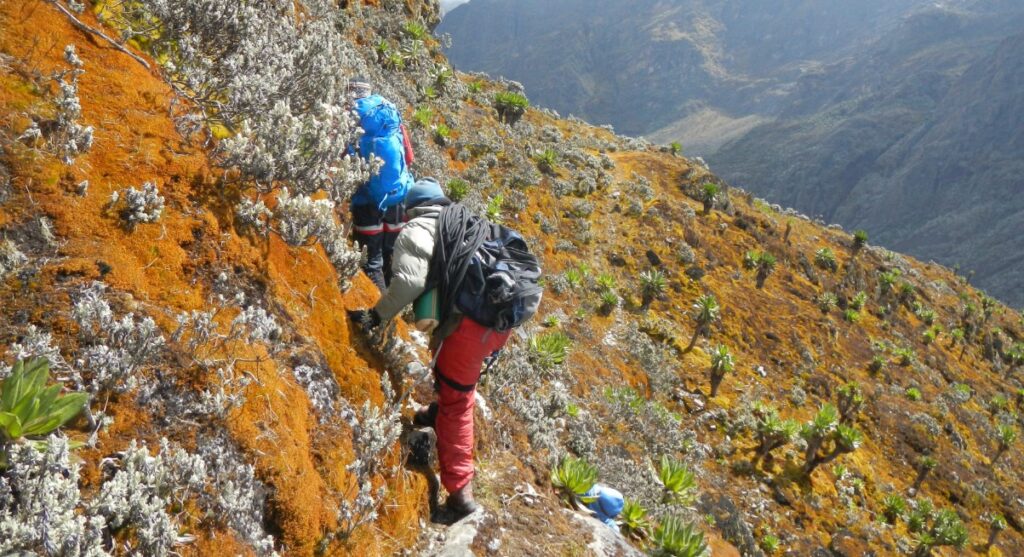
The weather in this region follows its own unique patterns. Clouds build quickly in the afternoon, rain can arrive without warning, and the upper peaks generate their microclimates that bear little resemblance to conditions at the base. Trails pass through extensive bog sections where footing is uncertain, across rock slabs that become slippery when wet, and in the upper zones across glaciated terrain that demands proper technical equipment and supervision. Experienced Rwenzori guides are aware of and not surprised by these hazards. It is simply the mountain.
Real and identifiable risks exist in the Rwenzori, but with the right guide, preparation, and approach, one can manage them effectively. The mountain’s safety record among guided expeditions is strong precisely because professional operators treat these risks with seriousness from the first day of planning.
Is Uganda Safe for International Travellers?
This question often precedes the mountain-specific one, particularly for visitors arriving from regions where Uganda’s reputation in media coverage has sometimes lagged behind its actual reality on the ground. The honest answer is that Uganda is one of the most stable and genuinely welcoming countries in East Africa, and the western region that encompasses the Rwenzori Mountains is one of the safest parts of the country for international visitors.
Kasese District, the gateway town for Rwenzori trekking, is a functional, friendly, and safe regional hub. The national park and its surrounding communities are well-accustomed to international visitors, the park rangers are professional and present, and the Bakonzo communities who live at the foot of the range have an ancient relationship with these mountains that makes them deeply invested in the safety and satisfaction of every person who comes to trek. Our Uganda safaris routinely take international travelers through western Uganda without incident, and the country’s overall tourism security infrastructure has improved considerably recently.
Standard international travel precautions apply, as they do in any country: keep your documents secure, use reputable transport, follow your guide’s local knowledge, and purchase comprehensive travel insurance before departure. But the fear that some first-time visitors bring about Uganda’s safety is, in our experience, disproportionate to the reality they encounter on arrival. Most trekkers say that the reality is much better than they expected by the end of their first day in the country.
The security situation near the DRC border is something some travelers inquire about. The Rwenzori range extends into the Democratic Republic of Congo on its western face, and the DRC has experienced significant instability in some regions. However, trekking in the Rwenzori is conducted on the Uganda side of the range, well within the national park’s secure and ranger-patrolled territory. The DRC border ascent route, which approaches from the Moraine Hut side, has historically been used by some expeditions but is frequently closed due to conditions in the DRC. All standard commercial trekking routes operated by our team run exclusively within Uganda.
The Five Key Safety Considerations on the Rwenzori Mountains
When experienced guides discuss Rwenzori safety, we think in terms of five principal areas: altitude and acclimatization, trail conditions and terrain, weather, wildlife, and guide qualifications. Understanding each of these honestly is the foundation of a safe expedition.
1. Altitude and Acclimatization: The Most Serious Risk
Altitude sickness is the primary health risk on Rwenzori expeditions and requires the most planning. The Rwenzori mountain peaks reach 5,109 meters at Margherita, high enough that every trekker’s body is working harder than normal to extract oxygen from air that is considerably thinner than at sea level. Acute Mountain Sickness (AMS), and its more severe forms, High-Altitude Pulmonary Oedema (HAPE) and High-Altitude Cerebral Oedema (HACE), are real risks that have affected trekkers on every major mountain range in the world.
The good news is that acclimatization-related illness is almost entirely preventable with a properly paced itinerary and a guide who knows the warning signs. The Rwenzori’s terrain actually aids acclimatization in a way that many linear ascent mountains do not because the trails regularly go up and down through valleys and saddles rather than ascending continuously; trekkers naturally follow the “climb high, sleep low” principle that mountain medicine recommends. Our standard itineraries build in pacing that allows the body to adapt at every stage of the ascent.
Symptoms of AMS include persistent headache, nausea, fatigue, dizziness, and disrupted sleep. Any of these appear above 3,000 meters and should be reported to your guide immediately. Our guides are trained to recognize these symptoms early, carry supplemental oxygen on summit expeditions, and will make the call to descend without hesitation if a trekker’s condition warrants it. The most dangerous thing a person can do at altitude is push through serious symptoms, and on a Rwenzori expedition run by professionals, that simply does not happen.
2. Trail Conditions and Terrain
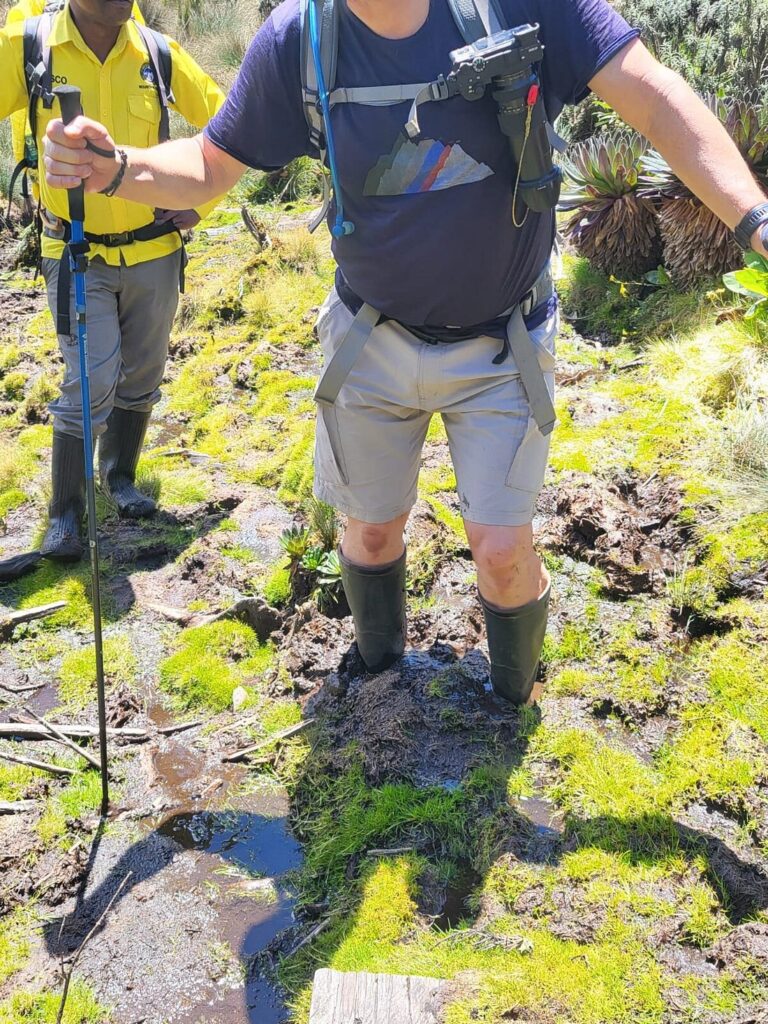
The trails of the Rwenzori are not technical climbing routes for most of their distance, but they demand very different physical competencies from a groomed forest walk. The Central Circuit Trail and the Kilembe Trail both pass through extensive bog sections where the path is essentially a series of wooden boardwalks, tree-root crossings, and muddy channels. Trekkers who have never walked in these conditions often underestimate how much energy and balance they demand, particularly with a daypack on and tired legs at the end of a six-hour day.
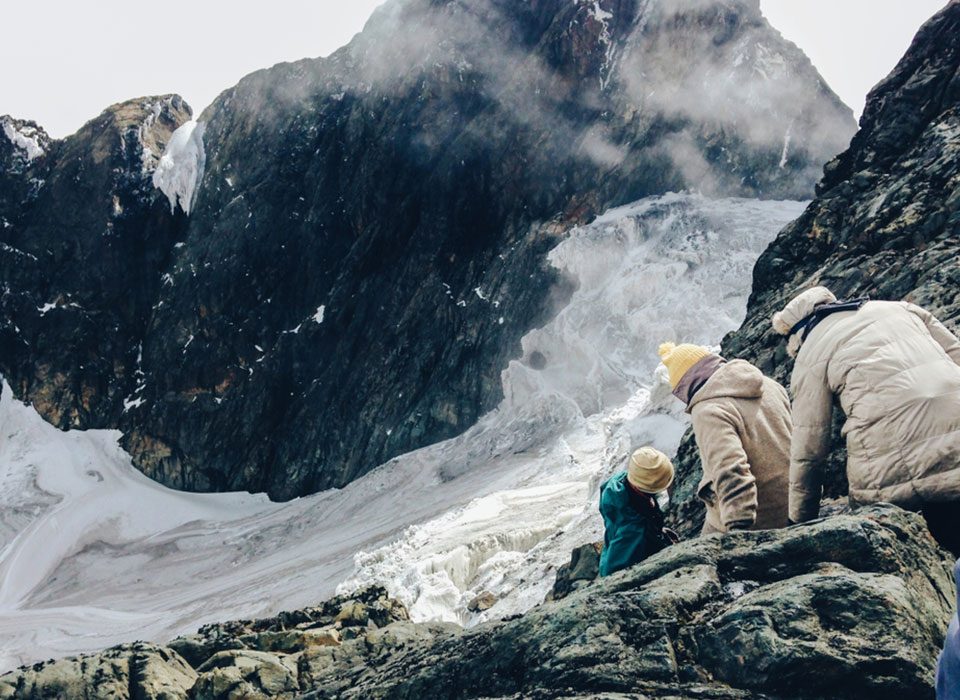
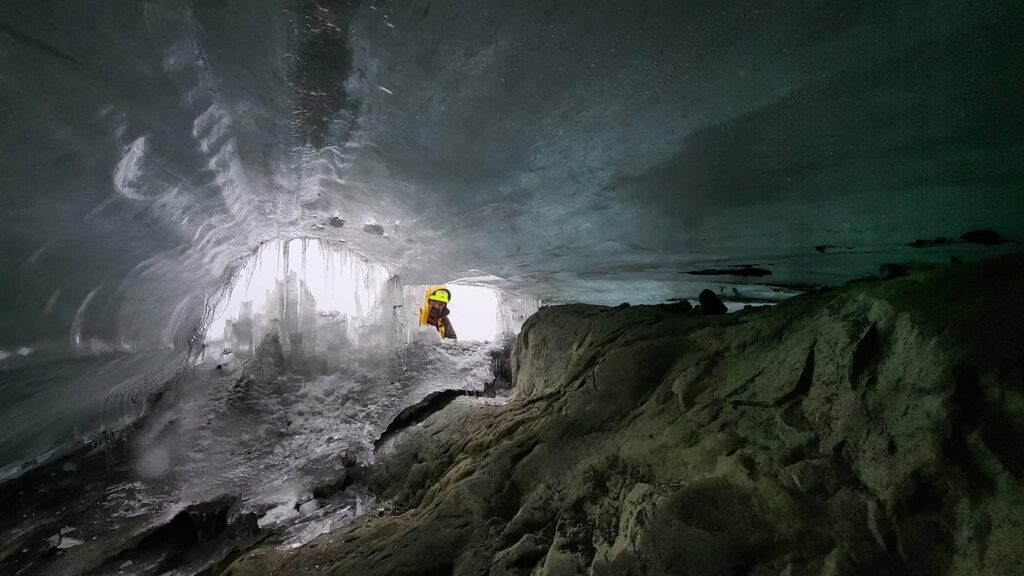
Above the heath zone, the terrain shifts to rock and loose scree before transitioning to glaciated summit approaches. The Margherita summit push involves glacier travel with crampons, an ice axe, and roped movement on steep ice slopes, which is the most technically demanding section of any standard Rwenzori itinerary. This activity is not extreme alpinism, but it is genuine mountaineering, and it requires a competent guide and appropriate equipment. We provide both.
Falls are the most common cause of trekking injuries on any mountain, and the Rwenzori’s wet, rooted, bog-crossing terrain increases the risk compared to drier mountains. Trekking poles reduce this risk significantly, and all our guides assist trekkers through the most technically demanding sections. Proper waterproof boots with good ankle support are non-negotiable.
3. Weather: Respect the Mountain’s Moods
The Rwenzori range has earned its reputation for its exceptional weather. These mountains generate their own weather systems and are notoriously wet; annual precipitation in the middle elevations exceeds 2,000 millimeters, and the upper peaks are frequently enveloped in cloud. The best time to visit the Rwenzori Mountains in terms of weather stability is during the two dry seasons: December to early March and June to early September. But even in these months, rain is possible on any given day, and summit windows on Margherita can open and close in a matter of hours.
Lightning is a genuine hazard above the heath zone, and guides will always decide to shelter or descend when electrical activity is building. Exposure to cold and wet in the upper elevations creates hypothermia risk for trekkers who are inadequately dressed, which is why our pre-trip gear consultations are thorough and non-negotiable. There is no point getting to 4,500 meters in a cotton fleece.
The weather risk on the Rwenzori is manageable precisely because it is predictable in its unpredictability. Our guides have studied these mountains through thousands of hours on the trails across every season. They read conditions well before trekkers do. When a guide says it is time to move, eat, shelter, or turn back, the correct response is always to listen. That accumulated expertise is the most powerful weather-management tool available on any mountain.
4. Wildlife: What You Need to Know
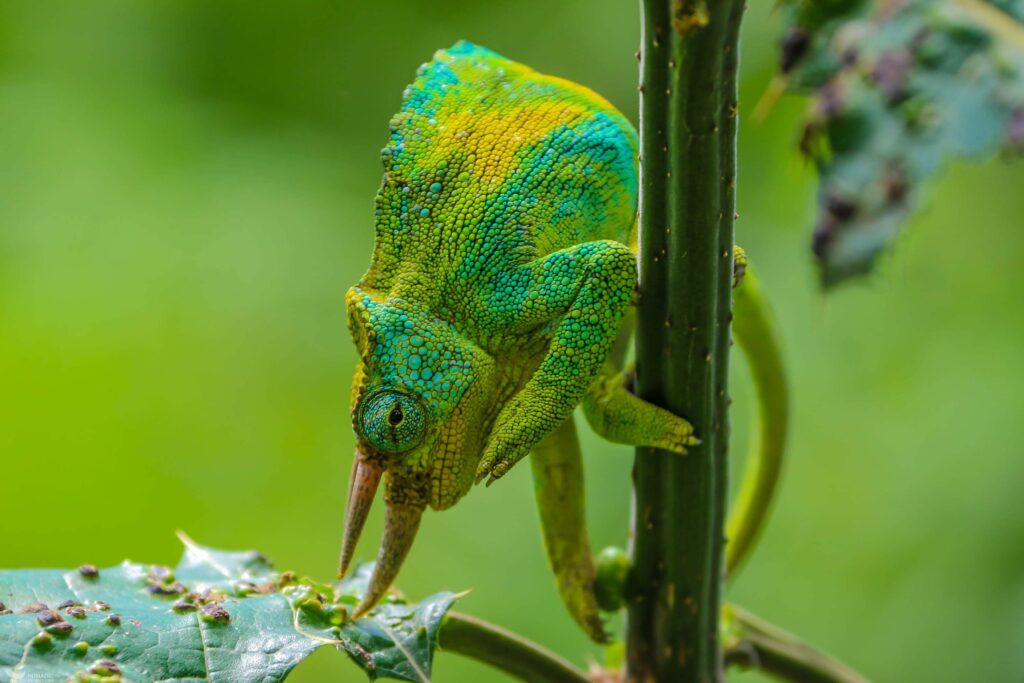
The Rwenzori Mountains are rich in wildlife, and encounters with the range’s resident animals are one of the many pleasures of the trekking experience. In the lower forest zone, you will likely see colobus monkeys, L’Hoest’s monkeys, forest elephants at a distance, and an extraordinary array of birdlife, including the endemic Rwenzori turaco. The heather zone regularly hosts the three-horned chameleon. Higher up, the wildlife becomes more scarce but no less fascinating; look for duikers moving quietly at the edge of visibility and the occasional view of raptors riding thermals above the valley floors.
None of the Rwenzori’s wildlife presents a significant safety concern for trekkers who behave sensibly. Forest elephants, while present in the lower montane forest, are rarely encountered on the main trails and are not aggressive unless approached or cornered. The park’s rangers monitor elephant movement and maintain awareness of wildlife patterns throughout the trekking areas. Our guides carry the local knowledge about which zones are currently more active and adjust approach timing accordingly.
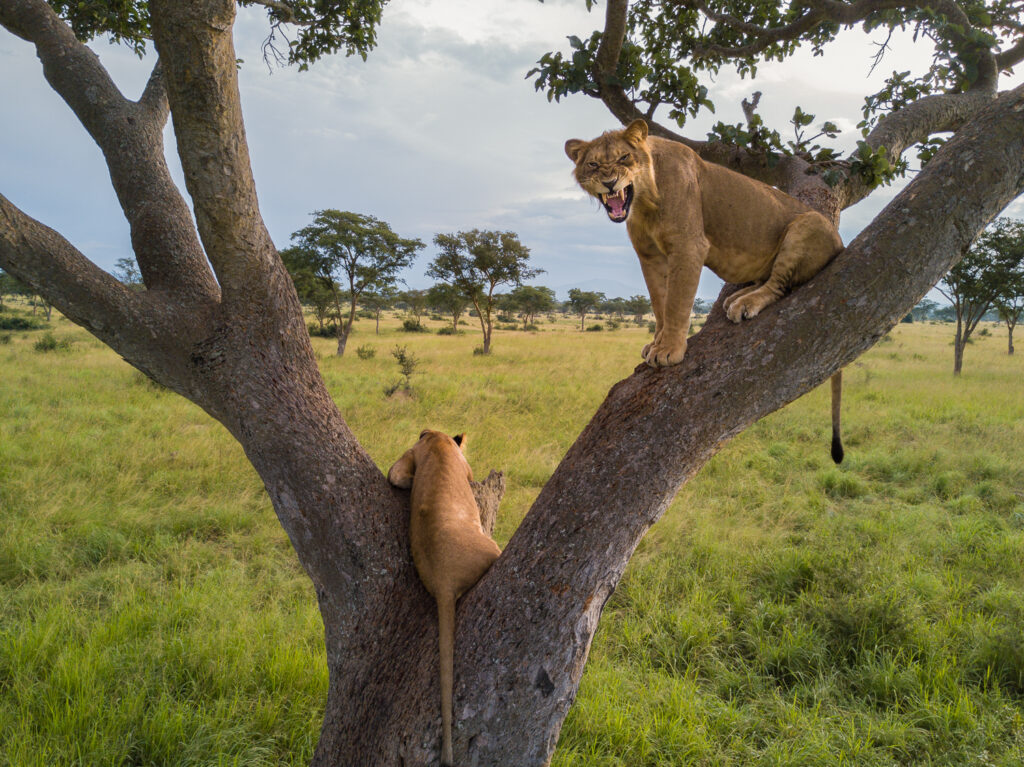
There are no dangerous predators in the Rwenzori Mountains. There were no lions, no leopards, and no Cape buffalo on the standard trekking routes. The wildlife risk picture here is far gentler than in Uganda’s savannah parks, and the emphasis from a safety perspective is always on observing animals respectfully from a distance rather than managing active threat situations.
5. Guide Qualifications: The Difference That Defines Everything
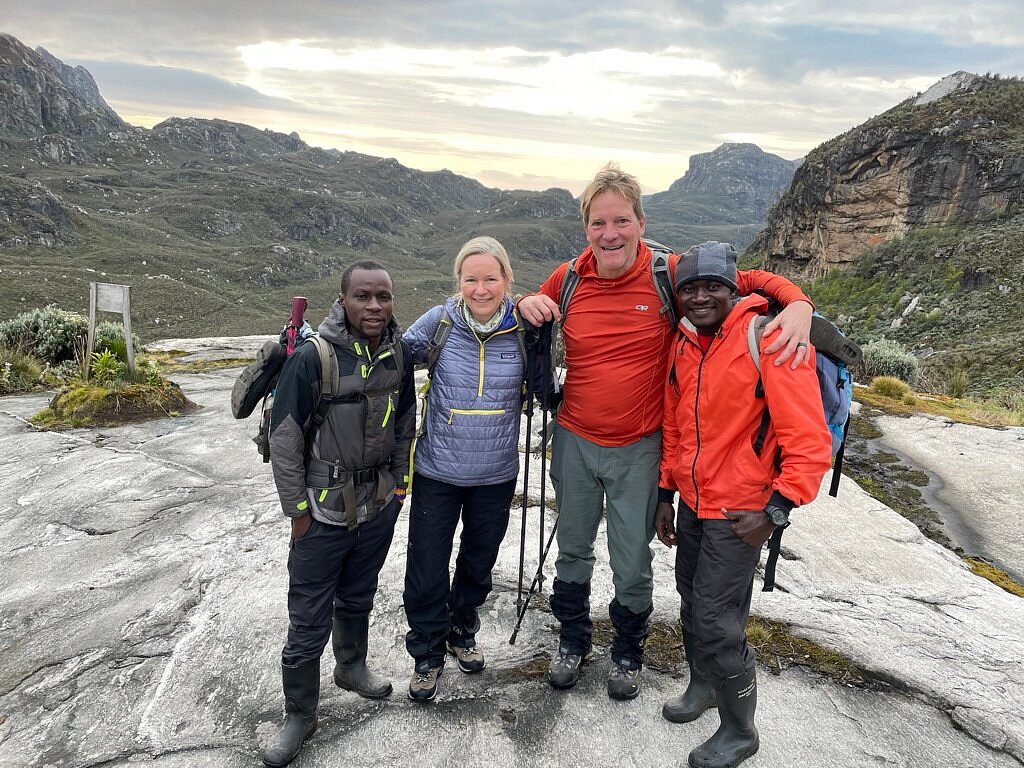
Of all the safety factors on the Rwenzori, the quality of your guiding team is the one that matters most. Ugandan law requires all trekkers in Rwenzori Mountains National Park to be accompanied by a licensed guide; this is not optional, and it is not bureaucratic excess. It is the legal and practical acknowledgement that these mountains require professional supervision. Our Rwenzori mountaineering team consists of guides who have completed formal certification and wilderness first aid training and accumulated hundreds of days on the mountain across multiple seasons.
A qualified Rwenzori guide does far more than show you the path. They pace the ascent to protect your acclimatization. They assess the weather and make summit-bid decisions based on real conditions rather than fixed schedules. They recognize the early signs of altitude sickness and act before the situation becomes serious. They know the evacuation routes from every section of both the Central Circuit and Kilembe Trail. They have built relationships with the park rangers, medical facilities in Kasese, and the rescue infrastructure that exists to support trekking operations in the national park.
The guide is the difference between a mountain that is challenging and managed and one that is genuinely dangerous. Choose your operator carefully, verify their credentials, ask directly about their guides’ training and experience, and never let price be the deciding factor when your safety at altitude is at stake.
Medical Facilities, Rescue Infrastructure, and Emergency Response
Understanding the emergency infrastructure available in and around the Rwenzori Mountains is an important part of making an informed decision about whether to trek here, and it is a question we answer with full transparency.
Kasese, the gateway town for most Rwenzori expeditions, has hospital facilities that can handle standard medical emergencies. Kampala’s international-standard hospitals serve as the appropriate referral point for serious altitude-related emergencies that require specialist intervention or evacuation, located approximately five to six hours by road or accessible by air ambulance for the most critical situations. Such an arrangement is standard for any remote mountain destination, and it reinforces why prevention through proper acclimatization, appropriate pacing, and guide-led decision-making is so much more important than rescue capability.
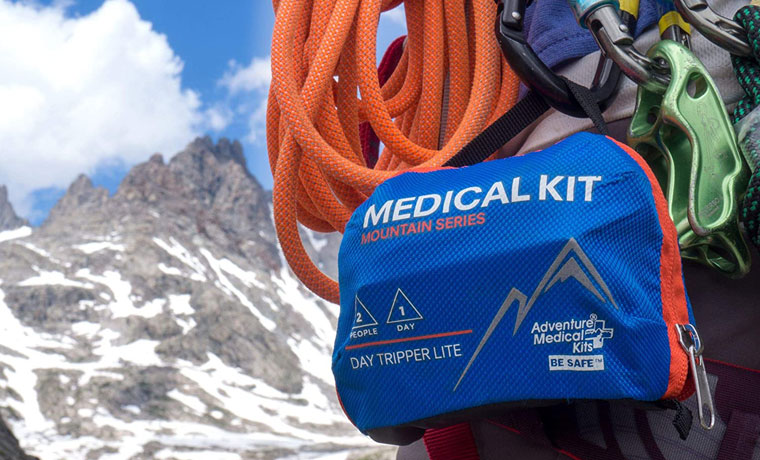
Inside the national park, the Uganda Wildlife Authority maintains a ranger presence across the trekking zones. Emergency communication between guides and park headquarters has improved significantly recently, and our team maintains satellite communication capability on summit expeditions. The park’s established evacuation routes are incorporated into every itinerary we run, and our guides carry a comprehensive first-aid kit, including supplemental oxygen, on high-altitude expeditions.
Travel insurance that includes helicopter evacuation cover is mandatory for Rwenzori trekking; we require trekkers to carry it and verify coverage before any expedition departs. Helicopter evacuation from remote high-altitude terrain in East Africa can be costly if it becomes necessary, and no trekker should be on this mountain without adequate coverage. This type of coverage is a standard requirement for any serious mountain expedition globally, not a Rwenzori-specific concern.
Are the Rwenzori Mountains Safe for Solo Female Trekkers?
This is a question we receive regularly, and the answer is a clear and well-substantiated yes with the same caveat that applies to all trekkers: the experience is as safe as the operator running it. The Rwenzori Mountains are not a place where solo female travelers face harassment, hostility, or predatory behavior. The mountain environment, the professional guiding culture, and Uganda’s generally safe and welcoming tourism context all contribute to a trekking experience that solo women report as comfortable, empowering, and entirely positive.
All our guides are trained in professional conduct and operate under clear standards. The hut system on the Central Circuit and the camp system on the Kilembe Trail provide shelter with sufficient structure to be comfortable for solo travelers, and the communal nature of mountain camps, where guides, cooks, and porters are present at all times, creates a safe social environment at every overnight stop.
Uganda as a country ranks relatively well for safety among East African destinations for solo female travel. The cultural context of the mountain communities, particularly the Bakonzo people, who form the backbone of the local guiding and porter workforce, is characterized by deep respect for visitors and genuine pride in the experiences they facilitate. In over a decade of running guided expeditions on the Rwenzori, the experiences reported by solo female trekkers who have come through our team have been overwhelmingly positive.
As with any international travel, standard precautions apply: share your itinerary with someone at home, keep your guides informed of your physical state each day, trust your instincts, and communicate openly if anything makes you uncomfortable. The mountain environment encourages exactly this kind of direct, practical communication, and a good guide welcomes it.
The Rwenzori’s Safety Record: What the Numbers and Experience Tell Us
The Rwenzori Mountains have a strong safety record among well-managed guided expeditions. Fatalities on the mountain are extremely rare and have historically been associated with inadequate preparation, inadequate guiding, pushing through severe altitude-sickness symptoms, or severe weather events that could not have been anticipated. None of these represent a standard feature of a professionally managed expedition; they represent the consequences of shortcuts, poor judgment, or genuinely exceptional circumstances.
Altitude-related illness that requires descent is more common and is not an indicator of failure; it is the safety system working correctly. Our guides have turned trekkers around at various points on the mountain not because those trekkers were unfit or underprepared, but because the mountain’s conditions on that particular day, combined with that particular trekker’s acclimatization response, made continuing upward the wrong decision. Those trekkers came back down safely. That means the system is working as designed.
More than 7,500 visitors trek in the Rwenzori Mountains annually, according to Uganda Wildlife Authority figures, and the vast majority complete their planned itineraries without serious incident. Summit success rates vary by route and group. Our experience suggests that trekkers on well-paced itineraries of seven days or more achieve significantly higher summit rates than those attempting to compress the ascent, but the mountain can always be returned to, and the range of available itineraries means there is always a route matched to your current fitness and experience level.
How to Make Your Rwenzori Trek as Safe as Possible
Choose the Right Itinerary for Your Fitness and Experience Level
The most important decision you make about Rwenzori safety happens before you arrive at the trailhead. Matching your itinerary to your actual fitness level and high-altitude experience, not to your aspirational version of yourself, is the single most effective risk-management strategy available. A 7-day Central Circuit trek provides significantly better acclimatization than a compressed 5-day itinerary. An 8-day Kilembe Trail expedition builds in the exposure time needed to push to Margherita’s glacier safely. If you have not been above 4,000 meters before, tell us; that information shapes the itinerary we recommend.
For trekkers with limited time or who want to understand the mountain before committing to a full summit bid, shorter itineraries offer real value. The 3-day Mahoma Trail loop, the 4-day Mutinda Loop via Kilembe, and the 2-day Sine Camp trek all deliver genuine Rwenzori experiences without exposing inexperienced trekkers to the risks of the high-altitude zones before they are ready for them.
Train Specifically for This Mountain
The Rwenzori is not a mountain that rewards casual preparation. The combination of altitude, sustained daily walking hours, challenging underfoot conditions, and the potential for cold and wet at any elevation means your body needs to be genuinely ready before you arrive. Begin training at least three months before your departure date. Build your cardiovascular base by taking long hikes in your local area while carrying a loaded pack that weighs the same as what you will carry on the mountain. Stairs and incline training are valuable. If you have access to altitude simulation training, use it.
Come to the mountain in a state of honest fitness. Not the fitness you had six months ago or the fitness you hope to have when you arrive, but the fitness you have when you lace your boots at the trailhead. The mountain will give you everything it has if you give it the respect of proper preparation.
Get Your Gear Right
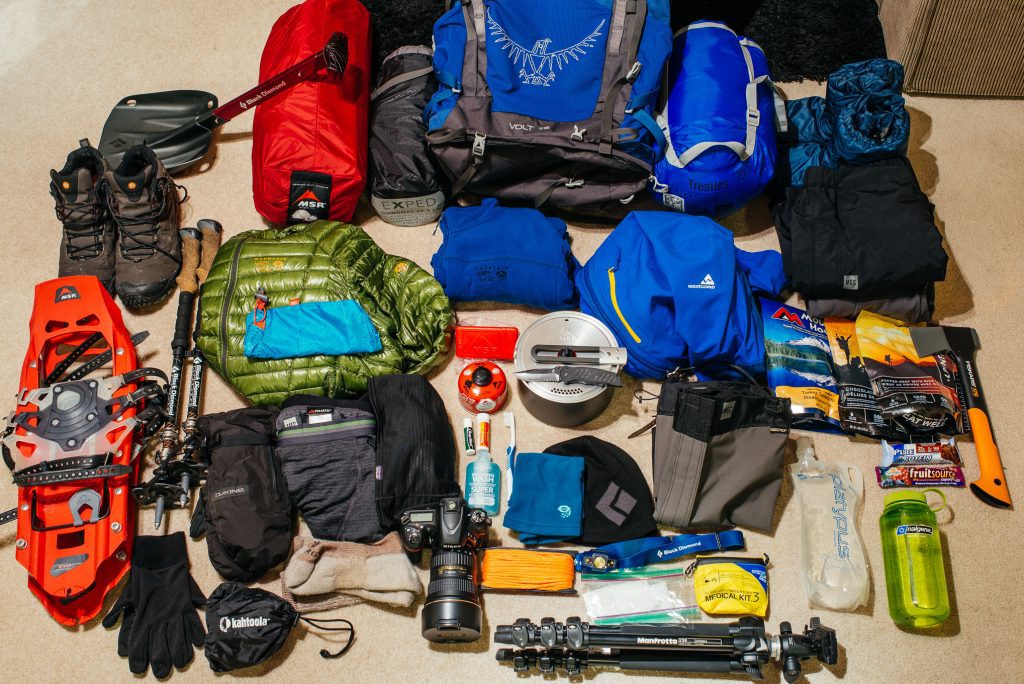
The Rwenzori’s conditions make inappropriate gear a real safety issue, not merely a comfort issue. Full waterproofing for both your outer layer and your boots is essential at every elevation. Above the heat zone, thermal insulation becomes critical. For the Margherita summit push, you need every item of cold-weather mountaineering clothing in your pack: a down or synthetic insulated jacket, a warm hat, a balaclava, gloves, and multiple thermal base layers. The full packing requirements for a Rwenzori expedition are detailed on our Rwenzori Mountains information page, and our team goes through your planned kit with you before departure to identify any gaps.
Listen to Your Body and Communicate Openly with Your Guide
The single most important safety behavior during any mountain trek is honest communication with your guide about how you feel. Not the heroic version, but the honest one. Guides need accurate data to get you to the summit and back safely. If you wake up with a headache at 3,800 meters, say so. If you feel unusually breathless at an approach that should be manageable, say so. The earlier a guide knows about a potential problem, the more options they have for managing it.
Combining Your Rwenzori Trek with a Broader Uganda Adventure
The Rwenzori Mountains sit within one of Uganda’s most wildlife-rich regions, and many trekkers choose to extend their visit to include Queen Elizabeth National Park, just a few hours from the Kasese trailhead, and gorilla trekking at Bwindi Impenetrable Forest. Uganda is, in the experience of visitors who have been to multiple African countries, remarkably safe for safari travel. The park infrastructure is well-managed, the wildlife encounters are closely supervised, and the overall visitor experience in Uganda’s national parks regularly exceeds expectations set by more famous destinations.
Our 12-day Rwenzori and gorilla trekking expedition combines the mountain experience with a supervised gorilla trek permit and Queen Elizabeth wildlife safari. The safety considerations for gorilla trekking are entirely separate from mountain trekking. We observe habituated gorilla groups under strict Uganda Wildlife Authority protocols, always with professional guides, and at prescribed minimum distances. It is one of the safest wildlife encounters in all of Africa. For those wanting the fullest possible Uganda experience, our 19-day expedition covering the Rwenzoris, gorillas, chimpanzees, Big Five safari, and Nile rafting is a journey that unfolds across multiple safe, well-managed environments with professional oversight throughout.
Frequently Asked Questions: Are the Rwenzori Mountains Safe?
Are the Rwenzori Mountains safe for trekkers with no prior high-altitude experience?
Yes, but the route and itinerary must be matched to your experience level. Trekkers with no prior high-altitude experience should not target Margherita Peak on a compressed itinerary. A longer, well-paced itinerary on the Central Circuit Trail, seven days or more, allows sufficient acclimatization for most reasonably fit trekkers without prior altitude experience to reach the summit safely. Shorter lower-elevation treks such as the 4-day Mutinda Loop or the 3-day Mahoma Trail are excellent introductions that carry very low altitude risk. Discuss your experience profile with our team, and we will create an itinerary that truly fits your needs.
Is altitude sickness common in the Rwenzori Mountains?
Altitude sickness affects a proportion of trekkers on any mountain above 3,000 meters, and the Rwenzori is no exception. Mild AMS symptoms like headache, fatigue, and disrupted sleep are common and manageable with proper pacing, hydration, and rest. Severe altitude sickness is rare on properly managed itineraries because professional guides recognize the warning signs early and act on them. The mountain’s terrain, which naturally incorporates ups and downs rather than continuous ascent, actually supports acclimatization better than many linear-ascent mountains.
Can you get lost on the Rwenzori trail?
The Rwenzori trails are not waymarked with the regularity of heavily touristed mountains, and route-finding in poor visibility on the upper sections requires genuine local knowledge. This is one of the key reasons that solo trekking is prohibited inside the national park, not as a commercial restriction, but as a genuine safety measure. Losing your way is not a realistic risk when you have a qualified guide. Without one, it is.
Is there a malaria risk on the Rwenzori Mountains?
At the higher elevations where most trekking takes place, temperatures are too cold for mosquitoes, and malaria transmission is not a concern. In the lower forested sections of the approach, some mosquito activity exists, and standard anti-malarial precautions (appropriate medication, long sleeves in the evening, and insect repellent) are recommended, as they are throughout Uganda. Discuss your specific anti-malarial protocol with a travel health professional before departure.
Do I need a guide, or can I trek the Rwenzori independently?
Solo independent trekking is not permitted inside Rwenzori Mountains National Park. All trekkers are required by Ugandan law to be accompanied by a licensed guide. This is not a bureaucratic inconvenience; it is a considered policy that reflects the mountain’s genuine technical and environmental demands. Our guides are certified, experienced on this specific mountain, and trained in wilderness first aid and altitude emergency response. Their presence is what makes the Rwenzori accessible and safe for trekkers of a wide range of experience levels.
What should I do if I feel altitude sickness symptoms during the trek?
Tell your guide immediately and without minimizing the symptoms. Do not push through a persistent headache above 3,500 meters hoping it will resolve itself with further ascent; this is the most common way mild AMS progresses to something more serious. Your guide will assess your symptoms, make decisions about rest or descent, and carry supplemental oxygen for genuine emergencies on high-altitude expeditions. The correct response to worsening symptoms at altitude is always to descend, and a qualified guide will never pressure a trekker to ascend when their body is signaling that it is not ready.
Is the Rwenzori glacier route to Margherita Peak technically dangerous?
The glacier section of the Margherita summit push is the most technically demanding part of any standard Rwenzori itinerary. It involves crampons, ice axe use, and roped movement under guide supervision on steep ice slopes. Properly equipped, well acclimatized, and guided by an experienced mountaineer, a non-specialist trekker can successfully complete a standard Rwenzori Trekking Safaris summit expedition. It is not extreme technical alpinism, but it demands appropriate equipment, physical readiness, and close guide supervision. Trekkers who are uncomfortable with glacier travel or who arrive without adequate fitness for the upper mountain will be guided to appropriate lower objectives without being pushed beyond their safe limits.
How close to the DRC border does trekking take place, and is that a concern?
The Rwenzori range straddles the Uganda-DRC border, and the mountains themselves extend into the DRC on their western face. All commercial trekking routes on the Uganda side, including the Central Circuit, Kilembe Trail, and Bukulungu Trail, run within Uganda’s national park territory, away from the border itself. The DRC approach route, which historically accessed the summit from the Moraine Hut side, is frequently closed due to conditions in the DRC and is not part of any standard itinerary we operate. Trekkers on Uganda-side routes are entirely within the jurisdiction and security infrastructure of Rwenzori Mountains National Park.
Is it safe to trek the Rwenzori during the wet season?
Trekking during the wet seasons, March to May and October to November, is possible but demands more from trekkers and guides alike. Trail conditions deteriorate significantly, bog crossings become more challenging, and summit visibility on the upper peaks is frequently poor. Summit success rates are lower, the physical demands are higher, and the importance of proper waterproofing becomes even more acute. That said, some experienced trekkers specifically seek the wet season for its solitude, its vivid green landscapes, and its rawer version of the mountain experience. We trek throughout the year and will give you a completely honest assessment of what the conditions are likely to be during your planned travel window.
What travel insurance do I need for a Rwenzori trek?
Comprehensive travel insurance that specifically includes high-altitude trekking above 5,000 meters, emergency medical evacuation, and helicopter rescue is a non-negotiable requirement for any Rwenzori summit expedition. Standard travel insurance policies frequently exclude adventure activities at high altitudes. Check your policy carefully and purchase a specialist policy if your standard one does not cover these activities. Emergency helicopter evacuation from remote mountain terrain in East Africa is expensive, and no trekker should be on this mountain without coverage. We verify insurance documentation for all trekkers before the expedition departs.
Are there hospitals or medical facilities near the Rwenzori Mountains?
Kasese, the gateway town for Rwenzori trekking, has hospital facilities that can manage standard medical emergencies. For serious altitude-related complications or injuries requiring specialist intervention, Kampala’s hospitals are the appropriate referral destination, approximately five to six hours by road. For critical emergencies, air medical evacuation to Kampala or Nairobi is possible. Our guides carry comprehensive first-aid kits and supplemental oxygen on summit expeditions, and we maintain emergency communication with park rangers and Kasese medical facilities throughout all expeditions.
Is the Rwenzori safe for older trekkers?
Age is not a barrier to trekking the Rwenzori, but fitness and cardiovascular health are more important considerations than they might be on a lower-elevation walk. We have guided trekkers in their 60s and 70s to significant Rwenzori summits. The key is an honest assessment of fitness, a willingness to pace conservatively, and an itinerary designed around a slower ascent profile. If you are over 55 and considering a Rwenzori summit bid, we strongly recommend a consultation with your GP or a travel medicine specialist before booking, and please be upfront with us about any cardiovascular or respiratory health history. The shorter, lower-altitude Rwenzori treks are well within the reach of fit older trekkers and deliver an extraordinary experience without the risks of the upper glacier zones.
What happens if a summit bid has to be abandoned due to weather or illness?
Summit bids on the Rwenzori can be affected by weather windows that close or by a trekker’s acclimatization response falling short of what the upper mountain demands. This is a normal part of mountain trekking, not a failure. Our guides will always find the best objective available on the day, whether that means waiting at Elena Hut for a weather window to open, redirecting to a lower peak that is within safe reach, or making a managed descent with a clear plan for reassessment. The mountain will always be here. Trekkers who turn back safely have the option to return, and many do.
Ready to Plan Your Rwenzori Trek? Let’s talk.
The Rwenzori Mountains are safe for trekkers who prepare properly, travel with experienced and qualified guides, and approach this extraordinary mountain with the respect it commands. The risks are real and identifiable. The management of those risks, on a well-run expedition, is thorough and professional. And the reward that waits at the end of a carefully planned Rwenzori trek standing in a world of glacier, cloud, and silence at 5,109 meters, or simply sitting beside a giant lobelia at 3,500 meters watching the mist move through the valley below is worth every step of the preparation.
We have spent over a decade on these mountains. We know their moods, their dangers, and their extraordinary beauty with an intimacy that only comes from consistent, serious time on the trails. When you hike with us, you work with guides who know your goals and will create a trip that fits your fitness, experience, and desires.
If the safety question that brought you here has been answered and this mountain has captured your imagination like it does ours every time we lace up our boots at the trailhead, we would love to hear from you. Get in touch with our team today and tell us what you are thinking. Be honest about your fitness, your experience, and your timeline. We will be honest with you about what is possible, what it entails, and how we create a safe itinerary.
The Mountains of the Moon are waiting. They are extraordinary and demanding, and with the right team beside you, they are entirely within your reach.
ANY QUESTIONS?
If you need any clarification about a Rwenzori trek, contact one of our trekking experts to start planning your journey today.
A 10% percentage of your safari proceeds goes to supporting the local Bakonjo Communities (orphans, schools & homes)
Simply incredible
I have been very fortunate to go trekking and climbing in many incredible places around the world over the years, the Rwenzori mountains are one of the most incredible places I have ever visited. Rwenzori Trekking Safaris organized my trip to do the central circuit and summit Margherita peak. The guides, Josephat and Joackim, and porters were all friendly and helpful. The food was plentiful, but I suggest bringing some of your own day snacks you might like as well as rubber knee high boots, I suggest LaCrosse Burly Aero. I was able to complete the loop and peak in 4 days, but most people take 7-8 days I believe which is definitely recommended for acclimatization. There are new huts being built at Elena camp and Nyabitaba that cost a small amount extra, so ask about that too. Its a real adventure and in my experience way more rugged, beautiful, and less traveled than Kilimanjaro. The landscapes and unique plant life are like out of Jurassic Park.
Posted on Tripadvisor
Simon B
Verified
A wonderful experience in the Rwenzoris
We did the seven-day Central Circuit and had a wonderful experience. The landscapes were spectacular and really diverse. Also, the guides, porters and cooks were super friendly and helpful. Thank you very much!
Posted on Tripadvisor
Explorer43375006028
Verified
Magical mountain forest
We did the two day hike to Mahoma Lake, and it was beautiful. The guide was superfriendly, the coock made a great stew and the porters were really nice.
Posted on Tripadvisor
Dominic N
Verified
Forget Kilimanjaro, do this instead!
A beautiful and surreal 4 day hike in the Rwenzori mountains to Mutinda Lookout, made by the staff. Good food, good basic camp accommodation, excellent knowledge of the guides and lots of laughs. I did this trip solo and joined a welcoming group of 6. Pack for all weather, it gets particularly cold at night at Mutinda camp. Total cost was $635/2.2m UGX
Verified by Trustindex
Trustindex verified badge is the Universal Symbol of Trust. Only the greatest companies can get the verified badge who has a review score above 4.5, based on customer reviews over the past 12 months. Read more
Hi there, welcome. Need help planning a trek, safari, or adventure? Chat directly with a real expert and mountain guide for honest advice, clear answers, and practical recommendations. No guesswork, no pressure.