Uganda gorilla permits are now just $600 (FNR) during the low season: April, May, and November. Official UWA 2026 rates explained. Book now before the 2027 price increases. Rwenzori Trekking Safaris provides an expert guide for your trip.
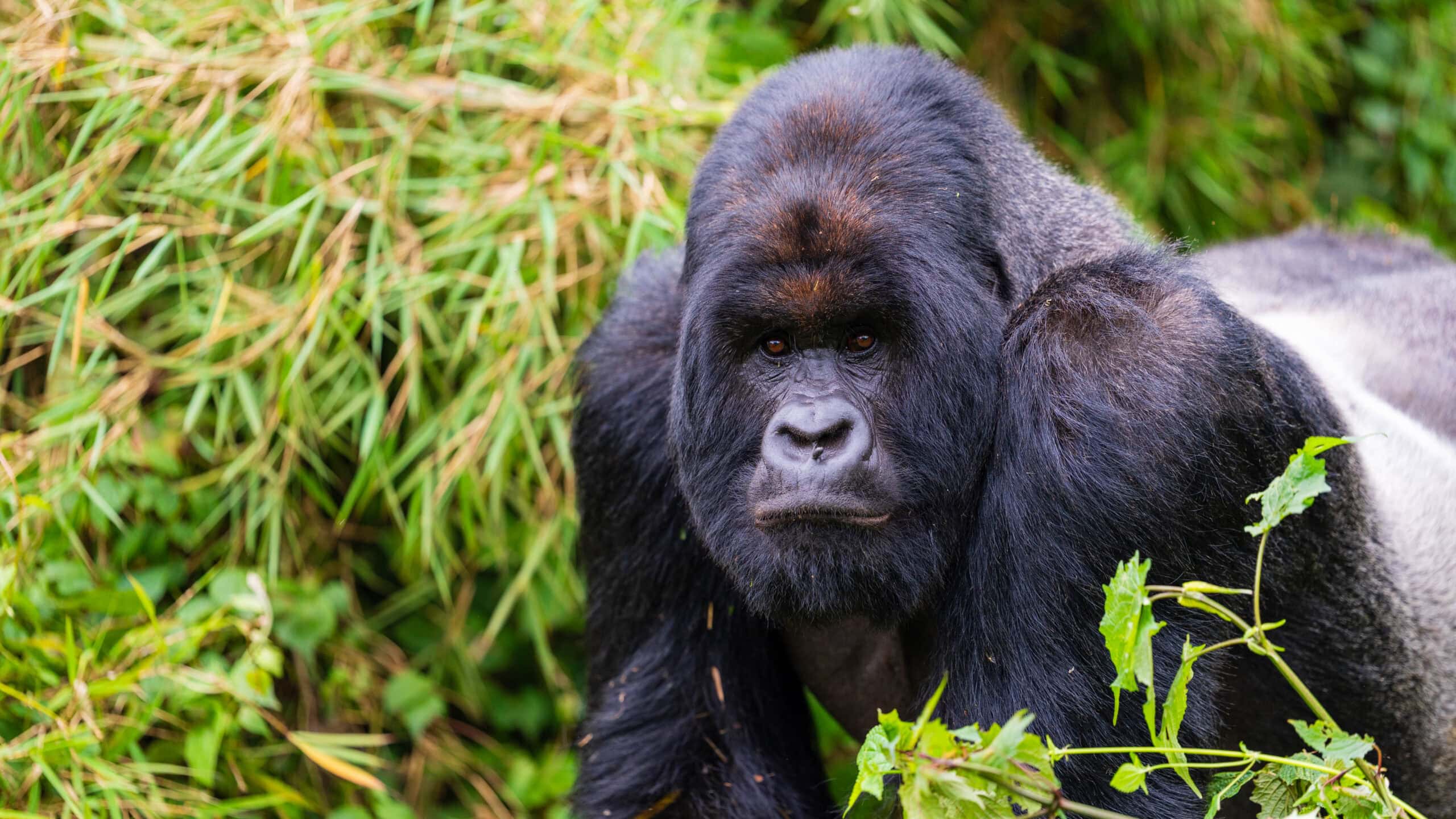
There is a moment that everyone who has ever trekked to the gorillas of Bwindi Impenetrable National Park will tell you about: the moment the forest goes silent, the vegetation parts, and a mountain gorilla turns its enormous dark eyes toward yours. Time does not just slow in that moment. It stops. In the nearly two decades I have been guiding deep into Bwindi’s ancient highland forest, I have watched that moment undo even the most seasoned traveler, reducing them to a grateful, speechless participant in something utterly, irreversibly primal. That experience does not belong only to those who pay peak season prices. And now, thanks to an important new policy from the Uganda Wildlife Authority, it is available for significantly less during Uganda’s low season months.
In February 2026, the Uganda Wildlife Authority (UWA) announced the formal introduction of discounted low-season gorilla permit rates, effective immediately. For the months of April, May, and November, foreign non-residents can now secure a gorilla trekking permit for USD 600, and foreign residents for USD 500. This represents a meaningful reduction from the standard rates and a gateway into one of the most extraordinary wildlife encounters on earth, at a time when the forests are arguably at their most beautiful and the trails their most intimate.
This article is your comprehensive, expert guide to everything you need to know about Uganda’s low-season gorilla permits: who they are for, why the low season deserves more credit than it gets, how the new booking rules work, and why, if you are serious about trekking gorillas in Uganda, right now is the time to act.
What Are Uganda’s Low-Season Gorilla Permits?
A gorilla trekking permit in Uganda is the official authorization issued by the Uganda Wildlife Authority that grants you entry into a designated gorilla sector of either Bwindi Impenetrable National Park or Mgahinga Gorilla National Park to spend one hour in the presence of a habituated mountain gorilla family. Without this permit, no one, regardless of their operator, their guides, or their connections, may enter the gorilla zones. The permits are strictly limited in number, with a fixed quota of eight visitors per habituated gorilla group per day, which makes Uganda’s gorilla trekking one of the most carefully controlled and genuinely exclusive wildlife experiences in the world.
Low-season permits are a discounted category of these same official permits, valid only during the months of April, May, and November. These are the months that receive a higher average rainfall across much of Uganda, particularly in the highland forest zones of southwestern Uganda, where the gorillas reside. These months have historically seen lighter tourist volumes, not because the gorilla experience diminishes, but because travelers unfamiliar with equatorial highland ecosystems assume that rain equals a lesser experience. As any experienced Uganda guide will tell you, that assumption is wrong. But it does create an opportunity for travelers to experience the unique beauty of Uganda’s wildlife during the rainy season, and UWA has formalized that opportunity into real, bankable savings through the introduction of discounted permit rates.
The New Low Season Permit Rates at a Glance
The Uganda Wildlife Authority announced these rates with immediate effect following the official communiqué dated 26th February 2026, signed by Executive Director Dr. James Musinguzi. The rates apply to gorilla tracking across UWA’s gorilla parks and are structured by visitor category as follows:
| Activity | FNR Rate (USD) | FR Rate (USD) | Peak Season (from Jan 2027) |
| Gorilla Tracking: Low Season (Apr, May, Nov) | $600 | $500 | $800 / $700 |
FNR denotes “Foreign Non-Resident,” the category that applies to the majority of international visitors arriving in Uganda from outside East Africa. FR denotes Foreign Resident, applicable to international passport holders who reside in Uganda or in EAC member states. The EAC (East African Community) citizen rate is charged in Ugandan shillings and follows its separate tariff schedule. From 1st January 2027, rates will increase as part of a broader tariff revision, making the current low-season window an exceptional value proposition for travelers who plan ahead.
Why Trek Gorillas During Uganda’s Low Season?
The case for gorilla trekking in April, May, or November goes far beyond the reduced permit fee, though the saving is not trivial. Allow me to guide you through the forest and explain what these months truly offer.
The Forest in Its Full, Saturated Glory
Bwindi Impenetrable Forest is called impenetrable for a reason. This is one of Africa’s oldest rainforests, a 331-square-kilometer canopy of layered green that has remained largely unchanged since the last Ice Age. During and after periods of rainfall, Bwindi is spectacular in a way that dry-season visitors simply do not see. The forest floor erupts in mushrooms. The canopy drips and glistens. Mosses glow. The air carries a thick, mineral richness that feels ancient. Waterfalls that are barely a trickle in June run silver and loud in April. Many of our most experienced clients who have trekked in multiple seasons describe the low-season forest as the more photogenic and the more emotionally affecting of the two.
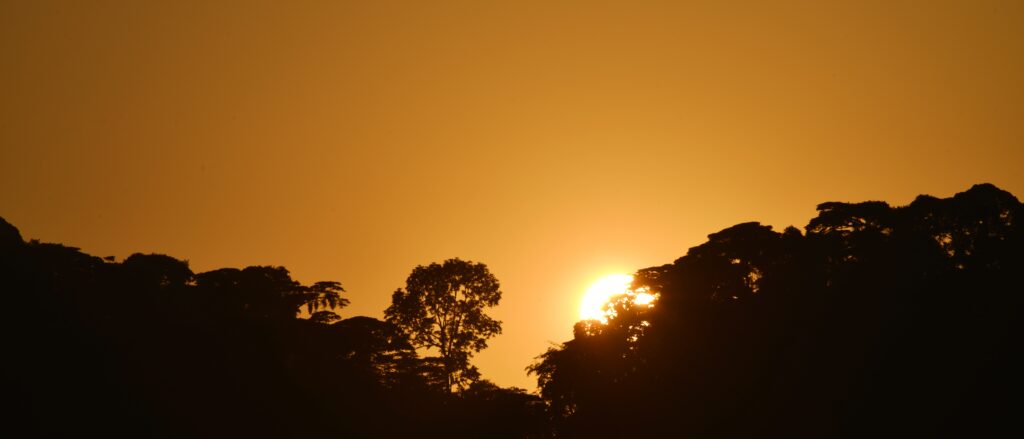
The mountain gorillas themselves are generally more relaxed in the wetter months. With the forest’s secondary vegetation lush and abundant, food sources are widespread, and the gorilla families tend to move less, often settling in more accessible terrain for extended periods. Such behaviors can actually make the trek shorter, not longer, and the time with the group richer and more unhurried. The one-hour limit remains strictly enforced, but there is a notable difference between spending that hour while the group is stationary and settled versus following a group that is ranging through dense undergrowth.
Smaller Groups and Greater Intimacy
With fewer tourists arriving in April, May, and November, the overall atmosphere at the parks shifts. Lodges are quieter. Briefings are more personal. The ratio of guides to guests improves. There is none of the subtle competitive energy of peak season, where multiple vehicles converge on the park gate, and the trails carry the quiet bustle of maximum capacity days. In the low season, your trek can feel genuinely solitary, with just you, your guide, your ranger, and the forest. This is, for many travelers, exactly what they came to Uganda for.
Value Beyond the Permit Itself
The savings do not stop at the permit. During April, May, and November, lodge rates across the southwest Uganda gorilla corridor also tend to reflect lower occupancy. Properties ranging from mid-range forest lodges near Ruhija and Nkuringo to the high-end jungle retreats above Buhoma regularly offer their most competitive rates during these months. Combined with the reduced permit cost, a thoughtfully planned low-season gorilla safari can deliver a genuinely premium experience at a cost that is meaningfully lower than the same itinerary in July or October.
Understanding the New UWA Booking Rules: The End of the 7-Day Reservation Window
Alongside the introduction of low-season rates, the Uganda Wildlife Authority has simultaneously announced a significant change to how permits are booked. Effective 1st March 2026, the Uganda Wildlife Authority has suspended the previous system that allowed operators to reserve permits for up to seven days without payment. Going forward, permits must be secured with full payment at the time of booking.
This is an important change for travelers to understand. Under the old system, there was a practice widespread across the industry whereby operators would block large numbers of permits across multiple dates using the seven-day window, giving the impression of scarcity while holding inventory without financial commitment. Unpaid reservations that were not converted would be automatically cancelled after seven days, but in the meantime, genuine buyers could be locked out. The new immediate-payment policy eliminates this practice entirely. When you now book a gorilla permit through a licensed operator like Rwenzori Trekking Safaris, that permit is confirmed and yours the moment payment clears.
The practical effect of this change is a more transparent, equitable, and responsive market. Availability will reflect genuine real-time inventory. When you see a date available on our system, it is truly available. And because permits now require full payment at booking, the process of planning your Uganda gorilla safari has become more straightforward, not less.
One important note on low season permits specifically: UWA (Uganda Wildlife Authority) has confirmed that low season permits cannot be rescheduled. This means that when you book an April, May, or November permit at the discounted rate, you are committing to that specific date. We advise all clients to ensure their travel itinerary is confirmed before purchasing low-season permits and to consider appropriate travel insurance for their journey.
Bwindi Impenetrable National Park: The Heartland of Uganda’s Gorilla Experience
For most visitors, the journey begins and ends at Bwindi Impenetrable National Park in the Kigezi highlands of southwestern Uganda. Bwindi is home to approximately half of the world’s remaining mountain gorillas, a population that has recovered from fewer than 300 individuals in the 1980s to over 1,000 today, a conservation story without precedent in modern African wildlife management. The park is divided into four main trekking sectors: Buhoma in the north, Ruhija in the east, and Rushaga and Nkuringo in the south. Each sector has its character, its own habituated gorilla groups, and its own logistical considerations.
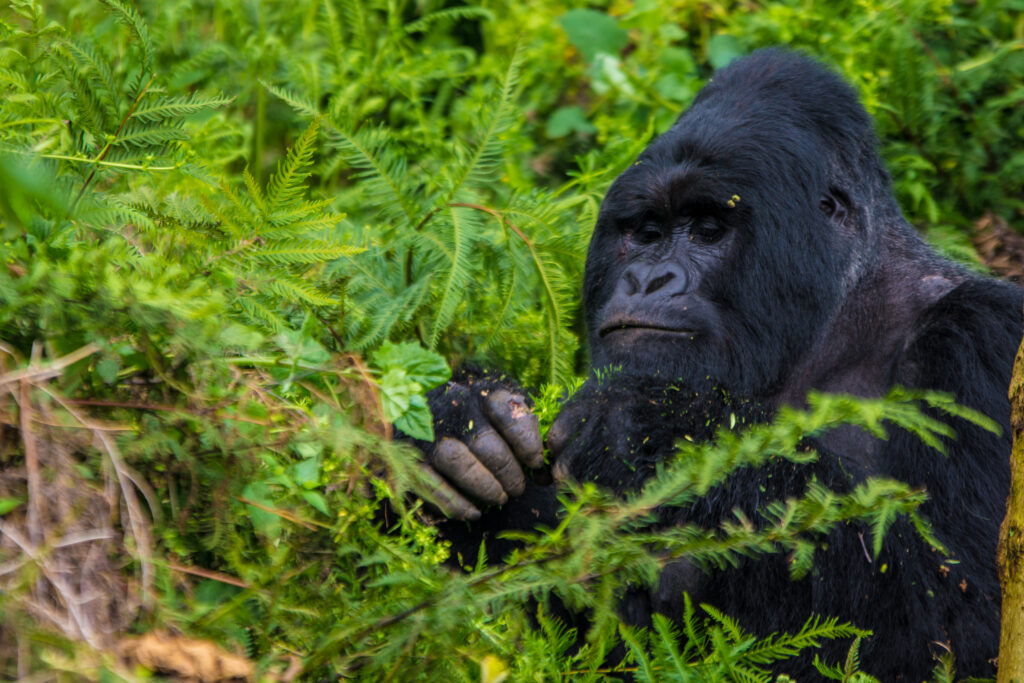
Buhoma is the original gorilla trekking sector, accessible from the Kabale-Kisoro highway and the gateway town of Bwindi. It offers some of the most accessible treks and is home to several of Bwindi’s most famous gorilla families. Ruhija sits higher on the Bwindi escarpment, at over 2,500 meters, and offers some of the park’s most dramatic highland scenery. Rushaga, in the south, has expanded significantly recently and now hosts multiple habituated groups, making it one of the highest-capacity sectors. Nkuringo, perched on the edge of a volcanic ridge with views across to the Democratic Republic of Congo, is one of the most scenic starting points for any gorilla trek in Africa.
Mgahinga Gorilla National Park, Uganda’s smaller gorilla park in the Virunga Volcanoes region near the town of Kisoro, offers an alternative experience. Mgahinga is home to the Nyakagezi gorilla group, a family that ranges across the tri-country border area between Uganda, Rwanda, and the DRC. Gorilla trekking at Mgahinga is more weather-dependent than at Bwindi, as the Nyakagezi group’s movements are less predictable, but when conditions align, it offers a breathtaking volcanic highland setting with near-certain gorilla encounters once the group is located.
How to Book Your Low-Season Gorilla Permit Through Rwenzori Trekking Safaris
Booking a gorilla permit in Uganda cannot be done directly by individual tourists through the UWA website; permits must be purchased through licensed tour operators registered with the Uganda Tourism Board. Rwenzori Trekking Safaris is a fully licensed, UWA-authorized operator with direct permit access, meaning we can secure your permit on the official UWA booking platform at the gazetted rates published in this article.
The process begins with selecting your preferred date and trek sector. For low-season travel, we recommend initiating your booking at least four to six weeks in advance, though popular departure dates in April and May can fill quickly even during the low season as word spreads about the new discounted rates. Once your preferred date and sector are confirmed, full permit payment is required immediately under the new UWA booking policy. Your permit will then be confirmed and held exclusively in your name.
Beyond the permit itself, a complete gorilla trekking safari involves airport transfers, accommodation in the southwest Uganda gorilla belt, a region that includes some of the most beautiful lodge properties in East Africa, guided forest briefings, the services of UWA-assigned gorilla trackers and rangers, and, where applicable, porter hire for steep terrain. We build all of this into cohesive, custom itineraries that take into account your fitness level, your other destination interests in Uganda, and the specific gorilla group or sector that best matches what you are looking for.
We offer seamlessly integrated multi-destination itineraries for travelers who combine gorilla trekking with other highlights in Uganda, such as chimpanzee tracking at Kibale National Park, wildlife safaris in Queen Elizabeth National Park, cultural encounters in the Kigezi highlands, or trekking in the Rwenzori Mountains. You can explore more about our Uganda safari packages or contact our team directly for a fully personalized itinerary.
Gorilla Trekking vs. Gorilla Habituation: Understanding the Difference
A question we receive frequently from new clients is the difference between gorilla tracking and permits for gorilla habituation. Standard gorilla trekking grants you one hour with a fully habituated gorilla family, a group that has been patiently acclimatized to human presence over a period of years by UWA researchers and habituation teams. Gorilla habituation permits allow visitors to join UWA researchers working with a not-yet-fully-habituated gorilla group and carry significantly higher rates (USD 1,800 for FNR under the 2027 tariff). The habituation experience lasts four hours rather than one, and the behavioral interactions observed are often more dramatic and less predictable, providing a unique opportunity for visitors to witness the gorillas’ natural behaviors and interactions in a way that standard trekking does not allow.
The low-season discounts announced by UWA apply specifically to standard gorilla tracking permits. Gorilla habituation rates remain stable during the low season months. For most first-time visitors, the standard one-hour gorilla trek is the recommended experience; it is the iconic Uganda encounter, and even a single hour in the presence of a mountain gorilla family is consistently described by our clients as among the most profound experiences of their lives. Those returning for a second or third visit, or those with a specific interest in primate research and behavior, should explore the habituation experience with our team.
What Can You Expect on the Day of Your Gorilla Trek?
Your gorilla trekking day in Uganda begins early. Briefings at the park gate are typically conducted at 7:30 AM, and the trek begins shortly after. Groups are assigned to specific gorilla families by UWA rangers based on availability, and trackers who have been in the field since dawn will already have located the family’s overnight nest and current position. The trek itself can last anywhere from forty-five minutes in sectors where the gorillas are resting near the forest edge to four or five hours in cases where the family has ranged deep into the primary forest. The duration is unpredictable, which is part of what makes the visit a genuine wildlife encounter rather than a managed attraction.
Physical preparation matters. Bwindi’s terrain is steep and often muddy in the low season and can involve scrambling through dense vegetation on hands and knees. Good waterproof hiking boots, long trousers, and a rain jacket are essential regardless of season, but particularly so in April, May, and November. We also strongly recommend hiring a local porter at the park gate. Not only does such an arrangement provide direct economic benefit to the communities adjacent to the park, but a good porter will carry your pack, steady you on the steepest descents, and ensure you arrive at the gorilla family with enough energy to fully appreciate the encounter.
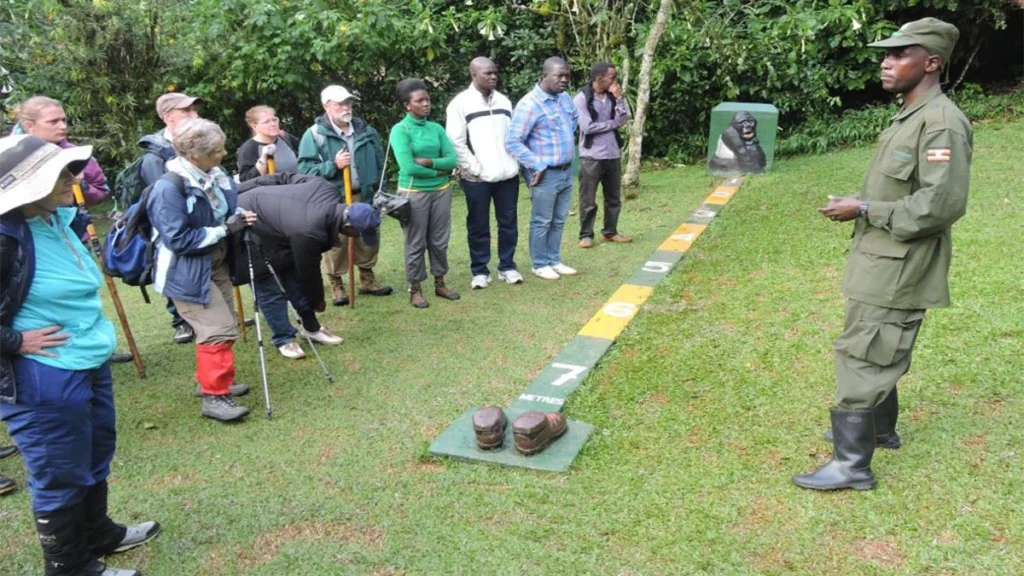
When the trackers signal that you have arrived, your guide will brief you quietly on gorilla etiquette: Maintain a minimum distance of seven meters, do not make direct eye contact with silverbacks, never run if a gorilla charges, and keep voices low. And then the vegetation clears, and there they are. Everything else fades.
Frequently Asked Questions About Uganda Low Season Gorilla Permits.
How much does a Uganda gorilla permit cost in the low season?
During the officially designated low season months of April, May, and November, gorilla trekking permits in Uganda cost USD 600 for foreign non-residents (FNR) and USD 500 for foreign residents (FR). The Uganda Wildlife Authority introduced these rates with immediate effect following their announcement in February 2026. Standard high season rates from 1st January 2027 will increase to USD 800 (FNR) and USD 700 (FR).
Which months are considered low season for gorilla trekking in Uganda?
The Uganda Wildlife Authority has designated April, May, and November as official low-season months. These correspond to Uganda’s two wet seasons, during which the highland forests receive heavier rainfall. It is important to note that rain in Bwindi and Mgahinga does not typically mean all-day downpours; showers are usually intense but brief, and the forest remains trekable throughout.
Can I reschedule a low-season gorilla permit?
No. The Uganda Wildlife Authority has confirmed that low season gorilla permits cannot be rescheduled. Once purchased at the discounted rate, the permit is valid only for the specific date booked. Travellers are strongly advised to have confirmed travel arrangements before booking a low-season permit and to obtain comprehensive travel insurance that covers trip disruption.
What changed about the process for booking gorilla permits in March 2026?
Effective 1st March 2026, the Uganda Wildlife Authority suspended the previous seven-day reservation window, which had allowed operators to hold permit inventory without payment for up to a week. All gorilla permits, including low-season permits, must now be purchased in full at the time of booking. This means your permit is confirmed immediately upon payment and is not subject to cancellation by the system due to unpaid reservation expiry.
Which gorilla parks offer trekking in Uganda?
Uganda’s gorilla trekking is primarily conducted in the Bwindi Impenetrable National Park, which has four trekking sectors: Buhoma, Ruhija, Rushaga, and Nkuringo, each home to multiple habituated gorilla families. Mgahinga Gorilla National Park in the Virunga Volcanoes region also offers gorilla trekking with the Nyakagezi family group, subject to the group’s ranging patterns across the tri-border area.
Is gorilla trekking safe during the rainy season?
Yes. Uganda’s gorilla trekking routes operate throughout the year, including during the wetter months of April, May, and November. UWA rangers and park management ensure that trails are safe and navigable. Travelers should dress appropriately with waterproof boots and rain gear, and they should be prepared for some muddy conditions. The gorilla encounter itself is unaffected by rain; mountain gorillas are highly adapted to highland forest conditions and continue their normal family behaviors regardless of weather.
How many people are allowed to trek with one gorilla family per day?
The Uganda Wildlife Authority strictly enforces a limit of eight visitors per habituated gorilla group per day. This limit ensures minimal disruption to the gorilla families and maintains the quality and exclusivity of the encounter. Each trekking group is accompanied by a minimum of two armed Uganda Wildlife Authority (UWA) rangers, who ensure safety, and, typically, an experienced guide who provides information about the gorillas.
What is the difference between gorilla trekking and gorilla habituation in Uganda?
Standard gorilla trekking permits allow one hour with a fully habituated gorilla family. Gorilla habituation experience permits allow visitors to join UWA researchers working with a not-yet-fully-habituated group for a four-hour session. Habituation permits are not discounted during the low season and cost significantly more than standard tracking permits, and they must be booked through a licensed operator rather than purchased directly from UWA. The habituation experience is recommended for return visitors or those with a deep interest in primate behavior and conservation science.
Do I need to book through a licensed operator, or can I buy permits directly from UWA?
Individual tourists cannot purchase Uganda gorilla permits directly through the UWA public portal; permits must be booked through a licensed tour operator registered with the Uganda Tourism Board. Rwenzori Trekking Safaris holds full UWA permit purchasing authorization and can secure your low-season permit at the official gazetted rates with immediate confirmation under the new payment policy.
What is the best sector of Bwindi to trek in during the low season?
All four sectors of Bwindi Buhoma, Ruhija, Rushaga, and Nkuringo operate during the low season. The best sector for you depends on your fitness level, the accommodation you prefer, and the specific gorilla family experience you are seeking. Buhoma offers some of the most accessible treks and well-established lodge infrastructure. Ruhija and Nkuringo provide more dramatic highland scenery. Rushaga offers the widest choice of gorilla groups. Our guides at Rwenzori Trekking Safaris can advise on the right sector for your specific circumstances, including factors such as the availability of gorilla permits and any anticipated changes in pricing, such as the expected increase in gorilla permit prices in 2027.
Will gorilla permit prices increase in 2027?
Yes. The Uganda Wildlife Authority has announced a revised tariff structure taking effect on 1st January 2027, under which standard gorilla tracking permits will increase to USD 800 for foreign non-residents and USD 700 for foreign residents. The current low season rates of USD 600 / USD 500 represent not only a seasonal discount but also an opportunity to trek at today’s prices before the 2027 increase takes effect.
Is it worth combining gorilla trekking with other Uganda wildlife experiences?
Absolutely. Uganda is one of the few countries in the world where you can trek mountain gorillas, spend time with habituated chimpanzees in Kibale National Park’s tropical forest, witness the legendary tree-climbing lions of Queen Elizabeth National Park, and explore the extraordinary highland communities of the Kigezi region all within a single coherent itinerary of seven to ten days. Low season is an ideal time for combined safaris, as most of Uganda’s parks offer excellent wildlife viewing throughout the year, and the reduced crowds make multi-park itineraries particularly enjoyable.
Plan Your Low-Season Gorilla Safari Today.
The mountain gorillas of Uganda are not waiting. There are just over 1,000 of them left on earth, distributed across a narrow band of highland forest in Uganda, Rwanda, and the DRC. Every encounter is a privilege, a conservation contribution, and an experience that, without exception, every client who has journeyed with us has described as the defining moment of their time in Africa.
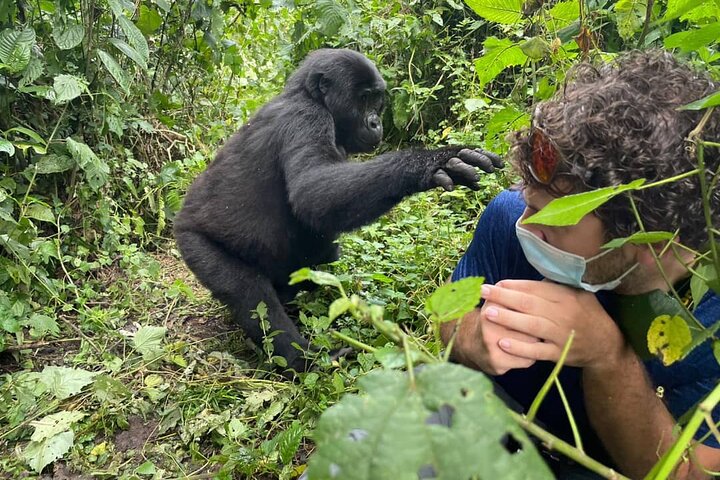
The Uganda Wildlife Authority’s introduction of low-season permit rates is a genuine and meaningful invitation, recognizing that this experience should be accessible to more travelers and that the forests of Bwindi are worth visiting in every season. With rates at USD 600 for foreign non-residents in April, May, and November, and with the new immediate-payment booking policy ensuring transparent and confirmed permit access, there has never been a better-structured moment to plan your Uganda gorilla safari.
At Rwenzori Trekking Safaris, we specialize in crafting personalized wildlife experiences in Uganda, built around the deep on-the-ground knowledge that only comes from years of guiding in these forests. Whether you are planning your first gorilla trek or returning for a habituation experience, whether you want a focused three-day gorilla itinerary or a comprehensive two-week Uganda safari, our team is ready to design an experience that matches precisely what you are looking for.
Reach out to us today through our contact page at rwenzoritrekkingsafaris.com. Tell us your preferred travel dates, your group size, your budget range, and anything specific you are hoping to experience. We will respond with a tailored proposal, confirmed permit availability, and the honest, expert advice that has made Rwenzori Trekking Safaris one of Uganda’s most trusted operators.
The forest is waiting. The gorillas are there. Let us take you to them.