Safety Measures for Hiking the Rwenzori Mountains | Complete Safety Guide
Safety Measures for Hiking the Rwenzori Mountains: Essential Guidelines for a Safe Trek. Stay safe while hiking the Rwenzori Mountains with this complete guide on preparation, gear, altitude safety, weather risks, and essential trekking precautions.
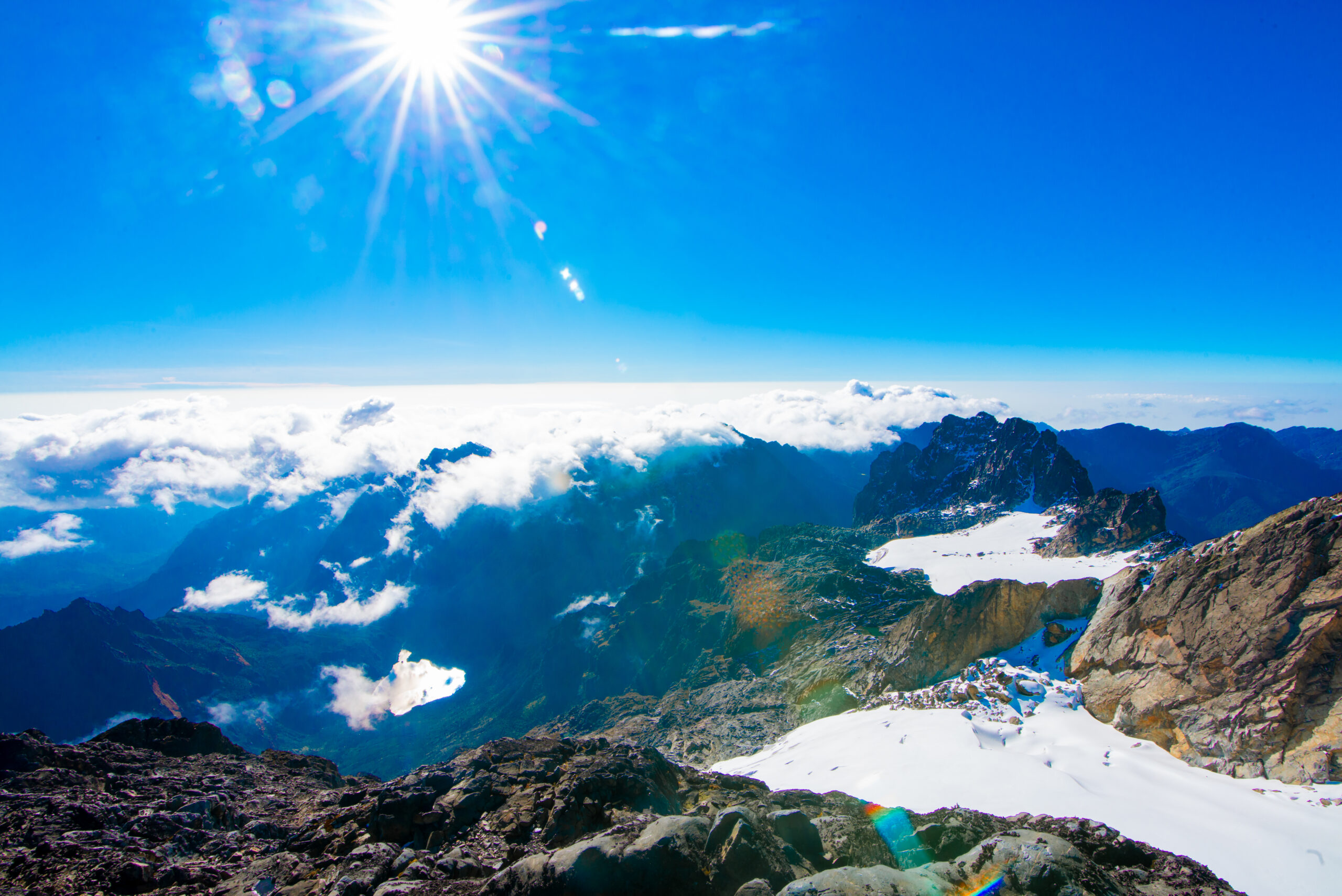
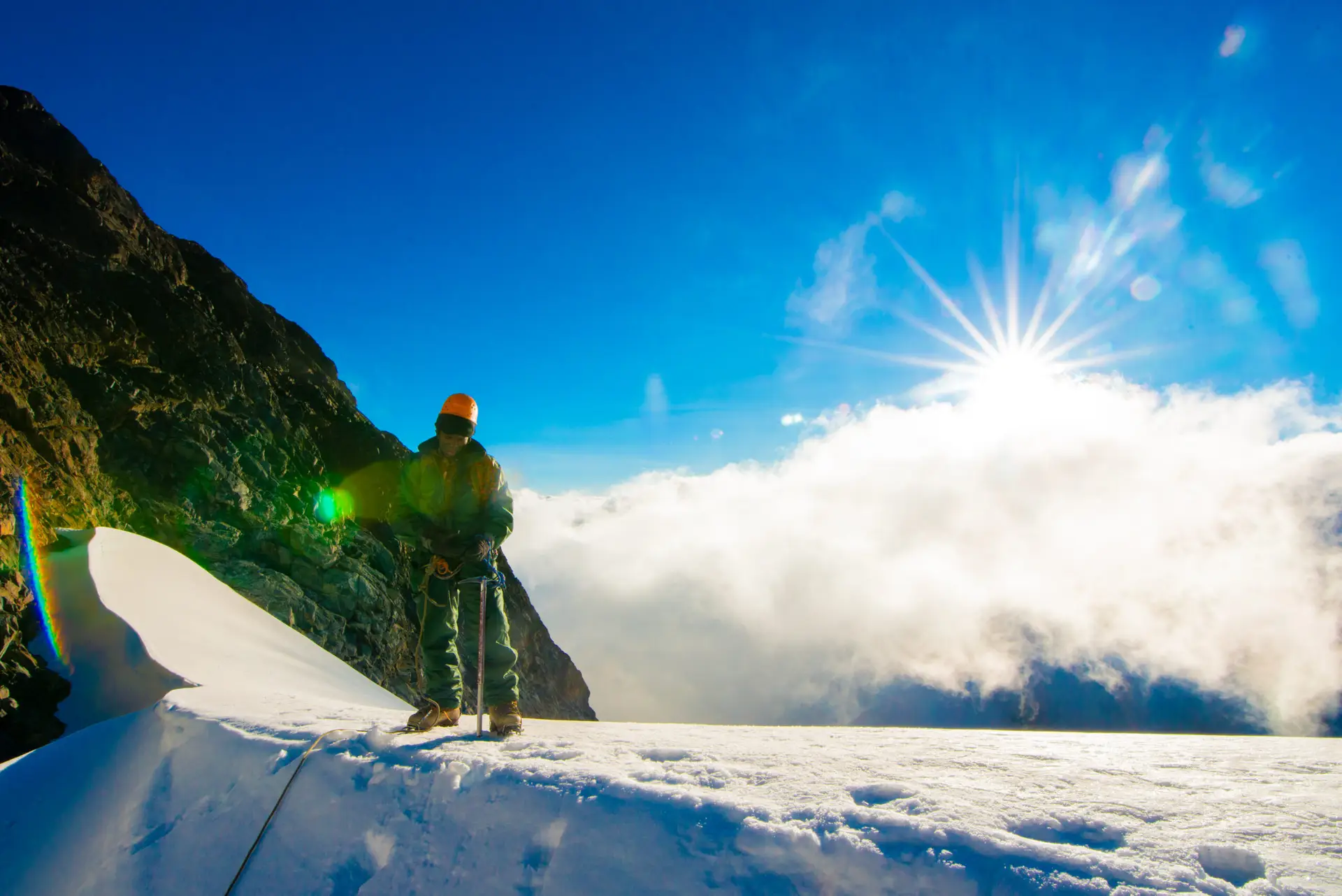
Safety on the Rwenzori Mountains isn’t a casual suggestion; it’s the backbone of a successful trek. The Rwenzoris are wild, wet, and unpredictable, a labyrinth of bogs, rocky ridges, high-altitude plateaus, and glacier-covered peaks. Unlike more predictable mountain systems like Mount Kilimanjaro, the Rwenzoris meet hikers with a cocktail of rapid weather shifts, steep elevation gains, extreme cold at higher altitudes, and terrain that can turn from stable to treacherous in minutes. That’s why a structured, disciplined approach to safety is essential.
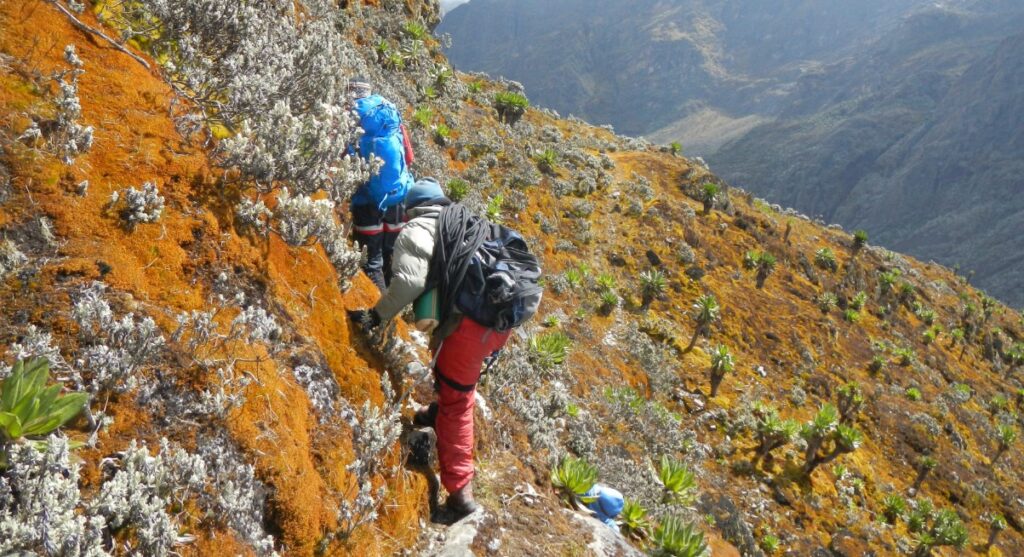
This topic matters because the Rwenzori Mountains are among Africa’s most technically demanding hiking environments. Many trekkers arrive expecting Kilimanjaro-like trails and instead confront ice-covered slopes, deep mud, constant moisture, and altitude changes that stress the unprepared. A solid understanding of safety measures helps hikers avoid common hazards like altitude sickness, hypothermia, slips on wet rocks, disorientation in fog, and dehydration in high zones.
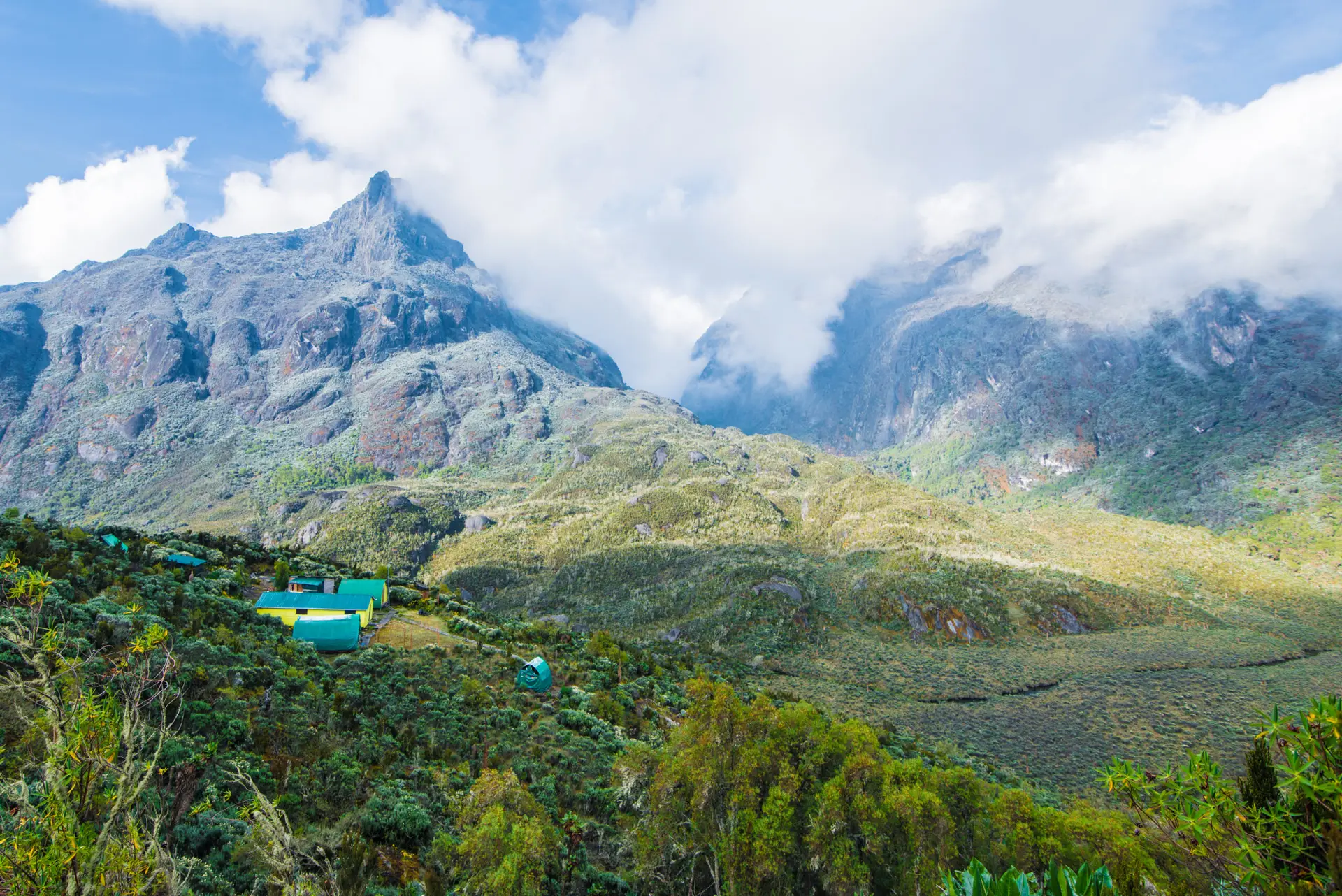
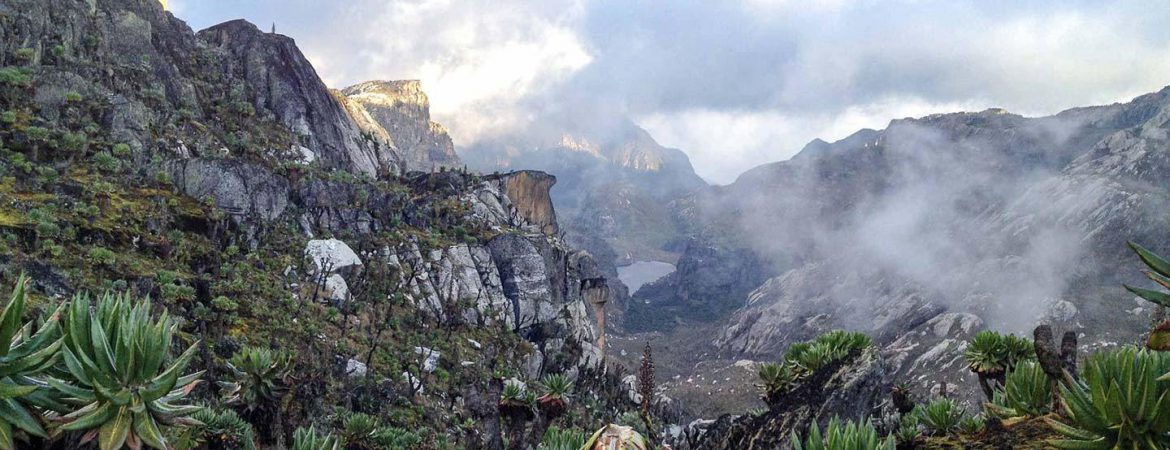
Hiking the Rwenzori Mountains, often called the Mountains of the Moon, is an adventure of a lifetime. The rugged terrain, breathtaking views, and diverse ecosystems offer a unique experience, but they also come with their set of challenges. To ensure a safe and enjoyable trek, it’s crucial to follow several safety measures before and during your hike.
Prepare thoroughly for the Rwenzori hike.
Before setting out, thorough preparation is essential. Start by researching the trails in the Rwenzori Mountains. Popular routes such as the Central Circuit and the Kilembe Trail vary in difficulty and offer different experiences. Understanding the specific trail you plan to take will help you prepare adequately for the journey ahead.
It’s also important to check current trail conditions. Conditions can change due to weather, maintenance, or other factors. Local trekking companies or park authorities can provide up-to-date information, helping you avoid unexpected issues on your hike.
Physical fitness is another critical aspect of preparation. The Rwenzori Mountains present a challenging environment with steep ascents and high altitudes. To build the stamina and strength needed, engage in regular cardio exercises, strength training, and practice hiking on similar terrain. If you’re not used to high altitudes, allow a few days to acclimate before your hike. Ascend gradually to help your body adjust and prevent altitude sickness.
Proper gear and equipment are vital for a successful hike. Dress in moisture-wicking, layered clothing that can adapt to varying temperatures. Start with a base layer that draws moisture away from your skin, add an insulating layer for warmth, and finish with a waterproof outer layer to protect against rain and wind. Avoid cotton, as it retains moisture and can make you cold. Sturdy, well-fitting hiking boots with good ankle support are essential, given the muddy, slippery, and uneven trails of the Rwenzori Mountains.
When packing, include a well-fitting backpack with essentials like a map and compass or GPS device, a first aid kit, a multi-tool or knife, and a headlamp or flashlight with extra batteries. Carry enough water to stay hydrated, as the Rwenzori Mountains have numerous rivers and streams, but you should purify the water to ensure it is safe to drink. High-energy snacks such as nuts, dried fruits, and energy bars will help keep your energy levels up during the hike.
Weather in the Rwenzori Mountains can be unpredictable. Check forecasts before your hike and be prepared for rapid changes. The region has a tropical climate with heavy rainfall and fog, so adjust your plans as needed.
Ensure you have the necessary permits to hike in the Rwenzori Mountains, including entry permits and park fees. These can usually be arranged through local authorities or trekking companies. Although it is possible to hike alone, hiring an experienced guide is highly recommended. Guides are familiar with the terrain, weather conditions, and safety protocols, which enhances both safety and enjoyment.
Safety During the Rwenzori Hike
As you embark on your hike, follow trail etiquette to ensure a safe and respectful experience. Stick to marked trails and follow trail signs to minimize environmental impact and avoid getting lost. The Rwenzori Mountains are home to diverse wildlife, so observe animals from a distance and avoid feeding or disturbing them.
Pace yourself throughout the hike. Begin with a comfortable pace and take breaks as needed. The challenging terrain and high altitude can be physically demanding, so listen to your body and avoid overexertion. Staying hydrated is crucial, so drink water regularly to prevent dehydration, which can lead to fatigue and altitude sickness.
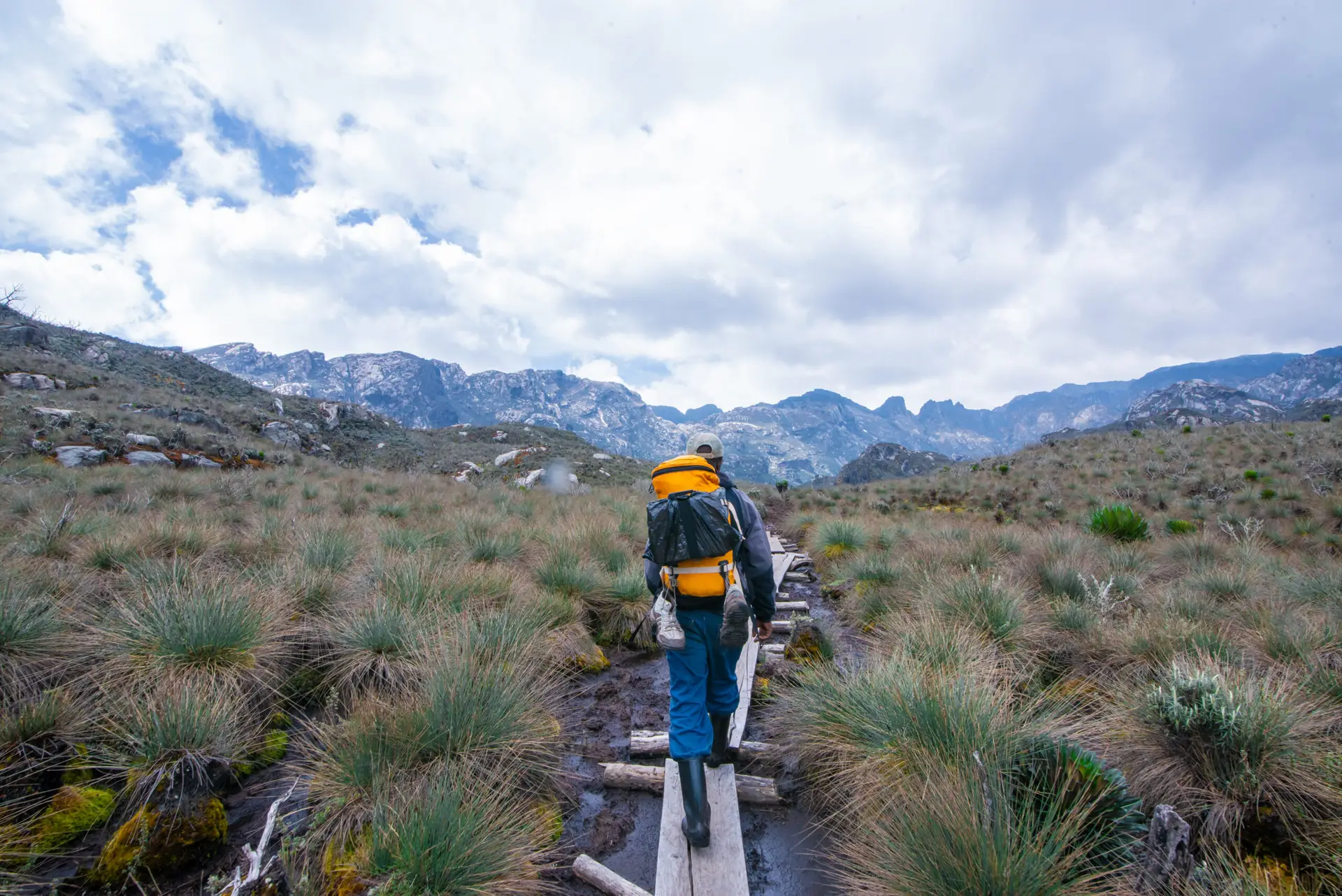
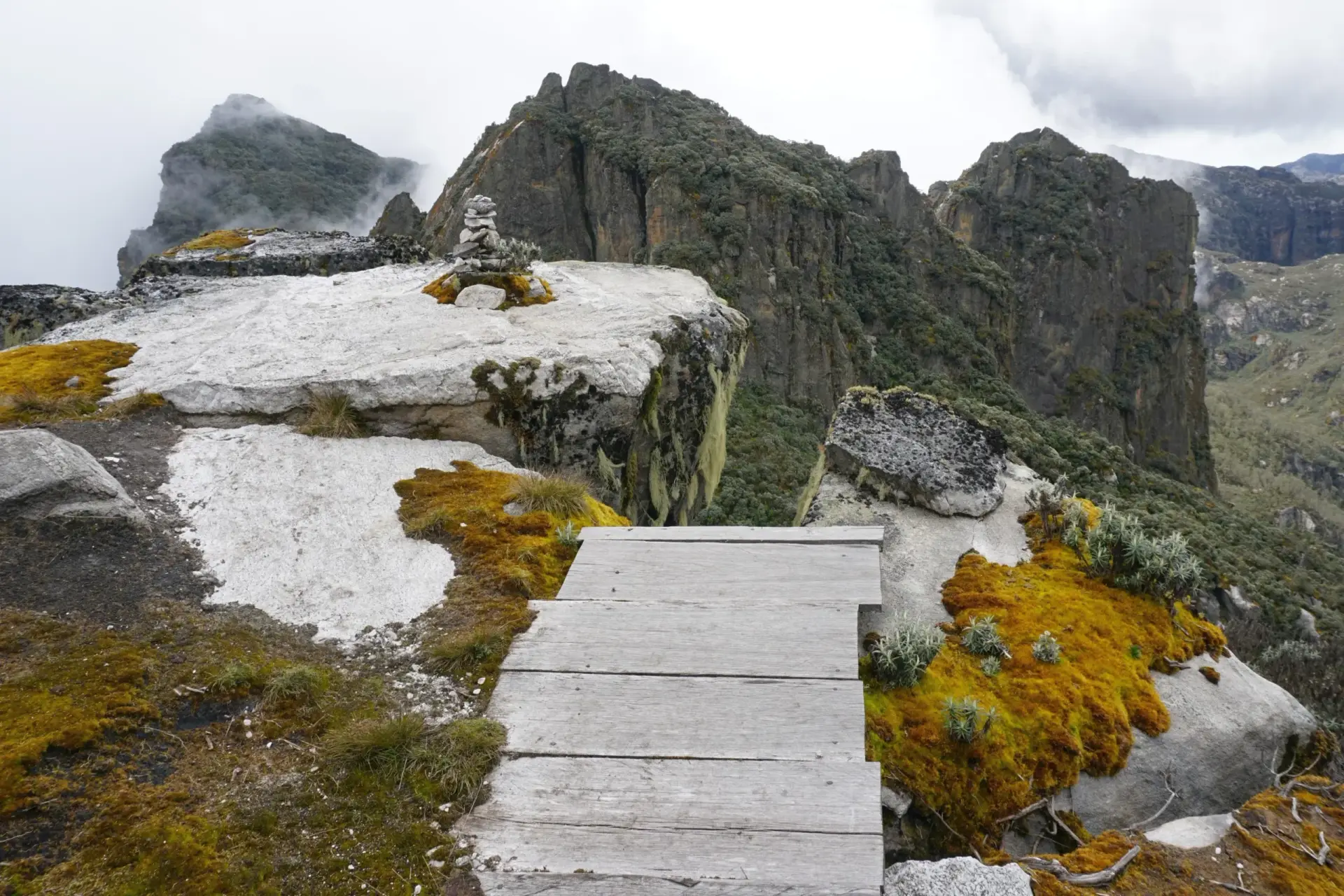
Be cautious of the terrain. The trails can be muddy, rocky, and uneven, so watch your step and be careful of slippery or unstable surfaces. Trekking poles can provide additional stability and balance. Hiking in a group or with a partner is safer than hiking alone, as it reduces the risk of getting lost or facing an emergency without immediate help.
Use navigation tools such as a map and compass or a GPS device to help with orientation. Familiarize yourself with the route and landmarks to avoid losing your way. Knowing the nearest safe points or exit routes is also important in case of an emergency. Your guide should be well-versed in these routes and can assist if needed.
Weather conditions in the Rwenzori Mountains can change rapidly. Be prepared for rain, fog, and cold temperatures. Adjust your clothing and gear accordingly to stay comfortable and dry. If the weather becomes severe, seek shelter in a tent or designated hut and avoid continuing the hike in extreme conditions.
Monitoring your health is essential. Watch for signs of altitude sickness, such as headaches, nausea, or dizziness. If symptoms persist or worsen, descend to a lower altitude and seek medical attention if necessary. Carry a basic first aid kit and know how to use its contents to treat minor injuries. For more serious injuries, seek help promptly.
Respecting local customs and regulations is also important. Adhere to park rules, including restrictions on campfires and wildlife interactions. Your guide can provide information about cultural norms and expectations to ensure a respectful and harmonious experience.
Safety After the Rwenzori Trek
Once your hike is complete, notify your guide or park authorities of your safe return. This confirms your safety and allows for any necessary follow-up. Providing feedback on your experience helps improve services and offers valuable insights for future hikers.
Reflecting on the safety measures you followed and considering areas for improvement can help in preparing for future hikes. This reflection enhances overall safety and ensures a more enjoyable experience in the future.
By following these detailed safety measures, you can significantly enhance your hiking experience in the Rwenzori Mountains. Proper preparation, awareness, and adherence to safety guidelines ensure a safe and memorable adventure in this beautiful and challenging environment.