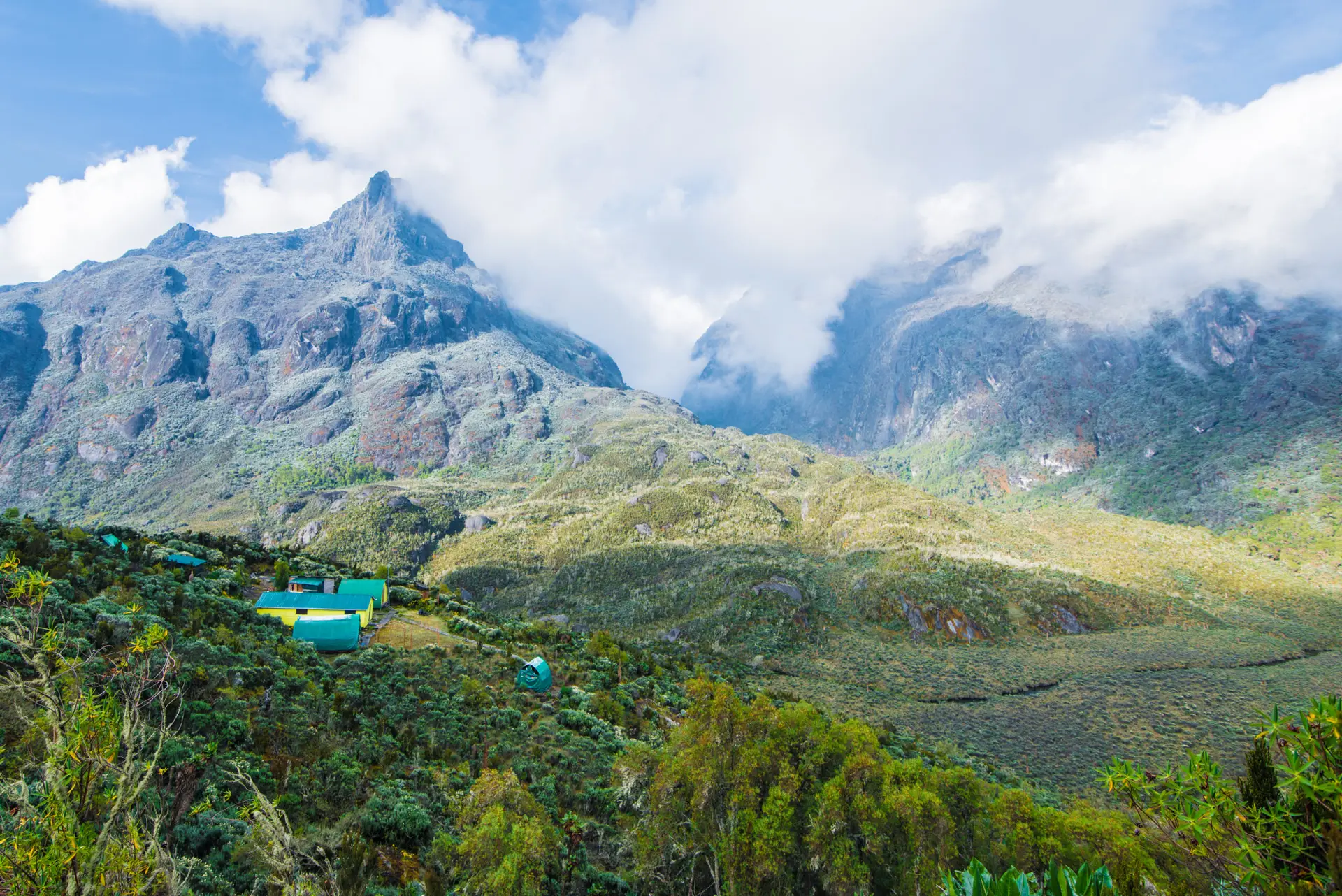
Rwenzori Trekking Services (RTS) runs the Kilembe Trail, which is the longest and most beautiful way to get into the Rwenzori Mountains. Its camping system is one of the best in all of East Africa’s alpine ranges. It has clean amenities, high-quality wooden huts, and great places for trekkers to get used to the altitude as they climb toward Mount Stanley, Mount Baker, Mount Speke, Weismann Peak, and other peaks.
The Rwenzori Mountains, sometimes called the “Mountains of the Moon,” are one of the most breathtaking and distinctive mountain ranges in all of Africa. Ascending to the glacier peaks, the Kilembe Trail takes hikers through verdant rainforests, swampy valleys, and alpine meadows, making it one of the most picturesque ways to see these mountains. Hikers can relax at a number of strategically placed camps along the Kilembe Trail.
The walk will be an unforgettable experience thanks to the simple but pleasant amenities offered by these camps, which include dormitory-style cabins with bunk beds, solar-powered lighting, and charging facilities.
This is the complete guide to every camp on the Kilembe Trail, with elevations, distances, vegetation zones, and trekking notes.
Sine Camp (2,596 meters ASL)
Sine Camp, situated on a ridgetop above the roaring Enock Falls, serves as a doorway to the upper montane forest. As one of the mountain’s most attractive campsites, it serves as the Kilembe Trail’s first overnight stop.
Sine Camp is at a similar elevation as Forest Camp but offers a unique experience. Climbing through moss-covered trees and massive ferns, the walk from Forest Camp to Sine Camp takes around 4-5 hours and creates a wonderful, jungle-like ambiance. Hikers ascend to cooler air and denser foliage.
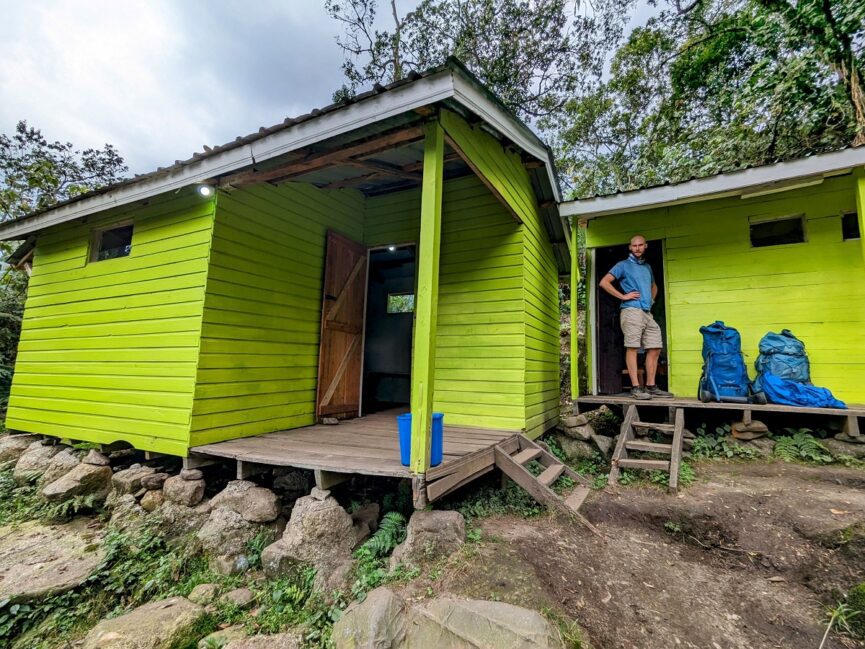
Sine Camp
The camp’s rooms contain bunk beds, allowing guests traveling alone or in groups to rest comfortably. The dorms are spacious, clean, and well-maintained, providing hikers with a comfortable place to sleep. The camp is lit up at night by solar lights, and hikers can use the charging stations to keep their electronics charged.
Sine Camp also boasts clean facilities and toilets. Trekkers can eat and relax after a tough day of trekking at the dining area, which is a simple shelter.
Kalalama Camp (3,147 meters)
The trek from Sine Camp to Kalalama Camp takes roughly four or five hours. This section of the trail crosses from the tropical forest into the bamboo zone, with occasional views of the nearby hills and valleys. As they rise, hikers will noticeably sense the air become cooler and thinner.
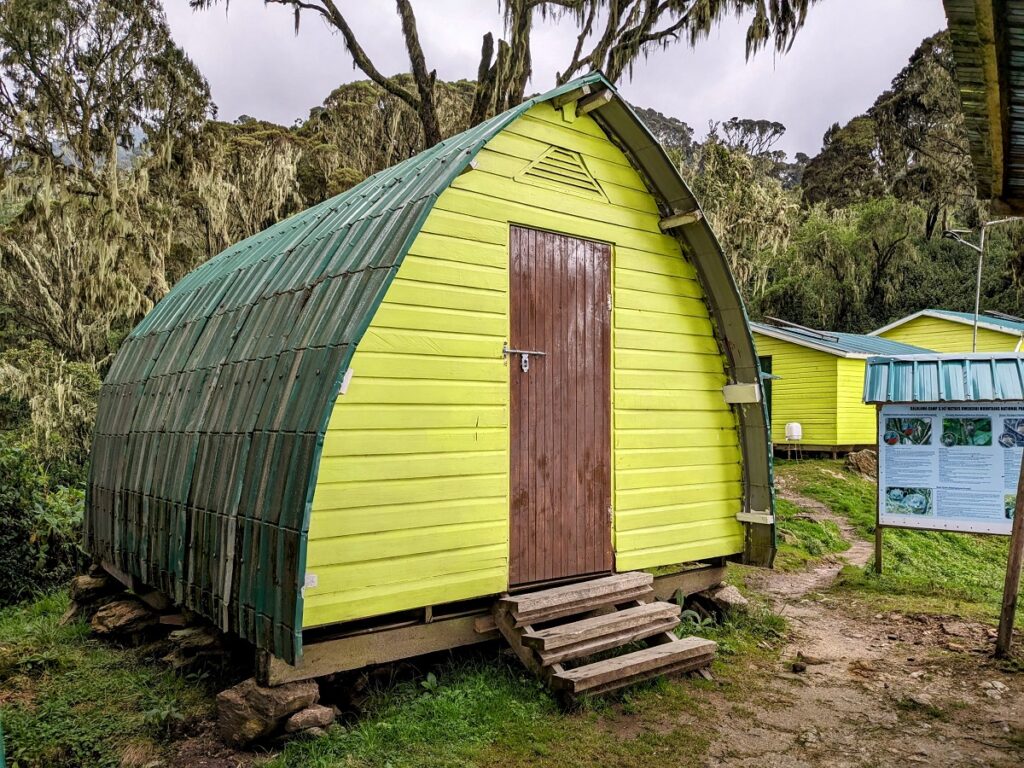
Kalalama Camp offers stunning views of the neighboring valleys from its ridgetop location. The camp is set up just like the others; visitors are housed in dorms with bunk beds. The accommodations are modest, but they are warm and offer protection from the misty, cold weather that is typical at this altitude. There are outlets for charging phones and other equipment, and solar-powered lights illuminate the camp’s evenings.
The camp has a shared dining area where hikers can eat together and share stories, as well as clean toilets and toilet facilities. Since the water is collected from nearby sources, it is advised to filter it before drinking. Hikers often take advantage of the chance to acclimate to the higher elevation while resting at Kalalama Camp.
Mutinda Camp (3,688 meters)
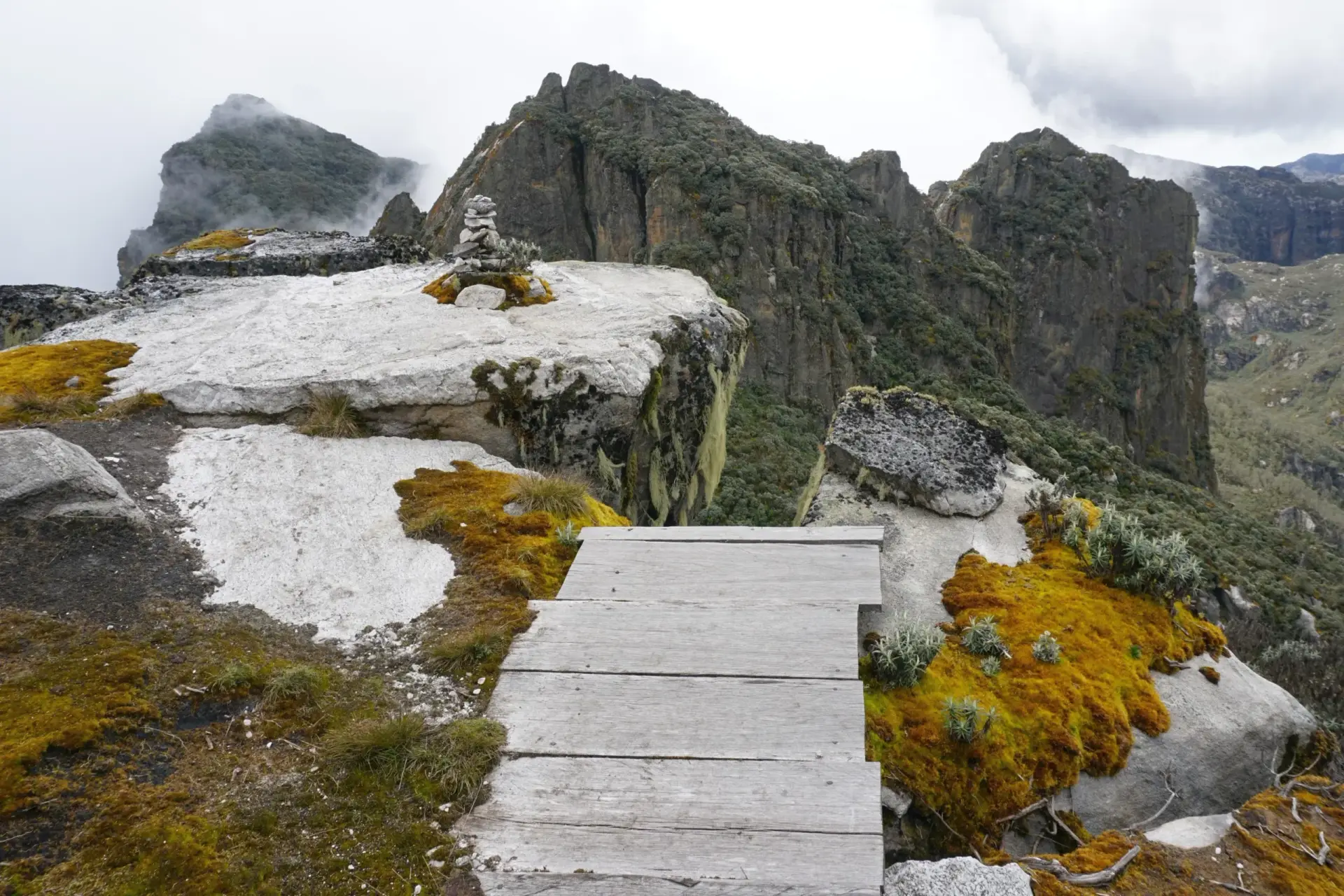
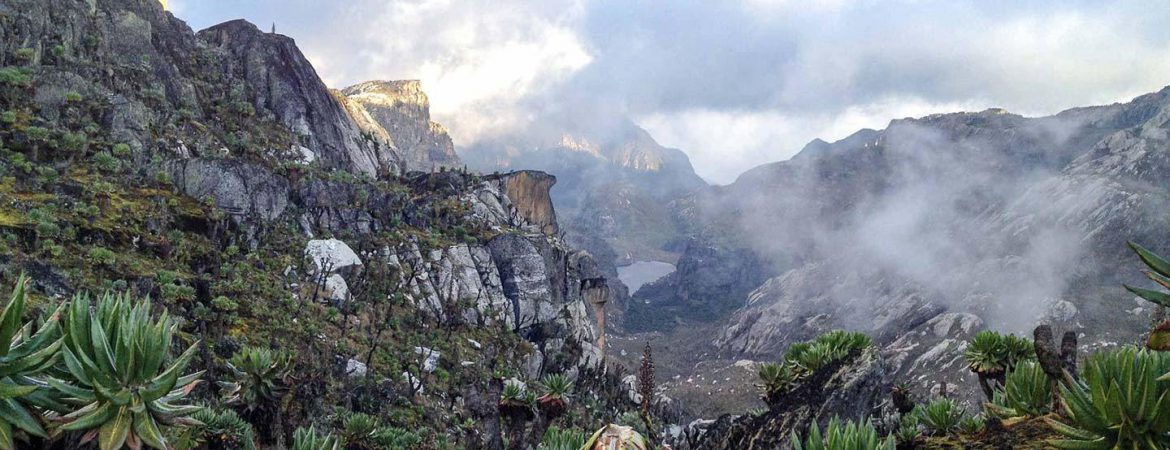
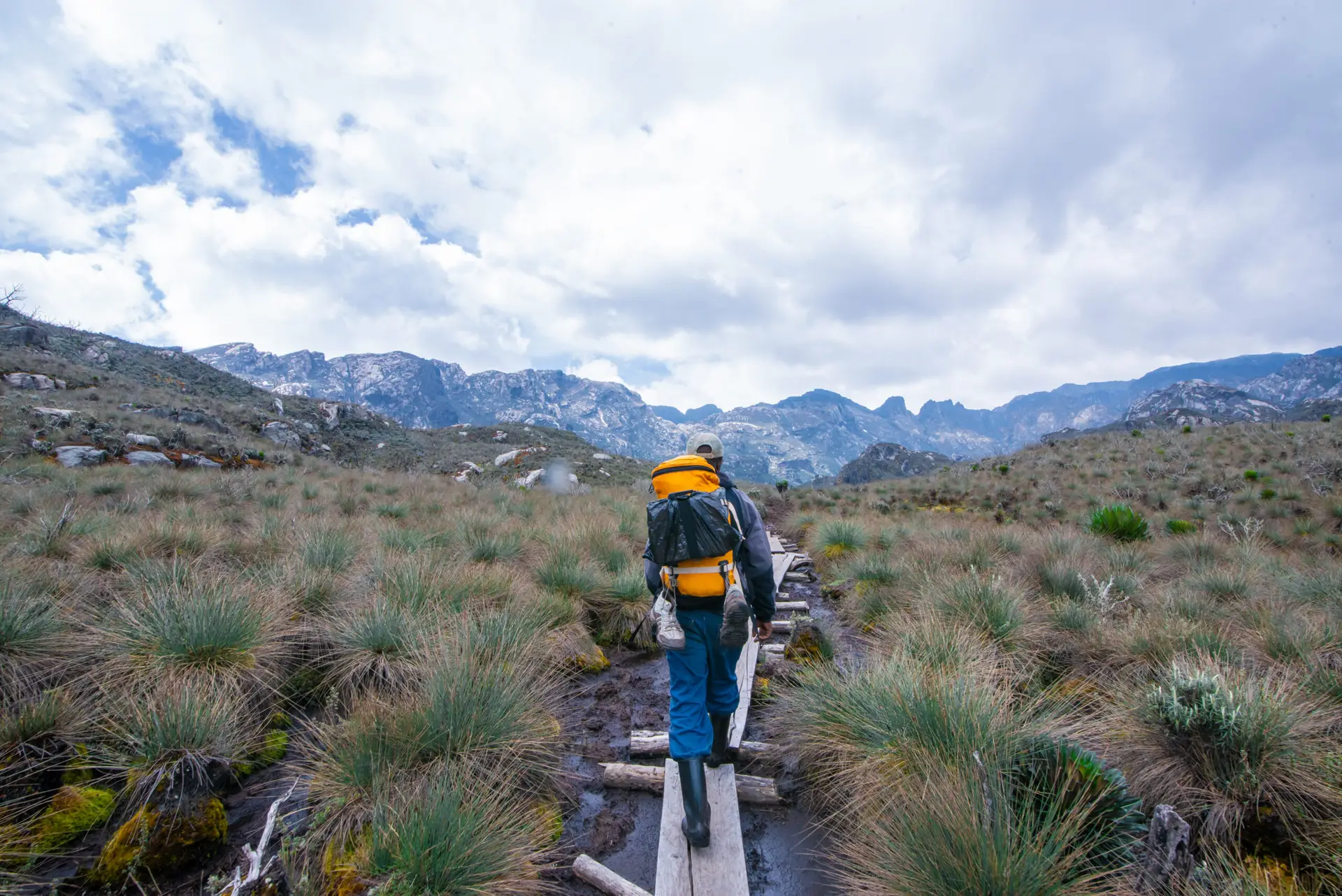
The 6- to 7-hour journey from Kalalama Camp to Mutinda Camp reveals magnificent alpine vegetation, including massive lobelias and groundsel plants. Wooden boardwalks have been installed in several areas of this section of the trail to help hikers get through the muck. The Mutinda Peaks, visible from the camp, inspired the camp’s name.
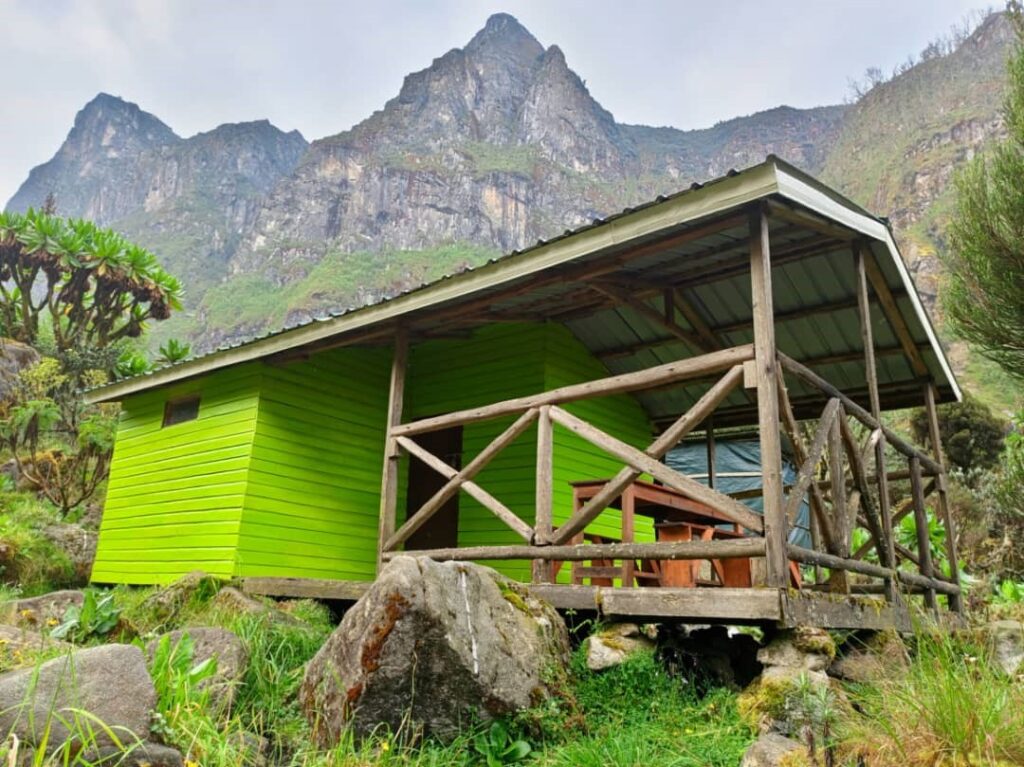
Mutinda Camp
The rocky rock formations and hardy alpine vegetation surround Mutinda Camp, creating an amazing alpine environment. The rooms at Mutinda Camp mimic the dorms at other campgrounds, allowing hikers to sleep in groups on bunk beds. The clean and comfortable lodgings are ideal for getting away from the cold mountain air. In the rooms and common areas, there are solar lighting and charging outlets for hikers’ electronic gadgets.
At Mutinda Camp, the showers and bathrooms are modern. Hikers can unwind in the communal dining area of the camp after a strenuous day of trekking. To help the hikers recharge, the guides and porters will typically prepare some hot, substantial meals.
Bugata Camp (4,062 meters)
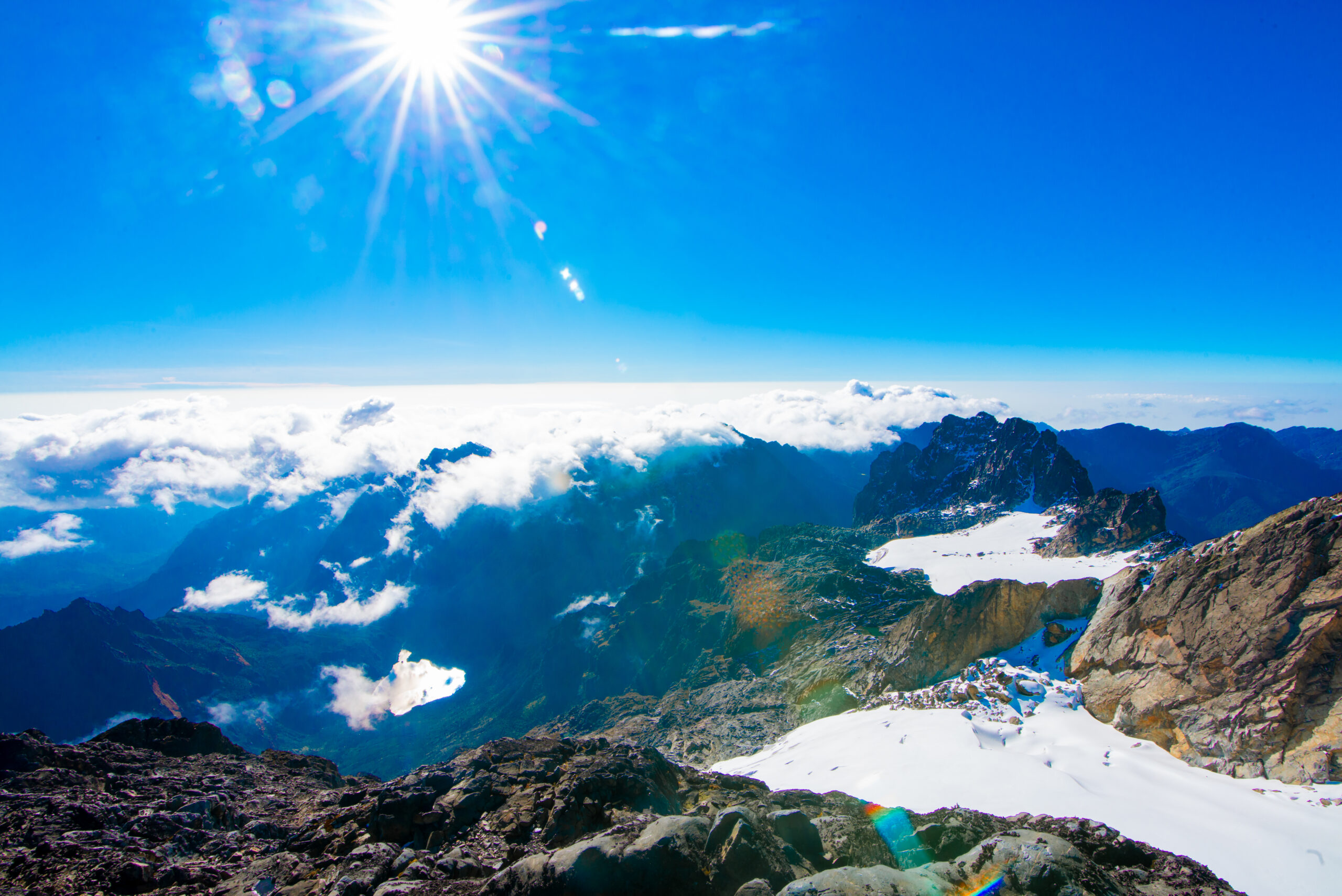
From Mutinda Camp, it is a challenging four- to five-hour climb to Bugata Camp, which is situated at one of the Kilembe Trail’s highest points. Hikers will traverse the alpine zone on this section of the trail, an area characterized by steep peaks and valleys and stunning vistas. The camp’s proximity to a string of alpine lakes enhances the breathtaking scenery.
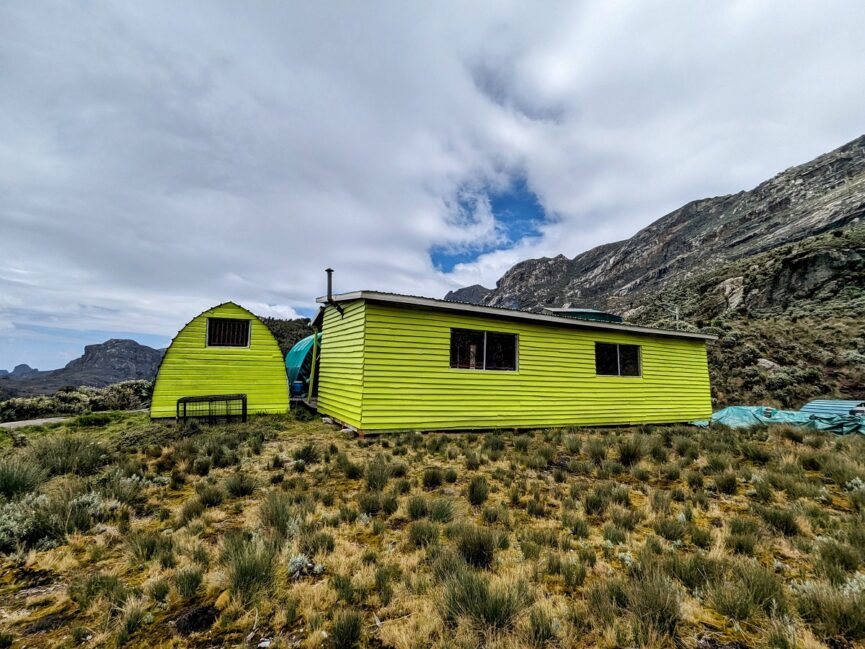
Bugata Camp
The bunk beds at Bugata Camp’s dormitory-style lodgings are ideal for families and groups of trekkers. Because of the cold air at such a high elevation, the rooms are insulated. Solar-powered lights illuminate the night, and hikers have access to charging stations.
Hikers can unwind and enjoy their meals at the campsite, which also features a dining area and hygienic restrooms. Visitors to Bugata Camp can enjoy stunning panoramas of the surrounding area and the Rwenzori Mountains when the weather is fine.
Hunwick’s Camp (3,974 meters)
The next stop after Bugata Camp is Hunwick’s Camp, which is named after the famous mountaineer and Rwenzori explorer Phil Hunwick. Along the Kilembe Trail, you’ll see some of the most spectacular panoramas on your four- to five-hour hike to Hunwick’s Camp, including views of Mount Stanley and Mount Baker.

Hunwick’s Camp
Hunwick’s Camp provides hikers with breathtaking views of the surrounding mountains and valleys from its ridgetop location. Hostels at the camp are communal and have bunk beds in each room. Just like the other campgrounds, this one has solar lights and charging outlets for hikers’ gadgets.
The camp has modern facilities for personal hygiene and sanitation. As they have their meals, hikers can gather in the common eating room to share stories. Despite its remote location, Hunwick’s Camp is well-maintained and provides a warm and welcoming haven for hikers to rest and recharge before continuing their journey.
Margherita Camp (4,485 meters)
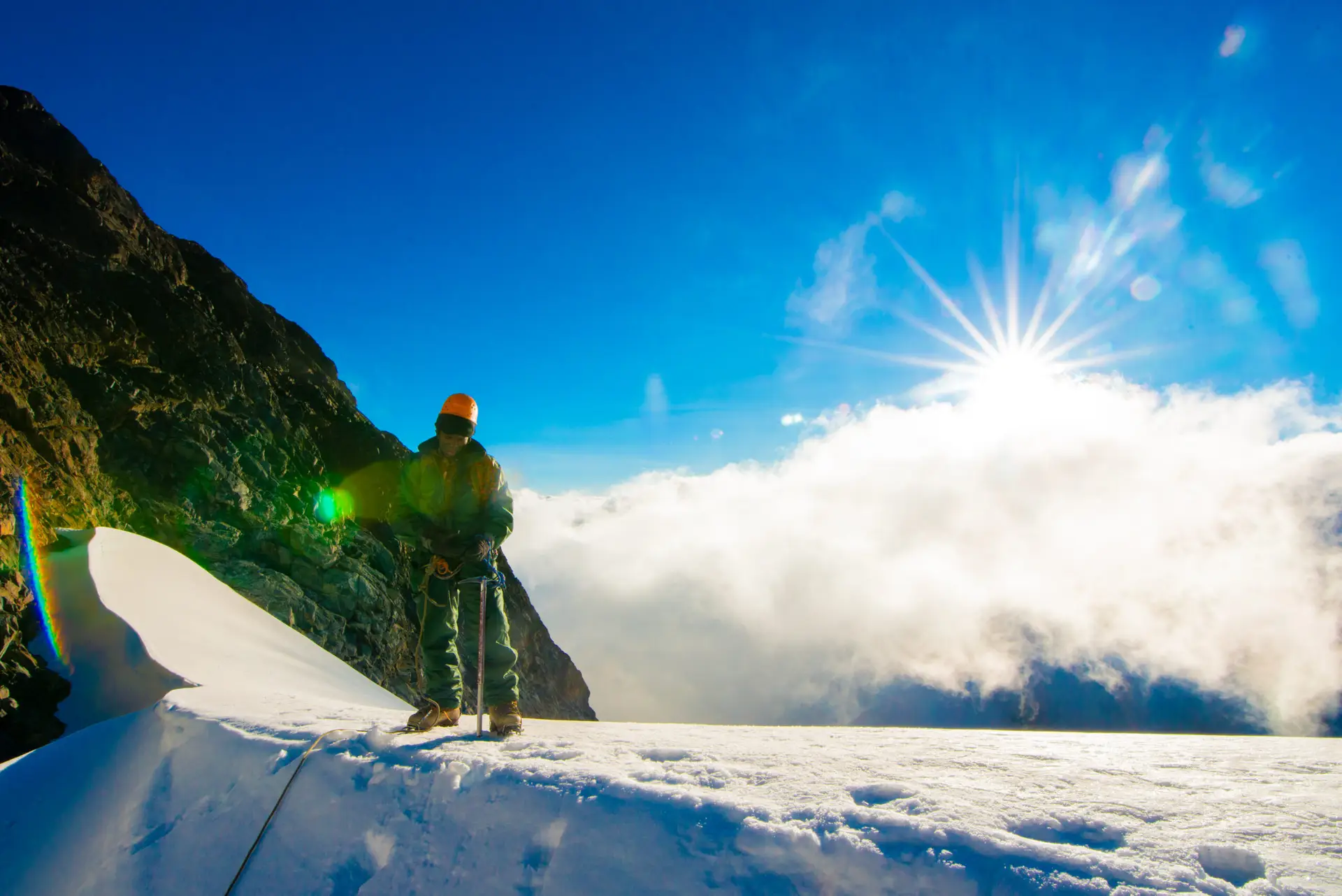
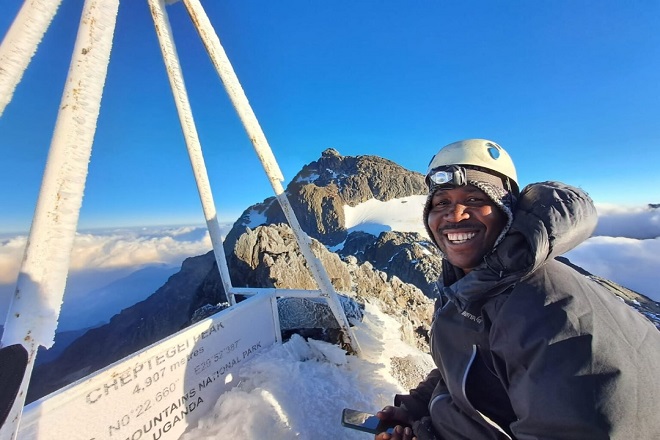
Hikers attempting to reach the peak of Margherita, which is the highest point in the Rwenzori Mountains, utilize the Kilembe Trail’s Margherita Camp as their starting point. It takes around 4–5 hours to hike from Hunwick’s Camp to Margherita Camp, and you’ll be hiking through some of the trail’s most difficult and harsh terrain. Situated at the base of Mount Stanley’s glaciers, the camp provides a favorable starting point for ascents.
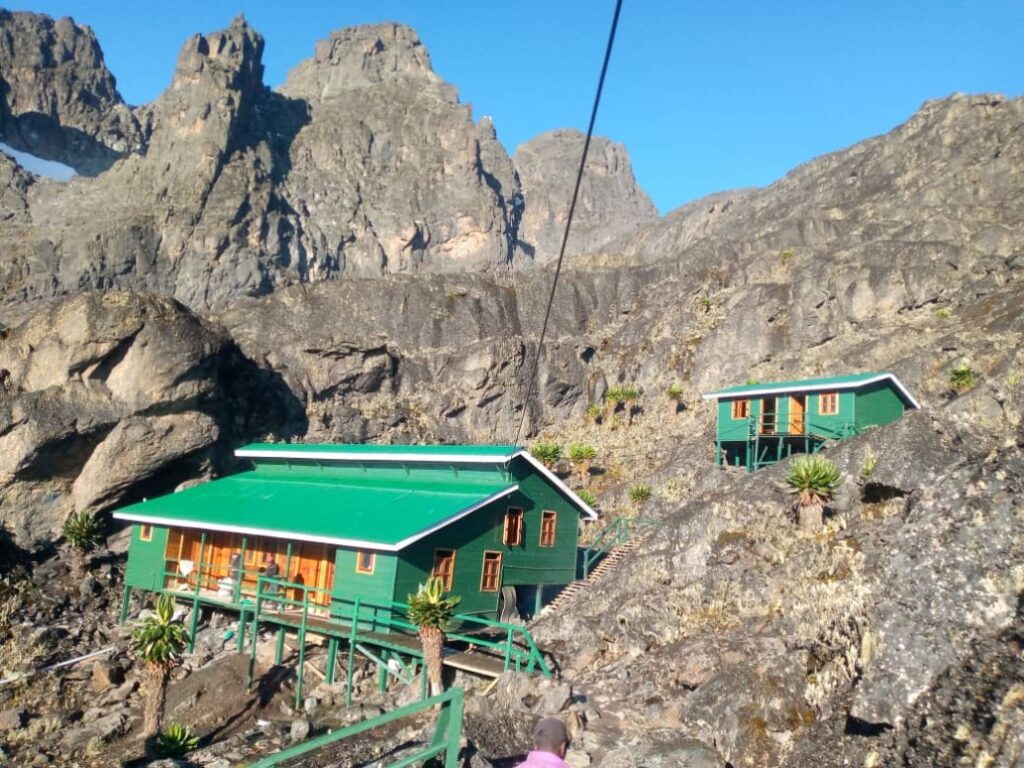
Magheritah Camp
Margherita Camp is a basic but necessary high-altitude shelter that offers trekkers dormitory-style lodging. The communal arrangement of the bunk beds provides warmth and shelter from the cold and weather. Even though the cold and high altitude might reduce their efficacy, solar-powered lighting keeps the camp lit up at night, and there are outlets for charging electronics.
There are minimal washing facilities and clean restrooms at the site. As a precaution against the effects of the high altitude, hikers should hydrate well and get plenty of sleep. Margherita Camp’s shared dining area is a wonderful place for climbers to refuel before setting out for the summit.
Kiharo Camp (3,460 meters)
After descending from Margherita Camp, trekkers often spend the night at Kiharo Camp, which is located in a beautiful valley surrounded by towering cliffs and lush vegetation. The trail from Hunwick’s Camp to Kiharo Camp takes about 6-7 hours and passes through some of the most scenic parts of the Rwenzori Mountains.
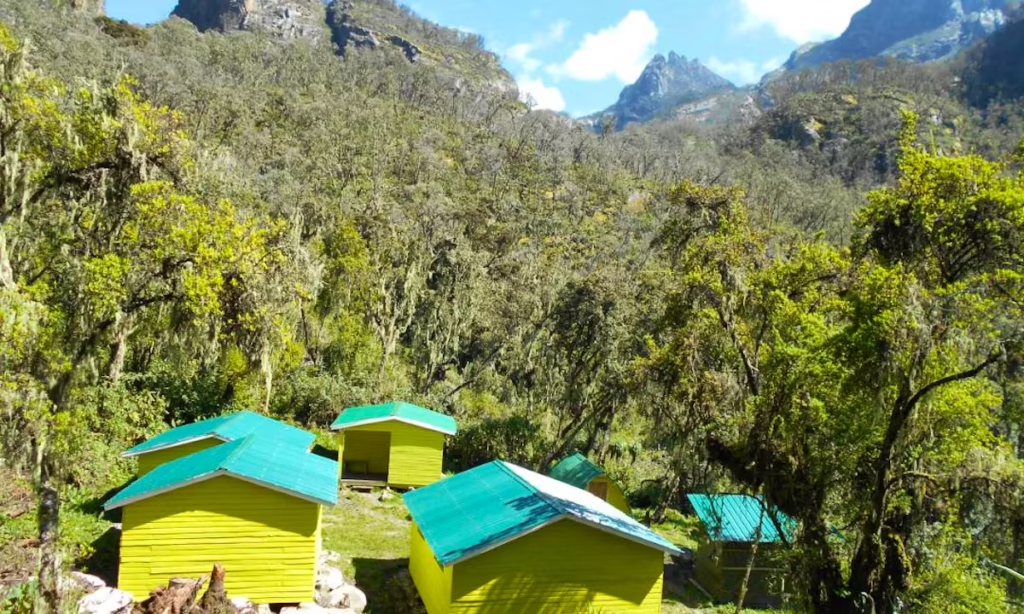
Kiharo Camp
Kiharo Camp is set in a picturesque location, with dormitory-style accommodation that includes bunk beds for groups of hikers. The rooms are spacious and clean, with solar-powered lighting and charging facilities available. The camp has modern toilets and washrooms, as well as a communal dining area where hikers can relax and enjoy their meals.
The surrounding landscape at Kiharo Camp is lush and green, providing a peaceful environment for trekkers to unwind after a long day on the trail. The camp is well-maintained, and the staff ensures that trekkers have a comfortable stay.