Solo Trekking the Rwenzori Mountains: What You Need to Know.
Solo trekking the Rwenzori? Guides are legally required, but your independence is fully intact. This definitive guide for independent trekkers covers everything from legal requirements and group departures to solo female safety and the psychology of going alone on a solo Rwenzori expedition.
Every year, a particular kind of traveller lands at Entebbe International Airport with a specific plan: solo. They have spent months researching the Rwenzori Mountains in the evenings after work. They have read the expedition accounts, studied the elevation profiles, and pulled up satellite images of the Stanley Plateau at three in the morning. They arrive with an independent spirit that has served them well on long trails across other continents, and they want to bring that same self-reliance to Africa’s Mountains of the Moon. That ambition is admirable, and it is entirely achievable. However, it requires a clear understanding of what “solo trekking the Rwenzori” actually means in practice, as it does not have the same meaning as it does on the Appalachian Trail or even on the well-trodden paths of Nepal’s Annapurna Circuit.
The Rwenzori is not a mountain you navigate alone. It is a mountain you experience independently, on your own timeline, answering to no one else’s itinerary or pace while being guided and supported by a professional team who knows every metre of these trails intimately. The distinction matters enormously, and anyone who arrives at the Rwenzori trailhead expecting a truly unaccompanied experience is going to be surprised and arguably endangered by what they find. This guide exists to give every solo trekker a completely honest picture of what is required, what is possible, what it will cost, how to make the most of the experience as an individual traveller, and why Rwenzori’s compulsory guiding structure is not a bureaucratic inconvenience but a genuine safety architecture built on decades of hard-earned mountain experience.
Whether you are a seasoned mountaineer researching the technical demands of Margherita Peak at 5,109 metres, a solo female adventurer assessing the safety landscape, or simply someone who has always trekked alone and wonders how the Rwenzori fits that model, this guide will answer your questions without flinching.
Can You Trek the Rwenzori Mountains Alone? The Honest Answer
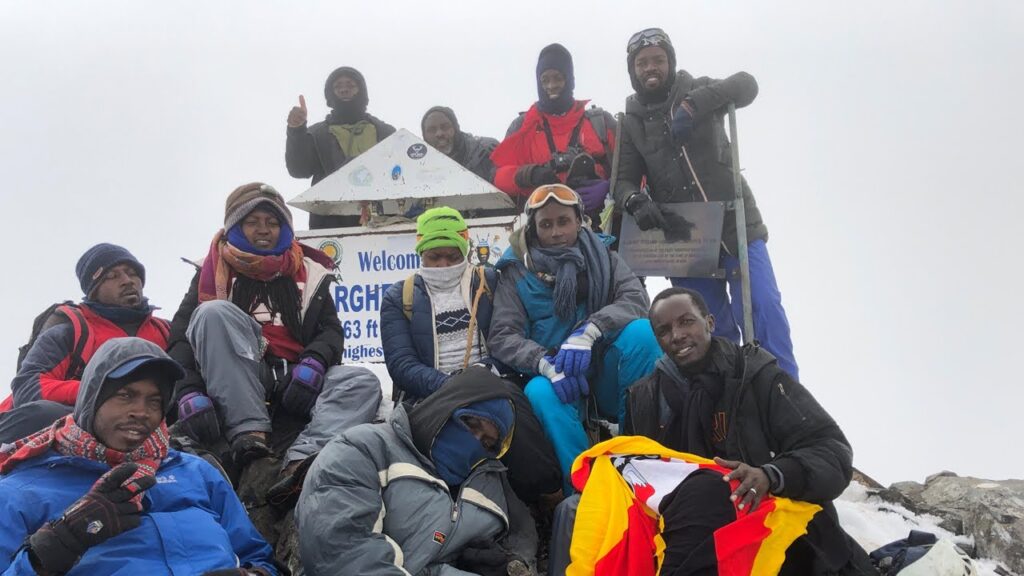
The short answer is that you can trek the Rwenzori as a solo individual, but you cannot do it without a licensed guide. This is not a matter of operator policy or commercial preference. It is a legal requirement enforced by the Uganda Wildlife Authority, which administers the Rwenzori Mountains National Park, a UNESCO World Heritage Site. No trekker is permitted to enter the mountain’s protected zone without an assigned guide from a licensed operator, regardless of their experience, nationality, prior mountaineering credentials, or personal preference. Trying to do so is illegal and dangerous, as we will explain.
This compulsory guiding requirement is not unique to the Rwenzori among Africa’s significant mountain ranges. Gorilla trekking in the Bwindi Impenetrable Forest has similar rules for similar reasons: these are very delicate and complex ecosystems that are recognised as World Heritage sites, and the guiding requirement helps with conservation, safety, and community development all at once. The Bakonjo guides who lead Rwenzori expeditions are not a commercial addition to your experience. They are the experience’s knowledge base, its safety net, its logistical spine, and its deepest source of contextual understanding.
What the Legal Requirement Actually Means for Solo Trekkers
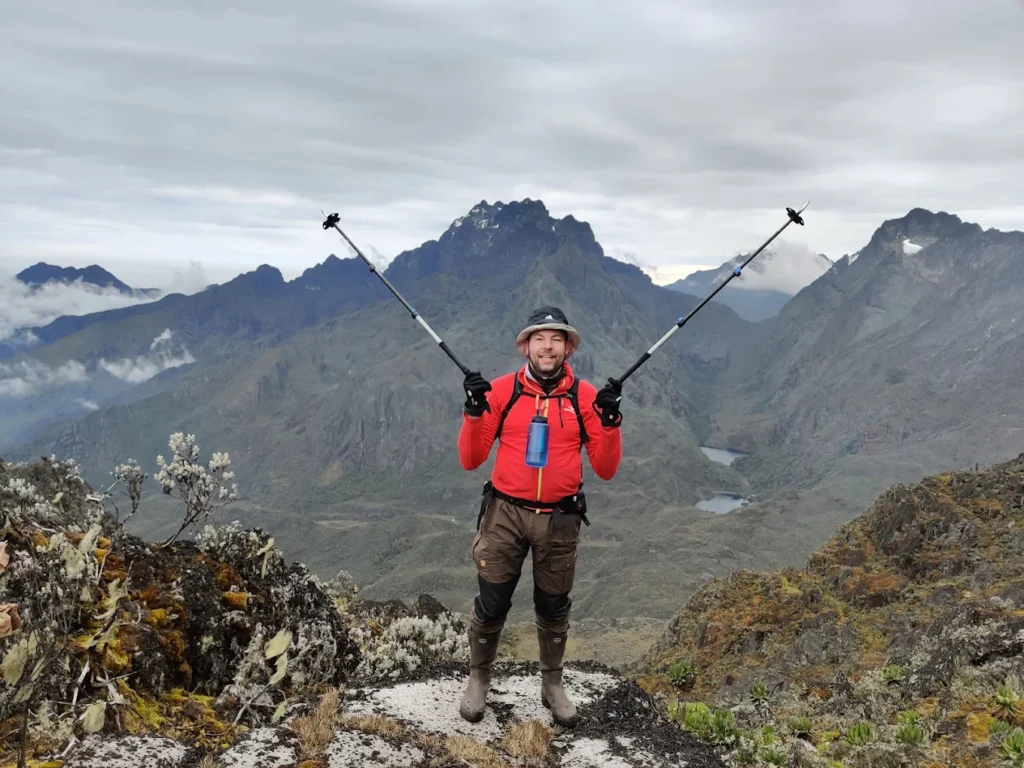
For the solo trekker, the compulsory guide requirement reshapes the planning process in one fundamental way: you are booking with an operator, not planning a self-supported route. But this does not mean you are surrendering your independence. What it means, practically, is that you arrive as an individual client with full control over your itinerary selection, your pace preferences, your daily schedule within camp, and all the personal decisions that define how you experience a mountain. You choose which route you want to walk: the Central Circuit Trail, the Kilembe Trail, the shorter Mahoma Loop, or one of the more ambitious multi-peak options. You set the pace that suits your body. You choose whether to speak or walk in reflective silence. Your guide is there to read the mountain and keep you safe, not to manage your experience for a group’s benefit.
The difference from a fully independent trek is that you are sharing the trail with your guide and porter team rather than walking it alone. For most solo trekkers, this relationship quickly stops feeling like a constraint and starts feeling like exactly what it is: the company of people who know this mountain the way you know your neighbourhood and who have a genuine and non-negotiable investment in your safe return.
Why Self-Guided Trekking on the Rwenzori Is Not a Viable Option: Even for Experts.
There is a certain kind of highly experienced mountaineer who arrives at this question with credentials that genuinely command respect: Himalayan summits, technical alpine routes, and years of wilderness navigation. Their instinct is to ask why, exactly, their experience does not qualify them to navigate the Rwenzori independently. It is a fair question, and it deserves a full answer rather than a regulatory brush-off.
Navigation: The Trail Reality Above 3,000 Metres
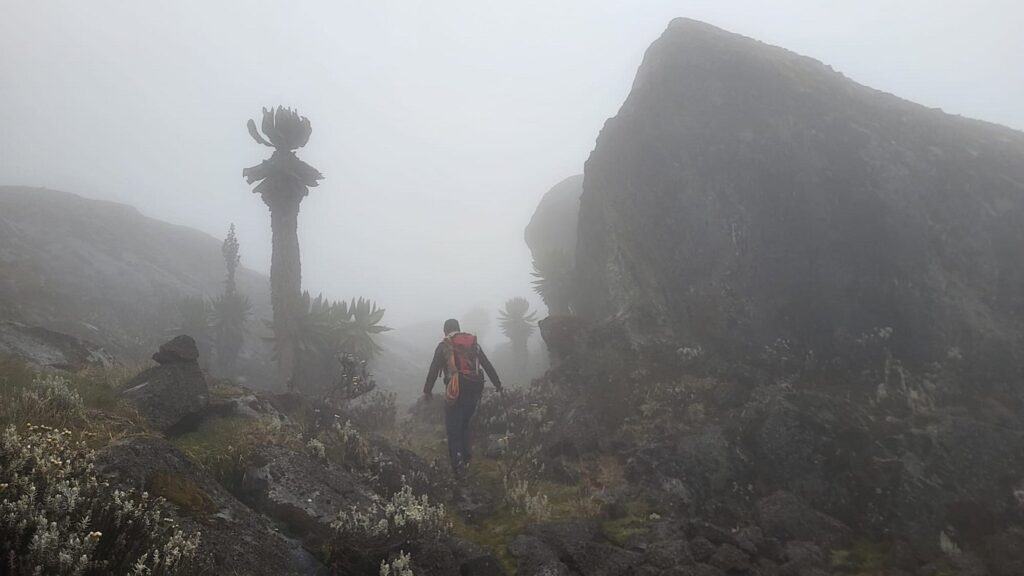
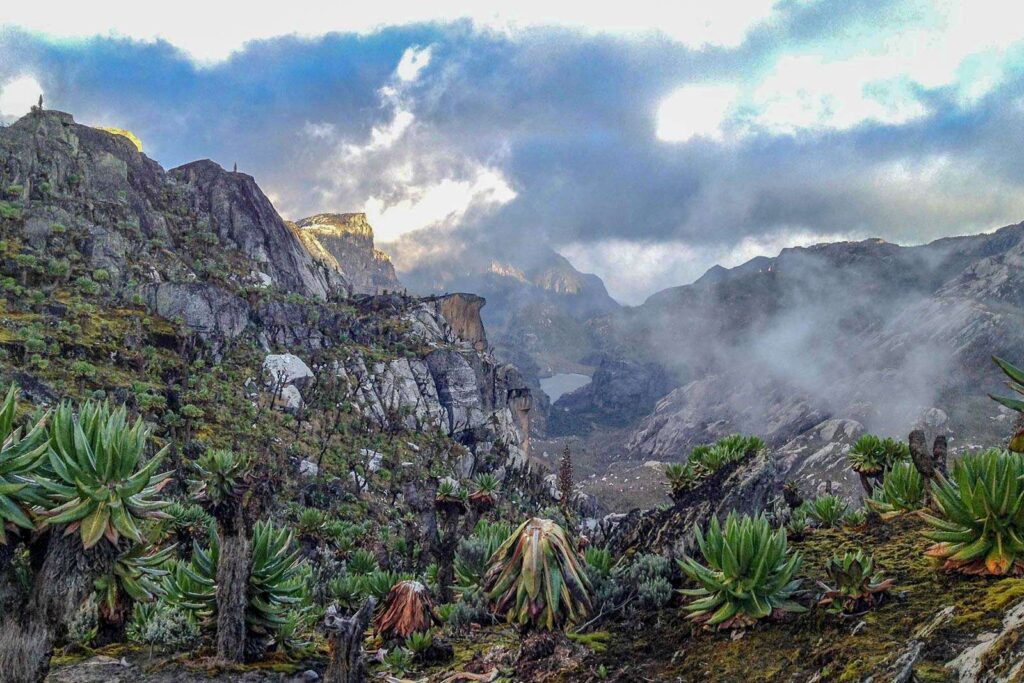
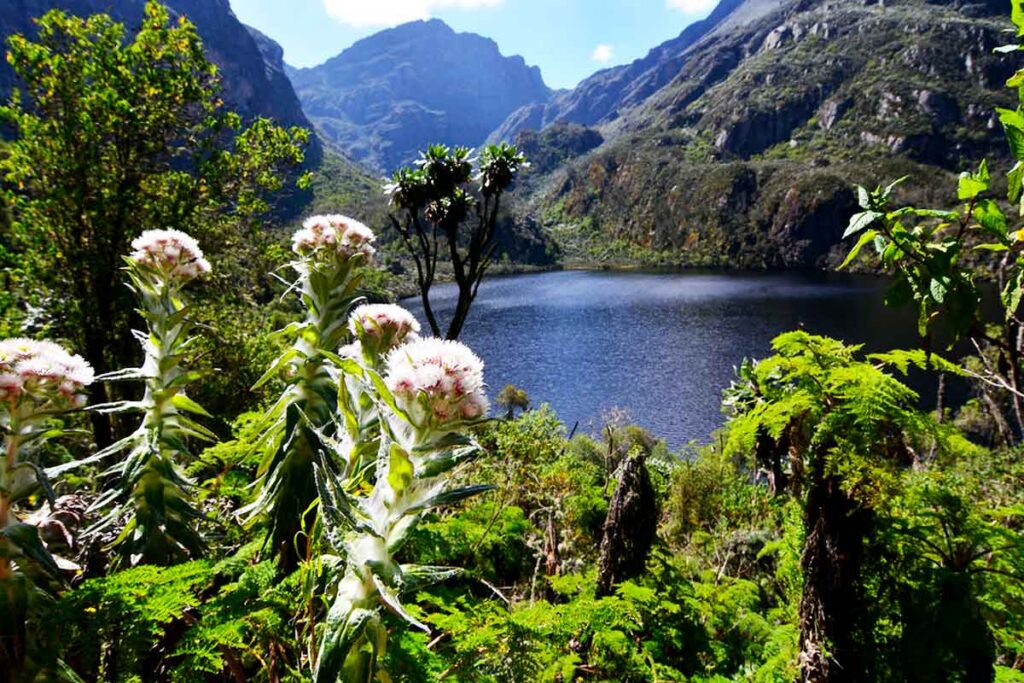
The Rwenzori’s trail network is genuinely difficult to navigate without intimate prior knowledge, and it becomes progressively more so with altitude. Below 2,500 metres, the forest trails are reasonably discernible, even in poor conditions. Above that elevation, in the bamboo and heather zone, the path frequently narrows to a single-file track through vegetation so dense it closes over the trail within minutes of footfall. Above 3,500 metres in the Afro-alpine zone, the extraordinary landscape of giant groundsels and lobelias is one of the mountain’s defining features. The trail markers are sparse, the terrain is a continuous bog of hummocks and pools where the trail surface is essentially indistinguishable from the surrounding vegetation, and a GPS device is only as useful as the operator’s ability to interpret the physical terrain it represents.
The Rwenzori generates weather with extraordinary speed. Clouds descend from clear skies in under twenty minutes at altitude, reducing visibility to a matter of meters and rendering landscape navigation effectively impossible without prior knowledge of the specific terrain. Our guides do not navigate by GPS or map in these conditions. They use their memory of a trail they’ve walked many times, knowledge of the next landmark even when it’s hidden, and an understanding of the mountain’s weather, which takes years of experience to learn. No map application on a smartphone replicates this experience.
The Ecological Fragility Argument
The Rwenzori Mountains National Park is a UNESCO World Heritage Site precisely because of the extreme ecological fragility of its upper vegetation zones. The giant lobelias and groundsels of the Afro-alpine Belt are slow-growing to a degree that is genuinely difficult to internalise: an individual plant that stands two meters tall may have been growing for a century. A single step off the established trail path can destroy decades of growth. The compulsory guide requirement is partly a conservation mechanism ensuring that every trekker stays on established paths under the supervision of someone who understands the consequences of deviation. This is not performative conservation. It is the actual management framework that has allowed the Rwenzori’s extraordinary botanical heritage to survive the growth in mountain tourism over the past three decades.
Altitude and Medical Emergency Response
Perhaps the most compelling practical argument against unguided trekking on the Rwenzori is the altitude emergency scenario. The mountain’s remoteness, combined with its chronic low cloud cover and the extreme technical difficulty of evacuation from the upper mountain, means that a solo trekker who develops serious altitude illness above Elena Hut at 4,541 metres is in a situation with very few viable options. Our guides carry pulse oximeters, emergency oxygen, and first-response medications. They carry hyperbaric chambers on certain expedition configurations. They have satellite communication devices and established evacuation protocols built on personal relationships with the rescue resources of the Uganda Wildlife Authority. A solo trekker without these tools and without the guide’s authority to make and enforce descent decisions is not merely inconvenienced by the absence of support; they are genuinely at risk of their life in a deteriorating altitude scenario. The acclimatisation guide covers this in full medical depth; the short version is that high-altitude cerebral oedema and high-altitude pulmonary oedema are both potentially fatal within hours of symptom onset, and neither condition allows the victim to accurately self-assess their own impairment
What Solo Trekking the Rwenzori Actually Looks Like in Practice.
Once the compulsory guide requirement is fully accepted not as a limitation but as the framework within which your Rwenzori solo experience happens, the picture of what solo trekking this mountain looks like becomes much more appealing. Many trekkers who initially resent the guiding requirement for their Rwenzori expedition describe their relationship with the guide as one of the most genuinely enriching aspects of the entire experience by the end of their trip.
Your Own Pace, Your Own Itinerary
As a solo trekker booking through Rwenzori Trekking Safaris, you are not being placed into a pre-packaged group product with fixed timings designed around the lowest common denominator of a large and diverse group. You work with us to design an itinerary that reflects your specific abilities, experience, and ambitions. If you have prior altitude experience and want to discuss a more aggressive ascent schedule, we have that conversation and build it into your plan. If you are a first-time high-altitude trekker who wants to take the approach days cautiously and build in rest days at Bujuku or Elena, we plan around that. We offer a full range of Rwenzori trekking itineraries, but we tailor the actual schedule to your preferences.
On the trail, your guide will walk at the pace you set rather than the other way around. You want to stop for thirty minutes to photograph the giant groundsels in the mist at Scott Elliot Pass? Stop. You want to push through to camp without stopping on a particular day because you are feeling strong and the weather window is good? Your guide will read your physicality and the mountain’s conditions and make that work. The flexibility that solo trekkers value, the ability to respond to mood, energy, and the mountain’s own rhythms without coordinating with a group, is genuinely available to you on the Rwenzori.
The Guide and Porter Relationship: More Than a Service
The relationship that develops between a solo trekker and their Rwenzori guide over seven to thirteen days in the mountain’s extraordinary environment is something that consistently surprises people who arrive expecting a purely transactional arrangement. The Bakonjo, who constitute the Rwenzori guide and porter community, have lived in the mountains’ shadow and economy for generations. Their knowledge of the mountain is not information; it is inheritance. A senior Rwenzori guide can identify the call of the handsome francolin before it is visible in the undergrowth, can read the morning cloud formation above the Stanley Glacier for summit day weather, and can tell you the Lukonzo name and medicinal history of the giant lobelia you are eating lunch beside. That depth of contextual knowledge is not available in any guidebook.
This relationship is deeper for solo trekkers than for groups because you are the only client. Conversations happen naturally and at length. You learn about the mountain through the eyes of someone for whom it is home. Many of our solo clients return to their countries describing the guide relationship as the aspect of the Rwenzori they recommend most fervently to others considering the same trip. It is the element that makes the Rwenzori experience different from every other mountain they have climbed.
Understanding Solo Trekking Costs on the Rwenzori
The cost of trekking the Rwenzori as a solo trekker is one of the first practical questions anyone asks, and it deserves a direct answer. In summary, solo trekking is pricier per person than group trekking, and the reasons for this cost structure are clear and worth understanding.
Why Solo Costs More Than Group Trekking
The Rwenzori’s cost structure is dominated by fixed components: Uganda Wildlife Authority park fees, which are levied per person per day regardless of group size; guide fees, which are charged per team rather than per group member but which in a solo booking are borne entirely by you; porter fees, which scale with the number of porters required (a solo trekker requires fewer porters than a large group but still requires a minimum team for safety and load management); and accommodation at the mountain huts, which on the Kilembe and Central Circuit routes are charged per person per night. Dividing these costs among eight, ten, or twelve trekkers in a group booking significantly reduces the per-person figure. A single individual bears the costs, revealing the mathematics of the mountain immediately.
For a solo trekker targeting Margherita Peak on the Central Circuit or the Kilembe Trail, the all-in cost, including park fees, guide and porter wages, hut accommodation, meals, and operator service, typically ranges from around $1,300 upward depending on the route, duration, and specific itinerary configuration. More extended itineraries such as the 13-Day Six-Peaks Expedition will be commensurately higher. The specifics of what is included in a quoted price and what is not, such as international flights, visa fees, pre-mountaineer accommodations, personal gear, and tips, are worth discussing in detail when you contact us for a personalised quote. Our comprehensive guide to Rwenzori trekking costs provides the detailed breakdown you need for budget planning.
Joining a Group Departure: The Cost-Smart Solo Option
The most practical cost-reduction strategy for solo trekkers on the Rwenzori is joining one of our scheduled group departures. These departures bring together individual trekkers who have booked independently but whose schedules align, allowing the fixed costs of the mountain to be shared across multiple people while each individual retains their status as a solo booking. You are not locked into a stranger’s pace or compromised itinerary; the group departures are built around routes and timelines that work for a range of individual trekkers with compatible experience levels.
The social dynamic of a group departure is frequently one of its most valued features for solo trekkers. People who book Rwenzori treks as individuals are overwhelmingly a particular kind of person: independent-minded, curious, experienced in travel, and with a depth of motivation for undertaking a genuinely demanding mountain expedition that tends to make for excellent conversation at camp in the evenings. Anecdotal evidence consistently shows that friendships formed on group departures in the Rwenzori are among the most durable in travel contexts. You are, after all, sharing something genuinely uncommon: the crossing of Scott Elliot Pass in pre-dawn mist, the first sight of the Stanley Glacier at elevation, and the particular quality of silence that exists at 4,500 metres above the African rift valley. These experiences create bonds quickly.
To join a group departure, simply indicate your preferred dates and route when you contact our team, and we will match you with the most suitable scheduled departure. You can also check our available routes and dates to see which departures are coming up.
Budgeting Beyond the Trek Fee
The mountain fee is the largest single item in a Rwenzori solo trekking budget, but it is not the only significant one. Trekkers flying internationally to Uganda will need to factor in flights to Entebbe, a Uganda tourist visa, transportation from Kampala or Entebbe to Kasese (the nearest town to the Rwenzori trailheads), pre- and post-trek accommodation, and personal mountaineering gear if you do not already own it (crampons and ice axes are required for the summit zone and can sometimes be rented locally, though quality varies) and tips for guide and porter teams, which are both customary and important given that guide and porter wages represent a significant part of the local economy. The complete guide to getting to the Rwenzori walks through the Kampala-to-trailhead logistics in detail.
Which Rwenzori Route Is Right for a Solo Trekker?
Route selection for a solo trekker involves the same variables it does for any Rwenzori expedition duration, altitude ambition, technical demand, and the kind of landscape you most want to experience but with one additional consideration: the solo trekker has complete freedom to choose the route that genuinely best fits their individual profile rather than the route that accommodates a diverse group. That freedom is worth using thoughtfully.
The Central Circuit Trail: The Classic Solo Experience
The Central Circuit Trail is the Rwenzori’s benchmark route and the one that provides the broadest experience of everything the mountain offers within the tightest timeframe. In seven days, or eight if you include a rest and acclimatisation day at Bujuku, the trek takes you through all five of the Rwenzori’s vegetation zones, past the shores of Lake Bujuku, over Scott Elliot Pass, to Elena Hut at 4,541 metres, and up the Stanley Glacier to Margherita Peak at 5,109 m, if conditions and your acclimatisation allow. For solo trekkers targeting the summit on their first Rwenzori expedition, the Central Circuit is the most commonly chosen route, and it remains our strongest general recommendation.
What makes the Central Circuit particularly well-suited to solo trekkers is the density and variety of experience it packs into each day. You are rarely walking the same landscape twice. The change from thick mountain forest to bamboo area to high-altitude wetlands to glacier path offers a constant variety of new surroundings that keeps solo hikers interested and allows for real moments of discovery, even on tough days.
The Kilembe Trail: Superior Acclimatization and Southern Scenery
The Kilembe Trail approaches the Rwenzori from the south, beginning near the old copper mining town of Kilembe, and offering a different character entirely from the Central Circuit. Its main benefit for solo hikers aiming for Margherita is that it helps them adjust to the altitude better: the typical eight-day plan includes a day at Mutinda Lookout, where hikers climb to about 4,000 meters and then sleep at a lower camp, allowing their bodies to get used to the altitude before heading to the higher mountain. The Kilembe Trail often better serves trekkers who found altitude adjustment challenging on previous high-altitude trips than the Central Circuit, purely because of this structural advantage.
The Kilembe Trail also provides access to some of the Rwenzori’s most spectacular and least-visited scenery, including the high ridgelines and valley systems of the mountain’s southern flank that see fewer trekkers than the Central Circuit. The Kilembe Trail’s relative quietness is a genuine attribute for solo trekkers who value remoteness and space and have chosen to visit the Rwenzori partly because it is not Kilimanjaro. The 4-Day Mutinda Loop via the Kilembe Trail is also one of the best short-format options for solo trekkers testing their altitude response before committing to a full summit itinerary.
The Mahoma Loop: The Perfect Solo Introduction
The Mahoma Loop is the ideal entry point for solo trekkers who are new to the Rwenzori and want to experience the mountain before committing to a full summit expedition, as well as for those with limited time seeking a superb three-day wilderness experience. Beginning at the Mihunga gate, it winds through heather woodland and bamboo forest to Lake Mahoma, a crater lake surrounded by some of the Rwenzori’s most beautiful lower-mountain scenery, before looping back to the trailhead. The altitudes, which remained well below 3,000 meters, mean that altitude sickness is not a significant concern, making the trek a genuinely accessible experience for solo trekkers of all fitness backgrounds.
Many of our most enthusiastic returning clients, people who came back for the Central Circuit or Kilembe Trail after an initial Mahoma Loop, describe that first short solo expedition as having set the hook. The Rwenzori has a quality of air in its forest and heather zones that is unlike any other mountain in Africa, and the Mahoma Loop delivers that atmosphere completely within a manageable timeframe.
Multi-Peak Expeditions: The Ultimate Solo Challenge
For experienced solo mountaineers who want the most comprehensive possible Rwenzori experience, the 13-Day Six-Peaks Expedition covering Mount Stanley, Mount Speke, Mount Baker, Mount Emin, Mount Gessi, and Mount Luigi di Savoia is a genuinely transformative undertaking. Extended solo expeditions of this length build the kind of immersive, continuous relationship with a mountain that shorter treks can only approximate. By Day 8 of a thirteen-day solo expedition on the Rwenzori, your guide knows your movement patterns and your body’s altitude signals better than your regular training partners do. The mountain has become familiar in its details while remaining magnificent in its scale. This is the experience that turns a trekker into a Rwenzori devotee.
Meeting Other Trekkers on the Trail: The Social Reality of the Rwenzori
One of the practical questions solo trekkers ask most often is whether they will encounter other hikers on the trail or whether the Rwenzori will feel like a shared human experience or a genuinely solitary one. The answer depends on several variables, primarily the route you choose and the time of year you travel.
The Rwenzori is not Kilimanjaro in terms of visitor volume. Annual trekker numbers on the Rwenzori are a fraction of what the major Kilimanjaro routes see, which is both one of the mountain’s greatest appeals and a meaningful factor in the social texture of the experience. During the main trekking seasons, the relatively drier months from December through March and June through September, you will encounter other trekking parties at the established huts and camps along the Central Circuit and Kilembe Trail. These encounters are typically warm and easy: people drawn to the Rwenzori are self-selecting for a particular kind of adventurous independence, and shared camp evenings among people who have spent the day navigating the same bogs and marvelling at the same botanical impossibilities tend to generate good conversation naturally. The huts at Nyabitaba, John Matte, and Bujuku on the Central Circuit are small enough that the community of any given evening is intimate rather than transactional.
During the shoulder seasons or in periods of lower traffic, you may go entire days without seeing another trekking party, particularly on the Kilembe Trail’s less-frequented southern approach. For solo trekkers who genuinely crave that quality of solitude and who have chosen the Rwenzori partly because it offers a legitimate wilderness experience without the managed tourist traffic of more popular African mountains, the shoulder seasons offer something genuinely rare. Discuss timing preferences with our team when you plan; we know the mountain’s traffic patterns well and can advise on which periods offer the solitude-to-reliability balance that suits your priorities.
Solo Female Trekking on the Rwenzori: Safety, Experience, and What to Expect
Solo female trekkers represent a significant and growing proportion of independent travellers who book Rwenzori expeditions through us. A direct and comprehensive answer is needed to address what the experience is like for a woman travelling alone on this mountain in the broader Ugandan travel context, as the information available online is often vague and unhelpful.
Safety on the Mountain
The Rwenzori National Park is, in the experience of our guides and the consistent feedback of our clients, one of the safest mountain environments in East Africa for solo female trekkers. The reasons are structural. A licensed guide accompanies every trekker at all times, ensuring you are never alone in the park’s interior. The guide team is professionally trained and accreditation-required, which means every guide working on our expeditions has been vetted by both the Uganda Wildlife Authority and our own company standards. The mountain’s visiting trekker community is small and composed almost entirely of people who have invested significant money and effort to be there for legitimate mountaineering reasons. The mix of having professional guides and a group of visitors who are serious about trekking makes the area very safe compared to other wilderness trekking places around the world.
The physical environment of the mountain, the cold, the mud, the altitude, and the demanding terrain are excellent social levellers. On the Rwenzori, above 3,500 meters, nobody has the energy or inclination to do anything except manage their bodies’ responses to altitude and appreciate the extraordinary landscape. In our experience, the social environment in the huts and camps is always collegial and inclusive.
Cultural Context in the Surrounding Communities
The Bakonjo communities of the Rwenzori foothills, Kasese, Nyakalengija, and Kilembe are accustomed to international trekkers of all backgrounds and have a long relationship with foreign visitors to the mountain. Decades of tourism-driven interaction shape the specific communities around the mountain, fostering a broadly respectful Ugandan culture toward visitors. Solo female travellers should, as they would anywhere in the world, dress modestly when moving through town areas, be straightforward in communication with guides and operators (the language barrier is minimal; English is Uganda’s official language and widely spoken in the trekking community), and exercise the same situational awareness they would in any unfamiliar travel context.
In the mountain itself, these considerations do not apply. You are in the park’s interior under guide supervision, and the environment is the mountain rather than the town. When you book, it is important to openly discuss the practical considerations of solo female travel, such as comfortable accommodation with privacy, appropriate toilet facilities at altitude, and an understanding of cultural expectations. We work with female trekkers regularly and can address every specific concern with detailed, firsthand-experience-based information rather than generalised reassurance.
Connecting With Other Solo Female Trekkers
One practical option worth knowing about for solo female trekkers who want the cost savings of shared-cost trekking without compromising their sense of independent experience is requesting, when booking, to be matched with other solo female travellers for a group departure. This is a service we can facilitate: we know the booking profiles of our upcoming group departures and can often connect solo female trekkers who have similar experience levels and target itineraries. The resulting dynamic two or three solo female travellers who have chosen the same mountain independently and arrived on the same departure date tend to produce some of the most satisfying expedition dynamics we see as an operator.
The Psychology of Solo Mountain Trekking: What the Rwenzori Does to the Mind
Destination guides rarely cover the psychological dimension of solo trekking, focusing instead on logistics, safety, and physical preparation. But for anyone who has trekked or climbed alone in a significant mountain environment, the interior experience of that aloneness, its particular quality of attention, and its specific emotional textures are as much a part of the expedition as any summit or landscape feature. The Rwenzori is an unusually potent environment in this regard, and solo trekkers deserve an honest account of what to expect from the psychological dimension of the experience.
The First Few Days: Adjusting to Guided Solitude
The solo trekker is most likely to feel the strangeness of the guided format during the first two days on the Rwenzori, from Nyakalengija through the montane forest to Nyabitaba and then toward John Matte. You are not alone, and the rhythm of walking with a guide has a different quality from the rhythm of self-directed movement that experienced solo trekkers know well. This adjustment is real, and it is worth naming rather than suppressing. What usually happens, in our guides’ observation and in the feedback we receive from solo clients, is that the strangeness resolves into something more intriguing by the end of Day 2: you begin to pay attention to your guide as a person rather than a presence, the conversation begins to find its rhythm, and the relationship starts to feel less like an accompaniment and more like a genuine intellectual partnership with someone who has an entirely different but altogether legitimate relationship with the same environment you are both moving through.
Altitude and the Interior Life
Above 3,500 meters, Rwenzori’s psychological experience shifts in ways that the altitude reliably produces and that solo trekkers are particularly well-positioned to notice and benefit from. The mild cognitive changes caused by altitude, which reduce short-term memory efficiency, create a tendency toward slower, more deliberate processing and heightened sensory attention to immediate surroundings. These changes, combined with the mountain’s extraordinary visual and atmospheric environment, produce a quality of present-moment attention that many solo trekkers describe as one of the experiences they most want to describe and least can adequately convey after returning from the mountain. The Rwenzori, at 4,000 metres in the morning, with clouds lying in the Bujuku Valley below and the glacier peaks emerging above it in the early light, produces an internal stillness in most people that is genuinely difficult to achieve anywhere else.
This phenomenon is part of why RWENZORI rewards solo travellers, specifically. In a group, the social awareness of others’ reactions partially mediates the internal experience of a moment like that. You are simply in the moment, alone or as close to alone as the guided format allows, without mediation. Your guide, if they are competent, will already be quiet. They have seen it hundreds of times, and they know when not to speak.
The Darkness and How to Work With It
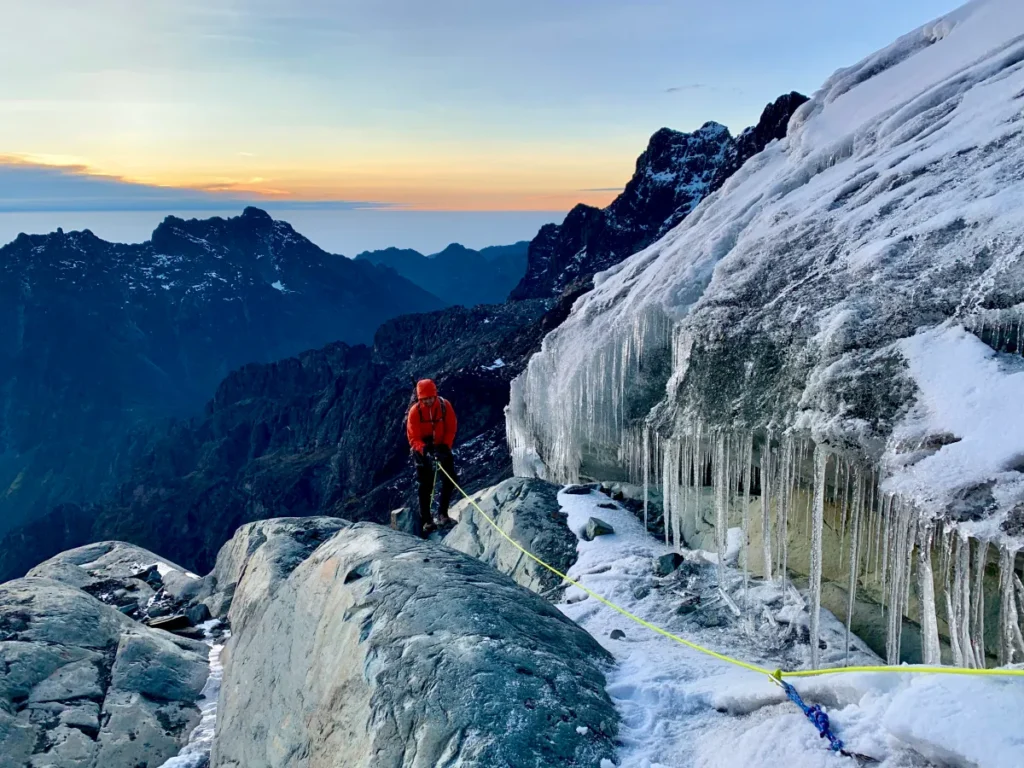
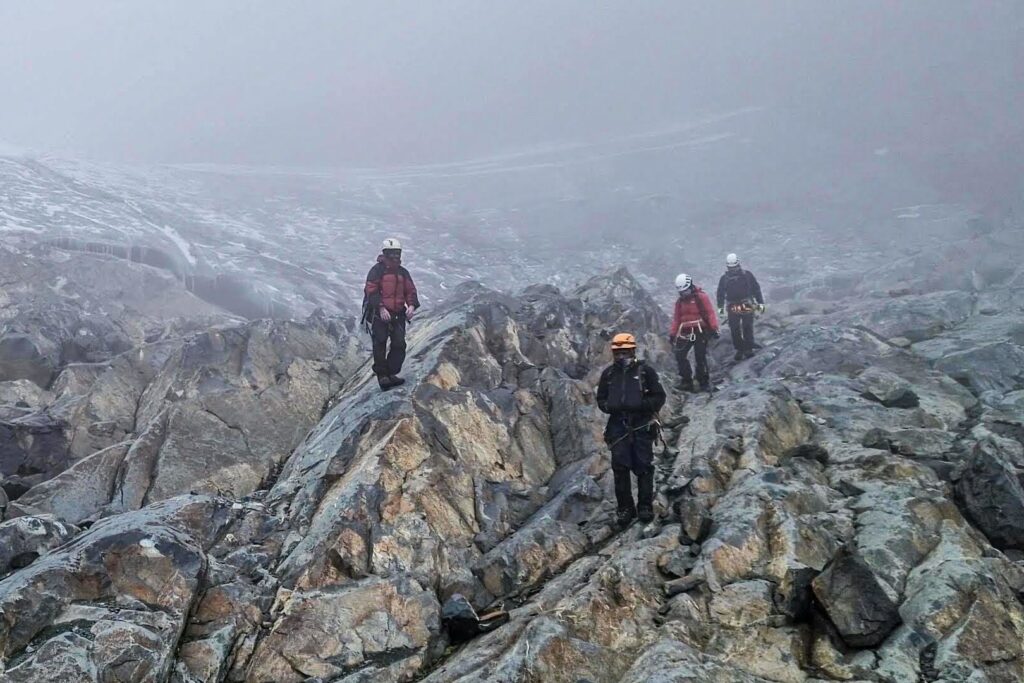
Honest psychological preparation for the Rwenzori includes an acknowledgement of the experience’s harder interior dimensions. Summit day on the Rwenzori begins in the hours before dawn, at temperatures that on the Stanley Glacier can reach minus fifteen degrees Celsius. You have probably slept badly at Elena Hut; an altitude above 4,500 metres disrupts sleep architecturally as well as environmentally. Your blood oxygen saturation is lower than your body is designed for. The terrain is technically demanding, requiring full concentration on crampon placement and rope technique. During those pre-dawn hours on the glacier, the interior experience of a solo trekker is not the triumphant mountain film montage; instead, it involves cold hands, disrupted breathing, and the summit still invisible above you. It’s a talk with your will, a deal between the part of you that wants to quit and the part that brought you here for a reason you knew when you were warm and rested at sea level.
This moment is not a warning against going. The trekkers who go through that pre-dawn glacier section with the most equanimity are the ones who anticipated it honestly. Knowing that it will be challenging, that the darkness will feel particularly dark at altitude, and that the summit view from Margherita Peak will exist on the other side of that difficulty, this knowledge is the best psychological preparation available. The mountain does not lie to you about what it requires. The appropriate response is to not lie to yourself about what you are signing up for.
Coming Down: The Descent Psychology
The psychological experience of the descent from Margherita is something solo trekkers describe in ways that are consistently surprising: not the euphoria they expected, but something quieter and more complex. The summit has been achieved, but the mountain is still very much present. The descent through the upper glacier, the return to Elena, and the long walk back down through the Afro-alpine zone – these hours have a particular quality of completion that is different from the achievement of the summit itself. Solo trekkers who enjoy this part of the journey often say the descent is one of the trip’s most meaningful parts. Your guide often has insights to share during the descent, having observed you adapt, push, and make decisions throughout the expedition.
Practical Preparation for Solo Trekkers: The Non-Negotiables
Solo trekkers bear the full weight of their own pre-expedition preparation without the shared research, gear planning, and logistical coordination that naturally happens in group bookings. The following areas deserve specific attention from anyone planning to arrive at the Rwenzori trailhead alone.
Gear and Equipment
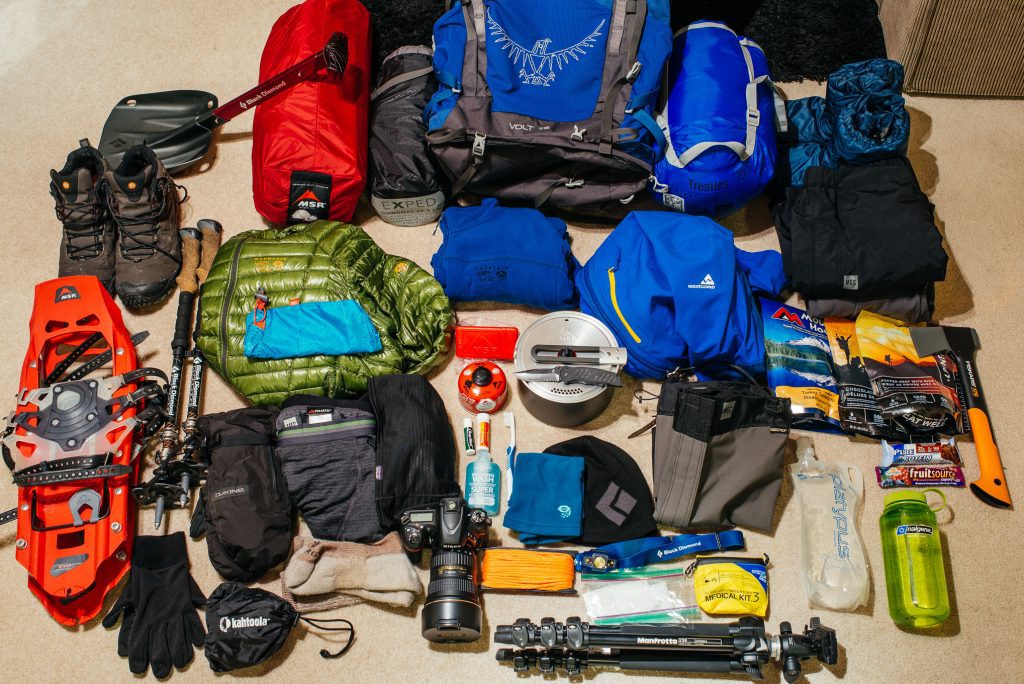
The Rwenzori’s gear requirements are more demanding than most tropical mountain destinations. The mountain’s perpetual moisture means that standard waterproofing is insufficient; you need proper rubber mountain boots, waterproof gaiters, and layering systems designed for sustained wet-cold conditions rather than merely occasional rain. For any itinerary reaching the summit zone, technical glacier equipment, crampons, ice axes, a harness, and a helmet are required. The Rwenzori Mountains packing list covers every item in detail, including specification guidance for the items that matter most. Solo trekkers who are uncertain about whether their existing gear meets the Rwenzori’s specific requirements are welcome to discuss their kit with our team before departure. We would rather have that conversation early than discover a gear gap at the trailhead.
Physical Preparation
Rwenzori rewards trekkers who arrive with a genuine base of aerobic fitness and a specific preparation programme designed for sustained multi-day mountain efforts. This is particularly important for solo trekkers, because there is no group energy to carry you through a difficult day when your own energy is depleted. The Rwenzori fitness and physical preparation guide outlines the specific training approach we recommend for different trek durations and ambition levels. In summary, start structured aerobic training, running, cycling, swimming, or hiking with a loaded pack at least twelve weeks prior to your departure, gradually increasing duration and load, and incorporate significant elevation gain work in the final six weeks if you have access to hills.
Medical Preparation
Solo trekkers should be particularly thorough in their pre-expedition medical preparation. A travel medicine consultation four to six weeks before departure allows time for any recommended vaccinations, a discussion of Diamox and its appropriateness for your specific medical history, and an assessment of any existing conditions that might be relevant at altitude. Uganda requires a yellow fever vaccination for entry. Malaria prophylaxis is standard for Uganda travel, though the risk inside the national park at altitude is very low; the parasite-carrying mosquito species do not survive at the Rwenzori’s higher elevations, though the approach and return journey at lower elevations retain standard malaria exposure. The complete Rwenzori medical guide is the most comprehensive resource available on health preparation for this specific mountain.
Travel Insurance
Travel insurance for solo trekking in the Rwenzori is not optional, and the standard travel insurance products are not sufficient. You need a policy that specifically covers trekking to high altitudes, typically specified as coverage above 4,000 or 5,000 meters— and that includes emergency evacuation. Read the policy exclusions carefully: some policies exclude “mountaineering” and define it in ways that include technical glacier travel. Others exclude pre-existing conditions in ways that become relevant only when you are actually making a claim. Discuss your policy specifics with an insurer who has experience with high-altitude trekking claims before you purchase. Most individuals cannot absorb the cost of helicopter evacuation from a remote mountain environment without insurance, even in the unlikely event it is required.
Planning Your Solo Rwenzori Trek: The First Steps
The logistics of planning a Rwenzori solo trek are straightforward when the right guidance is in place, but they involve more moving parts than most mountain destinations because of the combination of remote location, specialist gear requirements, compulsory permits, and pre-mountain logistics. Here is the practical sequence that works best for our solo clients.
The process begins with defining your ambition and your constraints: which route, which summit objectives, how many days you have, and what dates work for your travel schedule. These inputs determine everything else. From there, you identify a departure date that either aligns with a group departure for cost sharing or defines a custom solo itinerary. Uganda visa applications should be initiated well in advance of travel; an e-visa is available online and typically processes within seventy-two hours, but applying two weeks before travel removes that pressure. Flights to Entebbe, the ground transfer to Kasese (approximately five to six hours by road, or under an hour by domestic flight – our guide to getting to the Rwenzori covers both options in detail), and accommodation in Kasese on the night before the trek all need coordination. Our team handles the mountain-specific elements of this permit, guide and porter assignment, hut bookings, and equipment rental where required, which means the pre-trip coordination burden for solo clients is less complex than it might appear from the outside.
Getting Started: What to Tell Us
When you first contact Rwenzori Trekking Safaris to plan your solo trek, the most useful information to share is your target summit objective (Margherita or other peaks), your preferred route and duration, your desired travel dates, your prior altitude and trekking experience, and any specific requirements or questions about the trip. With these inputs, we can provide a tailored itinerary proposal and a cost breakdown in a short time. You do not need to have everything decided before reaching out; many of our solo clients use that first conversation to help clarify exactly what kind of Rwenzori experience they want.
Frequently Asked Questions: Solo Trekking the Rwenzori Mountains
Can I trek the Rwenzori Mountains alone without a guide?
No. Independent unguided trekking is not permitted in the Rwenzori Mountains National Park under Uganda Wildlife Authority regulations. Every trekker entering the park must be accompanied by a licensed guide from a registered operator. This requirement applies regardless of experience level, nationality, or prior mountaineering credentials. It is enforced at the park gates, and every route through the mountain’s protected zone begins at a gate. The reasons for the requirement go beyond regulation: the Rwenzori’s navigation complexity above 3,000 metres, the severity and speed of its weather changes, the remoteness of the upper mountain, and the altitude medical emergency scenario all create genuine safety arguments for compulsory guiding that are independent of the legal framework. Solo trekkers can and do experience the Rwenzori as an independent and deeply personal expedition; they simply do so with a guide team alongside them.
How much does it cost to trek the Rwenzori Mountains as a solo trekker?
Solo trekking at the Rwenzori is more expensive per person than trekking in a group because the fixed costs of the mountain guide fees, park fees, porter wages, and hut accommodation are borne by a single individual rather than shared. For a solo trekker targeting Margherita Peak via the Central Circuit or Kilembe Trail, the all-inclusive mountain cost (park fees, guide and porter team, hut accommodation, and meals) typically starts from around $1,300, with the specific figure depending on route, duration, and any add-on services. Longer itineraries such as the 13-Day Six-Peaks Expedition will be significantly higher. These costs do not include international flights, Uganda visa fees, pre-trek accommodation in Kasese, personal gear, or tips for the guide and porter team. Joining a scheduled group departure is the most cost-effective option for solo trekkers, as it allows multiple people to share the fixed mountain costs. Contact us for a custom quote based on your specific itinerary.
Is the Rwenzori Mountains safe for solo female trekkers?
Yes, the Rwenzori is a genuinely safe mountain environment for solo female trekkers. The compulsory guide system means no female trekker is ever alone in the park’s interior; you are always accompanied by a licensed, vetted guide team. The mountain’s visitor community is small, self-selecting, and overwhelmingly composed of people motivated by legitimate mountaineering goals. Feedback from solo female clients across many years of operation is consistently positive about the safety of the mountain environment itself. The broader Ugandan travel context requires the same situational awareness and cultural sensitivity that any independent female traveller applies to an unfamiliar country: dressing modestly in town areas, being clear and direct in professional communications, and exercising standard awareness. But Uganda is generally considered one of East Africa’s more welcoming destinations for independent female travel. Discuss any specific concerns directly with our team; we work with solo female trekkers regularly and can address every question with concrete, experience-based information.
As a solo traveller, will I meet other trekkers on the Rwenzori?
Yes, particularly if you trek during the main seasons from December to March and June to September. The Rwenzori is not heavily trafficked by African mountain standards, but the Central Circuit and Kilembe Trail huts and camps will have other trekking parties present in most of those months. Encounters at camp are typically warm and collegial. People drawn to the Rwenzori are self-selecting for independent spirit and genuine mountaineering motivation, which makes for good conversation. During shoulder seasons or on the Kilembe Trail’s southern approach, you may encounter no other parties for entire days, offering a genuine quality of wilderness solitude that is increasingly rare in commercial mountain trekking globally. The most consistently social experience for solo trekkers is joining a group departure, where you trek alongside other individually booked trekkers with compatible experience levels and itineraries.
What is the best Rwenzori route for a solo first-time trekker?
For most solo first-time Rwenzori trekkers, the 7-Day Central Circuit Trail is the strongest all-round recommendation. It delivers the mountain’s full range of landscapes and ecosystems, including montane forest, bamboo, heather, Afro-alpine bog, and glacier, within a manageable timeframe; includes the Margherita Peak summit objective for those in excellent condition; and has a well-maintained hut network that provides reliable shelter and social contact at each camp. Solo trekkers who have prior high-altitude experience but want a superior acclimatisation profile should consider the 8-Day Kilembe Trail, which builds in an additional altitude day that measurably improves the body’s preparation for the upper mountains. The 3-Day Mahoma Loop is the ideal starting point for solo trekkers who are new to high altitude and seek a lower-commitment introduction. It delivers the Rwenzori’s extraordinary lower-mountain atmosphere within a physically accessible and financially modest package, and many first-time Mahoma trekkers return for the full summit itinerary within the following year.
How do I mentally prepare for solo trekking the Rwenzori Mountains?
Psychological preparation for a solo Rwenzori expedition is as important as physical training, and it begins with honest expectations about what the experience will actually involve. The most useful preparation mindset is this: the Rwenzori is genuinely difficult – the terrain, the altitude, the cold, the wet, and the pre-dawn summit push – and knowing that before you arrive means you can engage with each hard moment as something you anticipated rather than something that is defeating you. Beyond that honesty, the key psychological preparation practices are building familiarity with the altitude illness symptoms you need to monitor yourself; establishing a personal communication protocol with your guide about how you will report how you feel (the compulsion to underreport among independent-minded solo trekkers is real and worth consciously counteracting); and arriving at the mountain willing to form a genuine relationship with your guide rather than treating the guiding arrangement as a logistical formality. Solo trekkers who engage openly with the guided format, rather than managing it as an obstacle to their preferred mode of independent experience, consistently report the richest and most satisfying Rwenzori expeditions.
Can I join a group trek on the Rwenzori if I am booking alone?
Yes, absolutely. Joining a group departure is one of the most practical options for solo trekkers and is our most commonly used booking model for independent travellers. Group departures bring together individual trekkers who have booked separately but whose dates and itinerary preferences are compatible. This structure allows the fixed costs of the mountain guide fees, park fees, and porter team to be shared across multiple people, reducing the per-person cost meaningfully compared to a fully private solo booking. You remain an individually booking trekker rather than part of a fixed group product, which means you are matched with others of compatible experience and pace. The social dimension of group departures is one of their most consistently valued features: trekkers who come to the Rwenzori independently and share the trail with other separately motivated people frequently form lasting friendships from the shared experience. Contact us to check our available routes and departure dates, and we’ll match you with the best option for your schedule.
Do I need technical mountaineering experience to trek the Rwenzori solo?
It depends entirely on which route and which objectives you are planning. The shorter and lower itineraries, the Mahoma Loop, the Mutinda Loop, and the lower sections of the Central Circuit and Kilembe Trail require no technical mountaineering skills, only reasonable fitness and appropriate trail gear. For itineraries that include the summit of Margherita Peak at 5,109 metres, technical skills are required in the summit zone: the Stanley Glacier approach involves crampons, iceaxes, and roped movement under guide supervision. You do not need to be a technical climber to do this trek; the glacier travel is led and supervised by your guide, and the technical elements are well within the range of any trekker who has walked on ice before with basic crampon instruction. What you do need for Margherita is genuine fitness, solid altitude adaptation across the approach days, and comfort with exposure at altitude. Trekkers with no prior technical mountain experience should honestly discuss their background with our team when booking Margherita; we will provide an honest assessment of whether the planned itinerary is appropriate.
Your Rwenzori Solo Trek Starts Here
Solo trekking the Rwenzori Mountains is not the experience of going alone in the wilderness. It is something more captivating than that: it is the experience of going independently into one of Africa’s most extraordinary and demanding mountain environments, with a guide team whose knowledge of that environment is generational, an itinerary built around your specific abilities and ambitions, and a mountain that will ask more of you than any well-marked trail with a busy tourist economy ever could. It is worth doing. It is worth doing right.
At Rwenzori Trekking Safaris, we specialise in exactly this type of trek. We plan solo expeditions, we match solo trekkers with compatible group departures, we give honest advice about route selection and timing, and we have the accumulated experience of years of guiding individuals across every variation of Rwenzori terrain and altitude. Browse our complete range of Rwenzori trekking itineraries; explore our available routes and departure dates; read the full acclimatisation guide and medical preparation guide; and review our frequently asked questions for anything this guide has not covered.
When you are ready to make your Rwenzori solo expedition a reality, contact our team directly. Tell us your target route, your dates, your prior experience, and your questions. We will build the expedition around you.
The Rwenzori isn’t concerned about your solo reputation. It only matters that you showed up prepared and honest about what you were stepping into. Those are the solo trekkers it rewards.
ANY QUESTIONS?
If you need any clarification about a Rwenzori trek, contact one of our trekking experts to start planning your journey today.
A 10% percentage of your safari proceeds goes to supporting the local Bakonjo Communities (orphans, schools & homes)
Simply incredible
I have been very fortunate to go trekking and climbing in many incredible places around the world over the years, the Rwenzori mountains are one of the most incredible places I have ever visited. Rwenzori Trekking Safaris organized my trip to do the central circuit and summit Margherita peak. The guides, Josephat and Joackim, and porters were all friendly and helpful. The food was plentiful, but I suggest bringing some of your own day snacks you might like as well as rubber knee high boots, I suggest LaCrosse Burly Aero. I was able to complete the loop and peak in 4 days, but most people take 7-8 days I believe which is definitely recommended for acclimatization. There are new huts being built at Elena camp and Nyabitaba that cost a small amount extra, so ask about that too. Its a real adventure and in my experience way more rugged, beautiful, and less traveled than Kilimanjaro. The landscapes and unique plant life are like out of Jurassic Park.
Posted on Tripadvisor
Simon B
Verified
A wonderful experience in the Rwenzoris
We did the seven-day Central Circuit and had a wonderful experience. The landscapes were spectacular and really diverse. Also, the guides, porters and cooks were super friendly and helpful. Thank you very much!
Posted on Tripadvisor
Explorer43375006028
Verified
Magical mountain forest
We did the two day hike to Mahoma Lake, and it was beautiful. The guide was superfriendly, the coock made a great stew and the porters were really nice.
Posted on Tripadvisor
Dominic N
Verified
Forget Kilimanjaro, do this instead!
A beautiful and surreal 4 day hike in the Rwenzori mountains to Mutinda Lookout, made by the staff. Good food, good basic camp accommodation, excellent knowledge of the guides and lots of laughs. I did this trip solo and joined a welcoming group of 6. Pack for all weather, it gets particularly cold at night at Mutinda camp. Total cost was $635/2.2m UGX
Verified by Trustindex
Trustindex verified badge is the Universal Symbol of Trust. Only the greatest companies can get the verified badge who has a review score above 4.5, based on customer reviews over the past 12 months. Read more
Hi there, welcome. Need help planning a trek, safari, or adventure? Chat directly with a real expert and mountain guide for honest advice, clear answers, and practical recommendations. No guesswork, no pressure.