Rwenzori Mountaineering: Technical Alpine Climbs in the Rwenzori Mountains.
Rwenzori Mountaineering Guide | Technical Climbs & Margherita Peak. Technical mountaineering in the Rwenzori Mountains explained difficulty, routes, glaciers, Margherita Peak climbs, preparation, and who should attempt it.
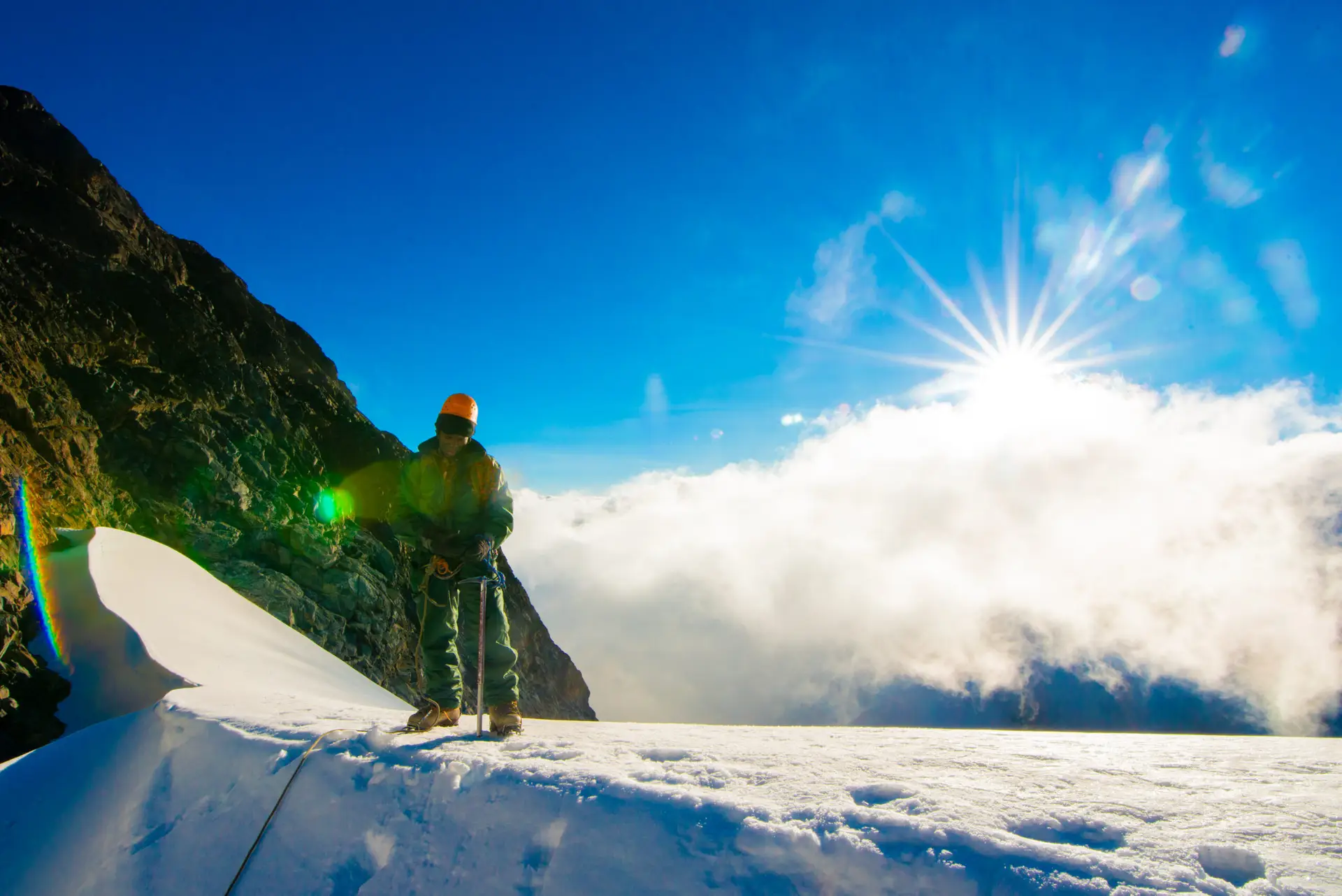
Mountaineering in the Rwenzori Mountains is fundamentally different from standard high-altitude trekking in East Africa. Often called the “Mountains of the Moon,” the Rwenzori range offers true alpine climbing conditions with glaciers, rock, ice, deep bogs, and rapidly changing equatorial weather, making it one of Africa’s most demanding mountaineering destinations.
Unlike popular walk-up peaks, Rwenzori mountaineering requires technical skills, physical preparation, and careful planning. This guide explains what mountaineering in the Rwenzori really involves, which peaks qualify as technical climbs, how it differs from trekking routes, and who should consider attempting these ascents.
What Makes Rwenzori Mountaineering Unique.
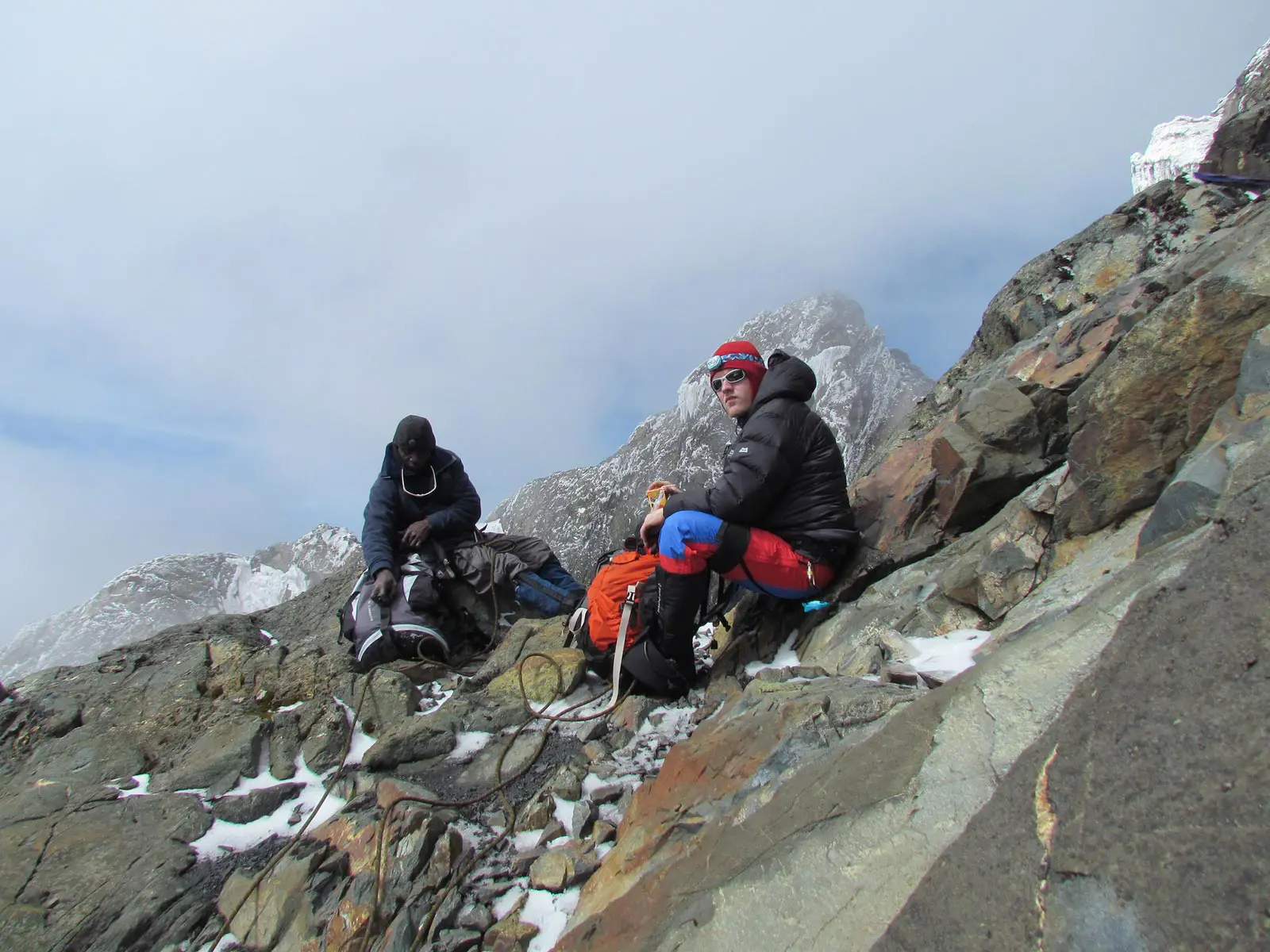
In the Rwenzori Mountains, mountaineering is not simply hiking at altitude. It involves technical alpine expeditions across mixed terrain that can include glaciated sections, exposed rock faces, icy ridgelines, and complex navigation through cloud cover and wet ground.
Several factors make Rwenzori mountaineering unique:
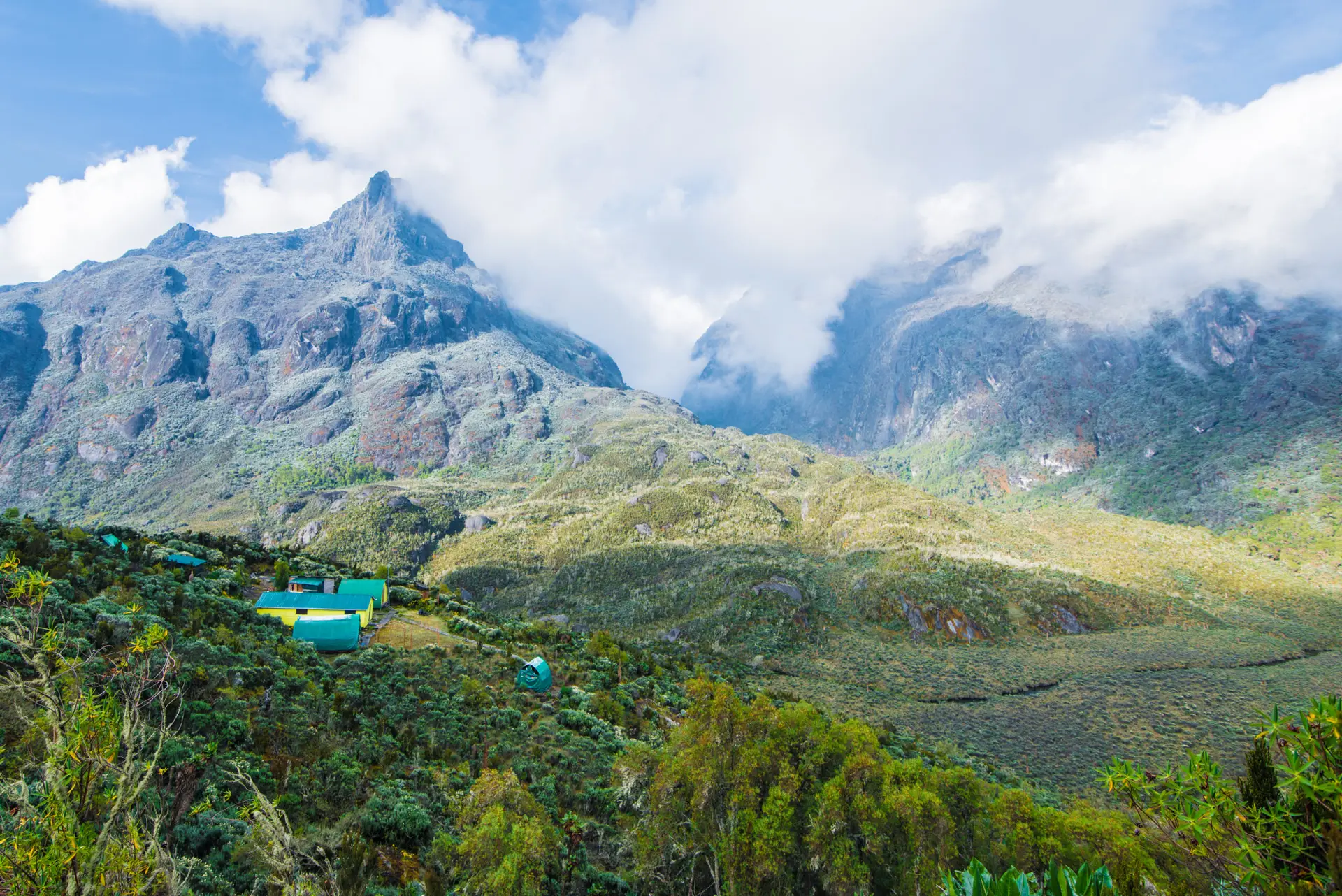
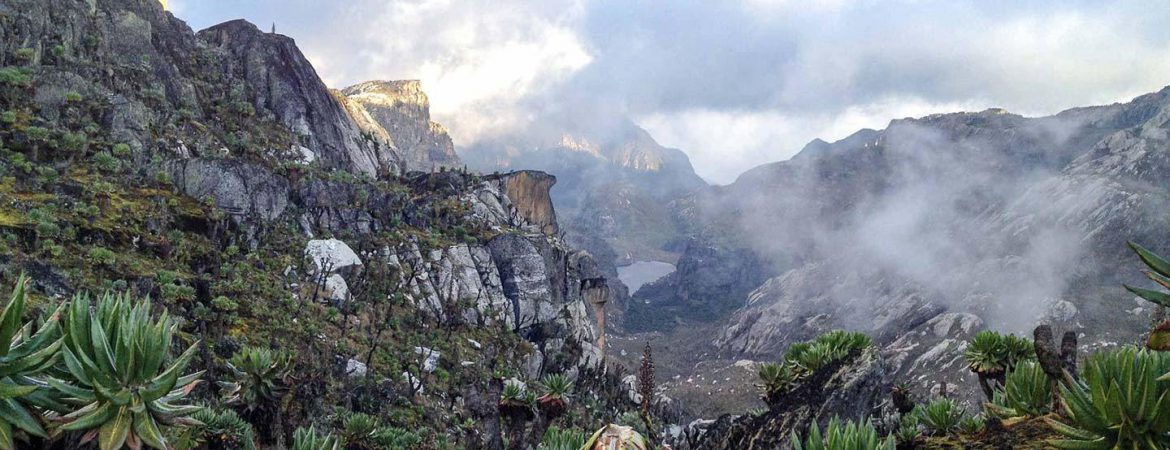
The Rwenzori Mountains lie on the equator, yet host permanent glaciers and snowfields. Climbers often experience warm, humid rainforest conditions at lower elevations and freezing alpine environments higher up, sometimes within the same day. Heavy rainfall, mist, and fog are common, increasing route-finding difficulty and exposure risks.
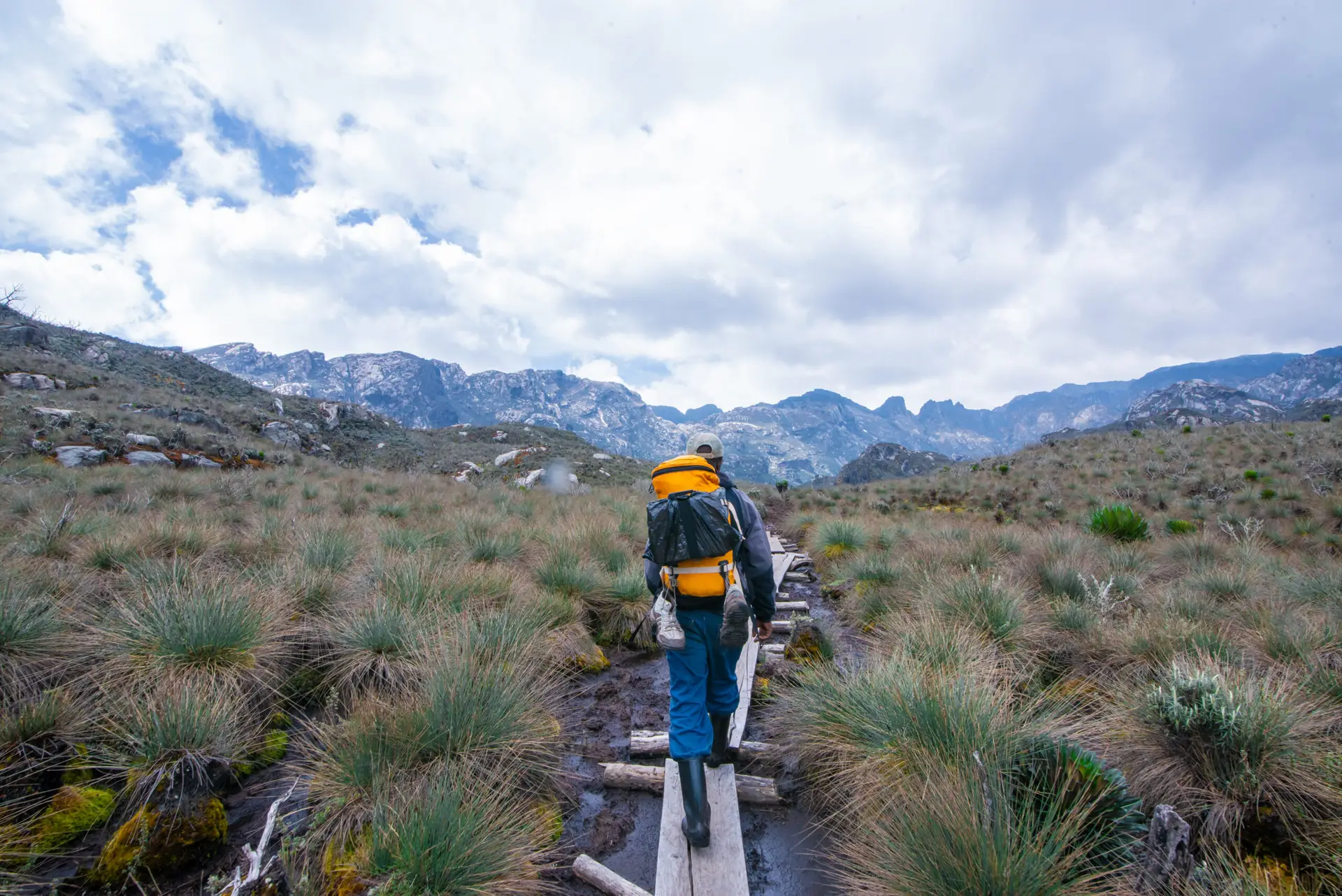
The terrain in the Rwenzori Mountains is notoriously slow and physically demanding. Deep bogs, slippery rocks, steep ladders, and moss-covered surfaces significantly reduce daily progress compared to other African mountains. These conditions turn even moderate elevations into serious undertakings.
This combination of factors necessitates approaching mountaineering in the Rwenzori as a technical alpine expedition, not just a high-altitude hike.
Rwenzori Mountains’ Notable Peaks for Mountaineers.
Not all peaks in the Rwenzori qualify as mountaineering objectives. The highest and most glaciated parts of the range concentrate true mountaineering routes.
Margherita Peak (Mount Stanley – 5,109 m)
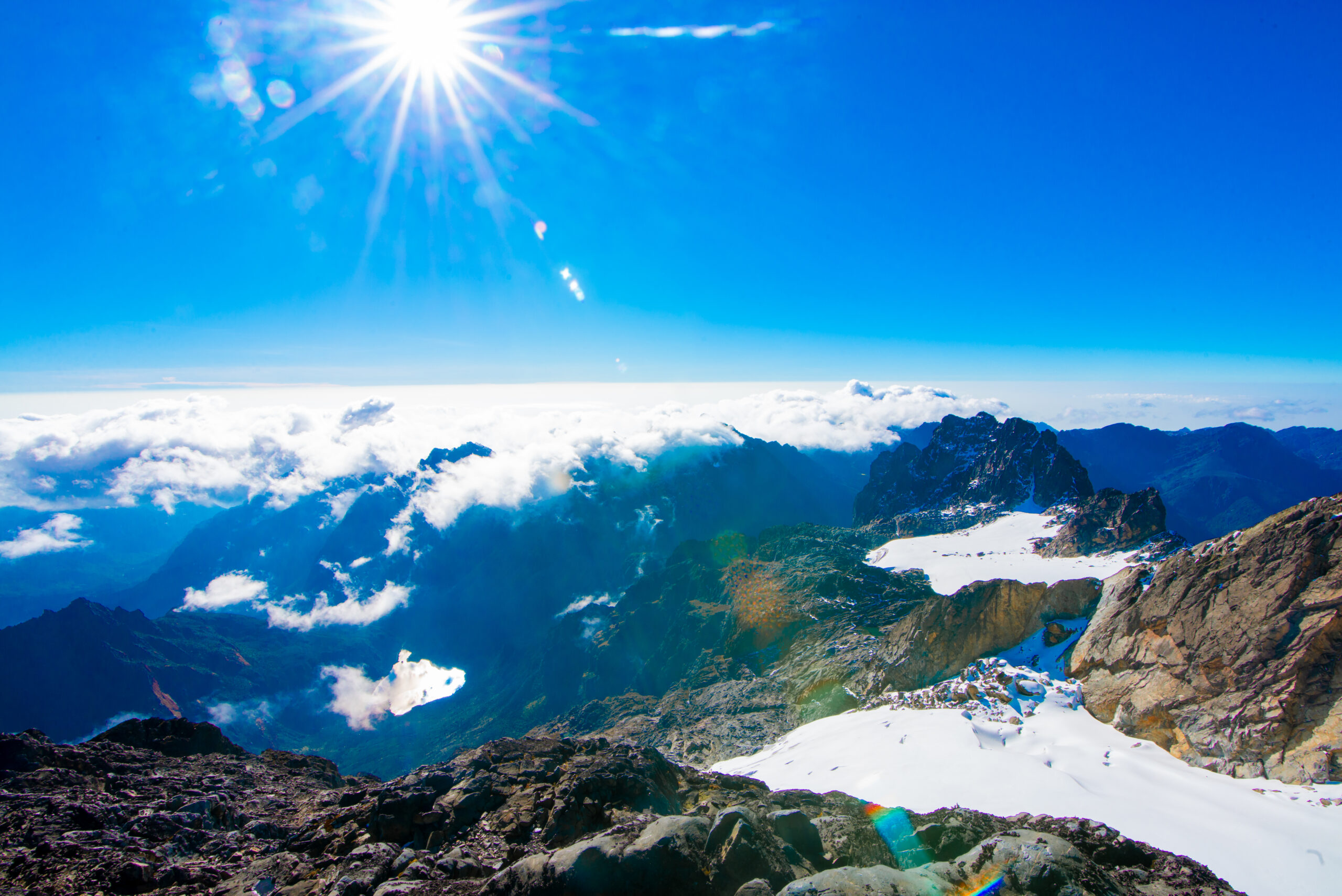
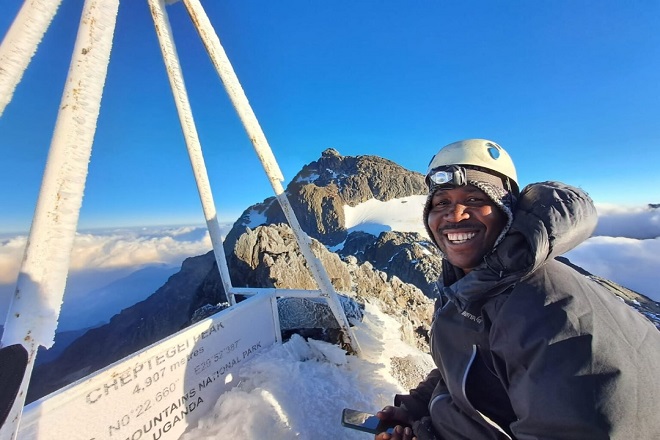
Margherita Peak is the highest point in Uganda and the third-highest in Africa. It is the primary mountaineering objective in the Rwenzori and requires glacier travel, basic ice climbing, and rope work.
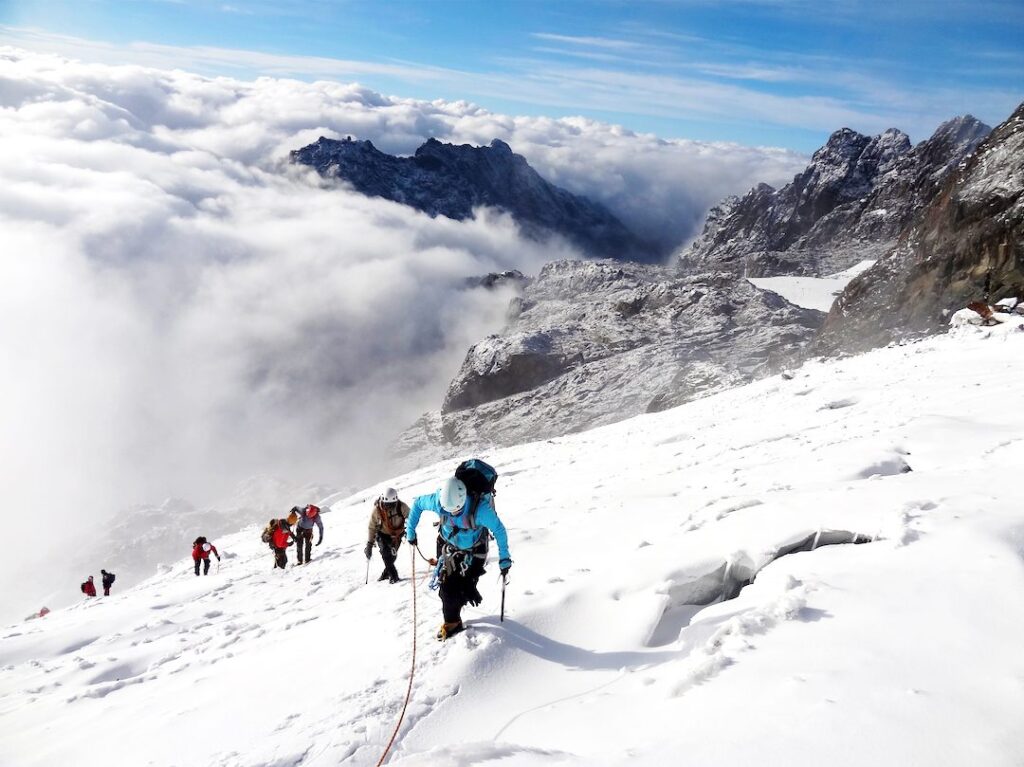
Mount Stanley Glacier
The final ascent involves crossing the Stanley Glacier and negotiating steep, icy rock sections using fixed ropes and ladders. While not extreme by global alpine standards, Margherita Peak demands technical competence, excellent balance, and comfort with exposure.
Other Rwenzori Technical Peaks
Several neighboring Rwenzori peaks, including parts of Mount Speke and Mount Baker, may involve scrambling, steep ascents, or short technical sections depending on conditions. However, mountaineering expeditions often attempt these as secondary objectives rather than standalone climbs.
Rwenzori Mountaineering vs. Trekking in the Rwenzori Mountains.
A common source of confusion is the difference between Rwenzori trekking and mountaineering climbs in the Rwenzori Mountains.
Rwenzori mountaineering routes, such as the Central Circuit or Kilembe Trail, are multi-day hikes that focus on endurance, scenery, and altitude adaptation. While physically demanding, trekking generally does not require technical climbing skills or specialized equipment.
Mountaineering, by contrast, involves:
-
Glacier and snow travel
-
Rope use and fixed safety systems
-
Exposure to steep drops and icy surfaces
-
Greater objective risk from weather and terrain
Many trekkers successfully complete Rwenzori circuits without attempting technical summits. Mountaineering is a separate activity that builds on trekking fitness but requires additional skills and preparation.
What are the challenges, risks, and required experience?
Mountaineering in the Rwenzori is considered moderately technical but physically exhausting. The main challenges include:
- Unpredictable weather, with frequent rain, fog, and sudden temperature changes.
- The terrain is slippery and unstable, which heightens the risk of falls.
- Year-to-year variations in glacier conditions can significantly impact the safety of the route.
- Climbers experience high physical strain due to slow movement through bogs and steep sections.
Climbers attempting technical peaks such as Magheritah Peak or Mount Baker should be comfortable with basic mountaineering techniques such as using harnesses, ropes, and crampons. Previous experience on alpine or glaciated terrain is strongly recommended.
The Rwenzori Mountains aren’t a suitable environment for first-time climbers or travelers seeking an effortless summit.
When to Attempt Mountaineering in the Rwenzori Mountains.
Generally, we plan mountaineering expeditions in the Rwenzori Mountains all year round, but more during drier months, when conditions on glaciers and trails are more stable. The most favorable windows for mountaineering typically fall between January and February, as well as June and September.
-
December to End of February
-
June to September
Even during these periods, rainfall is still possible, and climbers should expect wet conditions. Seasonal timing improves safety and comfort but does not eliminate technical challenges.
Guided Mountaineering in the Rwenzori Mountains.
Due to the complexity of terrain and rapidly changing conditions, mountaineering in the Rwenzori Mountains is best undertaken with experienced local guides. Our experienced guiding teams offer the following services:
- Route/Trail knowledge and glacier awareness
- Safety systems for technical sections
- Logistical coordination within the Rwenzori Mountains National Park
- Support staff to manage equipment and pacing
Guided expeditions significantly reduce risk and allow climbers to focus on the ascent rather than navigation and hazard management.