
Complete guide to the 7-Day Rwenzori Central Circuit trek to Margherita Peak. Day-by-day itinerary, difficulty, packing list, costs & FAQs. Book with expert guides from USD 1,400.
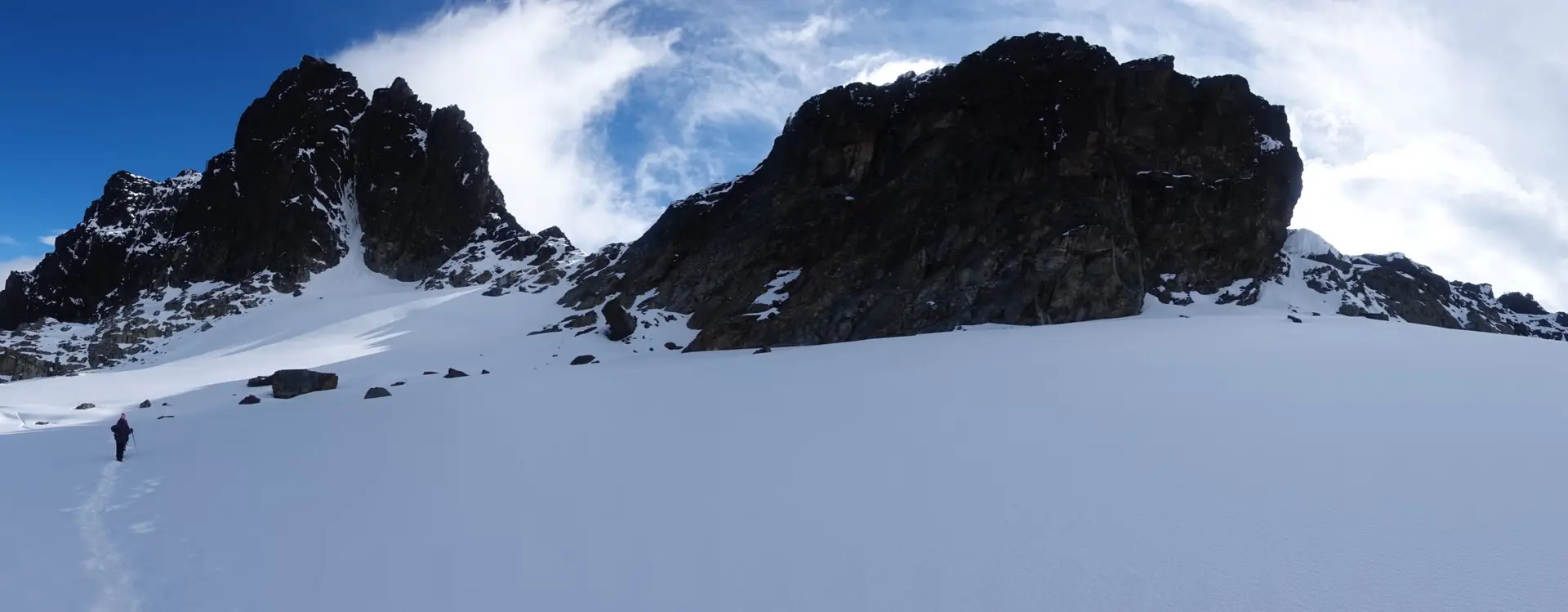
7-Day Rwenzori Central Circuit Trek to Margherita Peak (5,109 m)
Overview of the 7-Day Rwenzori Central Circuit Trek, including a guided climb to Margherita Peak (5,109m).
The classic Rwenzori summit route on Africa’s most extraordinary mountain. Cross five ecological zones, walk ancient glaciers, and stand on Uganda’s highest point with expert Rwenzori guides.
Climb Margherita Peak via the 7-day Rwenzori Central Circuit. Experience Africa’s most challenging trek with expert guides, glacier crossings, full logistics, and high summit success rates. Plan your expedition today.
This 7-day expedition is the fastest fully guided route to Margherita Peak, the highest point of the Rwenzori Mountains and the third-highest summit in Africa. Unlike traditional high-altitude hikes, the Rwenzori is a true mountaineering environment defined by dense rainforest, high bogs, steep valleys, and equatorial glaciers. This trek is designed for physically fit adventurers who want more than a walk to a summit. It is an immersive climb through one of the most unique alpine landscapes on Earth.
This mountain is not like Kilimanjaro. The Rwenzori demands patience, balance, and endurance rather than speed. The reward is a far more remote, technical, and dramatic ascent with significantly fewer climbers and a genuine expedition atmosphere.
Trekking in the Rwenzori Mountains: A 7-Day Rwenzori Hike from Nyakalengija to the Highest Peak (Margherita Peak) in the Rwenzori Mountains. This Rwenzori Trekking Expedition follows the Central Circuit Trail.
With an elevation range of 2,800 to 5,109 meters above sea level, this 7-day Rwenzori trekking of the central circuit trail starts in Nyakalengija and continues through Nyabitaba, John Matte, Bujuku, Elena, Mount Stanley (Margherita Peak), Kitandara, and Guy Yeoman. Along the way, you’ll pass through five different vegetation zones, including mountain forest, bamboo zone, alpine zone, and mountain valley.
The trek to Margherita Peak passes through five distinct vegetation zones before reaching the top of the main circuit route trail at Margherita. From Kasese, you will embark on a 7-day Rwenzori mountaineering expedition.
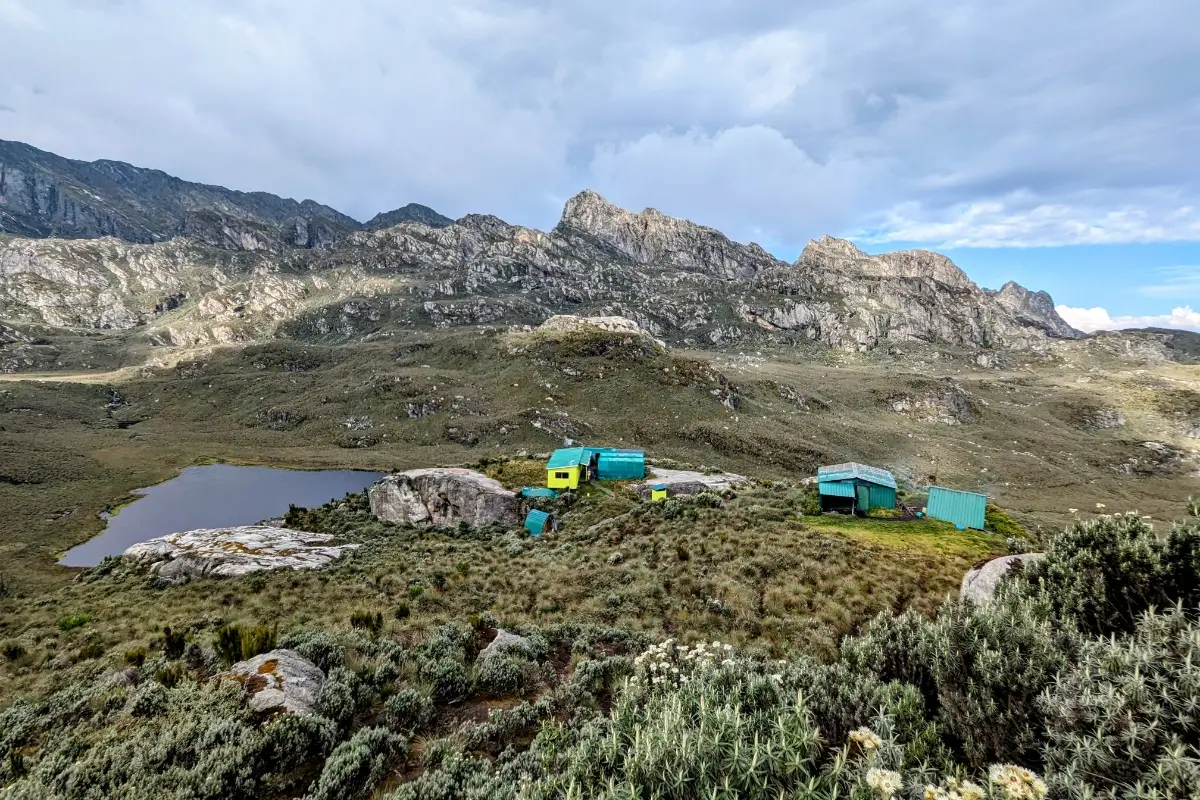
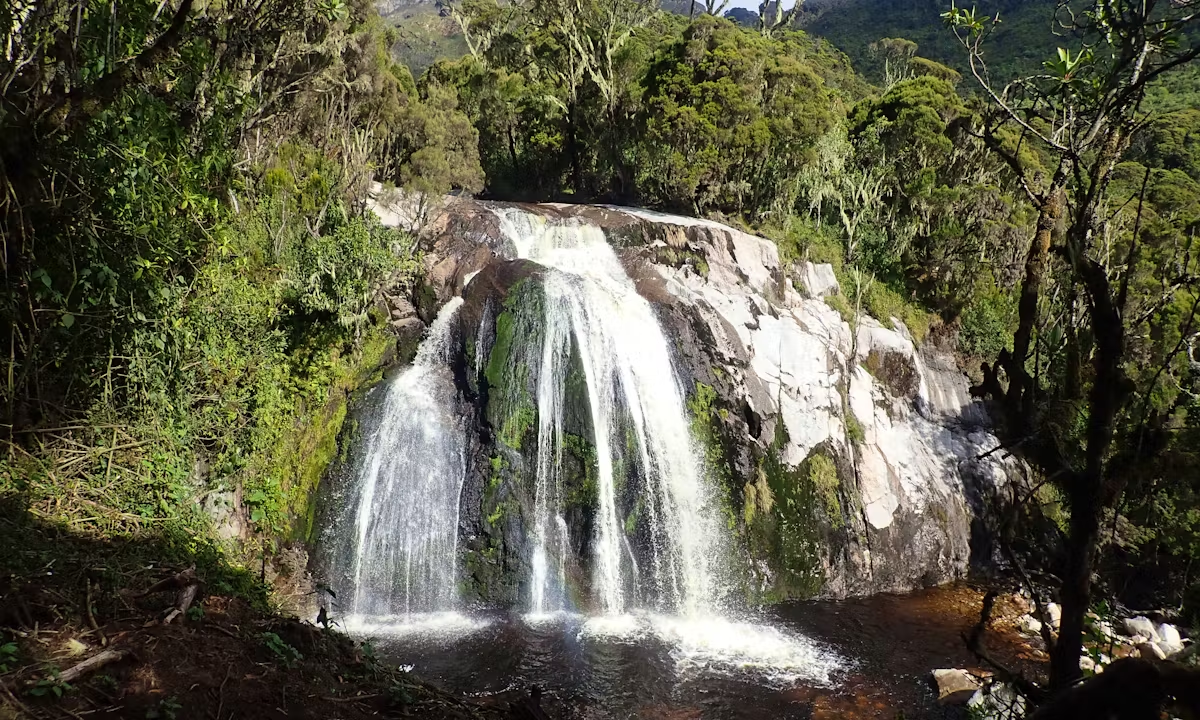
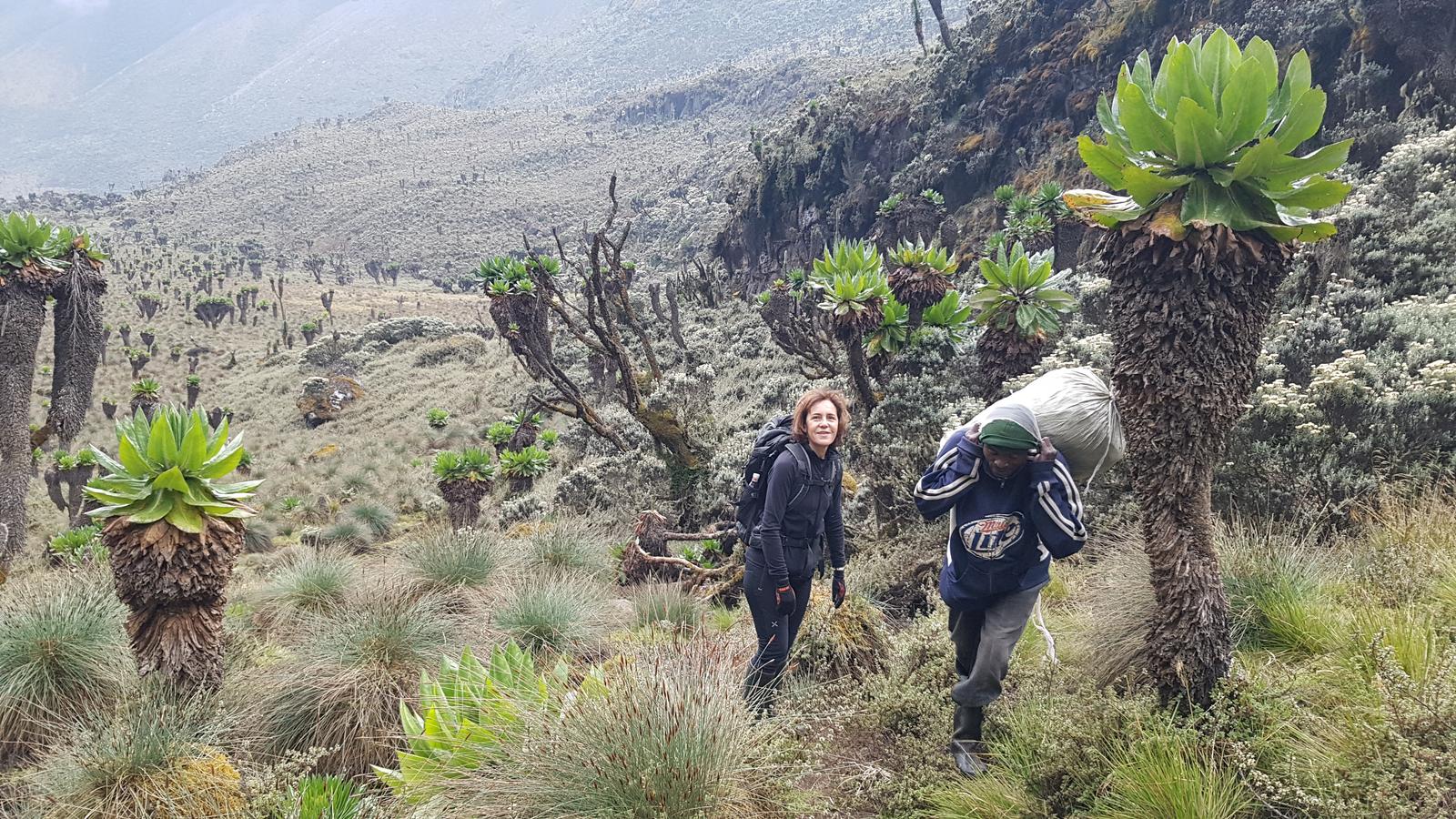
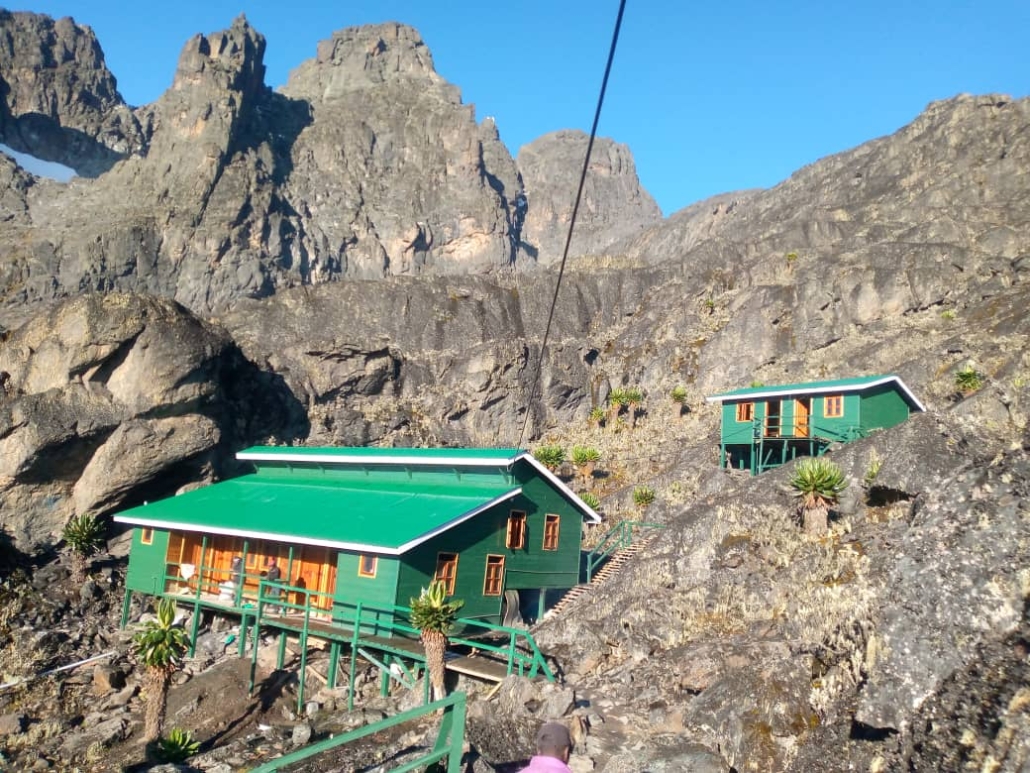
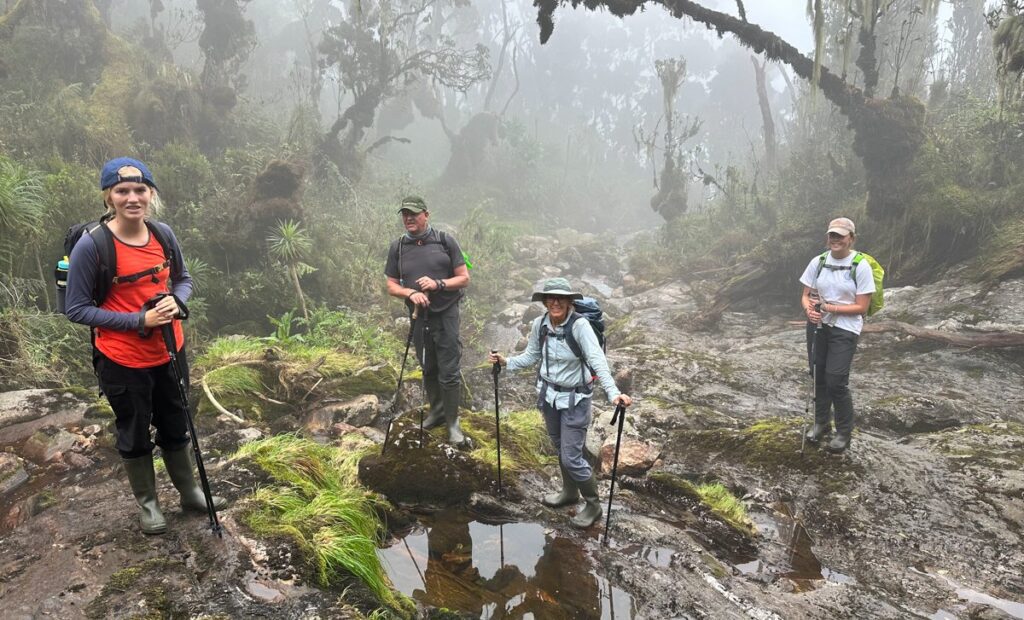
7-Day Rwenzori Central Circuit Trek at a Glance.
| Duration | 7 days / 6 nights on the mountain |
| Total Distance | Approximately 58 km round-trip |
| Maximum Elevation | 5,109 m (Margherita Peak, Mount Stanley) |
| Lowest Point | 1,600 m (Nyakalengija trailhead) |
| Total Elevation Gain | Approximately 3,500 m cumulative ascent |
| Difficulty | Challenging requires good fitness and altitude tolerance |
| Trail | Central Circuit Trail, Rwenzori Mountains National Park |
| Start / End Point | Nyakalengija (near Kasese, western Uganda) |
| Best Months | December to February; June to August |
| Group Size | Minimum 1; maximum 12 (private groups available) |
| Accommodation | Mountain huts along the Central Circuit |
| Glacier Gear | Crampons, ice axe, harness, helmet (provided) |
| Price | From USD 1,400 per person |
| Operator | Rwenzori Trekking Safaris |
Expedition Overview
The Central Circuit is the classic approach to Margherita Peak. Over seven days you will cross five distinct ecological zones, from tropical forest to glacier, while gaining gradual altitude that supports acclimatization. The route combines trekking, scrambling, and basic glacier travel using crampons and an ice axe under the supervision of experienced Rwenzori mountain guides.
This program is ideal for trekkers with excellent fitness who want to experience real alpine conditions without requiring advanced climbing experience.
Why the Rwenzori Is Different
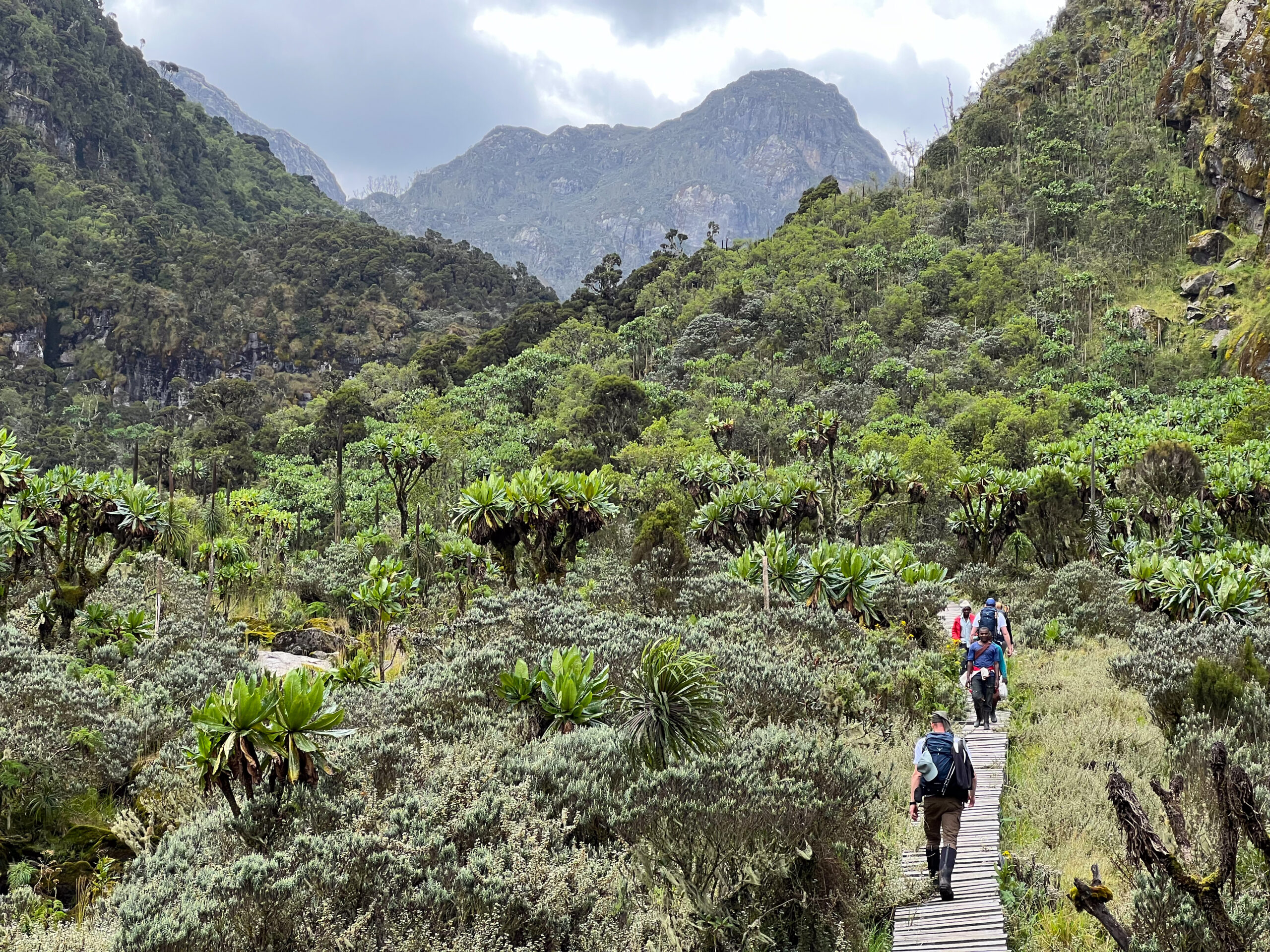
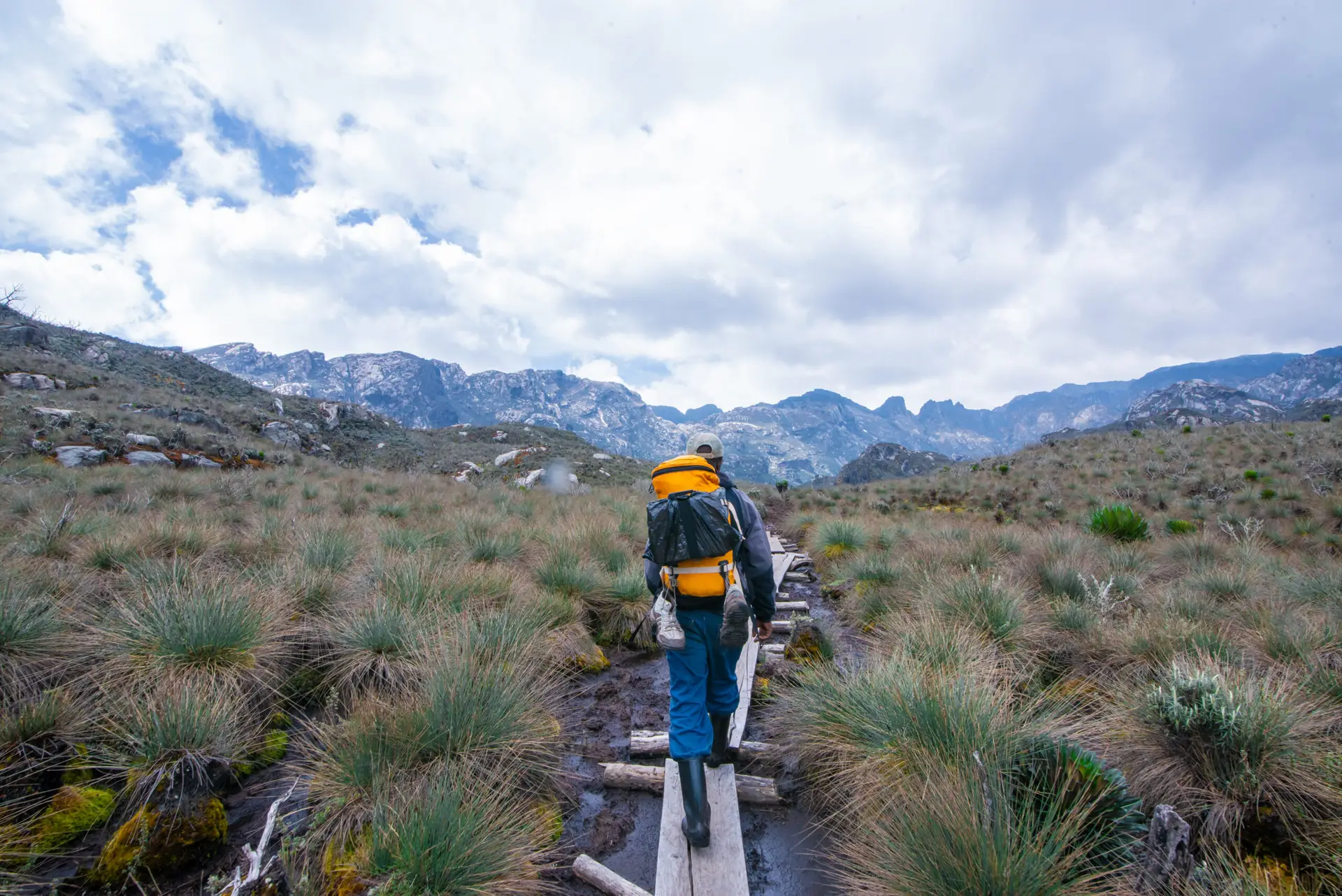
The Rwenzori is often described as Africa’s most demanding trek because conditions change constantly. Trails pass through deep moss forests, bamboo zones, and high-altitude bogs where boardwalks and ladders are used to navigate saturated ground. Higher up, the terrain becomes rocky and glaciated, requiring careful movement rather than fast hiking.
Instead of a single long ascent, the mountain unfolds gradually, allowing you to experience extraordinary biodiversity alongside serious altitude gain. The sense of isolation and scale is unmatched by other African peaks.
Why Choose the 7-Day Rwenzori Central Circuit?
Africa has three landmark summits. Kilimanjaro is the tallest; the Rwenzori’s Margherita Peak is the third highest at 5,109 m, and yet it remains one of the most underclimbed major peaks on the continent. While more than 50,000 people attempt Kilimanjaro every year, fewer than 1,500 trekkers set foot on the Rwenzori annually. That contrast tells you exactly what kind of experience you are signing up for: wild, uncrowded, technically demanding, and completely unlike any other mountain trek in Africa.
The 7-Day Central Circuit is the most established and widely recognized route to the summit. It follows the Central Circuit Trail, a 58-kilometer loop that begins and ends at Nyakalengija and ascends through five distinct ecological zones before reaching the Stanley Plateau and the glaciated final approach to Margherita. This is not a straightforward high-altitude walk. The Rwenzori is a permanent cloud forest wrapped around equatorial glaciers, and the seven-day schedule is intentionally paced to give your body time to acclimatize and your mind time to absorb what it encounters.
What separates this route from a faster five-day option is time. Time to linger at the Bigo Bog. Time to study the three-meter giant lobelias and senecio groundsel in the upper alpine zone. Time to arrive at Elena Hut below the glacier on Day 4 with enough energy left for the 2:00 a.m. summit push the following morning. The extra days are not padding; they are the difference between surviving the climb and genuinely experiencing it. For a direct comparison of time-on-mountain options, see our 6-day vs. 7-day route breakdown.
The Rwenzori Mountains hold UNESCO World Heritage status and harbor biodiversity found nowhere else on Earth. The range is also home to Africa’s last equatorial glaciers, which scientists project will disappear entirely by 2040 unless climate patterns shift dramatically. When you climb Margherita Peak today, you are among the final generations able to walk on equatorial ice in Africa. That is not marketing language. It is a documented scientific reality that makes this climb uniquely urgent. Read the full story in our Rwenzori glacier retreat report.
Full Day-by-Day Itinerary: 7-Day Rwenzori Central Circuit.
Day 1: Nyakalengija (1,600 m) to Nyabitaba Hut (2,652 m) | 8 km | 4-5 hours
Your expedition begins at the Rwenzori Mountaineering Services (RMS) headquarters in Nyakalengija, a small trading center on the lower slopes of the range outside Kasese. After a thorough briefing, kit check, and porter assignment, you register at the Uganda Wildlife Authority gate and step into Rwenzori Mountains National Park. The lower trail winds through Bakonzo homesteads and field crops before the vegetation closes around you and the sound of the valley market fades entirely.
Dense montane rainforest occupies the first hours. Elephant grass towers overhead as you gain height through a tangle of fig trees, wild ginger, and ferns dripping with moisture. This lower forest is one of the richest bird habitats in Uganda. Listen for the crimson call of the Rwenzori turaco, watch for the long-eared owl perched silently in the canopy, and keep your eyes on the understory for Archer’s robin-chat and Rwenzori batis. Forest elephants still move through these lower slopes, and you can frequently see black-and-white colobus monkeys crossing the trail.
The path rises steadily but never brutally on Day 1, which is intentional. Your body is beginning its acclimatization from 1,600 m to 2,652 m, and a demanding pace on the first day is the quickest route to exhaustion later in the week. Nyabitaba Hut sits on a ridge above the Mubuku and Bujuku valleys, and on clear evenings the view east across the lowlands toward Queen Elizabeth National Park is one of the finest from any mountain hut in Uganda. Dinner is served, equipment for the morning is checked, and the mountain falls quiet.
Guide InsightDo not rush Day 1. Your porters are fit and fast; your job today is to walk at conversation pace. Arrive before 3 p.m. to ensure you have time to dry any wet gear and eat a proper hot dinner. Elevation gain today: approximately 1,050 m. Sleep elevation: 2,652 m. |
Day 2: Nyabitaba Hut (2,652 m) to John Matte Hut (3,380 m) | 11 km | 5-6 hours
After a hot breakfast, the trail drops steeply from the Nyabitaba ridge toward the Kurt Shafer Bridge, an iron suspension bridge spanning the churning confluence of the Bujuku and Mubuku rivers. Cross the bridge and the character of the mountain changes immediately. The trail enters a zone of enormous heather trees coated in lichen and moss, their roots half-submerged in the permanently waterlogged ground. This is the zone where rubber boots become non-negotiable.
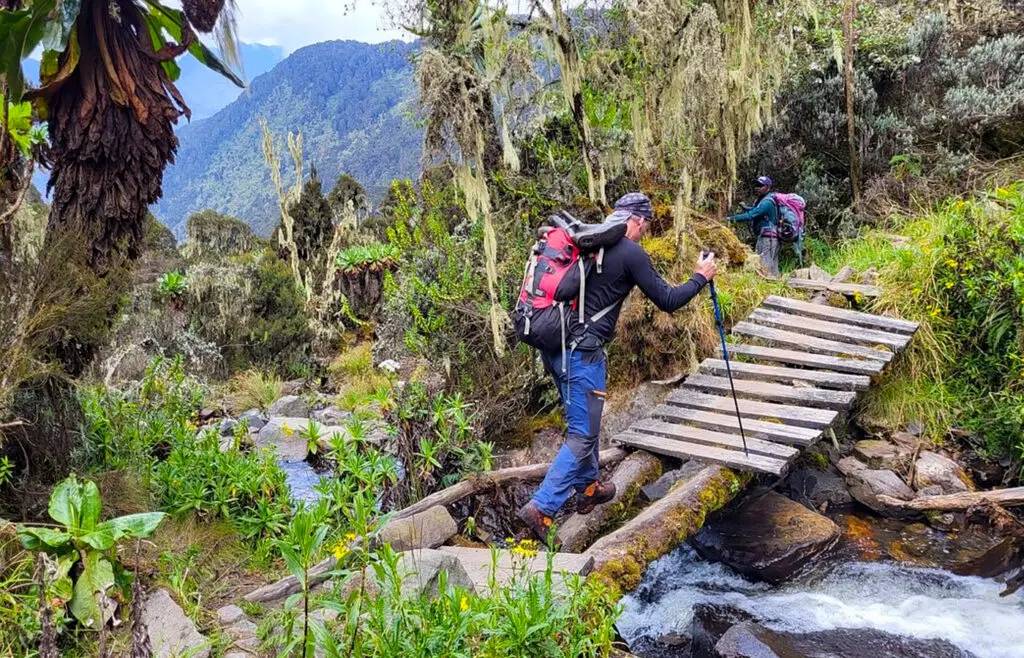
The mid-morning section passes the Nyamulejju Rock Shelter, a natural overhang used as a lunch spot and, in earlier expeditions, as an overnight camp. On clear days the upper flanks of Mount Stanley and Mount Speke are visible above the treeline from here, giving you your first tangible sense of where this trail is heading. The afternoon continues through bamboo and dense forest until the valley widens at John Matte Hut, positioned on the banks of the Bujuku River at 3,380 m.
John Matte is where most trekkers first feel the altitude. Appetite may decrease slightly, sleep may be restless, and the air feels noticeably thinner than at home. All of these symptoms are normal and manageable. Drink at least three liters of water today, eat your full dinner, and resist the urge to over-examine every symptom. The best response to mild altitude effects at this stage is rest, hydration, and confidence.
Day 3: John Matte Hut (3,380 m) to Bujuku Hut (3,960 m) | 5 km | 4-5 hours
Shorter in distance but richer in spectacle, Day 3 is the transition from mountain forest into the Afroalpine zone. After crossing the Bujuku River, the trail enters the lower Bigo Bog, a vast saturated valley flanked by steep ridges. This bog was once described as the most exhausting kilometer in African mountaineering, requiring trekkers to leap from tussock to tussock across knee-deep water. A wooden boardwalk now covers the worst sections, but the surrounding landscape remains one of the most otherworldly on the Central Circuit Trail.

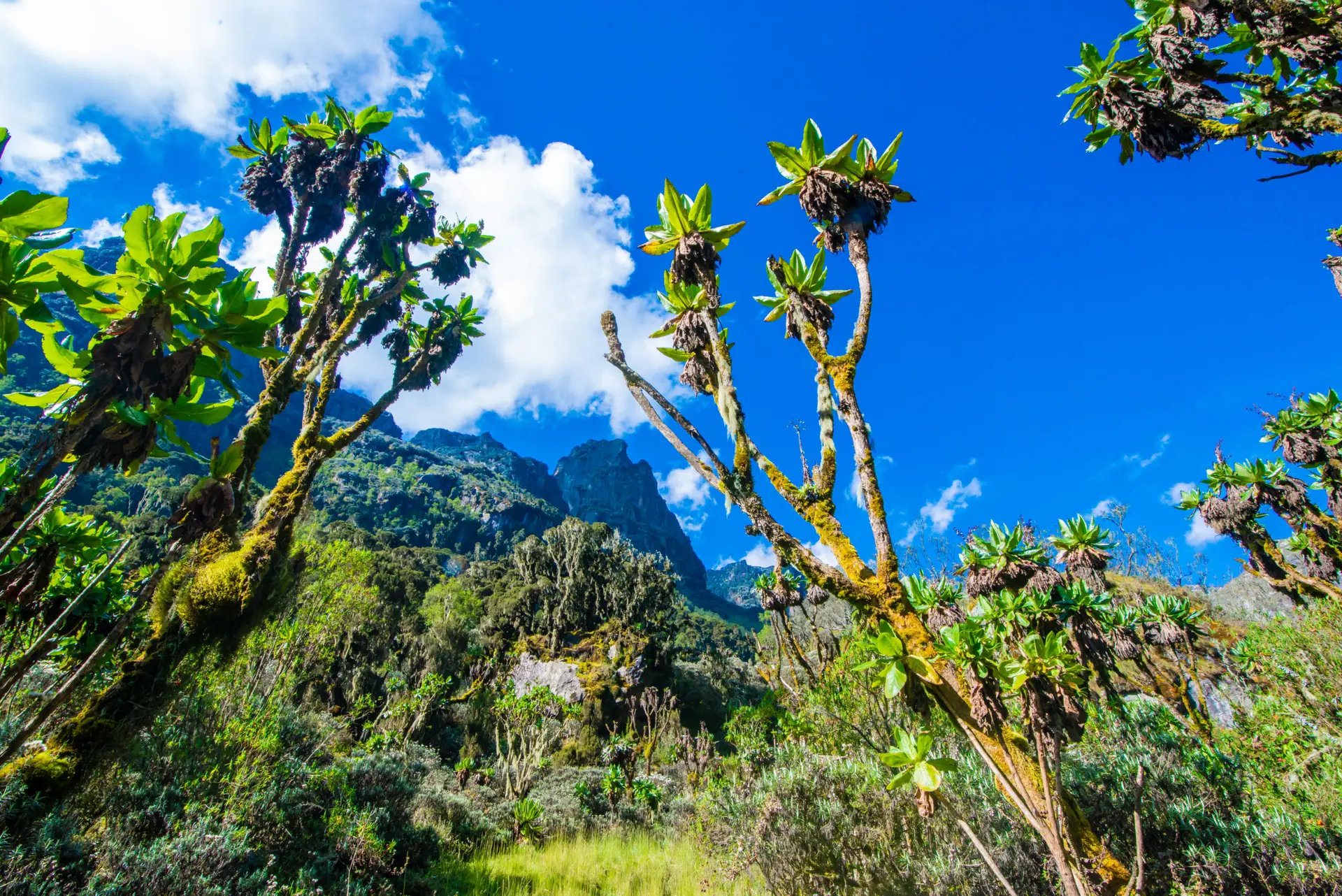
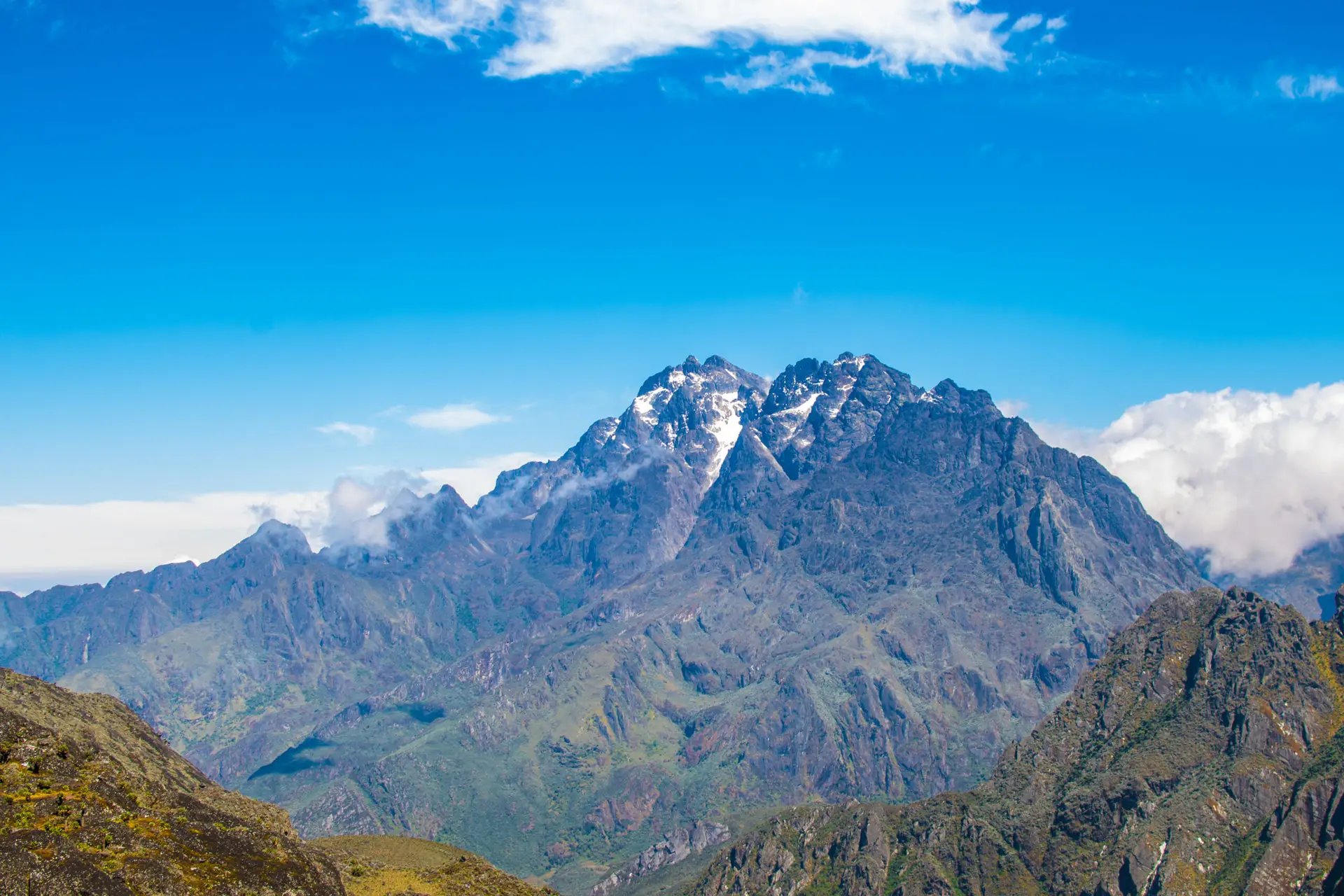
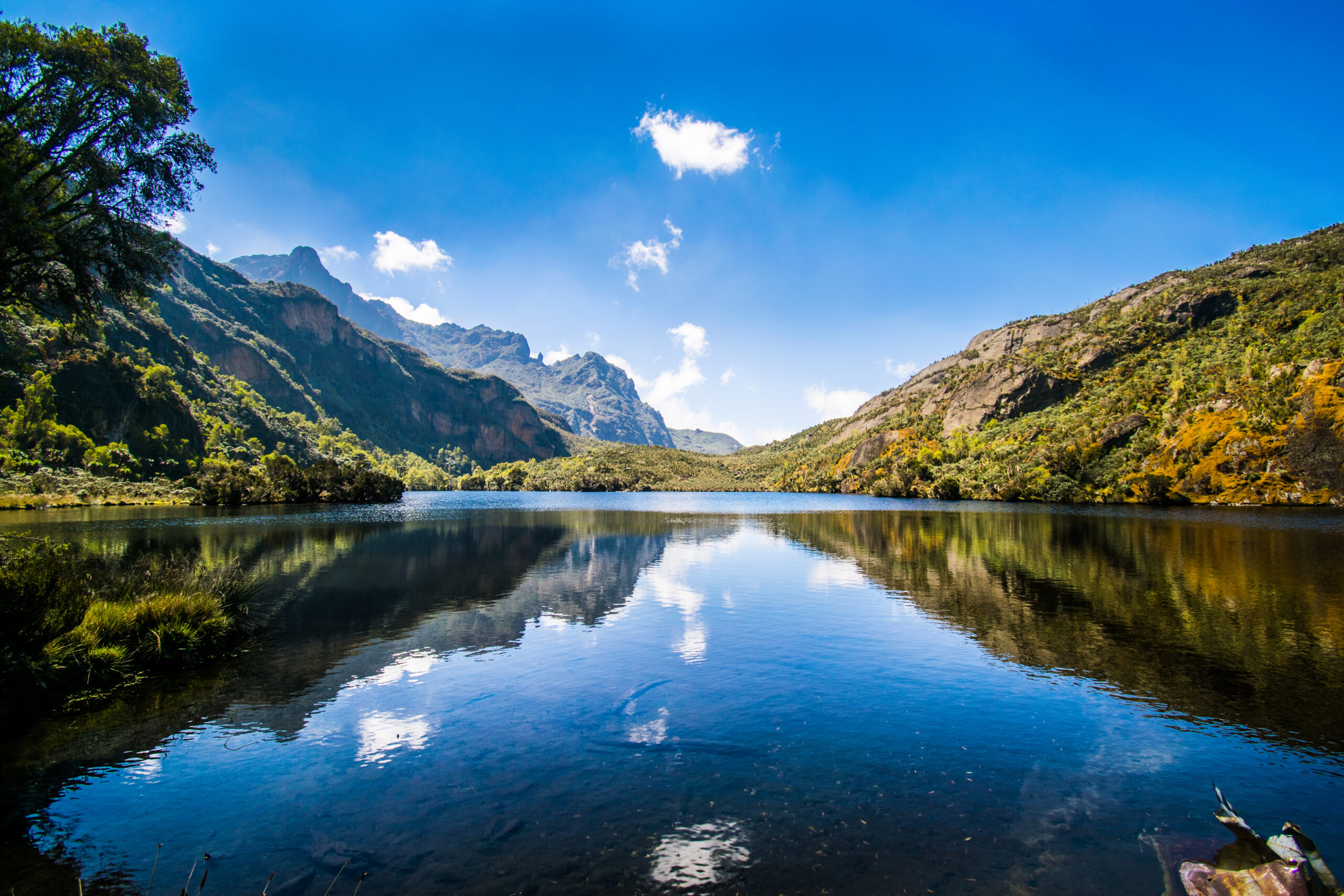
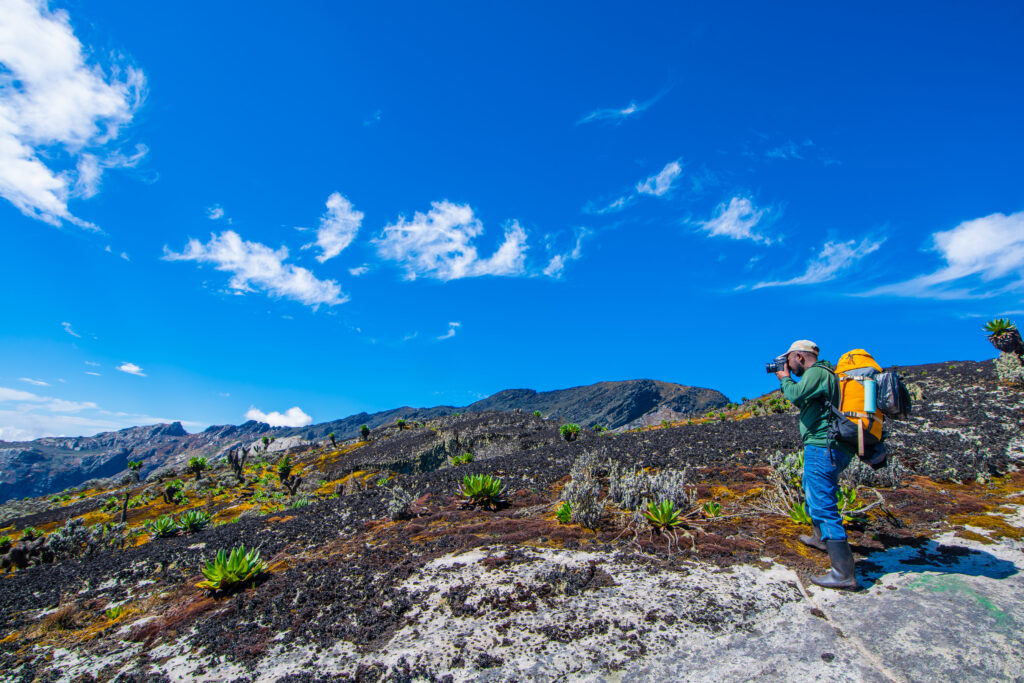
Giant lobelias begin to appear in the valley, growing to four metres and flowering in cone-like spires. Giant groundsels stand like prehistoric candelabras, their rosettes swaying in the mist. The five vegetation zones of the Rwenzori compress altitude bands found over hundreds of kilometers elsewhere in Africa into a few vertical kilometers here. When you reach Bujuku Hut at 3,960 m, which is perched on the edge of Lake Bujuku with clear views toward Mounts Speke, Baker, and Stanley, you will understand why this range has fascinated explorers since Ptolemy described it in antiquity.
What You Will See at Bujuku• Lake Bujuku: a glacial lake reflecting the surrounding peaks on clear mornings • Mount Speke (4,890 m) to the north-east • Mount Baker (4,843 m) to the south • The first clear sightlines to the Stanley Glacier above Elena Hut • Giant Lobelia wollastonii: 3-4 m flower towers unique to the Rwenzori |
Day 4: Bujuku Hut (3,960 m) to Elena Hut (4,541 m) | 3 km | 4-5 hours
Day 4 is short in distance but serious in effort. The altitude is becoming physiologically significant, and every hour of rest at Elena Hut translates directly into summit performance tomorrow morning. The trail climbs from Bujuku across the rough moraine ground above Lake Bujuku and tackles the Scott-Elliot Pass area, a boulder field that requires careful foot placement and use of fixed metal ladders in the steepest section. This is the first section of the route that trekkers with no scrambling experience sometimes find intimidating, but your guide will position the team appropriately.
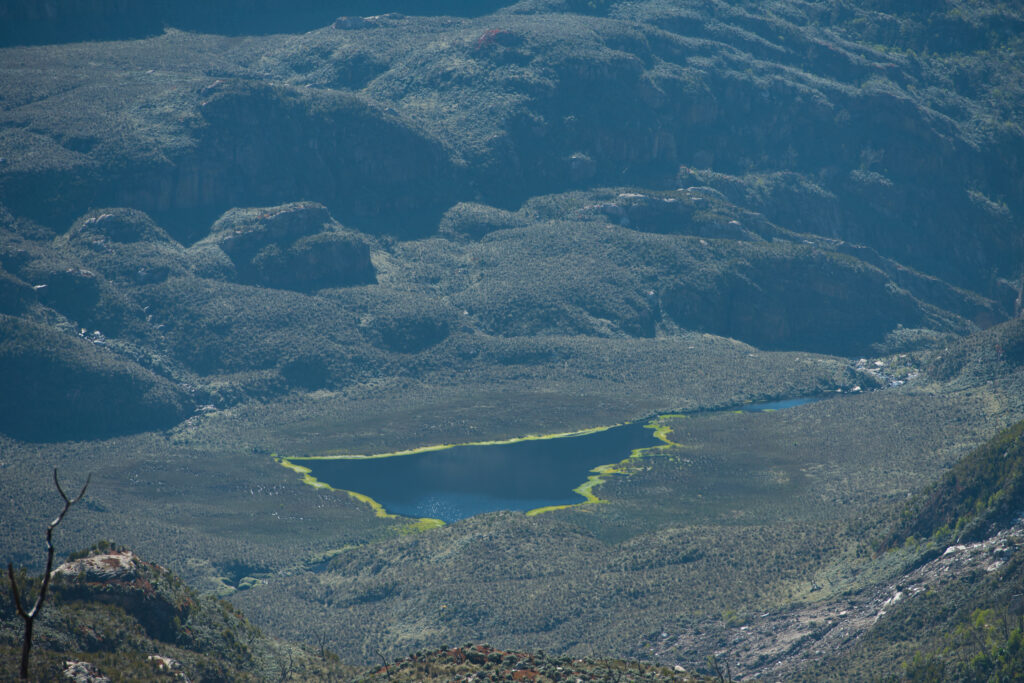
At the junction below the pass, the right-hand branch ascends steeply over large rocks toward Elena Hut and Mount Stanley. Elena Hut stands at 4,541 m on the rocky western shoulder of Mount Stanley, the highest sleeping point on the entire route. Views from the hut door take in Mount Baker and Mount Speke across the Bujuku Valley, with the Stanley Plateau glacier visible directly above. Tonight your guide will deliver a full summit briefing: timing, glacier technique, crampon fitting, and ice axe use. Sleep by 7:30 p.m.
Summit Preparation Checklist for Tonight• Set alarm for 1:45 a.m. • Eat a full dinner even if appetite is suppressed by altitude • Lay out summit layers, harness, gloves, balaclava, and headtorch before sleeping • Crampons and ice axes are fitted and checked by your guide • Drink 500 ml of water before sleeping and keep a bottle in your sleeping bag to prevent freezing |
Day 5: Summit Margherita Peak (5,109 m), Descend to Kitandara Hut (4,023 m) | ~10 km total | 10-12 hours
This is the day that defines the expedition. Wake at 2:00 a.m. Your guide leads the team from Elena Hut across rocky scree by headtorch, fitting crampons at the glacier edge before 3:30 a.m. The Stanley Plateau Glacier is a vast, crevassed ice field traversed via fixed ropes and your guide’s chosen line. The cold at this altitude before dawn is intense, typically between -10 and -15 degrees Celsius, and any wind amplifies the chill sharply. Your layering system is critical here. If you have questions about exactly what to wear, our summit layering guide covers every item in detail.
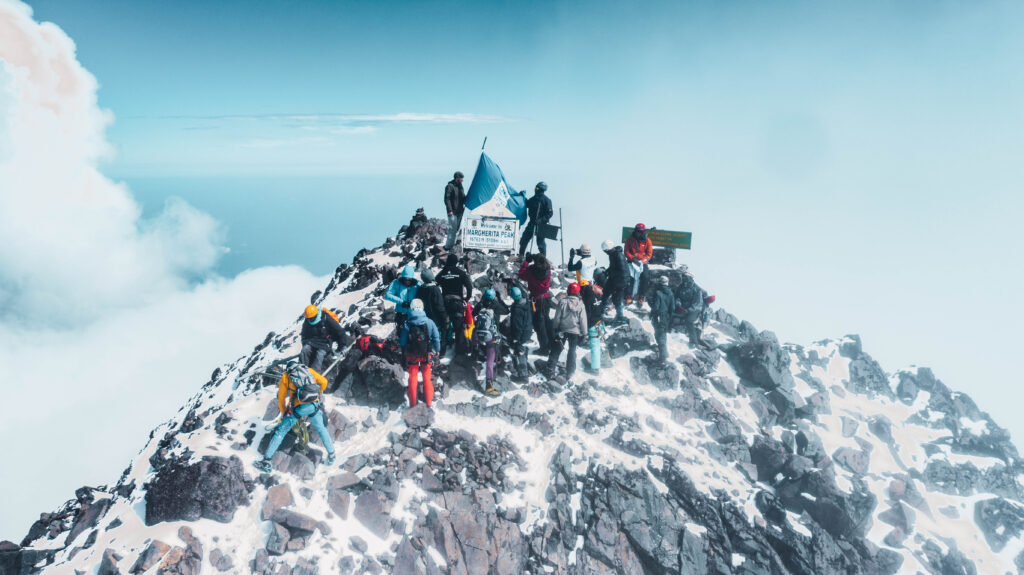
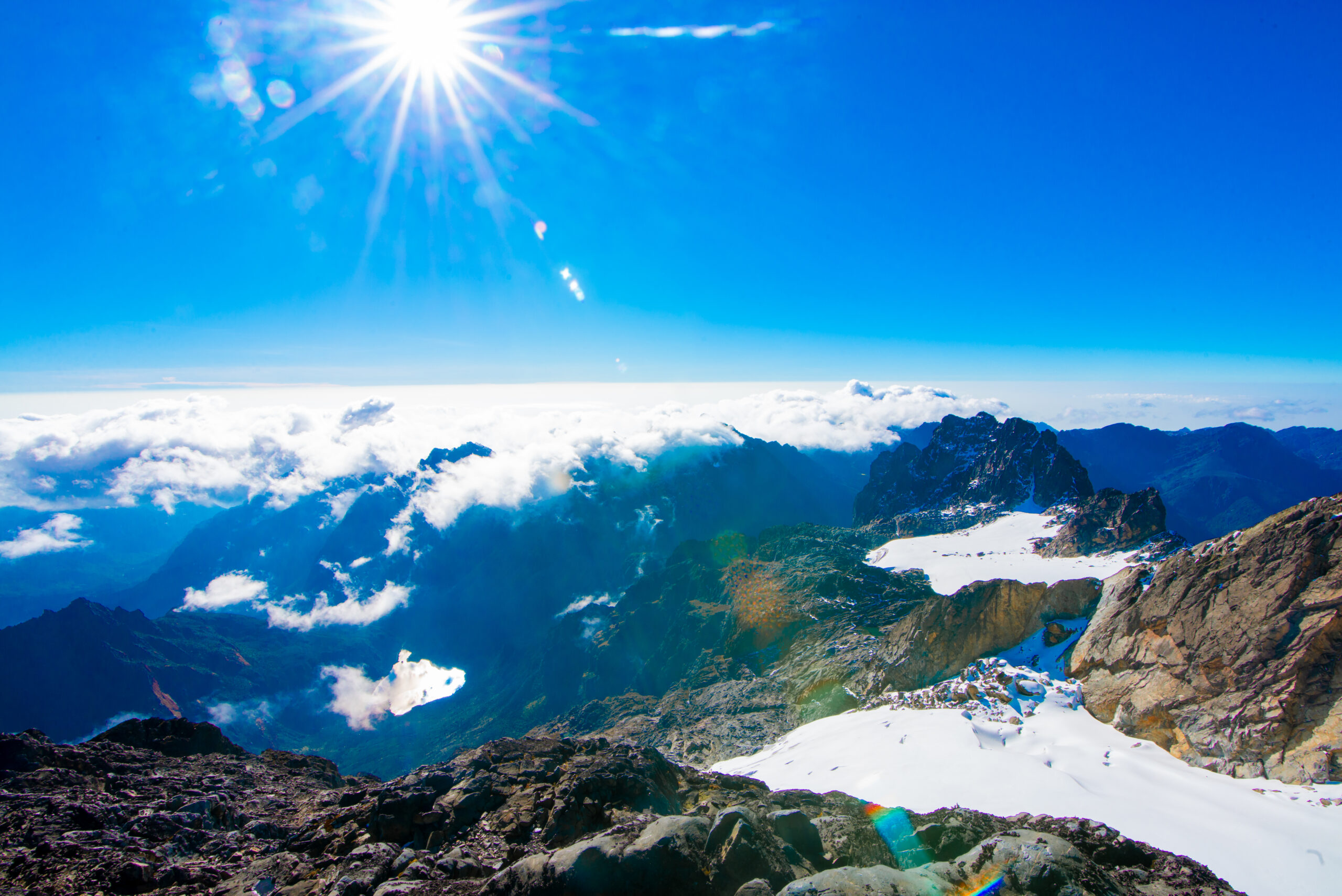
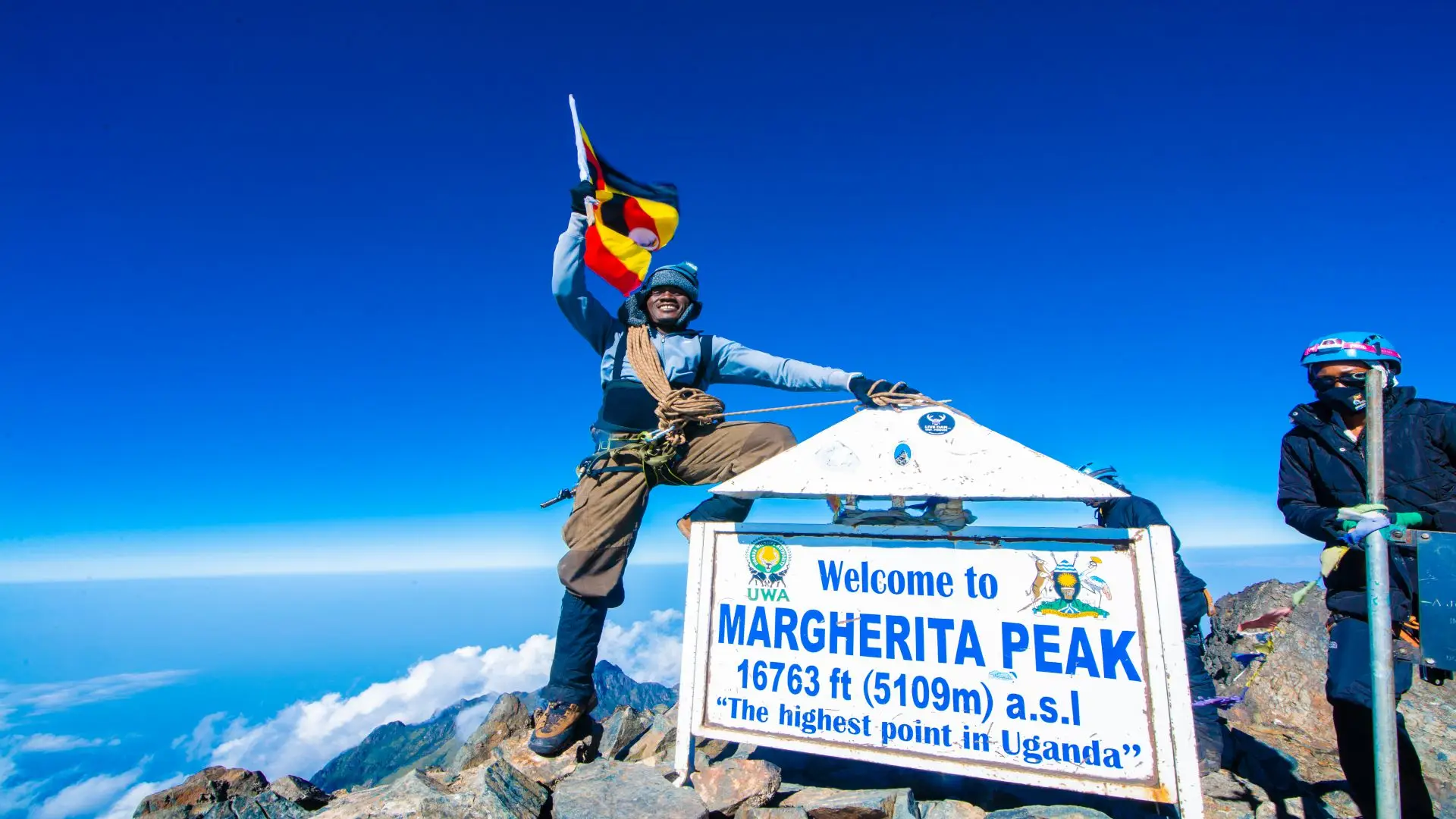
The Margherita Glacier above the Stanley Plateau requires front-pointing with crampons and one or two rope sections on the steeper ice. Your guide demonstrates all techniques and clips the team to the rope. This is not technical mountaineering in the alpine sense, but it demands physical effort and composure at altitude. Most trekkers reach the summit of Margherita Peak between 7:00 and 9:00 a.m. The summit register, the ice underfoot, the panorama sweeping from the Democratic Republic of the Congo to the plains of western Uganda, and the knowledge that you are standing on Africa’s third-highest point with almost no one else in sight: this is what you came for.
After photographs and time to absorb the summit, the descent back to Elena Hut takes two to three hours. A hot lunch is served before the team continues south over Scott-Elliot Pass (4,372 m) and descends toward the twin Kitandara Lakes. This afternoon traverse is one of the most visually stunning sections of the entire route: a high ridge walk above turquoise glacial lakes with Mount Baker’s south face filling the horizon. Dinner and sleep at Kitandara Hut.
Summit Success RateRwenzori Trekking Safaris’ guides have summited Margherita Peak over 200 times. Our summit success rate on the 7-day itinerary consistently exceeds 85% for well-prepared trekkers. See our full analysis of the Margherita Success Rate. |
Day 6: Kitandara Hut (4,023 m) to Guy Yeoman Hut (3,261 m) | ~10 km | 6-7 hours
The descent begins in earnest today, and the mood in the group invariably lifts. Post-summit, bodies feel lighter, and the accumulated altitude fatigue starts to convert into a quiet satisfaction. From Kitandara, the trail traverses the base of Mount Baker‘s southern flank, a section that requires careful foot placement on loose, steep ground. The trail then climbs to Freshfield Pass (4,282 m) before a long, sometimes slippery descent through the Mubuku Valley toward the Guy Yeoman Hut.
The rock shelter at Bujangolo, passed on the descent, was the base camp of the Duke of Abruzzi during his legendary 1906 first ascent of Margherita Peak. Standing here, amid the same moss-draped boulders that sheltered one of the great Alpine explorers of the early 20th century, the history of this mountain becomes tangible. Guy Yeoman Hut itself sits on the banks of the Mubuku River at 3,261 m, considerably warmer than the high camps and noticeably more oxygen-rich. Sleep here is typically the most restorative of the entire week.
Day 7: Guy Yeoman Hut (3,261 m) to Nyakalengija (1,600 m) | ~14 km | 7-8 hours
The final day is a long downhill trek through a bamboo forest and back into the lower montane zone. The trail is wet and the ground is often slippery, so trekking poles earn their keep on the descent from Guy Yeoman to Nyabitaba. After a rest and lunch at Nyabitaba, a further three-hour descent returns you to Nyakalengija, the same trailhead where the expedition began seven days earlier.
Back in Nyakalengija in the late afternoon, you will tip your porters, return any hired equipment, and receive your summit certificate if you reached Margherita Peak. From here, most trekkers spend the night in Kasese town before onward travel. If you have remaining days in Uganda, this is an ideal moment to add a gorilla trek in Bwindi Impenetrable Forest National Park or a wildlife safari in Queen Elizabeth National Park, both within a few hours’ drive.
Elevation Profile: How the Altitude Builds Day by Day
Understanding the elevation arc of this trek is essential for preparation and pacing. The 7-Day Central Circuit does not follow a simple ascend-then-descend profile. It builds steadily, holds you at high altitude for two nights, then drops.
| Day 1 | Nyakalengija 1,600 m to Nyabitaba 2,652 m (+1,052 m gain) |
| Day 2 | Nyabitaba 2,652 m to John Matte (3,380 m) (+728 m gain) |
| Day 3 | John Matte 3,380 m to Bujuku 3,960 m (+580 m gain) |
| Day 4 | Bujuku 3,960 m to Elena Hut (4,541 m) (+581 m gain) |
| Day 5 | Elena 4,541 m to Margherita 5,109 m (+568 m); descend to Kitandara (4,023 m) |
| Day 6 | Kitandara 4,023 m to Freshfield Pass 4,282 m to Guy Yeoman (3,261 m) |
| Day 7 | Guy Yeoman 3,261 m to Nyakalengija (1,600 m) (-1,661 m descent) |
The profile is acclimatization-friendly by design: no single day demands more than 1,100 m of gain, and each camp elevation is lower than the day’s high point, following the mountaineering principle of “climb high, sleep low.” Read our dedicated Rwenzori acclimatization guide for the complete physiological breakdown of how the body adapts on this specific route.
Camps and Mountain Huts on the Central Circuit.

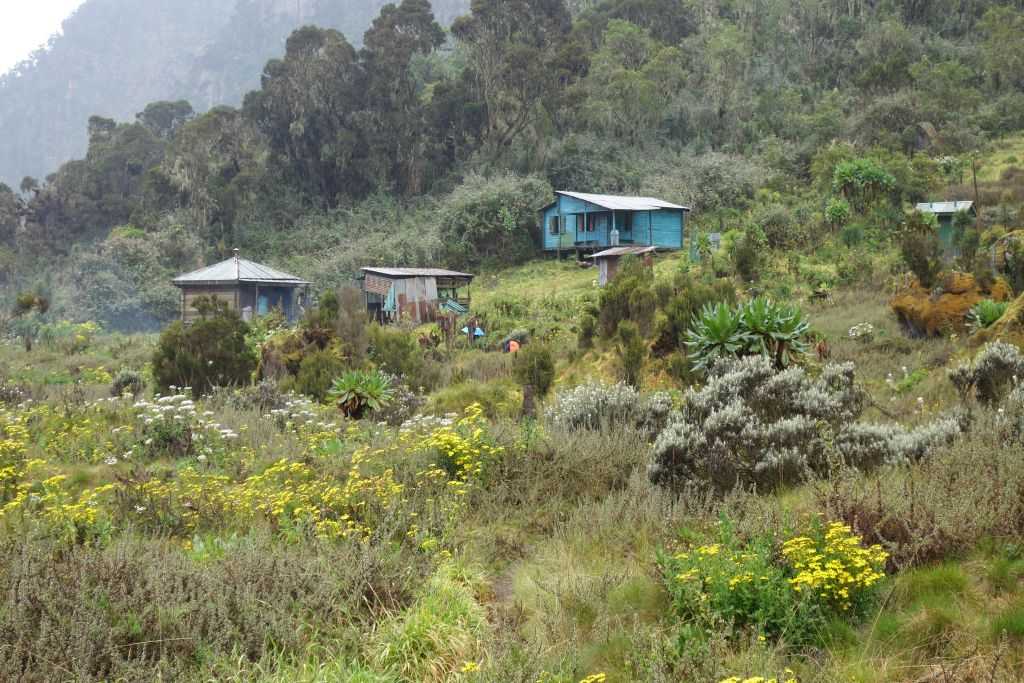
RMS manages all accommodation on this trek in established mountain huts. The huts provide wooden bunk beds with mattresses, a communal dining area where your cook prepares meals, and basic toilet facilities. They are not hotels, but they are structurally sound and provide essential protection from the Rwenzori’s near-constant rain. Full details of every camp and what you can expect on arrival are covered in our mountain accommodation guide.
Nyabitaba Hut | 2,652 m
The first night camp. Positioned on a forested ridge above the Mubuku Valley with views east toward the Uganda plains on clear evenings. The hut is the largest on the circuit with a well-equipped kitchen area. Cold-water washing facilities available. Wildlife is active around the hut at dusk; listen for tree hyraxes calling from the surrounding forest.
John Matte Hut | 3,380 m
Named after a famous Rwenzori guide of the colonial era, John Matte sits in the valley above the Bujuku River confluence. Surrounded by heather and senecio, this hut marks the entry into true alpine conditions. Most trekkers notice altitude effects here for the first time. A solar-charged lighting system is available in the evenings.
Bujuku Hut | 3,960 m
The most scenically positioned hut on the route. Lake Bujuku lies immediately below, reflecting three of the range’s major peaks on still mornings. Cloud usually rolls in after midday, so arrive early if you want the photographic conditions. The giant lobelias around the hut reach their maximum density here.
Elena Hut | 4,541 m
The highest sleeping point on the 7-day route. Elena is a small, metal-clad hut bolted directly onto the rocky shoulder of Mount Stanley. It is cold, exposed, and absolutely extraordinary. The Stanley Glacier is visible from the hut door. Wind and temperature drop sharply here after sunset; all sleeping bag ratings should be tested at this camp, not on summit day. A full sleeping bag audit is included in our packing guide.
Kitandara Hut | 4,023 m
Arguably the most beautiful camp on the Central Circuit. Two turquoise glacial lakes sit at the base of Mount Baker’s south wall. The post-summit evening here, with the physical and emotional high of Margherita behind you, is something trekkers consistently describe as the emotional peak of the entire expedition. Excellent photography conditions on calm evenings.
Guy Yeoman Hut | 3,261 m
The penultimate camp, positioned on the Mubuku River in the lower alpine zone. It is warmer and more humid than the high camps. The proximity to the historic Bujangolo rock shelter makes this area a compelling place to sit with your thoughts about the journey. The river running past the hut provides a cold but refreshing wash after the long descent from Freshfield Pass.
Flora and Wildlife You Will Encounter
The Rwenzori’s biodiversity is one of its defining characteristics and one of the primary reasons trekkers choose it over other African summits. The range rises through five distinct vegetation zones, each with its suite of plants, birds, and animals. Our dedicated Rwenzori wildlife guide covers every species that visitors are likely to encounter across the full altitude range.
Lower Montane Forest (1,600-2,500 m)
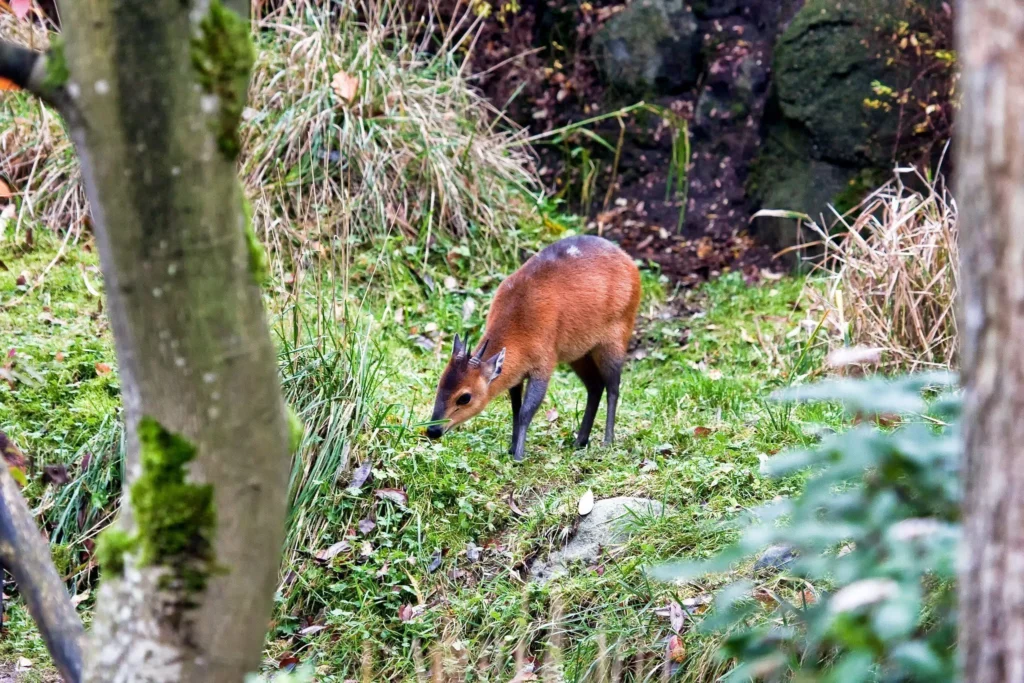
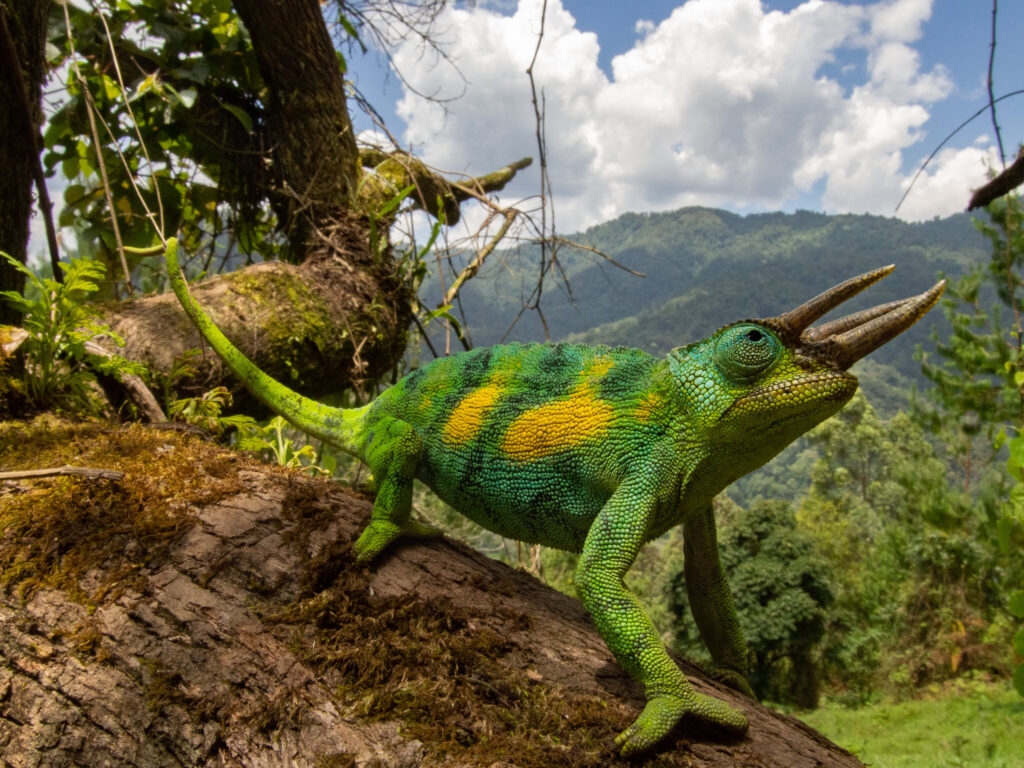
The first two hours of Day 1 pass through dense equatorial forest. Forest elephants, black-and-white colobus monkeys, L’Hoest’s monkeys, forest duikers, and three-horned chameleons inhabit this zone. Birds are extraordinary: the Rwenzori Turaco, Handsome Francolin, African Green Broadbill, and the scarce Dwarf Honeyguide are all possible. This forest is part of the Albertine Rift, one of Africa’s two primary bird-diversity hotspots.
Bamboo and Heath Zone (2,500-3,500 m)
The transition zone between forest and alpine. Giant bamboo closes overhead, then gives way to tree heather coated in trailing moss and beard lichen. Hyraxes are commonly heard at Nyabitaba and John Matte. The distinctive call of the Rwenzori Nightjar drifts across the hut at dusk. This zone feels ancient and prehistoric.
Afroalpine Zone (3,500-4,500 m)
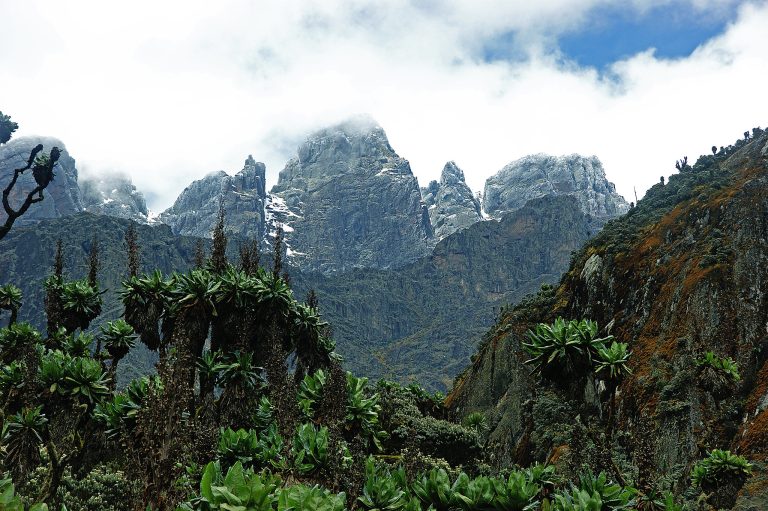
The heart of the Rwenzori’s visual drama is its stunning landscapes. Giant Lobelia wollastonii and Senecio adnivalis (giant groundsel) dominate the landscape from Bujuku Hut upward. These extraordinary plants, which can take 50 years to reach maturity, represent one of the most vivid examples of “alpine gigantism” on Earth. Read more about the vegetation zones of the Rwenzori, including the geological conditions that allow these plants to grow at this scale.
Glacial and Rocky Zone (4,500-5,109 m)
Above Elena Hut, plant life almost disappears. Lichen-covered rocks, ice, and the grey rubble of moraines define this zone. The Stanley Plateau Glacier above is the last remnant of what were once vast ice fields covering the upper Rwenzori. The absence of vegetation makes the scale of the peaks more apparent and the transition to crampons more significant.
Difficulty, Fitness Requirements, and Altitude Considerations
The 7-Day Rwenzori Central Circuit is classified as a challenging mountaineering expedition. It is accessible to non-technical climbers with excellent fitness, but it is not a casual hiking trip. The terrain includes waterlogged bog trails, steep boulder fields, slippery root systems, metal ladders, and a glaciated summit approach. Mud, altitude, and cold are permanent features of the experience rather than occasional inconveniences. Our full assessment of how difficult the Rwenzori trek is covers every terrain type in detail.
Fitness Level Required
You should be able to hike for 6-8 hours on consecutive days while carrying a daypack that weighs 5-8 kg. We strongly recommend regular aerobic fitness, running, cycling, hiking, or swimming for at least 8-12 weeks before departure. No technical climbing experience is needed; your guides teach all glacier skills on the mountain. For a structured training program specific to this trek, see the Rwenzori fitness and training guide.
Altitude and Acclimatisation
The maximum sleeping altitude of 4,541 m (Elena Hut) is high enough to produce Acute Mountain Sickness (AMS) symptoms in some trekkers, including headache, nausea, fatigue, and disrupted sleep. The 7-day schedule is designed to minimize this risk through gradual ascent, but no acclimatization plan eliminates it entirely. Many trekkers use acetazolamide (Diamox), so discuss it with your physician before departure. Your guide carries supplemental oxygen for emergencies.
Altitude WarningIf you develop a severe headache, loss of balance, confusion, or chest tightness at any altitude, tell your guide immediately. Descending from 500 to 1,000 m resolves the vast majority of AMS cases within hours. Do not attempt to push through severe AMS symptoms. The summit will still be there on a future trip. |
Who Is This Trek For?
The 7-Day Central Circuit suits experienced hikers and fit beginners who are serious about reaching the summit. It is not suitable for those who dislike cold or wet conditions or anyone with an unmanaged cardiac or respiratory condition. Hikers over 50 who maintain good fitness complete this route regularly; see our dedicated guide on trekking the Rwenzori over age 50. First-time trekkers with adequate preparation also succeed at high rates; read our complete guide for beginners.
Best Time to Trek the Rwenzori Central Circuit.

The Rwenzori receives rainfall every month of the year. Unlike most African mountains, it does not have a reliable dry season. The range creates its own microclimate, so even in the “drier” months, you should expect rain on most days. What changes between seasons is intensity, not presence. The full guide to timing your Rwenzori expedition provides information on the best time to visit the Rwenzori.
| December to February | Best period. Lighter rainfall, clearer summit mornings. Most popular booking window. |
| June to August | Second dry window. Good summit success rates. Slightly cooler at high camps. |
| March to May | Long rains. Heavy, sustained rainfall. The trails are more difficult. Summit views reduced. Not recommended for first timers. |
| September to November | Short rains. Manageable but wetter than the dry windows. Good for experienced trekkers. |
A key practical point: even in the best months, summit day weather on the glacier is unpredictable. Many successful summit days begin under clear skies and end with clouds rolling in by mid-morning. Your guide reads mountain conditions daily and adjusts the 2:00 a.m. departure window accordingly.
Packing List for the 7-Day Rwenzori Central Circuit.
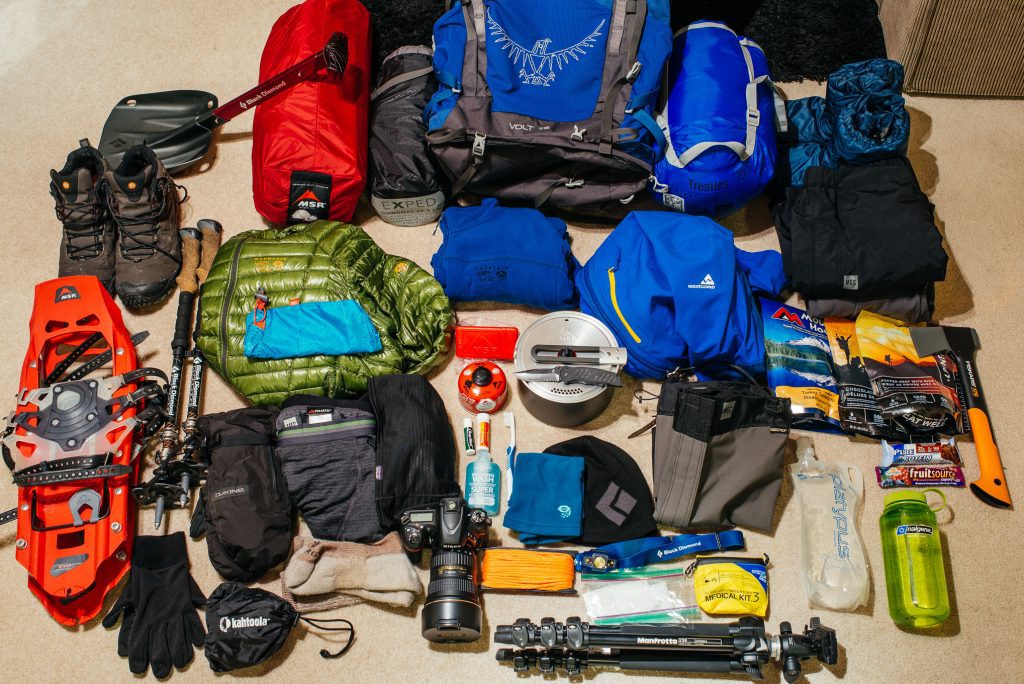
The Rwenzori has specific gear requirements driven by its constant moisture and the altitude swing from 1,600 m to 5,109 m. Pack for both tropical heat at the start and sub-zero temperatures at Elena Hut and above. Our comprehensive Rwenzori packing list covers every category in detail, but the critical essentials are:
Clothing
- Waterproof jacket and trousers (seam-sealed, not just water-resistant)
- Thermal base layers: top and bottoms (merino wool recommended)
- Insulating mid-layer: fleece or down jacket
- Summit parka (for Elena Hut and glacier temperatures reach -15 C)
- Lightweight trekking trousers (x2)
- Gaiters (essential for the bog sections)
- Warm hat, balaclava, and sun hat
- Liner gloves and heavy outer gloves or mitts
- Wool or synthetic trekking socks (x5 minimum)
Footwear
Your waterproof trekking boots are required for Days 1-2 and the descent. Rwenzori Trekking Safaris provides rubber boots in a range of sizes for the bog sections, free of charge. Check our dedicated Rwenzori boot and footwear guide for specifics on what to bring.
Technical Gear (Provided)
- Crampons (steel, 10-12 point)
- Ice axe
- Climbing harness
- Helmet
- Fixed rope sections on Margherita Glacier
General Equipment
- Trekking poles (strongly recommended; collapsible)
- Headtorch with spare batteries (lithium cells for cold temperatures)
- Daypack 25-35 litres for summit day essentials
- Duffel bag 80-100 litres for porter carry
- Waterproof stuff sacks or dry bags for internal organisation
- Sleeping bag rated to at least -10 C (comfort rating, not extreme)
- Sunscreen SPF 50+, lip balm, and UV-protective sunglasses
- Water purification tablets or filter (hut water sources should always be treated)
- Personal first aid kit and blister treatment
Permits, Park Fees, and Full Cost Breakdown.
The 7-Day Central Circuit trek is priced from USD 1,400 per person, which includes all park fees, guiding, porter support, meals, hut accommodation, and glacier equipment. A full, itemized cost breakdown for every component of a Rwenzori expedition is available in our Rwenzori cost guide.
| Package Price | From USD 1,400 per person (all-inclusive on the mountain) |
| UWA Park Entry | Included in package price |
| Guide Fees | Included in package price |
| Porter Fees | Included in package price (1 porter per trekker) |
| Meals (7 days) | All on-mountain meals included |
| Hut Accommodation | Included in package price |
| Glacier Equipment | Included (crampons, ice axe, harness, helmet, ropes) |
| Rubber Boots | Free loan from RTS |
| Guide / Porter Tips | Not included typically USD 10-15/day per guide and USD 5-8/day per porter |
| Kasese Pre/Post Accommodation | Not included; see our accommodation guide |
Group discounts apply for parties of four or more. Solo trekkers are paired with other single bookings where schedules align, or a private departure can be arranged for a supplement. All prices are quoted in USD and are current for 2025/2026. Contact us directly for a personalized quote.
Getting to the Rwenzori: Transport and Logistics
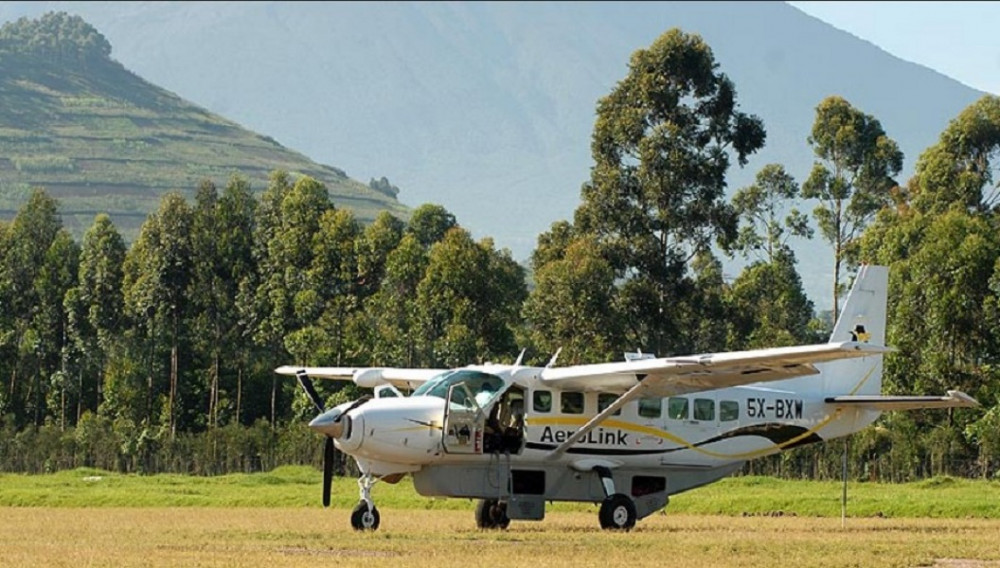
The trailhead at Nyakalengija is located approximately 10 km from Kasese town in western Uganda. Kasese is reachable by road from Kampala (roughly 6-7 hours by private vehicle or overnight bus) and from Entebbe International Airport (5-6 hours). The full route planning guide, including road options, border crossings from Kenya and Tanzania, and internal Uganda logistics, is available in our how-to-get-to-the-Rwenzori guide.
From Kampala / Entebbe
By private charter vehicle: 5-6 hours from Entebbe, 6-7 hours from Kampala city center. This is the most comfortable option and can be arranged through Rwenzori Trekking Safaris as an add-on. By bus: several daily services run from Kampala’s Kisenyi or Nakulabye stages to Kasese (7-9 hours). Arrive in Kasese the evening before your trek start date.
Kasese Town
Kasese is the primary gateway to the Rwenzori and has a range of guesthouses and hotels to suit most budgets. Our Kasese travel and accommodation guide covers where to stay, where to eat, ATM locations, and how to get from Kasese town to the Nyakalengija trailhead on trek day one.
Trailhead Transfer
Rwenzori Trekking Safaris arranges trailhead transfers from Kasese to Nyakalengija on the morning of Day 1. This is approximately 30-40 minutes by vehicle and is included in most package arrangements. Please confirm transfer requirements at the time of booking.
What’s Included in the 7-Day Central Circuit Package
Included
- Uganda Wildlife Authority park entry permits (7 days)
- Professionally certified Rwenzori mountain guide (English-speaking)
- Dedicated mountain cook and support staff
- Porter team (1 porter per trekker, maximum 15 kg per porter load)
- All meals on the mountain: breakfast, lunch, dinner, tea, and snacks
- Accommodation in established RMS mountain huts (shared basis)
- Summit glacier equipment: crampons, ice axe, harness, helmet, fixed rope
- Free loan of rubber boots (mandatory for the bog sections)
- Emergency supplemental oxygen
Not Included
- International flights and Kampala/Entebbe to Kasese transfers (available on request)
- Accommodation in Kasese before and after the trek
- Personal travel and rescue insurance (required, see our travel insurance guide)
- Tips and gratuities for guides, porters, and cook (see our tipping guide)
- Personal medications, including Diamox / altitude medication
- Satellite communication
- Alcoholic beverages and personal snacks beyond standard meals
Book Your Slot
Respond within Minutes
From
$1,400
per person
- Duration 7 Days / 6 Nights
- Group Size 1–12 people
- Start Point Nyakalengija
- Departures Year-round
- Summits Margherita Peak
No booking fee. Free cancellation up to 30 days before departure. We respond within Minutes.
Explore Related Rwenzori Expeditions
If the 7-Day Central Circuit has convinced you to commit to the Rwenzori but you want to compare options, the following itineraries may also suit your schedule and ambitions:
8-Day Kilembe Trail to Margherita Peak.
Spectacular southern approach with added waterfall scenery.
$1705 Per Person
$1705 Per Person
6-Day Central Circuit to Margherita Peak.
One day shorter, same summit, faster pace.
$1,400 Per Person
$1,400 Per Person
13-Day Six Peaks Grand Expedition.
Summit all six major Rwenzori peaks, including Margherita, Speke, Baker, Emin, Gessi, and Luigi di Savoia.
$3,350 Per Person
$3,350 Per Person
12-Day Rwenzori + Gorilla Trek Combo
Combine the Rwenzori summit with mountain gorilla trekking in Bwindi.
$5,800 Per Person
$5,800 Per Person
Everything you need to know before booking your 7-Day Rwenzori Central Circuit.
How difficult is the 7-Day Rwenzori Central Circuit trek for a first-time high-altitude trekker?
The 7-Day Central Circuit is challenging but achievable for a well-prepared first-timer. Your guide manages the technical demand of the glacier section and teaches crampon and ice axe technique on the mountain. The main physical challenge consists of seven consecutive days of hiking on wet, uneven terrain with 400-1,000 m of daily elevation gain. Trekkers who have trained consistently for 8-12 weeks, can hike 6+ hours comfortably, and have a positive attitude toward cold and mud routinely succeed. See our beginner’s guide to Rwenzori trekking for the full preparation checklist.
Do I need prior mountaineering or glacier experience to summit Margherita Peak?
No prior glacier or mountaineering experience is required for the 7-Day Central Circuit. Your Rwenzori guide will demonstrate crampon fitting, how to stop a fall with an ice axe, and rope travel at the glacier edge before you begin the summit section. The vast majority of our clients have never used crampons before and summit successfully. What matters more than technical background is physical fitness, warm clothing, and a willingness to follow your guide’s instructions precisely.
What is the summit success rate on the 7-Day Central Circuit?
Our summit success rate on the 7-day itinerary consistently exceeds 85% for trekkers who arrive adequately prepared. The main reasons for non-summits are severe altitude sickness, inadequate cold-weather gear, and injury on the descent.
All three are reducible with proper preparation. Our full analysis of the factors that determine summit success is available at the Rwenzori summit success rate.
How cold does it get at Elena Hut and on the summit of Margherita Peak?
Elena Hut, at 4,541 m, typically sees overnight temperatures between -5 and -10 degrees Celsius. Wind can make it feel significantly colder. On the glacier during the pre-dawn summit push, ambient temperatures of -10 to -15 degrees Celsius are common. A sleeping bag rated to -10 C (comfort), a quality summit parka, and a complete layering system are non-negotiable. Arriving at Elena Hut with insufficient cold gear is the single most avoidable failure mode on this trek.
How is the 7-Day Central Circuit different from the 8-Day Kilembe Trail route?
Both routes summit Margherita Peak, but they approach from different sides of the range and have distinct character. The Central Circuit is the established classic route from the northern/eastern approach via Nyakalengija. The 8-Day Kilembe Trail approaches from the south via the old copper mining town of Kilembe, passes the spectacular Kilembe waterfalls, and converges with the Central Circuit at Kitandara Lakes. The Kilembe route is arguably more dramatic in its lower sections; the Central Circuit is more established and statistically has a slightly higher success rate due to its more gradual altitude gain. A full comparison is at our Central Circuit vs Kilembe Trail guide.
Is the Rwenzori harder than Kilimanjaro?
Objectively, yes. Kilimanjaro is higher at 5,895 m, but the Rwenzori is more technically demanding, physically more exhausting due to terrain type, and significantly wetter. Most trekkers who have done both describe the Rwenzori as the harder and more rewarding experience. The full honest comparison is Rwenzori vs Kilimanjaro.
What do I eat on the mountain, and is food provided for vegetarians or vegans?
All meals are provided by a trained mountain cook. Breakfast typically includes porridge, eggs, and hot drinks. Lunch is a packed meal of bread, protein, fruit, and snacks. Dinner is a hot cooked meal: rice, ugali, beans, lentils, pasta, or stew. Vegetarian options are fully catered. Vegans should notify us at the time of booking so we can prepare the meal. Fresh produce is carried from Kasese and replenished at supply caches partway up the mountain. You will not go hungry on the Rwenzori.
Can I complete the 7-Day Central Circuit as a solo trekker?
Yes. Solo trekkers regularly complete this route. You will be assigned a personal guide and porter regardless of group size. Solo trekkers can either join scheduled group departures or book a private expedition for a small additional fee. We offer advice on the solo trekking experience in our guide to solo Rwenzori trekking.
What travel insurance do I need for the 7-Day Rwenzori trek?
Travel insurance for the Rwenzori must explicitly cover high-altitude trekking above 5,000 m, helicopter rescue and medical evacuation, and emergency hospitalization in Uganda. Standard travel insurance rarely covers all of these. Our guide to travel insurance for the Rwenzori lists recommended providers and the exact cover terms you need to verify before purchase.
What is the best season to attempt Margherita Peak via the Central Circuit?
December to February and June to August offer the most reliable summit conditions, with lighter rainfall and a higher probability of clear mornings at the glacier. However, the Rwenzori is hikeable year-round with appropriate gear, and even the wetter months can produce successful summits. See our complete seasonal guide for a month-by-month breakdown.
How far in advance should I book the 7-Day Rwenzori expedition?
We recommend booking at least 3-4 months in advance for departures during peak months (December-February, June-August). The Uganda Wildlife Authority controls permits and limits the number of daily trekkers on the route. Last-minute bookings are sometimes possible, but availability cannot be guaranteed. A 30% deposit is required to confirm a reservation; the balance is due 30 days before departure.