Rwenzori Gear Rental: Everything You Need to Know Before You Trek the Mountains of the Moon
Everything you need to know about Rwenzori gear rental in Kasese: sleeping bags, crampons, ice axes, costs, quality, and what to bring from home. You Don’t Need to Fly With an Ice Axe But You Need to Know What to Expect
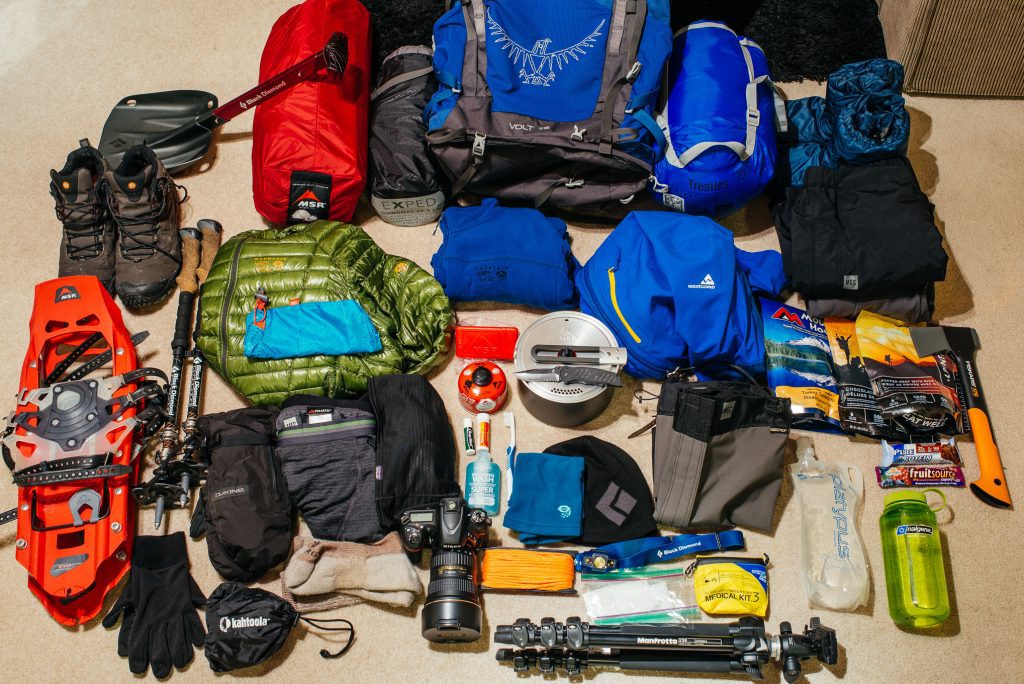
There is a particular kind of dread that settles over a serious trekker somewhere around the third airline website they’ve visited, staring at baggage allowance policies while mentally accounting for crampons, a mountaineering ice axe, a four-season sleeping bag, and a set of trekking poles they’re not even sure they can check in legally. The Rwenzori Mountains demand serious gear. They are not a casual walk in the hills. At 5,109 metres, Margherita Peak on Mount Stanley sits inside a permanently glaciated alpine environment where temperatures plunge below freezing, the trails are notoriously muddy and technical, and the weather changes with unsettling speed. And yet, every year, trekkers arrive in Kasese, the small Ugandan town that serves as the gateway to the range, with nothing more than a daypack, confident they’ve heard gear rental is available. Sometimes that confidence is justified. Sometimes it isn’t.
This guide exists to close the gap between what trekkers hope is possible and what is actually, reliably available when they arrive at the foot of the Mountains of the Moon. After years of leading expeditions across the Central Circuit Trail, the Kilembe Trail, and technical summit routes to Margherita and the other outstanding peaks of this range, we can tell you precisely what you can rent, what it will cost you, where to source it, and critically, what you should never leave home without regardless of what any rental operation tells you.
Why Gear Rental on the Rwenzori Is a Legitimate Option, and Why It Has Limits.
The Rwenzori is not Kilimanjaro, where a vast commercial trekking industry has produced dozens of well-stocked outfitters with rows of identical sleeping bags in every size. It is not Nepal, where gear rental in Kathmandu is a sophisticated, competitive market with international brands available at reasonable daily rates. The Rwenzori operates on a different scale entirely. The Rwenzori is one of the most remote and demanding mountain ranges in Africa, visited by a fraction of the trekkers who go to Kilimanjaro, and the gear rental ecosystem reflects that reality.
What Kasese does offer, however, is more than you might expect from a town of its size. Specialist operators, including Rwenzori Trekking Safaris, maintain rental gear inventories specifically because they understand that international trekkers cannot always travel with the full kit this mountain demands. The logic is sound: it is expensive and logistically complex to transport heavyweight mountaineering equipment across international borders, particularly for trekkers flying via Entebbe on regional carriers with strict weight limits, or for those combining the Rwenzori with a broader Uganda or East Africa itinerary where carrying a 10-kilogram kit bag of mountaineering gear for two weeks is simply impractical.
The rental option is legitimate. The gear that specialist operators maintain is functional and appropriate for the mountain. But it comes with important nuances around sizing, availability, and the crucial distinction between what can reasonably be rented and what must be brought from home if you take your safety and comfort on the mountain seriously.
Where to Rent Rwenzori Gear: Kasese Is Your Only Realistic Option
If you are planning a Rwenzori trek, you need to understand the geography of the rental market clearly. Kampala, Uganda’s capital, does have some outdoor gear shops, but they are not reliably stocked with specialist mountaineering equipment appropriate for high-altitude, glaciated terrain. Attempting to source technical gear there before traveling to Kasese introduces uncertainty into your planning that is simply unnecessary. Fort Portal, the largest town near the northern approaches to the Rwenzori, has limited, if any, mountaineering gear rental.
You should rent gear from your trekking operator in Kasese before you arrive. Rwenzori Trekking Safaris handles gear rental as part of the trek preparation process, which means your kit is identified, sized, and set aside before your party arrives in town. This eliminates the risk of arriving to find that the only remaining sleeping bag is a size designed for someone considerably larger than you, or that the last pair of crampons in your shoe size walked out the door with the group that departed two days before you did.
There are also a small number of independent gear rental shops in Kasese town itself, near the Rwenzori Mountaineering Services offices and along the main approaches to the park. These can be useful for supplementary items a spare pair of gaiters, an extra fleece layer, and trekking pole tips, but they should not be your primary strategy for sourcing core safety equipment. Quality and sizing consistency at independent shops varies considerably, and there is no guarantee of availability during peak trekking seasons between June and August or December and February.
The single most important practical advice on this subject is this: book your gear rental through your operator as part of your trek booking. Do it early. Confirm it in writing. Arrive knowing exactly what has been set aside for you.
What Gear Is Available to Rent for Rwenzori Treks
Sleeping Bags
Sleeping bags represent one of the most popular rental items on the Rwenzori, and for good reason. A sleeping bag appropriate for the mountain needs to be rated to at least -10°C and ideally -15°C for those attempting the higher camps above 4,000 metres on routes like the Central Circuit or during summit pushes toward Margherita Peak. These are not bags you can source cheaply from a general outdoor retailer. Proper mountaineering-grade sleeping bags are expensive, heavy to transport, and difficult to pack alongside everything else you need for a combined Uganda itinerary.
Rental sleeping bags available through Rwenzori Trekking Safaris are four-season rated bags appropriate for the temperature ranges you will encounter at altitude. They are cleaned between expeditions and stored properly. The rental cost for a sleeping bag runs approximately $5 to $8 USD per day, depending on the specification. For a standard seven-day trek on the Central Circuit Trail, the rental fee represents a total rental cost of $35 to $56, a fraction of what you would pay to buy a comparable bag outright and far more practical given the logistics of traveling with one.
Sleeping Bag Liners
Liners extend the warmth rating of any sleeping bag by several degrees and serve a dual hygiene function, keeping the main bag cleaner across multiple user cycles. They are lightweight, compact, and genuinely useful on the Rwenzori, where conditions at the high huts can be damp. Liners are available to rent at approximately $2 to $3 per day, though this type of gear is one item that experienced trekkers often prefer to own. Silk or merino wool liners are compact enough to pack easily and add minimal weight.
Crampons
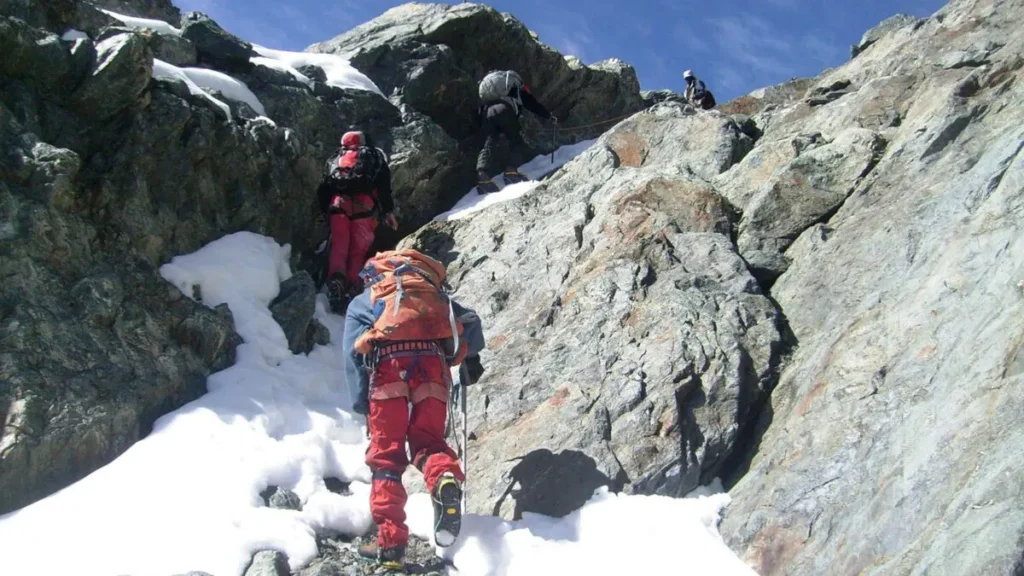
Crampons are non-negotiable for the upper sections of any route that includes a summit push toward Margherita Peak or the other glaciated peaks of the range. The Rwenzori’s glaciers are retreating due to climate change, but the rock above 4,500 metres is frequently iced, the approach to the Elena Hut crosses permanent snow fields, and a summit day on Mount Stanley requires reliable crampon technique and well-fitted equipment.
Rental crampons on the Rwenzori are typically ten or twelve-point steel crampons compatible with semi-rigid mountaineering boots. They are available in a range of sizes and adjusted by guides before departure. The rental cost runs approximately $5 to $7 per day. One critical point: crampons must fit your boots correctly, and this means the boots you bring from home or rent locally need to be checked for crampon compatibility before you depart the trailhead. Your guide will check the fit during pre-trek prep, but discuss it with your operator first.
Ice Axes
The ice axe is perhaps the most psychologically charged item on the Rwenzori gear list. Many trekkers, even experienced ones, have never handled one, and the idea of travelling internationally with a mountaineering ice axe involves navigating airline regulations around sharp objects in checked luggage. The straightforward answer is: rent it in Kasese.
Ice axes available for rental through specialist operators on the Rwenzori are appropriate mountaineering tools, not cheap imitations. They are typically 55–65 cm general-mountaineering axes suited to the terrain on the upper mountain. Guides will provide basic instruction on usage during the approach stages of the trek, and on technical summit routes, your guide will assess when and how the axe needs to be deployed. Rental costs run approximately $5 to $7 per day.
Gaiters
Gaiters are one of the most recommended rental items in the Rwenzori, but first-time visitors often underestimate them. The mountain is famously wet. The valley sections of the Kilembe Trail and the lower approaches of the Central Circuit pass through thick, boggy vegetation where the mud is legendary, genuinely thigh-deep in places, particularly during the wet season. Without gaiters, the mud will thoroughly defeat your boots and lower trousers within the first few hours.
Full-length mountaineering gaiters that extend above the knee are preferred on the Rwenzori over the shorter trail gaiters you might use in temperate conditions. They are available to rent at approximately $2 to $4 per day and represent outstanding value given how dramatically they improve your experience on the lower trails.
Trekking Poles
Adjustable trekking poles are available to rent in Kasese and can make a significant difference on the Rwenzori’s often steep and slippery terrain. Whether ascending the ridgelines above the Kilembe trailhead or descending the boulder fields below Scott Elliott Pass on the Central Circuit, poles provide balance and reduce cumulative knee stress over a multi-day expedition. Rental costs are approximately $2–4 per day per pair.
Waterproof Jackets and Trousers
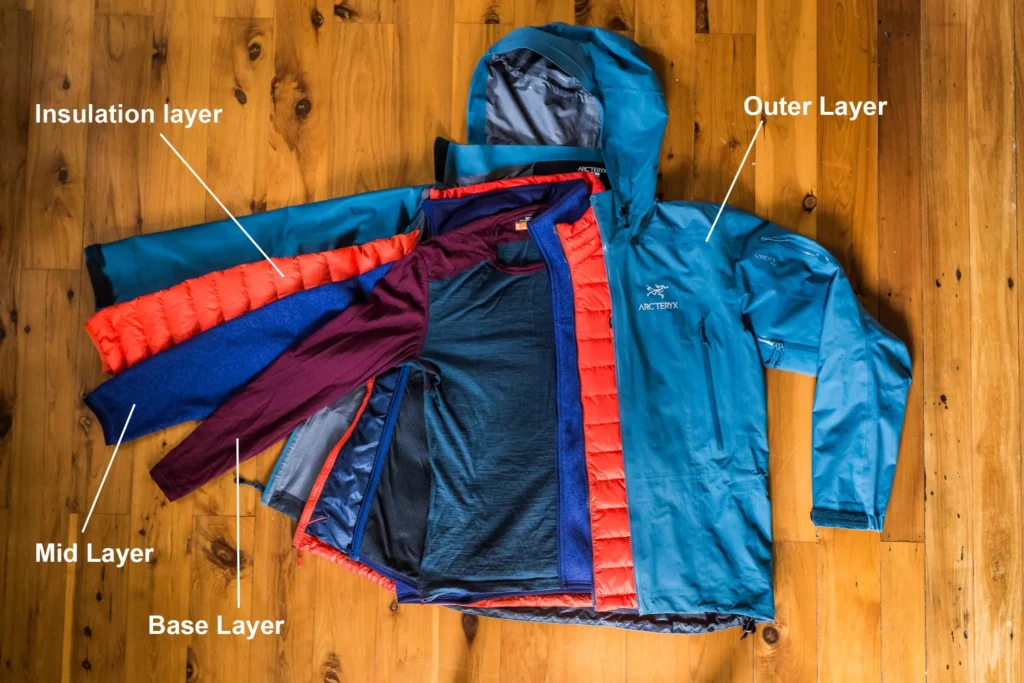
Waterproof outerwear is available for rent, though this category is an area where experienced trekkers should think carefully before relying on rental gear. The quality of waterproof jackets available for rent can be inconsistent, and a jacket that has been used on many wet Rwenzori trips might have worn down its DWR (durable water-repellent) coating, making it only water-resistant instead of truly waterproof. On a mountain where it can rain continuously for six or seven hours and where you may be above 4,000 meters in wind and sleet, a jacket that leaks is not a minor inconvenience; it is a safety issue.
If you have a quality waterproof jacket at home, bring it. If you are genuinely travelling light and need to rent, discuss the quality of available jackets with your operator in advance and plan to layer aggressively underneath. Rental waterproof jackets are available at approximately $3 to $5 per day.
Mountaineering Boots
This type of footwear is the single most debated item in the discussion about renting gear for the Rwenzori. Specialist mountaineering boots, the type with a stiff sole required for crampon compatibility, are available to rent through some operators in Kasese, and Rwenzori Trekking Safaris does maintain a limited supply. However, boot sizing and fit are enormously individual. Ill-fitting boots on the Rwenzori, where the terrain is technical and the ascent from trailhead to summit and back is spread over multiple days, can genuinely ruin a trek, especially since wet conditions make feet prone to blistering.
If there is one piece of gear we recommend buying or bringing rather than renting, it is boots. A pair of quality waterproof mountaineering or heavy hiking boots that you have broken in at home is worth more on the Rwenzori than any other single item in your kit. That said, if bringing boots is truly impossible for some trekkers flying in on tight itineraries with strict baggage limits, it genuinely is. Rental boots are available, and your guide will ensure the best possible fit from the available inventory. The rental cost for mountaineering boots runs approximately $7 to $10 per day.
Headlamps
Rental headlamps are available and functional, though a flashlight is another item light enough and inexpensive enough to pack from home that we rarely recommend renting. A quality headlamp is essential on the mountain: summit days typically begin between midnight and 2am, pre-dawn starts are standard at most camps, and the huts are not lit. Batteries drain faster in cold conditions at altitude. Bring a reliable headlamp with spare batteries.
Duffel Bags and Waterproof Dry Bags
Large duffel bags for porters to carry your equipment are available to rent or borrow through the operator. Every porter load needs to be adequately protected against rain, and additional waterproof dry bags or stuff sacks for protecting your camera, passport, and sleeping bag within the duffel are worth sourcing before you arrive at the trailhead. Operators typically provide guidance on how to pack porter loads to keep weights within ethical and practical limits.
A Realistic Gear Rental Budget for a Rwenzori Trek
For a trekker renting core technical items such as a sleeping bag, crampons, ice axe, gaiters, and trekking poles for a seven-day trek like the Central Circuit Trail, a reasonable budget estimate is as follows.
A sleeping bag at $6 per day over seven days comes to $42. Crampons at $6 per day come to $42. An ice axe at $6 per day adds another $42. Full gaiters at $3 per day total $21. Trekking poles at $3 per day total $21. That places the total rental cost for core technical items at approximately $168 for the trek, which for most international travelers represents a modest fraction of the overall expedition budget and is far cheaper than purchasing equivalent gear at home or abroad.
Trekkers who additionally need to rent waterproof outerwear and boots should budget an additional $70 to $120 for the trip. The complete rental package for a trekker who arrives with only personal clothing typically costs between $200 and $300 for a standard seven-day expedition. Confirm these figures with your operator at the time of booking, as they may adjust the pricing.
What You Should Absolutely Bring From Home
Despite the rental options available in Kasese, there is a core set of items that experienced Rwenzori guides universally recommend trekkers bring from home. These are not optional extras; they are items where fit, quality, and familiarity are important enough that leaving them to rental is a meaningful risk.
Your footwear is the first and most critical. As discussed above, waterproof mountaineering or heavy trekking boots that fit you perfectly and have been broken in are not something to leave to chance. Alongside them, bring high-quality merino or synthetic thermal base layers thin enough to pack easily but absolutely essential for temperature regulation across the vast range of conditions you will encounter, from humid valley heat at the trailhead to sub-zero wind chill near the summit. A durable fleece mid-layer, your preferred hiking trousers, and a set of quality waterproof gloves round out the personal clothing kit.
A headlamp with spare batteries is worth packing from home. A quality sunscreen rated SPF 50 or higher is difficult to source in Kasese and is critically important on the glacier and snowfield sections above 4,000 meters, where UV exposure is intense. Personal first aid supplies, including blister treatment, any prescription medications, and altitude awareness medication (discuss Diamox with your physician before departure if you are concerned about altitude), should travel with you.
Pack your camera, regardless of its form, with sufficient moisture protection. The Rwenzori is genuinely one of the most photographically spectacular mountain environments in Africa; the giant lobelias, groundsels, and heathers of the afro-alpine zone are unlike anything most trekkers will have encountered, and the views from the summits on clear days are extraordinary. Don’t rely on a phone camera alone in conditions where moisture and cold will challenge even dedicated equipment.
Carry personal items, a passport, travel insurance documentation, and any permits in a waterproof document case within your daypack. Your operator will arrange the trek permits for Rwenzori Mountains National Park, but it’s always wise to have your copies of the documentation.
The Quality Question: What Rental Gear Is Actually Like on the Rwenzori
This is the question that serious hikers ask, and it deserves a genuinely honest answer. Rental gear quality on Rwenzori is not uniform across all operators or items. The independent market in Kasese offers gear that varies from perfectly serviceable to heavily used equipment that has lost its meaningful function. A crampon strap that has been replaced many times, a sleeping bag that has lost significant loft, and a waterproof jacket whose seam tape is beginning to peel are real possibilities if you rent from an operator who has not invested in maintaining their inventory.
This is precisely why the choice of operator matters as much as any specific gear item. Rwenzori Trekking Safaris maintains its rental inventory specifically for the mountain environment and replaces items that have reached the end of their useful life rather than continuing to rent them out. As specialists who operate exclusively on the Rwenzori rather than running a general tourism business with mountaineering gear as an afterthought, the quality bar for our rental equipment is directly linked to the success and safety of the expeditions we lead.
When you book your trek with us and discuss gear rental as part of that process, you can ask specifically about the age and condition of individual items, particularly sleeping bags and waterproof outerwear. A reputable operator will answer those questions directly. If an operator is evasive about the condition of their rental gear, that itself tells you something important.
Planning Your Gear Strategy Around Your Specific Route.
The gear you need and therefore what makes sense to rent versus bring, varies meaningfully depending on the route and objectives you have chosen for your Rwenzori expedition.
The Mahoma Loop is a shorter trek that does not reach the permanent snowline, so climbers do not need technical mountaineering equipment like crampons and an ice axe, and they can use a slightly lower specification for their sleeping bags. Gaiters and waterproof outerwear remain essential on any Rwenzori route regardless of length or altitude, given the mountain’s rainfall patterns. For trekkers on the Mahoma Loop, the rental burden is lighter and the total cost considerably lower.
On a full summit expedition targeting Margherita Peak on Mount Stanley, the complete technical kit is non-negotiable. Essential items for the expedition include crampons, an ice axe, a -15°C-rated sleeping bag, full mountaineering gaiters, and properly fitted boots. The Kilembe Trail approach to the mountain adds particular demands around waterproofing given the consistently wet conditions in the Kilembe valley and the densely vegetated approach terrain.
For multi-peak expeditions targeting Mount Speke, Mount Baker, Mount Emin, Mount Gessi, and Mount Luigi di Savoia alongside or instead of Mount Stanley, the duration of the expedition increases and the daily rental costs accumulate accordingly. In this context, trekkers spending twelve to sixteen days on the mountain should do the arithmetic carefully: renting a sleeping bag for sixteen days at $6 per day costs $96, while a comparable bag can be purchased for $150 to $300 depending on specification. Buying becomes more economically sensible for trekkers who plan to do multiple Rwenzori treks or who also mountaineer in other locations.
The Porter System and Gear Weight: A Practical Note
One consideration that affects your gear strategy on the Rwenzori is the porter weight limit. Porters on the Rwenzori carry loads within ethical and practical limits, typically 20 kilograms maximum, and Rwenzori Trekking Safaris adheres strictly to fair porter employment standards. This means that if you are renting heavier items like mountaineering boots and a thick sleeping bag, those weights are factored into your porter load alongside your other gear. Discuss the full weight of your kit, including rental items, with your operator when planning, to ensure that porter loads are appropriately distributed across your team.
Frequently Asked Questions About Rwenzori Gear Rental
Can I rent all the gear I need for a Rwenzori trek in Kasese without bringing anything technical from home?
Yes, it is possible to arrive in Kasese with nothing more than personal clothing and rent everything from a sleeping bag and crampons to an ice axe and gaiters through a specialist operator like Rwenzori Trekking Safaris. The caveat is that this approach requires advance planning and communication with your operator before you arrive. You cannot reliably walk into a shop in Kasese the day before your trek and expect to find everything you need in the right size and suitable condition. Book your rental gear through your operator as part of your overall trek booking, confirm availability in writing, and discuss sizing requirements so that items are set aside specifically for your party. When organized in advance through a specialist operator, the gear rental system on the Rwenzori functions effectively. It becomes unreliable when left to chance on arrival.
How much does it cost to rent gear for a Rwenzori trek?
For a standard seven-day trek on the Central Circuit Trail, renting the core technical items, sleeping bag, crampons, ice axe, full gaiters, and trekking poles typically costs in the range of $150 to $200 USD in total. Trekkers who also need to rent waterproof outerwear and mountaineering boots should budget an additional $70 to $120, bringing the total rental cost for a fully-kitted trekker to approximately $200 to $300 for the expedition. These figures reflect daily rental rates of approximately $5 to $10 per item per day depending on specification. Exact pricing should be confirmed with your operator at the time of booking, as rates are subject to adjustment.
Is the quality of rental gear on the Rwenzori good enough for a serious summit attempt?
When rented through a reputable specialist operator that actively maintains its inventory, yes, rental gear on the Rwenzori is functional and appropriate for the mountain, including for summit attempts on Margherita Peak and the other high peaks. The quality distinction is between operators who invest in maintaining their rental inventory and those who do not. Specialist trekking operators like Rwenzori Trekking Safaris replace gear when it has reached the end of its useful life precisely because the success and safety of their expeditions depend on it. Kasese’s independent rental shops exhibit significant quality variations, making them unreliable as a primary source for technical mountaineering equipment.
What gear should I absolutely bring from home rather than renting on the Rwenzori?
The most important items to bring from home are your boots and your thermal base layers. Boots need to fit perfectly, be broken in, and, for routes that include a summit push to the glaciated peaks, be compatible with the crampons that will be fitted on the mountain. Ill-fitting rental boots are one of the most common causes of trek misery on the Rwenzori. Thermal base layers are compact, lightweight, and entirely personal in terms of fit and preference; they are easy to pack and essential across the full range of conditions on the mountain. A quality headlamp with spare batteries, high-SPF sunscreen, personal first aid supplies, and any prescription medications are also items that should travel with you from home rather than being left to local sourcing.
Can I rent gear for just a day hike or a short route like the Mahoma Loop?
Yes, gear rental is available for shorter routes, including the Mahoma Loop, though the list of necessary items is shorter since technical mountaineering equipment like crampons and ice axes is not required on routes that do not reach the permanent snow line. For any Rwenzori route regardless of length, gaiters and waterproof outerwear are strongly recommended given the mountain’s rainfall patterns and characteristically muddy trails. Trekking poles are also worthwhile on any route. The daily rental rates are the same regardless of the overall trek length.
Where exactly in Kasese can I rent Rwenzori trekking gear?
The most reliable location for gear rental is directly through your trekking operator, with equipment arranged before you arrive in Kasese. Rwenzori Trekking Safaris handles gear rental as part of the trek preparation process for all booked expeditions. Within Kasese town, there are also a small number of independent shops near the Rwenzori Mountaineering Services offices that carry some rental gear, primarily for supplementary items. For core technical equipment, booking through your operator in advance is strongly recommended over relying on independent shops, where stock levels and quality are variable.
Do I need crampons and an ice axe for every Rwenzori route?
No. Crampons and an ice axe are essential equipment for any route that includes a summit push toward the glaciated high peaks: Margherita Peak on Mount Stanley, Mount Speke, Mount Baker, and the other summits above approximately 4,500 meters. For lower-altitude treks like the Mahoma Loop, these items are not required. For trekkers whose itinerary includes the upper mountain but who are genuinely uncertain whether they will attempt the summit, your guide will make a weather and conditions-based assessment at altitude. It is always better to have the equipment and not need it than to find yourself below a snow slope without it, so trekkers who might attempt the summit should plan to rent crampons and an ice axe regardless of their certainty about the final decision.
What sleeping bag temperature rating do I need for the Rwenzori?
For any route that includes nights above 4,000 metres, such as the Central Circuit Trail, the Kilembe Trail to the high peaks, and all multi-peak expedition routes, a sleeping bag rated to at least -10°C is the minimum specification, while -15°C is preferable for summit camps and cold nights at the Elena or Margherita Huts. For lower-altitude routes like the Mahoma Loop, a three-season bag rated to -5°C or 0°C may be adequate, though the Rwenzori’s humidity means that nights can feel considerably colder than a temperature rating alone suggests. When in doubt, go warmer. A sleeping bag liner adds several degrees to any bag’s effective rating and is a compact, worthwhile addition to any Rwenzori kit.
Start Planning Your Rwenzori Trek Today
The Mountains of the Moon are one of Africa’s great unrepeated adventures. Fewer trekkers visit the Rwenzori each year than summit Kilimanjaro on a single busy weekend, yet the range offers a trekking experience of extraordinary depth and challenge, from the fever-dream vegetation of the lower valleys to the glaciated summits of Central Africa’s highest peaks. Getting your gear strategy right is one of the important foundations of a successful expedition, and it is not something to leave until the last minute.
If you have questions about what to rent, what to bring, or how to prepare your kit for any of our routes, the Central Circuit, the Kilembe Trail, the Bukulungu Trail, a Mahoma Loop day program, or a multi-peak summit expedition, get in touch with the Rwenzori Trekking Safaris team directly. We have years of experience guiding trekkers on this mountain and have answered every question about gear, logistics, and preparation. Reach out through our contact page, tell us which route interests you and when you are thinking of coming, and we will put together a complete briefing on exactly what you need and what you can safely leave at home.
The mountain is waiting.
ANY QUESTIONS?
If you need any clarification about a Rwenzori trek, contact one of our trekking experts to start planning your journey today.
A 10% percentage of your safari proceeds goes to supporting the local Bakonjo Communities (orphans, schools & homes)
Simply incredible
I have been very fortunate to go trekking and climbing in many incredible places around the world over the years, the Rwenzori mountains are one of the most incredible places I have ever visited. Rwenzori Trekking Safaris organized my trip to do the central circuit and summit Margherita peak. The guides, Josephat and Joackim, and porters were all friendly and helpful. The food was plentiful, but I suggest bringing some of your own day snacks you might like as well as rubber knee high boots, I suggest LaCrosse Burly Aero. I was able to complete the loop and peak in 4 days, but most people take 7-8 days I believe which is definitely recommended for acclimatization. There are new huts being built at Elena camp and Nyabitaba that cost a small amount extra, so ask about that too. Its a real adventure and in my experience way more rugged, beautiful, and less traveled than Kilimanjaro. The landscapes and unique plant life are like out of Jurassic Park.
Posted on Tripadvisor
Simon B
Verified
A wonderful experience in the Rwenzoris
We did the seven-day Central Circuit and had a wonderful experience. The landscapes were spectacular and really diverse. Also, the guides, porters and cooks were super friendly and helpful. Thank you very much!
Posted on Tripadvisor
Explorer43375006028
Verified
Magical mountain forest
We did the two day hike to Mahoma Lake, and it was beautiful. The guide was superfriendly, the coock made a great stew and the porters were really nice.
Posted on Tripadvisor
Dominic N
Verified
Forget Kilimanjaro, do this instead!
A beautiful and surreal 4 day hike in the Rwenzori mountains to Mutinda Lookout, made by the staff. Good food, good basic camp accommodation, excellent knowledge of the guides and lots of laughs. I did this trip solo and joined a welcoming group of 6. Pack for all weather, it gets particularly cold at night at Mutinda camp. Total cost was $635/2.2m UGX
Verified by Trustindex
Trustindex verified badge is the Universal Symbol of Trust. Only the greatest companies can get the verified badge who has a review score above 4.5, based on customer reviews over the past 12 months. Read more
Hi there, welcome. Need help planning a trek, safari, or adventure? Chat directly with a real expert and mountain guide for honest advice, clear answers, and practical recommendations. No guesswork, no pressure.