Margherita Peak Climb: Conquering Africa’s Third Highest Mountain
Climb Margherita Peak (5,109 m), the highest point in Uganda and Africa’s third-highest mountain. A technical alpine ascent in the Rwenzori Mountains with glaciers, ropes, and expert guides.
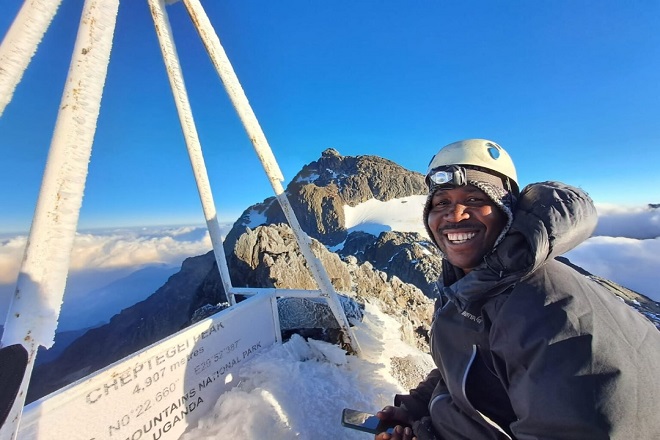
Margherita Peak is not just another summit in the Rwenzori Mountains. At 5,109 meters (16,762 feet), it is the highest point in Uganda and the third-highest mountain in Africa, standing shoulder-to-shoulder with the continent’s most iconic climbs.
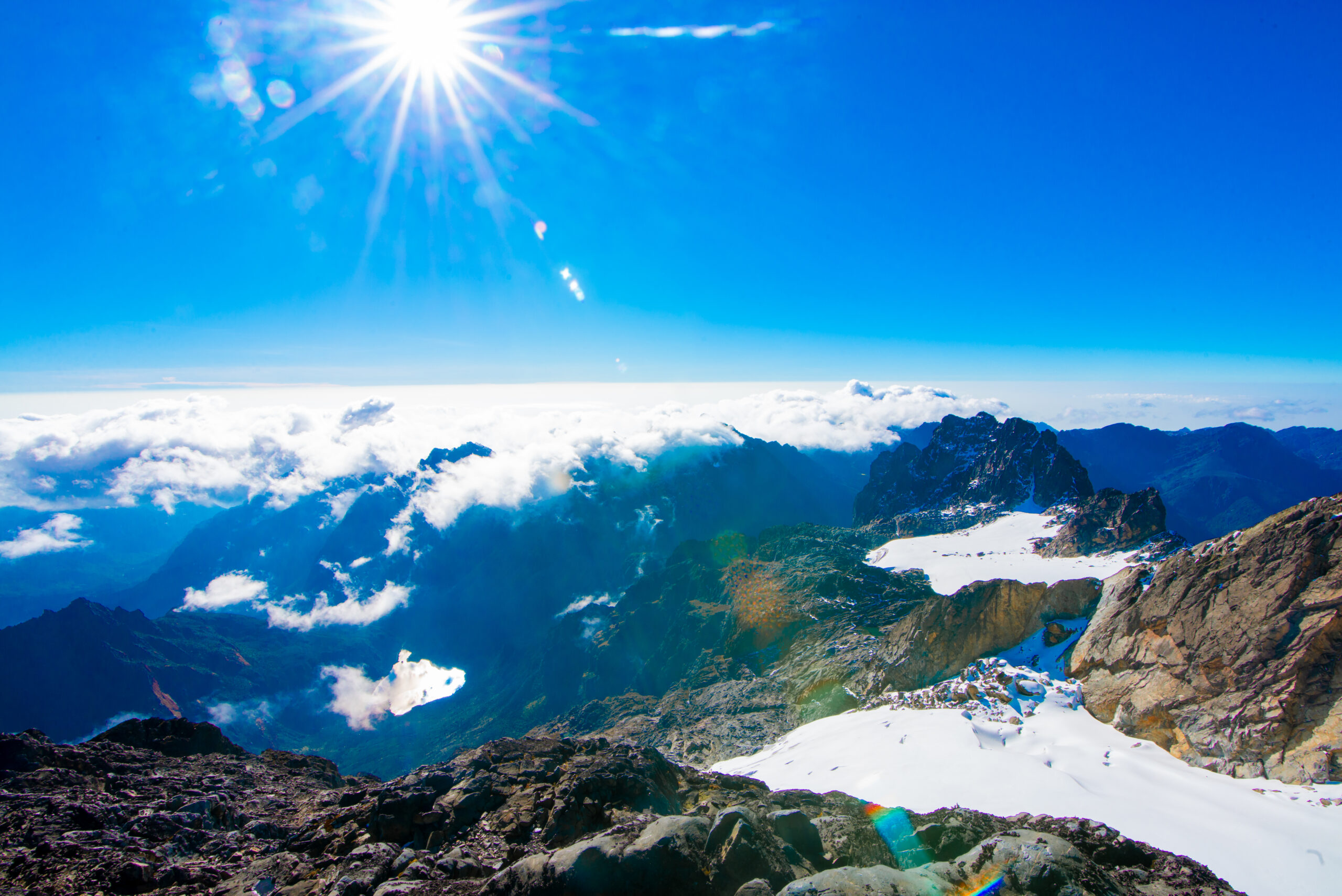
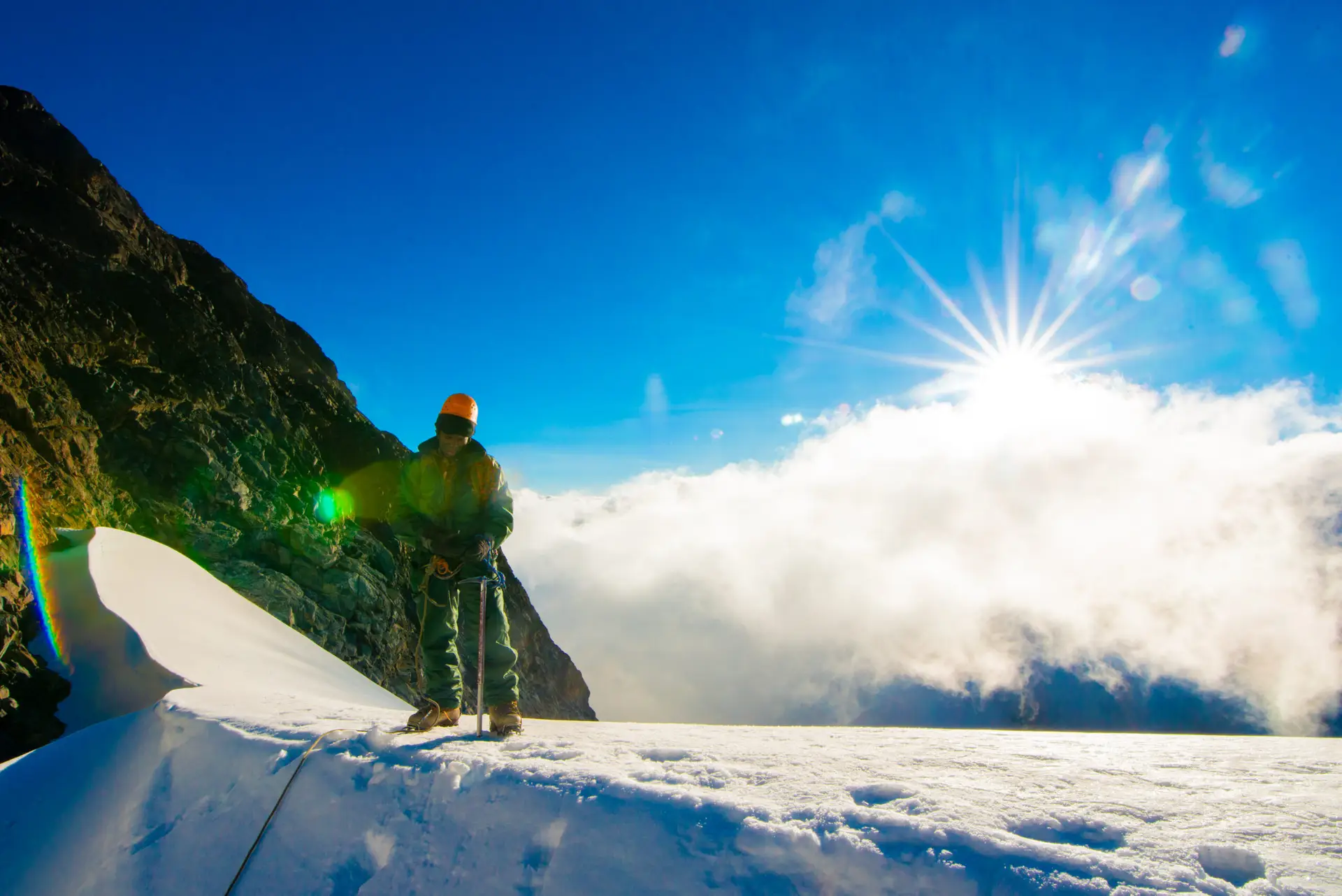
Reaching the summit of Margherita Peak is a true alpine expedition, not a scenic hike. The climb involves glaciers, exposed ridges, fixed ropes, steep rock sections, and rapidly changing mountain weather. It is a demanding but deeply rewarding ascent for trekkers seeking a serious high-altitude challenge in the heart of equatorial Africa.
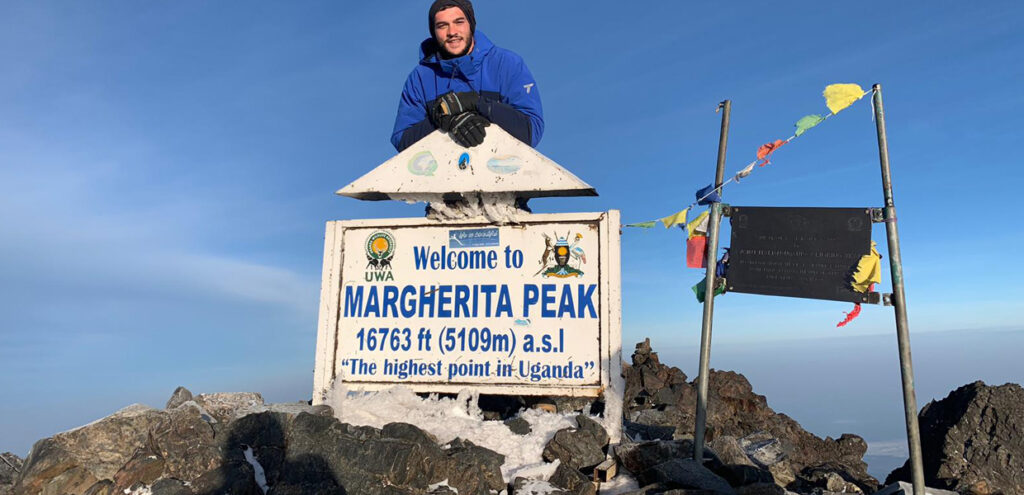
Margherita Peak
Unlike Mount Kilimanjaro, which is largely a walk-up trek, Margherita Peak requires technical mountaineering skills, making it one of the most underrated and respected climbs on the continent.
Where Is Margherita Peak Located?
Margherita Peak lies within the Rwenzori Mountains National Park, a UNESCO World Heritage Site on the border of Uganda and the Democratic Republic of Congo. The Rwenzoris are often called the “Mountains of the Moon,” a name dating back to ancient geographers who believed these snow-capped peaks fed the Nile.
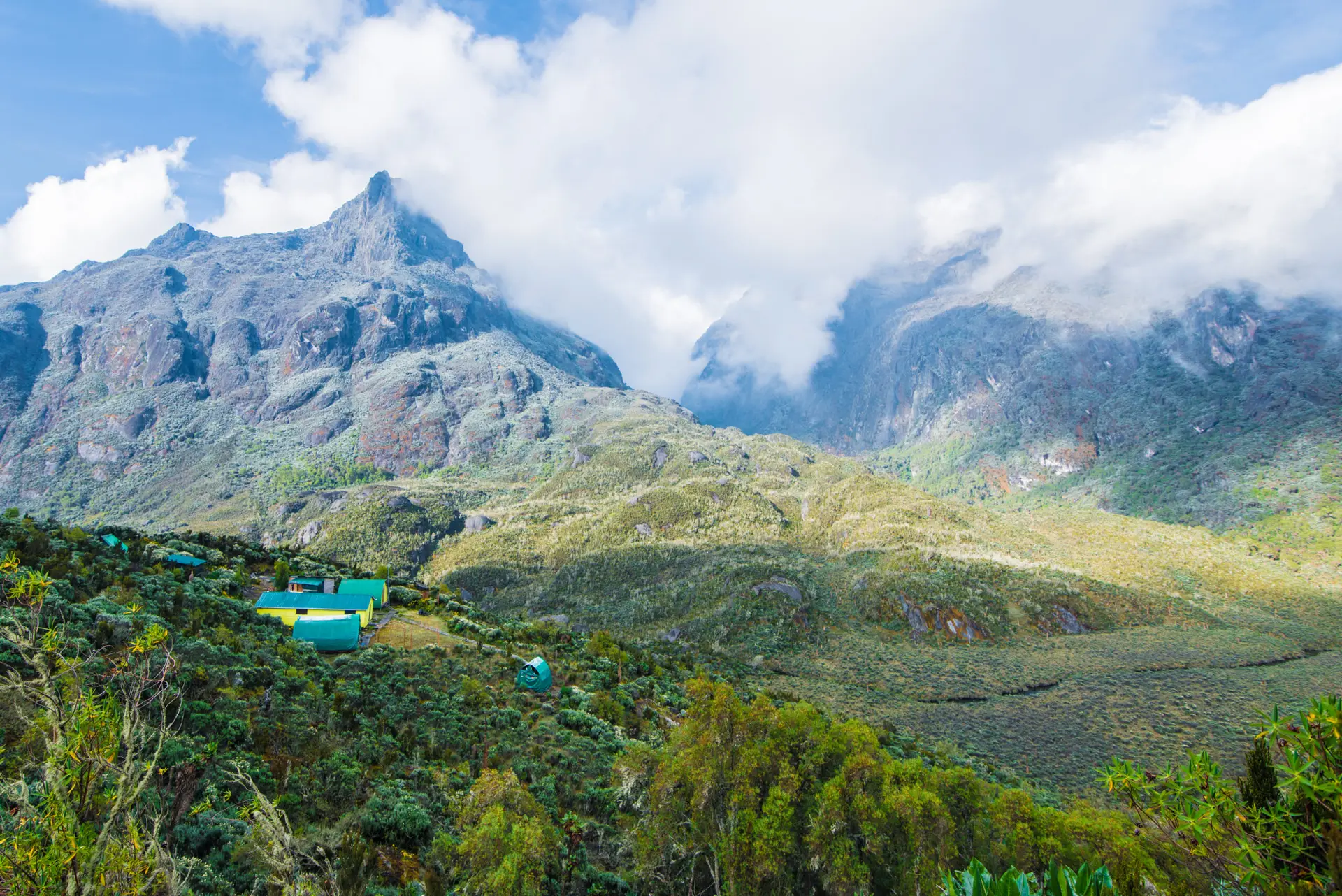
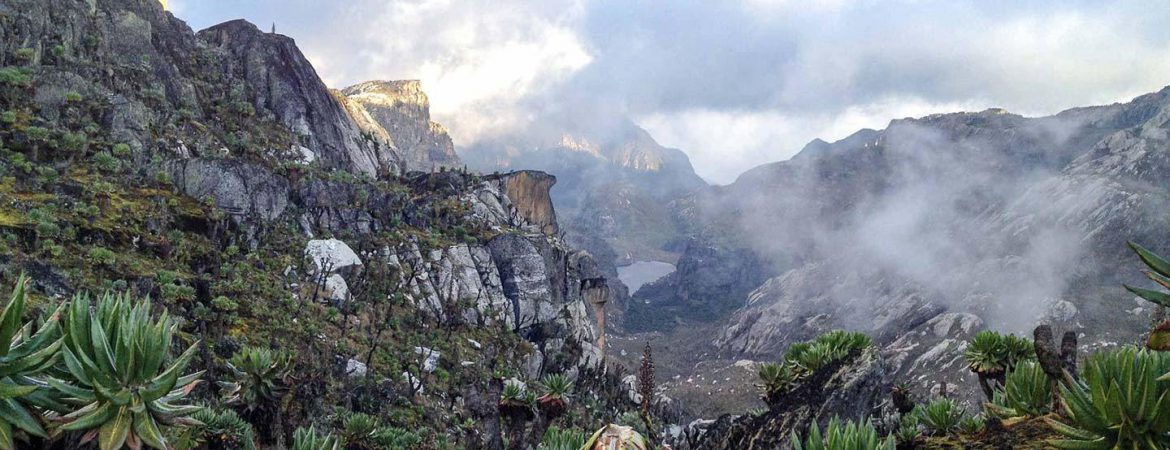
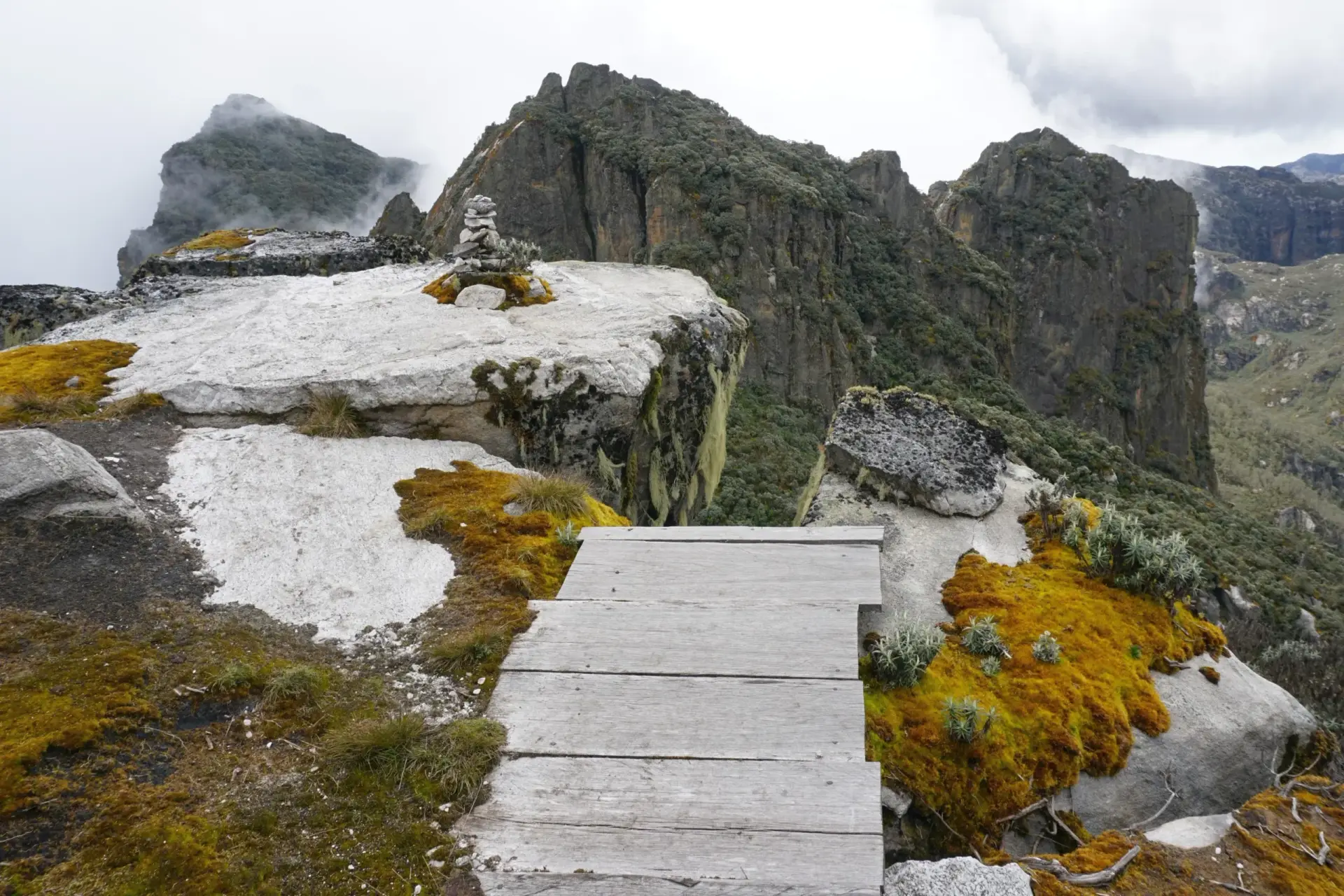
Margherita Peak sits on Mount Stanley, the highest massif in the Rwenzori mountain range. The surrounding landscape is wildly different from other African mountains, with dense equatorial rainforest at the base giving way to giant heather, Afro-alpine vegetation, glaciers, and a permanent snow-capped summit.
This extreme ecological contrast is one of the defining features of the climb.
Why Climb Margherita Peak?
Trekkers climb Margherita Peak for reasons that go beyond just sightseeing.
It is:
-
Africa’s third-highest summit, after Kilimanjaro and Mount Kenya
-
One of the few true glacier climbs on the African continent
-
A technical ascent that separates trekkers from mountaineers
-
A rare chance to summit a snow-covered mountain on the Equator
For experienced hikers and climbers, Margherita Peak offers something increasingly rare: a serious expedition that still feels wild, remote, and uncrowded. There are no queues at the Margherita Peak summit and no mass tourism infrastructure. Success here is earned, not packaged.
How Difficult Is the Margherita Peak Climb?
Climbing Margherita Peak is significantly more demanding than most high-altitude treks in Africa. This is not a walk-up mountain and it is not a casual extension of a Rwenzori hike.
The difficulty comes from a combination of altitude, terrain, weather, and technical climbing sections.
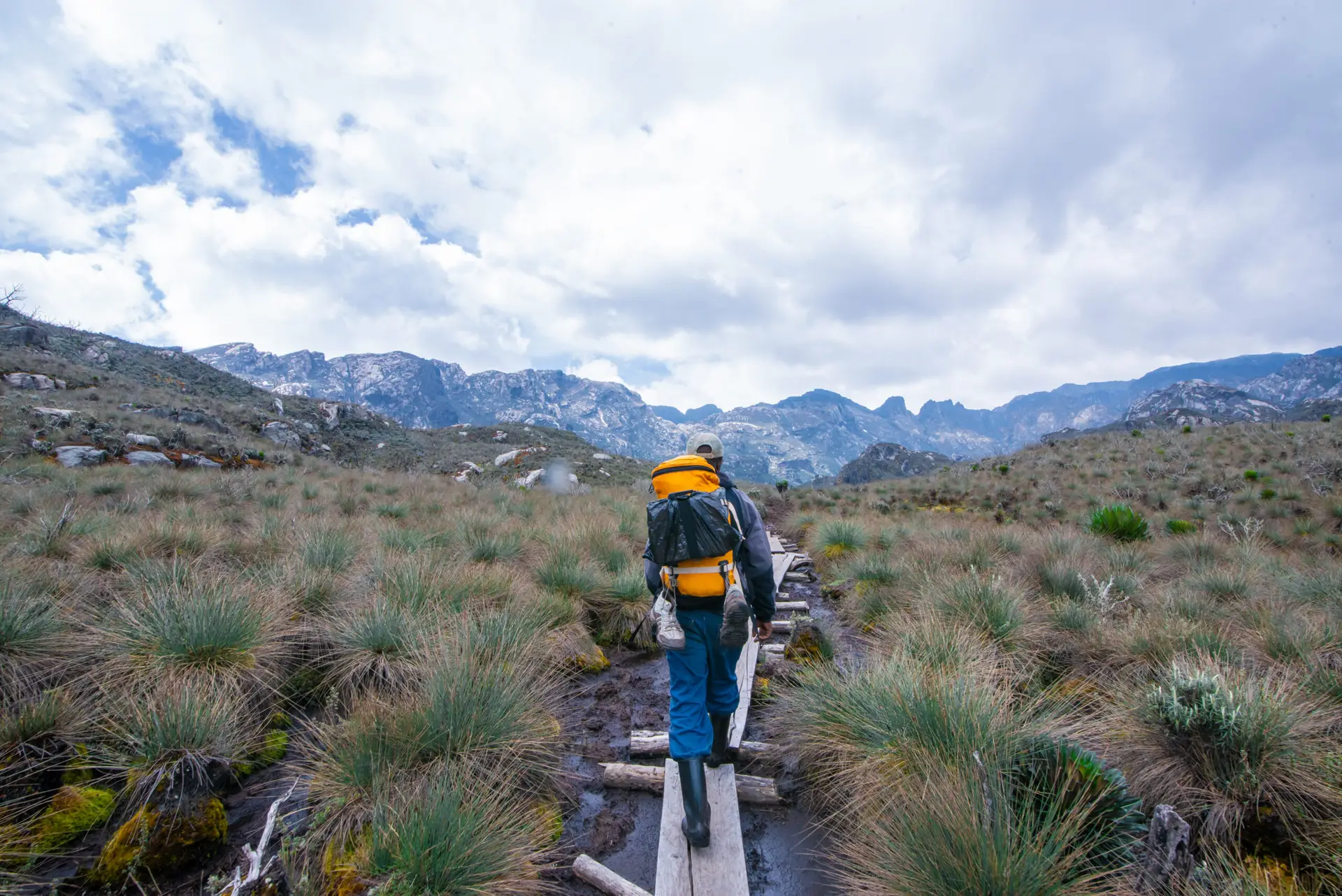
At elevations above 4,500 meters, oxygen levels drop sharply, and fatigue accumulates quickly. Even strong hikers feel the effects here. The approach to the summit involves long days on muddy, uneven ground, followed by cold, exposed alpine terrain.
The summit day is the most challenging part of the climb. It typically involves:
-
Early start (often between 2:00 and 4:00 am)
-
Steep rock slabs coated with ice or frost
-
Narrow ridgelines with significant exposure
-
Glacier crossings requiring crampons and rope support
-
Fixed ladders and rope-assisted sections
While professional guides manage the technical aspects, climbers must still be comfortable with heights, cold conditions, and sustained physical effort. Mental resilience matters as much as fitness. Margherita Peak rewards preparation and punishes lazy behavior.
Climbing Routes to the Summit of Margherita Peak, Rwenzori.
The most commonly used and reliable route to Margherita Peak is the Central Circuit Trail and Kilembe Trail, which approaches Mount Stanley through the heart of the Rwenzori range.
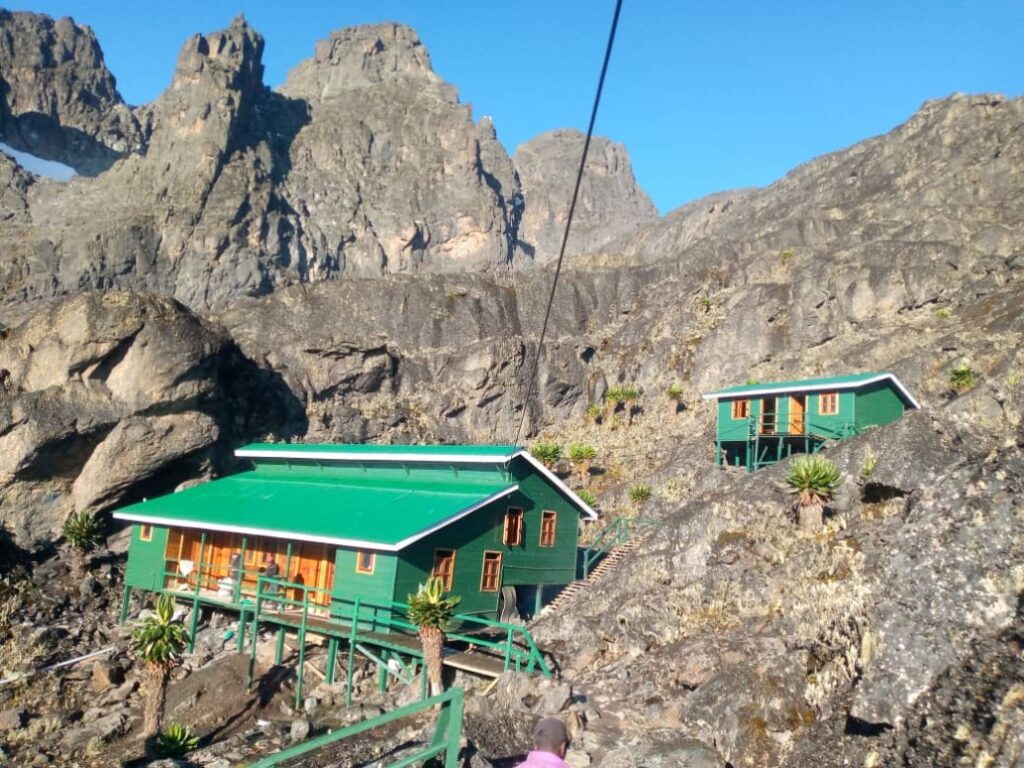
Margherita Camp
There is no “easy route” to Margherita Peak. All summit attempts require several days of trekking and proper acclimatization within the Rwenzori Mountains.
Central Circuit Trail (Most Common Route)
The Central Circuit Trail is the most established and widely used route to Margherita Peak.
This route typically takes 7–9 days and follows a gradual ascent through the heart of the Rwenzori range. It passes through key camps and huts such as
-
Nyabitaba Hut
-
John Matte Hut
-
Bujuku Hut
-
Elena Hut
The advantage of the Central Circuit is better acclimatization and reliable access to summit staging camps. Climbers approach Mount Stanley from the eastern side, allowing a logical progression from rainforest to alpine zones before the summit push.
Kilembe Trail (Remote Alternative)
The Kilembe Trail approaches Mount Stanley from the southern side via the Nyamwamba Valley. It is longer and more remote, usually requiring 8–12 days.
This route is known for:
Both routes converge near the high alpine camps used for the final summit attempt.
The best time to climb Margherita Peak
Timing is not optional here in the Rwenzori Mountains; it’s strategic. The best months for climbing Margherita Peak are
-
January to February
-
June to September
These periods offer relatively drier conditions, better visibility, and safer glacier hikes. However, even in the best seasons, rain, mist, and snow are common. The Rwenzoris create their own weather. Anyone else promising “guaranteed favorable weather” is lying to you. You will have some discomfort during the hike since the weather is unpredictable.
Summit Day on Margherita Peak
Summit day on Margherita Peak is the defining moment of the whole expedition. The day begins well before sunrise, often in freezing conditions. Climbers leave camp wearing headlamps, insulated layers, and technical gear. The objective is to reach the glacier early, before snow softens and weather deteriorates.
The route involves:
-
Scrambling over icy rock slabs
-
Crossing glaciers with crampons
-
Navigating narrow ridges under guided supervision
-
Rope-assisted climbs on steep sections
Temperatures can drop below -5°C, and strong winds are common. Visibility can change rapidly, sometimes within minutes.
Reaching the summit of Margherita Peak offers no crowds, no noise, and no long celebrations. Time at the top is often brief due to weather exposure. After photos and confirmation of the summit, descent begins immediately, often the most physically demanding part of the day. Total summit day duration typically ranges from 10 to 16 hours, depending on conditions and group strength.
What Makes Margherita Peak Unique Compared to Other African Mountains?
Margherita Peak stands apart in several ways:
-
It is glaciated, unlike Kilimanjaro’s rapidly disappearing ice
-
It lies in a rainforest-to-snow ecosystem, not dry savannah
-
It requires technical climbing, not just endurance
-
It remains quiet and uncrowded
This combination makes it one of Africa’s most authentic and challenging mountain experiences.
Safety, Guides, and Permits for Hiking Margeritah Peak.
All climbs of Margherita Peak must be conducted with licensed guides and park rangers under Uganda Wildlife Authority regulations.
Professional guides manage:
-
Rope systems and glacier safety
-
Weather monitoring
-
Pace control and acclimatization
-
Emergency response if conditions change
Permits, park fees, and logistics are mandatory and must be arranged in advance.
Is Margherita Peak Worth It?
If your idea of adventure is comfort, no. If you want a summit that demands effort, humility, and respect for the mountain, then absolutely.
Standing on Margherita Peak is not about ticking a box. It is about earning your place on one of Africa’s most serious summits, surrounded by glaciers and clouds, knowing you climbed something real.
Gear & Preparation for Climbing Margherita Peak
Proper gear is not optional on Margherita Peak. Inadequate equipment is one of the most common reasons climbers fail to summit or abandon attempts.
Technical Equipment
Most guided climbs provide shared technical gear, including:
-
Ropes and anchors
-
Ice axes
-
Crampons
-
Harnesses
-
Helmets
However, climbers should be familiar with how this equipment feels and functions before arriving on the mountain.
Clothing for Variable Conditions
The Rwenzoris are cold, wet, and unpredictable. Climbers must be prepared for rainforest humidity, alpine cold, and glacier conditions in the same trip.
Essential clothing includes:
-
Insulated jacket (down or synthetic)
-
Waterproof outer shell (jacket and trousers)
-
Thermal base layers
-
Warm gloves (plus spares)
-
Wool or synthetic socks
-
Warm hat and neck protection
Footwear
Most climbers use:
-
Waterproof hiking boots for trekking sections
-
Rubber boots (gumboots) for muddy lower zones
-
Gaiters to manage water and mud
Foot care is critical Constant moisture makes blisters a real threat.
Physical Preparation
Margherita Peak favors climbers with:
-
Strong cardiovascular endurance
-
Experience hiking consecutive long days
-
Comfort carrying a pack in wet conditions
-
Mental toughness for slow, cold summit pushes
Training hikes with elevation gain and multi-day endurance are highly recommended.