
Climbing the Rwenzori Mountains typically takes between 6 and 10 days inside the mountain, depending on the route chosen, the peaks attempted, group or individual fitness, weather conditions, and how conservatively acclimatization is handled. Most standard itineraries last 5 to 9 days, especially if summiting Margherita Peak on Mount Stanley, the range’s highest point.
Unlike mountains such as Kilimanjaro, where duration is driven mainly by altitude, the Rwenzori’s timeline is shaped more by terrain difficulty, wet conditions, technical sections, and logistical complexity. Progress is slow, river crossings are frequent, trails are muddy year-round, and altitude zones change rapidly. Even strong trekkers often find daily distances shorter than expected because of the terrain difference of the Rwenzori Mountains.
Most Rwenzori climbs take 7 to 9 days, with even a day hike being the absolute minimum for non-summit treks and 4 days being the safest option for Margherita Peak summit. Route choice matters more than fitness alone. Weather delays are common, especially on summit night when heavy snowfall may force a postponement or cancellation. Faster itineraries increase the risk of altitude illness, fatigue-related injury, and failed summits. Slower itineraries significantly improve safety margins and overall experience quality and have the highest success summit rates.
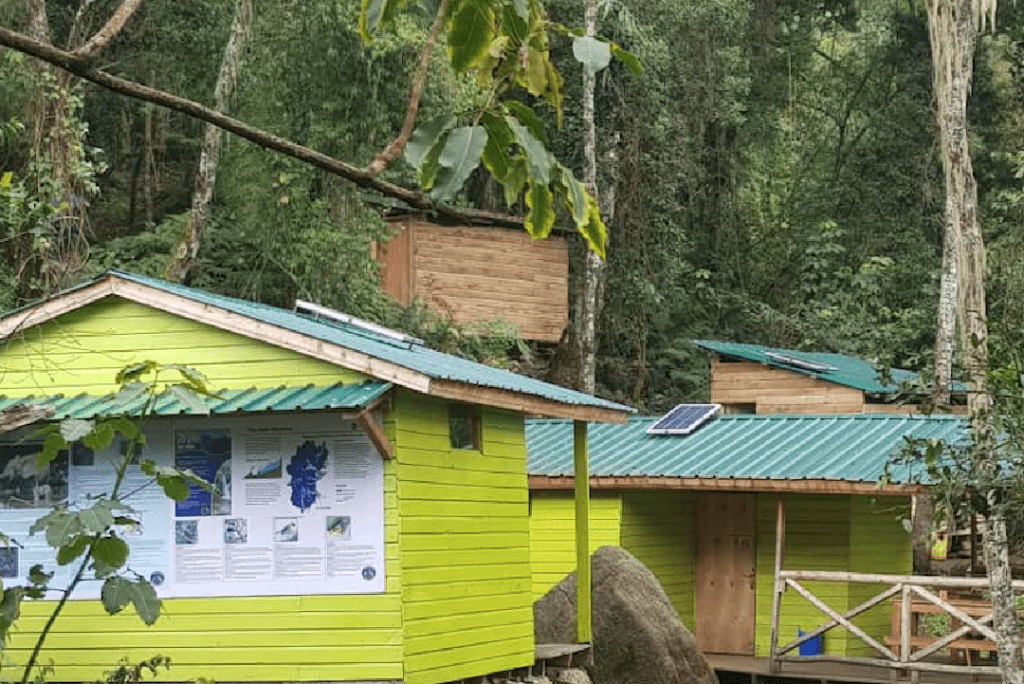
Sine Camp is accessed via the Kilembe Trail on the first or the second day, according to your fitness.
Climbing the Rwenzori Mountains is not about speed. It is about endurance, terrain management, acclimatization, weather tolerance, and logistical realism. The mountain does not reward rushed itineraries. It rewards conservative pacing, flexible planning, and respect for environmental constraints.
For most trekkers, seven to nine days inside the park offers the safest and most successful path to experiencing the Rwenzori fully, especially for summit objectives. Shorter timelines increase risk without delivering proportional benefit. Longer timelines increase safety margins and experiential depth without dramatically increasing cost or complexity.
On the Rwenzori, time does not pose a threat. It is the safety system
This guide explains how long different routes take, why rushing the Rwenzori is dangerous, how weather and fitness affect pacing, what causes delays, and how to choose a timeline that maximizes safety and summit success rather than just speed.
Why Time on the Rwenzori Is Not Like Other Mountains
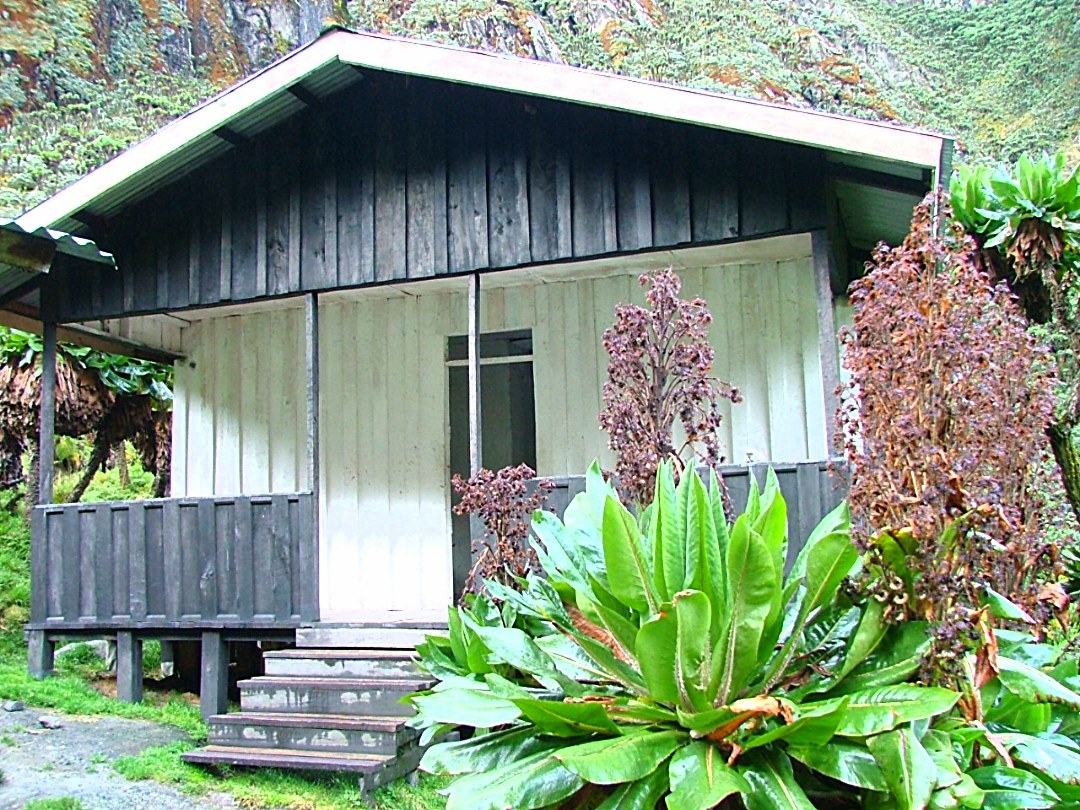
The Rwenzori Mountains do not behave like most trekking destinations. They are not dry volcanic cones like Kilimanjaro, nor granite massifs with clean alpine trails like Mount Kenya. They are a wet, glaciated equatorial range filled with dense rainforest, giant heather, floating alpine bogs, steep rock slabs, narrow ridges, and unstable weather systems.
Progress here is governed less by distance and more by terrain resistance. A five-kilometer day can take as long as a fifteen-kilometer day elsewhere. Footing is often poor, visibility frequently collapses into fog, river levels rise rapidly after rain, and bogs can swallow boots to mid-calf or even deeper.
Because evacuation is slow and rescue infrastructure is minimal, itineraries are built conservatively. Days are structured around safe crossing times, daylight windows, acclimatization pacing, and weather tolerance rather than speed.
Understanding how long a Rwenzori climb takes is not about how fast you can walk. It is about how much time the mountain requires, as the Rwenzori Mountains are unlike any other mountain; they are like being in Jurassic World.
Typical Duration for Rwenzori Climbs
For most trekkers, the realistic duration inside Rwenzori Mountains National Park falls between six and ten days. This excludes international travel, domestic transfers, and pre- or post-trek nights.
Shorter itineraries of two or four days exist but are generally limited to lower-altitude routes that do not attempt technical peak summits and often involve aggressive daily distances through difficult terrain. These schedules carry higher fatigue and leave little margin for weather delays.
Most standard itineraries last between six and nine days. This range allows for proper acclimatization, reasonable daily stages, safer river crossings, contingency for weather disruption, and summit attempts on peaks such as Mount Stanley, Mount Baker, and Weismann Peak.
Longer itineraries of nine to 13 days or more are often used by climbers attempting Margherita Peak and other peaks in the same itinerary, researchers conducting fieldwork, photographers working with weather windows, or trekkers prioritizing biological exploration over summit objectives.
The most common and safest duration for a full Rwenzori climb with a summit attempt is eight days inside the Rwenzori Mountains on any Rwenzori route you choose, but we highly recommend the Kilembe Trail and the Central Circuit Trail.
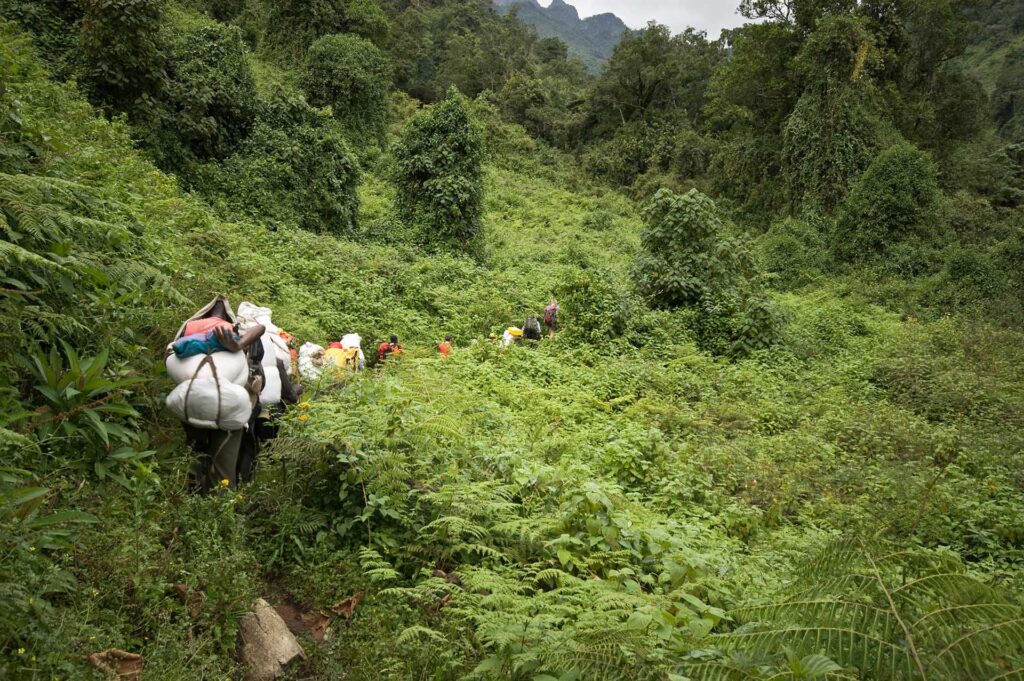
The Slopes of the Rwenzori Mountains
How Long Each Major Route Takes
Central Circuit Trail
The Central Circuit Trail is the most established and widely used route in the Rwenzori Mountains. It traverses multiple ecological zones, crosses alpine bogs, climbs to glaciated peaks, and uses a network of mountain huts.
A standard Central Circuit itinerary without summit attempts usually takes from one day to four days. This allows trekkers to reach high-altitude valleys, traverse the alpine zones, and descend without entering technical glacier terrain.
A Central Circuit itinerary including Margherita Peak typically takes five to eight days. The additional time is required for acclimatization, glacier travel preparation, summit day staging, and recovery from the physical load of technical sections.
7 days is the most common and most successful timeline for Central Circuit summit attempts.
Kilembe Trail
The Kilembe Trail approaches the range from the western side and is generally considered more scenic, more remote, and more wilderness-like. It involves longer days, steeper ascents, and reliance on fixed modern Rwenzori huts, and the Kilembe trail Huts are the best and most developed huts
Most Kilembe Trail itineraries take from two days to nine days, whether or not a summit is attempted. Summit itineraries, particularly those targeting Margherita Peak, usually require eight or nine days for safe acclimatization and Mount Stanley glacier access.
Because the Kilembe Trail is more exposed to weather systems, slower pacing is often safer than on the Central Circuit.
Short Trekking Routes (Non-Summit)
You can complete shorter routes, focusing on forest and alpine zone exploration without glacier summits, in two to six days. These itineraries are suitable for trekkers who want exposure to the Rwenzori environment but do not intend to climb technical peaks.
Even on these shorter routes, days are physically demanding due to terrain difficulty, wet conditions, and altitude gain.
Why Rushing the Rwenzori Mountain Is a Bad Idea.
In many mountain environments, faster itineraries simply reduce comfort. They diminish safety in the Rwenzori and also rob you of the time you would otherwise spend enjoying the most unique and alien mountain vegetation and beautiful views.
Compressing ascent durations sharply increases the risk of altitude illness. Acute mountain sickness, high-altitude cerebral edema, and high-altitude pulmonary edema can occur at elevations well below the Rwenzori’s highest peaks, particularly when ascent is rapid and sleep altitude rises too quickly.
Long daily stages and limited recovery time increase the likelihood of fatigue-related injuries. The Rwenzori’s terrain punishes worn legs. Slips on wet rock, falls in bogs, ankle injuries, and knee strain are common on rushed itineraries.
Weather delays are not hypothetical. Heavy rain, river flooding, fog, ice buildup on rock slabs, and hailstorms regularly force route adjustments or summit postponements. Tight itineraries collapse under these conditions and sometimes leave you with disappointments and regrets.
Evacuation timelines are slow. If something goes wrong, evacuation takes days, not hours. Conservative itineraries are a risk-control strategy, not a luxury. For these reasons, experienced guides consistently prefer slower, more flexible itineraries, even for very fit climbers.
How Fitness Actually Affects Timeline
Fitness matters in the Rwenzori, but it does not override terrain physics or weather systems. A highly trained athlete will move more efficiently on steep climbs and recover faster between days but will still be slowed by mud, waterlogged trails, bog crossings, and sometimes altitude effects.
Strong fitness improves comfort and endurance, but it doesn’t justify rushed ascent schedules. Training does not accelerate acclimatization physiology. Even elite endurance athletes are susceptible to altitude illness if the ascent is aggressive.
In practice, fitness influences how difficult the days feel, not how many days the mountain requires.
How Weather Affects Trek Duration
The Rwenzori receives rainfall year-round, with heavier precipitation typically occurring from March to May and October to November. During these periods, trails become more saturated, rivers rise more quickly, bogs deepen, and visibility deteriorates.
Weather delays often force late starts, extended crossings, slower summit attempts, or extra rest days at camp. Snow and ice conditions on glacier routes also fluctuate rapidly, sometimes forcing route changes or summit postponements.
Because helicopter evacuation is not available, guides prioritize longer itineraries during poor weather rather than speed. Expeditions that build contingency days into their itineraries cope better with these disruptions.
Weather alone can easily add one to two days to a climb.
How Altitude Affects Timeline
Although the Rwenzori’s highest peak, Margherita Peak, stands at 5,109 meters (16,762 feet), the altitude profile is unusually complex. Climbers move repeatedly between high and moderate elevations due to the terrain structure, which helps acclimatization but increases fatigue.
Most itineraries include nights at 3,000 to 4,000 meters before ascending above 4,500 meters. Proper acclimatization requires gradual increases in sleeping altitude and conservative daily elevation gain.
Attempts to shorten itineraries by skipping acclimatization stages significantly increase the risk of altitude illness and summit failure. Most successful summit itineraries involve at least two nights above 4,000 meters before summit day.
Altitude adaptation, not motivation, determines how fast you can safely climb.
How Technical Terrain Slows Progress
The Rwenzori is not a walking mountain. It is a climbing mountain disguised as a trekking destination.

Cheptegei Peak, Rwenzori Mountains
Routes involve ladders, fixed ropes, slippery rock slabs, narrow ridges, glacier travel, and crevassed ice fields. These sections require careful movement, rope systems, safety spacing, and technical coordination between guides and clients.
Group movement speed is governed by the slowest member, the complexity of terrain, and safety protocols. A rope team crossing a glacier cannot move at jogging speed. Regardless of fitness, climbing a ladder through wet moss-covered rock takes time.
Technical sections compress daily distance while expanding daily duration. This is why Rwenzori itineraries cover relatively short distances but take long hours.
What Causes Delays on Rwenzori Climbs
Delays on Rwenzori expeditions are common and should be expected rather than treated as anomalies.
River and bog crossings can become impassable after heavy rainfall and require hours or days to subside. Fog can eliminate visibility on ridges and glaciers, forcing teams to wait. Equipment failures or boot breakdowns in wet conditions can slow progress. Fatigue-related injuries may require rest days or evacuation staging. Altitude illness often necessitates descent and recovery periods before continuing.
Because there is no mechanized transport inside the park, even minor issues propagate into significant schedule changes. Successful expeditions are those that plan margin rather than speed.
Standard Itinerary Durations by Objective
- Trekkers seeking alpine ecosystem exploration without glacier summits typically require three to five days.
- Climbers targeting peaks such as Mount Baker or Weismann Peak usually require six to eight days depending on the route and pacing.
- Climbers attempting Margherita Peak via the Central Circuit or Kilembe Trail usually require seven to nine days, with eight days being the most common and most successful timeline.
- Researchers, photographers, and climbers who prioritize safety margins and weather windows and those planning on climbing more than one peak often schedule nine to ten days or more inside the mountain range.
How Long Rwenzori Summit Day Takes
Summit day on Margherita Peak typically begins between midnight and around 1:00 a.m. Climbers ascend the Stanley glacier, traverse ridges, and climb steep rock and ice sections under headlamps so as to catch a glimpse of sunrise on Margherita Peak.

Summit Day on the Stanley Glacier.
The ascent usually takes five to seven hours depending on conditions and group movement speed. The descent back to Elena camp often takes three to five hours. In poor conditions, summit day can exceed ten hours of continuous movement.
Because summit day is long and technically demanding, most itineraries include either a rest day before or after the attempt to manage fatigue and reduce injury risk.
How much time should be allocated, including travel?
Most international trekkers require either one or two days of travel to reach the Rwenzori trailheads from either Entebbe International Airport or Kigali, excluding international flights, just domestic transfers, and a night at the base camp before the hike.
After the climb, most trekkers need at least one recovery day before onward travel, especially if connecting to safaris, additional trekking, or international flights.
In total, a complete Rwenzori trip typically requires ten to fourteen days from departure to return, depending on itinerary length and contingency buffers.
FAQs about How Long It Takes to Climb the Rwenzori Mountains.
How many days does it take to climb the Rwenzori Mountains?
Most climbs take between six and ten days inside the Rwenzori Mountains National Park. The most common itineraries last seven to nine days, especially for summit attempts on Margherita Peak.
How long does it take to climb Margherita Peak?
Most Margherita Peak climbs require seven to nine days inside the park, with eight days being the most common and most successful itinerary length.
Is it possible to climb the Rwenzori in five days?
Five-day itineraries exist but are generally limited to no acclimatization and involve aggressive pacing. They offer limited acclimatization margin and higher fatigue risk, but they are still possible, and the Rwenzori Trekking Safaris have done them countless times for hikers who want to see the beauty of the Rwenzori mountains but with limited time.
Why does the Rwenzori take longer than Kilimanjaro in some circumstances?
The Rwenzori has more difficult terrain, wetter conditions, glacier travel, fewer infrastructure buffers, slower evacuation options, and more complex logistics than Kilimanjaro, which increases both daily duration and total itinerary length. The Rwenzori Mountains feature a series of mountain ranges with incredible views, and all peaks can be explored with additional days, unlike Kilimanjaro, which is just one giant volcano.
Does fitness reduce the number of days needed?
Fitness improves comfort and endurance but does not shorten safe acclimatization timelines or reduce terrain difficulty. Even elite athletes require conservative pacing in the Rwenzori.
What is the safest number of days for a Rwenzori climb?
Eight days inside the park offers the best balance between acclimatization, safety margin, weather resilience, and summit success probability for most climbers.
Can bad weather extend the climb?
Yes. Heavy rain, fog, flooding, hailstorms, heavy snowfall, or glacier instability can delay progress and add one or more days to an itinerary.
Is acclimatization harder in the Rwenzori?
Altitude effects in the Rwenzori are comparable to other mountains of similar elevation, but the wet, cold environment increases fatigue, which can amplify altitude symptoms if ascent is rushed.
How long does summit day take?
Summit day on Margherita Peak typically lasts 10 to 14 hours round-trip, depending on conditions and group movement speed.
How much total time should I budget, including travel?
Most trekkers should budget 10 to 14 days total for travel, trekking, and recovery.


