Discover exactly what clothing you need for a Rwenzori Mountains trek, from base layers to summit insulation. Zone-by-zone expert guidance from Rwenzori Trekking Safaris, Uganda’s specialist mountain guides.
Most trekkers planning their first Rwenzori trip arrive at the clothing question through the same route: they search for a packing list, find something that looks vaguely authoritative, print it off, and start shopping. Then they arrive at Nyakalengija, step onto the trail, and within the first two hours they discover that at least half of what they brought was either wrong for the conditions or completely inadequate in ways that no generic list prepared them for.
The Rwenzori Mountains are not like most other trekking destinations, and their clothing demands are not like most other mountains. The Rwenzori Mountains are located on the equator and rise over 5,000 meters, combining five different ecological zones into one climb, each offering its own unique environmental challenges. The warm, rain-soaked forest at the base of the mountain requires a totally different clothing strategy than the glaciated upper ridges, where wind, cold, and wet combine at elevation in ways that will overwhelm anyone who arrived thinking a decent fleece and some waterproof trousers would see them through.
This guide is written for trekkers who want to get this right the first time. This is not for people who want to buy everything on a list without understanding the reasons behind it. This is not for group-trip participants who will settle for whatever their tour company recommends. For the trekker who wants to understand what this mountain actually demands from your clothing, layer by layer, zone by zone, and who wants to arrive knowing that every item in their pack is there for a specific reason.
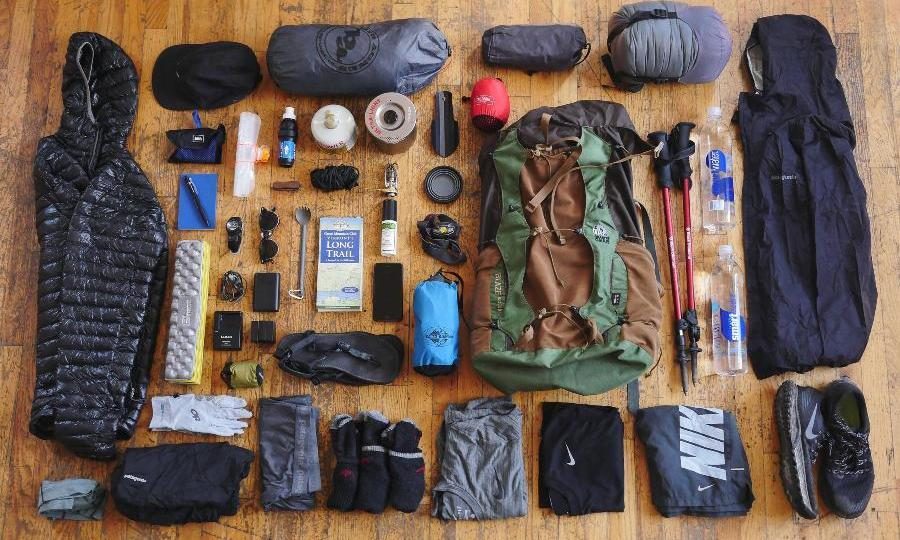
We guide trekkers on the Rwenzori Mountains every week. This article draws its guidance from our experience, not from secondary sources. Unlike a generic packing list, this one is tailored to the specific demands of the trek you are planning, as the clothing required for a 3-day forest walk differs significantly from that needed for a 13-day six-peak expedition. Treating them as if they were the same is one of the most common and costly mistakes we see.
Understanding the Rwenzori’s Climate Before You Pack a Single Item
The Rwenzori Mountains receive more precipitation than almost any other mountain range in Africa. The range sits at the convergence of moisture from both the Atlantic and the Indian Ocean, and it captures rainfall in quantities that make other “wet” mountains seem mild by comparison. Annual rainfall in the upper forest zones can exceed 3,000 millimeters. The mountains are mostly cloud-covered, and rain can fall at any time, season, or altitude.
This single fact that the Rwenzori is almost pathologically wet is the most important piece of climate information you need before you approach the clothing question. When choosing clothes for the Rwenzori, ask: how will this perform when wet? Not if. When. Because on the Rwenzori, being wet is not a risk to manage; it is a condition to dress for.
The second climate reality is the altitude-driven cold. At the trailhead in Nyakalengija at approximately 1,650 meters, daytime temperatures are warm and humid; you will be walking in light layers, sweating, and wishing you had not worn so much. At Elena Hut, located thirty kilometers away and 3,500 meters higher, temperatures can drop to -10°C or below with wind chill before dawn on summit day. The vertical range the Rwenzori covers in a single trek would represent, on most mountains, a journey from the tropics to the Arctic. Your clothing system needs to cover that entire spectrum.
The third climate factor is the variable nature of the weather. Unlike some high-altitude routes where weather windows are relatively predictable, the Rwenzori’s weather can shift rapidly. A clear morning on the Central Circuit Trail can turn to heavy rain by midday and back to sunshine by afternoon. This variability is not a reason to avoid the mountain; on the contrary, it is a reason to build a clothing system with flexibility rather than committing to a single strategy.
The Layering System That Actually Works on the Rwenzori
Experienced mountain clothing is built on the principle of layering: three or four distinct garment categories that can be combined, removed, and recombined as conditions change. This principle applies on the Rwenzori as it does on any mountain, but the specific requirements of each layer are shaped by the mountain’s unique combination of tropical heat, persistent moisture, and high-altitude cold. Here is how the system breaks down, from skin outward.
The Base Layer: Managing Moisture from the Inside
The base layer, the garment in direct contact with your skin, has one job on the Rwenzori: move moisture away from your body and keep you from becoming chilled by your sweat. On the lower forest sections of the mountain, where temperatures are warm and humidity is extreme, you will be perspiring heavily regardless of how slowly you move. A base layer that absorbs and holds moisture, rather than wicking it away, will leave you cold and uncomfortable the moment you stop moving or the temperature drops.
The material choice for the Rwenzori base layer is straightforward: merino wool or synthetic polyester, never cotton. Cotton holds water and dries slowly, becoming cold and heavy against the skin in exactly the conditions the Rwenzori produces most reliably. Merino wool has the advantage of being naturally odor-resistant, a real practical benefit on multi-day treks where laundry is not an option, and of regulating temperature more effectively than synthetics across a wide thermal range. Synthetic polyester wicks faster than merino and dries more quickly, making it the better choice if you know you’ll be rotating through wet conditions repeatedly.
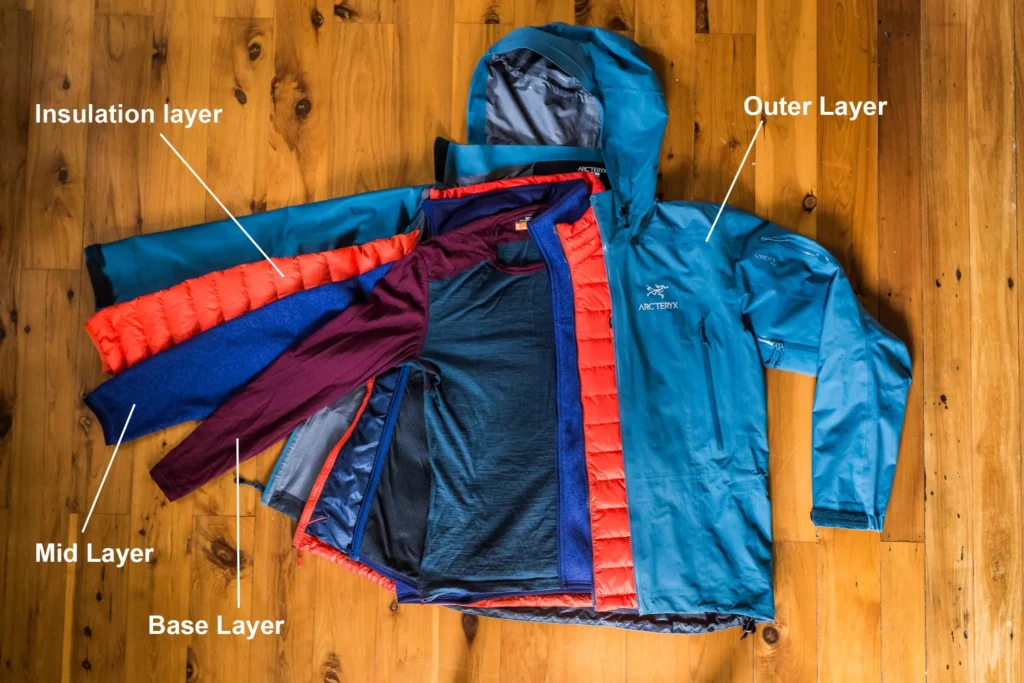
For most Rwenzori treks, we recommend bringing two base layer tops and two base layer bottoms: one to wear and one to keep dry. Thermal-weight merino or a mid-weight synthetic are the right specifications. Lightweight summer base layers designed for running or gym use are too thin for the upper mountain camps. Heavyweight expedition-weight base layers are too warm for the lower forest sections and will have you overheating and sweating through your outer layers before you reach the bamboo zone.
The Mid Layer: Insulation That Keeps Working When Wet
The mid-layer provides insulation; it traps body heat and keeps you warm when you are not moving or when temperatures drop. On the Rwenzori, the mid-layer needs to do something that pure down insulation cannot reliably manage: it needs to provide warmth even when it has absorbed some moisture. This is the critical distinction between down and synthetic insulation on this particular mountain.
Down is an extraordinary insulator in dry conditions. It is lighter and more compressible than any synthetic alternative at equivalent warmth levels, which is why experienced alpinists love it. But down collapses when wet, losing most of its loft and therefore most of its insulation value. Using only a down mid-layer on the Rwenzori is risky because rain can get through even strong waterproof jackets during heavy downpours, and there’s always moisture in the cloud forest areas. Synthetic insulation like Primaloft, Thinsulate, or an equivalent retains a meaningful portion of its warmth even when damp, making it the more reliable choice for the lower and mid-mountain sections.
The practical setup we recommend: a synthetic insulated jacket rated to moderate cold for the mid-mountain zone (John Matte, Bujuku, and Kitandara camps on the Central Circuit, or Mutinda and Bugata camps on the Kilembe Trail), and a secondary heavier insulation layer, either high-quality down or very heavy synthetic, for the upper camps and summit day, where you will be wearing it under your hardshell and need maximum warmth in the coldest pre-dawn conditions. This second piece lives in your dry bag for the lower mountain and comes out only above 4,000 meters.
A mid-layer fleece is also useful as a camp garment and as additional layering during cold mornings on the trail. A 200-weight or 300-weight fleece, worn between the base layer and insulated jacket, adds versatility to your system without adding significant weight. This is the layer you pull on when you stop for lunch and your body temperature drops before the insulated jacket is warranted.
The Hardshell Outer Layer: Your Shield Against the Rwenzori’s Defining Condition
Your waterproof outer shell is the most important part of your Rwenzori clothing system. Not your boots (though those matter enormously, as discussed below). Not your insulation. Your outer shell is the only thing standing between the sustained, heavy, unavoidable rain of the Rwenzori and every warm layer underneath it.
The basic requirement for a Rwenzori shell jacket is that it must be made of a 3-layer hardshell material with a completely waterproof and breathable layer like Gore-Tex, eVent, or a similar quality brand, and it should have seams that are The “fully taped” specification matters; partially taped seams allow water ingress at the stitching points, which are the primary failure locations on cheaper waterproof garments. The jacket should have a helmet-compatible hood with full adjustment, an articulated cut that allows freedom of movement on steep terrain, and pit-zip ventilation if your budget allows, since the Rwenzori’s high humidity makes overheating inside a sealed shell a real problem on the uphill sections.
The same standard applies to your waterproof trousers. Pack them. Wear them when the rain arrives. Expect to wear them every day. Many trekkers make the mistake of packing waterproof trousers as an emergency item that lives at the bottom of their pack on the Rwenzori; they are daily-use clothing. They should be comfortable to walk in, with side zips long enough to put them on over boots and a waist and hip fit that works with your harness if you are on a technical summit itinerary.
One additional consideration for the outer layer: color. Dark shells absorb heat in the limited sunny intervals and dry more quickly. This is a minor point but worth knowing if you are choosing between otherwise equivalent options.
Summit Day Additions: Dressing for 5,109 Metres
For trekkers targeting Margherita Peak on Mount Stanley or the other glaciated summits across Mount Speke, Mount Baker, and the range’s other major peaks, the clothing system described above is the foundation, but summit day adds a specific thermal challenge that requires deliberate preparation.
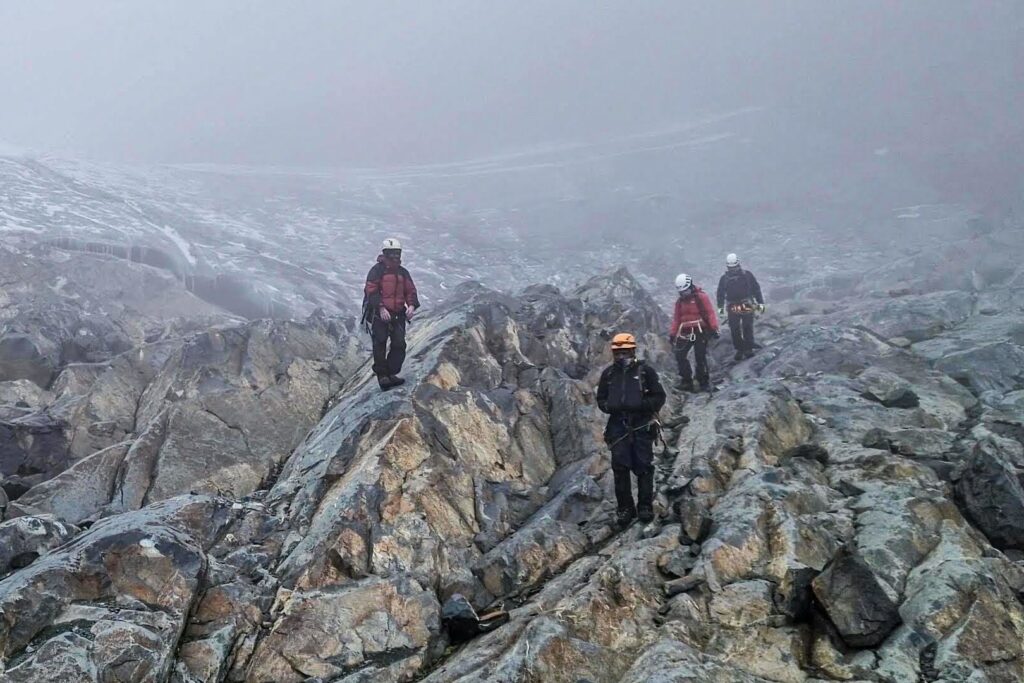
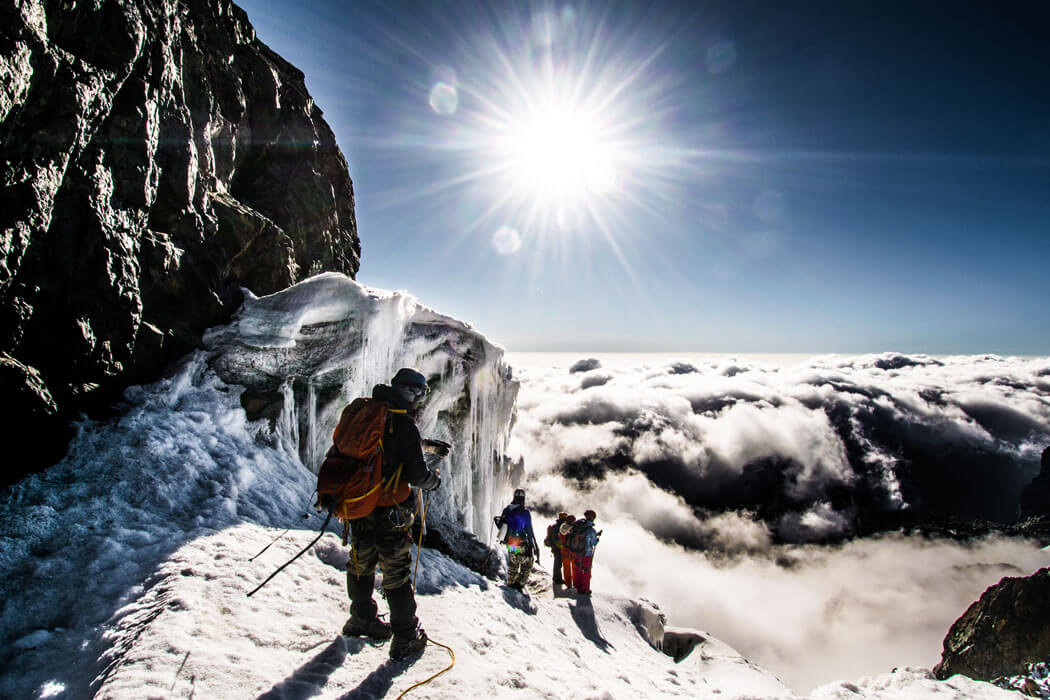
Summit departures from Elena Hut typically happen between 1 am and 3 am, in darkness, in conditions that regularly include temperatures well below 0°C, wind, and sometimes light precipitation. You will be standing still, clipping into ropes, making equipment checks, and waiting, all in the coldest conditions the mountain produces, before you begin moving. The insulation layer you wear over your base layer and under your shell on summit morning needs to be your warmest piece of insulation.
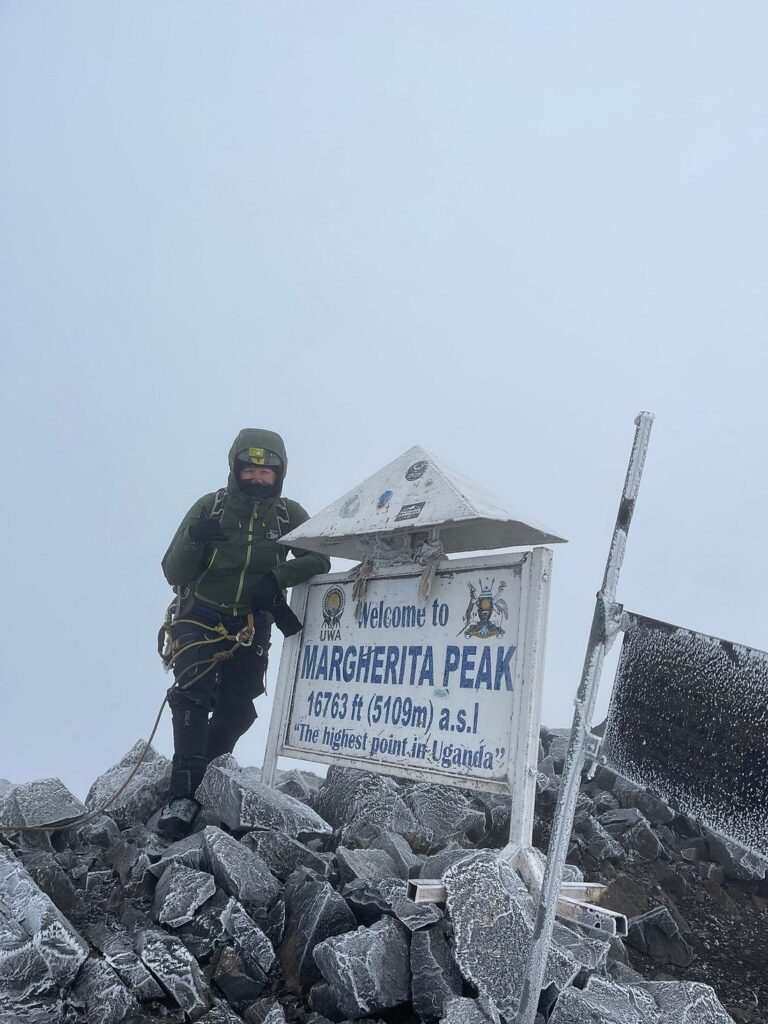
For summit day, the full clothing layering from skin outward is a merino wool base layer top and bottom, a thick mid-layer fleece, your warmest insulated jacket (down or synthetic), a hardshell jacket on top, waterproof shell trousers over thermal base layer bottoms, expedition-weight gloves or a glove-and-mitten combination, a warm hat under your helmet, a balaclava or neck gaiter for wind protection, and wool or synthetic hiking socks with a liner sock. This is not lightweight travel. It is appropriate cold-weather clothing for standing on Africa’s third-highest point before dawn.
Zone by Zone: What You Wear at Each Stage of the Trek
The Rainforest Zone (1,650m – 2,500m): Hot, Humid, and Unrelentingly Wet
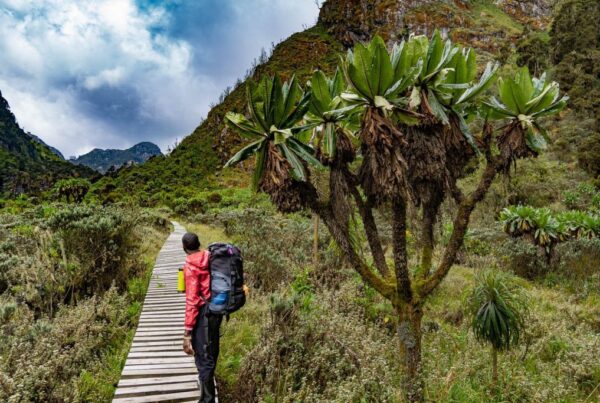
The first stage of any Rwenzori trek passes through lowland and montane rainforest, and the clothing dynamic here is counterintuitive to trekkers coming from temperate mountain environments. It is warm, sometimes extreme, and you will be sweating heavily. The temptation is to strip down to as little as possible. Resist it partially.
You need a light, wicking long-sleeve base layer in the forest zone, even when it is hot. The reason is twofold: first, the vegetation in the Rwenzori forest is dense and frequently wet, and bare arms and legs will be repeatedly brushed by saturated leaves and branches, keeping you constantly damp. Second, the forest is home to insects, including ticks and safari ants, and long sleeves and trousers provide basic protection. Lightweight convertible trousers, which can zip off to shorts, are genuinely useful in this zone, allowing you to adapt to changing conditions without stopping to change fully.
Your shell should be accessible at the top of your pack or in a hip belt pocket, not buried inside it. Rain in the forest zone arrives without much warning and can be very heavy. The first time you are caught without your shell accessible is usually the last time you make that mistake on a Rwenzori trek.
The Bamboo Zone (2,500m – 3,000m): Where the Cold Starts to Bite
As the trail climbs through bamboo forests and into the lower moorland, temperatures begin to fall, and the character of the rain changes from warm tropical downpours to cooler, more persistent drizzle. This is the zone where trekkers who have been comfortable in a base layer and shell begin to add their mid-layer for the first time.
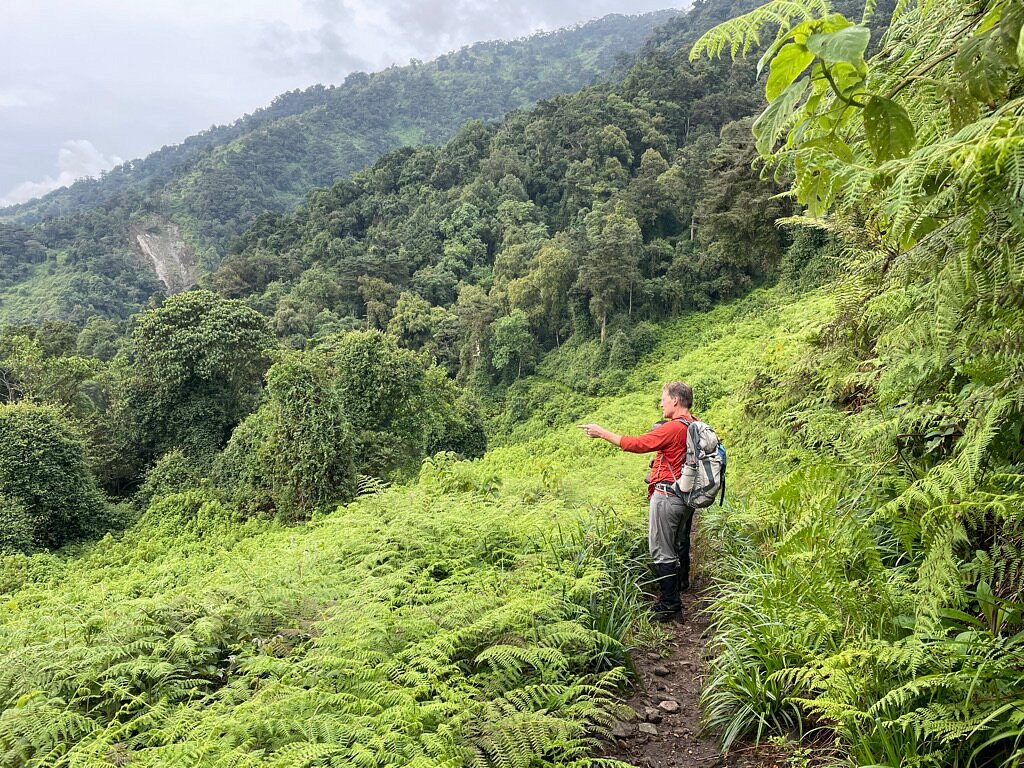
The bamboo zone is also where the trail surface becomes significantly more demanding. The ground primarily consists of wet clay, saturated root systems, and bamboo culms, all of which have become slippery due to years of trekker traffic and rainfall. The thermal demands of this zone are moderate; a base layer plus a light mid-layer fleece is usually appropriate for moving, but the moisture demands remain at full Rwenzori intensity. Your shell should be on and buttoned by this point in the day.
The Heather Zone and Afro-Alpine Moorland (3,000m – 4,200m): The Rwenzori at Its Most Characteristic
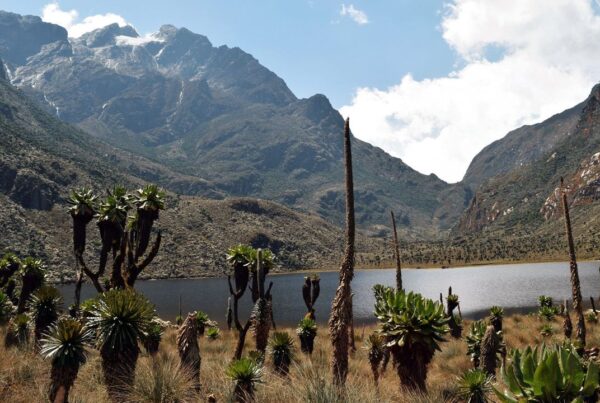
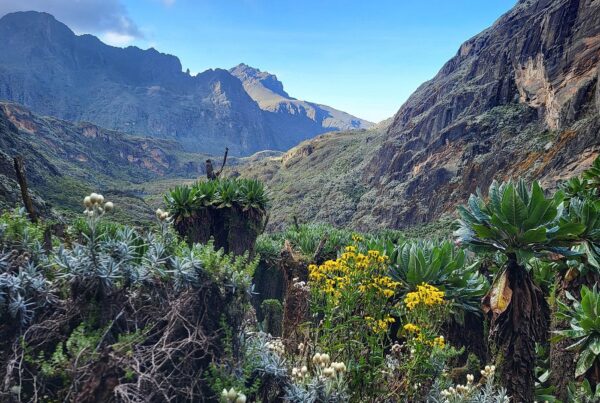
Above the bamboo, the landscape opens into one of the most otherworldly environments in Africa: giant heather moorland, Afro-alpine bogs, and surreal landscapes of outsized vegetation, including giant lobelias and groundsels that exist nowhere else on Earth in this combination. It is also, depending on the time of day and the state of the weather, stunningly beautiful or genuinely hostile.
This is the zone where your full layering system comes into operation. On a clear morning on the heather moorland, moving steadily uphill, you may be comfortable in a base layer, fleece, and shell. When you stop, the temperature drops quickly, and you need your insulated jacket. By midday on a cloudy day with light rain and wind, all layers may be appropriate simultaneously. In the late afternoon at Bujuku or Kitandara camp, when the temperature falls towards freezing, you are wearing everything you brought, sitting as close to whatever warmth source is available.
Gaiters become genuinely essential in this zone. The Afro-alpine bog that characterizes much of the trail surface between 3,000 and 4,200 meters can be knee-deep in places, and without full-length gaiters extending from knee to boot, your boots and lower legs will be soaked within minutes. Full-length gaiters, not the short ankle versions designed for dry trail running, are a non-negotiable item for any Rwenzori trek that enters this zone, which means any trek longer than two or three days.
The High Alpine Zone (4,200m and Above): Cold, Exposed, and Unforgiving
Above 4,200 meters, the Rwenzori transitions into its high alpine personality: rock, scree, snow, ice, and conditions that change rapidly and can combine cold, wind, and precipitation in ways that will test clothing far more comprehensively than any of the zones below. Elena Hut, at approximately 4,541 meters, is the final camp before the Margherita summit push. It is the base of operations for the summit day, and the clothes you have in your pack when you arrive there are what you summit in.
In this zone, every layer is in use simultaneously or available within arm’s reach. The shell is on and cinched tight. The insulation layer is underneath it. The base layer is providing its wicking function between your perspiring body and the insulation above. Your hands are in warm gloves or mittens. Your head is covered in a hat, and likely a balaclava or neck gaiter is managing the exposed skin on your face and neck. Wind in the upper Rwenzori can be significant, and with wet conditions, it creates wind-chill scenarios that bring the effective temperature far below the ambient reading.
The Specific Items That Deserve the Most Attention
Gloves: A Category Most Trekkers Under-Prepare
Gloves are one of the most consistently under-planned elements of the Rwenzori clothing kit, and cold hands are one of the most frequently reported discomforts from trekkers who have completed the upper mountain sections. The problem is not simply that trekkers bring inadequate gloves; it is that they bring gloves calibrated for a single condition rather than for the Rwenzori’s variable reality.
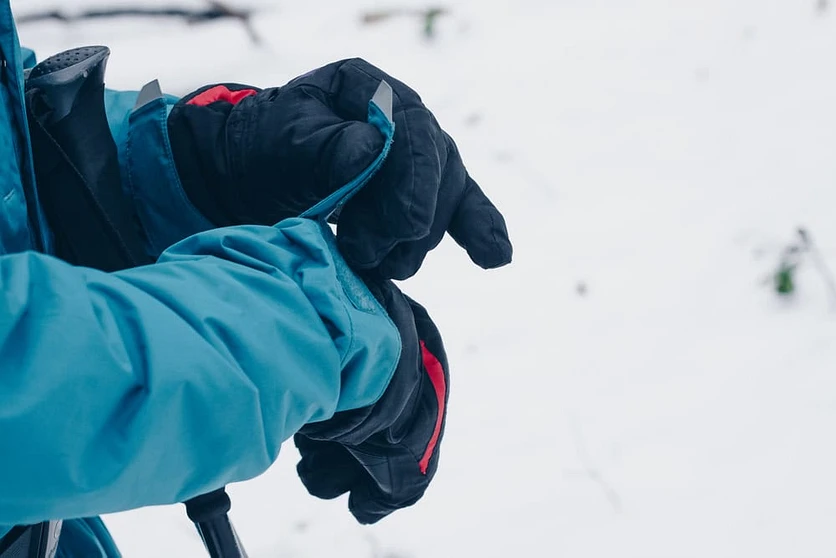
The glove system we recommend is a two-piece approach: a lightweight liner glove made from merino wool or thin fleece that can be worn on its own for the mid-mountain camps where temperatures are cool but not extreme, and a waterproof over-glove or waterproof mitten that can be pulled over the liner for the upper mountain and summit day. The liner alone handles the bamboo and heather zones comfortably. The combination of liner and waterproof over-glove covers the high alpine conditions, including the hours of rope work and equipment handling that summit day involves. Thick, unlined winter mittens that cannot be worn under a shell cuff and cannot be removed quickly for camera use or food handling are impractical for the Rwenzori’s conditions; dexterity matters on technical terrain.
Headwear: More Layers Than You Think
The head is where a significant proportion of heat is lost in cold conditions, and on the Rwenzori the variety of conditions encountered means you need more headwear options than you might initially pack. A lightweight wicking hat or buff is useful in the warm forest zone for managing sweat and keeping rain off your face without overheating. A mid-weight fleece or merino beanie covers the mid-mountain camps where it is cold but not extreme. For the upper mountain and summit day, a warm hat that covers your ears fully is essential, and for the pre-dawn summit push in wind, a balaclava or full-face gaiter that covers your neck, chin, and lower face is a significant comfort and safety item. Combine this with your helmet for the technical sections, and you have a head system that covers everything the mountain throws at you.
Socks: The Overlooked Comfort Item
Feet that are cold, wet, or blistered are one of the most reliable ways to have a miserable Rwenzori trek, and yet socks are the item that most trekkers buy last and think about least. The Rwenzori sock requirement is straightforward: wool-blend hiking socks in medium to heavyweight, with a thin moisture-wicking liner sock inside. The liner sock creates a layer of slip between your skin and the outer sock, significantly reducing blister-causing friction. The wool blend of the outer sock provides insulation even when wet and manages odor over multi-day wear in ways that synthetics cannot match. Bring at least three pairs of outer socks and three pairs of liner socks for any trek of seven days or more, and rotate them so no single pair is being worn wet for consecutive days.
Underwear: The Foundation Everything Else Depends On
Trekking underwear made from merino wool or synthetic moisture-wicking fabric is the foundation of your base layer system. Cotton underwear, like cotton base layers, holds moisture and creates chafing that after several days of continuous use becomes seriously uncomfortable. Merino wool underwear has become the standard recommendation for multi-day mountain trekking for good reason: it wicks, it regulates temperature, and it can be worn for multiple consecutive days without the odor problems that synthetic fabrics develop. Bring enough pairs to allow rotation and hand-washing where possible.
What to Bring from Home and What You Can Get Through Us
One question we receive regularly from trekkers planning their Rwenzori trip is how much clothing they need to source before arriving in Uganda and how much can be sorted out locally. The honest answer is that your clothing system, unlike some of the technical climbing equipment, should almost entirely be sourced, fitted, and tested before you travel.
Clothing is personal. The fit of your waterproof shell affects how well it performs when you are moving on a steep, wet slope. The thickness of your base layer determines how comfortable you are at rest in the upper camps. The way your mid-layer sits under your shell affects whether you can operate freely on technical terrain. You cannot calibrate these items correctly by purchasing them off a rack in Kasese the morning your trek commences. Your clothing system needs to be tried on, walked in, and confirmed as functional before you get on a plane.
Where we can help is on the technical gear side: crampons, ice axes, harnesses, and helmets are all available for rental through our offices at the start of your trek. We inspect and maintain this equipment to our own safety standards and conduct a fitting session before you head up the mountain. Many trekkers choose to rent technical gear rather than travel with it, which is a completely legitimate approach as long as the rental is arranged in advance rather than assumed to be available on the day. Clothing, however, is yours to bring.
If you are unsure whether specific items you already own are appropriate for the route you are planning, the best approach is to describe them to us when you get in touch via our contact page. We can tell you whether your existing gear meets the bar or whether specific items need upgrading before you travel. This is a conversation we have regularly, and it is one we take seriously; arriving with inadequate clothing is one of the most common and entirely avoidable causes of a difficult Rwenzori experience.
How Your Clothing Needs Change With Your Route
The specific clothing system you need for the Rwenzori is not independent of the route you are taking. A trekker completing the 3-day Mahoma Loop through the forest and lower moorland needs excellent waterproofing, a good mid-layer, and warm sleep clothes for camp but does not need the expedition-weight insulation, double glove system, or summit-day layering that a trekker on the 7-day Central Circuit to Margherita requires. Packing for the wrong version of the mountain is a very common mistake.
For the short forest routes, including the 4-Day Mutinda Lookout Trek and similar lower-mountain itineraries, the core clothing needs are excellent waterproofing, wicking base layers, a mid-layer fleece, warm sleep clothes, and all the accessories (gloves, hats, gaiters, and socks) described above. The emphasis is on moisture management rather than cold management.
For the classic multi-day summit routes, whether via the Central Circuit or the Kilembe Trail, the full layering system described in this guide applies. You need everything: base layers, mid layers, a hardshell, an expedition insulation layer, the complete glove and headwear system, and the summit-specific additions for the pre-dawn push. Trekkers who wonder how difficult the upper sections are relative to other mountains they have completed will find a thorough, honest answer in the piece on how challenging trekking the Rwenzori actually is, which gives context that directly affects clothing planning.
For trips that involve climbing multiple snowy peaks, like the 8-day 3 Peaks Trek across Stanley, Speke, and Baker, or the full 18-day journey covering all 8 major peaks, you will need the same clothing as mentioned for the summit route, but since these trips take longer, you need to pay more attention to changing clothes and taking care of yourself. On a long expedition, a second set of base layers that you can keep dry and rotate is essential; it helps you maintain personal hygiene and thermal safety across multiple summit days. Bring more socks than you think you need, and bring more dry bags to keep them that way.
Who This Trek Is Right For, and How Clothing Reflects That
The Rwenzori draws a specific kind of traveler: one who is drawn to genuine wilderness rather than managed tourist experiences, who is comfortable with physical challenge and environmental unpredictability, and who wants to experience something that the majority of the world’s trekkers will never see. The clothing demands of the mountain are a direct expression of its character. If you are willing to invest in understanding and properly equipping yourself for the environment, the Rwenzori will reward you with an experience that is simply not available anywhere else on Earth.
For trekkers who have previously completed long-distance mountain routes in wet or cold environments like the Scottish Highlands, Patagonia, the Norwegian mountains, or comparable terrain, the Rwenzori’s clothing demands will feel familiar in principle, if unique in their specific combination. For trekkers who are newer to multi-day mountain travel, the clothing guidance in this article is the beginning of the preparation process, not the end. The piece on whether beginners can climb the Rwenzori addresses the broader preparation question directly and is worth reading alongside this guide to get the full picture.
What the Rwenzori is not ideal for: trekkers who are unwilling to accept sustained discomfort from wet conditions, trekkers who are not prepared to invest in genuinely adequate clothing and equipment, or trekkers looking for a technically simple, highly managed mountain experience. This mountain demands something of you, and your clothes are the first sign of your readiness to comply.
Packing Your Clothing System: Keeping Things Dry on a Wet Mountain
The finest clothing system in the world is significantly less effective if you arrive at your high camp with wet insulation layers because your pack was not waterproofed correctly. Dry bags, roll-top waterproof bags available in various sizes, are not optional extras on the Rwenzori. They are the system by which your critical dry layers stay dry in a pack that will be exposed to rain for the majority of your trek.
The packing strategy we recommend: critical dry items (insulation layer, spare base layers, spare socks, sleep clothes) go inside individual dry bags that are then placed inside your main pack. Your waterproof jacket and trousers go in an accessible location outside the dry bags because you need them at speed. Items that can tolerate getting wet, such as camp shoes, rain covers, and trekking pole bags, can live in the main compartment. Your sleeping bag should always have its own dedicated dry bag.
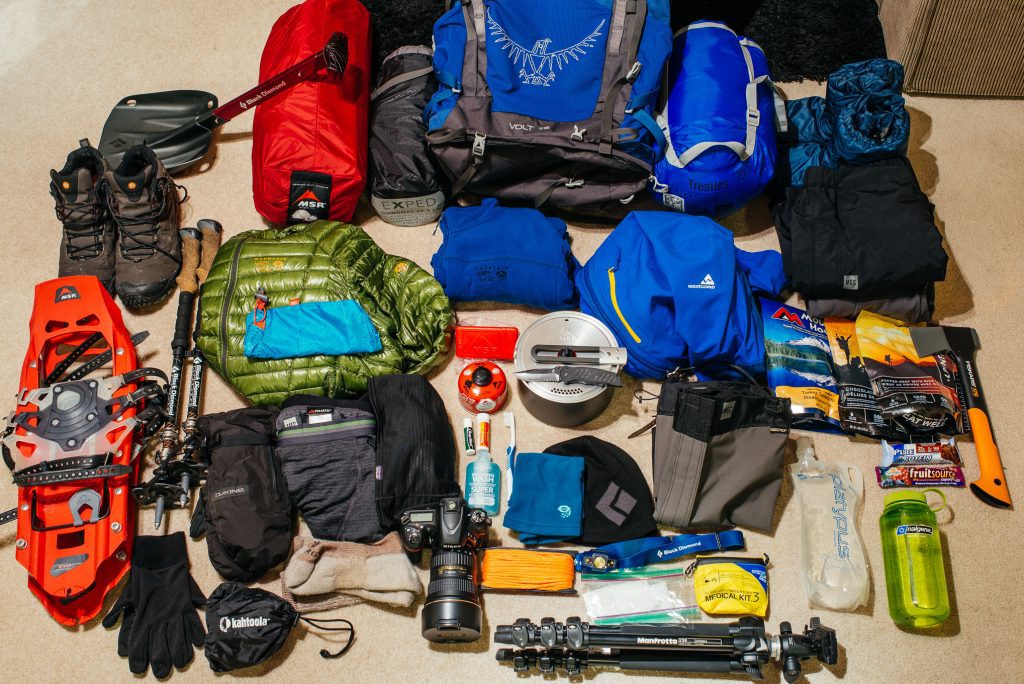
If your main rucksack has a built-in rain cover, use it. If it does not, fit an aftermarket rain cover or line the inside of the pack with a heavy-gauge bin liner as a backup. For Rwenzori trekking, the standard approach is to combine an external rain cover with internal dry bags, and trekkers who rely solely on one method often face their limitations by day three, such as wet gear or inadequate protection from the elements.
How to Plan Your Trek and Your Kit Together
When planning your route, consider what to wear for the Rwenzori. The two decisions are connected: your route determines your altitude range, your duration, and therefore the full extent of your clothing needs. We work through this issue with every trekker who plans a trip with us. Browse our full range of Rwenzori trekking itineraries to get a sense of what best matches your objective and timeline, and then get in touch to start the conversation about preparation.
For trekkers who want to understand the mountain in more depth before they commit to a route, the overview of all the major Rwenzori trails and hiking routes gives the most complete picture of what each route entails, including the altitude profiles that directly determine your clothing requirements. The full mountain context, including the ecology, geology, and history, is covered in our Rwenzori Mountains overview, which provides the background that makes every practical decision, including clothing, more sensible.
When you contact us, tell us where you want to go, how long you have, your experience level, and what you already own from the clothing list in this guide. Before your trip, we will give you a clear, detailed evaluation of what you need, what you can leave out, and what is most important. We have been guiding these mountains long enough to know the difference between what a gear retailer will tell you to buy and what the mountain will actually demand.
Frequently Asked Questions: Clothing for the Rwenzori Mountains
What kind of clothing do I need for the Rwenzori?
Clothing for the Rwenzori Mountains needs to cover a wide range of conditions, from warm and humid tropical rainforest at the trailhead to sub-zero temperatures and wind on the glaciated summit approaches. The core system is built on three layers: a moisture-wicking base layer (merino wool or synthetic, never cotton), an insulating mid-layer (synthetic insulated jacket or fleece), and a fully waterproof hardshell outer layer (Gore-Tex or equivalent with taped seams). Additional items include waterproof trousers, full-length gaiters, warm gloves, a merino or fleece beanie, a balaclava for the upper mountain, wool-blend hiking socks with liner socks, and merino or synthetic underwear. For summit routes, a heavier expedition insulation layer is added for the pre-dawn summit push.
Can I wear cotton clothing on the Rwenzori?
Cotton is not appropriate for any layer worn against the skin on the Rwenzori, and it should be avoided for base layers, socks, and underwear entirely. Cotton absorbs and holds moisture rather than wicking it away from the skin, and when wet it provides no insulation and becomes cold and heavy. In the Rwenzori’s persistent moisture environment, wet cotton clothing is a genuine cold injury risk on the upper mountain. The only acceptable use for cotton on a Rwenzori trek is casual camp clothing at the lower camps during warm evenings, and even then, it is a low priority.
Do I need a waterproof jacket for the Rwenzori?
A fully waterproof hardshell jacket is non-negotiable for any Rwenzori trek of any length or on any route. The Rwenzori is one of the wettest mountain ranges in Africa, receiving annual rainfall of up to 3,000 millimeters in the upper forest zones. Rain can arrive at any time, at any altitude, at any time of year. A waterproof jacket for Rwenzori must be a genuine hardshell with a waterproof and breathable membrane, such as Gore-Tex, and fully taped seams. Soft-shell jackets, wax-coated jackets, and DWR-treated water-resistant jackets are inadequate for the sustained rainfall conditions the Rwenzori routinely produces.
What gloves should I bring for the Rwenzori?
A two-piece glove system works best: a lightweight liner glove in merino wool or thin fleece for the mid-mountain camps and trail use, combined with a waterproof over-glove or waterproof mitten for the upper mountain and summit day. The liner provides dexterity for camera use, food, and general camp tasks, while the waterproof outer layer protects against rain, wind, and cold on the high alpine sections. Single heavy winter mittens without a liner component are too inflexible for rope work on summit day and equipment handling. Cold hands on the Rwenzori are one of the most commonly reported discomforts on summit itineraries, and adequate glove preparation is the straightforward solution.
Do I need gaiters for the Rwenzori?
Full-length gaiters are non-negotiable for any Rwenzori trek that enters the moorland and Afro-alpine bog zones, which means any trek of three or more days. The bog terrain between 3,000 and 4,200 meters is often knee-deep in waterlogged peat, so without knee-high gaiters, your lower legs and boots will quickly get saturated. Short ankle gaiters designed for dry trail running are inadequate. Full-length waterproof gaiters with reliable boot attachment systems are the correct specification.
Is down or synthetic insulation better for the Rwenzori?
For the primary mid-layer insulation used on the lower and mid-mountain sections of the Rwenzori, synthetic insulation is more reliable than down because it retains meaningful warmth even when damp. Down collapses when wet and loses most of its insulation value, which is a serious limitation in the Rwenzori’s persistent moisture environment. For the supplementary summit-day insulation layer, which is worn under a hardshell and kept as dry as possible, high-quality water-resistant down is an acceptable option given its superior warmth-to-weight ratio. The practical approach for most trekkers is a synthetic primary mid-layer and a down or high-quality synthetic secondary layer reserved for the upper camps.
How many sets of clothing should I bring for the Rwenzori?
For a trek of seven days or more, we recommend two base layer tops, two base layer bottoms, three pairs of wool-blend hiking socks, three pairs of liner socks, two to three pairs of merino or synthetic underwear, one mid-layer fleece, one synthetic insulated jacket, one expedition insulation layer for summit itineraries, one hardshell jacket, one pair of hardshell waterproof trousers, one pair of gaiters, glove liners plus waterproof over-gloves, a warm beanie, a balaclava or neck gaiter, and dedicated warm sleep clothes kept dry in a dry bag. Rotation and hand-washing where available can make this system work across a multi-week expedition without excessive weight.
Can I rent clothing at the Rwenzori trailhead or from Rwenzori Trekking Safaris?
Clothing for the Rwenzori should be brought from home rather than rented locally. Fit, familiarity, and the ability to test items before your trek are essential for clothing in a way that is different from technical equipment like crampons and ice axes. We maintain a rental inventory of technical climbing equipment, including crampons, ice axes, harnesses, and helmets, which can be arranged in advance through our booking process. If you are uncertain whether specific clothing items you already own are adequate for your planned route, contact us and describe the items; we will give you a direct assessment rather than a generic answer.
What should I sleep in at the Rwenzori mountain huts?
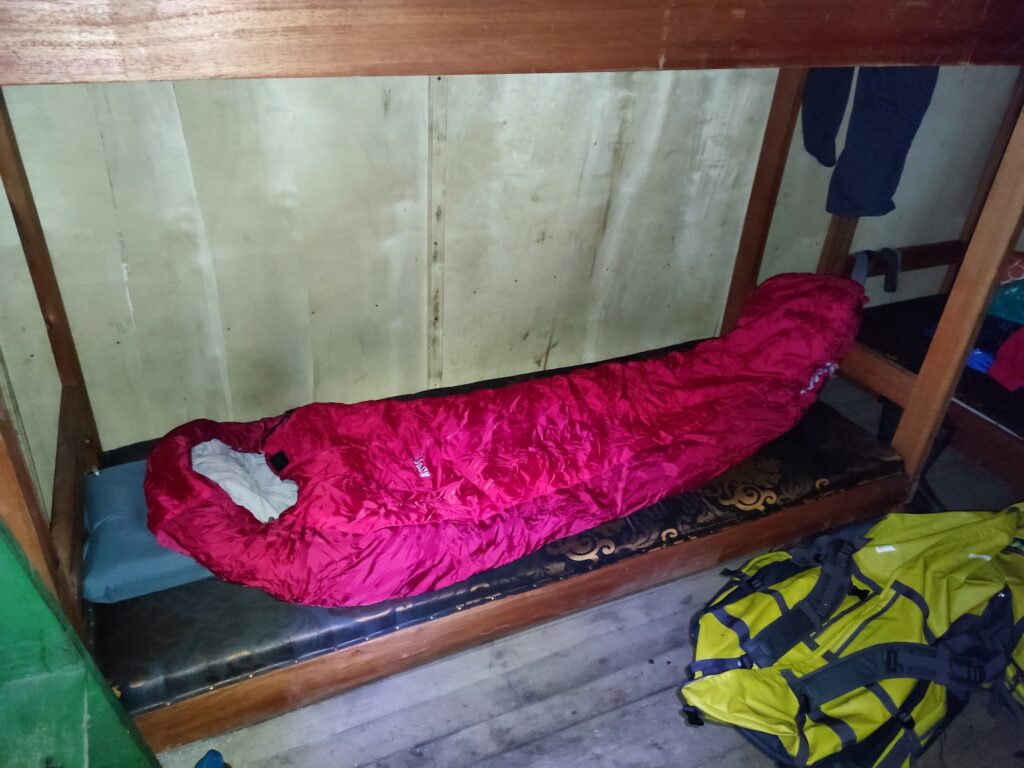
Camp and sleep clothing on the Rwenzori should be kept separate from your trekking clothing and stored dry throughout the trek. The huts along both the Central Circuit and Kilembe Trail provide mattresses and basic shelter, but they are not heated, and temperatures in the upper huts can drop to -5°C or below overnight. Sleep clothing for the upper camps should include warm base layer bottoms and a top, thick socks, and a warm hat. Your insulated jacket doubles as additional camp insulation when not worn over your sleeping bag. A sleeping bag rated to -10°C for comfort is appropriate for the upper camps, and it should be kept in its own dry bag throughout the trek.
Does the best time to trek the Rwenzori affect what clothing I need?
The core clothing system described in this guide is appropriate for the Rwenzori throughout the year. The drier seasons, December to March and June to September, offer more stable conditions and better summit visibility, but they do not change the fundamental clothing requirements. Rain can fall in any season at any altitude, and the upper mountain cold is present year-round. The drier season may mean slightly fewer days of sustained heavy rain on the lower mountain, but the moisture management and thermal clothing needs remain consistent. Trekkers should not use a drier-season departure as a reason to under-prepare their waterproof system.
Do I need different clothing for technical summit routes versus trekking-only routes?
The primary difference between clothing for trekking-only routes and technical summit routes like Margherita Peak is the addition of a heavier expedition insulation layer and a more comprehensive glove and headwear system for the pre-dawn summit push. On technical routes, your clothing also needs to work with your harness, meaning shell trousers with side zips long enough to open over crampons and boots and a shell jacket cut to work over a harness without bunching. The base layer, mid layer, and hardshell system are consistent across both route types; the summit day additions are the key difference.
Ready to Plan Your Rwenzori Trek? Let’s Talk.
The Mountains of the Moon do not reveal themselves to those who arrive underprepared. But for the trekker who takes the time to understand the environment, who invests in the right clothing system, and who approaches the mountain with the respect its conditions demand, the Rwenzori offers something extraordinary: an equatorial wilderness that most of the world’s mountaineers will never see, a vertical journey through five ecological zones, and the opportunity to stand on a glacier at the equator under skies that, on the right morning, are absolutely unlike anything else on Earth.
That kind of experience does not come with a generic package. It happens through a personalized trek based on your identity, desires, and abilities. That is precisely what we build for every trekker who comes to us.
Tell us your dates, your route ambitions, your experience level, and your current gear situation. We will give you the most specific, most honest, and most practically useful planning guidance available for the Rwenzori, including a direct assessment of your clothing system and what, if anything, needs to change before you travel. Reach out to our team today and start building the trek you have been contemplating. The mountain is waiting, and we know exactly how to help you meet it.