Is it safe to trek the Rwenzori Mountains? This is an expert guide that covers topics such as altitude, weather, trails, security, and safety tips, all provided by expert guides from the Rwenzori Mountains.
This question arrives in our inbox more than any other, typed by trekkers from all over the world, all of them holding the same image in their minds: glaciers on the equator, a sky full of strange Afro-alpine plants, and mist rolling off summits that the ancient world simply called the Mountains of the Moon. And always, beneath the wonder, the same honest question: Is it safe to trek the Rwenzori Mountains?
The short answer is yes. With the right preparation, the right guide, and the right operator, trekking the Rwenzori is a safe, transformative experience that tens of thousands of people have completed without serious incident. However, the Rwenzori mountain range does not encourage complacency. It is remote, relentlessly wet, and genuinely demanding. It deserves your respect and your preparation. This article gives you both: a complete, expert-level guide to every dimension of safety on these extraordinary mountains, written by someone who has led hundreds of trekkers across the Central Circuit, up the Kilembe Trail, and to the summit of Margherita Peak.
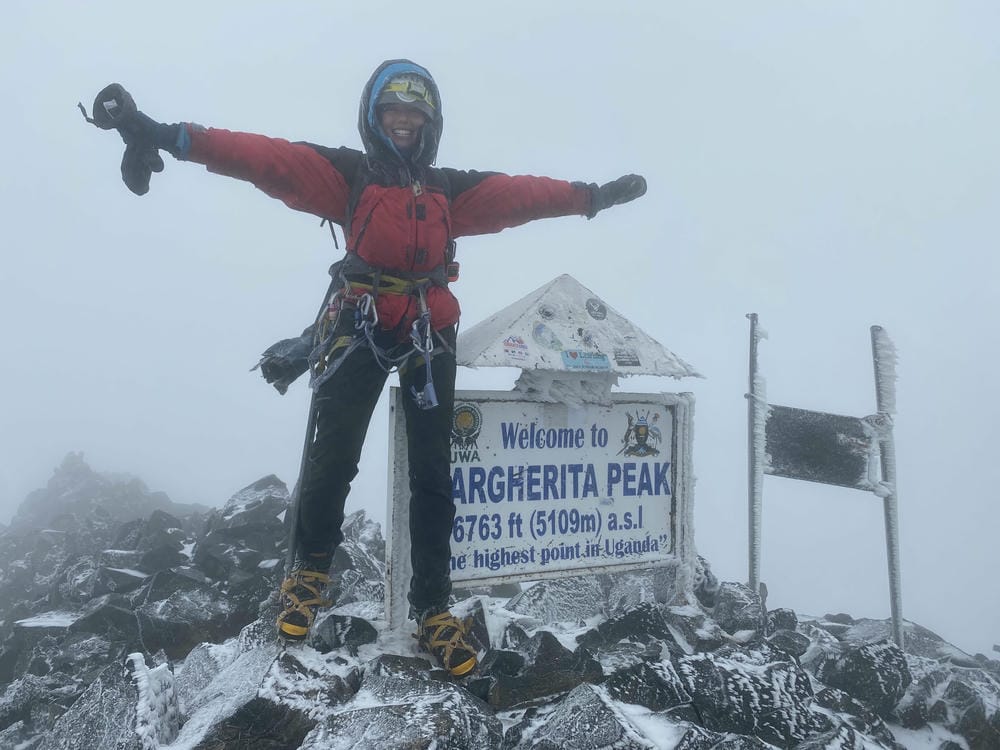
If you are seriously considering a Rwenzori trek, bookmark this page. Whether you are planning a gentle multi-day hike through the lower forest zones or preparing for a full Margherita Peak summit attempt, everything you need to assess and manage the risks is here.
Understanding the Rwenzori Mountains: Why Context Matters for Safety
Before we can talk meaningfully about safety, we need to talk about the Rwenzori Mountains themselves, because understanding what you are walking into is the foundation of everything else. The Rwenzori range sits astride the border of Uganda and the Democratic Republic of Congo, rising to 5,109 meters at Margherita Peak on Mount Stanley. Unlike most of Africa’s magnificent peaks, the Rwenzori is a non-volcano. It is a fault-block mountain range, ancient and complex, built from Precambrian metamorphic rock that has been thrust skywards over millions of years. It is a UNESCO World Heritage Site, and it contains some of the most biodiverse and visually arresting terrain on the planet.
What makes Rwenzori distinctive and shapes its safety profile is the climate. Ptolemy called these mountains the source of the Nile, and the reason is obvious from the moment you step inside: the Rwenzori receives precipitation almost every day of the year. The range acts as a massive atmospheric sponge, capturing moisture from the Congo Basin to the west and the East African plateau to the east. The result is a landscape of extraordinary ecological richness and exceptional mud. Trails are wet. Vegetation is dense. Mist is the default state. Rain is not an event; it is a condition.
This state is not a reason to stay home. It is a reason to understand what you are signing up for and to choose operators and guides who know how to move safely through this environment. You can understand and manage every risk on the Rwenzori, including altitude sickness, hypothermia, trail hazards, and political considerations. Let us take them one by one.
Altitude and Acclimatisation: The Rwenzori’s Most Serious Risk
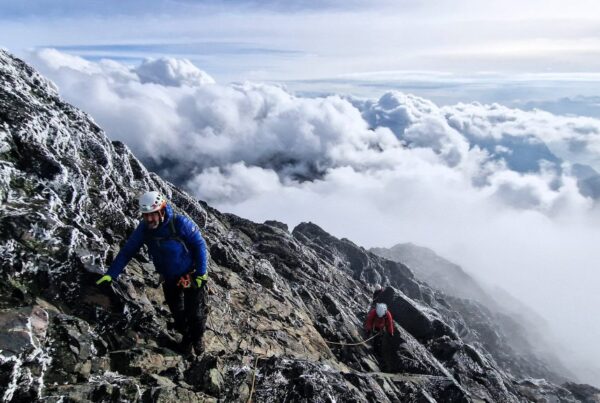
At 5,109 meters, Margherita Peak sits well above the altitude threshold at which Acute Mountain Sickness (AMS) becomes a serious concern for most trekkers. Even the lower sections of the Central Circuit Trail reach altitudes above 4,000 meters, where headaches, fatigue, nausea, and disturbed sleep are common. The higher camps on the approaches to Mount Stanley exceed 4,500 meters, and the summit push takes trekkers into the zone where High Altitude Pulmonary Edema (HAPE) and High Altitude Cerebral Edema (HACE) are genuine possibilities if ascent is rushed.

The Rwenzori’s altitude profile is actually somewhat forgiving compared to ranges like the Himalayas or even Kilimanjaro, because the standard itineraries are designed with built-in acclimatization time. The multi-day structure of the Central Circuit and the longer Kilembe Trail itineraries means that trekkers ascend gradually, sleep at progressively higher altitudes, and allow their bodies to adapt over a period of days rather than hours. This acclimatization-by-design is one of the reasons the Rwenzori has an excellent safety record on altitude-related illness when trekkers follow established itineraries.
The risks increase sharply when trekkers attempt to rush the itinerary, skip rest days, or push for the summit against the advice of their guide. Our guides carry pulse oximeters on all treks and conduct daily oxygen saturation assessments on every trekker in the group. We use the Lake Louise Score system to monitor AMS symptoms, and our guides are trained to make descend-or-continue decisions based on objective data, not optimism. Trekkers with pre-existing respiratory or cardiac conditions should consult a physician before undertaking any Rwenzori trek above 3,000 meters, and all trekkers on summit itineraries should discuss Diamox (a medication used to prevent altitude sickness) prophylaxis with their doctor before departure.
Key Altitude Safety Practices on Our Treks
Every guide employed by Rwenzori Trekking Safaris is trained in Wilderness First Responder techniques for recognizing and managing altitude illness. Trekkers are briefed on AMS symptoms on day one and are encouraged to report any symptoms immediately; there is no heroism in silence at altitude. Our standard policy is that any trekker showing moderate AMS symptoms is held at the current camp, given rest and hydration, and reassessed before any further ascent. Any trekker showing signs of HAPE (High Altitude Pulmonary Edema) or HACE (High Altitude Cerebral Edema) is descended immediately, regardless of conditions, time of day, or proximity to the summit.
Weather, Hypothermia and the Wet Reality of the Rwenzori
The Rwenzori is the wettest mountain range in Africa and arguably one of the wettest high-altitude environments in the world. Average annual rainfall in the upper zones exceeds 3,000 mm, much of it delivered as mist, drizzle, or sustained downpour. At summit elevations, temperatures can drop below freezing at any time of year, and wind chill on exposed ridges can be severe. This combination of persistent moisture, cold temperatures, physical exertion, and the caloric demands of multi-day trekking creates a real risk of hypothermia for trekkers who are not properly equipped.
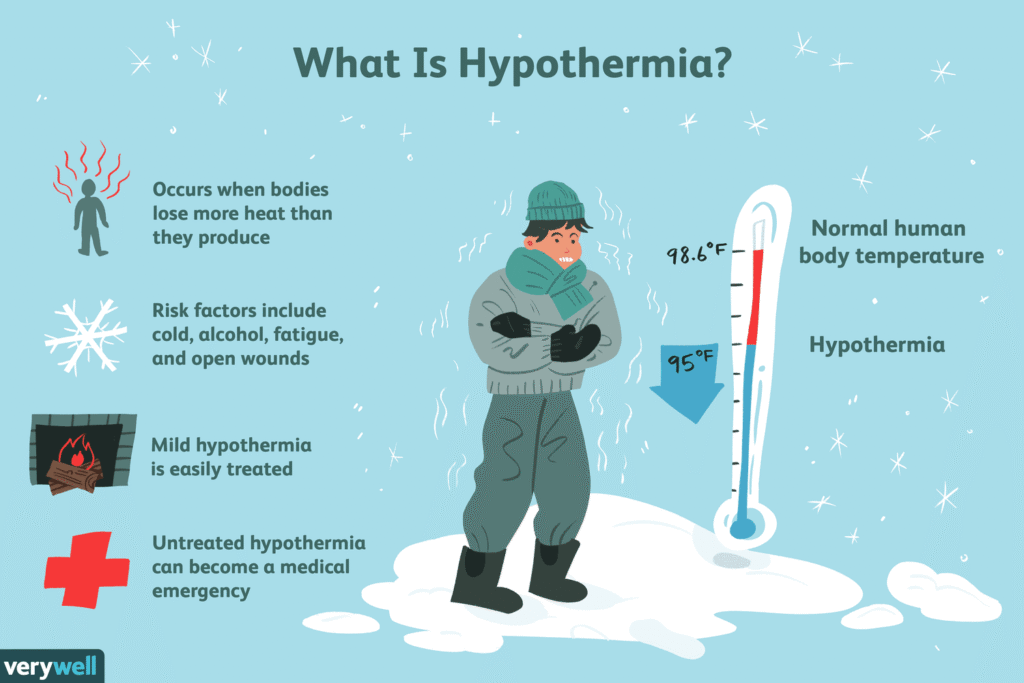
The key to managing this risk is equipment. We are direct about this with every trekker who contacts us through our contact page: the Rwenzori demands technical gear. A waterproof jacket is non-negotiable; it must be genuinely waterproof with taped seams, not just water-resistant or shower-proof. Gaiters are essential. Merino wool or synthetic base layers that retain warmth when wet are mandatory for anything above the montane forest zone. A sleeping bag rated to at least -5°C is the minimum for the upper camps, and -10°C is advisable for summit routes. Trekkers who arrive with inadequate equipment are not safe on this mountain, and we reserve the right to supplement or replace gear before departure.
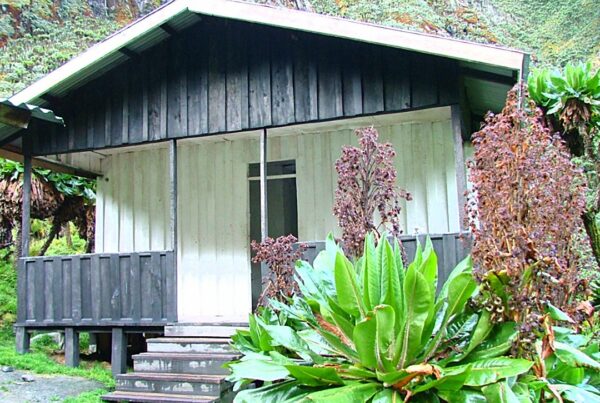
Our mountain huts, which trekkers sleep in each night on all standard itineraries, provide a significant safety buffer against the elements. Unlike the open bivouacking common on some equatorial peaks, Rwenzori trekkers sleep in enclosed, elevated huts at each camp. This aspect matters enormously for thermal recovery: a well-rested trekker who dried their gear overnight is in a fundamentally different position from one who has been sleeping in a wet tent at altitude. The hut system is one of the structural safety advantages of the Rwenzori over comparable equatorial high-altitude experiences.
Best and Worst Times to Trek: The Two Dry Windows
While no time of year guarantees dry conditions on the Rwenzori, there are two periods when precipitation is reliably lower: December through February and June through August. These are the windows most experienced guides recommend for trekkers who want the best combination of visibility, trail conditions, and summit chances. The so-called ‘wet season’ peaks in March to May and September to November, when daily rainfall is heavier and the trails, particularly in the lower bamboo and heather zones, become genuinely challenging mud courses. Trekking is still possible year-round, but wet-season trekkers should carry extra patience alongside their gaiters.
Trail Conditions and Physical Risk: What the Mountain Actually Demands
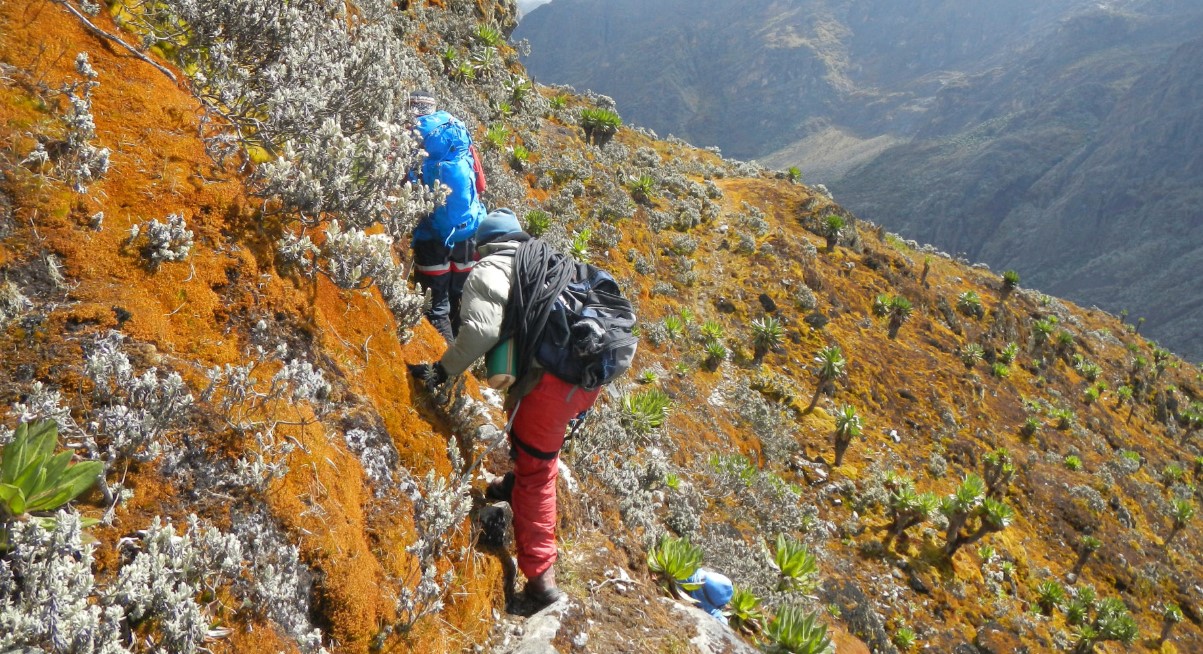
The Rwenzori is challenging, even at the lower altitudes. The trails, particularly on the Kilembe Trail and in the dense forest zones below 3,000 meters, involve steep, muddy gradients, root-tangled paths, and sections of scrambling that require the use of hands and ropes. Falls are the most common cause of minor injuries on the mountain: twisted ankles, bruised knees, and the occasional laceration from an unseen root. These risks are real but manageable, primarily through fitness preparation, the right footwear, and the knowledge and pace-setting of an experienced guide.
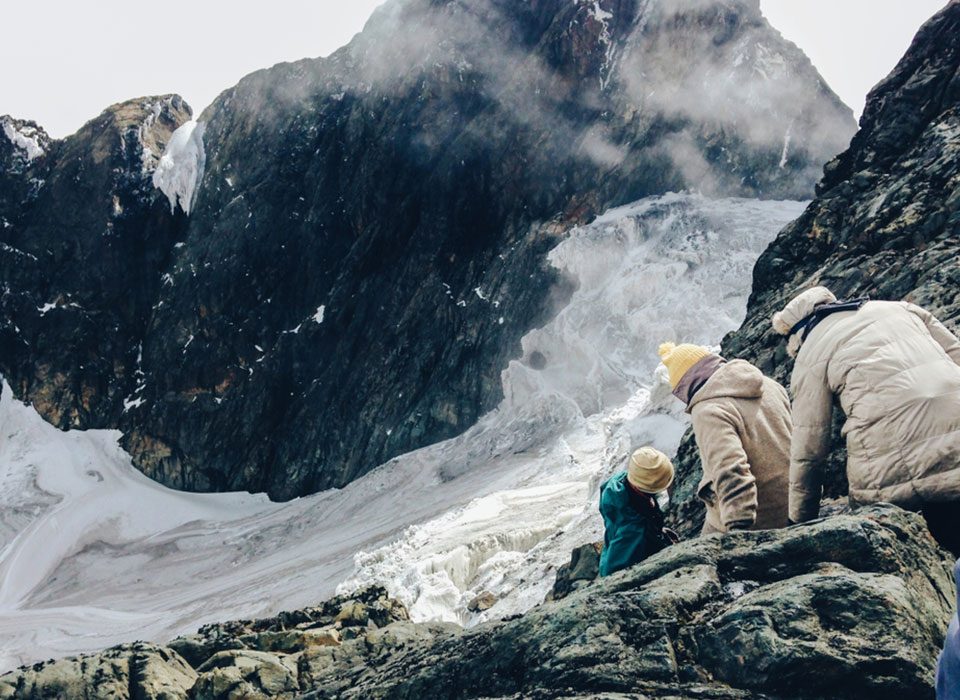
Our guides walk every trail section before each trekking season and maintain a live trail condition database that informs every departure briefing. We know which sections are most hazardous after heavy rain, which stream crossings require particular care during snowmelt, and where the exposure is serious enough to warrant fixed ropes. Trekkers on our full trek overview benefit from this accumulated knowledge at every step they take.
Physical preparation matters enormously. We recommend that trekkers targeting the Central Circuit or longer routes arrive having completed at least three months of cardiovascular training, hiking with a loaded pack, stair climbing, and cycling combined with leg-strengthening exercises. Trekkers targeting Margherita Peak should have prior high-altitude experience above 4,000 meters. This instruction is not gatekeeping; it is genuine advice rooted in years of watching underprepared trekkers struggle and sometimes fail on routes that adequately prepared trekkers complete with joy.
Wildlife Safety in the Rwenzori
The Rwenzori National Park is home to a remarkable array of wildlife, including chimpanzees, colobus monkeys, forest elephants, and over 200 recorded bird species. Trekkers regularly encounter hyraxes at the high camps and occasionally see duikers in the forest zones. The honest assessment of wildlife risk on the Rwenzori is that it is extremely low. Unlike some other African trekking destinations, there are no lions, leopards, or buffalo on the standard trekking routes within the national park boundary. Elephant encounters are theoretically possible in the lower forest but extremely rare, and our guides are trained in appropriate response protocols.
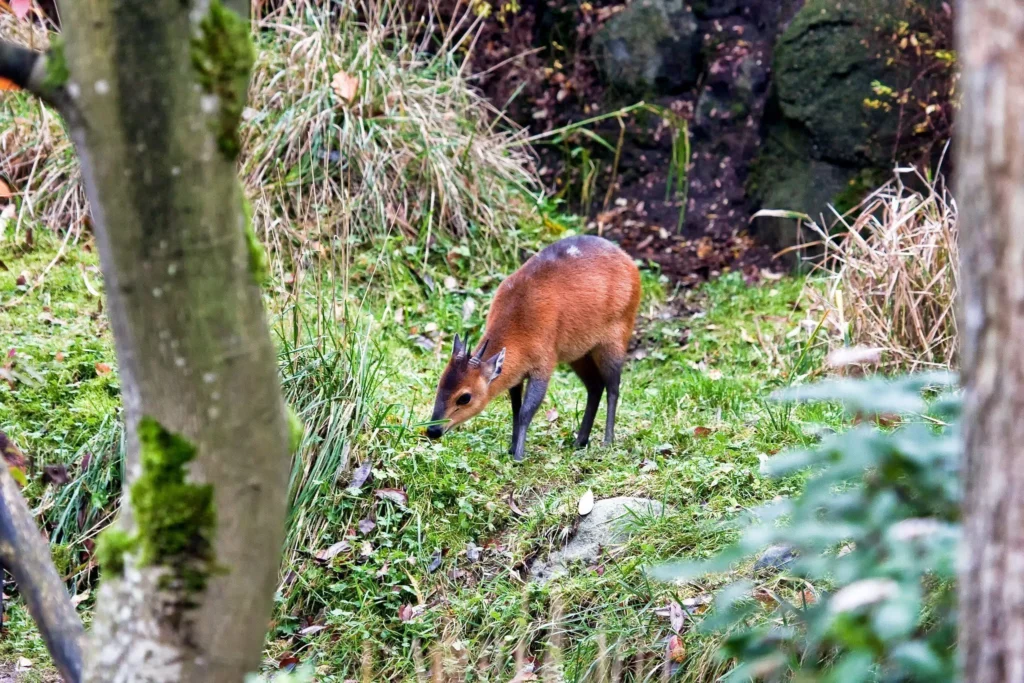
Rwenzori Duiker
The more common wildlife interactions are entirely benign: the bizarre giant groundsel and giant lobelia that populate the Afro-alpine zone above 3,800 meters are not dangerous, but they are deeply disorienting to trekkers accustomed to normal mountain vegetation. Insects, particularly in the lower forest zones, are a legitimate consideration. We recommend lightweight long-sleeved clothing for the forest sections and a quality insect repellent containing DEET or picaridin. Malaria prophylaxis is recommended for the lower altitude sections, though the risk decreases significantly above 2,000 meters.
Political Stability and Security: Addressing the DRC Border Question
This is the question that most concerns prospective trekkers from Europe, North America, and Australia, and it deserves a direct, honest answer. The Rwenzori range straddles the Uganda-DRC border, and the DRC side of the range has historically experienced security instability related to armed groups active in eastern Congo, which poses risks to trekkers and has led to increased caution among tour operators. This is a real situation, not a rumor, and it is part of why we operate exclusively on the Ugandan side of the mountains, within the boundaries of Rwenzori Mountains National Park, under the jurisdiction of the Uganda Wildlife Authority that protects the Rwenzori Mountains National Park.
Uganda itself is a politically stable country with a functioning national park system, professional wildlife rangers, and an established trekking infrastructure. The Ugandan side of the Rwenzori has experienced no significant security incidents affecting trekkers for many years. Our treks operate within protected-area boundaries where Uganda Wildlife Authority rangers provide an additional layer of security awareness. We monitor security conditions continuously and maintain close communication with local authorities. Our guides are also deeply embedded in local communities and have access to real-time local information that no travel advisory website can replicate.
Standard travel safety practices apply as they do anywhere in the world: keep your valuables secure, do not display expensive equipment unnecessarily in towns, and follow the advice of your guide. The Rwenzori trekking community guides, rangers, porters, and operators has a collective interest in keeping trekkers safe and the industry sustainable. That community is your greatest security asset.
The Role of a Professional Guide and Porter Team: Your Single Most Important Safety Decision.
I have guided trekkers who have summited Everest base camp, traversed the Haute Route, and crossed the Larapinta Trail. Without exception, when they step onto the Rwenzori, the complexity and immersiveness of the terrain surprise them. The Rwenzori is not a mountain that rewards independent navigation, particularly in the upper zones where visibility can drop to near zero in minutes and the trail markings become subtle. Booking with a specialist operator, one that knows specifically these mountains, not just mountains in general, is the single most important safety decision any Rwenzori trekker makes.

Our guide teams are composed entirely of Bakonzo mountain people, the indigenous community of the Rwenzori foothills who have lived alongside and on these mountains for generations. They know the mood of the mountain in a way that no amount of technical training can fully replicate. They know when the clouds building to the west signal a serious afternoon downpour and when they will pass within the hour. They know which streams run fast and cold in the early morning and which sections of trail deteriorate fastest after rain. This knowledge is not mystical; it is the result of accumulated observations passed down through generations and sharpened by hundreds of trips along the same routes.
Our porter teams carry the heavy loads so that trekkers can focus on movement, acclimatization, and enjoyment. They carry first aid kits, supplemental oxygen for the upper altitude routes, emergency bivouac equipment, and the means to prepare hot food at every camp. A well-supported trekker is a safer trekker. It is genuinely that simple.
Medical Facilities and Emergency Evacuation
The Rwenzori is remote. The nearest significant medical facilities are in Kasese, approximately an hour’s drive from the park’s main Nyakalengija trailhead, and more comprehensive facilities are available in Kampala, approximately five hours by road or a short flight away. This remoteness is part of what makes the Rwenzori special, but it is also a genuine consideration for emergency management. There is no helicopter evacuation service routinely available at the Rwenzori, a fact that demonstrates the value of prevention-first safety management.
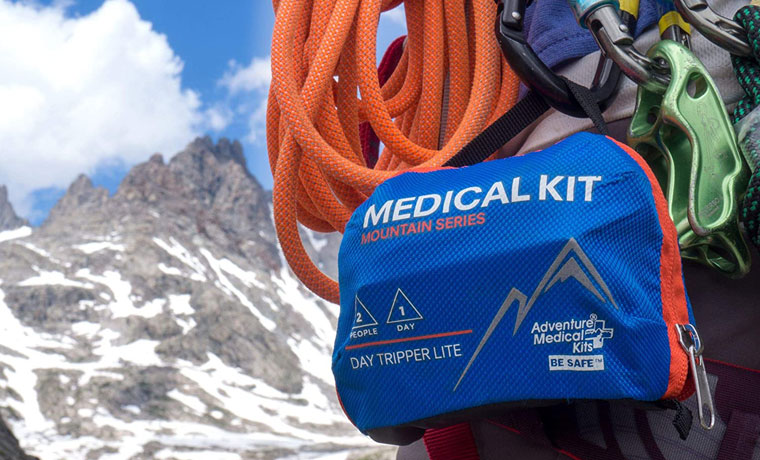
Our guides carry comprehensive medical kits on all treks, including medications for altitude sickness (dexamethasone and nifedipine), wound management supplies, SAM splints for fracture stabilization, and communication devices for emergency contact. In the event of a serious medical emergency requiring evacuation, we have established protocols with local vehicle operators and park rangers to facilitate evacuation from the trailhead to Kasese or directly to Kampala. We strongly recommend that all trekkers carry comprehensive travel insurance with medical evacuation cover before departure. The coverage is not optional, and it is a condition of booking on our summit routes.
Safety for Solo Trekkers and Small Groups
Solo trekking on the Rwenzori is not permitted within Rwenzori Mountains National Park; the Uganda Wildlife Authority requires all trekkers to be accompanied by a registered guide. This rule exists for good reasons, and we support it entirely. Solo trekkers booking with us are paired with a dedicated guide and at minimum a small porter team, creating a personal and highly attentive trekking experience. Many of our most committed and experienced clients are solo trekkers, and the Rwenzori rewards solitude and reflection in ways that group dynamics can sometimes interrupt.
Small groups of two to four trekkers represent the optimal format on the Rwenzori in our experience. The group is large enough to provide mutual support and shared experience but small enough to move at a flexible pace, occupy the mountain huts comfortably, and receive individualized attention from guides. Large group dynamics on technical terrain at altitude can create pressure to move at the pace of the fastest or most confident member, which is a genuine safety risk. We cap our group treks at sizes that we believe are genuinely safe for the terrain and altitude involved.
Frequently Asked Questions About Rwenzori Mountain Safety
Is it safe to trek the Rwenzori Mountains?
Yes, trekking the Rwenzori Mountains is safe when undertaken with a reputable specialist operator, a professional guide team, and appropriate physical preparation and equipment. The Rwenzori has an excellent safety record, and the Ugandan side of the range, where all standard trekking routes operate, is politically stable and managed within a national park with Uganda Wildlife Authority oversight. Like any serious mountain environment, the Rwenzori demands respect, preparation, and the guidance of people who know it well.
Do I need a guide to trek the Rwenzori Mountains?
Yes. The Uganda Wildlife Authority mandates that a registered guide must accompany all trekkers within the Rwenzori Mountains National Park. This is a safety regulation as much as an administrative one: the Rwenzori’s terrain, weather, and navigational complexity make solo unguided trekking genuinely dangerous. A professional Bakonzo guide provides not just navigation but real-time weather assessment, altitude monitoring, wildlife knowledge, and emergency management capability that no map or GPS device can replicate.
What are the main risks of trekking the Rwenzori?
The primary risks on the Rwenzori are altitude sickness (particularly on routes above 4,000 meters), hypothermia due to the range’s exceptional wetness and cold temperatures at elevation, and trail injuries such as twisted ankles and falls on steep, muddy gradients. All of these risks are manageable with appropriate preparation, equipment, itinerary design, and the guidance of an experienced professional team. A specialist operator with deep knowledge of the Rwenzori’s specific conditions is your most effective safety tool.
What fitness level do I need to climb the Rwenzori?
Fitness requirements vary significantly by route. The shorter Mahoma Loop and lower sections of the Kilembe Trail are accessible to reasonably fit trekkers with excellent general fitness and hiking experience. The Central Circuit Trail requires solid cardiovascular fitness and comfort with multi-day trekking in challenging conditions. A Margherita Peak summit attempt demands prior high-altitude experience above 4,000 meters and a minimum of three months of targeted training, including loaded hill walking and leg conditioning. Our team can advise on the most appropriate itinerary for your current fitness level when you contact us.
Is altitude sickness a risk for Rwenzori?
Yes, altitude sickness is a genuine risk on the Rwenzori, particularly on routes that ascend above 4,000 meters. The standard multi-day itineraries are designed with built-in acclimatization, and our guides carry pulse oximeters and are trained in AMS recognition and management on every trek. Trekkers targeting Margherita Peak (5,109 m) should discuss Diamox prophylaxis, which is a medication used to prevent altitude sickness, with their doctor before departure. Our guides will hold or descend any trekker exhibiting moderate-to-severe altitude sickness symptoms; this policy is non-negotiable.
What is the best time of year to trek the Rwenzori safely?
The two main dry seasons, December through February and June through August, offer the most favorable trekking conditions, with lower rainfall, better trail surfaces, and improved summit visibility. That said, the Rwenzori receives precipitation year-round, and no period is guaranteed to be dry. Wet season trekking (March to May and September to November) is possible but requires greater waterproofing, more physical resilience, and an acceptance of challenging trail conditions, particularly in the lower forest zones.
Is the Rwenzori safe given its proximity to the DRC?
All standard trekking routes on the Rwenzori operate entirely within Uganda, inside the boundaries of Rwenzori Mountains National Park, well away from the DRC border. The Uganda Wildlife Authority manages the park with active ranger patrols, and Uganda is a politically stable country. There have been no significant security incidents affecting trekkers on the Ugandan side of the Rwenzori for many years. Trekkers should check current Foreign Office or State Department travel advisories before departure, as they would for any international travel, but the Rwenzori’s safety record for trekking is strong.
What equipment do I need to trek the Rwenzori safely?
The essential equipment list for the Rwenzori includes a fully waterproof hardshell jacket with taped seams, waterproof over-trousers, gaiters, waterproof trekking boots with good ankle support, merino wool or synthetic thermal base layers, a down or synthetic insulated mid-layer, a sleeping bag rated to at least -5°C (and ideally -10°C for summit routes), trekking poles, and high-quality insect repellent. Summit route trekkers additionally need technical mountaineering equipment, including crampons, an ice axe, and a helmet. Our team provides a full pre-departure equipment checklist and can advise on rental options.
How do I prepare physically for a Rwenzori trek?
For lower routes, a three-month program of cardiovascular training including regular hiking with a loaded pack (at least 8-10 kg) on hilly terrain combined with leg-strengthening exercises such as squats, lunges, and step-ups will provide a solid foundation. For the Central Circuit and longer routes, add stair climbing sessions and increase total weekly hiking distance progressively over the three months before departure. For Margherita Peak, we recommend prior experience at altitudes above 4,000 meters and a more intensive six-month preparation period. Contact our team for a personalized preparation program.
What happens if there is a medical emergency at Rwenzori?
Our guides carry comprehensive medical kits, including altitude sickness medications, wound management supplies, fracture stabilization equipment, and emergency communication devices on all treks. In the event of a serious medical emergency, our established protocols with local vehicle operators and park rangers enable evacuation from the trailhead to Kasese or onward to Kampala. We strongly require all trekkers to carry comprehensive travel insurance with medical evacuation cover before departure. Prevention-focused safety measures such as pace control, acclimatization, equipment checks, and daily health assessments are always our primary emergency strategies.
Are you prepared to trek the Rwenzori Mountains? Let’s Plan Your Journey.
The Rwenzori Mountains are waiting for you. The Rwenzori Mountains are not merely a sight to behold from afar, but rather a vibrant, breathing, soaking, and breathtaking place where you can trek through one of the last truly wild mountain environments on Earth. The safety considerations are real, but they are manageable. With the right preparation, the right guide, and the right operator behind you, the question is not whether you can trek the Rwenzori safely. The time is when you will start planning.
Our team at Rwenzori Trekking Safaris is available to answer every question you have about safety, fitness, equipment, route selection, and logistics. We offer free, no-obligation planning consultations for prospective trekkers, and we pride ourselves on honest, expert advice that puts your safety and experience first, not just our booking numbers.
📩 Contact us via our website contact form or reach us directly on WhatsApp for a fast, personal response. The Mountains of the Moon are calling; let us help you answer.