
Ziwa Rhino Sanctuary, Uganda: The Ultimate Travel Guide to Uganda’s Only Wild Rhinos
Discover Uganda’s Ziwa Rhino Sanctuary in this in-depth traveler’s guide to wildlife experiences, rhino trekking, history, how to visit, when to go, accommodations, travel tips, and more. This is the definitive resource for planning your visit to Uganda’s premier rhino conservation destination.
In the rolling grasslands and acacia-dotted plains of Northern Uganda, a special kind of wild heartbeat echoes across the landscape slow, powerful, and ancient. This is Ziwa Rhino Sanctuary, the only place in Uganda where you can track white rhinos on foot, see them roaming in protected freedom, and witness a conservation success story that has brought one of East Africa’s most iconic mammals back from the brink of extinction.
Ziwa isn’t just a wildlife reserve; it’s a living laboratory, an open classroom, and an encounter with guardians of the wild that treads softly but leaves a thunderous impression on every visitor who comes here.
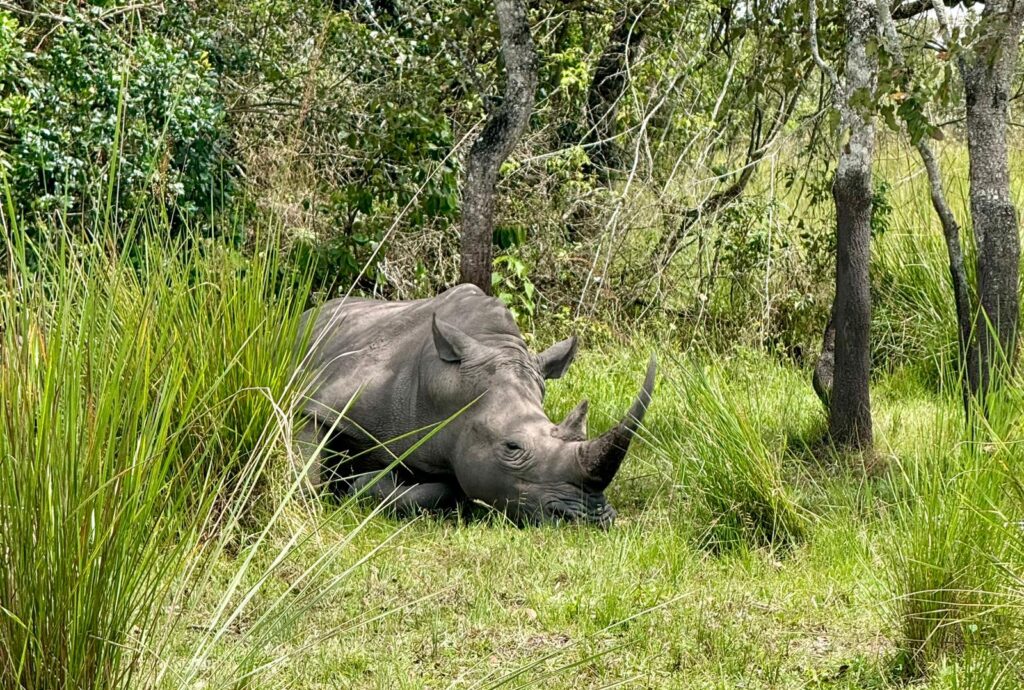
The Story Behind Ziwa
At the end of the 20th century, Uganda’s rhinos were extinct. Poaching, political instability, and habitat loss wiped out all native populations. By the time conservationists took stock, there were no wild rhinos left inside the country. A public-private partnership between the Rhino Fund Uganda and the Uganda Wildlife Authority created the Ziwa Rhino Sanctuary in 2005. The mission was simple yet profound: reintroduce rhinos, protect them fiercely, and create a space where people could reconnect with one of Africa’s most iconic species on the soil of Uganda.
Today, Ziwa stands as a testament to what collaboration, dedication, and a well-protected habitat can achieve. The white rhino population has grown steadily thanks to careful management, anti-poaching vigilance, and habitat restoration. Ziwa’s success has inspired broader conservation efforts across East Africa.
Where Ziwa Rhino Sanctuary is Located and How to Get There
Ziwa Rhino Sanctuary lies in Nakasongola District, roughly halfway between Kampala and Murchison Falls National Park. It’s about a 3- to 4-hour drive north from Kampala depending on traffic and road conditions. The route from Kampala travels up the Kampala–Gulu Highway, branching off toward the Kafu River, where the sanctuary is clearly signposted. Although largely accessible by well-maintained roads, travelers should always check conditions during the rainy season (March to May and October to November), as stretches can become soft.
For travelers who would rather not drive themselves, many tour operators based in Kampala and Entebbe offer day trips and extended safari packages that include transport, meals, and guided rhino tracking outings.
What Makes Ziwa Special
Ziwa Rhino Sanctuary is not a zoo, a fenced personal reserve, or a place where rhinos are displayed behind glass. This is wildlife in the wild, conserved with the purpose of eventual reintroduction to larger national parks across Uganda, most notably Murchison Falls National Park. The rhinos here roam in large, unfenced expanses of savannah and woodland, enclosed by perimeter electric fencing for protection but in conditions that mimic their natural habitat.
Rhino Tracking on Foot
The highlight of Ziwa is the thrilling experience of rhino trekking. Unlike game drives where distance can dull the thrill, rhino tracking here is intimate and up close. In the early morning, when the air is cool and the ground is still wet with dew, well-trained guides and armed rangers take small groups into the reserve. Trekking is done on foot, following rhino spoor (tracks) and using visual cues to locate these massive but surprisingly stealthy animals.
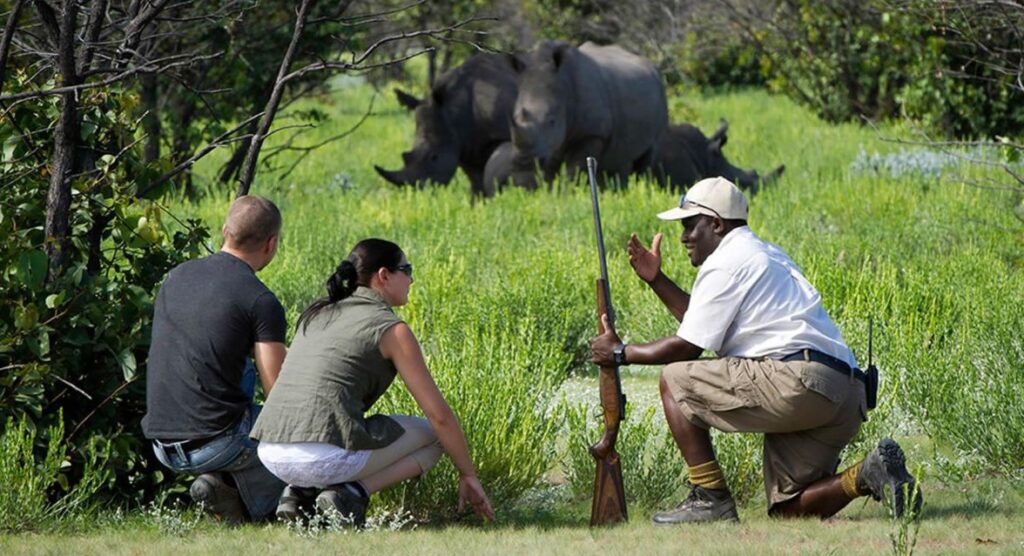
Rhino Tracking in Ziwa Rhino Sanctuary.
Seeing a rhino in the wild, powerfully built, ears swiveling like radars, and nostrils sniffing the breeze creates an unforgettable connection between human and beast. Guides share insights about rhino behavior, anatomy, social dynamics, and the broader conservation implications of every sighting.
Birdlife and Other Wildlife.
Ziwa isn’t a rhino mono-park. Over 300 bird species have been documented here, making it a magnet for bird watchers. You can expect to see species like the shoebill stork, African fish eagle, Goliath heron, and a dazzling variety of kingfishers and weavers. Buffalo, antelope, warthogs, and monitor lizards are common sights, and the grasslands echo with the calls of numerous small mammals and reptiles.
Activities Beyond Rhino Tracking at Ziwa Rhino Sanctuary.
Visitors to Ziwa can engage with the sanctuary in ways that deepen both enjoyment and understanding:
-
Guided Nature Walks: Led by expert trackers focusing on the unique flora and fauna of the region. These walks immerse you in the ecology of the savannah, from medicinal plants to insect life.
-
Birdwatching Tours: Specialist guides tailor trips to prime bird activity periods, helping you spot rare and resident species.
-
Night Game Drives: When available, night drives reveal the secret life of nocturnal animals such as genet cats, porcupines, and bush babies.
-
Photography Safaris: Whether you’re a seasoned pro or a cellphone shutterbug, Ziwa’s landscapes and wildlife create unforgettable photo opportunities. Sunrise and sunset cast dramatic light over the plains.
-
Conservation Education: The sanctuary runs programs for schools, universities, and community groups that inform about rhino biology, anti-poaching strategies, and ecosystem management.
Best Time to Visit Ziwa Rhino Sanctuary
You can visit Ziwa Rhino Sanctuary year-round, but the seasons vary in wildlife activity and travel conditions. The dry months (December to February, June to August) typically provide easier access and open vegetation that makes wildlife easier to spot.
Early mornings are cooler and the best time for rhino tracking. Should you visit during the rainy seasons (March–May and October–November), prepare for lush green landscapes, dramatic skies, and the possibility of localized soft road conditions but also fewer crowds and vibrant birdlife.
Where to Stay for Rhino Tracking in Ziwa Rhino Sanctuary.
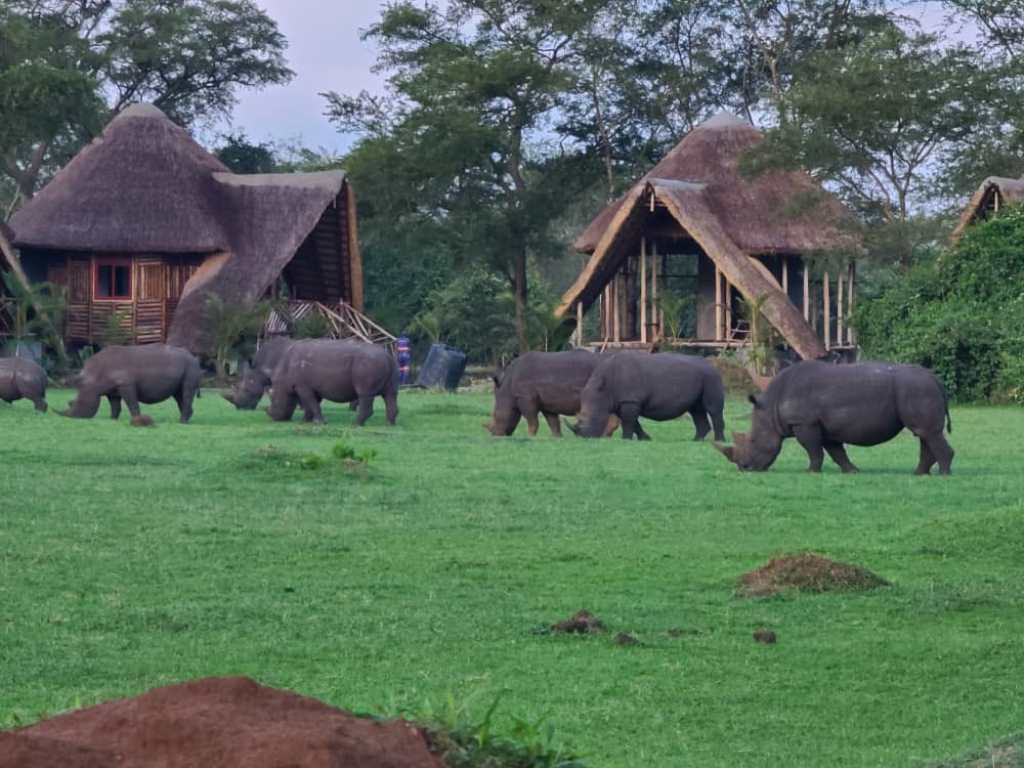
Ziwa doesn’t have the luxury lodges of some larger parks, but it compensates with charm, proximity to nature, and a range of comfortable options:
-
Ziwa Rhino Lodge: A popular choice right on site with modest, clean rooms and a restaurant serving local and international meals. Its proximity to the reserve means you can step out and be in rhino country.
-
Tented Camps: For a more adventurous feel, several tented sites around the sanctuary let you sleep under canvas with sounds of the wild as your nighttime soundtrack.
-
Nearby Guesthouses: In the surrounding communities, guesthouses and homestays offer budget-friendly stays and a chance to connect with local culture.
Dinner around communal tables often turns into storytelling sessions with fellow travelers and guides, an organic way to deepen your connection to the experiences of the day.
Practical Tips for Travelers Who Want to Visit Ziwa Rhino Sanctuary.
Ziwa Rhino Sanctuary isn’t an isolated luxury enclave; it’s a working conservancy in a rural setting. A few practical realities can make your visit smoother:
Pack sun protection (hat, sunscreen, sunglasses), sturdy walking shoes for safari walks, binoculars, and a camera with a powerful zoom lens. The sun in Uganda is intense when it breaks through early morning mist.
Always listen to rangers and guides. Rhino tracking on foot is safe and expertly managed, but these are powerful wild animals. Respect distances and instructions.
Bring cash in Ugandan shillings for park entry, some activities, tips, and small purchases. Some services may not accept cards, so have funds in local currency to avoid inconvenience.
Why Ziwa Rhino Sanctuary Matters.
More than a destination, Ziwa Rhino Sanctuary is a message of hope. It stands as living proof that species extinctions can be reversed with commitment, that local and global collaborations can yield real results, and that every visitor who steps onto its dusty trails becomes part of a larger narrative that humans choose to protect rather than destroy.
For travelers to Uganda seeking not only spectacular wildlife but meaningful conservation engagement, Ziwa Rhino Sanctuary is a foundational experience. Here, rhinos are not distant silhouettes on the horizon; they are neighbors in the grass, lessons in resilience, and reminders that wild things matter.
Whether you’re a safari veteran, a first-time adventurer, a bird lover, or someone who simply yearns to witness raw nature in a way that resonates deeply, Ziwa offers a connection few other places can match. It isn’t just a stop on your Uganda itinerary; it’s a destination that shapes it.