Kasese, Uganda: The Complete Travel Guide for Rwenzori Trekkers.
A complete Kasese, Uganda, travel guide for Rwenzori trekkers: where to stay, eat, get cash, transport from Kampala & Entebbe, and what to do before & after the trek.
Every trekker who has ever stood on Margherita Peak at 5,109 metres with the Congo basin spread below them passed through Kasese first. The town sits at the foot of the Rwenzori’s southern slopes, warm, busy, and ordinary in most of the ways that matter and therefore a perfect antidote to everything that follows. I have driven into Kasese hundreds of times after coming off the mountain, and the feeling is always the same: relief, hunger, and the particular gratitude that comes with knowing there is a hot shower somewhere in this town with your name on it.
Kasese: The Essential Gateway to the Mountains of the Moon.
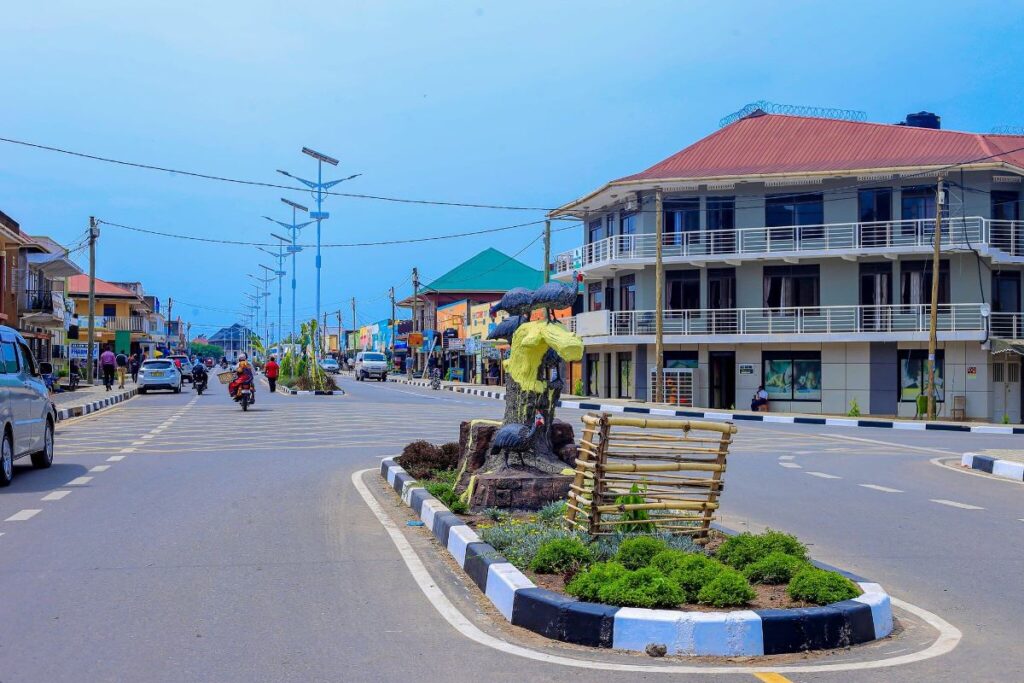
Kasese is the town where Rwenzori expeditions begin and end. Every trekker heading for the Kilembe Trail passes through Kasese; the Kilembe trailhead is just 12 kilometers south of the town center. Every trekker heading for the Central Circuit Trail passes through Kasese too; the Nyakalengija park gate is 22 kilometers to the north. Every trekker arriving from Kampala, Bwindi, or any other part of Uganda will at some point drive through or stay in this western Ugandan district capital. Your Kasese experience, how well you understand it, how smoothly you navigate its logistics, and how rested and supplied you are when you leave for the mountain all affect how your expedition begins and ends.
Kasese is not a tourist town in the way that Moshi or Arusha serves Kilimanjaro; there is no strip of gear shops and coffee bars catering exclusively to the mountain crowd. It is a working Ugandan district capital with a market, a commercial center, banking, fuel, several restaurants, and a cross-section of accommodation from basic guesthouses to mid-range hotels that understand the rhythms of trekking groups. Learning to navigate it efficiently where to sleep, where to eat, where to find cash, how to get from the airport or the bus park to your hotel, and what to do in the critical 24-hour window before and after the mountain is the practical skill that transforms a stressful expedition logistics day into a smooth and energizing start.
This guide covers everything you need to know about Kasese from a trekker’s perspective: its geography and character, how to get there from Kampala and Entebbe, where to stay at every budget level, where to eat well, how to manage your money, what to do on your pre-trek day and your post-trek recovery day, and how to use Kasese as a base for extending your western Uganda experience with gorilla trekking, wildlife safaris, and cultural encounters. By the time you have read it, Kasese will be a solved problem, and you will be free to focus your attention on the mountain.
Kasese at a Glance
| Kasese at a Glance |
|
| Location |
Western Uganda, Kasese District, foot of the Rwenzori Mountains |
| Altitude |
~1,200m above sea level (valley floor) |
| Distance from Kampala |
~380 km; 5–6 hours by road via Mbarara |
| Distance from Entebbe |
~420 km; 5.5–6.5 hours by road |
| Distance to Kilembe Trailhead |
~12 km; 20 minutes by vehicle |
| Distance to Nyakalengija (Central Circuit) |
~22 km; 30–35 minutes by vehicle |
| Nearest Domestic Airport |
Kasese Airstrip Aerolink Uganda flights from Entebbe (~1 hour) |
| Currency in Use |
Ugandan Shillings (UGX); USD widely accepted for large transactions |
| ATMs Available |
The town center houses Stanbic Bank, Centenary Bank, and DFCU Bank. |
| Mobile Networks |
MTN Uganda (best coverage), Airtel Uganda |
| Time Zone |
East Africa Time (EAT), UTC+3; no daylight saving |
| Languages |
English (official), Kinyakonjo (Bakonzo language), Luganda |
| Climate |
Warm and humid year-round at valley level; 22–30°C daytime |
| Best Time to Visit |
June–August (primary dry season); December–February (secondary) |
Understanding Kasese: Geography, Character, and Orientation
Where Kasese Sits in the Uganda Landscape
Kasese is the principal town of the Kasese District, in western Uganda at an altitude of approximately 1,200 meters above sea level in the Western Rift Valley. The town occupies the valley floor between the Rwenzori Mountains to the west, their ridgeline clearly visible above the town on clear mornings, with the highest peaks sometimes showing their glaciated caps, and the lower escarpment country to the east that slopes toward Lake George and Queen Elizabeth National Park. The geography provides Kasese a quality of being enclosed: mountains on one side, a rift valley on the other, the town filling the strip of relatively flat land between them.
The town’s commercial center is compact and walkable, organized around a main street with the market, banking, fuel stations, and larger commercial buildings concentrated within a few blocks. The residential areas spread outward from this center, with the better hotels tending toward the quieter streets on the periphery of the commercial zone. The Kilembe road, the route to the Kilembe trailhead 12 kilometers south, runs from the southern edge of the town center, and the Fort Portal road, the route to Nyakalengija and the Central Circuit, runs northeast from the town’s northern edge. A trekker arriving in Kasese for the first time will discover it smaller and more manageable than most East African gateway towns, and its compact scale is one of its practical advantages.
The Climate in Kasese
At valley level, Kasese is warm and humid year-round, with daytime temperatures typically ranging from 22°C to 30°C. The mountain above generates its own weather and can be significantly colder, but the town itself sits below the main elevation zone of the Rwenzori’s weather system and receives considerably less rainfall than the mid-mountain zones. The dry seasons of June-August and December-February offer the most reliable warm, dry conditions in the valley; the wetter months of April-May and October-November bring higher humidity and more frequent afternoon and evening showers. None of this significantly affects the quality of a stay in Kasese; the town is comfortable year-round for the short pre- and post-trek periods that most trekkers spend there.
The People of Kasese: A Bakonzo Town
Kasese is primarily a Bakonzo town. The Bakonzo people, also written as Bakonjo, are the indigenous inhabitants of the western Uganda foothills and the Rwenzori’s lower slopes, and they constitute the majority of the town’s population. The Bakonzo are the community from which the Rwenzori’s porter and guide teams are drawn, and their relationship with the mountain as its economic base, cultural center, and ecological inheritance shapes the character of the town in ways that are immediately perceptible to an attentive visitor. The mountain is not a distant backdrop in Kasese. It is the defining feature of the community’s identity, and conversations in Kasese about the mountain carry a familiarity and directness that no guidebook account can replicate.
English is widely spoken in the commercial areas of Kasese, particularly by anyone working in tourism, banking, or hospitality. The primary community language is Kinyakonjo, the Bakonzo language, and the community receives a few words of greeting in Kinyakonjo with disproportionate warmth. “Owike” (excellent morning) and “Owe ita?” A few Kinyakonjo words, like “Owike” (good morning) and “Owe ita?” “How are you?), can quickly win over almost anyone you meet in the market or on the street.
Getting to Kasese: Transport Options from Kampala and Entebbe.
Almost all international visitors to the Rwenzori arrive in Uganda through Entebbe International Airport and face the same logistical question: how to get from Entebbe to Kasese, 420 kilometers and several road hours to the west. The answer depends on your budget, your time, and how much you value comfort and flexibility. The table below summarizes the main transport options.
| Route |
Option |
Duration |
Cost (approx.) |
Notes |
| Entebbe → Kasese (air) |
Aerolink Uganda domestic flight |
~1 hour |
$120–$180 one way |
Most comfortable option; 1–2 flights daily; book in advance in peak season |
| Entebbe → Kasese (road) |
Private hire vehicle/transfer |
5.5–6.5 hours |
$150–$250 (whole vehicle) |
Recommended: Scenic. Rwenzori Trekking Safaris arranges airport pickup |
| Kampala → Kasese (road) |
Private hire vehicle/transfer |
5–6 hours |
$120–$200 (whole vehicle) |
Via Mbarara, tarmac throughout, comfortable in 4WD or saloon car |
| Kampala → Kasese (bus) |
Post Bus / Link Bus |
5–7 hours |
UGX 25,000–35,000 (~$7–$10) |
Budget option, departures from Kampala bus park, less comfortable with luggage |
| Kampala → Kasese (minibus taxi) |
Shared minibus (matatu) |
5.5–7 hours |
UGX 20,000–30,000 (~$5–$8) |
Cheapest option; variable departure times; cramped with expedition gear |
| Kasese → Kilembe Trailhead |
Private vehicle or boda-boda |
20 minutes |
$5–$15 (private hire) |
Arranged by Rwenzori Trekking Safaris as part of the package or local boda |
| Kasese → Nyakalengija |
Private vehicle or matatu |
30–35 minutes |
$5–$15 (private hire) |
Matatus to Ibanda available from Kasese market area; they are less frequent |
The Private Vehicle Transfer: The Recommended Option
For most international trekkers, particularly those arriving with expedition-scale luggage, who have just completed a long-haul flight, and who need to be in reliable and comfortable condition for the mountain, the private vehicle transfer is the strongly recommended option. A well-maintained 4WD or saloon car, arranged through your expedition operator, picks you up at Entebbe International Airport (or your Kampala hotel if you are doing a Kampala night first) and drives you directly to your Kasese accommodation. The driver knows the route, manages the fuel and driving, and handles any stops along the way. You arrive in Kasese rested rather than depleted by bus park logistics.
Rwenzori Trekking Safaris arranges airport pickup and road transfers to Kasese as part of expedition packages, and this coordination is strongly recommended over independent transport arrangements for a first visit. The cost of a private transfer, $150 to $250 depending on vehicle type and group size, is modest relative to the expedition total and the value of arriving at the trailhead in excellent physical condition rather than road-weary.
The Domestic Flight: Fast and Comfortable
Aerolink Uganda operates a daily domestic flight service between Entebbe and Kasese Airstrip, reducing the journey to approximately one hour. The aircraft are small (typically nine- to twelve-seater Cessna Caravans or similar); the views of the Rwenzori’s ridgeline on approach to Kasese are extraordinary on a clear day; and the time saved over the road journey is significant. The service runs once or twice daily depending on season and demand, and seats should be booked in advance, particularly during peak trekking season when demand from tourism groups is high. The cost of $120 to $180 one way makes it the most expensive transport option but also the least physically and logistically demanding, which matters after an overnight international flight.
The main limitation of the domestic flight is luggage: small aircraft have strict weight limits, and expedition gear with full mountain kit can be challenging to check in within standard allowances. Confirm baggage limits with Aerolink at the time of booking and consider distributing weight across bags if necessary. For trekkers with particularly large or heavy equipment loads, the private vehicle transfer may be more practical despite the additional time.
The Road Journey: What to Expect
The road from Kampala to Kasese is tarmac throughout and passes through some of the most scenically varied terrain in Uganda. The route leaves Kampala heading southwest toward Masaka, turns west at Mbarara onto the Kasese highway, passes through the rolling Ankole highlands with their distinctive long-horned cattle, crosses the equator at Kayabwe (a brief photo stop that adds nothing to the journey time), and descends into the western Rift Valley at Kasese, with the Rwenzori’s ridgeline appearing ahead and to the left as the town approaches. The journey is primarily on excellent tarmac, though isolated poor sections occur near Kasese.
In normal conditions without traffic, the Kampala-to-Kasese road takes five to six hours. Allow an additional thirty to sixty minutes for traffic in and around Kampala and for fuel and comfort stops at Mbarara (approximately the halfway point, with excellent petrol stations and basic restaurants). The equator stop at Kayabwe adds fifteen minutes if you want the photographs and the water-draining demonstration that is traditional at the site. Trekkers who leave Kampala by 7:00 AM will arrive in Kasese for lunch; those leaving by 9:00 AM will arrive by mid-afternoon with time to check in, rest, and organize before dinner.
For trekkers flying into Entebbe overnight and needing to be in Kasese for a trek beginning the following morning: consider a same-day transfer if your flight arrives early enough (before 8:00 AM) or a Kampala/Entebbe night if you arrive in the afternoon. Arriving in Kasese exhausted and disoriented from a long-haul flight on the same day as your trek begins is not a productive start.
Where to Stay in Kasese: Accommodation for Every Budget
The accommodation landscape in Kasese is functional and honest and, with the right information, it is capable of providing everything a trekker needs for the pre- and post-mountain nights. It will not surprise you with undiscovered luxury, but it will reliably provide hot water, a flat surface, and a meal, which after seven or eight days on the Rwenzori is precisely what matters.
| Property |
Category |
Trailhead Distance |
Price/Night |
Best For |
| Hotel Margherita |
Mid-range |
12 km to Kilembe; 22 km to Nyakalengija |
$80–$130 |
Most popular with trekkers; named after the summit; reliable food and hot water |
| Rwenzori International Hotel |
Mid-range |
Kasese town centre |
$60–$100 |
Central location; good restaurant; flexible for group bookings |
| RTS Trekkers Hostel (Kilembe) |
Budget / trekker |
Walking distance to Kilembe gate |
$30–$50 |
Pre-trek kit check; Kilembe Trail briefings; most practical for RTS departures |
| Ruboni Community Camp |
Eco-mid-range |
~17 km from Kasese; near Nyakalengija |
$60–$100 |
Community-owned, Rwenzori mountain views, bird watching, cultural immersion |
| Equator Snow Geo Lodge |
Boutique mid-range |
Rwenzori foothills above Kasese |
$80–$150 |
Distinctive eco-design; mountain views; excellent food; quiet recovery environment |
| Kasese Budget Guesthouses |
Budget |
Town centre; variable to trailheads |
$15–$35 |
Basic but clean; suitable for one-night transits; check reviews before booking |
| Tours Holiday Inn Campbase |
Budget |
~2 km from Nyakalengija gate |
$20–$40 |
Closest budget option to Central Circuit trailhead; basic facilities |
Hotel Margherita: The Trekker’s Choice
Hotel Margherita is the most established and widely recommended trekker accommodation in Kasese, and its name honoring the same Margherita Peak that is the primary objective of most Rwenzori expeditions creates an immediate geographical coherence that appeals to mountaineers. Located in Kasese town center, the hotel offers clean rooms with reliable hot water, a restaurant serving Ugandan and international food, and a staff experienced in the specific needs of trekking groups: early morning departures, late arrivals, gear storage, and group meal timing. It sits in the mid-range bracket at $80 to $130 per night, which represents excellent value for the quality and location.
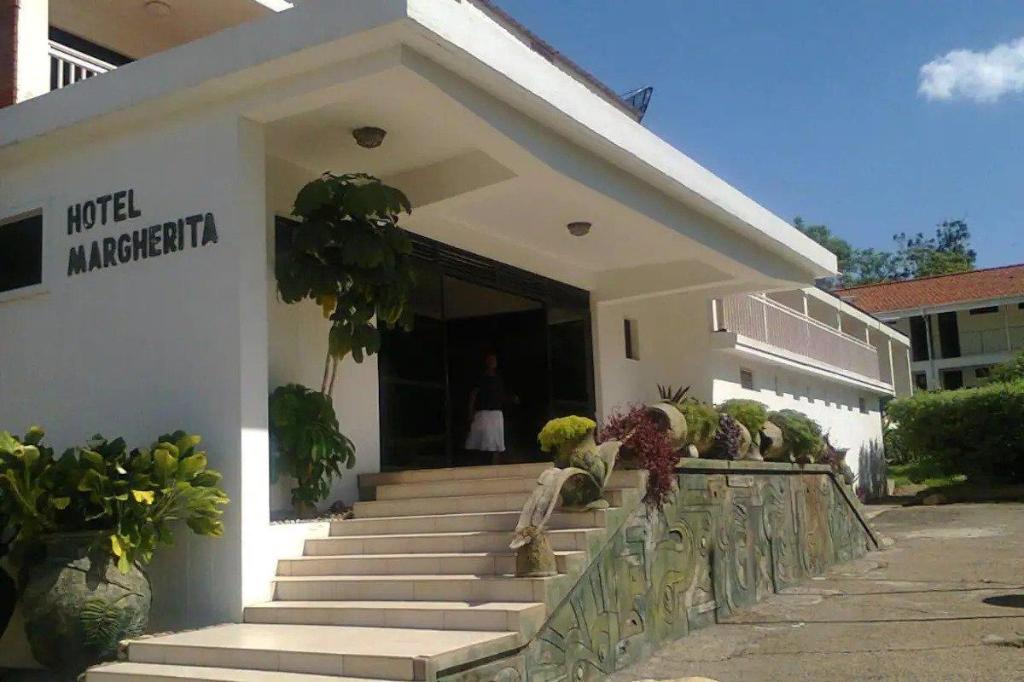
The hotel has become something of a Rwenzori institution over decades of trekking operations, and its communal areas, particularly the restaurant and terrace in the evening, provide an informal meeting space where trekkers from different groups sometimes cross paths, exchange route information, and begin conversations that occasionally continue on the mountain. If you stay at Hotel Margherita the night before your trek and the night after, you will have a consistent base with staff who know what you need and a kitchen that understands why you need it now.
RTS Trekkers Hostel: For Kilembe Trail Departures
For trekkers using the Kilembe Trail, there is a case for staying at the Rwenzori Trekking Services Trekkers Hostel in Kilembe town rather than in Kasese itself. The hostel sits walking distance from the Kilembe trailhead, the same base where the RTS guide and porter teams assemble on expedition mornings. Staying here the night before means you participate in the pre-trek briefing without needing a vehicle transfer, you meet your guide team informally over dinner, and you begin Day 1 from a standing start rather than a driving start. It is also the most practical post-trek option for Kilembe Trail completions: you walk out of the park, shower, eat, and sleep within sixty minutes of the trail’s end.
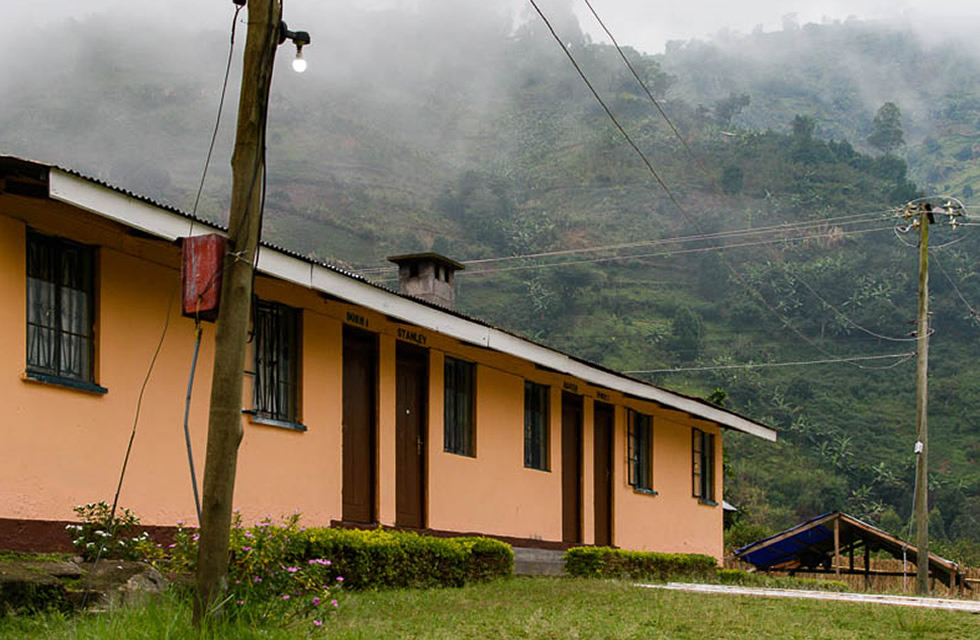
The hostel is a budget option at $30 to $50 per night, basic but clean and purpose-built for the trekking function it serves. It is not the right choice for trekkers who want genuine comfort during their pre- and post-mountain recovery, but for those who prioritize logistical efficiency over comfort levels, it is the strongest single accommodation option for any Kilembe Trail expedition.
Ruboni Community Camp: The Immersive Choice
Ruboni Community Camp offers something qualitatively different for trekkers on the Central Circuit who seek more than a standard hotel experience. Set in the Ruboni village, approximately 17 kilometers from Kasese and close to the Nyakalengija park gate, the camp is owned and operated by the local Bakonzo community, with all revenues directed back into community development projects. The accommodation is in bandas positioned for Rwenzori mountain views, and on clear mornings the glaciated ridgeline above is visible from the balcony, a motivating sight the evening before a summit expedition.
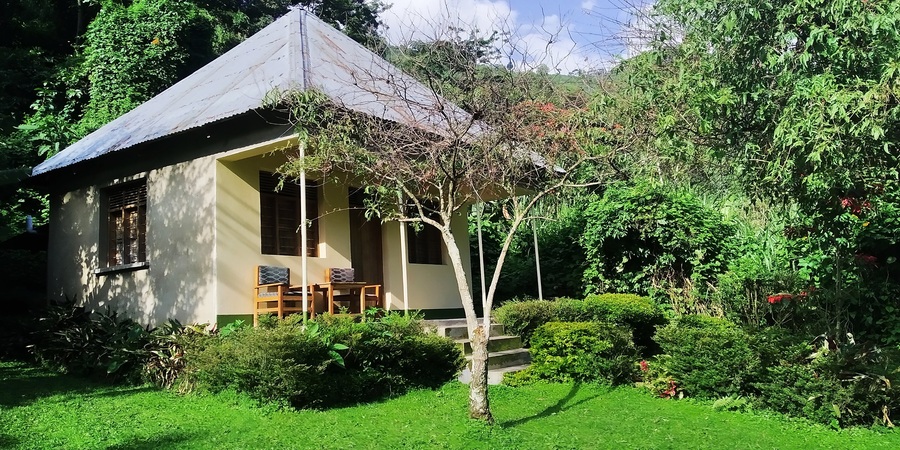
Activities at Ruboni include a hill climb with mountain views, guided forest walks along the park boundary, birding for Rwenzori turaco and other Albertine Rift endemics, and traditional Bakonzo cultural performances. Ruboni Community Camp is the strongest single recommendation for trekkers who arrive in the Kasese area a day or two before their trek and wish to immerse themselves in the mountain’s culture before the formal expedition begins. The community investment dimension also aligns with the ethical commitments that responsible trekking operators like Rwenzori Trekking Safaris make to the Bakonzo community.
Where to Eat in Kasese: Food for Trekkers Before and After the Mountain
Pre-Trek Eating: Fuelling for the Mountain
The pre-trek dinner in Kasese is one of the most important meals of the expedition, and it deserves the attention of a serious trekker rather than the indifference of someone who is focused entirely on the mountain ahead. The goal is simple: eat a full, protein-rich, carbohydrate-dense meal, avoid alcohol, drink plenty of water, and go to bed at a reasonable hour. The mountain will ask a lot of you starting tomorrow, and the quality of your nutritional preparation tonight directly affects the quality of your performance on Day 1.
Hotel Margherita’s restaurant is the most reliable single food option for a pre-trek dinner. The menu covers Ugandan standards like matoke (steamed plantain), beans, rice, goat stew, and grilled chicken alongside simpler international options. Portions are generous, the food is freshly prepared, and the kitchen is accustomed to the caloric needs of people about to spend a week at altitude. For vegetarians and those with dietary requirements, advance notice to the hotel ensures that the kitchen can accommodate.
The local market area of Kasese offers a range of street food and small restaurants serving Ugandan food at much lower prices. Roasted maize, rolex (a Ugandan egg-and-chapati rolled street food), and nyama choma (grilled meat) are available from stalls throughout the market area and represent some of the most satisfying and affordable eating options in any Ugandan town. Street food in Kasese is generally safe to eat from established stalls during busy hours; the throughput ensures freshness, and the flavors are genuinely excellent.
Post-Trek Eating: What You Actually Want
The first meal after seven or eight days on the Rwenzori is one of the best meals you will ever eat, and its quality depends entirely on your post-trek accommodation choice. The mountain food is excellent; the expedition cook works hard to provide nutritious, hot meals throughout the trek, but it is limited by altitude, fuel, and available ingredients. What your body is craving after the mountain is different. It wants cold beer, fresh vegetables, protein, and something sweet. It wants a meal that is served at room temperature, on a real plate, at a real table, without the sound of rain on a metal roof.
Hotel Margherita delivers this. The restaurant regularly and effectively performs its post-trek function by providing a full meal with cold drinks to a group that has just walked off Africa’s third-highest mountain. If you are staying elsewhere, the local restaurants near the town center serve solid Ugandan food in the evening: pilau rice (East African-style spiced rice with meat), roasted chicken, beans, and matoke in various combinations. The Indian restaurants that have established themselves in most mid-sized Ugandan towns provide an alternative that some trekkers find welcome after a week of mountain cooking; curry, naan, and a cold soda are a deeply satisfying post-Rwenzori meal.
Kasese Market: The Full Local Experience
The Kasese town market is worth an hour of anyone’s time, whether as a last supply run before the trek or as a post-trek browse. The market sells tropical fruit (matooke, passion fruit, avocados, jackfruit, and pineapple), vegetables, household goods, mobile phone accessories, fabric, and a miscellany of everything a regional market serves. For trekkers doing a last-minute supply run, snacks and energy bars are not reliably available in Kasese, so consider bringing them from Kampala. The market provides basics: biscuits, nuts, dried fruit, and local snack foods that make reasonable trail additions.
The market is busiest in the morning hours and winds down after lunch. The experience of buying fruit at the Kasese market, negotiating price with cheerful persistence on both sides, being offered explanations of fruit varieties you have never encountered, and eventually walking away with more than you planned to buy is genuinely one of the most enjoyable incidental experiences of a western Uganda trip, and it takes place entirely on Kasese’s own terms rather than on the terms of a tourism economy.
Money, Banking, and Currency in Kasese
ATMs and Cash Access
Kasese has functional ATM facilities from Stanbic Bank, Centenary Bank, and DFCU Bank, all located in the town center within a short walk of the main commercial street. These ATMs dispense Ugandan shillings and accept international Visa and Mastercard debit and credit cards. They are generally reliable during business hours (8:00 AM to 4:30 PM weekdays) and in the evenings, though network connectivity can be intermittent at peak times and the machines occasionally run out of cash on busy Friday afternoons. The practical advice is to visit the ATM in the mid-morning, not at the end of the day.
The critical logistical point about cash in Kasese is timing: do not rely on Kasese ATMs as your sole source of cash for the entire trekking budget. Mountain tips, a significant component of the post-trek payment, should ideally be sourced from Kampala or Entebbe ATMs before you travel west. Kasese ATMs typically dispense in denominations of UGX 50,000 (approximately $14 at current exchange rates) and UGX 20,000, which means withdrawing $400 to $500 requires multiple transactions and sometimes multiple ATM visits. The Kampala banking infrastructure is more reliable and offers larger single withdrawals.
Currency Exchange
The USD-to-UGX exchange market in Kasese is functional but less favorable than in Kampala. Foreign exchange bureaus in the town center offer reasonable rates for USD and occasionally EUR and GBP, but the market depth is limited compared to Kampala’s Forex Row, and large transactions at competitive rates are not guaranteed. The practical advice for international trekkers is to exchange most of your Ugandan shilling requirements in Kampala or at Entebbe, keeping a modest amount (UGX 100,000 to 200,000) in local currency for immediate Kasese needs and small transactions and maintaining a USD float for tips and larger payments.
US dollar bills should be in excellent condition: clean, unfaded, unstapled, and without significant tears. Ugandan exchange bureaus and many Kasese businesses refuse damaged or ancient USD bills (those with older designs or significant wear). Bills of $50 and $100 are the best value for exchange; $1 and $5 bills are useful for small tips and local transactions, but they exchange at slightly worse rates than larger denominations. Bills printed before 2006 are sometimes rejected even if undamaged.
Mobile Money
MTN Mobile Money and Airtel Money are widely used in Kasese and throughout Uganda for small transactions, utility payments, and money transfers. International trekkers without a Ugandan SIM card cannot directly use mobile money services, but the prevalence of mobile money in the local economy means that many suppliers, guesthouses, and service providers prefer it over cash for large transactions. Your expedition operator will handle mobile money transactions within the package logistics; you will primarily be dealing with UGX cash and USD for your direct transactions.
Communications and Connectivity in Kasese
Mobile Phone Coverage and SIM Cards
MTN Uganda has the most reliable and extensive network coverage in the Kasese area, including reasonable 4G coverage in the town center and along the main roads to the trailheads. Airtel Uganda is the secondary option with generally excellent coverage in the town itself. On the mountain, coverage drops significantly above the lower forest zones, and above 3,000 metres on either trail, mobile connectivity is unreliable or absent. Do not plan to rely on mobile phone connectivity for safety or navigation above the lower mountain zones.
A local Ugandan SIM card is worth purchasing for any trip of more than a few days. SIM cards from MTN or Airtel are available at the official network shops in Kasese town center, at the Entebbe airport arrivals hall, and from numerous small vendors throughout the country. A SIM card costs UGX 1,000 to 3,000 (less than $1); data bundles are inexpensive, and the benefit of local calls and data during a multi-week Uganda trip is substantial. Bring your unlocked phone, and pick up a SIM as early in the trip as possible.
Internet Access
WiFi is available at most mid-range Kasese hotels, including Hotel Margherita, though speeds and reliability vary significantly. Mobile data on MTN 4G is often faster and more reliable than hotel WiFi, making the local SIM card the most practical internet access solution. Above the trailhead, there is no WiFi and very limited to no mobile data; trekkers who need to communicate during the mountain section should discuss satellite phone or emergency communication options with their expedition operator.
A practical pre-trek digital task list: download offline maps of the Kasese area and your trek route (Google Maps allows offline download; Gaia GPS and AllTrails have downloadable Rwenzori tracks); screenshot or save your accommodation confirmation, insurance policy number, and emergency contacts; inform your bank of travel to Uganda to prevent card blocks; and share your itinerary and emergency contacts with someone at home. None of these tasks is possible above 3,000 metres, so the Kasese hotel WiFi in the pre-trek evening is the last reliable connectivity point before the mountain.
What to Do in Kasese: Before and After the Trek.
The Pre-Trek Day: How to Use It Well
The day before your Rwenzori trek begins is one of the most practically important days of the entire expedition, and treating it with the same intentionality as the trek itself produces a significantly better mountain start. The ideal pre-trek day in Kasese has a structure: morning for logistics, afternoon for rest, evening for food, and early sleep.
In the morning, visit the ATM and complete any cash management tasks before the banking hours are optimal. Do a final kit check: lay out every item in your pack against your gear list, confirm that everything is present and functional, charge all electronic devices, and pack any items that need to be left in gear storage at the hotel. If you have any last-minute supply needs, like sunscreen, blister plasters, or energy bars, the market and the small pharmacies near the town center can usually fill gaps. Please verify your departure time and vehicle arrangement with Rwenzori Trekking Safaris, and make sure you have saved the contact number for the guide team.
The afternoon is for rest. Resist the temptation to go sightseeing, do a training walk, or spend the afternoon in meetings. Your body needs sleep, hydration, and food. Have lunch at the hotel or a reliable local restaurant, drink water consistently, and lie down for at least an hour in the afternoon. The trek starts tomorrow, and the best way to perform on the first day is to arrive rested.
The single most common mistake made by trekkers on their pre-trek day in Kasese is underestimating the value of rest. If you have just arrived from a long-haul flight, you are carrying jet lag, dehydration, and travel fatigue that will not improve on the mountain. Use the pre-trek day to cancel as much of that deficit as possible.
The Post-Trek Day: What Recovery Actually Requires
Walking out of the Rwenzori after a full summit expedition is an experience of mixed emotional states: the enormous satisfaction of completion, physical exhaustion at a level that most trekkers have rarely encountered before, and a profound appetite for everything the mountain denied hot showers, cold drinks, protein, and stillness. The post-trek day in Kasese is the first chapter of recovery, and it has specific needs.
The immediate priorities are a shower, food, and sleep in that order. A hot shower after seven or eight days in mountain huts is one of the more intensely pleasurable experiences available to a human body, and hotels in Kasese provide it without ceremony. After the shower, eat a full meal with protein, carbohydrates, and vegetables in whatever combination your appetite suggests. Drink water consistently. Altitude, physical exertion, and the limited fluid intake that cold mountain days sometimes produce have created a dehydration deficit that a single large meal will not address. And sleep: as much of it as your schedule and your body will take. The mountains have been asking a lot of your body for a week. It is time to repay some of the debt.
Gear management on the post-trek day is the other practical requirement. Eight days of Rwenzori trekking produces a pile of damp, mud-stained, lichen-crusted clothing and equipment that cannot go directly into an airline suitcase without attention. Most hotels in Kasese provide laundry services with a twenty-four-hour turnaround, ensuring you receive your gear before your departure the next day. A pre-packed set of clean travel clothes in hotel storage, accessible immediately after the trek, removes the gear management problem from the immediate post-trek hours and allows you to be clean and comfortable for the evening’s recovery without fighting a muddy pack.
Kasese Day Attractions: If You Have Time
Trekkers with extra time in Kasese before or after the mountain have options for local activities that add genuine value to the western Uganda experience without requiring significant additional travel. The most immediately accessible is Kilembe Mines, the old copper mining complex that gives the Kilembe Trail its name, located in the town of Kilembe, approximately 12 kilometers south of Kasese on the road to the trailhead. The mines operated from the 1950s through the 1970s, and the landscape they created, mine infrastructure against a backdrop of the Rwenzori foothills, is historically interesting and provides context for the trail that begins at their edge.
The Kasese cultural environment is itself worth engaging with if you have an afternoon. The town market, the local crafts available near the market area, and the Bakonzo cultural associations that maintain traditional weaving, music, and storytelling traditions all provide genuine immersion in a community whose relationship with the mountain gives every cultural encounter a particular depth. A guide from Ruboni Community Camp can arrange cultural programs, including traditional cooking, Bakonzo music, and storytelling sessions that place the mountain in its human context in ways that the trek itself does not always have time to explore.
Beyond Kasese: Western Uganda’s Greatest Attractions
Queen Elizabeth National Park: One Hour South
Queen Elizabeth National Park is approximately one hour’s drive from Kasese, making it the most convenient post-trek wildlife addition available anywhere in the Rwenzori circuit. The park includes different environments like grasslands, wetlands, forests, and crater lakes in the Western Rift Valley, and it has a wide variety of wildlife, including over 600 bird species, tree-climbing lions in the Ishasha area, hippos, Nile crocodiles in the Kazinga Channel, and forest elephants, making it one of the best.
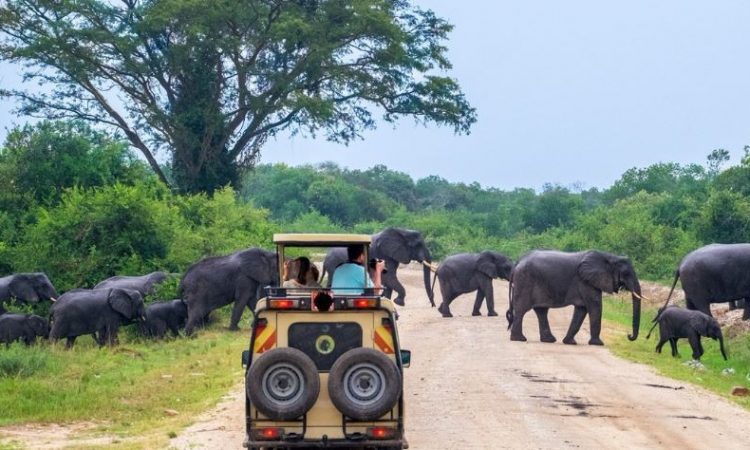
Queen Elizabeth National Park
A two-night addition to the Rwenzori expedition at Queen Elizabeth, combining an afternoon Kazinga Channel boat cruise with a morning game drive, adds an entirely different dimension to the western Uganda trip without requiring a significant deviation from the standard routing.
Bwindi Impenetrable Forest: Four to Five Hours South
For trekkers with additional time and budget, Bwindi Impenetrable Forest, home to approximately half of the world’s remaining mountain gorillas, is four to five hours south of Kasese through the Rwenzori foothills and Kabale highlands. A Uganda gorilla trekking permit ($800 per person) must be booked well in advance, but the one-hour encounter with a habituated gorilla family in the ancient rainforest is consistently described as the most emotionally powerful wildlife experience available anywhere in Africa. The combination of a Rwenzori summit expedition and gorilla trekking in Bwindi, tied together by western Uganda’s geography, is the basis of our 12-day Rwenzori and gorilla trekking package, one of the finest two-week expedition programs available anywhere in East Africa.
Kibale Forest and Fort Portal: Seventy Kilometres North
Fort Portal, 70 kilometers north of Kasese on a good tarmac road, is an attractive highland town with several good guesthouses, lodges, and a daily morning market. Being close to Kibale Forest National Park, which is the best place in Africa to see chimpanzees, and offering guided chimpanzee tracking permits from the Uganda Wildlife Authority, makes it a great spot for trekkers looking to add a one-night stay after seeing the colobus and L’Hoest’s monkeys in the Rwenzori and the gorillas in Bw The Fort Portal craters area, dozens of circular volcanic craters filling the highland landscape north of the town, is a scenic bonus that the road between Kasese and Fort Portal traverses naturally.
Health, Safety, and Practical Logistics in Kasese
Medical Facilities
Kasese has Kasese General Hospital (the district public facility) and several private clinics and pharmacies near the town center. The private clinics are responsive and reasonably priced for minor pre-trek health issues, such as developing blisters, stomach upsets, or last-minute medication queries. Chemist shops stock basic medications, malaria prophylaxis, and first aid supplies, though the selection is more limited than in Kampala. For anything more serious, Kampala’s International Hospital Uganda (IUHK) is the standard referral destination.
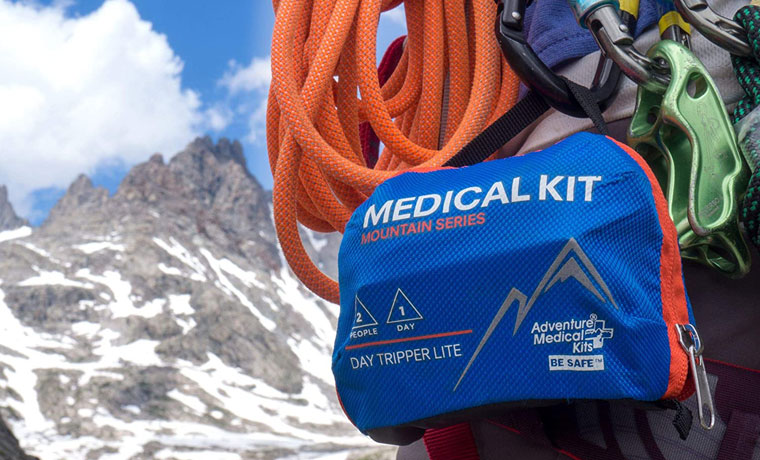
Malaria prophylaxis is recommended for all Uganda travel. Kasese is at a lower altitude than the highland areas around Bwindi and Kibale, and the risk in the valley is not negligible. Consult your travel medicine provider for current recommendations. Doxycycline, Malarone (atovaquone/proguanil), and mefloquine are the standard options, each with different protocols and side effect profiles. Yellow fever vaccination is required for entry to Uganda; check current entry requirements before departure. COVID vaccination requirements vary by period; check the latest entry requirements from the Ugandan government at the time of booking.
Travel Insurance
Travel insurance for an Rwenzori expedition must explicitly cover high-altitude trekking above 5,000 meters, glacier travel, mountain rescue, and emergency medical evacuation. Standard travel policies frequently exclude these activities or impose altitude caps. Check your policy carefully before booking the expedition, not after. Save your insurer’s 24-hour emergency line number in your phone before leaving Kasese for the trailhead. Rwenzori Trekking Safaris can advise on appropriate insurance products at the time of expedition inquiry.
Personal Safety in Kasese
Kasese is generally a safe town for international visitors, with no particular security concerns for trekkers staying in the standard accommodation options and exercising normal urban awareness. Standard precautions apply: leave valuables in hotel safe storage, carry minimum cash on the street, be aware of surroundings after dark in less-frequented areas, and ask your hotel for guidance on any areas to avoid. The town center is busy and safe during daylight hours. The immediate pre- and post-trek focus of most trekkers’ time in Kasese, hotel, restaurant, and trailhead transfer involves no meaningful security exposure.
Frequently Asked Questions: Kasese, Uganda, for Trekkers
Where is Kasese in Uganda, and how far is it from Kampala?
Kasese is located in western Uganda, in Kasese District, approximately 380 kilometers from Kampala by road. The drive from Kampala to Kasese takes five to six hours via Mbarara, traveling southwest from Kampala toward Masaka, then west through the Ankole highlands to the western Rift Valley. The drive from Entebbe International Airport to Kasese is approximately 420 kilometers and takes five and a half to six and a half hours. Kasese sits approximately 1,200 meters above sea level in a valley between the Rwenzori Mountains to the west and the Rift Valley escarpment to the east. It is the principal gateway town for the Rwenzori Mountains National Park, with the Kilembe trailhead 12 kilometers south and the Nyakalengija (Central Circuit) trailhead 22 kilometers northeast.
How do I get from Entebbe to Kasese?
There are three main options for getting from Entebbe to Kasese. The domestic flight with Aerolink Uganda takes approximately one hour and costs $120–$180 one way; it is the fastest and most comfortable option. A private vehicle transfer arranged through your expedition operator (Rwenzori Trekking Safaris can arrange this service) takes five and a half to six and a half hours and costs $150–$250 for the whole vehicle. A public bus from Kampala bus park (one hour from Entebbe) to Kasese takes five to seven hours and costs approximately UGX 25,000–35,000 ($7–$10) but is less comfortable with expedition luggage. For most international trekkers arriving on long-haul flights, the private vehicle transfer is the recommended option for comfort, convenience, and the ability to make stops as needed.
Where should I stay in Kasese before the Rwenzori trek?
The best pre-trek accommodation in Kasese depends on your budget and which trail you are using. Hotel Margherita in Kasese town center is the most established trekker-friendly option, with reliable hot water, a decent restaurant, and staff experienced in managing trekking groups ($80–$130 per night). For Kilembe Trail trekkers, the RTS Trekkers Hostel in Kilembe town is the most logistically practical option; it is walking distance from the trailhead and allows you to attend the pre-trek briefing without a vehicle transfer ($30–$50 per night). For Central Circuit trekkers wanting an immersive experience, Ruboni Community Camp near Nyakalengija offers mountain views, cultural activities, and community ownership ($60–$100 per night). All three options are managed with awareness of trekkers’ needs and can accommodate early departures and gear storage.
Are there ATMs in Kasese, Uganda?
Yes. Kasese has ATMs from Stanbic Bank, Centenary Bank, and DFCU Bank, all in the town center. These accept international Visa and Mastercard debit and credit cards and dispense Ugandan shillings. ATMs are generally reliable during business hours (8:00 AM–4:30 PM on weekdays) but can be slow or out of cash on busy Friday afternoons. The practical advice for Rwenzori trekkers is to withdraw their main cash supply from Kampala or Entebbe ATMs before traveling west, using Kasese ATMs only for topping up amounts. Mountain tips, a significant cash requirement at the end of the trek, are best sourced in Kampala, where ATM capacity is higher and USD exchange rates are more competitive. US dollars, euros, and British pounds can also be exchanged at foreign exchange bureaus in Kasese, though at slightly worse rates than Kampala.
What is the best time to visit Kasese for a Rwenzori trek?
The best time to visit Kasese for a Rwenzori trek is during Uganda’s dry seasons: June through August (primary) and December through February (secondary). During these windows, conditions on the mountain are most manageable: lower rainfall, firmer trails, and higher summit success rates, while Kasese itself is warm and comfortable at valley level. July and August are the most reliable months overall for mountain conditions. The secondary December–February window also coincides with ample availability of gorilla trekking permits at Bwindi for trekkers combining their expedition with primates. Kasese can be visited year-round; the valley-level climate is agreeable in all seasons, but for the mountain section itself, the dry season windows are strongly preferred, particularly for first-time Rwenzori trekkers.
What should I do in Kasese the day before my Rwenzori trek?
Use the pre-trek day in Kasese for logistics in the morning and rest in the afternoon. In the morning, visit the ATM for any remaining cash needs; complete a final kit check laying out all gear against your packing list; charge all electronic devices (phone, camera, and headlamp); buy any last-minute supplies from the town market (biscuits, dried fruit, and sunscreen); and confirm your departure time and vehicle arrangement with Rwenzori Trekking Safaris. In the afternoon: rest, hydrate, and avoid strenuous activity. Have a full, nutritious dinner at your hotel restaurant with protein, carbohydrates, and vegetables and be in bed by 9:00 PM at the latest. The mountain begins tomorrow, and the best preparation is sleep, food, and water rather than any last-minute physical or social activity.
What is there to do in Kasese besides the Rwenzori trek?
Kasese and its immediate surroundings offer several worthwhile activities for trekkers with additional time. The Kasese market is an authentic and enjoyable local experience for a morning browse. Kilembe Mines, a historical copper mining complex located 12 kilometers south on the Kilembe road, provides context for the trail and landscape. Ruboni Community Camp (17 km from Kasese) offers cultural programs, including Bakonzo traditional music, dancing, storytelling, and guided forest walks. Within one hour of Kasese, Queen Elizabeth National Park offers game drives and the Kazinga Channel boat cruise. Fort Portal, 70 kilometers north, has excellent accommodation and direct access to Kibale Forest for chimpanzee tracking. For longer extensions, Bwindi Impenetrable Forest (4–5 hours south) for gorilla trekking is the most celebrated addition to any western Uganda expedition.
How far is Kasese from the Rwenzori Mountains trailheads?
Kasese is 12 kilometers from the Kilembe trailhead (southern entry to the Kilembe Trail), a journey of approximately 20 minutes by vehicle. It is 22 kilometres from the Nyakalengija trailhead (northern entry to the Central Circuit Trail, also called Mihunga Gate), a journey of approximately 30–35 minutes by vehicle. Both trailheads are connected to Kasese by tarmac or excellent gravel road and accessible by private hire vehicle, boda-boda (motorcycle taxi), or, for Nyakalengija, by matatu (shared minibus taxi) heading toward Ibanda trading center. All expedition packages with Rwenzori Trekking Safaris include vehicle transfer between Kasese accommodation and the relevant trailhead as part of the logistics.
Ready to Plan Your Rwenzori Expedition? Start with Us.
Kasese is where the mountain begins and where the mountain ends, but it is Rwenzori Trekking Safaris that makes the journey between those two points possible in the way it deserves. We manage the full logistics chain from your arrival at Entebbe airport pickup, road transfer, Kasese accommodation, trailhead briefing, eight days on the mountain with certified guides and Bakonjo mountain teams, post-trek return transfer, and extension itineraries to gorilla trekking, wildlife safaris, or wherever western Uganda takes you next.
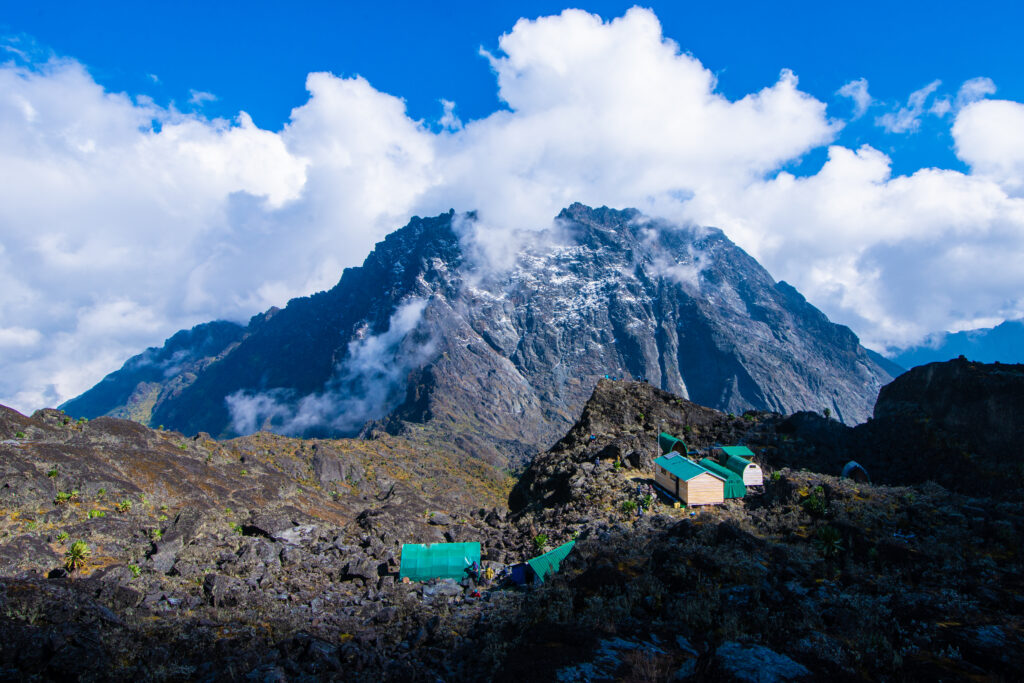
Contact us to start planning your Rwenzori expedition. Tell us your travel dates, your arrival point, your summit ambitions, and any Uganda experiences you want to add before or after the mountain. We will design a complete program from Entebbe Airport to Margherita Peak and back so that your only job is to walk and to be present in one of the most extraordinary mountain landscapes on Earth.