What Is the Best Time of Year to Trek the Rwenzori Mountains?
Discover the best time to trek the Rwenzori Mountains from guides with a decade of on-the-ground experience. Month-by-month breakdown, wet vs dry season advice, and summit tips for Margherita Peak.
Every year, people planning a Rwenzori Mountains trek arrive at the same question: when is the best time to go? It seems straightforward. But spend as much time on these mountains as I have, guiding expeditions through every season, through the mist and the mud, and on the rare, startling days of perfect alpine clarity, and you begin to understand that the question deserves a more honest, more nuanced answer than most articles offer.

The Rwenzori Mountains are not like Kilimanjaro. They are not like the Himalayas, or the Alps, or any other mountain range that follows a tidy dry-season logic. They are, without qualification, one of the wettest mountain ranges on the planet, a UNESCO World Heritage Site draped almost perpetually in mist, cloud, and rain, located almost exactly on the equator in the heart of central Africa. To ask when the best time to trek the Rwenzoris is, is in some ways to ask when the best time to engage with a mountain that is always, to some degree, wet is.
And yet, there absolutely are better and worse times to trek here. There are windows of relative calm, of drier paths, of clearer mornings above the clouds. There are periods when river crossings are safer, when the alpine lakes hold their stillness, and when the glaciers of Mount Stanley catch the light in a way that justifies every difficult step it took to reach them. This guide, written from real on-the-ground experience, not from a desk, will tell you exactly when those windows are, what to expect in every season, and how to plan an itinerary that gives you the best possible Rwenzori experience for your specific travel dates.
Understanding the Rwenzori Climate: Why It Is Unlike Any Other African Mountain
Before we discuss seasons, it is worth establishing something fundamental: the Rwenzori Mountains receive rainfall in every month of the year. Annual precipitation on the upper slopes exceeds 3,000 millimeters in a typical year, and at certain elevations the mountain is estimated to be cloud-covered for more than 300 days annually. The Victorian explorer who first tried to map these peaks in the 1800s couldn’t see them for weeks, even in the dry season.
We should not let this situation discourage us. This underscores the importance of having accurate information. The Rwenzoris’ legendary wetness is also the source of their extraordinary beauty: the dense, moss-draped montane forests; the swollen rivers thundering through deep valleys; and the surreal Afro-alpine vegetation, which includes giant lobelias and groundsels, that exists nowhere else on earth at this scale. In the Rwenzoris, moisture is part of the experience, not an obstacle.
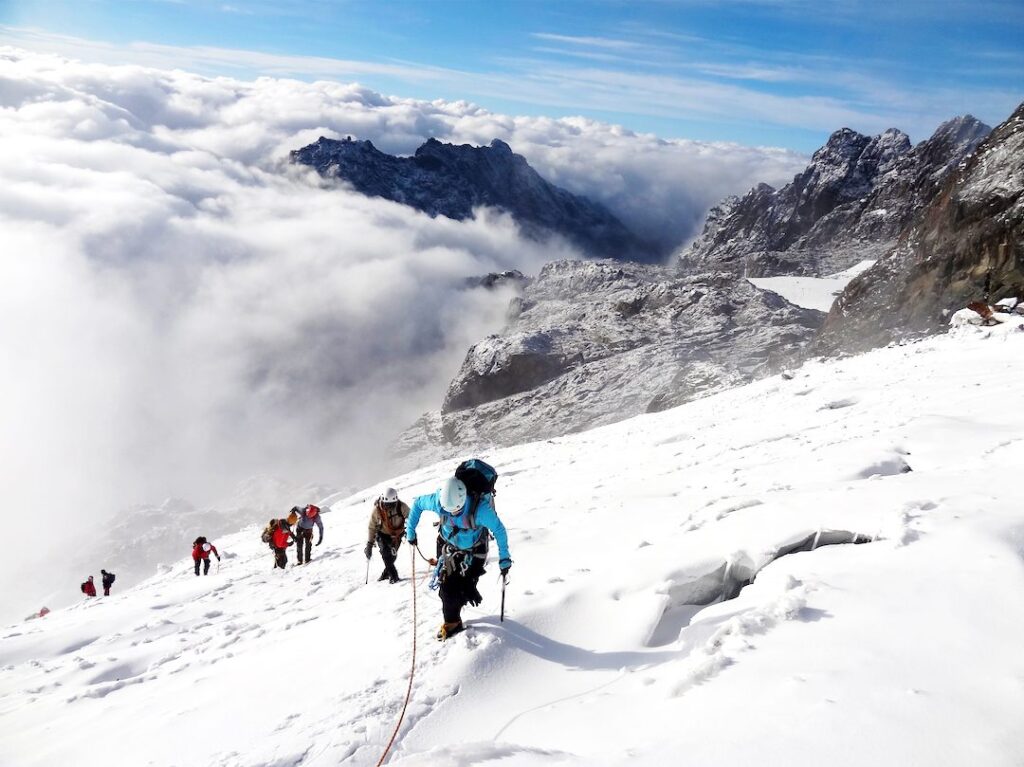
What the dry seasons offer is a relative easing of those conditions, not an absence of rain, but a significant reduction in its frequency and intensity, a drying-out of the paths, and, most importantly for those attempting the Margherita Peak summit, more frequent windows of clear weather at altitude. Understanding this distinction is the foundation of smart Rwenzori trip planning.
The Rwenzori’s Two Dry Seasons and Two Wet Seasons
Uganda sits on the equator and therefore experiences two dry seasons and two wet seasons per year, rather than the single annual cycle familiar to travelers from temperate regions. The Rwenzori Mountains, located in the western arm of the country on the border with the Democratic Republic of Congo, broadly follow Uganda’s equatorial pattern, though the range’s extraordinary topography and altitude mean that local conditions can deviate significantly from lowland norms. The two primary dry seasons are June to September and December to February. The two primary wet seasons are March to May and October to November. Between these four periods are the transition months of April, October, and late November, during which conditions are changeable and less predictable than at either extreme, often resulting in varying weather patterns that can affect trekking conditions in the Rwenzori Mountains.
The Best Time to Trek the Rwenzori Mountains: June to September
The June–September dry season is widely considered the single best period for trekking in the Rwenzori Mountains, and from my experience guiding expeditions across all four seasons, I would agree. This is the window that offers the most consistently reliable conditions across all three of the main trekking routes: the Central Circuit Trail, the Kilembe Trail, and the Bukurungu Trail, as well as the best chance of clear summit conditions on Margherita.
What the June–September Window Actually Delivers
Rainfall on the lower and middle mountain slopes significantly decreases during this period. The footpaths dry between rain events, making progress faster and physically less exhausting than in the wet season. River levels drop to their most manageable. The risk of path washout, which is a genuine concern during the rains, is at its lowest. At high altitudes above 4,000 meters, where acclimatization and weather judgement become critical, the frequency of clear mornings increases considerably, giving trekkers the best probability of unobstructed views from the upper camps and across the Elena and Stanley glaciers.
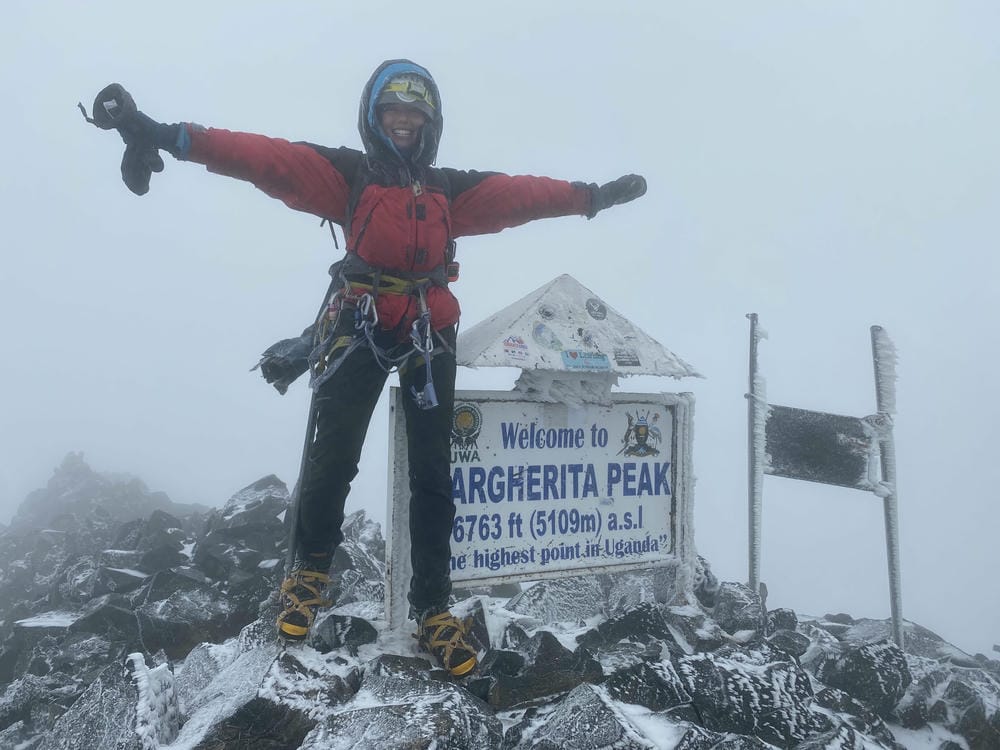
July and August are, in particular, the months when the summit of Margherita Peak (5,109 m) is most frequently clear of cloud between approximately 06:00 and 10:00 in the morning, the window that experienced guides use to time the final summit push. If reaching the top of Africa’s third-highest peak is your primary objective, these two months offer the highest probability of success. This period is also true for those attempting the other high summits of the range, including Mount Speke (4,890 m), Mount Baker (4,843 m), and Mount Gessi (4,798 m).
There is, however, one practical consideration worth noting about this window: it is the Rwenzori’s peak trekking season. The mountain sees its highest visitor numbers between July and August, which means that the hut camps on the Central Circuit, particularly Nyabitaba, John Matte, and Bujuku, can become relatively busy by the standards of this remote mountain. For those who value solitude as much as summit success, the December–February dry season (discussed below) offers an excellent alternative with significantly fewer fellow trekkers on the trail.
June: The Beginning of the Season
June marks the transition from the wet season, and conditions vary considerably across the month. The first two weeks of June can still see significant rainfall, particularly in the forest and bamboo zones. By the second half of the month, conditions typically improve meaningfully, and a mid-to-late June start for a full Central Circuit trek is generally reliable. Early bookers who want the June window should plan for a departure no earlier than the 15th of the month to give themselves the best margin.
September: The Close of the Season
September remains an excellent month for trekking, and the transition into October is more gradual than the June entry into the dry season. A trek departing in late September and returning in early October can still encounter largely dry conditions on the lower and middle mountains, though it is sensible to build flexibility into the itinerary from October onward. September also tends to see slightly fewer trekkers than July and August, making it an appealing compromise between optimal weather and relative solitude.
The Second Dry Season: December to February
The December to February dry season is the Rwenzori’s second-best trekking window and, in several respects, an equally attractive option for the right kind of trekker. Rainfall is noticeably reduced, paths are drier, and summit conditions on the high peaks are frequently excellent, particularly in January, which I consider the most underrated month for Rwenzori trekking.
Why January Is the Hidden Gem of Rwenzori Trekking
January sits in the dead center of the short dry season, flanked by the Christmas-period transition at one end and the onset of the March–May rains at the other, and it consistently delivers some of the clearest skies and driest paths of any month in the Rwenzori calendar. Trekker numbers are also substantially lower in January than in July or August, which means quieter camps, more attentive guide-to-trekker ratios, and a more intimate experience of the mountain’s extraordinary environments.
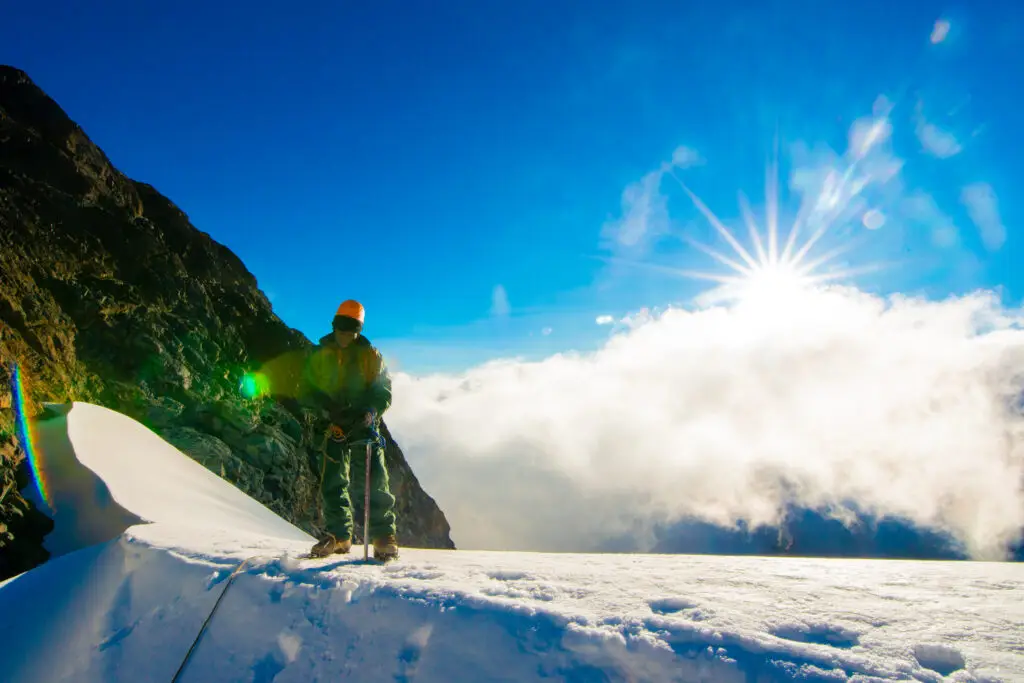
For those planning a Margherita summit attempt, January offers summit probability that is comparable to July and August in most years, with the added advantage of having the mountain largely to yourself. It is also a period when the Albertine Rift forests on the lower slopes are particularly alive, the birding is superb, with many species actively breeding, and the lower vegetation is lush and vivid from the preceding rains without the paths being waterlogged.
December: A Transition Month with Potential
December requires more careful planning than January or February. The early part of the month is still transitioning out of the November wet season, and conditions can be variable in the first two weeks, which may affect travel plans and outdoor activities, such as hiking or sightseeing, leading to potential delays or cancellations. From mid-December onward, conditions typically stabilize, and a Christmas-period trek on the Rwenzoris is an increasingly popular option for travelers who can align a Uganda safari with the holiday window. If your dates fall in December, we recommend a departure no earlier than the 15th and a full briefing from our guides on current mountain conditions before departure.
February: Reliability with a Closing Window
February is a reliable trekking month throughout, with conditions broadly similar to January. By late February, the first signs of the approaching March rains can begin to appear: afternoon clouds build more quickly, and the occasional overnight rain becomes more frequent. A trek completed by the final week of February will, in most years, experience conditions that are firmly in the dry-season category. Trekkers whose plans carry them into early March should be aware that they are in a transition period and should pack and plan accordingly.
Trekking in the Rwenzori Wet Season: What to Expect
It is possible to trek the Rwenzori Mountains in the wet season, and some experienced trekkers find it deeply rewarding. But it demands a different mindset, a higher level of physical preparation, and an acceptance that the experience will be defined as much by mud, mist, and rain as by clear views and dry paths.
The wet seasons, March to May and October to November, bring sustained, heavy rainfall across the range. The mountain paths become extremely muddy, particularly through the bamboo and heather zones, where the combination of heavy foot traffic and waterlogged soil can reduce sections of trail to ankle-deep mud channels. River crossings that are straightforward in the dry season become genuinely challenging and occasionally dangerous. Clouds more frequently obscure the summit of Margherita Peak, significantly reducing summit success rates.

Against these challenges, the wet season offers something real: a version of the Rwenzori Mountains in its most elemental, most theatrical state. The waterfalls are at full volume, thundering down the mountain faces in silver sheets. The forests are at their deepest, most saturated green. The clouds that race across the high ridgelines in the afternoon create light effects of extraordinary drama. Wildlife is often more visible in the wet season, with animals drawn to the lower forest zones and less inclined to retreat from the trail. The mountain, in the wet season, feels truly alive.
For trekkers whose travel dates fall entirely within the wet season, our advice is not to abandon the plan but to choose the right itinerary, pack comprehensively for the conditions, and set expectations accordingly. The Rwenzori wet season is the most dramatic, but not the most accessible, and for the right person, that distinction is the whole point, as it offers unique experiences such as lush landscapes and vibrant wildlife that can be found only during this time.
March to May: The Long Rains
The March–May period is the wetter and longer of the two wet seasons, and it is the most challenging time to trek the Rwenzoris. April in particular tends to see the heaviest and most sustained rainfall, and it is the one month of the year when we counsel most trekkers, particularly those attempting a full Central Circuit or Margherita summit, to consider rescheduling if they have flexibility. Short, lower-altitude treks remain entirely feasible in this period, and for those who wish to experience the forest zones without committing to a high-altitude push, March–May can offer a compelling and far less crowded encounter with the mountain.
October to November: The Short Rains
The October–November short rains are generally less severe than the long rains, and conditions in October can be variable enough that a well-planned, experienced-guided trek has a reasonable chance of favorable conditions. November tends to be wetter, and the final two weeks of November are among the most consistently wet of the year. If your dates fall in this window, a detailed pre-departure conversation with our guides about current conditions is particularly important; the difference between a good October trek and a challenging one often comes down to the specific week of departure and the route chosen.
Best Time to Trek Based on Your Goal
If Your Goal Is to Summit Margherita Peak
Book your Margherita Peak climb for July or August for the highest summit probability, or for January if you want comparable conditions with fewer fellow trekkers. Both windows offer the best morning clearing at altitude and the most stable conditions for the technical glacier crossing required on the final approach to the summit. Margherita demands respect regardless of season; appropriate gear, experienced guides, and correct acclimatization are non-negotiable.
If Your Goal Is Wildlife and Birding
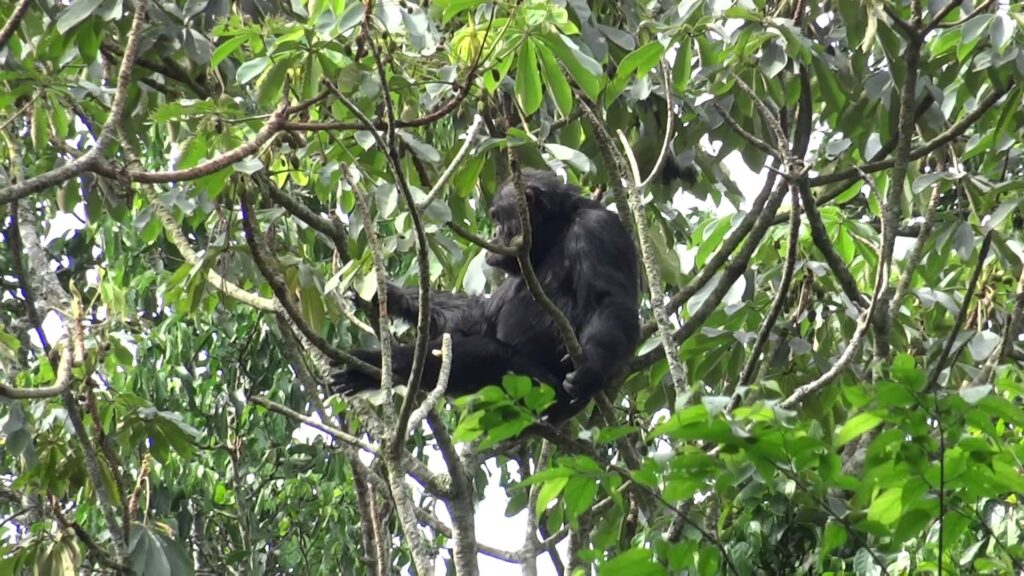
The Rwenzori Mountains National Park is home to remarkable Albertine Rift endemics, including the Rwenzori turaco, the three-horned chameleon, and several primate species, including chimpanzees best seen on the Diamond Trail. For wildlife-focused treks, the transition months of May–June and September–October often offer excellent encounters: rain-season vegetation abundance without the worst of the rains, and animals active and visible on the lower trails. The short Mahoma Loop hike is excellent year-round for forest birding.
If Your Goal Is a Wilderness Camping Experience
The Bukurungu Wilderness Camping Trail is best attempted in June–September or December–February, when ground camping conditions are most manageable and the alpine lake systems that define the route are accessible at their finest. The wet season, while not impossible on the Bukurungu, adds significant challenge to a route that already demands above-average wilderness camping competence.
If You Have a Fixed Travel Window
If your travel dates are non-negotiable, we work with whatever window you have. Our guides’ deep familiarity with the mountain means we can optimize itinerary, pacing, and route choice for any time of year. With the right preparation and guidance, a strong Rwenzori experience is possible in every season. Contact our team via the Rwenzori Trekking Safaris enquiry page and tell us your dates; we will give you an honest assessment and a plan that makes the most of them.
Month-by-Month Rwenzori Trekking Guide
January: Excellent. The dry season offers quiet trails, excellent summit probability, and outstanding birding opportunities. This time of year is our top choice for those seeking the complete Rwenzori experience, free from peak-season crowds.
February: Excellent. Conditions in February were comparable to those in January, although there was an increase in afternoon cloud building toward the end of the month. The weather remains firmly within the recommended window for all routes and elevations.
March: Variable to challenging. The long rains begin to establish. Short, lower-altitude treks remain viable. Full summit itineraries carry increasing weather risk starting mid-month.
April: Challenging. April is typically the wettest month of the year. Experienced hikers with genuine wet-weather mountain camping skills can still have meaningful experiences, but summit attempts carry a low success probability due to the challenging weather conditions and increased risk of hazards such as slippery trails and reduced visibility.
May: Variable. Conditions begin improving toward month’s end as the long rains ease. A late-May start to a 7-day Central Circuit trek can, in favorable years, catch decent conditions in the upper mountain.
June: Good to excellent from mid-month. The most reliable period begins around June 15. Early June is a transition window that is viable but less predictable than July–August, as weather conditions can vary significantly, making it important for climbers to prepare for potential challenges during this time, such as sudden storms or temperature fluctuations that could impact their climbing plans.
July: Outstanding. July is the peak season, offering the best overall conditions and the highest summit success rates. Book in advance, as camps and guides are most in demand.
August: Outstanding. In most aspects, August is comparable to July. The weather becomes slightly drier as the season progresses.
September: Excellent. Still firmly dry season. There are fewer trekkers than in July–August, but the conditions are still excellent throughout the month.
October: Variable. The short rains begin, usually from mid-month. Early October remains excellent; however, later October requires careful itinerary management.
November: Challenging. By mid-November, short rains are in full effect. Short treks in the forest zone remain rewarding; full mountain circuits carry significant weather risk due to unpredictable conditions that can lead to sudden storms or heavy rainfall.
December: Good from mid-month. The second dry season begins around December 15. A mid-December trek can be excellent; early December is a transition window, which means that conditions may vary and may not be as favorable for trekking as they are later in the month, particularly due to lingering rains and unstable weather patterns that can affect trail conditions.
Frequently Asked Questions: Best Time to Trek the Rwenzori Mountains
What is the absolute best month to trek the Rwenzori Mountains?
July and August are the single best months to trek the Rwenzori Mountains for most trekkers. These two months sit at the heart of the June–September dry season and offer the most reliably stable trekking conditions across all altitude zones, the highest summit success rates for Margherita Peak, and the clearest morning views from the upper mountain. January is an equally excellent month for those who prefer fewer fellow trekkers on the trail, with comparable summit conditions and significantly quieter camps.
Can you hike the Rwenzori Mountains in the rainy season?
Yes, trekking in the Rwenzori Mountains during the wet season is possible, and experienced mountain hikers with proper gear and realistic expectations can have a deeply rewarding experience. The wet seasons are March to May and October to November. Conditions during these periods include heavy rainfall, very muddy paths, challenging river crossings, and reduced summit visibility. Summit success rates for Margherita Peak are significantly lower than in the dry season. Short, lower-altitude treks and forest-zone hikes remain entirely viable and can offer remarkable encounters with the mountain’s wildlife and vegetation in their most dramatic seasonal state. Our guides are experienced in managing all-season Rwenzori conditions and can optimize your itinerary accordingly.
Is there snow on the Rwenzori Mountains, and does it affect trekking?
Yes. The Rwenzori Mountains carry permanent glaciers and snowfields on their highest peaks, most notably on Mount Stanley and Mount Speke. Fresh snowfall can occur at high altitude at any time of year, though it is more common during the wet seasons. Regardless of the season, trekkers above approximately 4,500 meters should always prepare for sub-zero overnight temperatures and occasional snowfall. The final approach to Margherita Peak involves glacier travel that requires crampons and ice axes at all times of year. We include all necessary high-altitude equipment in our expedition packages, and our guides undergo training and certification in glacier travel and mountain safety. m
Does the time of year affect which Rwenzori trekking route is best?
Yes, season affects route choice meaningfully. During the dry seasons, all three main routes the Central Circuit, Kilembe Trail, and Bukurungu Wilderness Trail are fully accessible and equally recommended. During the wet seasons, the hut facilities on the Central Circuit Trail offer a meaningful advantage over the ground-camping Bukurungu route, and the Kilembe Trail’s steeper, more exposed sections require additional caution in wet conditions. For wet-season trekkers, the Central Circuit is generally the most manageable full-mountain option. Shorter treks like the 3-Day Mahoma Loop and the 2-Day Sine Camp hike via the Kilembe Trail remain accessible and enjoyable in any season.
How far in advance should I book a Rwenzori trek for the best season?
For peak-season travel in July and August, we strongly recommend booking at least three to four months in advance. Guide availability, camp capacity on the Central Circuit, and Uganda Wildlife Authority permits are all subject to limited supply in the peak window, and last-minute bookings in these months frequently encounter unavailability. For January, prime off-peak dry-season window bookings two to three months in advance are generally sufficient, though earlier bookings are always preferable. Contact the Rwenzori Trekking Safaris team as early in your planning process as possible, and we will secure your preferred dates and build you a fully personalized itinerary.
What temperature can I expect on a Rwenzori Mountains trek?
Temperatures in the Rwenzori Mountains vary dramatically by altitude and season. The temperature at the base of the mountain, near the town of Kasese, stays between 25°C and 30°C all year. In the montane forest zone (1,500–2,500 m), expect 15–20°C during the day and 10–15°C at night. In the heather and moorland zones (2,500–4,000 m), daytime temperatures drop to 5–15°C, with nights frequently below 5°C. At the high camps above 4,000 m, nighttime temperatures regularly fall to -5°C and below, and wind chill at the summit can make conditions feel significantly colder.
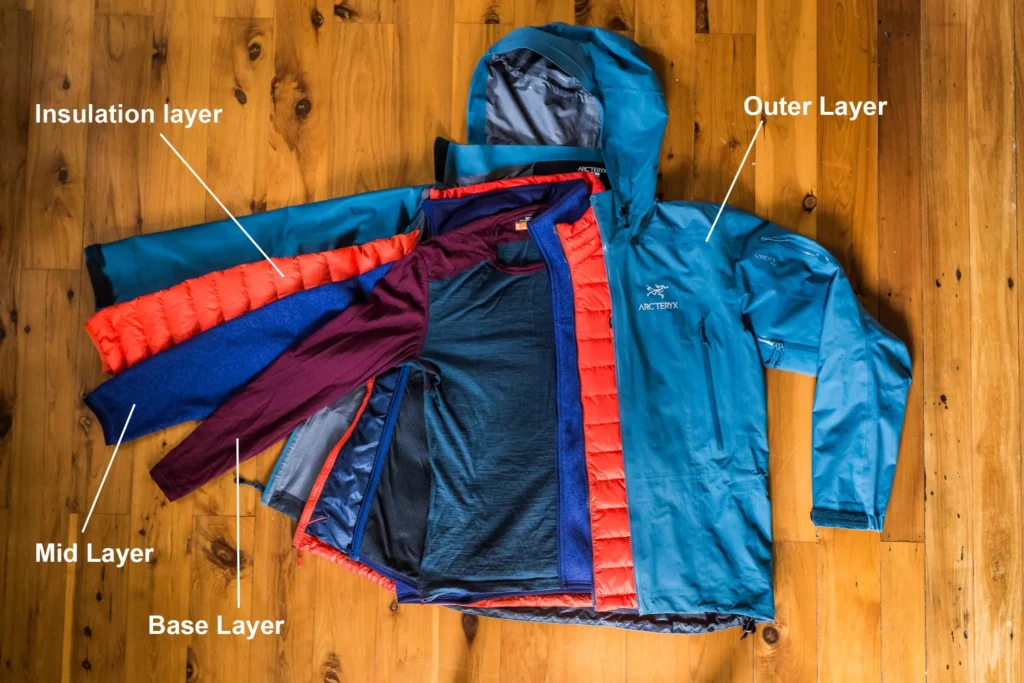
A full layering system is essential for any Rwenzori trek, regardless of season, and includes moisture-wicking base layers and a down or synthetic insulated jacket.
Plan Your Rwenzori Trek With Guides Who Know Every Season
The best time to trek the Rwenzori Mountains is when your travel window aligns with the right itinerary, preparation, and guide. These mountains reward those who approach them with knowledge, patience, and a genuine respect for what they are: one of the most extraordinary wild places remaining on earth.
At Rwenzori Trekking Safaris, we have spent over a decade guiding expeditions on every route, in every season, to every peak in this remarkable range. We know what July looks like from the Elena Camp at 4,540 meters, and we know what January looks like from the summit of Margherita in the first clear light of morning. We know which weeks in the transition months are worth attempting and which ones require a contingency plan. That knowledge is what we bring to every custom trek we plan.
Our full range of Rwenzori trekking itineraries covers every duration, every route, and every ambition, from a 2-day introduction to the forest zones to a 13-day expedition across all six high peaks. Every itinerary is fully customizable around your travel dates, fitness level, and objectives. We handle all permits, logistics, guides, porters, and equipment. You bring your mountain spirit.
Contact the Rwenzori Trekking Safaris team today via our inquiry page, or connect with us directly on WhatsApp. Describe your desired dates, your aspirations, and the type of mountain experience you seek, and we will tailor the Rwenzori trek to meet your needs, regardless of the season.