What is the Cost of Climbing the Rwenzori Mountains?
What is the cost of climbing Mount Rwenzori in 2026: Trekking prices, fees & budget guides. Discover the full cost of climbing the Rwenzori Mountains in 2026. Learn prices for the Kilembe Trail, Central Circuit, permits, guides, porters, transportation, equipment rental, and additional expenses to help you plan your trek.
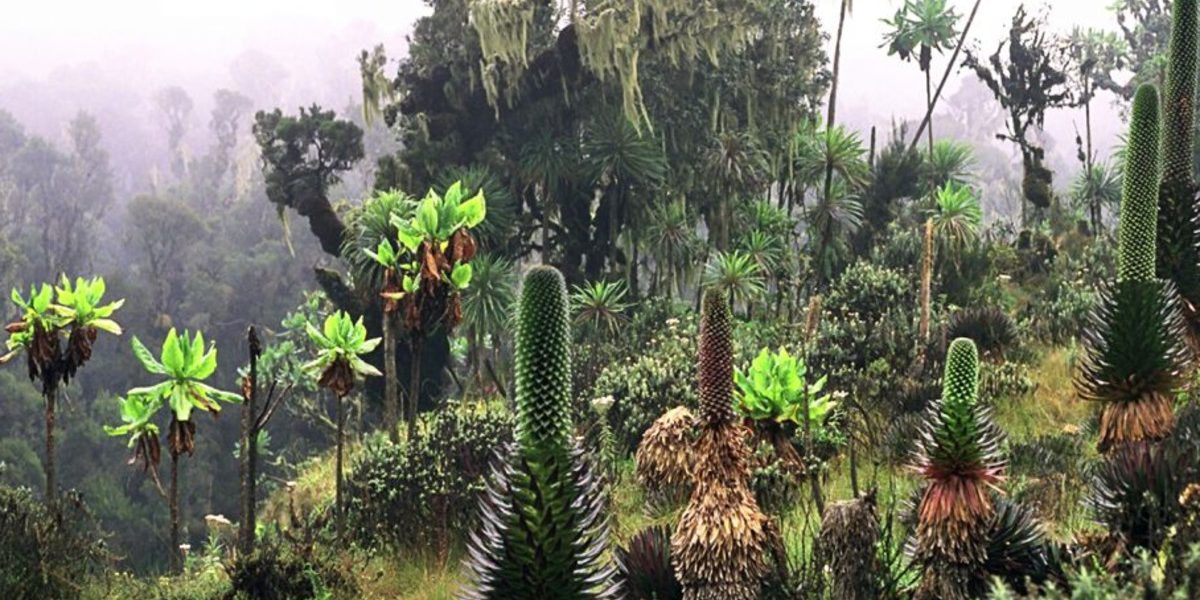
The cost of climbing the Rwenzori Mountains in 2026 depends on your chosen route, group size, trekking days, and whether you’re using personal or rented gear. The Rwenzori, famously called the Mountains of the Moon, sit along the Uganda–DRC border and form part of the Albertine Rift, one of the most biodiverse regions on the continent. With lush rainforests, bamboo zones, giant heather fields, sparkling glaciers, and dramatic high-altitude landscapes, the Rwenzori offer an alpine experience unlike any other in Africa.

Trekking the Rwenzori is challenging and requires professional guides, porters, and permits managed by the Uganda Wildlife Authority and local trail operators. Most hikers spend between $1,900 and $3,000 for a full Rwenzori trekking experience, depending on whether they choose the Central Circuit or the Kilembe Trail, both of which offer unique scenery, different hiking durations, and varying difficulty levels.
Additional costs such as equipment rental, transportation from Kampala or Entebbe, domestic flights to Kasese, and travel insurance also influence the total budget. A portion of all fees directly supports the conservation of the Rwenzori Mountains National Park, community livelihoods, ranger patrols, and sustainable management of this UNESCO World Heritage Site. Understanding how each cost is broken down helps you plan your trek better, choose the right route, and prepare financially for a safe and rewarding climb.
The Central Circuit trail.
The central circuit is the most popular trek used for hiking Mt. Rwenzori. Hiking the central circuit involves exploring the heart of the mountains as you trek through different vegetation zones, bamboo forests, alpine meadows, and many more.
Park entrance fees, porter services, guide fees, camping fees, and other expenses currently accompany the cost of a permit for this trail. The price for a foreign non-resident is around $1350 for a 7-to-8-day trek.
The Kilembe Trail
The Kilembe trail commences from the Kilembe valley and follows a path towards the high peaks of Mt. Stanley. The trail is a bit shorter compared to the central circuit, but it is still rewarding; it offers beautiful views of the Rwenzori mountains.
Hiking Mt. Rwenzori using the Kilembe trail is approximately a 6- to 7-hour hike. The Kilembe trail also requires a permit, just like the central circuit trail. The cost for foreign nonresidents is approximately $1600 for an 8- to 10-day trek.
Some factors that influence the cost of climbing in Rwenzori include the duration of the trek and the size of the group. Travelling time. Transportation. Renting equipment. Various routes are used to hike the Rwenzori Mountains.
GROUP SIZE.
This is among the main factors that influence the price of hiking the Rwenzori mountains.
The number of people in your group significantly affects the price of hiking Mt. Rwenzori. As the number of people in the group increases, the cost of hiking the Rwenzori Mountains decreases. Different tour operators organize group tours to Rwenzori; you can organize and then reduce your price.
Days spent on the mountain.
The number of days that you spend on the mountains also determines the price of hiking Mt. Rwenzori. The day you spend on the mountain involves additional costs for park fees, staff wages, food, and equipment use; this implies that longer routes are more expensive compared to shorter routes. The more days you spend on the mountain, the higher the cost.
RENTING EQUIPMENT.
This is among the important aspects to consider in your budget for planning to visit Rwenzori. Whether it is hiking gear or personal gear, proper equipment is among the main things that influence your hiking adventure. You should note that you need to carry money that you will use to rent equipment.
ADDITIONAL COSTS TO CONSIDER.
Transportation.
Travelling to Mt. Rwenzori from major cities such as Kampala and Entebbe requires transportation expenses, each with its own benefits and challenges. Road transport allows you to view various green savannahs, grasslands, and much more.
Road transport.
The most common mode of transportation to reach Mt. Rwenzori is road transport. You can choose to use public transportation, such as a bus.
Domestic flights.
You can access Mt. Rwenzori with the fastest and most convenient means of transport. You can board a domestic flight from Entebbe to Kasese.
Reputable tour companies offer private car rentals.
Rwenzori can still be accessed through hiring a private car from a reputable tour operator. Among the activities that offer maximum comfort and flexibility is hiring a private car. The approximate cost for hiring a car with a driver guide and fuel is $600, depending on the type of vehicle and distance.
However, whether you select flying or driving, all these means of transport have advantages. Air transport is very speedy and convenient, while road transport is more economical and flexible.
On the other hand, some of the things to also consider include the Rwenzori mountains. Make sure your policy covers medical evacuation, high-altitude tracking, and trip cancellation. The cost of insurance is composed of the provider and level of coverage. It ranges from $50 to 200.
Souvenirs.
While drafting your hiking budget, consider setting aside some money for souvenirs and local crafts. After hiking, you will find local craft shops along the way in case you need to buy souvenirs, so be sure to set aside some money in your budget. The price can range from $10 to $15 per day for those crafts.
Tipping.
This is one of the best ways you can fully appreciate the porters, guides, and chefs’ work. Note tipping is not mandatory; however, when you need to appreciate someone’s work, you need to tip. The tip can vary from $10 to $15 depending on your budget. Tipping creates motivation among these workers, thus encouraging conservation strategies. It can still improve their standards of living.
WHERE DOES THE MONEY GO?
To every hiker climbing Mt. Rwenzori, you need to keep in the back of your mind that different people provide services for the goodness of your hiking adventure.
Guides and porter services.
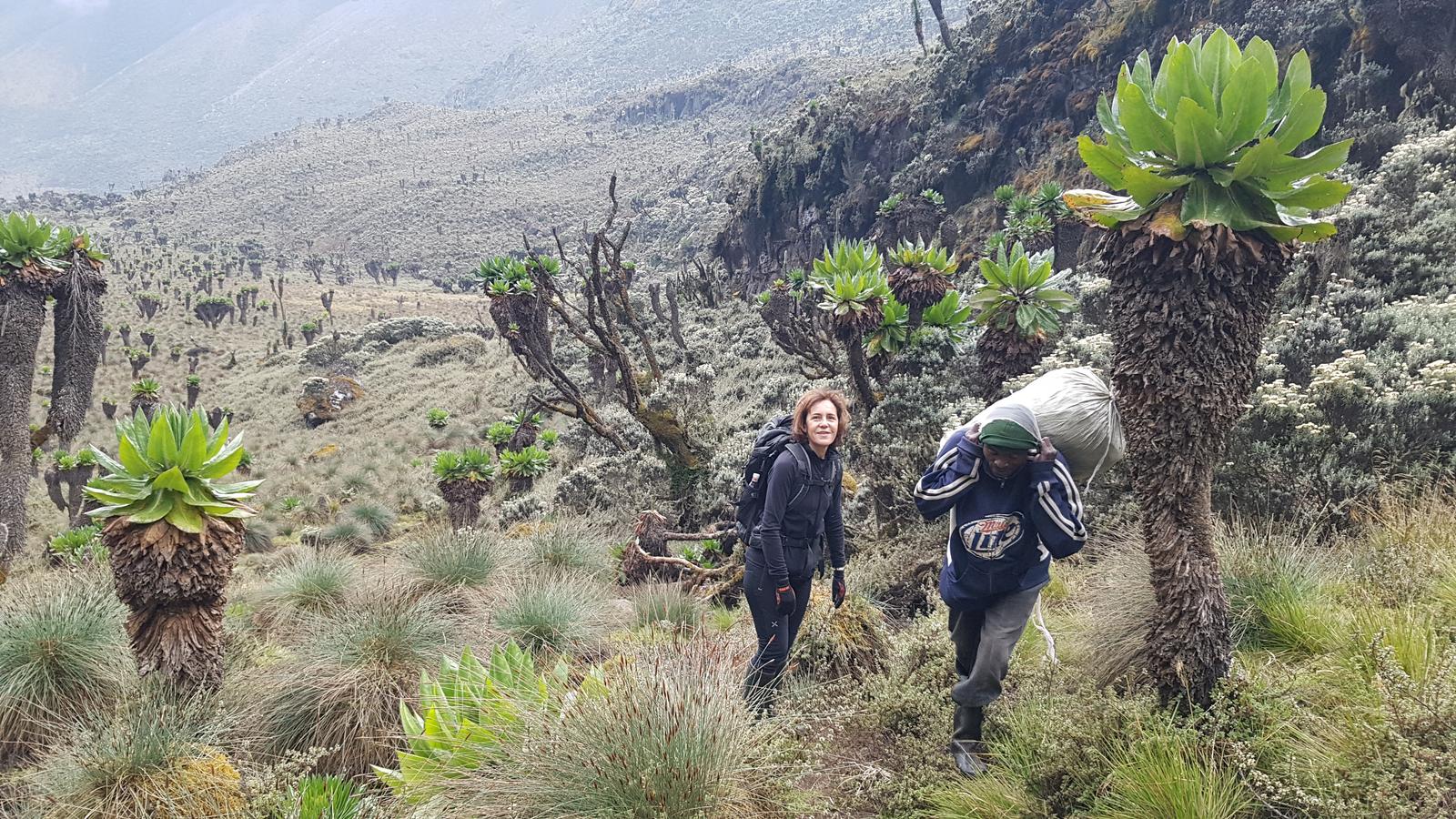
To hike Mt. Rwenzori, it is a must for you to hire a porter. These people play a very significant purpose in ensuring safety and valuable insights into the local flora and fauna.
Porters help to carry your luggage, while guides provide you with the relevant knowledge about the trails you encounter. They accept your payment as a means of self-support.
Park fees and permits.
You should also notice that a portion of the money goes toward park entry fees and permits. The Uganda Wildlife Authority charges certain fees to regulate the number of hikers per day.
Conservation efforts.
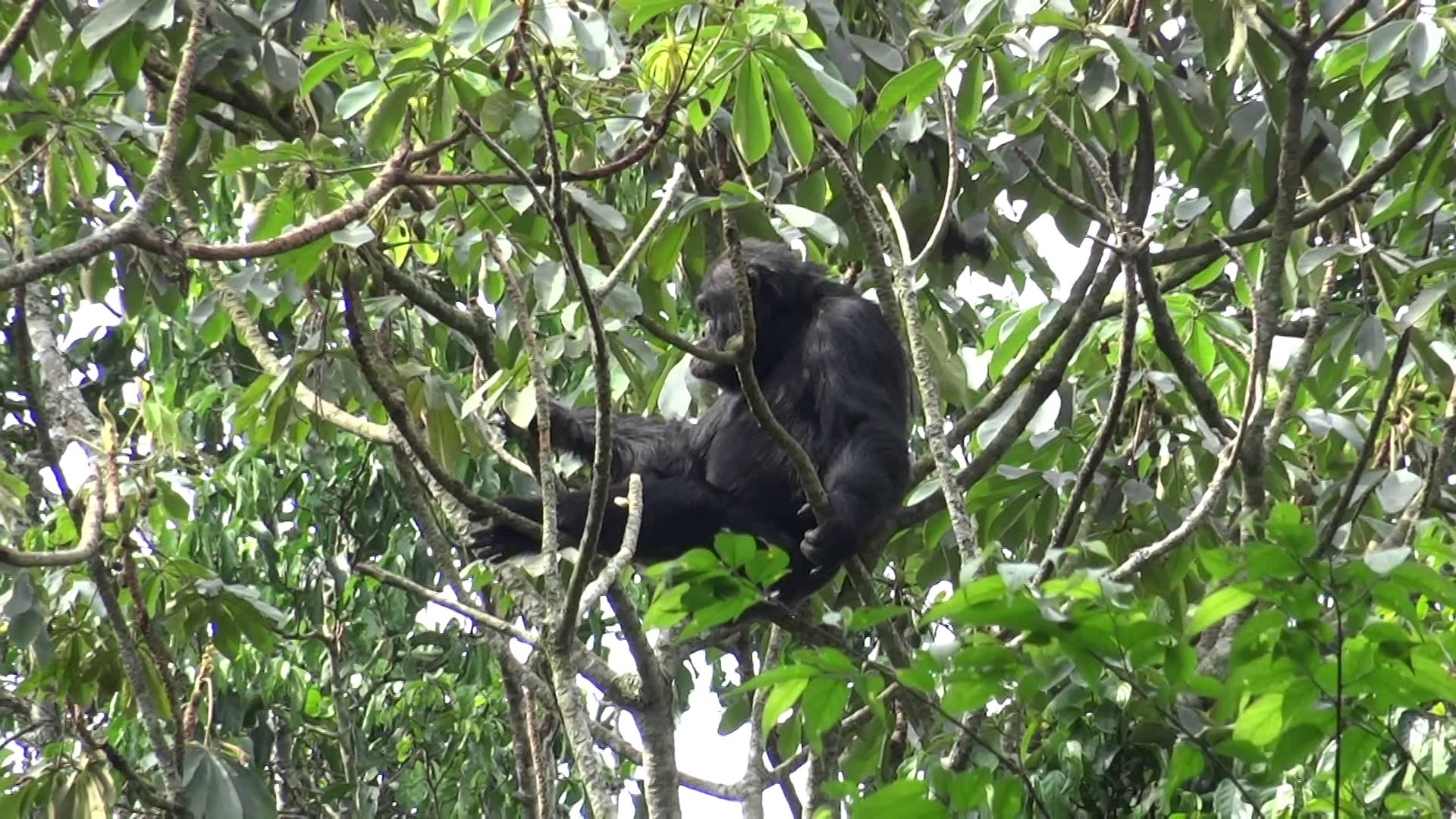
There is some portion of money that goes to the side of the conservation of the Rwenzori Mountains and their ecosystem. This involves efforts to protect the endangered species that call the Mountains of the Moon home, like the chimpanzees and monkey species. On the other hand, some money still goes to the bodies that fight poaching by staging patrols to control illegal activities within the park.
Government revenue.
The government benefits a lot from tourism around Mount Rwenzori. It collects taxes, thus improving the infrastructure, such as roads and much more. This process includes collecting taxes on the park entrance fees and the VAT it collects from items bought by visitors.
It also collects taxes on local crafts and goods.
While on your trekking adventure, you can encounter the local people selling crafts, clothing, and souvenirs. When tourists buy their items, money goes to these people, and it is a way of supporting their businesses and the community at large.
Tour operators and local agencies also benefit from these purchases.
The money still goes to various local and tour operators since they are responsible for organizing these trekking safaris. These people provide maximum support, accommodations, transportation, and meals. These tour companies directly receive a portion of the trek fee. Money still goes to various lodges near the parks that tourists use.