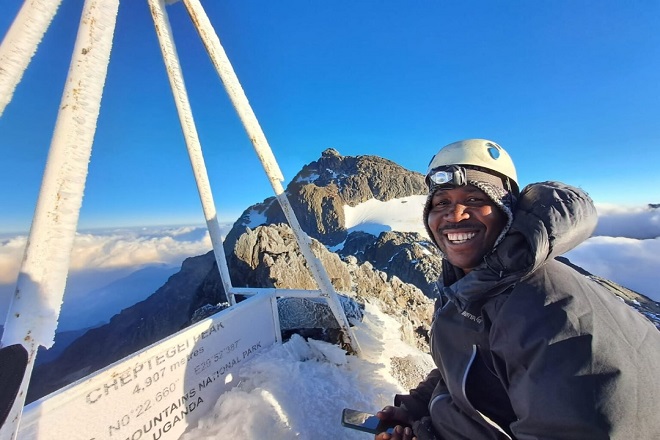
Discover Mount Speke in Uganda’s Rwenzori Mountains: its peaks, climbing routes, history, difficulty, wildlife, and what to expect on a trekking expedition. Mount Speke, one of the most prominent peaks in the Rwenzori Mountains, is a testament to the natural beauty and geological complexity of this region. This mountain is part of the Rwenzori Range, also known as the Mountains of the Moon, in Uganda. Renowned for its challenging terrain, diverse ecosystems, and breathtaking views, Mount Speke attracts adventurers and nature enthusiasts from all over the world.
Mount Speke attracts hikers seeking a less strenuous, more exciting, and more adventurous ascent, in contrast to Margherita Peak on Mount Stanley. One British explorer who contributed to locating the Nile River’s headwaters was John Hanning Speke. He is commemorated by the peak’s name. Even in modern times, it remains one of the East African mountains with the lowest volume of visitors. Getting off the beaten route and into nature is an opportunity it presents.
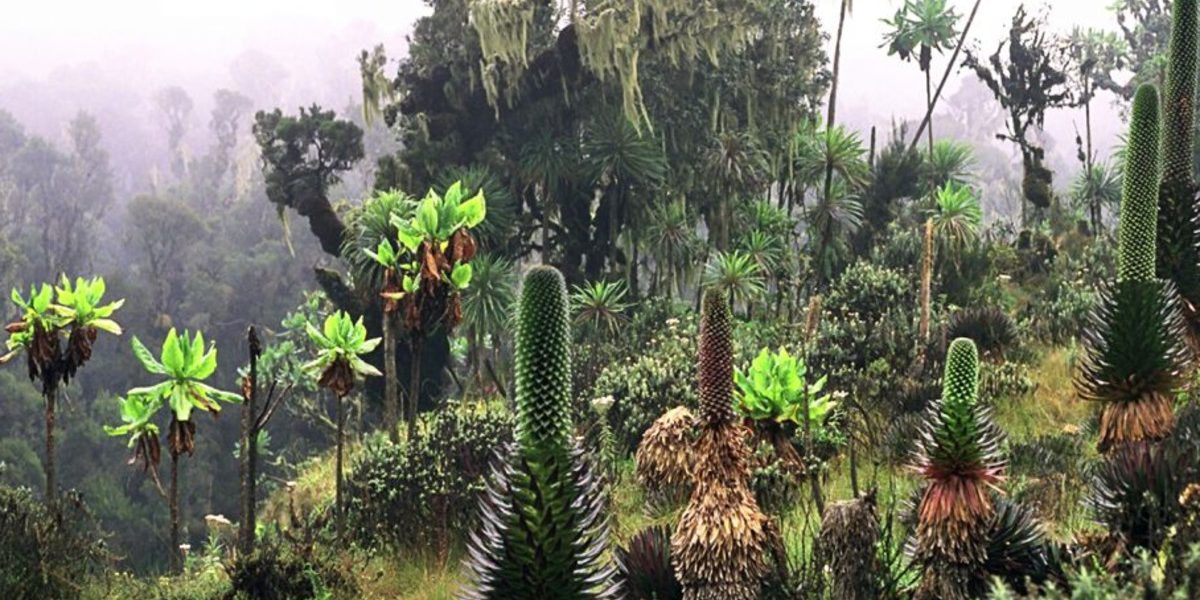
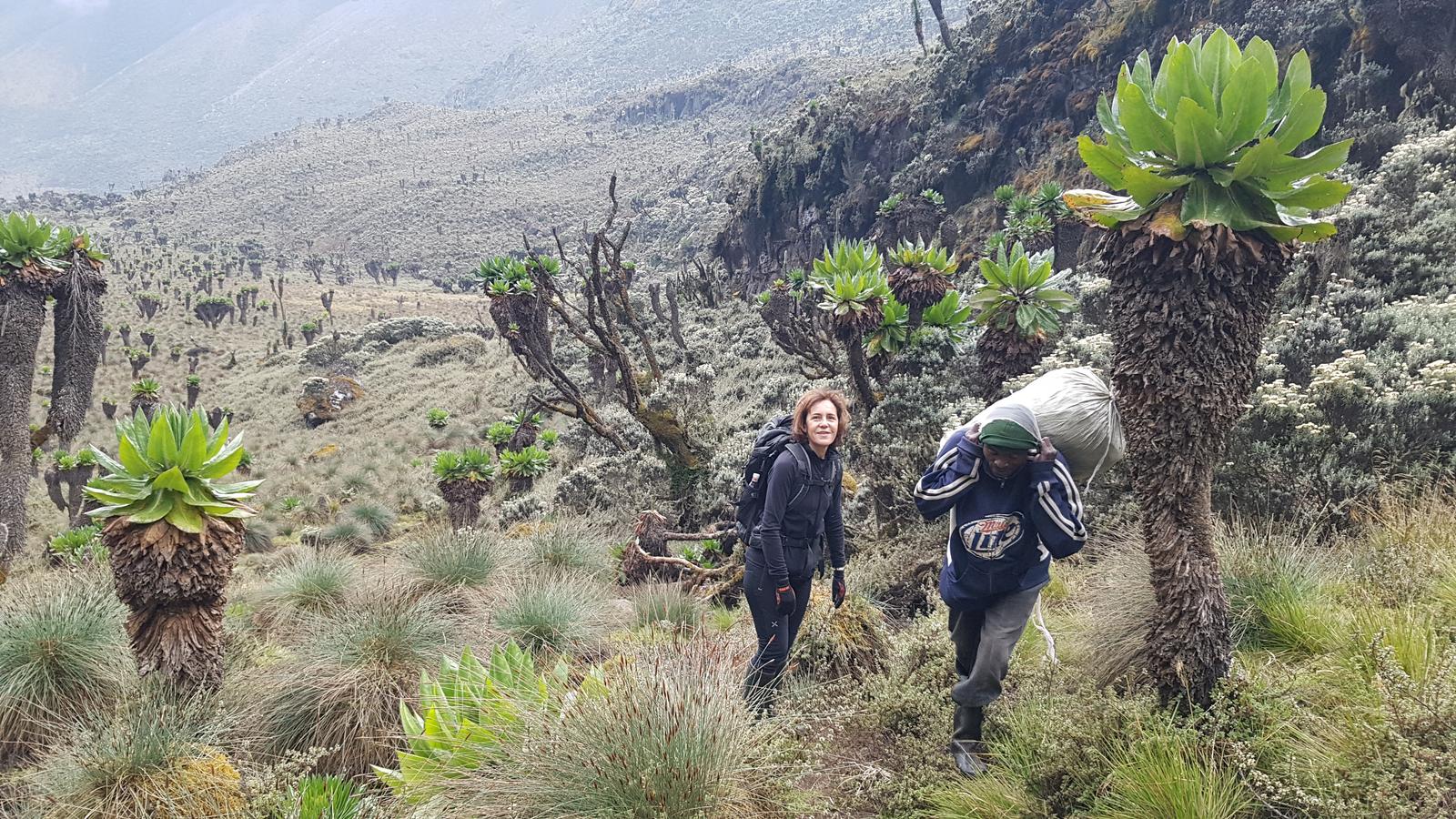
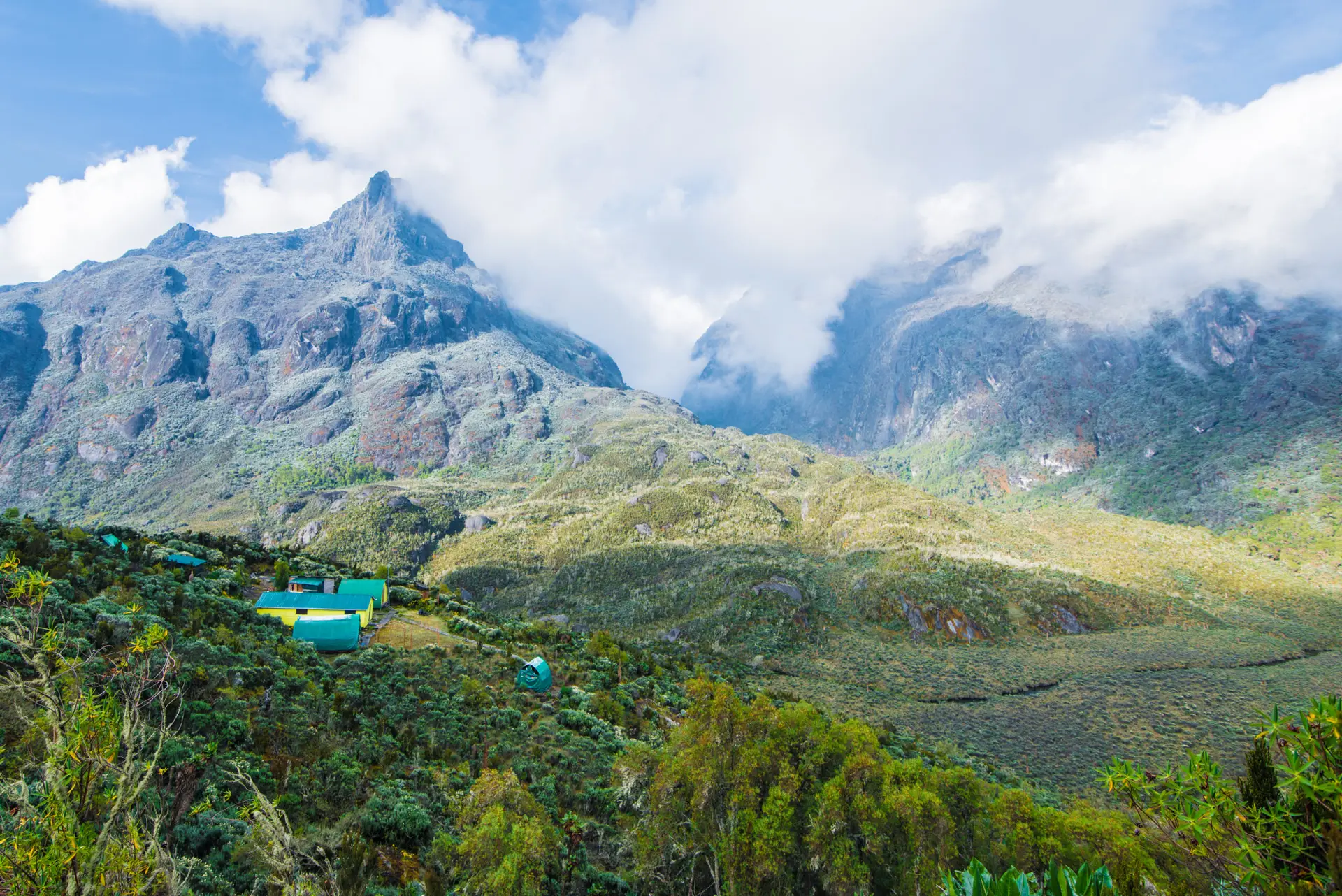
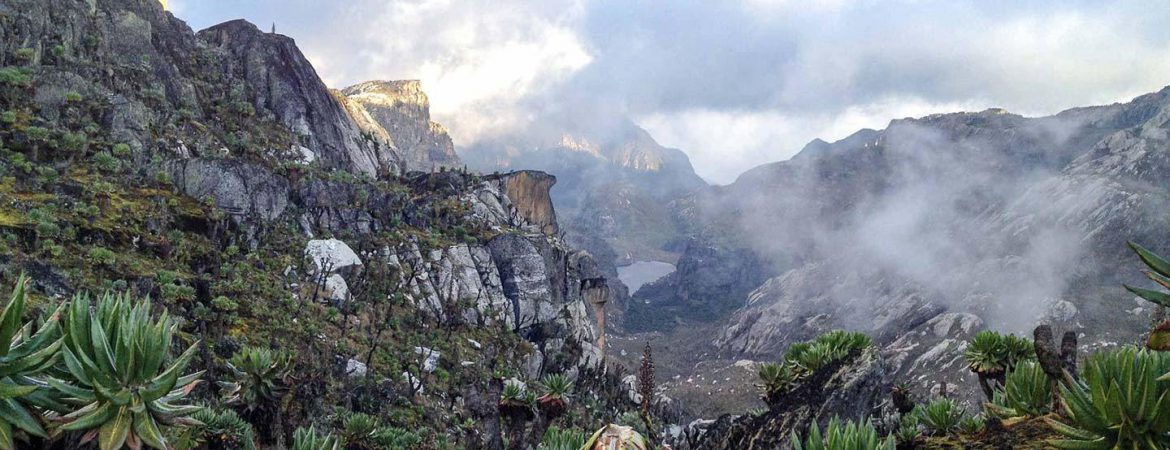
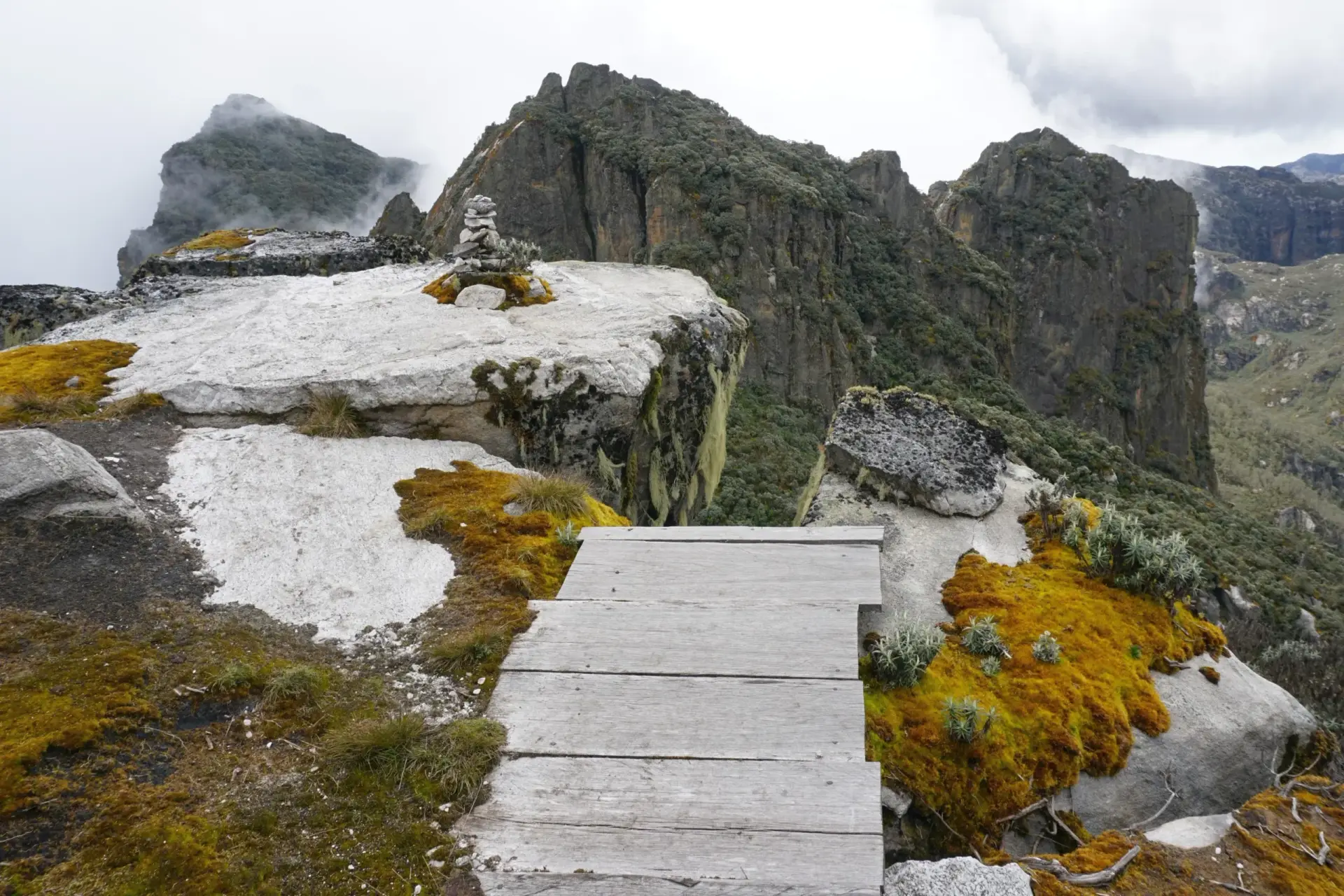
Mount Speke is known for its complex structure: a cluster of sharp summits connected by narrow ridges, deep gullies, and high-altitude moorland. Its main summits include Vittorio Emanuele, Ensonga, Johnson, and Trident Peaks. The approach passes through several ecological zones: montane forest, bamboo slopes, heather zone, boggy valleys, and bare rock, each with its climate and plant life. Giant groundsels, lobelias, moss-covered heather trees, and Afro-alpine vegetation create the surreal landscapes the Rwenzori are famous for.
History of Mount Speke in the Rwenzori Mountains
Local legends and colonial exploration intertwine with Mount Speke’s history. Named after John Hanning Speke, a British explorer who was the first European to reach Lake Victoria and theorize it as the source of the Nile River, Mount Speke holds a significant place in the history of exploration.
The Rwenzori Mountains remained largely unexplored by Europeans until the late 19th and early 20th centuries. In 1906, the Duke of the Abruzzi, an Italian mountaineer, led the first recorded expedition to the Rwenzoris, which included climbing several peaks, among them Mount Speke.
Location of Mount Speke
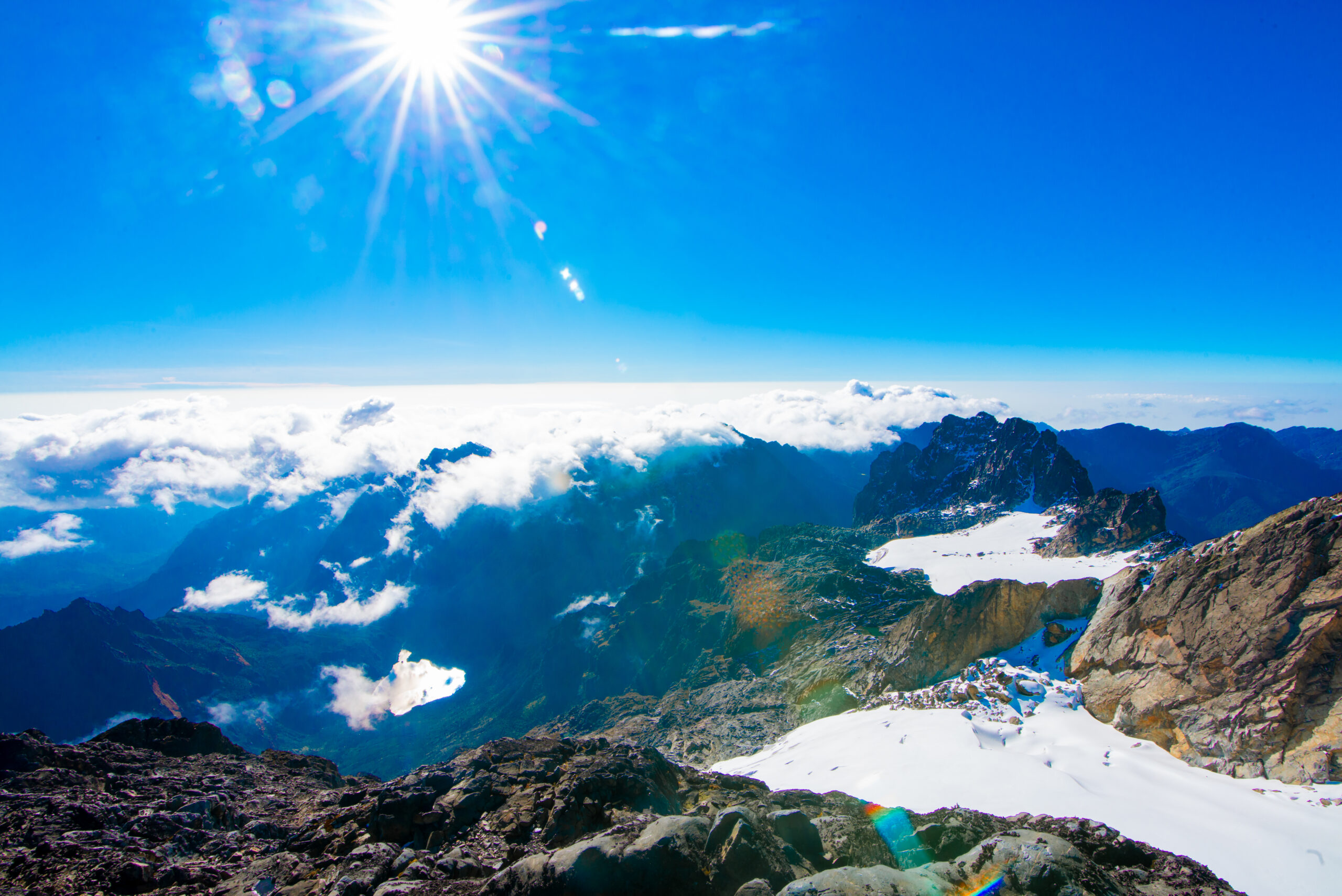
Mount Speke is situated in the Rwenzori Mountains National Park, a UNESCO World Heritage Site in western Uganda, near the border with the Democratic Republic of Congo. The Rwenzori Range stretches approximately 120 kilometers in length and 65 kilometers in width, with Mount Speke being one of its six major peaks. Standing at an elevation of 4,890 meters (16,043 feet) above sea level, Mount Speke is the fourth highest peak in the Rwenzori Mountains.
Geological Formation of Mount Speke
The Rwenzori Mountains, including Mount Speke, are geologically unique. Unlike most of the world’s major mountains, which are formed by the collision of tectonic plates, the Rwenzoris are block mountains. They were created by the uplift of a block of the Earth’s crust, a process associated with the East African Rift system. This geological activity, spanning millions of years, has resulted in a rugged and diverse landscape characterized by steep valleys, deep gorges, and towering peaks.
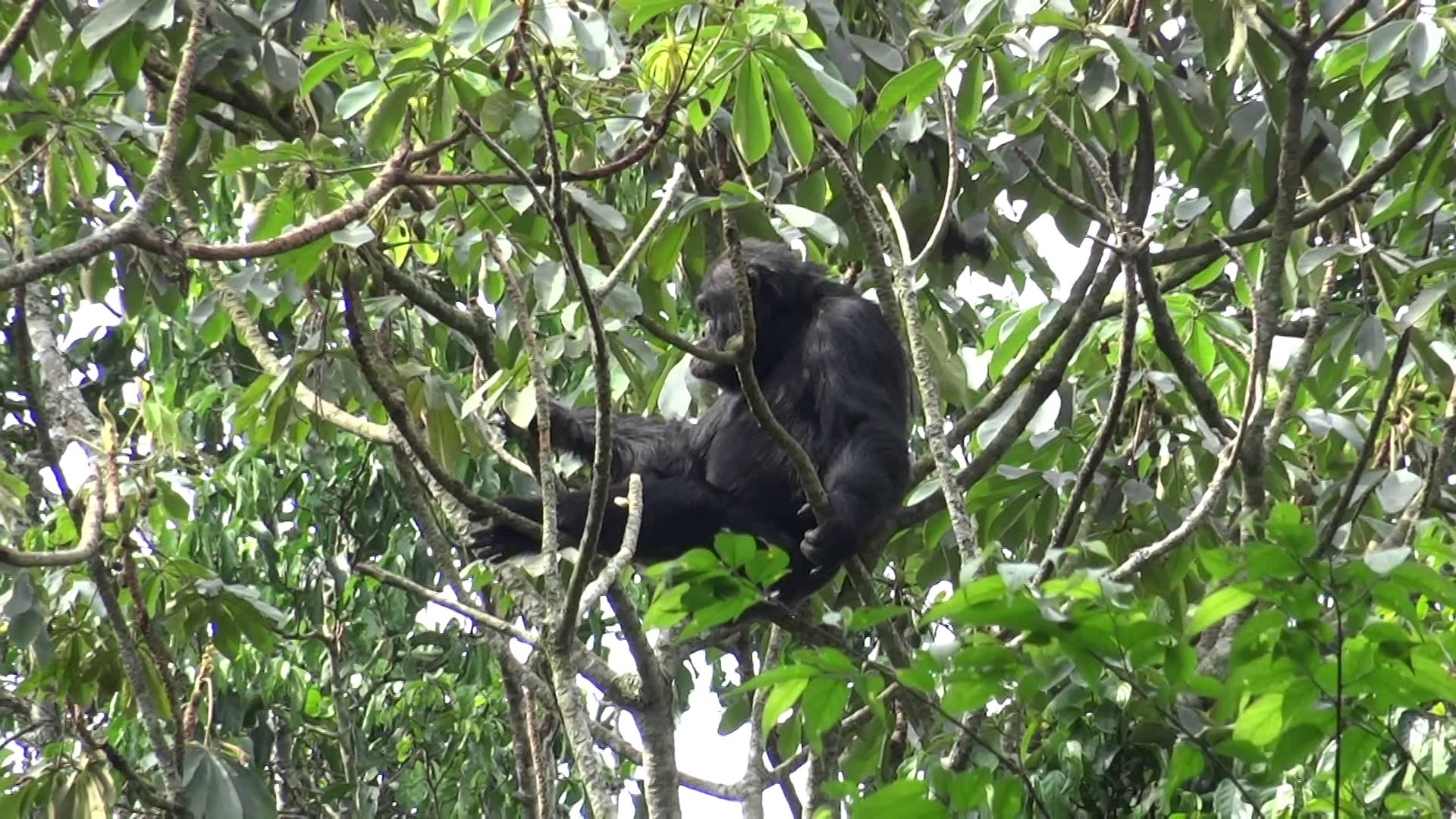
Mount Speke, like the rest of the Rwenzori Range, is renowned for its rich biodiversity. The varied altitudinal range creates multiple distinct ecological zones, each with its own unique flora and fauna. At lower elevations, the forest zone is home to species such as the Rwenzori colobus monkey, blue monkey, and various birds, including the Rwenzori turaco. As one ascends, the vegetation changes to bamboo forests, then to heather and heath zones dominated by giant lobelias and groundsels. The higher alpine zone is characterized by sparse vegetation, with hardy plants adapted to the harsh conditions. The biodiversity of Mount Speke contributes significantly to the ecological importance and natural heritage of the Rwenzori Mountains.
Mount Speke holds both ecological and cultural significance. Ecologically, it supports diverse habitats and species, many of which are endemic to the Rwenzori Mountains. This biodiversity makes it a vital area for conservation. Culturally, the Rwenzoris, including Mount Speke, are considered sacred by the Bakonzo people, who believe the mountains are the home of their gods. Local folklore and traditions infuse the peaks and surrounding areas, making them an integral part of the cultural landscape.
What is the best time to hike Mount Speke?
The best time to visit Mount Speke is during the dry seasons, which typically occur from December to February and from June to August. During these periods, the weather is more stable, and the trails are less muddy, making trekking conditions more favorable. However, the Rwenzori Mountains are known for their unpredictable weather, so trekkers should always be prepared for sudden changes.
Vegetation Zones
Mount Speke’s vegetation zones reflect its diverse altitude and climatic conditions. Starting from the Montane Forest Zone at around 1,800 to 2,500 meters, this area is characterized by dense forests with a canopy of tall trees. This zone is home to various wildlife, including primates, birds, and numerous plant species. Ascending higher, the Bamboo Zone, ranging from 2,500 to 3,000 meters, features bamboo forests, which provide habitat for various animals and birds and serve as an important source of water by trapping and storing rainfall.
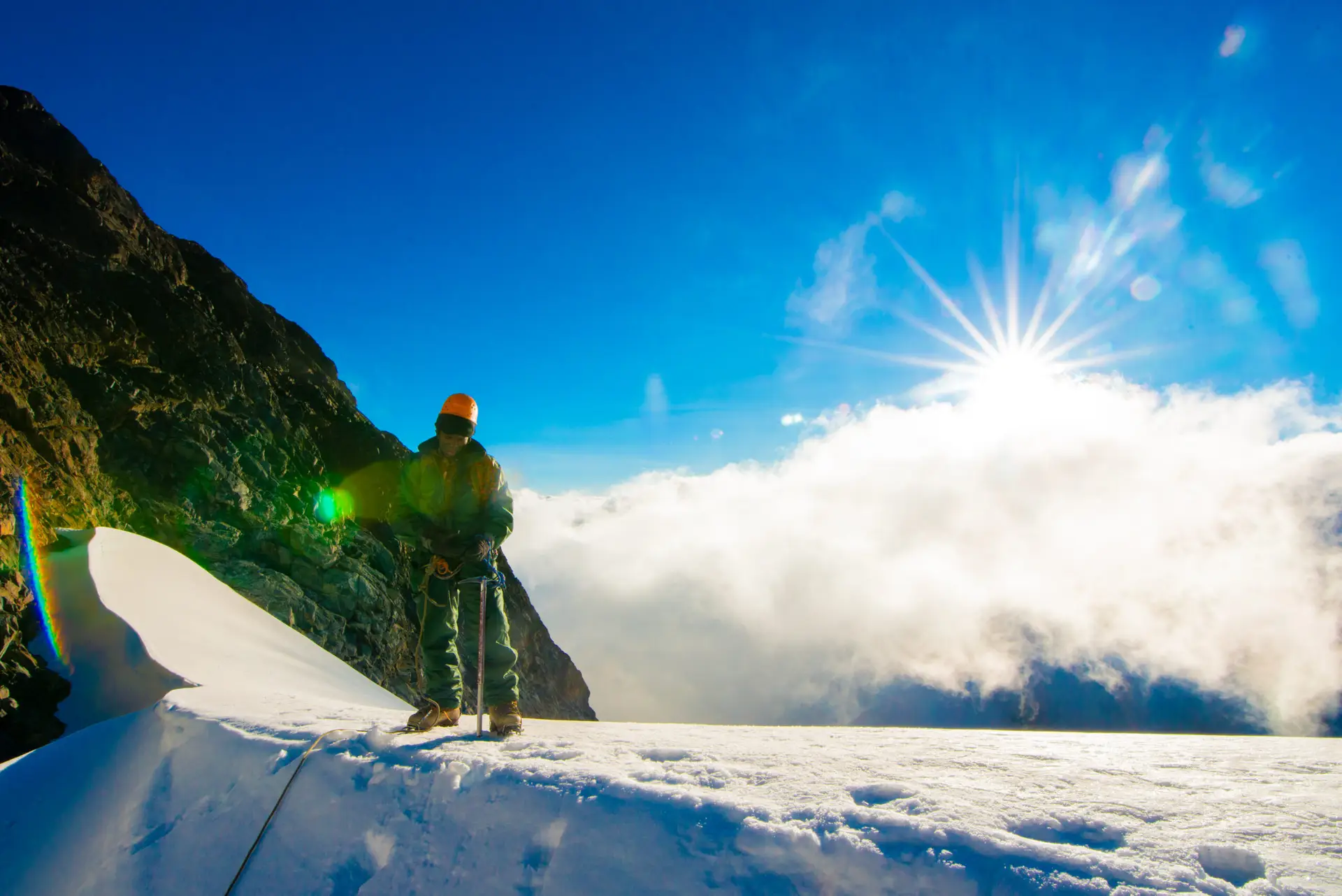
Further up, from 3,000 to 3,800 meters, lies the Heather Zone, where the vegetation shifts to giant heathers and tree heathers. The landscape in this zone is often covered in mosses and lichens, creating a unique and otherworldly atmosphere. Beyond this, at elevations from 3,800 to 4,500 meters, the Alpine Zone is characterized by giant lobelias, groundsels, and other hardy plants adapted to the harsh, cold environment. As the altitude increases, vegetation becomes sparse. Finally, above 4,500 meters, the Nival Zone, the highest zone, has minimal vegetation due to extreme cold and rocky terrain, with only a few specialized plants able to survive in this inhospitable environment.
How Long is the Hike to Mount Speke
A typical trek to Mount Speke usually takes around five days. This duration allows for proper acclimatization, ensuring that trekkers can adjust to the altitude and reduce the risk of altitude sickness. The trek involves several stages, including ascending through the various vegetation zones, crossing rivers, and navigating challenging terrain. Each day’s hike is designed to be manageable, with ample time for rest and acclimatization.
What to Know Before the Hike to Mount Speke?
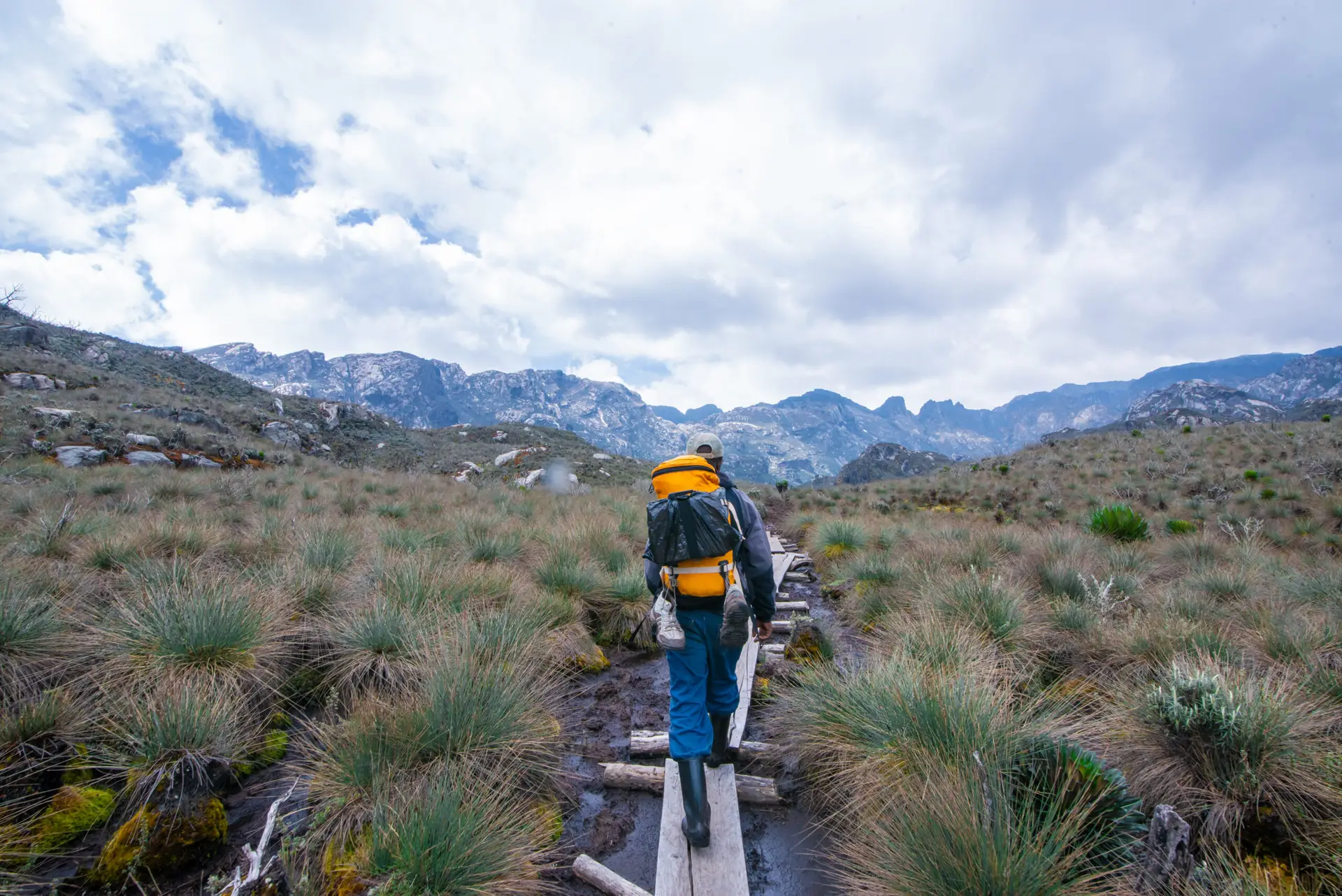
Hiking Mount Speke presents several challenges that require thorough preparation and endurance. The high elevation poses a significant risk of altitude sickness, making proper acclimatization and hydration essential. Additionally, the weather in the Rwenzori Mountains is notoriously unpredictable, with sudden changes that can bring rain, cold temperatures, and strong winds. The trails themselves are often steep, muddy, and slippery, demanding physical fitness and experience with challenging hikes. Due to Mount Speke’s remote location, there are limited emergency services and facilities, necessitating trekkers to be self-sufficient and well-prepared.
A well-prepared packing list is crucial for a successful trek. Clothing should include layered outfits to handle varying temperatures, starting with moisture-wicking base layers, insulating mid-layers, and waterproof outer layers. Warm gloves, hats, and thermal socks are also necessary to cope with the cold. Sturdy, waterproof hiking boots with good ankle support and traction are needed to traverse the rugged terrain. Trekkers should also bring lightweight camping gear, such as a tent, a sleeping bag rated for cold temperatures, a sleeping pad, and cooking equipment.
Navigation tools, including a map, compass, and GPS device, are vital for staying on course. High-energy snacks, meals, and water purification tablets or a filter are necessary to maintain energy levels and ensure access to safe drinking water. Health and safety supplies should include a first aid kit, altitude sickness medication, sunscreen, insect repellent, and a whistle for emergencies. Other essential items include a headlamp with extra batteries, trekking poles for stability, a multi-tool for various tasks, and a camera to capture the stunning scenery.