Frequently Asked Questions About the Rwenzori Mountains: Trekking Tips, Routes, Safety & More.
Get clear answers to the most asked questions about the Rwenzori Mountains, including trekking routes, difficulty, safety, weather, peaks, and hiking preparation. Discover insightful responses to your burning questions about the Rwenzori Mountains, covering everything from trekking paths and their challenges to safety tips, weather patterns, towering peaks, and essential hiking preparations. The Rwenzori Mountains evoke a sense of wonder, standing apart from any other mountain range in Africa. These striking summits lie directly on the equator, yet they boast eternal glaciers, enchanting mist-laden valleys, and some of the most unique alpine flora found anywhere on the planet.
The Rwenzori range stretches along the border of western Uganda and the Democratic Republic of Congo, forming part of the Albertine Rift. Its highest summit, Margherita Peak on Mount Stanley, reaches 5,109 meters and is Africa’s third-tallest point. Unlike Kilimanjaro or Mount Kenya, the Rwenzori offers multi-day trekking through deep forests, boggy valleys, rocky ridges, and glacier zones. The result is a wilderness experience that feels raw, remote, and untouched by mass tourism.
Travelers planning to hike the Rwenzori often have the same questions: How hard is the trek? What routes are available? Is it safe? When should I visit? This FAQ page gathers the most important answers in one place so trekkers can plan confidently.
Where are the Rwenzori Mountains located?
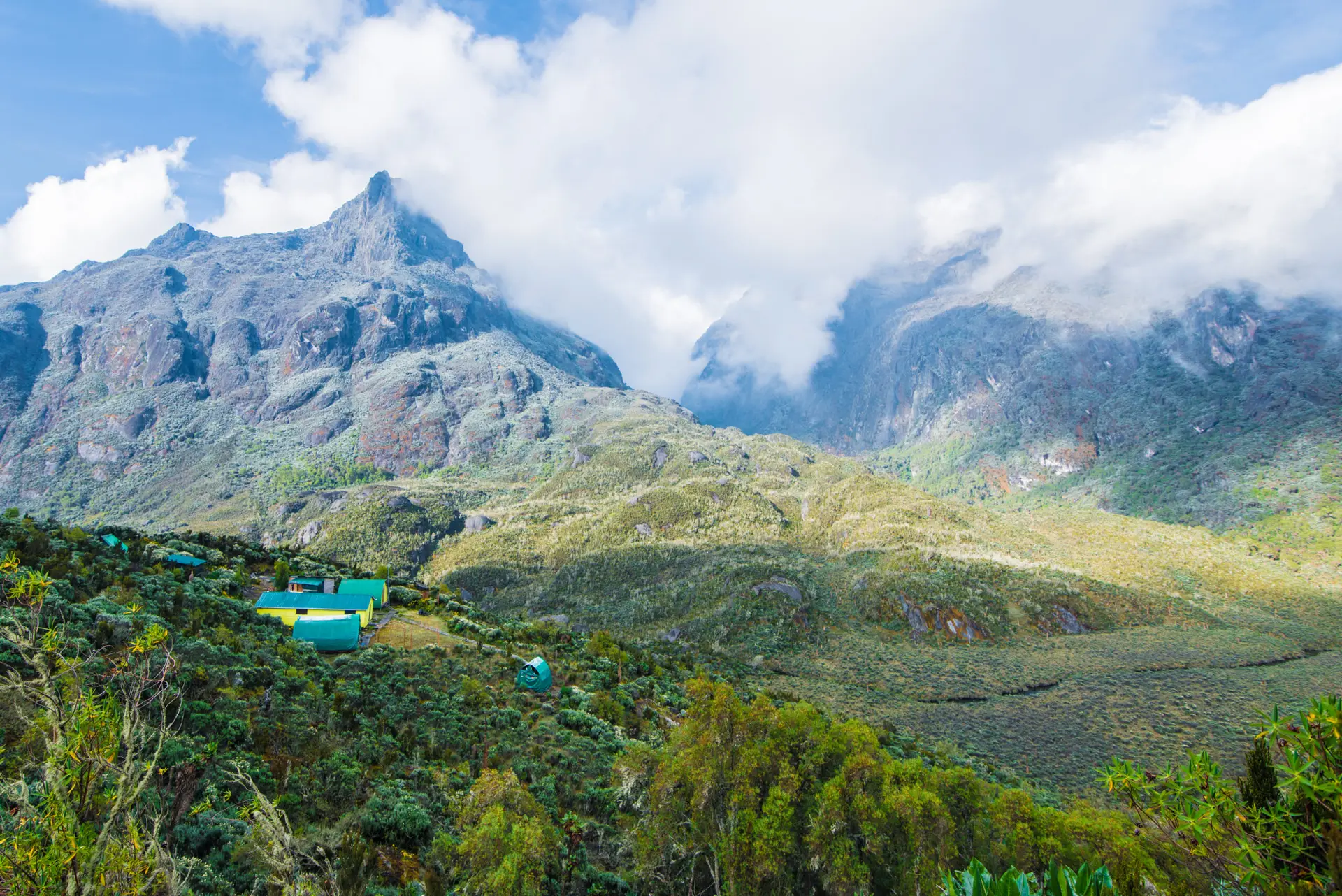
The Rwenzori Mountains are located in western Uganda along with the Democratic Republic of Congo, forming part of the Albertine Rift, which is also the western branch of the East African Rift Valley. Stretching approximately 120 km long and 65 km wide, the range lies within Uganda’s Kasese, Bundibugyo, and Ntoronko districts, and it extends into the North Kivu Province of the DRC. The highest point, Margherita Peak on Mount Stanley, reaches 5109 meters, making it Africa’s third-highest mountain. The mountains are protected by Rwenzori Mountains National Park in Uganda and partly by Virunga National Park in DRC.
Rwenzori Mountains National Park, established in 1991, covers about 998 square kilometers and is a UNESCO World Heritage Site. The mountains are globally recognized for their unique biodiversity, dramatic glacial landscape, and endemic species, making them a vital ecological and conservation area within the East African region.
Why are they called the Mountains of the Moon?
Ptolemy, an old geographer, called the Rwenzori Mountains the “Mountains of the Moon.” He believed these mountains were the source of the Nile, and the name came from their magical, mysterious look. The peaks are very high and are often covered with mist and snow, making them look like something from a dream.
Due to their strange and beautiful appearance, the name “Mountains of the Moon” is now commonly associated with the Rwenzori Mountains. The name signifies how special and majestic these mountains are, and it reminds us of their long history and wonder.
What makes the Rwenzori Mountains unique compared to other African mountain ranges?
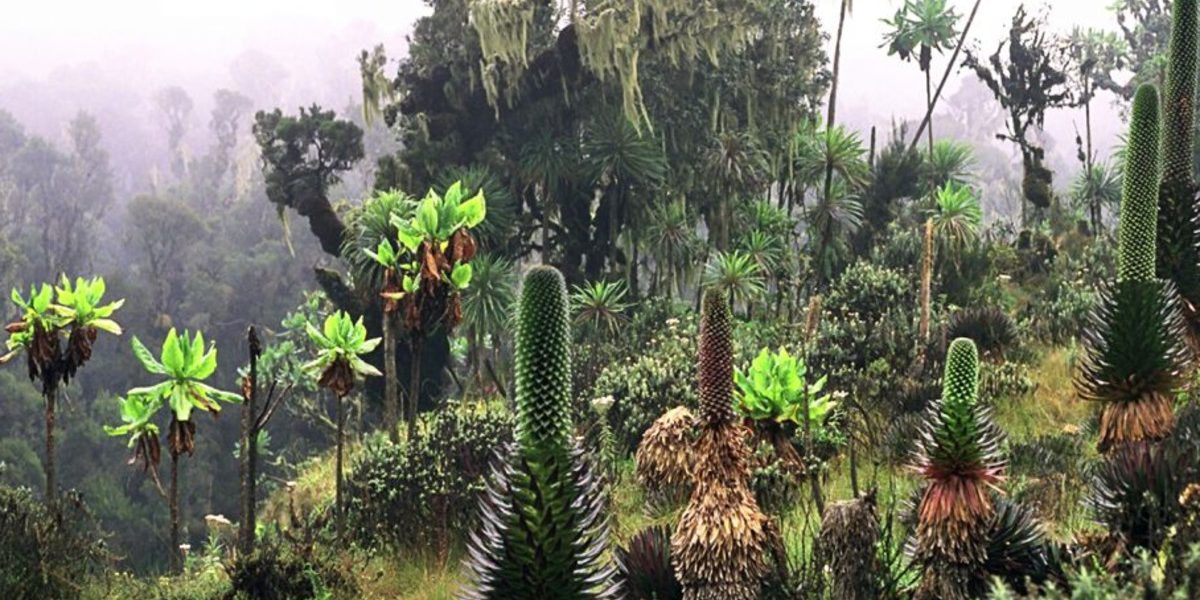
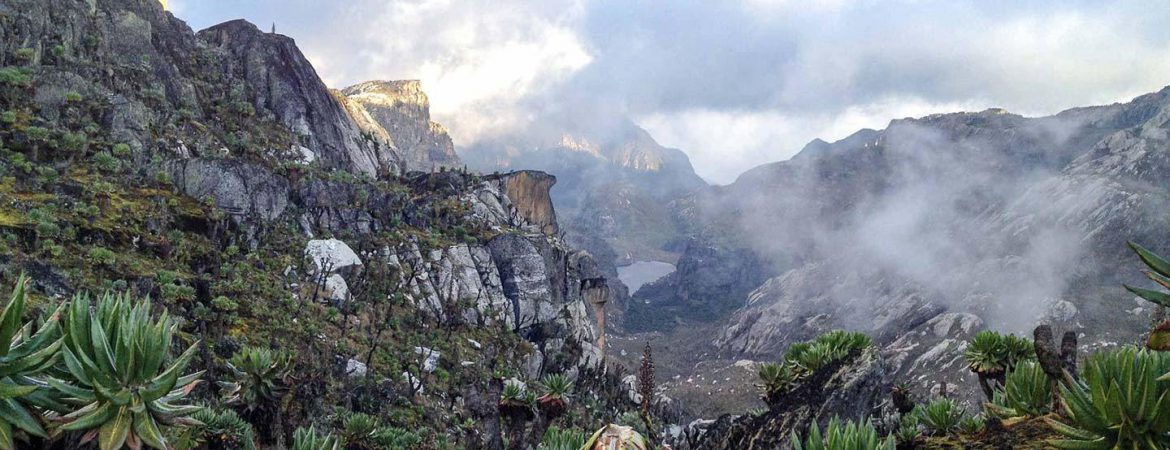
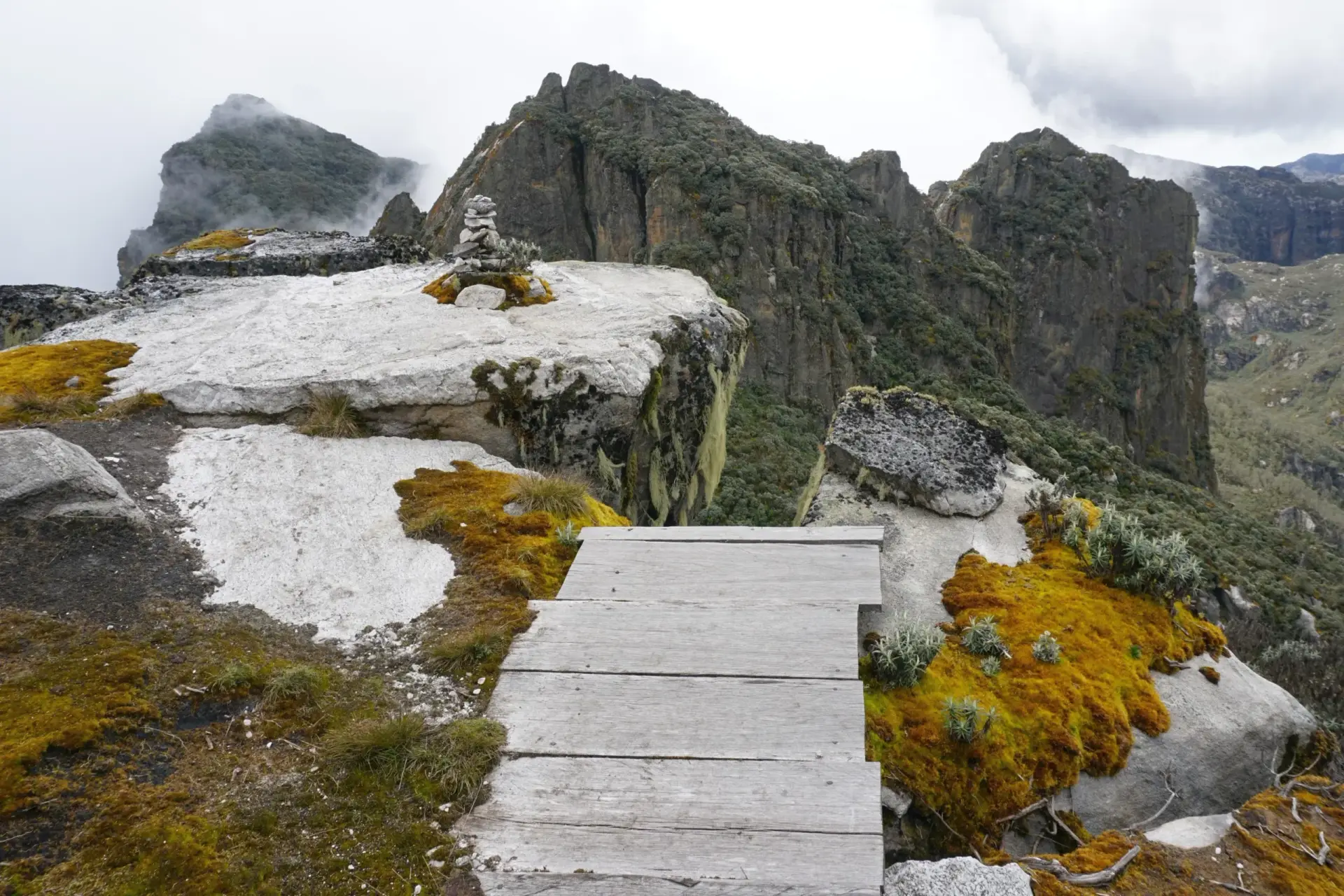
Unlike Kilimanjaro and Mount Kenya, which are formed as a result of volcanic activities, the Rwenzori Mountains are formed due to faulting, a process that involves lifting rocks from the earth. The Rwenzori Mountains are unique, with a rich flora forming different vegetation zones with an increase in altitude. With each zone boasting different plant species, the Rwenzori mountain is made up of the montane, bamboo, heather, alpine, and glacier zones.
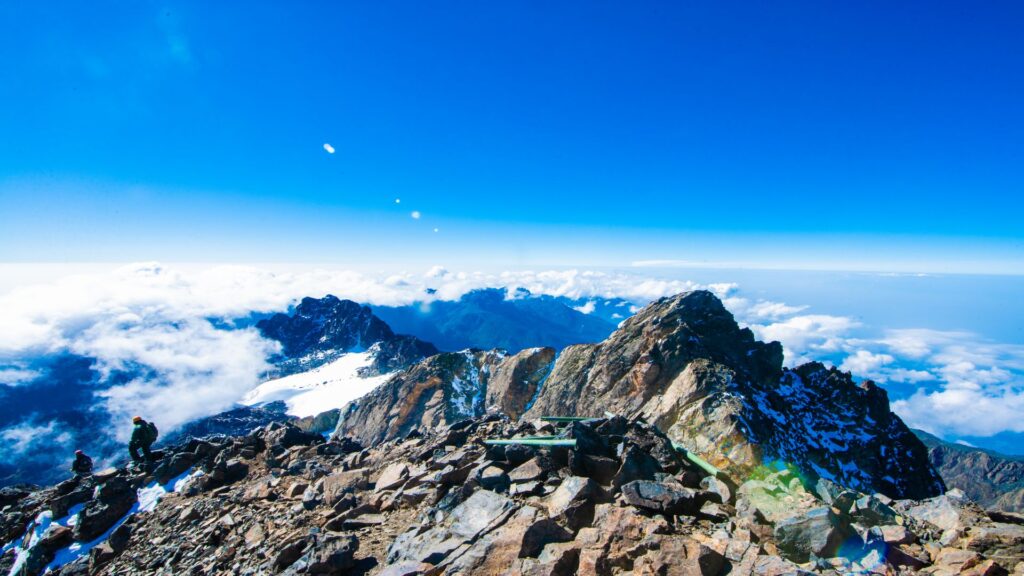
Mount Speke
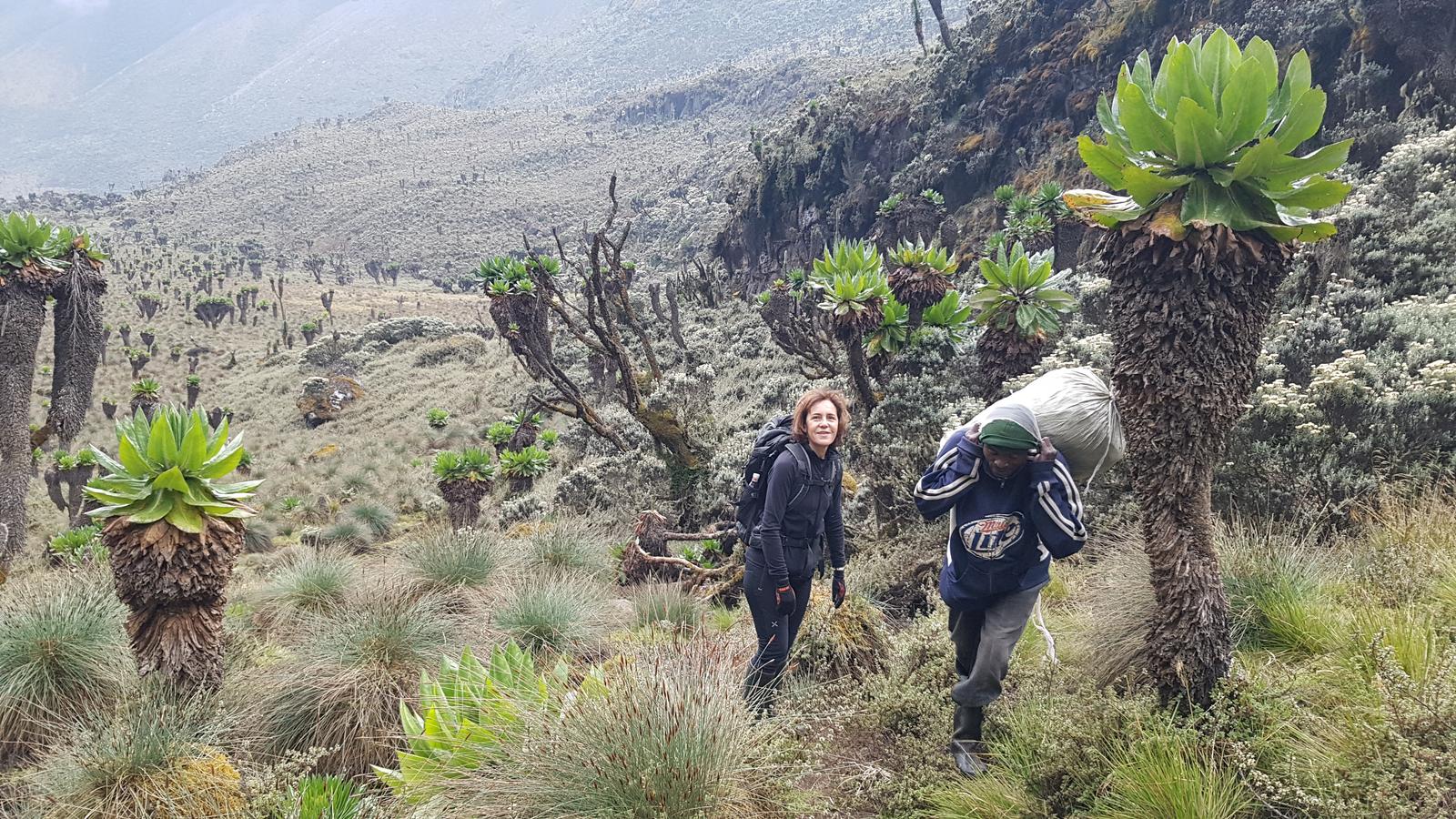
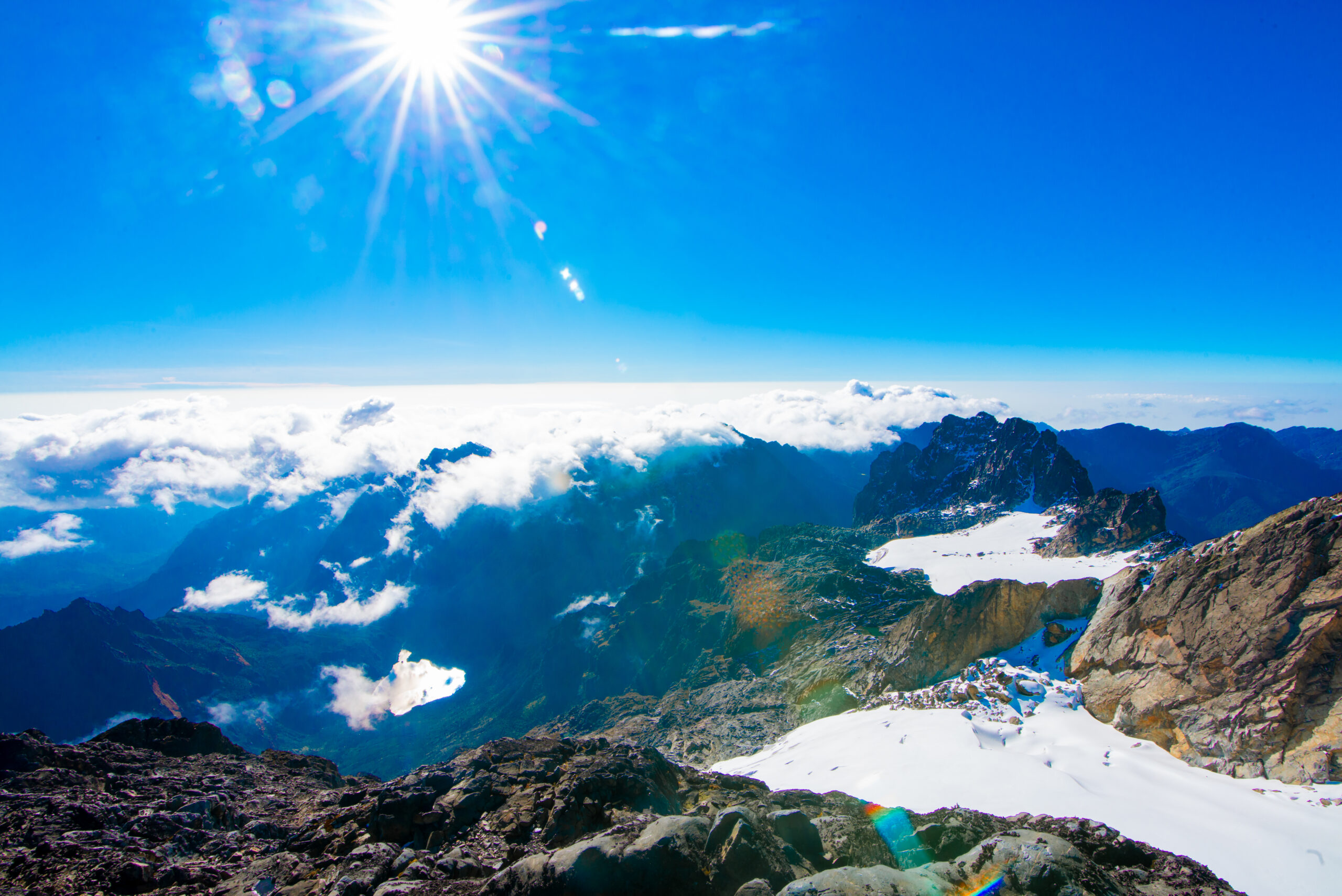
These all display rare plant species, like the giant lobelias and giant heather, that only grow in this kind of environment. The Rwenzori Mountains also display a unique feature of permanent glacier and snow over their peaks, which is unusual since these ranges are located in the equatorial region.
What are the major peaks of the Rwenzori Mountains?
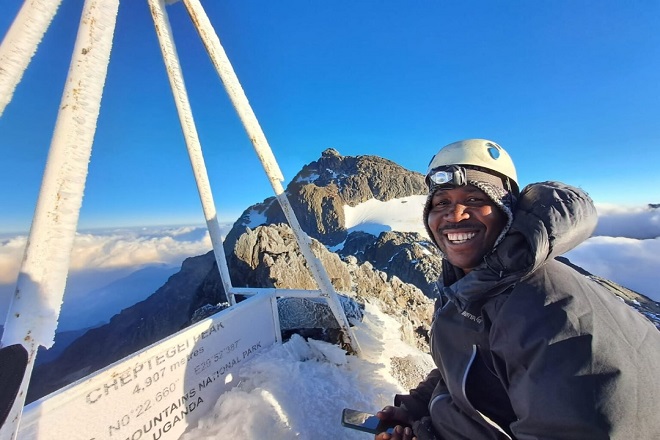
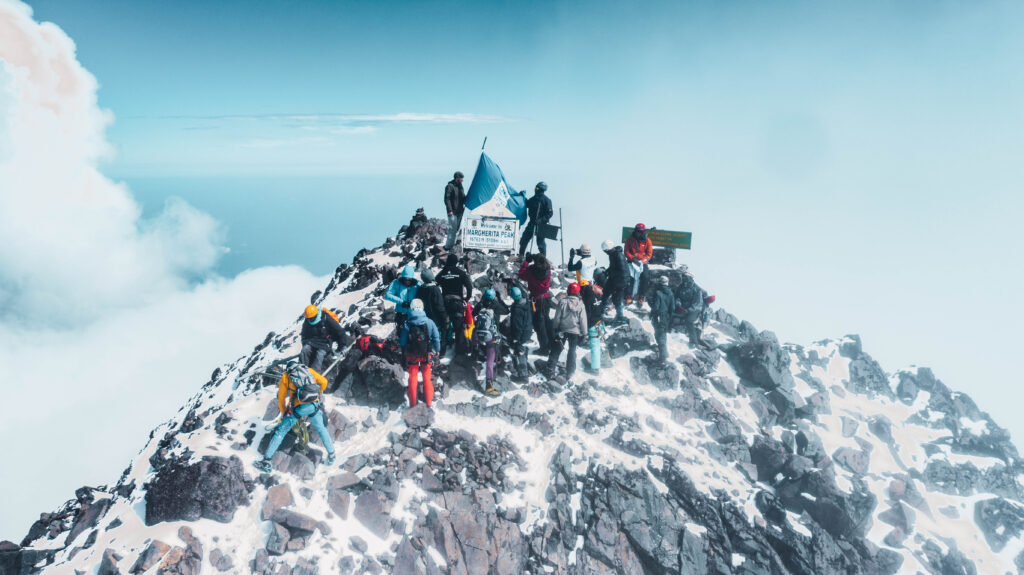
The tallest peak in the Rwenzori is called Margherita Peak, which is found on Mount Stanley. It stands at 5109meters (16763 feet) above sea level. This makes it the third highest mountain in Africa. Mount Stanley is the largest mountain in the range, but there are also other important peaks. These include Mount Speke, Mount Baker, Mount Emin, Mount Gessi, and Mount Luigi di Savoia. Each of these mountains is high and beautiful, with some covered in snow throughout the year.
Because of their enormous height and cold climate, many of the peaks have snow and glaciers at the top, even though the mountains are close to the equator. Climbing these mountains can be difficult and often needs technical climbing skills, special gear, and experience. These snow-capped peaks, steep slopes, and rough paths make the Rwenzori a challenge for mountain climbers but also a wonderful place for adventure and natural beauty.
Is it possible for beginners to climb the Rwenzori Mountains?
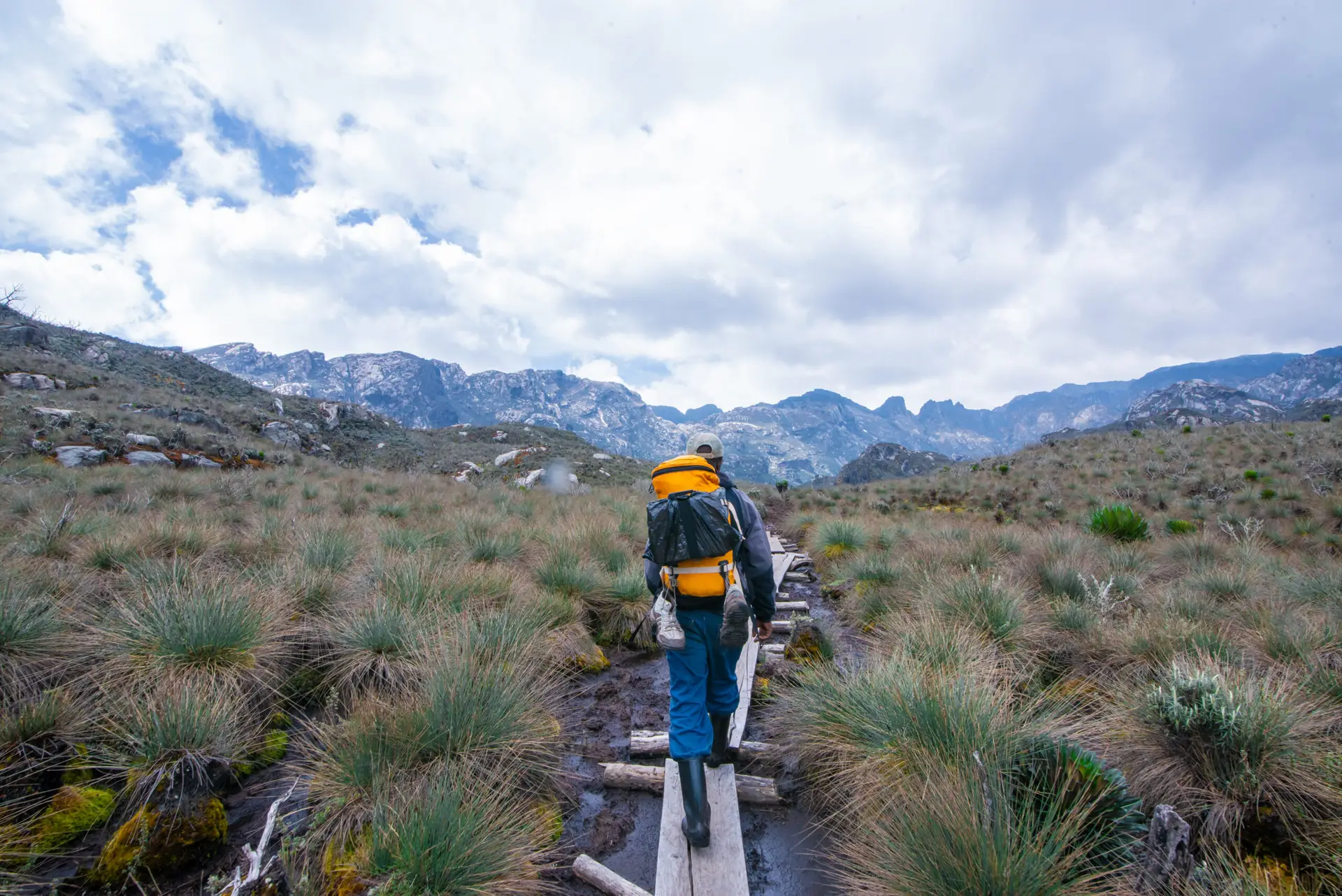
Yes, beginners can hike in the Rwenzori mountains if they are physically fit and prepare perfectly. You do not need to be an experienced climber to hike the Rwenzori mountains. Anyone can easily traverse the majority of the mountain’s trails, as they do not require any technical skills. The trails take climbers through beautiful forests, rivers, and valleys and can last for several days.
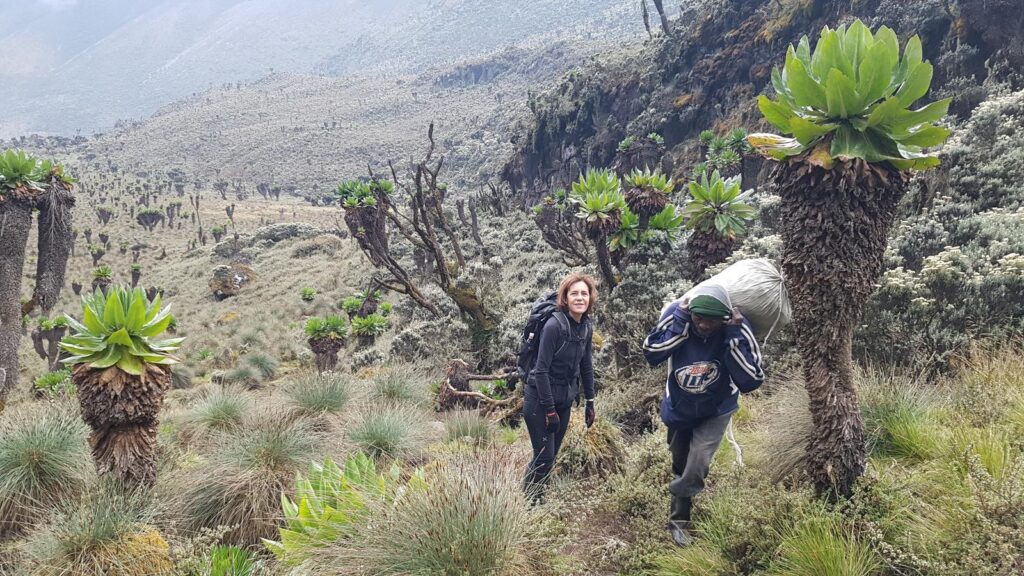
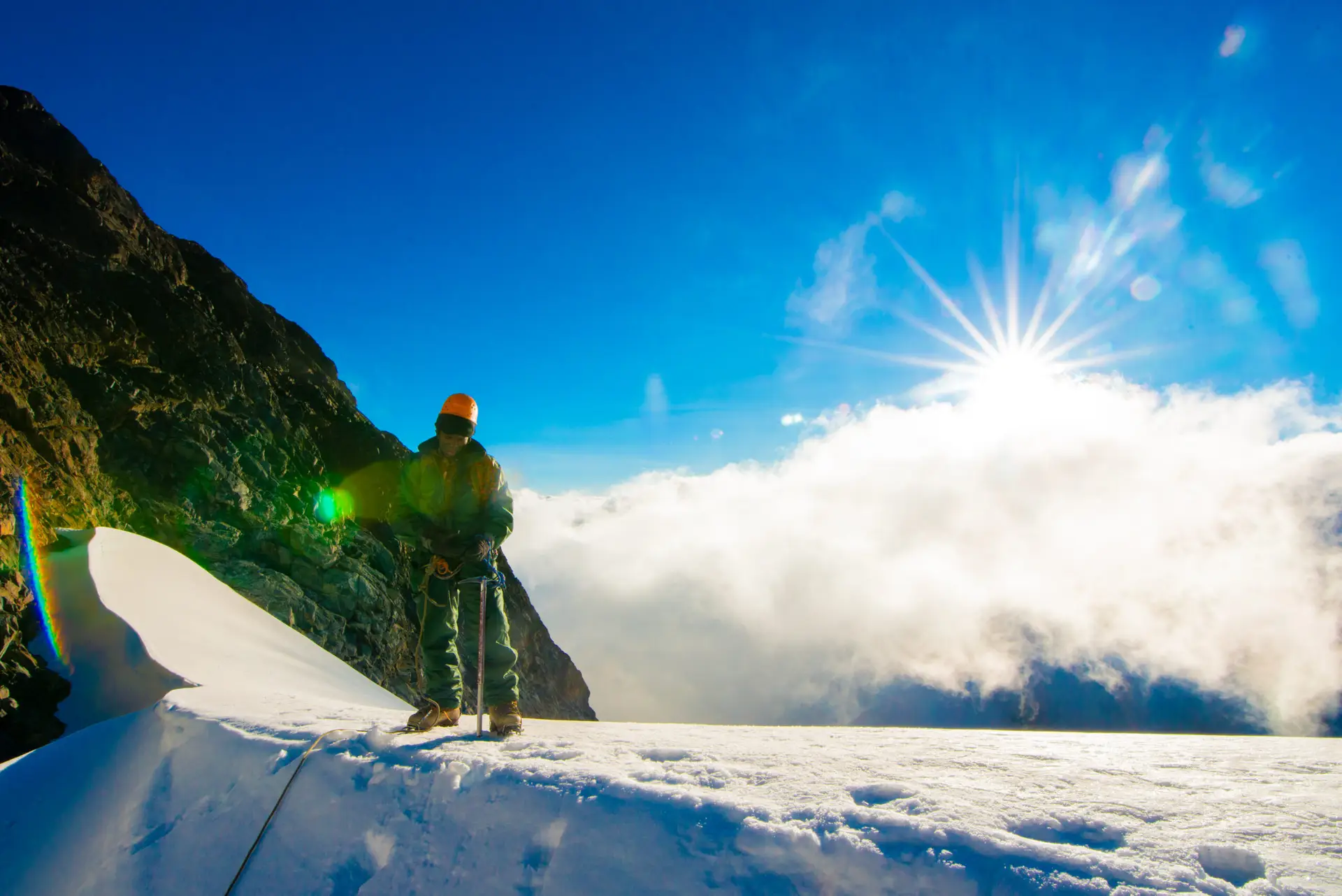
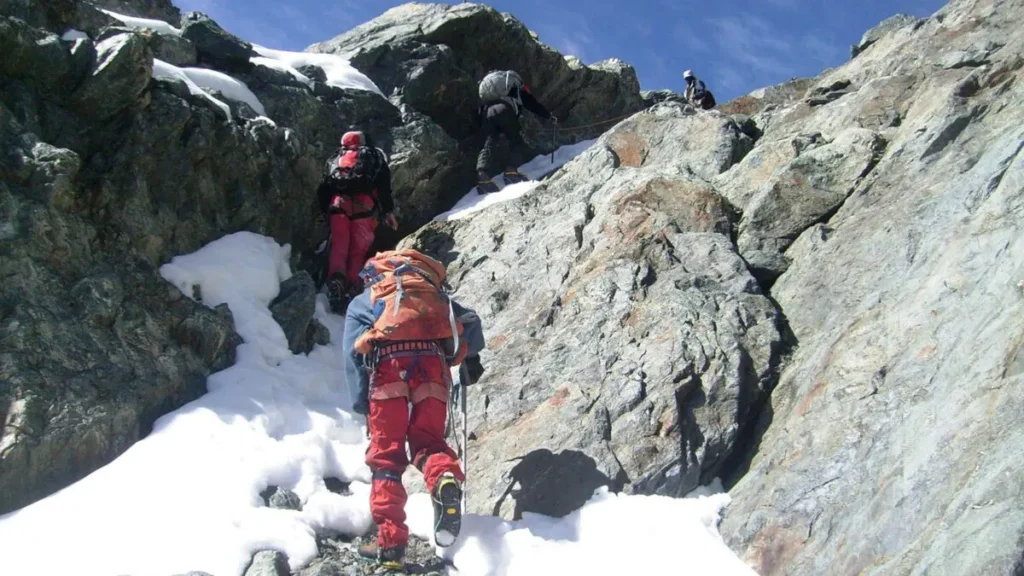
However, if you want to reach the highest peak of Margherita, you will require climbing gear, including crampons, ropes, hiking boots, and harnesses, and with the help of an experienced guide, with or without experience, you can still be led to the peak. For first-time hikers, starting with easier trails is a wonderful way to enjoy the beauty of the mountains without needing technical skills. Even beginners can have a wonderful experience in the Rwenzori Mountains with proper planning; you can hike other peaks with or without experience.
What are the most popular trekking routes in the Rwenzori Mountains?
There are two main trekking routes in the Rwenzori Mountains. The first is the Central Circuit Trail, which begins at Nyakalengeja. The second is the Kilembe trail, which starts from Kilembe, a town near Kasese in western Uganda. The central circuit trail is the most popular route with easier climbs that are less steep, making it possible for hikers to summit within a short period.
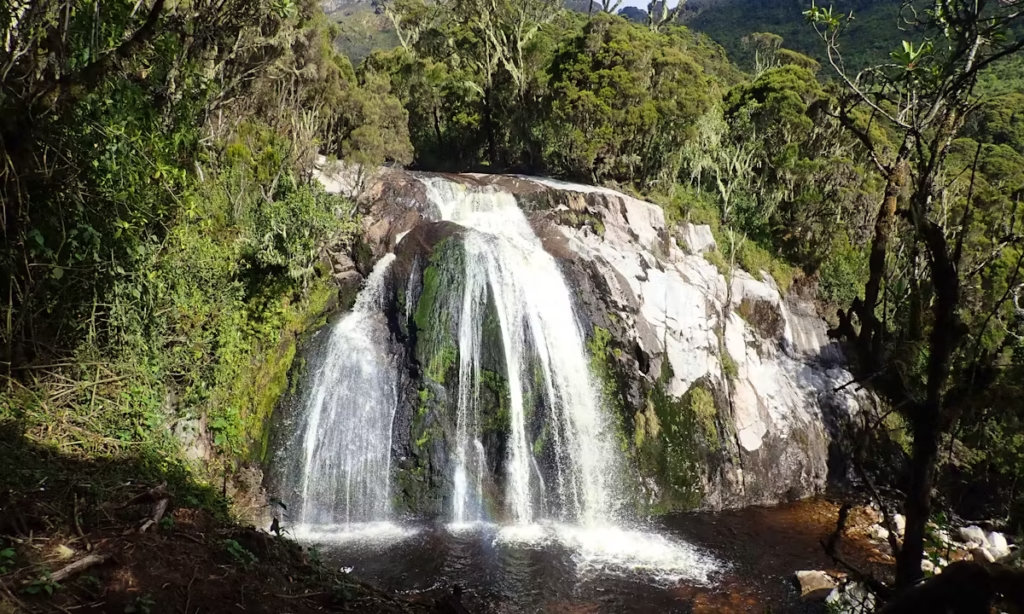
Waterfalls on Kilembe Trail
It makes a loop through the mountains, so hikers return to the same place they started. The Kilembe trail is longer and very challenging with steeper climbs; however, it provides hikers with incredible views of the beautiful landscapes. Both trails, however, have stunning landscapes of different terrains showcasing the natural wonders of the Rwenzori Mountains.
How many days does it take to hike Mount Rwenzori?
The full trek to Margherita Peak on Mount Stanley usually takes between 7 and 10 days, depending on the route you choose and the speed of your hike. If you only want to explore the lower parts of the Rwenzori mountains, like the montanne to the heather zone, shorter treks of 3-5 days are also available. These treks do not reach the summit but still offer beautiful experiences of the mountains. If you’re using the Central Circuit Trail, well-experienced hikers can complete the trek to Margherita Summit within 4–5 days. However, this is only possible for very fast and experienced hikers, though this may not allow enough time for acclimatization.
For better acclimatization, hikers are advised to take 7 and 8 days on the central circuit and Kilembe trails, respectively, for those whose aim is to reach the summit of Margherita Peak. Hiking for a longer period enables hikers to have time for acclimatization, ensuring a smooth hike in the Rwenzori Mountains. For hikers aiming to summit other major peaks in the Rwenzori Mountains, including Baker, Mount Speke, Mount Emin, Mount Luigi di Savoia, and Mount Gessi, it requires only 5 days to hike each of these. If you want to add extra independent peaks to your trekking plan, you require an extra day for each additional peak.
What is the best time to hike Rwenzori Mountain?
The Rwenzori Mountains have both dry and wet seasons; the dry seasons run from December to early March and June to early September. The months of December to early March and June to early September are the best times for trekking because they offer very favorable weather conditions, including dry trails, clear skies, good visibility, and easier crossings, especially along the riverside. Most hikers prefer this time because of a smoother and safer hiking experience.
The wet seasons are from late March to May and late September to November; during this time the mountains receive very heavy rainfall, making it very hard for hiking with wet trails and no visibility. However, some experienced hikers still trek during the wet season for adventure and fewer crowds . But because Rwenzori has a changing climate, it can rain even during the dry season , so no matter when you visit, you always carry waterproof clothing and rain protection in your gear.
How difficult is it to trek Rwenzori Mountain?
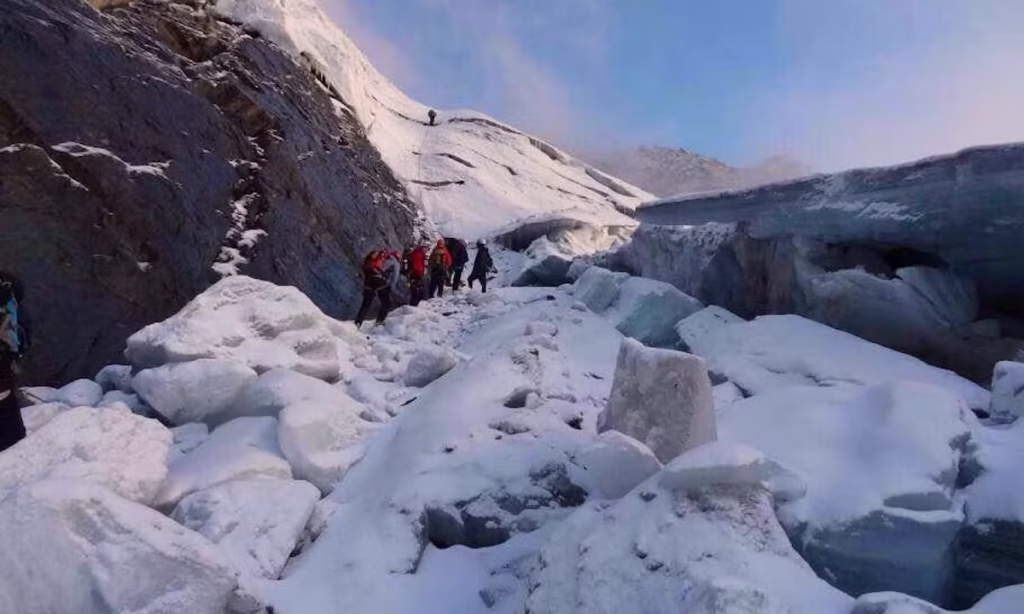
Trekking to Margherita Peak is a tough and challenging adventure that involves long distances of walking via steep, rocky paths, muddy sections, and icy glaciers. Some parts require technical expertise, meaning you must use special climbing tools, including ropes, ice axes, and crampons, to walk on the ice. The high altitude also makes it harder to breathe, and some people may feel tired or dizzy or get headaches. This trek is not for people who are unfit or poorly prepared.
However, many first-time climbers with excellent physical fitness, the right gear, and strong wills have reached the summit successfully. You do not need to be a professional climber, but you must be ready for the challenge and follow instructions carefully. With proper training and preparation, this demanding trek can be a rewarding and unforgettable experience. Additionally, you can hike other peaks in the Rwenzori Mountains, which are easier to navigate than the summit of Margherita.
Do I need a guide to trek, or can I do it solo?
In Uganda, the law requires all visitors to the Rwenzori Mountains National Park to have a licensed guide. To protect the environment and climbers, you can’t hike alone. Certified tour operators arrange most treks, providing everything necessary for the journey in the Rwenzori mountains. These teams include trained guides who are very familiar with the mountain and knowledgeable about the routes and trails, porters to carry heavy luggage, cooks who ensure the welfare of hikers, and all necessary logistics to help you have a smooth hike.
These teams also ensure you obey the park rules and regulations and stay on the right paths. Because of the tough terrain, changing weather, and possible dangers, solo trekking is not allowed. With a guide and the entire support team, you can enjoy the trek safely while helping to protect the park’s flora, fauna, and beautiful landscape.
What kind of wildlife can I expect to see in the Rwenzori Mountains?
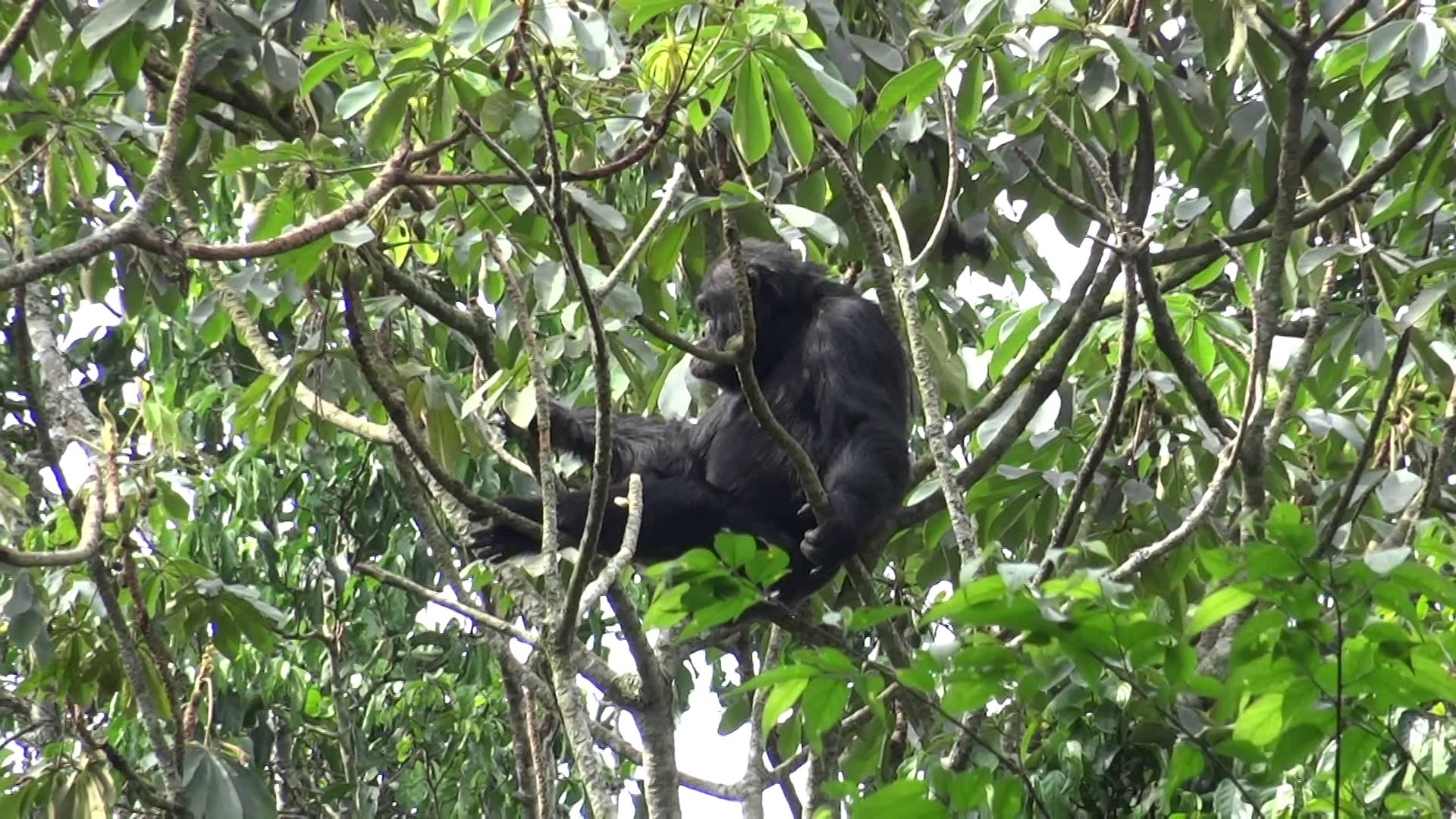
The Rwenzori Mountains are rich in wildlife and offer a unique experience for all nature lovers, with both flora and fauna for hikers to spot. You can spot several animals, including colobus monkeys, in the lower forest zone.
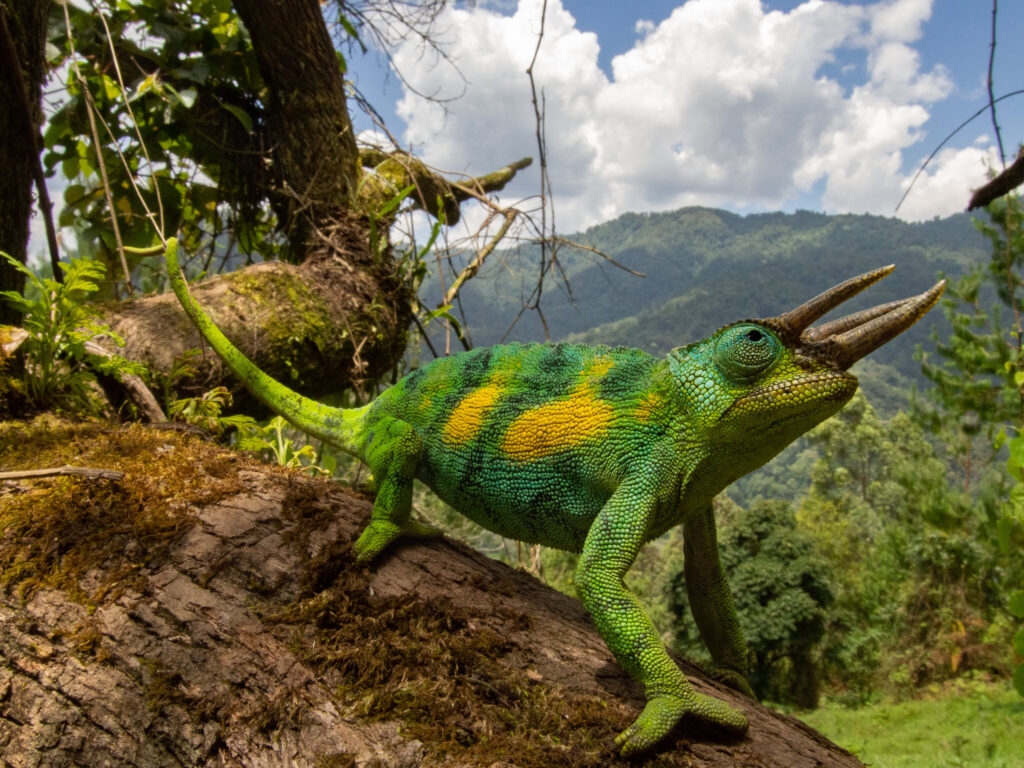
You can also spot forest elephants in this part of the mountain’s forest zone. Going further in the heather zone, duikers can be spotted, and several bird species are present, including some that are endemic to the Rwenzori Mountains, like the Rwenzori turaco, which is spotted in the tree canopies.
What kind of accommodation is available during the trek?
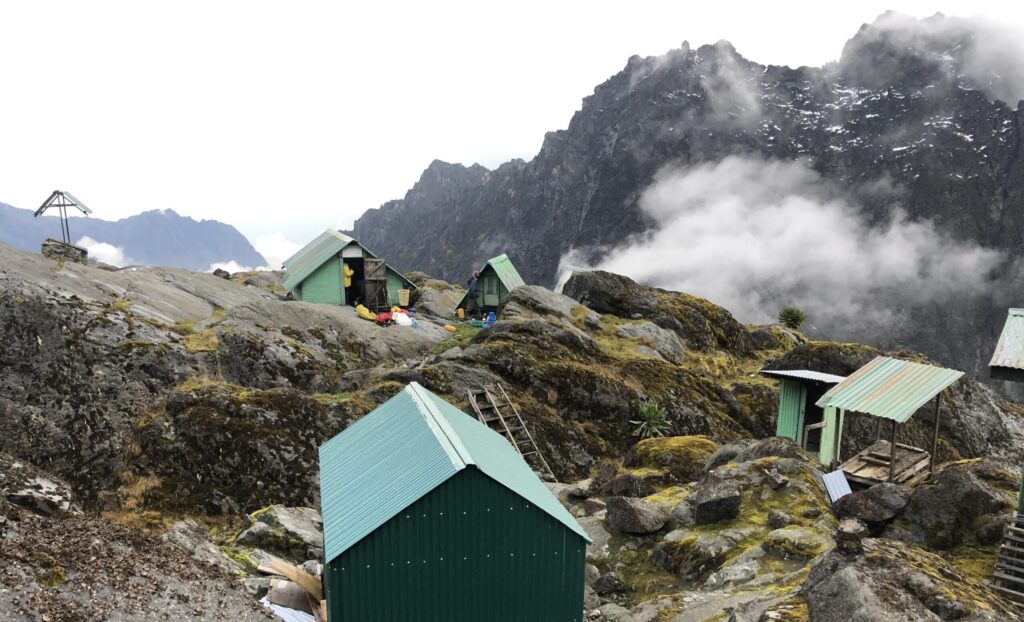
Depending on the trail they choose, trekkers in the Rwenzori Mountains sleep in mountain huts or camping tents. These shelters are basic and are built mainly to protect trekkers from rain and coldness. Inside the huts, there are wooden platforms with simple mattresses organized in either a dormitory format or a private rooming arrangement.
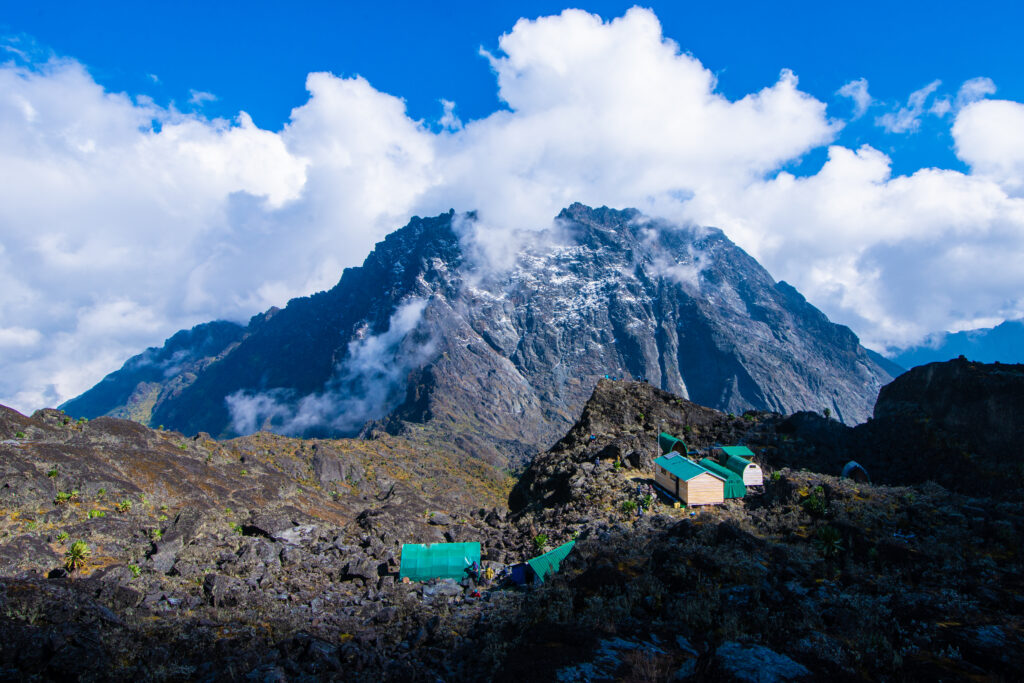
Trekkers share these basic beds, which only require sleeping bags, with other trekkers. Some facilities, like those on the Kilembe trail, have solar power for charging, while others do not. These facilities are well maintained and offer shelter for hikers during their adventure in the Rwenzori Mountains. Meals in the mountains are prepared by chefs during the hike; typically, a cook travels ahead with the group to provide hot meals at each camp. Usually hikers are offered breakfast, lunch, and dinner every day.
What should I pack for the trek?
When preparing for a trek in the Rwenzori Mountains, it’s essential to pack the right equipment for a safe and smooth hike. The weather in the mountains can change quickly at any time of the day, so you need to be ready for both warm sunshine and the freezing cold temperatures. It is best to carry layered clothing, meaning you wear light clothes when it is warm and keep adding more layers as it gets colder.

You should bring a strong waterproof jacket and rain pants to ensure you stay dry incase of occasional rains. For those who intend to summit Margherita, you should pack hiking boots, rubber boots, daypacks, sleeping bags, very warm clothing, warm socks, hand gloves, and hiking gear such as ropes, crampons, harnesses, and helmets. Other items to consider include a camera, a headlamp, extra batteries, a first aid kit, sunscreen, a water bottle, snacks, and other personal items for use during the hike.
Is altitude sickness a risk in the Rwenzori Mountains?
Altitude sickness is a serious concern when trekking in the Rwenzori mountains, especially when you go above 3000 meters. At high altitudes, the air has less oxygen, which makes it even harder for your body to function properly. Many trekkers experience symptoms such as headaches, nausea, feeling dizzy, tiredness, or even trouble sleeping. These signs can start slowly but become worse if not managed well. Everyone reacts differently to high altitude, and even fit people can get sick. The good news is that the nature of the Rwenzori mountain, which involves down- and uphill climbing, allows the body to get used to the environment, hence reducing the risk of altitude sickness.
To reduce the risk, it’s important to choose a trekking route that offers a slow yet steady climb. This allows your body ample time to adjust to the altitude. Drinking plenty of water helps your body have enough time to adjust better. To acclimate, it’s best to walk to high altitudes before climbing Rwenzori. Eating healthy meals and getting enough rest is also important; if you notice signs of altitude sickness, it’s advisable to inform your guide immediately.
Guides are trained to help with such situations and will know what to do. In mild cases you may just need to rest, but with worse conditions or symptoms, the safest solution is to lower the altitude. Never try to push through serious symptoms. Safety should always come first during high mountain treks. Being careful and listening to your body can help you enjoy the Rwenzori experience safely.
How much does it cost to trek the Rwenzori Mountains?
A typical Rwenzori trek that lasts between 7 and 10 days can cost anywhere from $1300 to $1800. The exact price depends on the trekking route you choose, how many days you spend on the mountain, the tour company you book with, and so many other factors. Some routes are longer and more difficult, so they cost more. Others are shorter, making them less expensive; however, summit prices usually are not impacted by the number of days or any other factors.
The price always includes many factors, such as the entire duration of the stay and the trek in the mountains, covering most costs except for tips. Packages usually include park entrance fees, professional guide fees, meals, accommodation, and porters; additionally, for those hiking to very high altitudes, the cost of hiking gear is also included. Other costs, including airport transfers.
Are there options for shorter or easier treks?
Yes, not everyone needs to summit peaks; there are 1- to 5-day trekking options that allow you to explore the lush foothills and waterfalls and mountain forests in the Rwenzori ranges. These are perfect for explorers seeking to adventure the natural beauty of the Rwenzori mountains. Visitors can enjoy the mountains through one-day nature walks or five-day treks along both the central circuit trail and the Kilembe trail.
What level of fitness is required?
You don’t need to be a professional athlete to trek in the Rwenzori mountains, but you do need to be in excellent physical shape. The trek is challenging because you will be walking for many hours each day, often going uphill through the paths and rocky trails and in different weather conditions. Some days can be very long and tiring, especially as you go higher, where the air becomes thinner and colder.
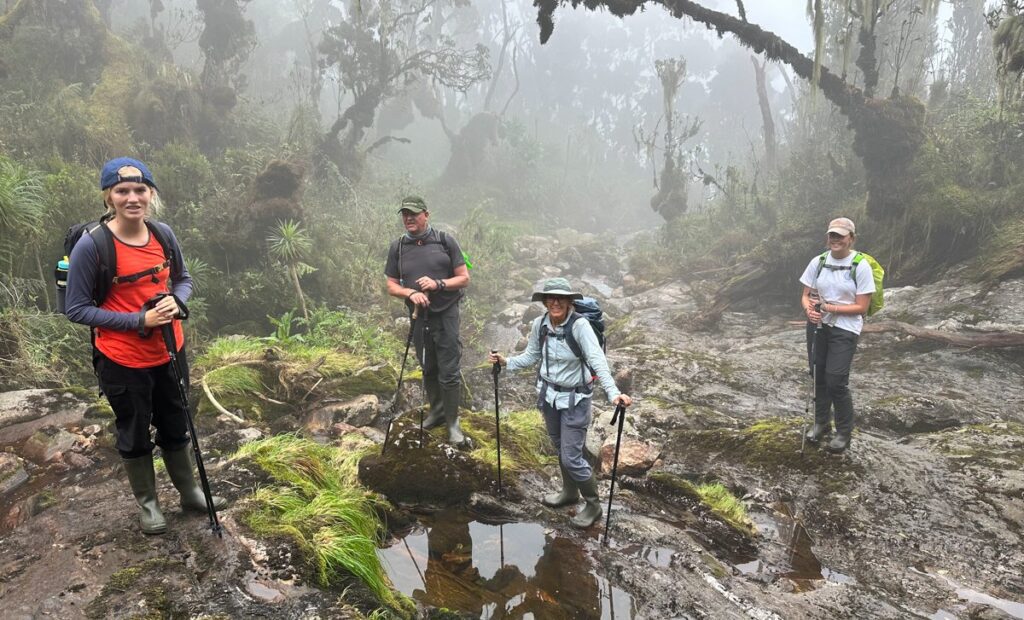
To prepare your body for the trek, it is a good idea to start training a few months before your trip. You can do this by hiking in your local area, jogging, walking long distances, or climbing stairs regularly. This helps to build strong legs, improve your stamina, and get used to walking with a backpack. The more you train before the trek, the easier and more enjoyable it will be when you are on the mountain.
Is the trek safe for solo female travelers or groups?
Yes, trekking in the Rwenzori mountains is generally safe with experienced teams, whether you are a solo female traveler or part of a group. The companies with the trekking concessions have professional and well-trained guides who know the mountain so well and understand the conditions as well as climate changes. Guides are very professional, handling emergencies with expertise and ensuring that trekkers enjoy the trip while keeping them safe throughout the journey. Porters also help during the trek with carrying the heavy bags and supporting trekkers when the trail becomes tough or slippery.
Uganda is one of the safest countries within East Africa, with very friendly and welcoming people, and the government takes care of tourism areas and national parks with tight security. However, as with any travel situation, it is crucial to exercise common sense, prioritize your personal safety, adhere to your guide’s instructions, and follow trail advice.
Why should I choose Rwenzori over Kilimanjaro or Mount Kenya?
While Mount Kilimanjaro is more famous and often visited by large numbers of tourists, the Rwenzori Mountains offer something truly special and different. Trekking Rwenzori gives you a chance to explore a remote and less crowded part of Africa that still feels untouched by many visitors. The area is less crowded and very natural and remains wild and beautiful, which makes the experience peaceful and personal.
The trails are more challenging than those of Kilimanjaro and Kenya, but they are perfect for people who enjoy real adventure and want to push themselves in a quiet, more adventurous setting. The Rwenzori Mountains are full of natural wonders, including thick forests, rivers, rare plants, and magical landscapes featuring unique flora such as giant lobelias, moss-covered trees, and high-altitude glaciers. The snow-capped peaks, including Margherita and countless others, offer climbers an adventurous walk through the mountains.