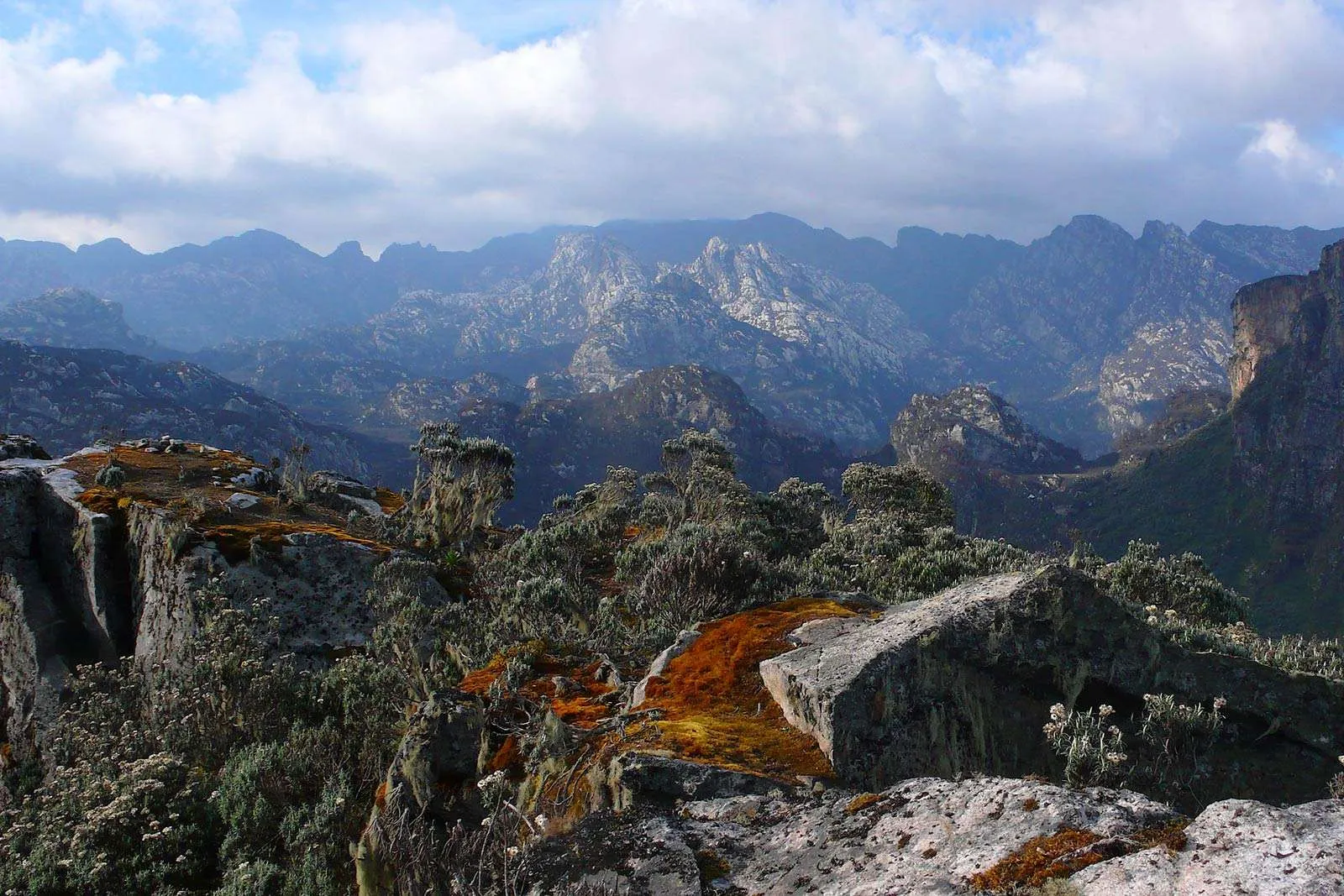
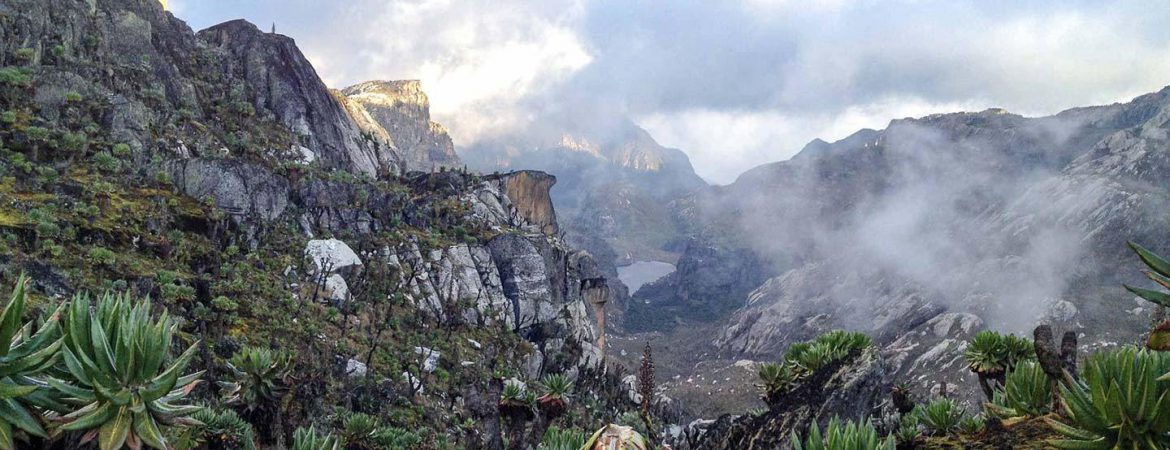
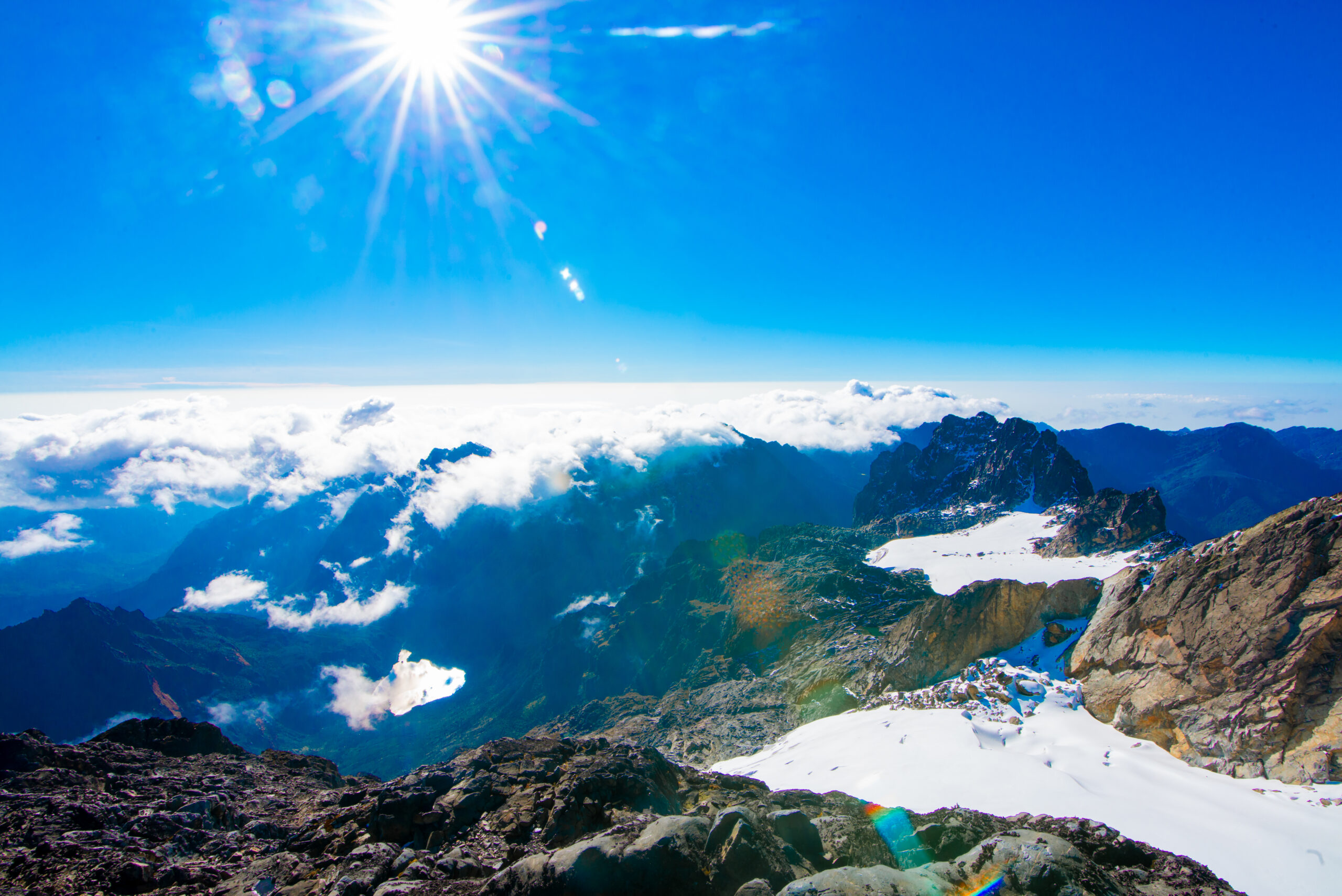
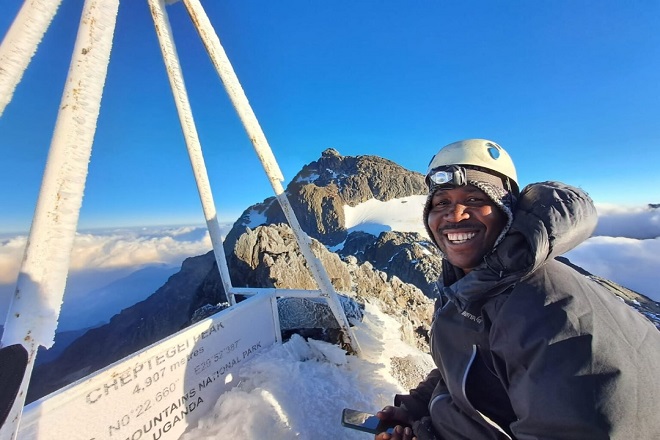
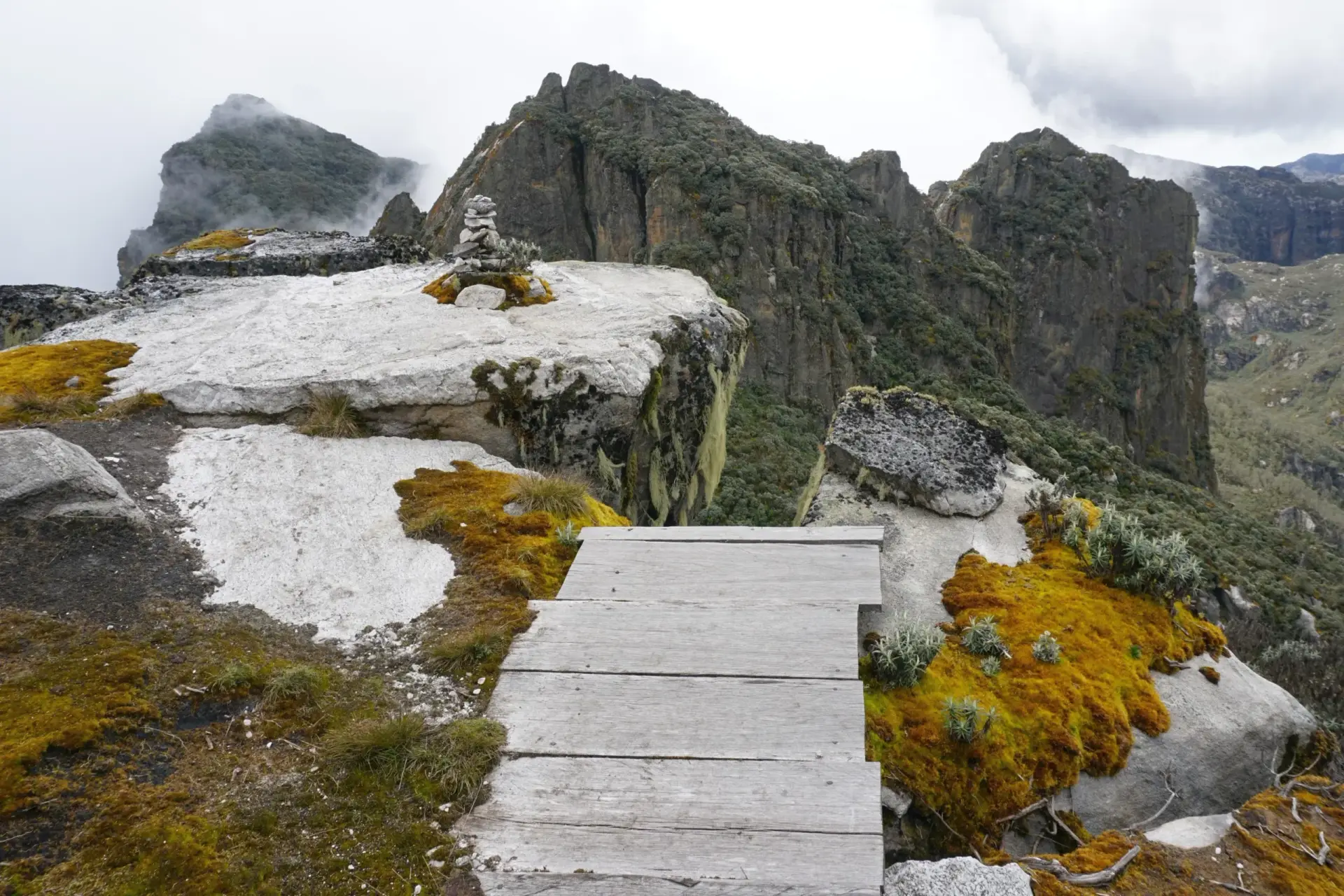
Discover Cheptegei Peak (4,969 m) in Uganda’s Rwenzori Mountains. This trip is a trek through glaciers, Afro-alpine zones & history to honor Joshua Cheptegei’s legacy. Joining the already remarkable collection of peaks in the Rwenzori Mountains comes the Cheptegei Peak, which stands at 4,969 meters. Joshua Cheptegei exemplifies the ideals of greatness and inspiration, and this peak bears his name in his honor. From verdant montane forests to the icy nival zone, climbing Cheptegei Peak takes you on a breathtaking journey through various flora zones.
At every turn of the trail, the ecological importance and breathtaking scenery of the Rwenzori Mountains become more apparent. Climbers of Cheptegei Peak face a formidable physical obstacle as well as a chance to honor the memory of one of Uganda’s most revered athletes. With each new ascent, Cheptegei Peak becomes an even more beloved landmark, encouraging explorers of all ages to set lofty personal goals for themselves.

Cheptegei Peak, Rwenzori Mountains
Cheptegei Peak: An Overview
In 2021, officials designated Cheptegei Peak in honor of Ugandan long-distance runner Joshua Cheptegei, following his world record-breaking performance in the 10,000-meter race in 2020. Standing at an impressive elevation of 4,969 meters (16,307 feet) above sea level, Cheptegei Peak is a significant addition to the Mount Stanley range. The peak’s naming serves as a symbol of national pride and inspiration for Uganda and the African continent, celebrating Cheptegei’s extraordinary achievements in athletics.
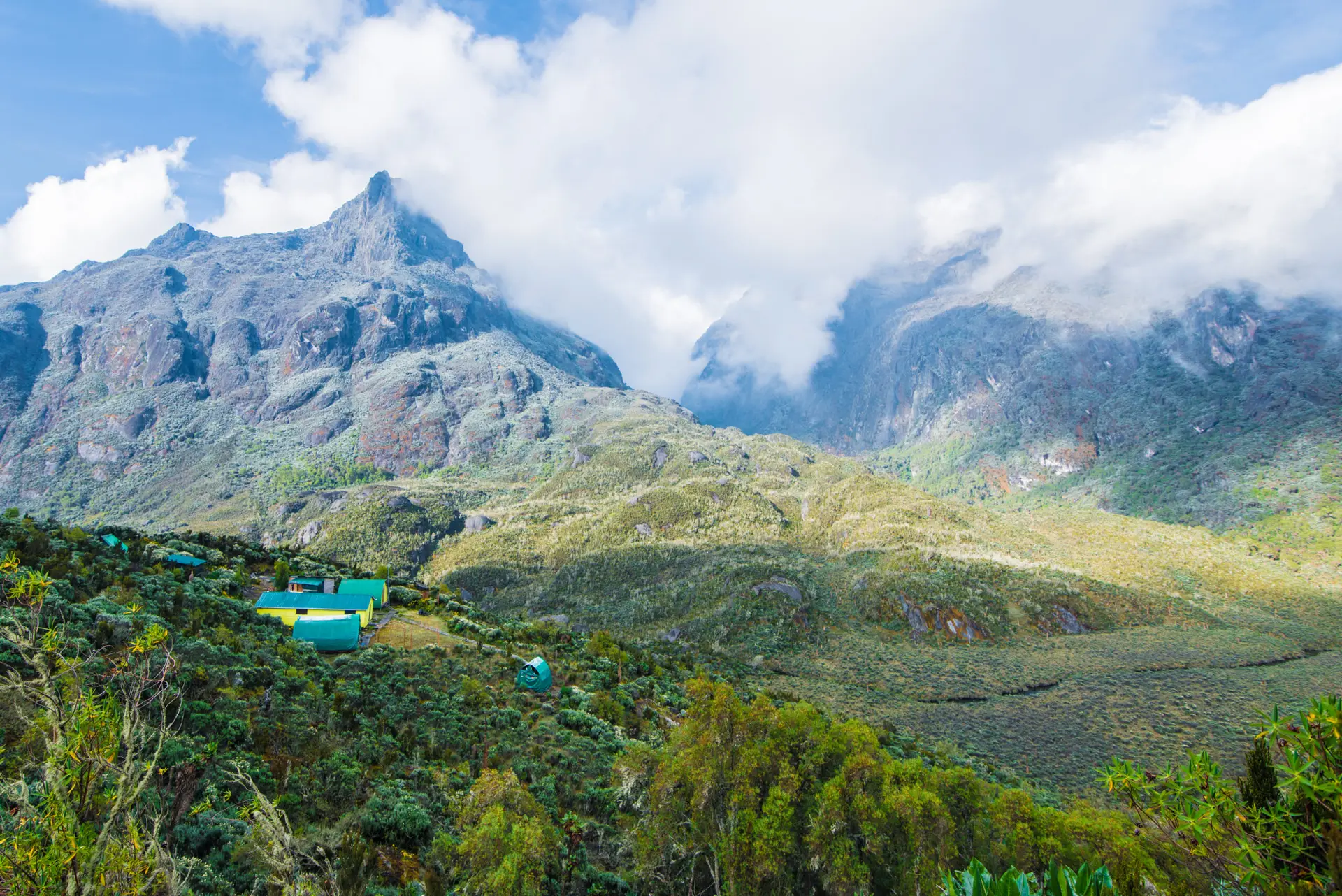
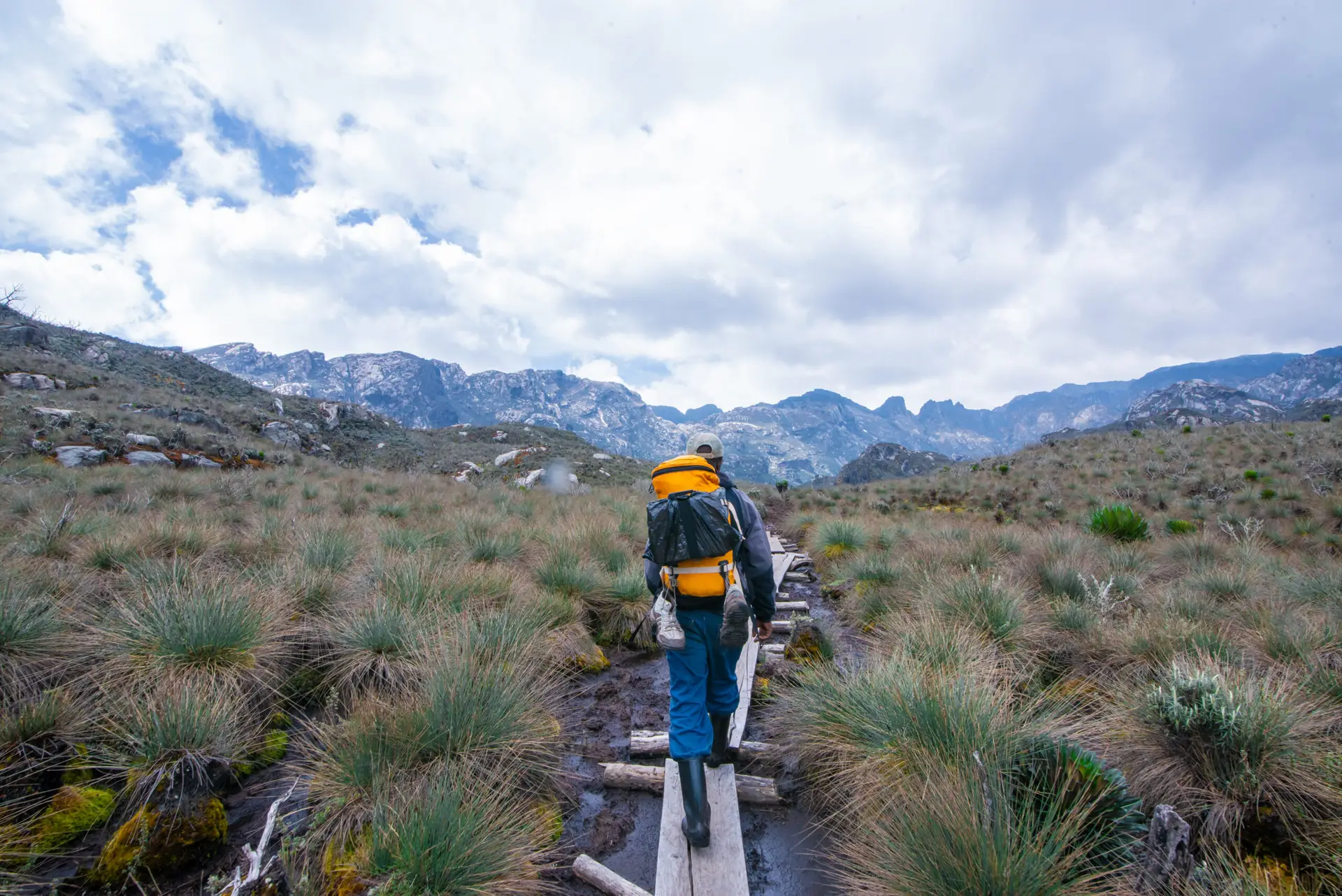
Climbing Cheptegei Peak on Mount Stanley offers a journey through several distinct vegetation zones, each with its unique flora and fauna. These zones reflect the altitude gradient and the varying climatic conditions of the Rwenzori Mountains.
Why Choose the Cheptegei Peak?
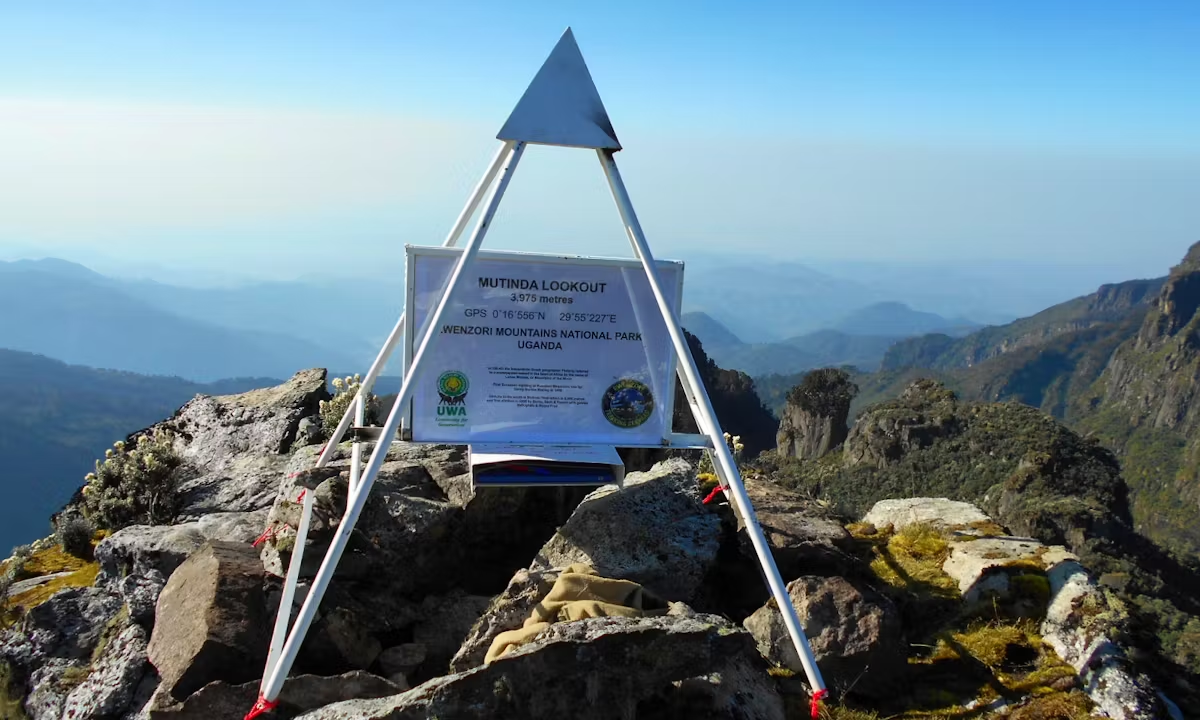
New Rwenzori Peak: A newly accessible viewpoint on Mount Stanley, offering panoramic views without intense technical climbing.
Unique Trekking Route: The Kilembe Trail is less crowded, clean, and rich in flora, fauna, and cultural stories.
Expert-Led: Guided by an experienced Rwenzori Trekking Safaris team, with porters and cooks to support your journey.
Ideal for Acclimatization: The gradual gain in altitude helps minimize altitude sickness while still offering a challenge.
Eco-Friendly Adventure: Stay in sustainably built camps and follow Leave No Trace principles in one of Africa’s most delicate ecosystems.
Why Climb Cheptegei Peak?
Climbing Cheptegei Peak (4,900 m) on the Rwenzori Mountains is one of the most rewarding trekking experiences in East Africa. The Cheptegei Peak, named after Uganda’s Olympic gold champion Joshua Cheptegei, is a recent addition to Mount Stanley, part of the Rwenzori range, and offers an excellent opportunity for adventure, challenge, and national pride. Please consider these reasons for including it on your list of must-dos.
One way to experience excitement, culture, and nature all at the same time is to climb Cheptegei Peak. This climb is ideal for people who want to experience the wild beauty of the Rwenzori Mountains while also taking on an exciting and attainable challenge.
-
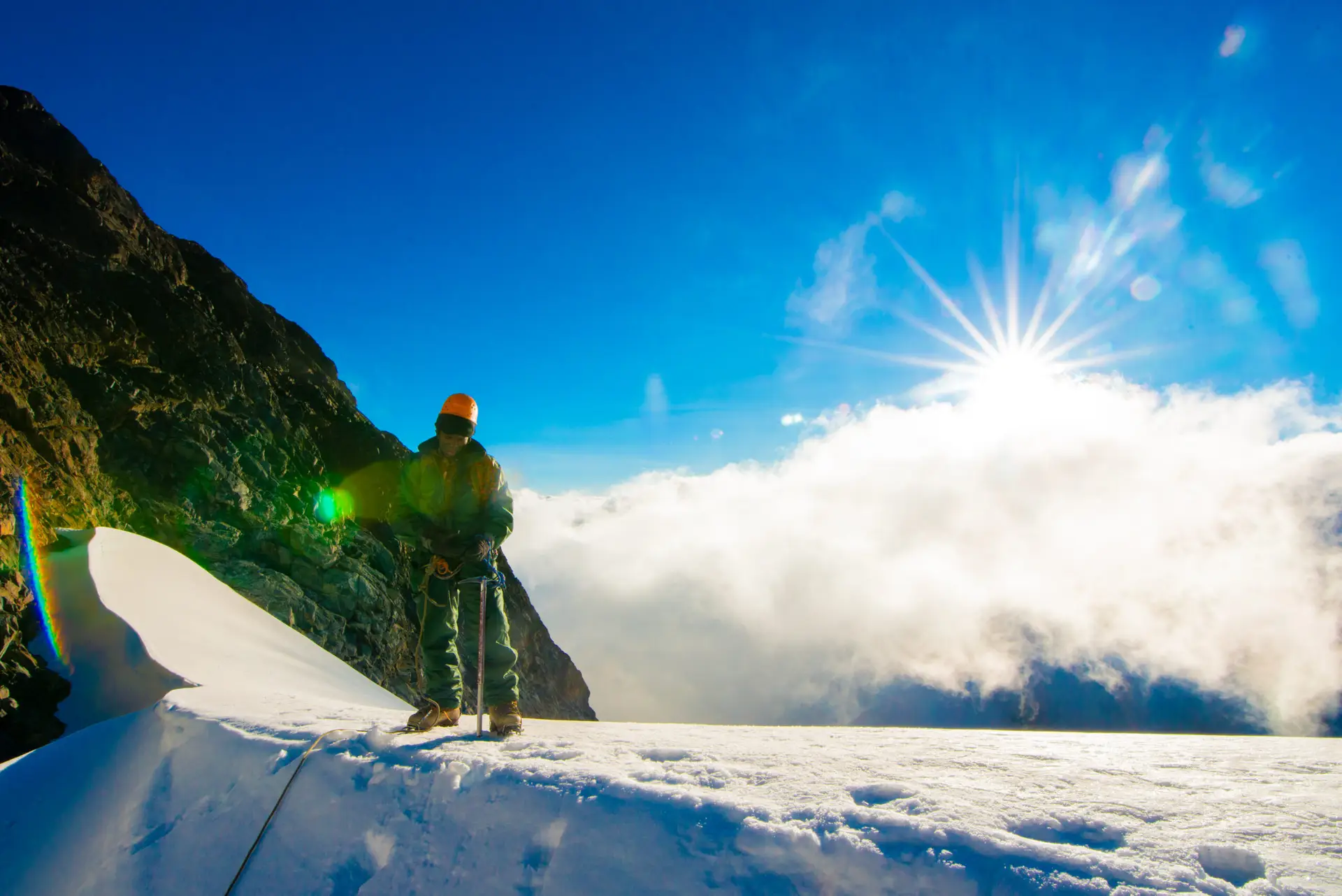
Mountaineering Adventure: A less-crowded alternative to Margherita, offering a fresh mountaineering challenge.
-
Cultural Pride: A tribute to Joshua Cheptegei’s record-breaking feet.
-
Biodiversity: A rare walk through equatorial snow, Afro-alpine ecosystems, and endemic wildlife.
-
Photography: Panoramic glacier views, dramatic valleys, and legendary sunrise moments.
Best Time to Climb Cheptegei Peak in the Rwenzori Mountains.
The dry seasons, which last from December to February and June to August, have better weather for hiking the Rwenzoris, more stable trails, and less danger when crossing the Rwenzori Mountains. The Rwenzori Mountains are known for having unpredictable weather, so climbers should be ready for any situation.
Mountaineers who want to be safe and calm and have wonderful photo opportunities should plan their hikes during these months. Adventurers who prefer a more natural setting can still enjoy the rainy season, but they must be prepared for muck and mist.
The Best Months to Climb Cheptegei Peak
-
December–February: Warmest and driest period, offering the clearest skies and excellent summit views.
-
June–August: The weather is cooler but still relatively dry, with fewer rain showers and more stable trekking conditions.
These two windows are widely considered the ideal seasons for Rwenzori trekking, including Cheptegei Peak. Trails are less muddy, glaciers are more accessible, and the scenery is at its most breathtaking.
The Rainier Months (March–May & September–November)
-
Trails become slippery and muddy, making the climb more difficult.
-
Clouds and fog often obscure summit views.
-
However, these months bring out lush vegetation and vibrant landscapes, offering unique photographic opportunities for nature lovers.
If you’re adventurous and don’t mind tougher conditions, trekking in the rainy season offers solitude and dramatic scenery, but it requires greater stamina and preparation.
Altitude & Climate Considerations
Even in the drier months, expect:
-
Cold temperatures near the summit (below freezing at night).
-
Unpredictable weather: Sudden showers or mist are common at high altitudes.
-
Snow around the peak, which is part of what makes Cheptegei Peak so unique in the heart of the tropics.