Gorilla Trekking Rules and Requirements: Essential Guidelines for a Safe and Responsible Adventure. Learn the essential rules and requirements for gorilla trekking in Uganda, Rwanda, and DR Congo. This guide covers permits, age limits, fitness tips, safety guidelines, and what to expect during your gorilla trekking experience.
Gorilla trekking rules and requirements form the backbone of one of Africa’s most extraordinary wildlife encounters. Anyone wishing to meet mountain gorillas in Uganda, Rwanda, or DR Congo must follow specific guidelines designed to protect the mountain gorillas, the forest, and the trekkers themselves. These rules ensure that every visit supports conservation while giving travelers a safe and unforgettable experience.
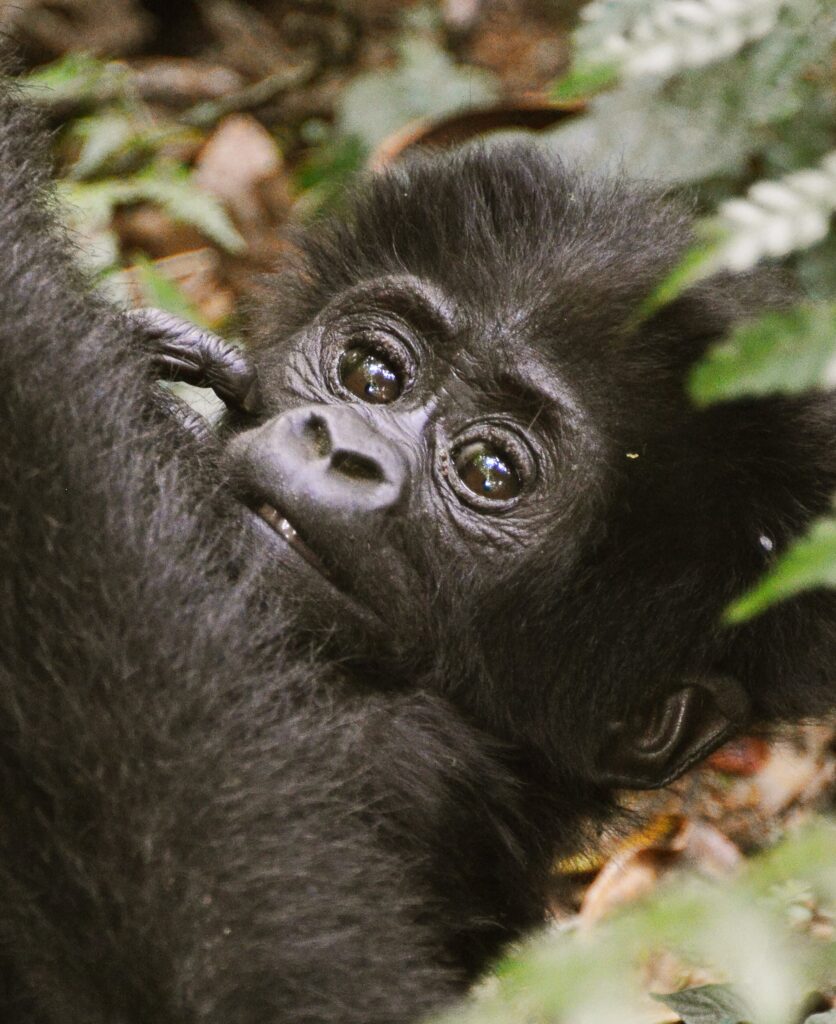
Baby Gorilla in Bwindi Impenetrable National Park
Gorilla trekking is an exceptional yet unique experience where travelers embark on a remarkable adventure of a lifetime, coming face-to-face with the mountain in the dense forests of Bwindi and Mgahinga National Parks. The unforgettable adventure of gorilla trekking brings adventurers into a unique venture in the jungle to witness the magnificent creatures in their natural habitat. Gorilla trekking is a unique adventure that requires prior preparation and planning, offering visitors many unforgettable memories. There are important rules and requirements and things to expect before embarking on this once-in-a-lifetime journey.
What are the requirements for gorilla trekking?
Authorities from the three major countries that offer gorilla trekking issue the gorilla trekking permits, which are the primary requirement for gorilla trekking. Other requirements for gorilla trekking include physical fitness that requires prior preparation, like yoga and exercises. Age is another requirement that is considered during gorilla trekking exercises, with children below the age of 15years not eligible to trek gorillas due to certain reasons.
Detailed requirements for gorilla trekking
Gorilla Trekking Permit.
Before embarking on gorilla trekking, the most crucial requirement is a gorilla trekking permit that is mandatory and is the main entry pass leading trekkers to the home of gorillas.
The price of the gorilla permits varies from one country to another, with Rwanda having the highest cost at $1500 for a foreign non resident, 500$ for an African resident in the low season, and $200 for an East African resident.
A gorilla permit in Uganda costs $800 for a foreign non-resident, $700 for a foreign resident, and 250000 UGX for an East African resident.
Gorilla permits in DR Congo are $400 in Kahuzi Beiga. Gorilla trekking permits are limited, with only 8 permits issued per gorilla family per day. This limitation is among the measures that have been established to ensure the conservation and sustainability of gorillas. This limitation is essential for reducing human impact on the gorilla’s environment and avoiding crowding around the animals. Due to the increased competition for gorilla permits and the limitation of only 8 permits available for each gorilla family, it is advisable to book your gorilla permit at least 6 to 12 months in advance, with payment required at the time of booking, especially if you plan to visit the gorillas during the peak seasons of December to March and June to September.
Age Requirement
Age requirement is another crucial factor to consider for gorillas, and the minimum age is 15 years old. The rule is set to protect gorillas and children who may experience challenges during the trek, including the long walk that is physically demanding. The children may display uncommon behavior around the gorillas, including screaming, due to being frightened by the size of the gentle giants, which may make them react in advance. The presence of the gorillas may stress them out.
Physical fitness
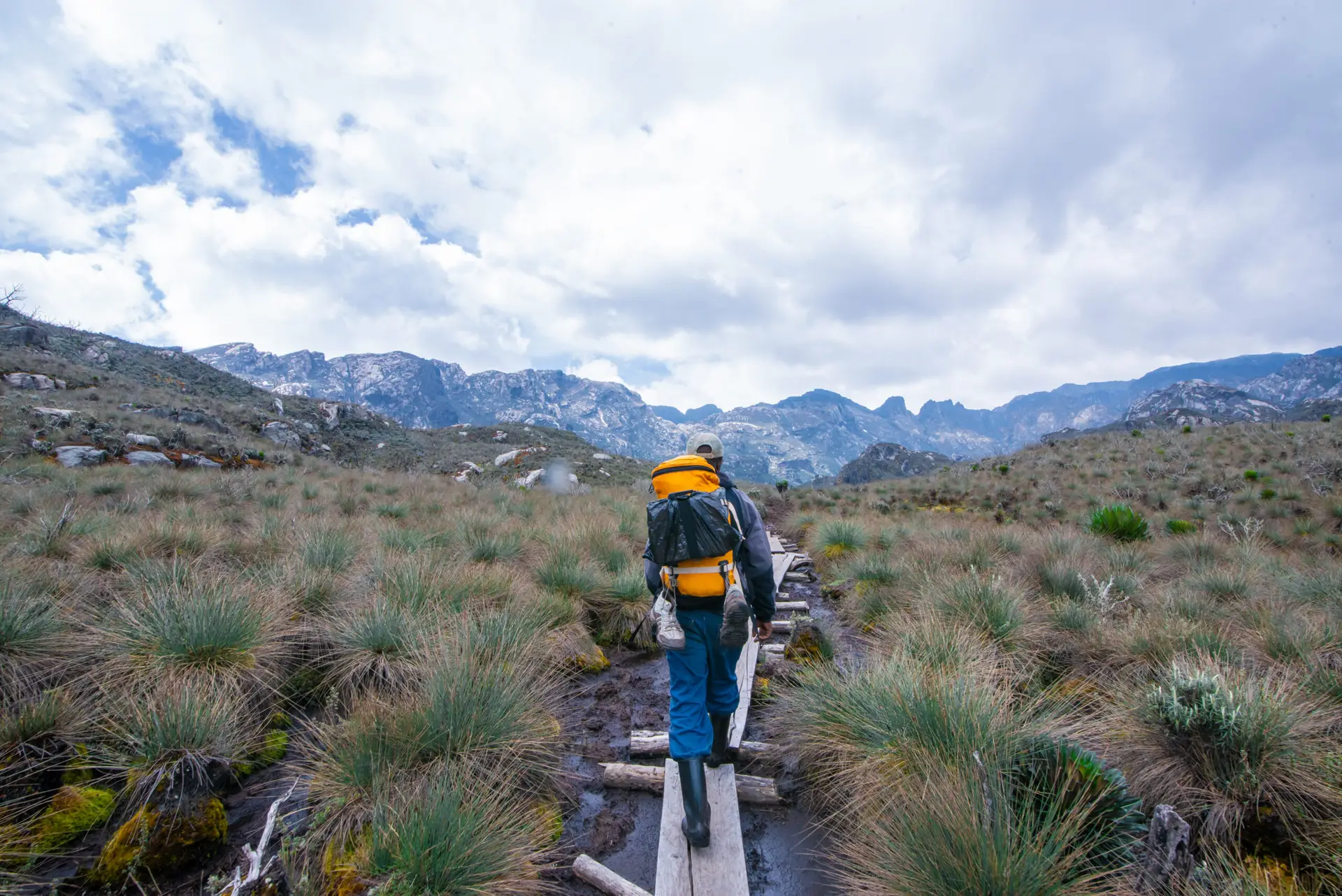
Gorilla trekking often involves hiking through the dense forests and steep terrains, and this requires physical strength. It may not be necessary for you to be an athlete, but a reasonable level of fitness is required for successful gorilla trekking. Gorilla trekking can last from 1 to 8 hours, depending on the location of the gorillas, making it an activity that demands you be in a position to embark on hiking and walking over long distances.
Health Requirements
Gorillas have DNA 98% like that of humans, making them easily prone to catching diseases from human beings, especially colds and other respiratory illnesses. Trekkers embarking on a gorilla trek are required to be in optimal health and free from any contagious sickness.
If you have already paid for your gorilla permit and then catch the flu or develop flu-like symptoms, you will not be allowed to participate, and rescheduling your gorilla permit to a future date is the best option to protect the gorillas from illness. In some minor cases, you are required to wear a mask while in the forest with gorillas. This measure reduces the risk of transmitting the disease to the vulnerable animals.
Essential Rules for gorilla trekking
Group size.
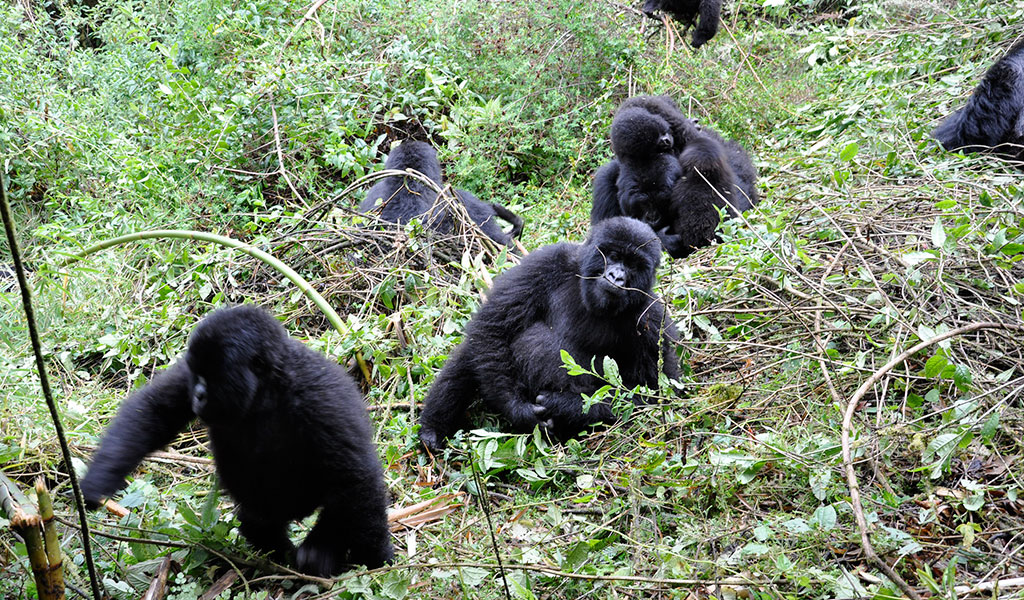
The group size required for gorilla trekking is limited to only 8 members per gorilla family in a day. This is to ensure minimal disturbance to the gorillas and allow each group to experience a more intimate encounter with them. Additionally, the limitation of only 8 people is to ensure the sustainability of the gorillas, which is a measure of conservation for the endangered species.
One hour with the gorillas.
Gorilla trekking is limited to one hour to reduce stress and allow the gorillas to continue their daily routines in their natural habitats. The one hour that visitors spend with the gorillas also serves as a measure of conservation to ensure their sustainability for future generations.
Minimum distance.
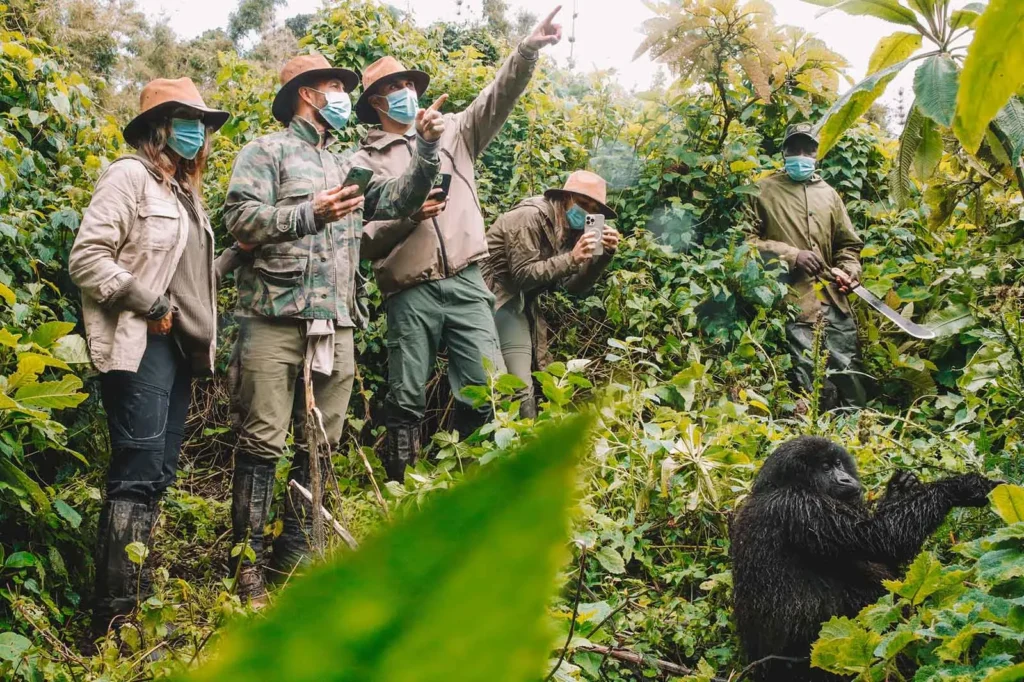
The standard measure visitors are required to take is a 7-meter distance away from the gorillas. The distance protects the gorillas from any possible airborne diseases and is a way of respecting their personal space. Additionally, gorillas, even though habituated, remain wild animals with any domestic values; they may be required to run from you and cause an accident. Therefore, maintaining distance also protects you from these large animals, as their strength could cause serious physical injury.
The use of flash photography is strictly prohibited.
Photography is permitted and a camera is among the essential requirements for gorilla trekking to enable you to capture these memories of gorilla trekking. However, the flash on either the camera or the phone is restricted and totally prohibited. The sudden burst of light from the flash can startle or scare the gorillas. Be sure to switch off the flash on the camera before you start taking the photos of the gorillas on your gorilla trekking safari.
Avoid consuming food or drink near the gorillas.
Eating and drinking near gorillas is banned, as dropped food can attract them and increase their disease risk. Plan to eat and drink before or after you encounter the gorillas, as these herbivorous animals only consume leaves, roots, stems, and occasionally insects; therefore, human food is not suitable for them and may cause illness.
Follow the guide’s instructions.
Gorilla trekking is always done with the guidance of experienced rangers and guides who know the forest and the gorilla groups as well as the safety measures for trekkers. Endeavor to follow your guides’ instructions as they will help you approach the gorillas safely and ensure a very successful experience. It’s very essential to be with the guide and ask them any questions during the gorilla trekking.
Keep noise to a minimum.
Maintaining silence during gorilla trekking is very crucial, as it ensures the gorillas are not disturbed or scared in their natural habitat. This helps the gorillas feel more comfortable, creating a better ambiance and a more natural and enjoyable observation for the trekkers.
Avoid Sudden Movements.
During gorilla trekking, be sure to avoid sudden movements that may appear aggressive or threatening to gorillas. Move calmly and steadily during the trek so as to ensure that the gorillas feel comfortable and at ease during your presence.
Avoid making contact with the gorillas.
Physical contact with the gorillas is highly restricted and forbidden; gorillas are sensitive to human germs and diseases, and any form of contact could be harmful. While gorillas are occasionally closer out of curiosity, it’s critical to maintain the 7-meter rule as much as possible.
Dispose of waste properly.
The forest is a natural home for gorillas, and it is the responsibility of all trekkers who visit to ensure that it is well conserved through proper waste disposal. Ensure that items such as water bottles, food wrappers, and tissues are properly disposed of in designated trash receptacles. Leaving the waste in the forest, which is the gorilla habitat, is strictly forbidden.
Leave the gorillas to display signs of distress.
Gorillas are generally peaceful, but like any wild animals, they may feel threatened or stressed by the presence of human beings. If the gorillas show signs of stress or aggression, it should be taken seriously. Gorillas may display signs of stress or aggression through behaviors such as chest beating, vocalizing, or mock charging; therefore, it is very advisable to follow the guide’s instructions during this time and to leave calmly and respectfully.
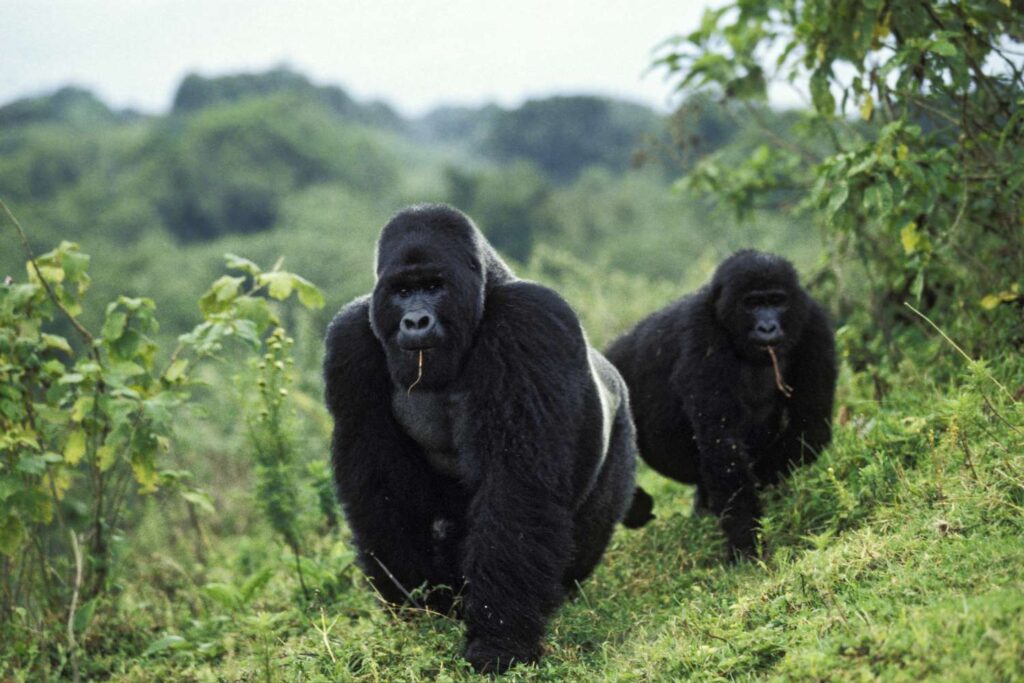
Virunga National Park, DR. Congo.
Gorilla trekking is a unique experience like no other that connects humans with the gentle giants. While planning for gorilla trekking, permits, physical preparation, and strict adherence to the rules, the rewards are beyond words. Following these guidelines does not only protect and ensure the safety of the trekkers and gorillas but also ensures a very unforgettable experience that enhances the sustainability of the gorillas.