
Lake Mburo National Park, Uganda: Complete Safari Guide, Wildlife, Activities & Best Time to Visit.
Lake Mburo National Park, Uganda: A Complete Safari Destination Guide. Discover Lake Mburo National Park in Uganda, its wildlife, zebras, boat safaris, cycling, horse riding, the best time to visit, and accommodation options.
Lake Mburo National Park is one of Uganda’s beautiful and unique national parks, protecting and preserving several wildlife species. Located in the southwestern part of Uganda, Lake Mburo is smaller than the other savannah national parks in Uganda, with a rich natural beauty and diverse and breathtaking scenery. It provides an intimate safari experience with activities ranging from game drives to boat trips and guided nature in the park. The park is made up of a mixture of savannah, woodlands, wetlands, and lakes, which together create a beautiful habitat for the wildlife that call this park their home. Discover the park’s history, location, accessibility, attractions, activities, accommodation, and other essential details.
With open savannah, acacia woodlands, wetlands, rocky outcrops, and a chain of scenic lakes, Lake Mburo provides an intimate and relaxed safari experience ideal for travelers seeking wildlife encounters without crowds.
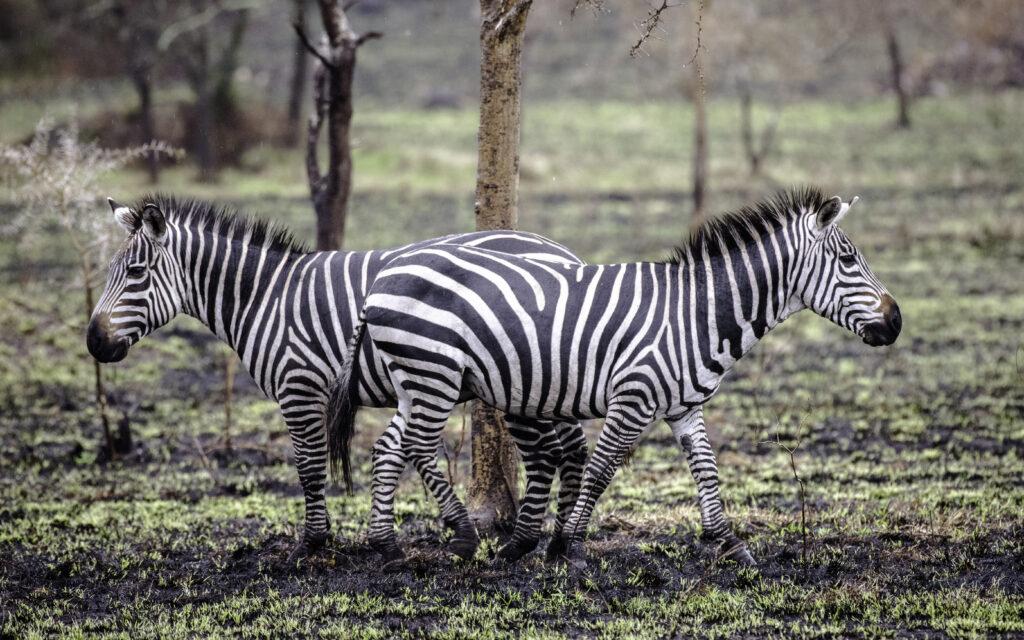
Zebras Roaming in Lake Mburo
Lake Mburo National Park proves that size does not define quality. From zebras roaming the savannah to tranquil boat safaris, horseback riding, and cycling among wildlife, the park offers experiences unavailable anywhere else in Uganda.
Easily accessible from Kampala, rich in wildlife, and packed with unique activities, Lake Mburo is an essential stop on any Uganda safari, whether you’re an adventure seeker, photographer, or nature enthusiast.
History of Lake Mburo National Park
Lake Mburo National Park was officially gazetted in 1983, but its history stretches far beyond its formal conservation status. Before becoming a national park, the area was inhabited primarily by the Banyankole pastoralist communities, who used the land for cattle grazing and small-scale farming.
The park’s name is rooted in local legend. According to oral history, two brothers, Mburo and Kigarama, once lived in the area. Kigarama reportedly dreamt of a devastating flood and warned his brother to move to higher ground. Mburo ignored the warning and was drowned when the flood came. The lake was named after Mburo, while the surrounding hills were named after Kigarama.
The establishment of the park in the 1980s led to tensions and displacement of local communities. Over time, conservation strategies evolved to balance wildlife protection with community livelihoods. Today, Lake Mburo stands as a strong example of community-inclusive conservation, with surrounding communities benefiting from tourism and conservation-related activities.
Location and Accessibility of Lake Mburo National Park.
Lake Mburo is located in southwestern Uganda in the Kiruhura district and sits on an area of approximately 370 square kilometers. The park features various landscapes, including savannah grasslands, acacia woodlands, rocky outcrops, wetlands, and lakes. The largest of the park’s five lakes is Lake Mburo.
You can access Lake Mburo from Uganda’s capital city, Kampala, via either road or local flight. The park is only 240 kilometers from Kampala, and travelers can easily reach the park by either road or with a flight to the park . The journey is short; it’s about 2-4 hours depending on the speed limit. Travellers can also use a plane to Mbarara, a major city located in Uganda, and embark on a short drive to Mburo. The route by road to Lake Mburo is well-tarmacked, and the road offers a smooth drive through the country’s green scenery.
Attractions in Lake Mburo National Park.
Wildlife in Lake Mburo National Park
Lake Mburo National Park, though smaller than other national parks in Uganda, is home to an impressive variety of animals, making it one of the major attractions in the area. Lake Mburo is the only national park where you can find zebras in the wild. These black and white striped animals roam all over the park in large herds of zebras in the wild.
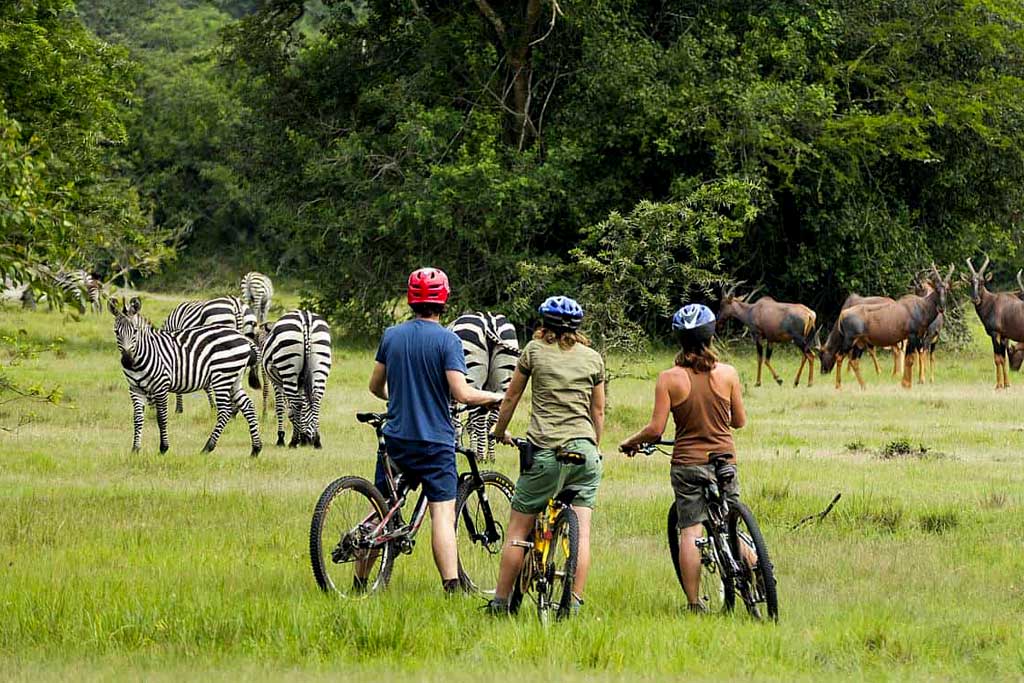
Lake Mburo also supports the livelihoods of several antelope families, including impalas, topis, waterbucks, elands, and several others. Giraffes, buffaloes, hippos, crocodiles, and bushbucks are among the other animals that inhabit the park.
Lake Mburo is also home to predators such as leopards and hyenas, which can be challenging to spot.
Bird Watching in Lake Mburo National Park
Lake Mburo National Park is also an exceptional birding destination, with over 350 bird species living in its vicinity. The lakes and wetlands attract a wide variety of water birds like the African fish eagle, pelicans, herons, and the kingfisher, while the grasslands and forests are home to species such as the red-faced barbet, white-winged warbler, and the crested crane, which is Uganda’s national bird. During the boat ride, visitors can spot other bird species on the lake.
Beautiful lakes and scenic views.
Another striking feature in Lake Mburo National Park is the beautiful landscape; the savannah plains, acacia trees, and several lakes in the park provide stunning views, especially during the sunset and sunrise. Rocky outcrops and forested hills add to the park’s scenic beauty, making it a photographer’s dream destination.
Things to Do in Lake Mburo National Park
Game Drives
Game drives are the primary way to explore the park’s wildlife. Drives are conducted in the morning, afternoon, evening, and at night. Night game drives provide a chance to spot nocturnal species, especially leopards.
Boat Safaris
Boat cruises on Lake Mburo allow close encounters with hippos, crocodiles, and waterbirds. The calm waters and surrounding hills create a peaceful and scenic safari experience.
Horse Riding Safaris
Lake Mburo is the only national park in Uganda offering horseback safaris. Riding through the savannah allows visitors to observe wildlife quietly and up close without vehicles.
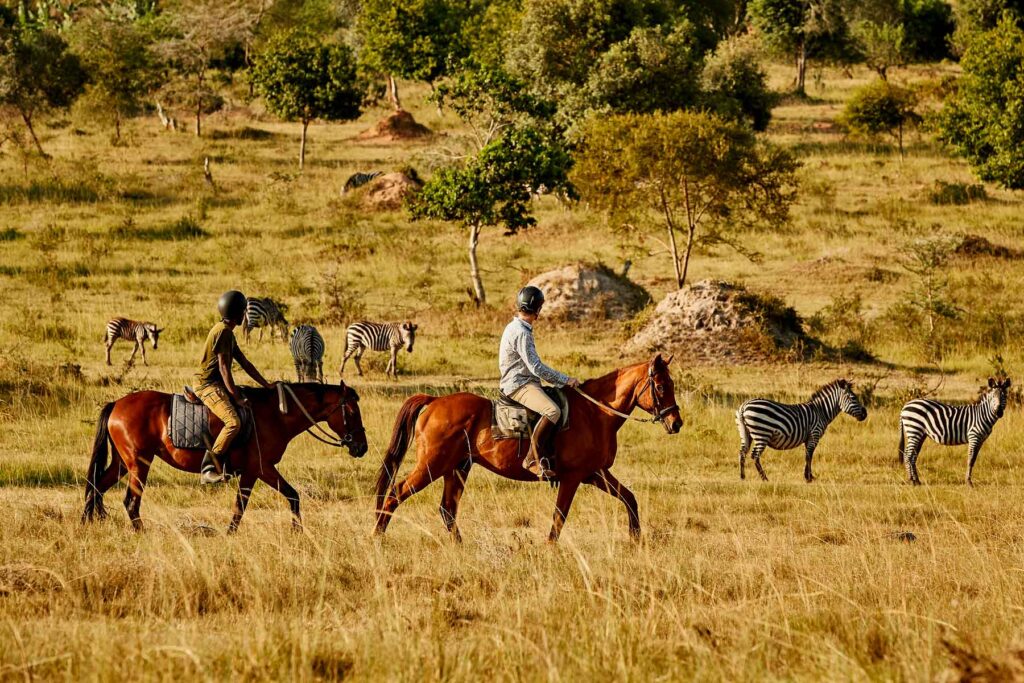
Horseback Safaris in Lake Mburo National Park
Cycling Safaris
Guided cycling safaris are another unique activity exclusive to Lake Mburo. Visitors cycle along designated trails, accompanied by armed guides, combining adventure with wildlife viewing.
Guided Nature Walks and Birding
Nature walks provide an immersive way to experience the park’s ecosystems, while birding excursions cater to both casual and serious birdwatchers.
Best time to visit Lake Mburo National Park.
Lake Mburo can be visited any time of the year, and the best time typically depends on the experience that visitors require to experience. There are two seasons that the park experiences, including dry and wet seasons, with the dry season running from December to March and June to September. The season offers optimal weather conditions with dry trails, making game drives very enjoyable, and wildlife viewing is easy.
Cycling is also very enjoyable in the dry season, as the trails are not slippery. Horse riding is also doable during the dry season, and boat rides are also perfect for game viewing, as animals tend to move near water sources for water.
The wet season, which varies from April to May and October to November, is associated with heavy rains; however, the scenery in the park is incredible, offering stunning views of the neighboring hills. Some activities like nature walks and birding can be done during this time of the year; however, the trails can be muddy and challenging to navigate.

 Email Us: